
-
When Love Meets Addiction: Boundaries, Therapy, and Choosing Self-Respect to Heal

This reflection examines how one person confronted a partner’s alcoholism by establishing non-negotiable boundaries, pursuing therapy, and prioritizing self-respect. It traces childhood exposure to addiction, the recognition of repeating patterns, and the pivotal moment that catalyzed change. The narrative highlights stigma around mental health, especially for men, and the role of generational trauma in alcohol…
-
Utsav and Mricchakatika: A Scholarly, Heartfelt Reappraisal of Girish Karnad’s Adaptation

This scholarly reappraisal situates Utsav (1984) within the long legacy of Sudraka’s Mricchakatika, establishing a careful baseline before assessing Girish Karnad’s adaptation. It outlines the play’s complex plot, deftly interwoven subplots, and richly drawn charactersespecially Cārudatta and Vasantasena. It highlights the social and political motifs of Ujjaini under Palaka and Shakara, and the moral transformations…
-
Mississauga’s Landmark Stand Against Hinduphobia Strengthens Safety, Inclusion, and Faith Freedom

Mississauga City Council passed a historic resolution condemning Hinduphobia, reinforcing Canada’s commitment to freedom of religion and belief under the Canadian Charter of Rights and Freedoms. The motion addresses documented concernstemple vandalism, misinformation, and student harassmentthrough education, outreach, and collaboration with Peel Regional Police and interfaith organizations. Data-driven evidence from ISD and Rutgers underscores the…
-
Urban Air Pollution in India: Clear Solutions for Dust, Smog, and Healthier Cities

Urban air quality in India shapes daily life and health, with winter smog in Delhi and visible haze on live broadcasts underscoring a national challenge. This analysis clarifies the chemical pollutants (NOx, SO2, CO, ozone, VOCs, HAPs, NH3) and the physical spectrum of particulate matter (PM10, PM2.5, ultrafine particles). It explains why dustnot gasesis the…
-
Surpanakha and Rama: A Heart‑Rending Clash of Cultures in the Ramayana’s Moral World

This analysis reframes Surpanakha’s meeting with Rama as a cross-cultural encounter shaped by contrasting ethical codes. It explores how direct desire, marital fidelity, and ascetic restraint collide in Panchavati and why the misreading escalates into conflict. Readers gain a nuanced view of Surpanakha’s agency without moral reductionism. The discussion highlights consent, proportionality, and empathy as…
-
Arjuna’s Battlefield Anxiety: A Timeless Guide to Dharma, Mental Resilience, and Action

The Bhagavad Gita’s opening presents Arjuna in acute distresstrembling, disoriented, and morally tornoffering a precise portrait of battlefield anxiety. Rather than pathologizing, the text frames his vishada as the starting point for ethical clarity and inner steadiness. Krishna’s counsel models a pragmatic sequence: reframing, values-based duty, equanimity, breath regulation, and focused attention. These principles map…
-
Kauravas vs Pandavas Within: Unmasking Human Nature and the Timeless Dharma Struggle

The Mahabharata can be read as a symbolic map of human nature, where Kauravas and Pandavas represent Adharma and Dharma within. This academic yet accessible lens helps readers recognize envy, pride, and fear alongside conscience, courage, and compassion. The Bhagavad Gita’s counsel to Arjuna becomes a method for clear, disciplined action without attachment to outcomes.…
-
Karthika Deepotsavam 2025 in Tirupati: Radiant Lamp Ceremony, Timings, Live Telecast

TTD will observe Karthika Deepotsavam on 14 November 2025, 6:00–8:00 pm, at the Parade Grounds of the TTD Administrative Building in Tirupati, with a live telecast on Sri Venkateswara Bhakti Channel. The ceremony highlights the spiritual power of kartika/karthika masam, where lamp-lighting symbolizes inner illumination and renewal. Devotees can participate on-site with reverence and sustainability…
-
Jaipur Dialogues 2025: HJS urges transparent debate on the halal economy and social harmony

Hindu Janajagruti Samiti (HJS) engaged Jaipur Dialogues 2025 with a research-driven discussion on the halal economy, treating it as a matter of economic policy, transparency, and consumer choice rather than a sectarian dispute. The session analyzed how certification regimeshalal, kosher, vegetarian/veganshape supply chains, MSME costs, and labeling norms in India. It emphasized voluntary participation, standardized…
-
Jyotismati in Patanjali’s Yoga: Awaken the Inner Light for Clarity, Calm, and Focus
Jyotismati, from Patanjali’s Yogasutra 1.36, points to a sorrowless inner light that steadies the mind and clarifies thought. Situated within the sequence of practices in 1.33–1.39, it complements breath awareness, ethical attitudes, and focused attention. Practitioners find that resting awareness in this gentle radiance reduces reactivity and enhances concentration. The method pairs naturally with pranayama…
-
Katha Upanishad’s Naciketas and Yama: A Stirring Quest for Death’s Secret, Dharma, and Moksha

The Katha Upanishad frames Naciketas’s encounter with Yama as a disciplined quest for truth that unites ethics and insight. The three boons structure a complete path: reconciliation and dharma, Nachiketagni as ordered action, and the inquiry into death and the Self. Yama’s teaching clarifies śreya versus preya, the chariot allegory, Om as support, and the…
-
King Rantideva’s Final Offering: Compassion, Dharma, and Unity in SB 9.21.8–11
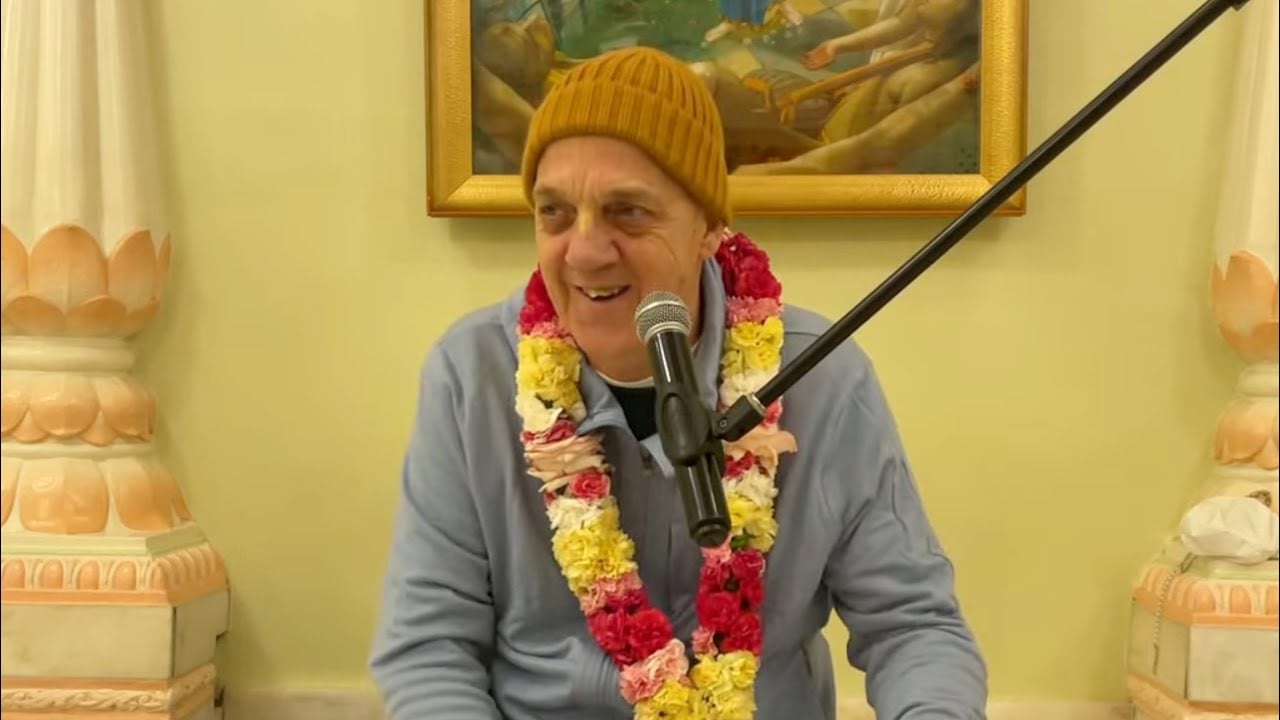
This session on SB 9.21.8–11, taught by HG Nrsimha Kavaca Prabhu, highlights King Rantideva’s extraordinary compassion and unwavering devotion under conditions of scarcity. The narrative shows how he honors every guestincluding animalswith full respect and service. It reframes hospitality as a rigorous spiritual discipline, not a social courtesy. The episode connects bhakti with dana, ahimsa,…
-
Simple Path, Demanding Practice: Transformative Insights on SB 12.13.13 at ISKCON Dwarka
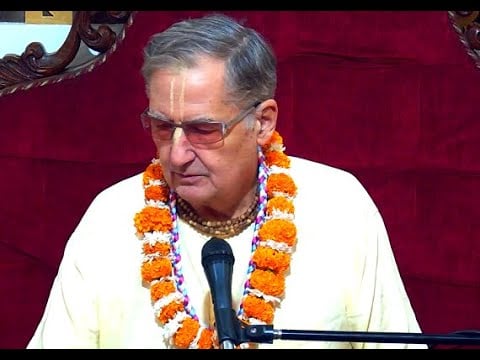
This reflection on SB 12.13.13 at ISKCON Dwarka clarifies a timeless principle: the spiritual path is simple, but consistent practice requires intention and community support. It explains why news and political debates often overshadow scriptural gatherings, and offers practical, compassionate ways to invite participation. Readers gain actionable stepsshort daily study, mindful chanting, and inclusive satsangato…
-
Transformative Humility: Srimad Bhagavatam 3.2.4 and the Grace Found in Rejection
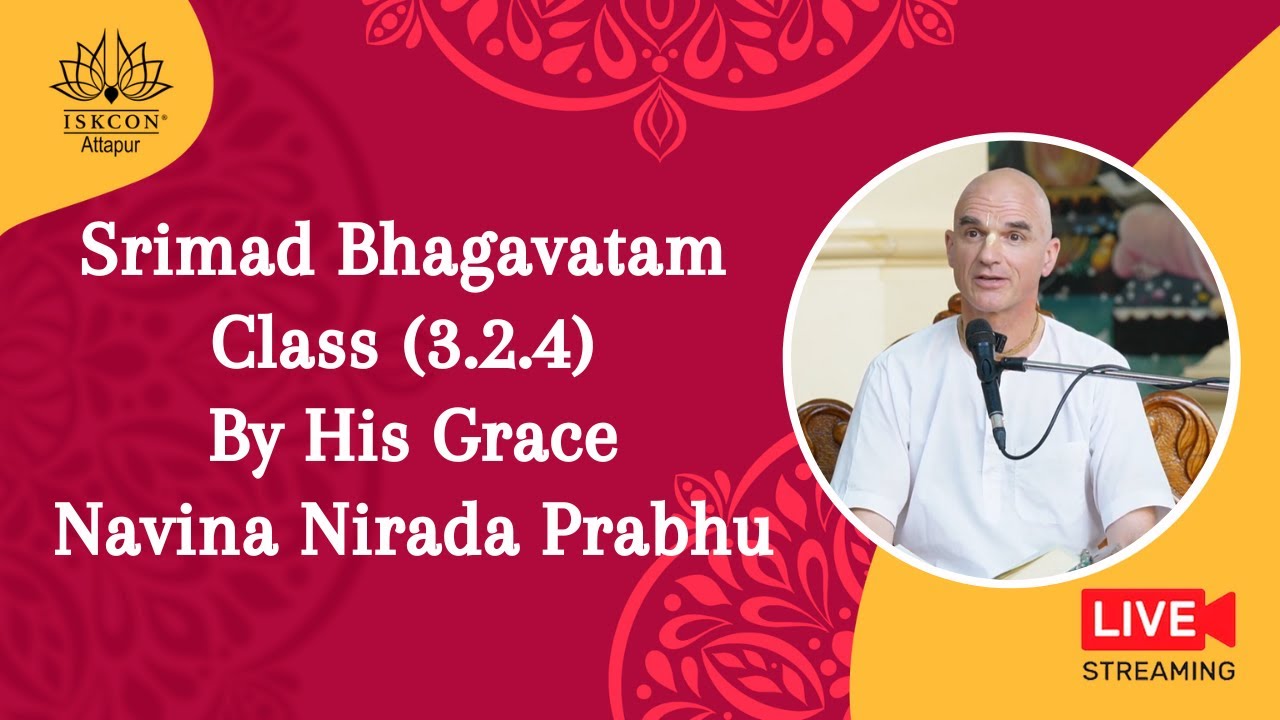
This reflection on Srimad Bhagavatam (3.2.4), shared by His Grace Navina Nirada Prabhu, reframes rejection as an instrument of grace in the Bhakti Tradition. It explains how disinterest from others punctures intellectual pride, especially when confidence rests on knowing a few shlokas. The analysis highlights humility, attentive listening, and seva as practical responses that transform…
-
Soul’s Prayer in the Womb: Transformative Insights on Jiva and the Five Elements (SB 3.31.14)
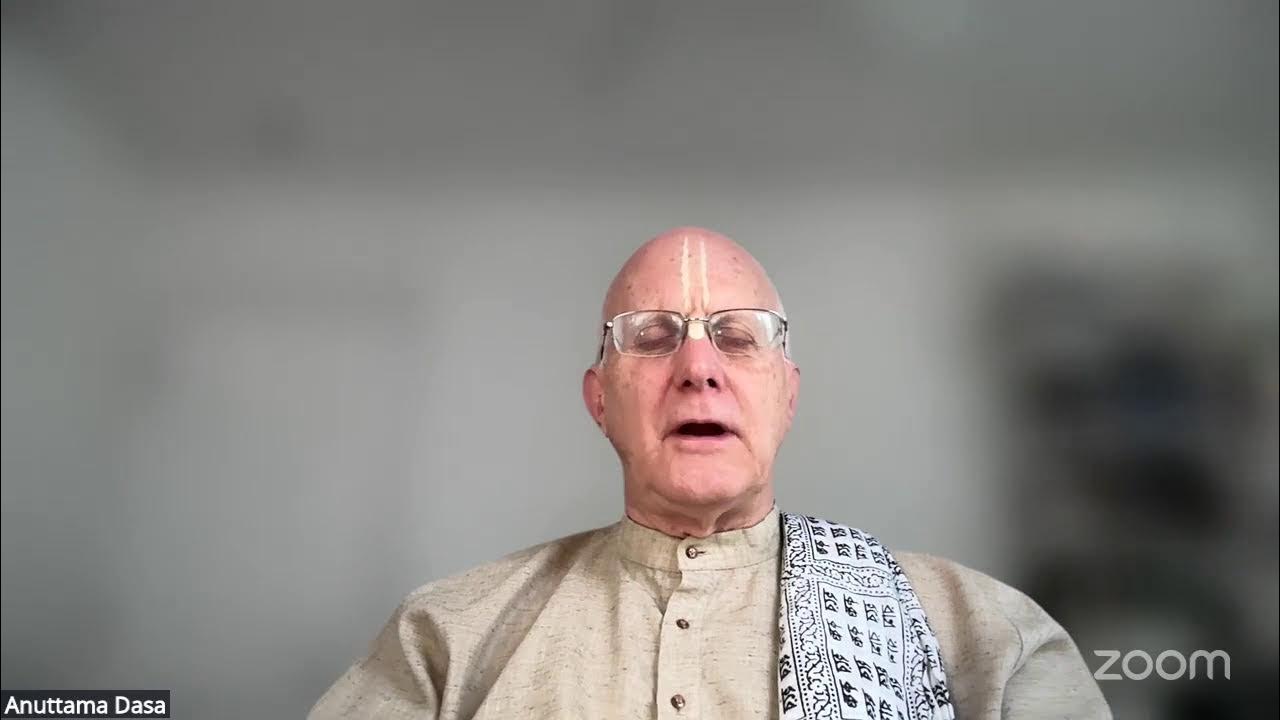
This post distills HG Anuttama Prabhu’s talk on Srimad Bhagavatam 3.31.14, where the soul in the womb prays to the Lord and recognizes separation while encased in a body of five elements. It clarifies how bhakti practice, supported by kirtan and scriptural reflection, can turn limitation into a catalyst for self-realization. The discussion uses a…
-
Delhi Red Fort Blast: UAPA Invoked as 9 Killed, 20 InjuredA Call for Unity
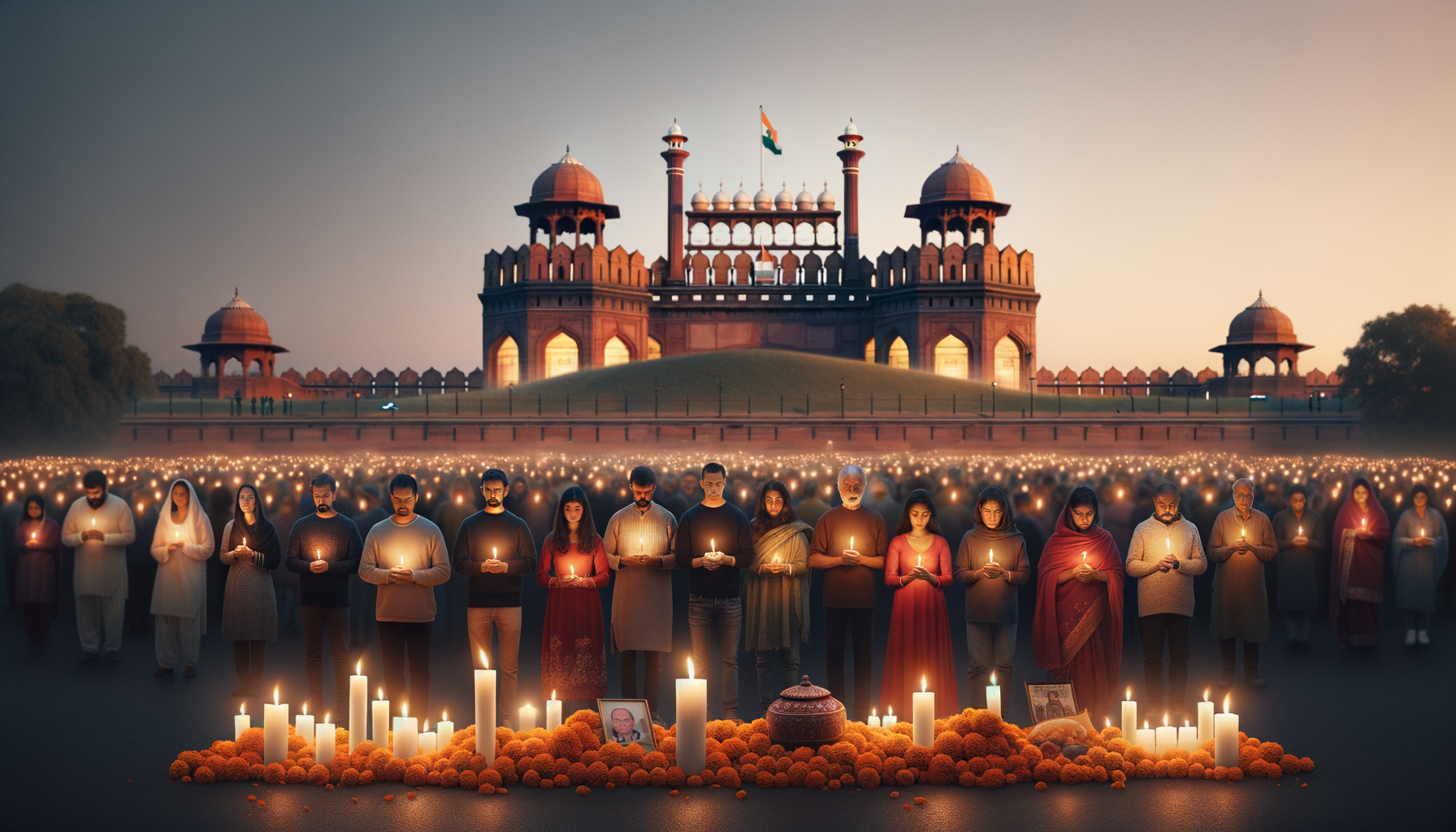
A blast near Delhi’s Red Fort has resulted in at least nine deaths and around twenty injuries, prompting authorities to invoke UAPA and treat the incident as a suspected terror case. Investigators are examining video footage that appears to show a suspect in a car before the explosion while forensics work to determine the method…
-
Why Words Fail the Divine: Dharmic Wisdom on Embracing the Infinite with Humility
The statement “to capture God in words is to diminish the Infinite” articulates a core dharmic insight: ultimate reality surpasses language. Hindu philosophy’s neti, neti, Buddhism’s emphasis on direct insight, Jainism’s Anekantavada, and Sikhism’s reverence for Ik Onkar collectively affirm the limits of speech and the value of humility. This perspective fosters interfaith respect, ethical…
-
Unwavering Devotion at Kumbakonam: Sarangapani’s Grace and Thirumazhisai Azhwar’s Miracle

Sarangapani Temple in Kumbakonam, a revered Vaishnava Divya Desam, preserves the living bond between devotee and deity through the gracious presence of Aravamudhan. The narrative of Thirumazhisai Azhwar’s unwavering devotionwell known from the Kanchipuram traditionprovides a theological lens for understanding how Bhakti experiences unfold at Sarangapani. Visitors encounter a devotional grammar in which divine responsiveness…
-
Bhishma and Drona Stood ReadyWhy Arjuna Faltered: Ego, Dharma, and the Inner War

Arjuna’s hesitation at Kurukshetra was not cowardice but a collision of compassion and duty, distorted by ego’s self-referential lens. The Bhagavad Gita reframes this confusion through Atman-centered understanding and Nishkama Karma, showing how to act without attachment to outcomes. Readers gain a practical framework: steady the mind, examine attachments, discern contextual dharma, and act with…
-
November 18, 2025 Panchang Guide: From Trayodashi to Chaturdashi for Peaceful, Auspicious Rituals

Tuesday, November 18, 2025 begins with Krishna Paksha Trayodashi tithi and shifts to Krishna Paksha Chaturdashi at 7:02 AM in most regions. The day’s arc supports contemplation, simple observances, and steady sadhana aligned with the waning moon. Households can plan puja, study, and charity by consulting local Panchang details for Nakshatra, Rashi, and muhurat. Abhijit…