
-
Nadi Samudra Nyaya: A Powerful River–Ocean Metaphor of Jiva, Brahman, and Liberation

Nadi Samudra Nyaya, the “Maxim of the River and the Ocean,” clarifies how Advaita Vedanta explains the relation between the individual self (jiva) and the ultimate reality (Brahman). The metaphor shows how apparent separateness dissolves at the point of realization, aligning with Upanishadic insights such as “Tat Tvam Asi.” Readers gain a clear, experience-near understanding…
-
Shiva Tattva Explained: Profound Meaning and Practical Paths to Dissolve into Oneness
Shiva Tattva points to the universal principle of pure, all-pervading consciousnessbeyond form and sectwhere experience arises and subsides. Drawing on Advaita, yoga, and related dharmic insights, this overview clarifies what Shiva Tattva means and why all are already immersed in it. It outlines practical methodsself-inquiry, meditation, prāṇāyāma, mantra-japa, devotion, and selfless servicegrounded in ethical disciplines.…
-
Karya in Hindu Thought: How Actions Shape Destiny, Ethics, and Liberation

Karya, derived from the Sanskrit root “kr” (to act), encapsulates “that which is done” and unites Hindu philosophy, ethics, and daily practice. It connects intention with outcome across traditionsfrom Sāṅkhya’s satkāryavāda and Nyāya’s causal clarity to Mīmāṁsā’s duty and Vedanta’s purifying karma yoga. The Bhagavad Gita’s “kāryam karma” frames action as an obligation performed without…
-
Spiritual Oneness in Hinduism: Vedic Wisdom to Heal Division, Injustice, and Ecological Harm

Spiritual oneness in Hinduism, rooted in the Vedas and Upanishads, offers a practical ethic for resolving modern crises. By recognizing a shared ground of being, communities can move beyond polarization toward empathy, dialogue, and responsible action. Dharmic traditions converge on this vision: Buddhism highlights interdependence, Jainism advances anekantavada and ahimsa, and Sikhism affirms Ik Onkar…
-
Sri Shankara Gita: Timeless Advaita Wisdom on Shiva’s Grace to Elevate Daily Practice

Sri Shankara Gita, traditionally associated with Adi Shankaracharya, distills Advaita Vedanta through the devotional lens of Lord Shiva’s grace. The text presents Shiva as the symbol of the Supreme Reality, guiding seekers from multiplicity to oneness. Its balanced integration of jnana, bhakti, and dharma makes the teachings both elevating and practical for daily practice. Readers…
-
Before the Particle Accelerator: Soviet Science, atma, and a Profound Dharmic Convergence

A quiet moment before a Soviet-era particle accelerator crystallizes a core insight: the most decisive forces in life are often unseen. This reflection connects modern physics with dharmic inquiry into atma, showing how both rely on disciplined methods to infer what cannot be directly observed. Hindu philosophy and Vedanta, Buddhism’s process-oriented view, Jainism’s jiva and…
-
Honoring Sri Ramanujacharya: Disappearance Day, Vishishtadvaita, and Living Bhakti
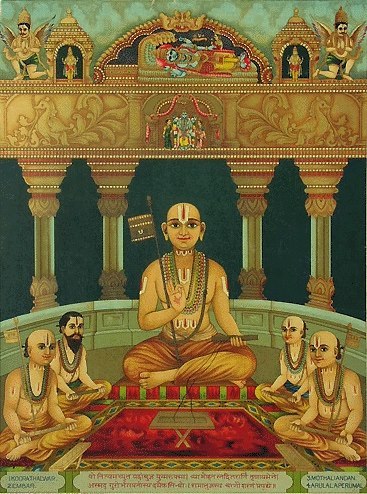
The Disappearance Day of Sri Ramanujacharya honors a towering acharya of the Sri sampradaya whose Vedantic commentary, Sri-bhasya, shaped Vishishtadvaita“qualified nondualism.” This perspective affirms unity with meaningful distinction, strengthening a personal relationship with the divine and grounding Bhakti in reason, ethics, and service. His wide travels, debates, and institution-buildingseventy-four centers and thousands of initiated disciplesnurtured…
-
Paramapurushartha Explained: The Supreme Human Goal in Hindu Thought for Inner Freedom

Paramapurushartha signifies the supreme human goal in Hindu philosophy, situating moksha as the culmination of life’s aims while harmonizing dharma, artha, and kama. It offers a practical framework for meaning, guiding ethical prosperity and refined enjoyment toward inner freedom. Drawing on the Upanishads, Bhagavad Gita, and Yoga, it aligns with parallel ideals across Dharmic traditionsnirvana…
-
Madhvacharya Jayanti 2026: Date, Significance, and Reflections on Dvaita Vedanta
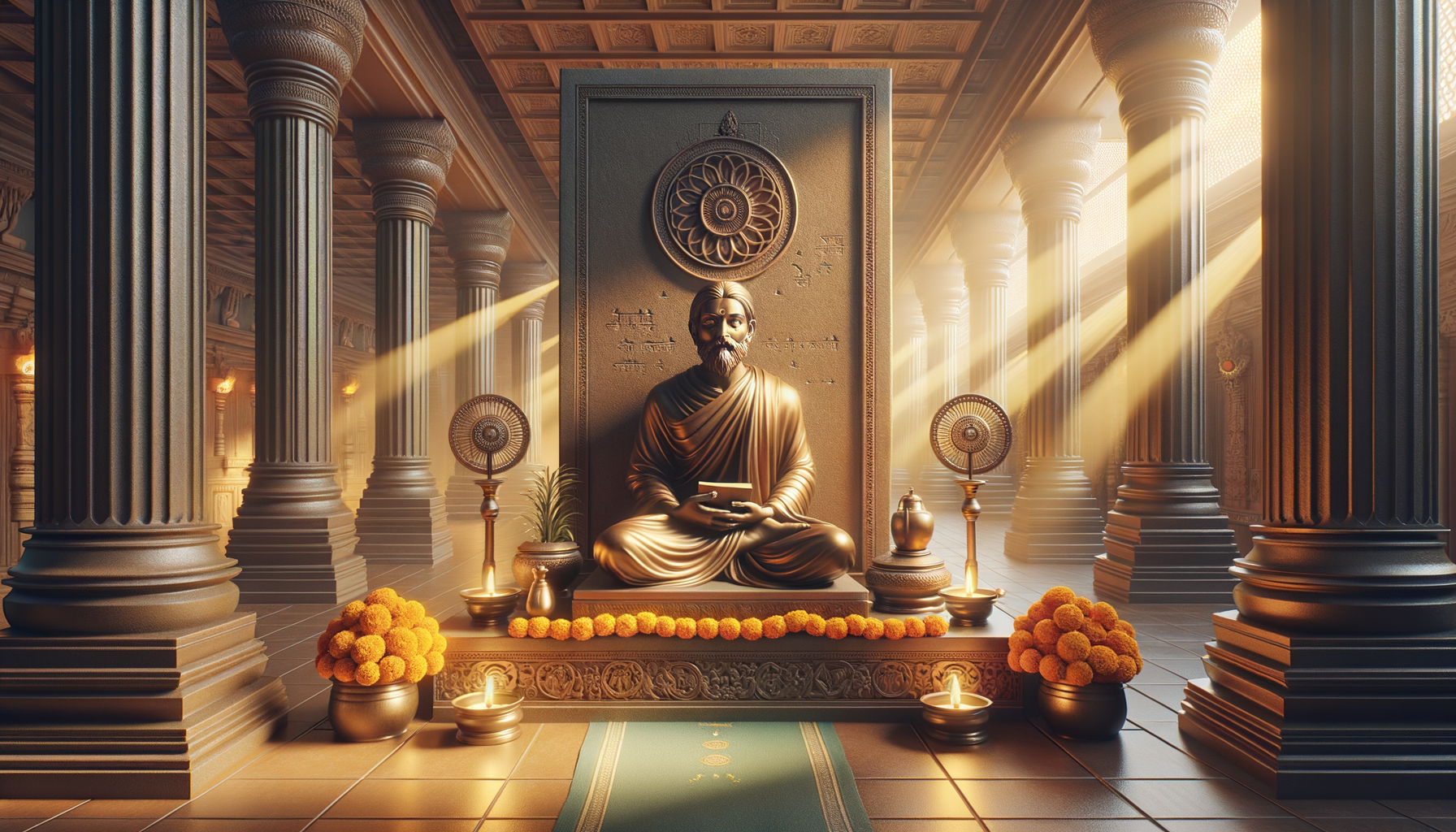
Madhvacharya Jayanti 2026 falls on October 21, commemorating the birth of Sri Madhvacharya (Purna Prajna, Ananda Tirtha), honored as the ‘Dvaita Siddhanta Kartha’. The observance highlights the intellectual clarity of Dvaita Vedanta, its emphasis on the distinction between jiva and Paramatman, and its lasting impact on the Bhakti movement. Readers gain the essential date, cultural…
-
Rakhi Israni’s Congressional Bid: Dharmic Values to Heal American Politics and Renew Civility

American politics faces deep polarization, prompting renewed interest in Dharma as a framework for truth, responsibility, and harmony. In California, a state with a robust Dharmic heritagefrom Paramahansa Yogananda’s Lake Shrine to Vedanta Square honoring Swami Vivekananda, and Sathya Sai Baba-inspired sevaRakhi Israni’s congressional bid highlights how civic life can be guided by ethical principles.…
-
Manana in Vedanta: Harnessing Constant Reflection to Realize Atman–Brahman Unity

“Manana” in Vedanta means disciplined, constant reflection that converts scriptural listening into firm understanding. As the second step in the sadhana trayafollowing “sravana” and preceding “nididhyasana”it resolves doubts through reasoned contemplation. This practice deepens clarity about the unity of Atman and Brahman and anchors insight in everyday conduct. Structured routines, journaling, and guidance from a…
-
Nyaya Amrita by Vyasatirtha: Timeless Logic in a Brilliant Defense of Dvaita Vedanta

Nyaya Amrita by Vyasatirtha (Vyasaraya) is a masterwork of Hindu philosophy and a powerful defense of Dvaita Vedanta. Structured in four chapters, it unites rigorous logic with devotional insight, offering clear methods for analyzing reality, knowledge, and liberation. The text’s dialectical clarity advanced Vedanta debates while modeling respectful engagement across traditions. Readers gain tools for…
-
Karana Sharira, Unlocked: How the Causal Body Shapes Karmaand the Path to Freedom

This article explains Karana Sharirathe causal body in Vedantaand shows how it seeds the gross and subtle bodies while storing vasanas and karmic tendencies. Readers gain a clear map of the tri-sharira model, its relation to the Panchakosha framework, and its role in deep sleep (sushupti). The piece clarifies why Karana Sharira is an upadhi…
-
Nirguna Nirakar and Sagun Sakar: Unlocking Hinduism’s Divine Paradox for Inner Unity

Hindu philosophy frames ultimate reality through two complementary modes: Nirguna Nirakar (formless and attributeless) and Sagun Sakar (manifest and form-bearing). Rather than competing doctrines, they function as integrative lenses that enrich meditation, devotion, and ethical living. Upanishadic insights and the Bhagavad-Gita affirm both paths, enabling seekers to approach realization through silence or loving worship. Vedantic…
-
Madhva Navami 2026: Celebrate Madhvacharya’s Sacred Journey to Badarikashrama
Madhva Navami 2026 falls on January 27, observed on Magha Shukla Navami. The day commemorates the revered tradition of Madhvacharya’s entry into Badarikashrama and his Prayana toward Badrinath. Devotees honor the occasion with MadhvaNavami Puja, Vishnu Sahasranama, and readings from Madhvacharya’s teachings. A simple home pujalighting a deepa, offering flowers, and meditating on guru-bhaktialigns with…
-
Jivo Brahmaiva Naparah: Unveiling Advaita’s Transformative Non‑Dual Truth for Daily Life

“Jivo Brahmaiva Naparah” expresses the Advaita Vedanta insight that the individual self is not separate from Brahman. Grounded in the Upanishads and the Bhagavad Gita, the teaching distinguishes empirical experience from absolute truth and guides seekers to Moksha through disciplined self-knowledge. It cultivates ethical clarity, compassion, and steadiness in daily life without denying personal responsibilities.…
-
From Curiosity to Courage: Swami Vivekananda’s Living Legacy for Confident Hindu American Youth
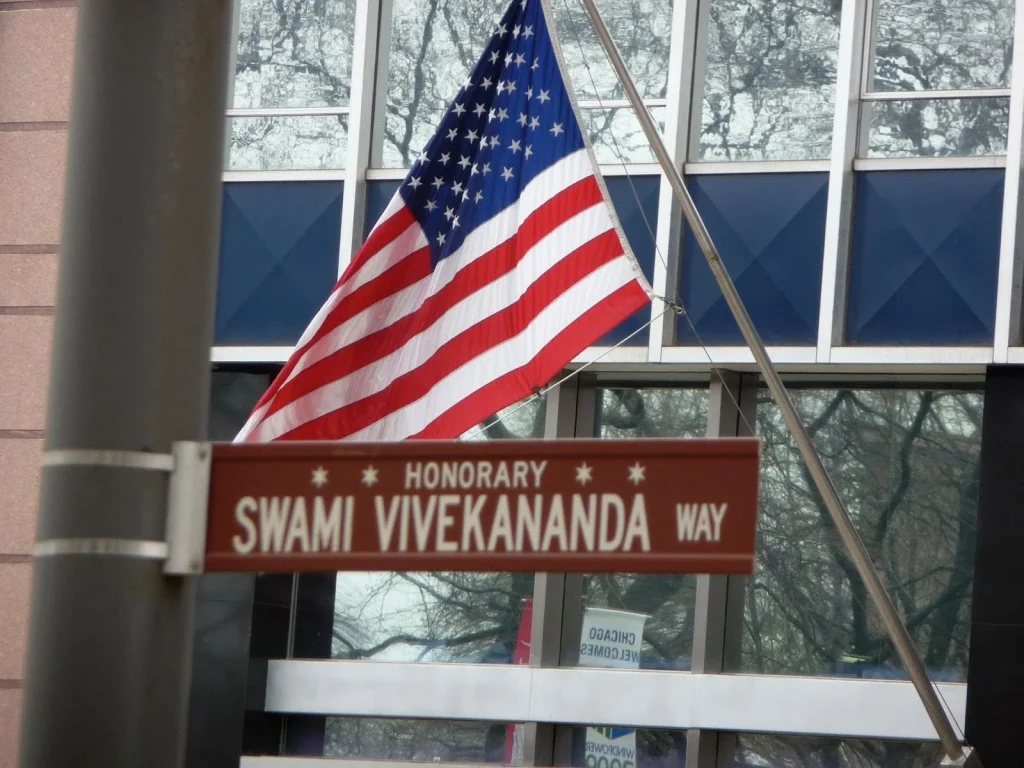
Swami Vivekananda’s legacy offers a rigorous, modern roadmap for Hindu American youth: transform curiosity into disciplined learning, and learning into compassionate seva. His 1893 Chicago address reframed Hinduism as rational and pluralistic, a vision now activated through advocacy and education in groups such as CoHNA. This approach strengthens unity in diversity and aligns with the…
-
Advaita Siddhi vs. Nyayamrita: A Powerful, Unifying Inquiry into Truth in Vedanta

Advaita Siddhi, authored by Madhusudana Saraswati, engages Vyasa Tirtha’s Nyayamrita as a rigorous, constructive dialogue within Advaita Vedanta. The exchange centers on satya and pramana, clarifying how truth is discerned and communicated. Rather than fueling rivalry, it models how philosophical critique can refine understanding for all schools. Readers gain habits of patience, careful listening, and…
-
Sixteen Kalas of Purusha in Prashna Upanishad: Awe-Inspiring Insights on Unity and Creation

The Prashna Upanishad’s sixth discourse presents the sixteen kalas of Purusha as a lucid framework for understanding creation and spiritual unity. It shows how discrete aspectsprāṇa, śraddhā, the elements, mind, and ethical disciplinesarise together as expressions of one reality. Readers gain a practical lens for integrating breath, faith, discipline, and action into daily life. The…
-
Drik and Drishya in Advaita Vedanta: Master the Seer–Seen Insight for Inner Clarity

Advaita Vedanta’s Drik–Drishya teaching clarifies the difference between the seer (subject) and the seen (object) to guide seekers toward Atman, the unchanging witness. By observing that body, senses, thoughts, and emotions are all Drishya, attention naturally returns to the stable Drik. This contemplative method, echoed in the Upanishads through neti neti, strengthens meditation, emotional balance,…