
-
Discover the Proven Secret of Bliss in the Senses: Panchadasi’s Fifteenth Chapter, Vishayananda

Panchadasi’s fifteenth chapter, Vishayananda, explains how everyday pleasures reflect the same ananda that shines as Brahman. By analyzing the role of the senses and the mind, it shows that pleasure arises when agitation pauses and awareness becomes momentarily still. This insight reframes ordinary enjoyment as a contemplative cue rather than an invitation to craving. The…
-
Master Time’s Secret in Śrīmad-Bhāgavatam: HH Prahlādānanda Swami’s Complete Insight
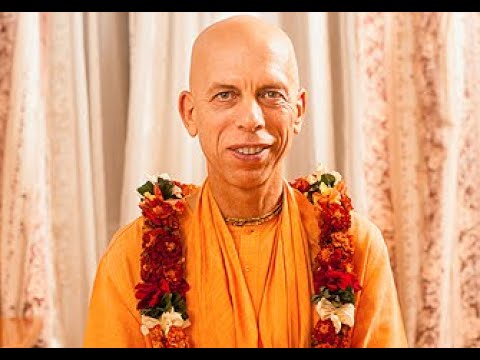
This exploration of Śrīmad-Bhāgavatam 4.12.1–3, as presented by HH Prahlādānanda Swami at ISKCON NYC, clarifies kāla (time) as an impartial, divine agency guiding creation, order, and transformation. It rejects fatalism and strengthens responsibility, showing how time frames ethical action within dharma. The discussion connects Buddhist impermanence, Jain understandings of kāla, Sikh insights on Hukam, and…
-
Complete Guide to Vidyananda: Discover Panchadasi’s Fourteenth Chapter and Supreme Bliss

The Fourteenth Chapter of Panchadasi clarifies vidyānandathe bliss born of Self-knowledgewithin Advaita Vedanta’s Ananda-panchaka. It explains how disciplined study, reflection, and deep contemplation transform insight into stable joy. By distinguishing pure consciousness from mental states, the chapter prevents mistaking calm for realization. It maps the progression from sensory pleasure to the bliss of knowledge and…
-
Complete Guide to Advaitananda: Discover the Bliss of Non-Dual Realization in Panchadasi 13

Advaitananda Prakarana, the thirteenth chapter of Panchadasi by Vidyaranya, explains how the bliss of non-dual realization is not produced by the mind but recognized as the true nature of self. It distinguishes fleeting sense-pleasure from brahmananda, the unconditioned bliss revealed through knowledge. Rooted in the Upanishads, the chapter maps a practical progressionsravana, manana, and nididhyasanatoward…
-
Complete Guide to Chit and Achit in Ramanuja’s Vishishtadvaita: Discover Unity and Insight

This academically grounded guide explains Chit (conscious selves) and Achit (insentient reality) in Ramanujacharya’s Vishishtadvaita, showing how both exist in inseparable unity with Brahman. Readers gain clear definitions, core doctrines like the body–soul relation, and the devotional path of bhakti and prapatti that preserves individuality in liberation. Practical applications highlight ecological responsibility, compassionate ethics, and…
-
Complete Guide to Panchadasi’s Twelfth Chapter: Discover and Master Atmananda

Panchadasi’s twelfth chapter, attributed to Vidyaranya of the Sringeri Sharada Peetham, guides readers to distinguish the bliss of the Self (Atmananda) from changing mental states. It explains how sat–chit–ananda is recognized through shravana, manana, and nididhyasana, not acquired from external objects. The chapter clarifies the difference between pure consciousness and reflected consciousness, enabling a stable…
-
Discover Chit Shakti: The Essential, Complete Guide to Sentient Power in Dharmic Wisdom

Chit Shakti (Chicchakti) is the sentient, conscious power at the heart of Vedanta’s vision of reality. It highlights Brahman’s luminous knowing and explains how multiplicity appears within non-duality. The concept resonates across dharmic traditionsBuddhism, Jainism, and Sikhismencouraging unity in spiritual diversity. Readers gain a clear definition, careful metaphysical context, and practical pathways for meditation, mantra,…
-
Discover Yogananda in Panchadasi: The Complete Guide to Bliss of Consciousness in Advaita Vedanta

This article presents a clear, practice-oriented guide to the Yogananda (eleventh) chapter of Vidyaranya’s Panchadasi, a classic of Advaita Vedanta. It explains how the text situates bliss (ānanda) within the nondual identity of Atman and Brahman, and why calming mental activity reveals intrinsic joy. Readers learn the distinctions between sense-based pleasure, the relief that follows…
-
Discover Nātakadīpa: The Complete Guide to Witness Consciousness in Vidyāraṇya’s Panchadaśī

This guide presents the tenth chapter of PanchadaśīNātakadīpaas a clear, practice-ready map of Witness Consciousness (Sākṣī). Readers discover how Vidyāraṇya’s theater metaphor translates nondual philosophy into lived insight: the changeless Self as the steady light, and thoughts and roles as passing scenes. The chapter explains Kūṭastha versus cidābhāsa, examines waking–dream–deep sleep to reveal the invariant…
-
Discover Dhyanadipa: The Essential, Complete Guide to Panchadasi’s Ninth Meditation Chapter

Dhyanadipa, the ninth chapter of the Panchadasi, presents a clear, practice-ready account of meditation in Advaita Vedanta. It distinguishes preparatory devotion (upasana) from nididhyasana, the contemplative assimilation of non-dual knowledge. The chapter analyzes mind dynamics, highlights the witness-consciousness (sakshi), and offers remedies for dullness, distraction, conditioning, and premature bliss. It integrates ethical foundationsviveka, vairagya, shama,…
-
Master Kutasthadipa: The Complete Guide to Panchadasi’s Eighth Chapter and Witness Consciousness

Kutasthadipa, the eighth chapter of Vidyaranya’s Panchadasi, offers a complete and accessible exposition of the eternal Witness (Kutastha) at the core of Advaita Vedanta. It explains how pure consciousness remains unchanged amid the three stateswaking, dream, and deep sleepwhile mind and body fluctuate. Readers gain practical tools such as neti-neti, sakshi-bhava, and the distinction between…
-
Triptidipa Explained: Master the Panchadasi’s Seventh Chapter for Inner Fulfillment

Triptidipa, the seventh chapter of Panchadasi, clarifies how Self-knowledge yields abiding contentment independent of external conditions. It situates tripti within Advaita Vedanta as the natural result of recognizing Atman as non-different from Brahman. The chapter balances philosophical rigor with practical guidanceemphasizing śravaṇa–manana–nididhyāsana, ethical composure, and discernment. Readers gain a framework to stabilize clarity amid life’s…
-
Mahavakya Viveka Explained: The Essential Guide to Mastering Advaita’s Ultimate Truths
This article presents an academic overview of Mahavakya Viveka, the fifth chapter of Vidyaranya’s Panchadasi, and explains how the Upanishadic “great sentences” function as direct means of Self-knowledge in Advaita Vedanta. Readers learn the interpretive methodsespecially bhaga-tyaga-lakshanaused to reconcile “Tat tvam asi” and related mahavakyas without contradiction. The piece outlines the path of sravana, manana,…
-
Swami Vivekananda on the Ahistoricity of Hinduism

This insightful blog post explores Swami Vivekananda’s perspective on the universality of Vedanta as a religion, contrasting it with Christianity and other religions that revolve around historical founders. Swami Vivekananda emphasizes the ahistoricity of the Vedas and the eternal principles they embody, which allows Hinduism to remain unshaken even if the historicity of its prophets…
-
Shankaracharya Jayanti: Celebrating the Life and Teachings of a Great Sage
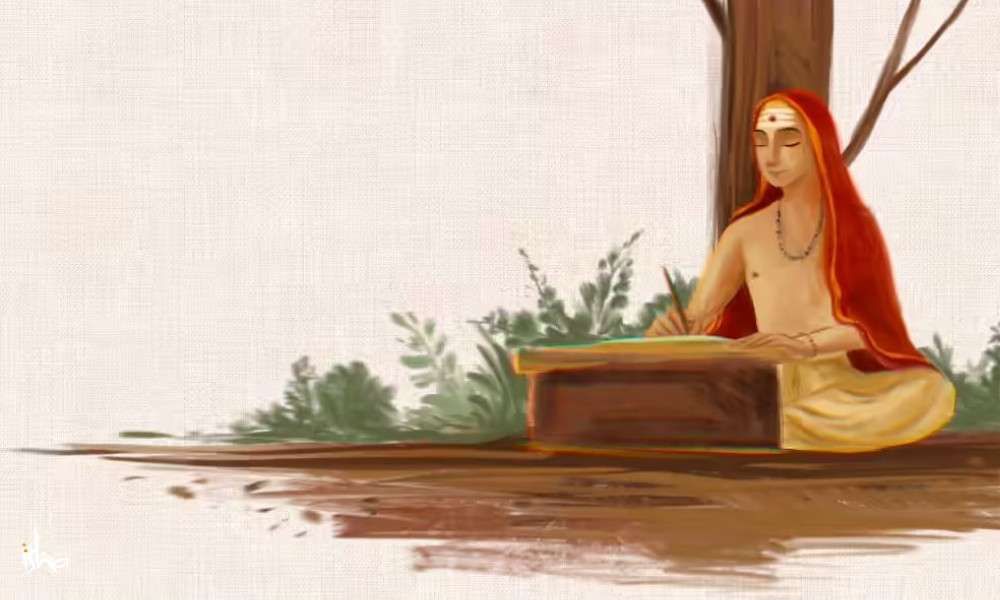
Shankaracharya Jayanti is an important Hindu festival that celebrates the birth anniversary of Adi Shankaracharya, a great saint and philosopher who lived in Bharat more than a thousand years ago. Shankaracharya is widely regarded as one of the most influential figures in the history of Hinduism, and his teachings continue to inspire and guide spiritual…