
-
Nurturing Truth Within: A Dharmic Guide to Cultivating the Soul’s Seed of Wisdom

The insight, “Truth’s seed may be sown, but it must be nurtured by the soul,” highlights the difference between knowing truth and living it. Hindu philosophythrough shravaṇa, manana, and nididhyāsanashows how knowledge matures into steady wisdom. The Bhagavad Gita and the Upanishads emphasize that dharma-centered practice, not concept alone, yields Self-Realization. Parallel principles across Buddhism,…
-
Why Lakshmi Rides an Owl: Powerful Symbolism of Wealth, Vigilance, and Wise Prosperity

Goddess Lakshmi’s owl vāhana is not a mere artistic detail; it encodes a practical ethic for wise prosperity. The owl’s nocturnal vigilance symbolizes alertness, restraint, and discriminationqualities communities need to safeguard wealth. Iconography and regional folklore, especially in Bengal and Odisha, reinforce this message through festivals like Kojagari Lakshmi Puja and Manabasa Gurubara. The symbolism…
-
Kanchi Kamakshi Temple: A Timeless Shaktipeetham and Living Devi Heritage of Kanchipuram
Kanchi Kamakshi Temple (Kanchi Shaktipeetham) in Kanchipuram is a premier center of Shaktism in South India, revered for its living worship of Goddess Kamakshi and its Dravidian architectural grandeur. Tradition associates the sanctum with a Sri Chakra installation by Adi Shankaracharya, underscoring an integration of ritual and philosophy. Recognized in many traditional lists of the…
-
Shankari Devi Shakti Peetham at Trincomalee: Mythic Origins, Sacred Power, and Visitor Insights

Shankari Devi Shakti Peetham in Trincomalee stands among the 51 Shakti Peethas, revered for its Puranic association with Sati and its deep Shakta–Shaiva devotion. Set within the Koneswaram Temple complex on Swami Rock, the shrine blends mythic origins with a dramatic oceanfront landscape to create an atmosphere of contemplative power. Traditional sources variously link the…
-
Lagna and the 1st House Explained: A Transformative Guide to the Ascendant in Vedic Astrology

Lagna (Ascendant) is the Vedic astrology anchor of the 1st House, linking the soul’s entry into life with identity, vitality, and direction. Classical guidance, including Sarvartha Chintamani (II.5), affirms that a house gains strength when occupied by its own lordan insight crucial for interpreting Lagna. Assessing dignity, aspects, Shadbala, and vargas (notably Navamsa) clarifies health…
-
Shighra Vivaha Mantras: Calming Practices to Navigate Delayed Marriages with Hope

This guide frames Shighra Vivaha Mantras as contemplative supports for delayed marriages, emphasizing calm and clarity rather than quick fixes. It presents the commonly cited mantra for a Kanya|| OM KLEEM HREEM MATANGI PHAT SWAHA ||with traditional guidance to practice for 40 days. The role of the mother is acknowledged, noting that some traditions suggest…
-
Why the Puranas Matter Now: Srila Jiva Goswami’s Case for Vedic Truth and Unity
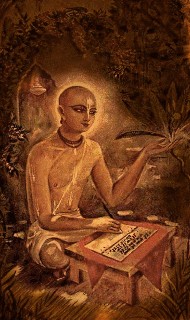
Srila Jiva Goswami’s Sri Tattva-sandarbha argues that the Puranas are indispensable for understanding the unified message of the Vedas. By privileging śabda over perception and inference, this approach presents the Puranas as hermeneutical guides that translate Vedic truths into accessible narratives and practices. The result is clarity: seekers gain a coherent framework that bridges philosophy,…
-
Beyond Dogma: Hindu and Dharmic Wisdom on Religion as a Universal Spiritual Journey
The idea that the soul of religion is a universal journey, not a single doctrine, sits at the heart of Hinduism and aligns with Buddhism, Jainism, and Sikhism. This perspective emphasizes inner transformation, disciplined practice, and ethical living over rigid belief. It is grounded in concepts such as Ishta, anekāntavāda, the Buddhist Middle Way, and…
-
Vaikuntha Kamalaja: The Awe-Inspiring Union of Vishnu and Lakshmi Symbolizing Sacred Balance
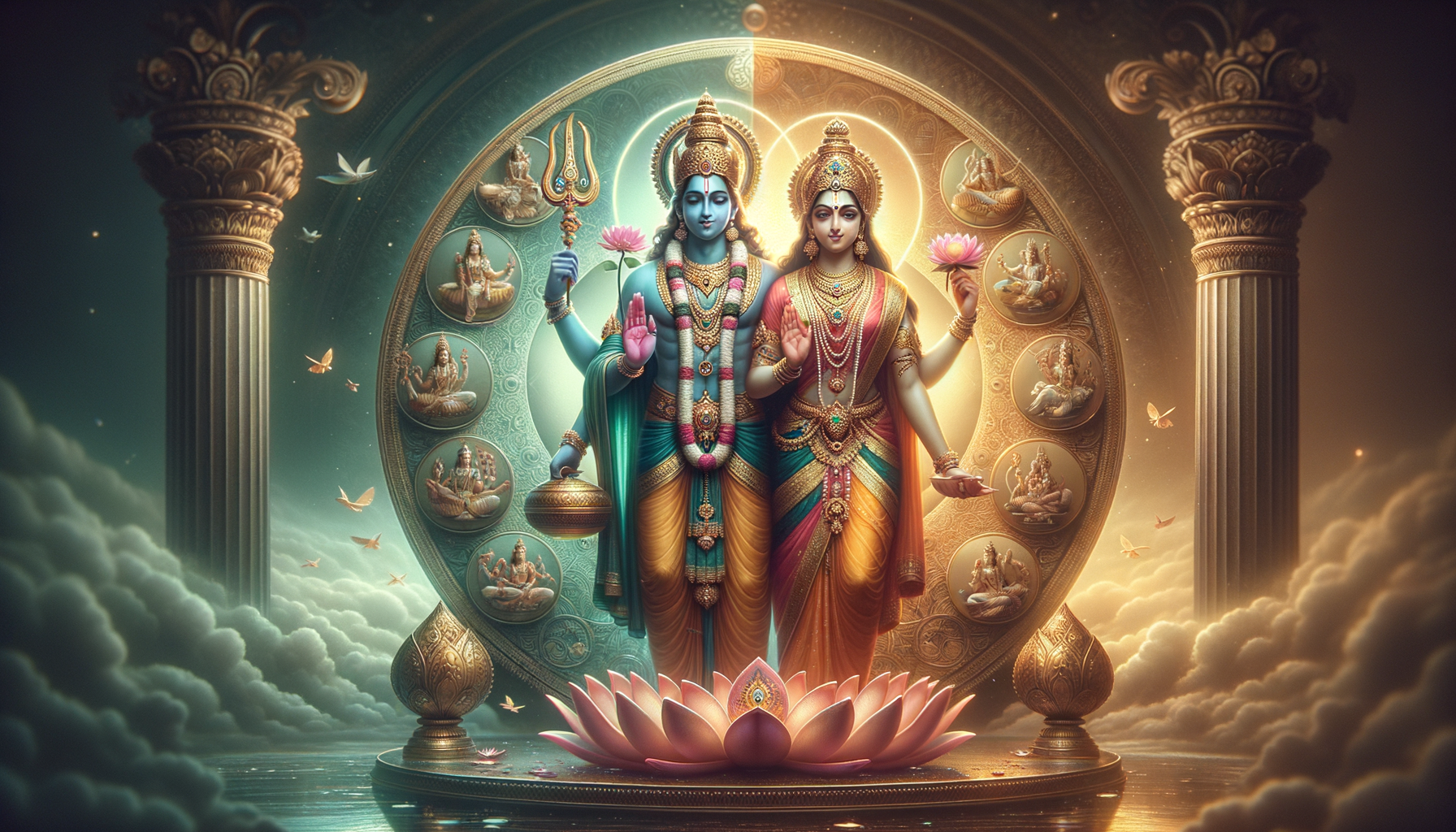
Vaikuntha Kamalaja presents a unified icon of Lord Vishnu and Ma Lakshmi, often described as Vishnu’s Ardhanarishvara. The form emphasizes the harmony of preservation and prosperity, highlighting that divine energies function as a complementary whole. Iconography typically divides the figure vertically, with Vishnu’s emblems on one side and Lakshmi’s auspicious lotus on the other. This…
-
Surpanakha and Rama: A Heart‑Rending Clash of Cultures in the Ramayana’s Moral World

This analysis reframes Surpanakha’s meeting with Rama as a cross-cultural encounter shaped by contrasting ethical codes. It explores how direct desire, marital fidelity, and ascetic restraint collide in Panchavati and why the misreading escalates into conflict. Readers gain a nuanced view of Surpanakha’s agency without moral reductionism. The discussion highlights consent, proportionality, and empathy as…
-
Jyotismati in Patanjali’s Yoga: Awaken the Inner Light for Clarity, Calm, and Focus
Jyotismati, from Patanjali’s Yogasutra 1.36, points to a sorrowless inner light that steadies the mind and clarifies thought. Situated within the sequence of practices in 1.33–1.39, it complements breath awareness, ethical attitudes, and focused attention. Practitioners find that resting awareness in this gentle radiance reduces reactivity and enhances concentration. The method pairs naturally with pranayama…
-
King Rantideva’s Final Offering: Compassion, Dharma, and Unity in SB 9.21.8–11
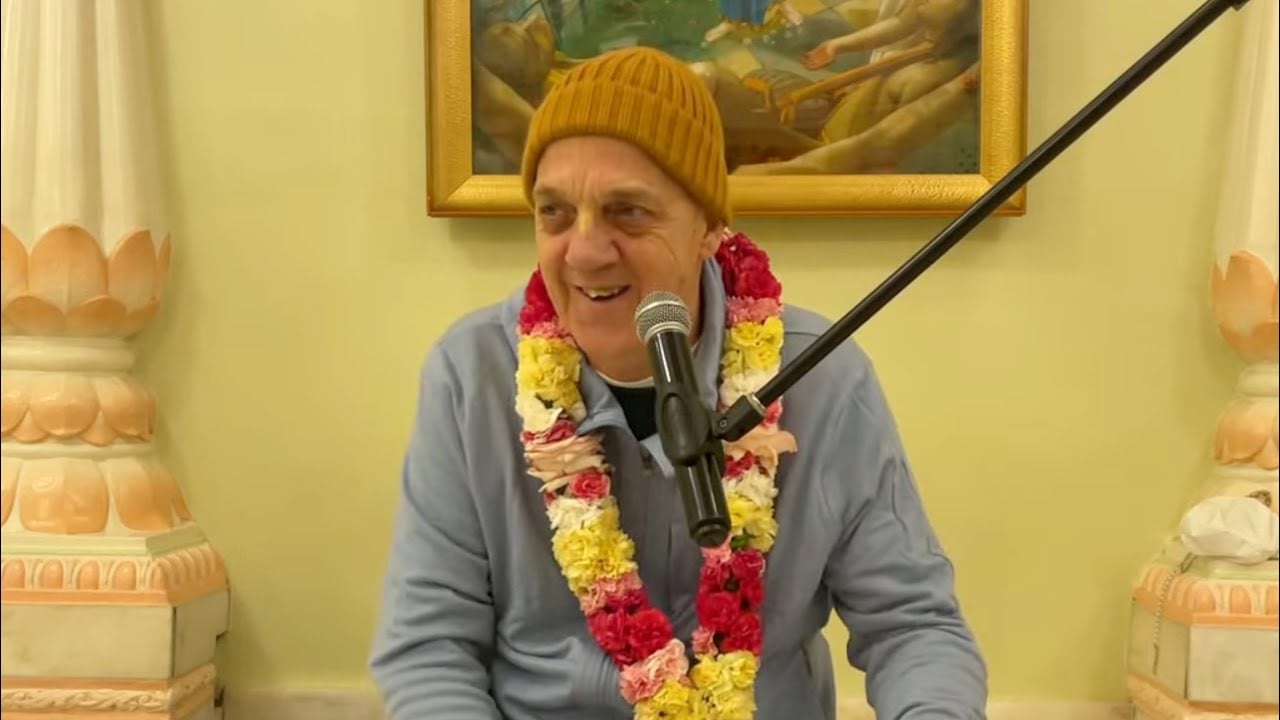
This session on SB 9.21.8–11, taught by HG Nrsimha Kavaca Prabhu, highlights King Rantideva’s extraordinary compassion and unwavering devotion under conditions of scarcity. The narrative shows how he honors every guestincluding animalswith full respect and service. It reframes hospitality as a rigorous spiritual discipline, not a social courtesy. The episode connects bhakti with dana, ahimsa,…
-
Simple Path, Demanding Practice: Transformative Insights on SB 12.13.13 at ISKCON Dwarka
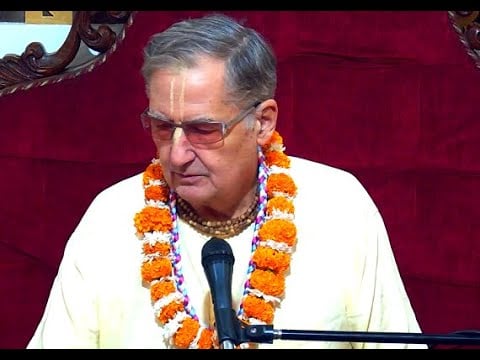
This reflection on SB 12.13.13 at ISKCON Dwarka clarifies a timeless principle: the spiritual path is simple, but consistent practice requires intention and community support. It explains why news and political debates often overshadow scriptural gatherings, and offers practical, compassionate ways to invite participation. Readers gain actionable stepsshort daily study, mindful chanting, and inclusive satsangato…
-
Why Words Fail the Divine: Dharmic Wisdom on Embracing the Infinite with Humility
The statement “to capture God in words is to diminish the Infinite” articulates a core dharmic insight: ultimate reality surpasses language. Hindu philosophy’s neti, neti, Buddhism’s emphasis on direct insight, Jainism’s Anekantavada, and Sikhism’s reverence for Ik Onkar collectively affirm the limits of speech and the value of humility. This perspective fosters interfaith respect, ethical…
-
Unwavering Devotion at Kumbakonam: Sarangapani’s Grace and Thirumazhisai Azhwar’s Miracle

Sarangapani Temple in Kumbakonam, a revered Vaishnava Divya Desam, preserves the living bond between devotee and deity through the gracious presence of Aravamudhan. The narrative of Thirumazhisai Azhwar’s unwavering devotionwell known from the Kanchipuram traditionprovides a theological lens for understanding how Bhakti experiences unfold at Sarangapani. Visitors encounter a devotional grammar in which divine responsiveness…
-
Feeling Impure Despite Sadhana, Satsang, Seva? Practical, Dharmic Steps to Inner Purity

Many practitioners feel impure despite steady Sadhana, Satsang, and Seva, especially when encountering arrogance in spiritual spaces. This piece reframes purity as a gradual refinement of chittaless reactivity and more compassionrather than a performance outcome. It integrates insights from Hinduism, Buddhism, Jainism, and Sikhism to emphasize unity and shared principles. Actionable steps include breath awareness,…
-
Enlightenment Through Balance: How Meditation, Music, and Reason Shape Altered Consciousness

This article presents a practical, cross-traditional pathway to enlightenment as an altered state of consciousness. It explains why integrating music (chanting, bhajan, kirtan) with reflective inquiry and silent dhyana stabilizes attention and deepens practice. The popular left–right brain framing is acknowledged as a helpful metaphor, while emphasizing evidence-informed mindfulness of breath and gentle pranayama. A…
-
Enlightenment Demystified: Clear Signs, One Essence, and a Unified Dharmic Path to Peace

Across Hinduism, Buddhism, Jainism, and Sikhism, realization is singular while pedagogical stages vary. Signs of enlightenment commonly include steady equanimity, spontaneous compassion, ethical ease, and a quieting of egoic narratives. Emptiness (śūnyatā) is one essence taught for different purposes, dissolving clinging and opening fearless presence. Traditions use diverse skillful meansethics, meditation, devotion, and insightto mature…
-
Journey to Goloka Vrindavan: Transformative Bhakti, Silent Ecstasy, and Dharmic Unity
This reflection explores Gopa Kumara’s journey in Goloka Vrindavan, where devotion matures into serene fulfillment. It explains how the brajvasis’ speechless ecstasy exemplifies the depth of bhakti and the transformative power of remembrance. Readers gain clear, actionable insights: refine longing, seek community with realized devotees, and accept gentle guidance on the path. The narrative highlights…
-
From Familiarity to Krishna Consciousness: How a Mystical Chant Sparked Lasting Hope

A chance encounter with the Hare Krishnas (ISKCON) near a college campus transformed a familiar idea of Krishna into a lived practice of Krishna Consciousness. The mystical chantexperienced through kirtan and japaoffered emotional calm, attentional stability, and renewed hope. Community support, prasad, and satsang made the discipline sustainable through academic and personal pressures. Parallels with…