
-
Vasudhaiva Kutumbakam: Embracing One Global Family through Dharmic Unity and Compassion
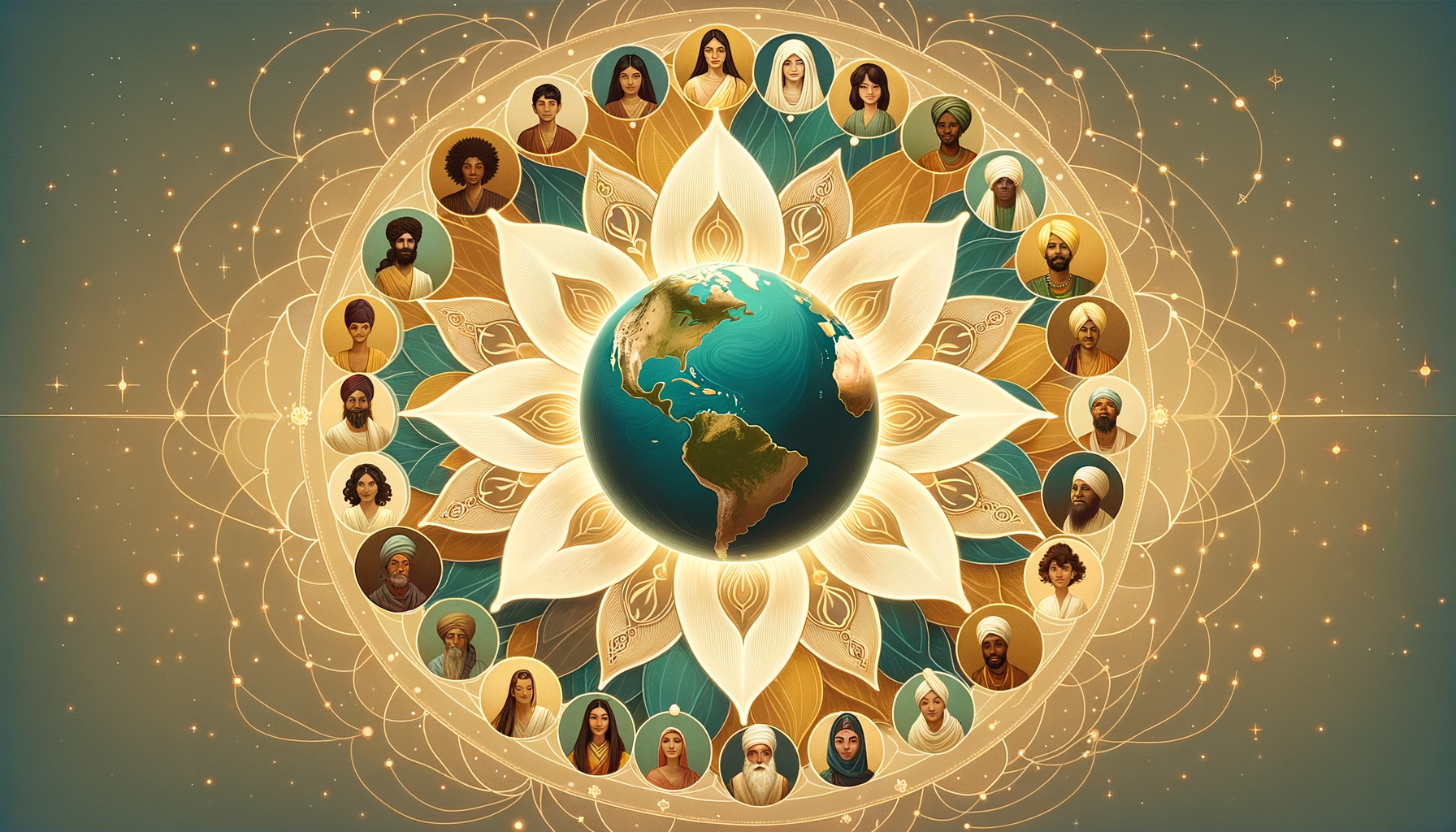
Vasudhaiva Kutumbakam“the whole world is one family”offers a timeless, practical ethic for unity in diversity. Drawing on Hindu, Buddhist, Jain, and Sikh insights, it fosters interfaith harmony, mutual respect, and community cohesion. Audiences often recognize that its spirit already animates family rituals, seva, and inclusive festivals. The principle aligns with ahimsa, anekāntavāda, metta, and sarbat…
-
If Something Changes Your Life, Let It: Dharmic Wisdom to Cultivate Resilience and Grace

The reflection “If something changes your life, let it” expresses a core dharmic insight shared by Hinduism, Buddhism, Jainism, and Sikhism: change, met with discernment and non-attachment, catalyzes spiritual growth. Drawing from the Bhagavad Gita, Patanjali’s Yoga Sutra, anicca, Anekantavada, Hukam, and Chardi Kala, the post outlines a practical pathpause, breathe, discern, act ethically, reflectto…
-
Guru Ladho Re: Discovering the True Guru and the Unifying Heart of Dharmic Wisdom
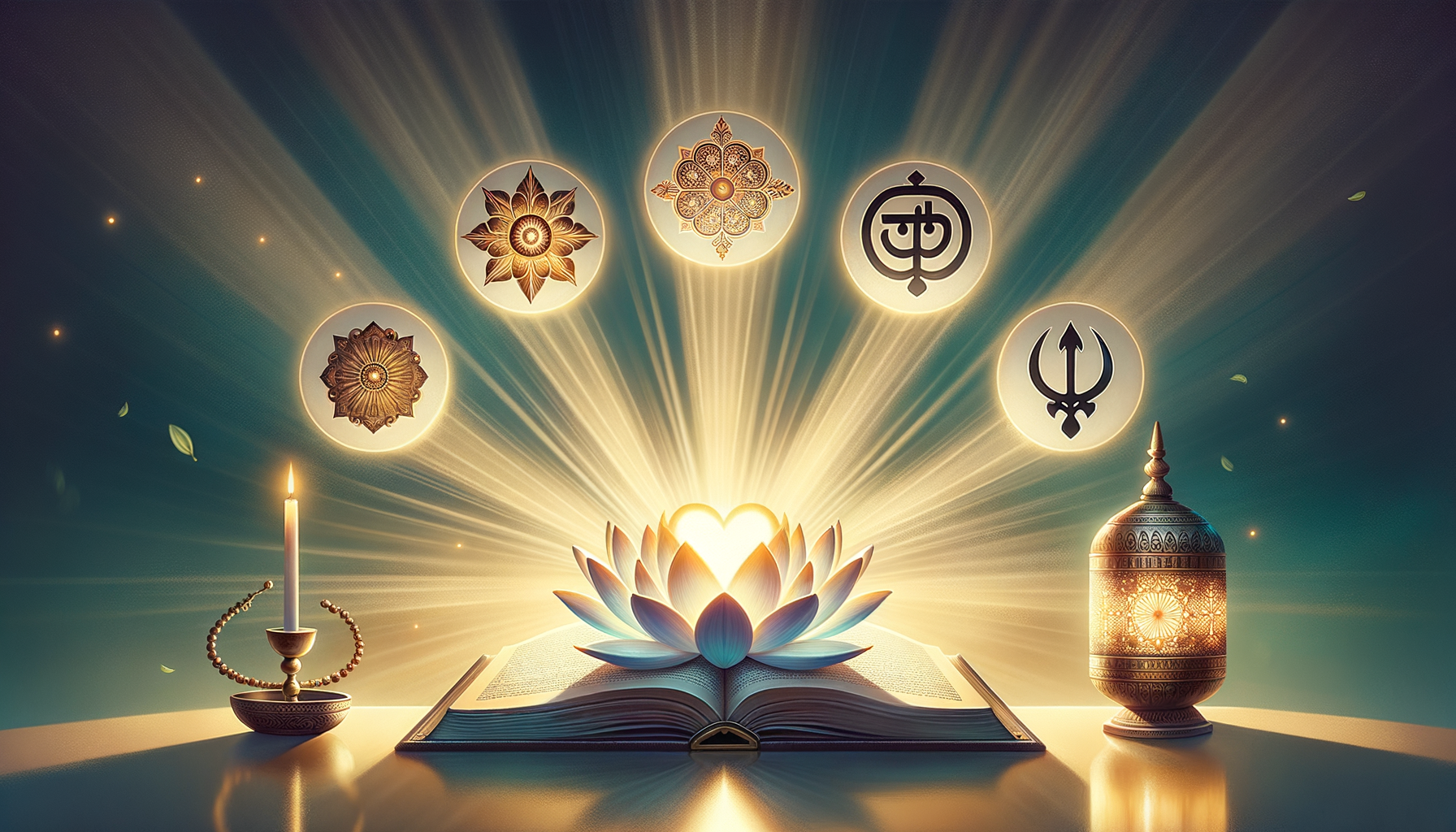
“Guru Ladho Re” The True Guru has been Found expresses a universal Dharmic insight: authentic guidance unites seekers across Hinduism, Buddhism, Jainism, and Sikhism. The True Guru is recognized by Dharma-centered qualities: wisdom, compassion, humility, and ethical integrity. This article clarifies how the Guru-Shishya Tradition promotes discernment, safeguards against personality cults, and directs practice toward…
-
Guru Nanak’s Transformative Journeys: Across Lands, Uniting Hearts and Dharmic Traditions
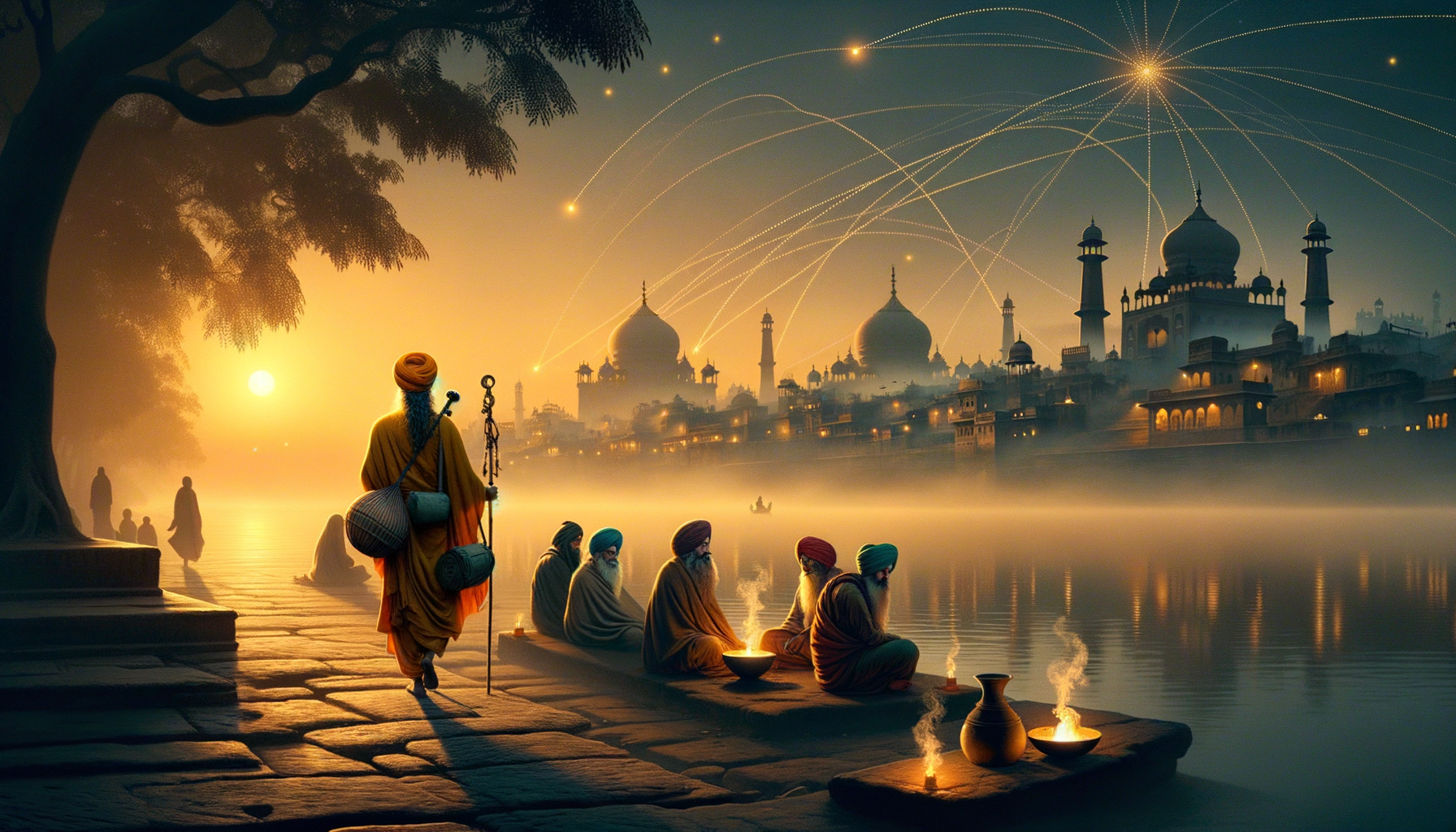
This post explores Guru Nanak’s transformative journeys as living dialogues that fostered unity among Hinduism, Buddhism, Jainism, and Sikhism. It situates the travels within historical contexts, draws on janamsakhi traditions with scholarly care, and highlights core teachings such as Ik Onkar, Naam-simran, and sarbat da bhala. The narrative shows how music (kirtan) and langar embodied…
-
November 23, 2025 Panchang: Precise Tithi (Tritiya→Chaturthi), Nakshatra & Rashi Guide

November 23, 2025 features a meaningful tithi transition in the Hindu Panchang: Shukla Paksha Tritiya lasts until 4:56 PM, followed by Shukla Paksha Chaturthi. This progression supports auspicious planning, with Tritiya favoring gentle beginnings and Chaturthi aligning well with focused Ganesha worship. As Nakshatra and Moon Rashi vary by region, local Panchang verification ensures accuracy.…
-
Ghati Subramanya Temple near Bengaluru: Sacred Swayambhu Subrahmanya and Lakshmi Narasimha

Ghati Subramanya Temple near Doddaballapur, about 60 km from Bengaluru, is a revered Karnataka pilgrimage site dedicated to Lord Subramanya with Lord Lakshmi Narasimha also consecrated. The Subramanya murti is venerated as a Swayambhu vigraha, enhancing the shrine’s spiritual gravitas. Visitors frequently describe a calm, reflective atmosphere that supports both devotion and contemplation. The shared…
-
Champa Sashti 2025: Dates, Sacred Meaning, and Maharashtra Traditions Honoring Khandoba

Champa Sashti 2025 will be observed from November 21 to November 26, aligning with Shukla Paksha Pratipada to Sashti in Margashirsha. Honoring Lord Khandoba’s victory over Mani and Malla, the festival embodies the triumph of dharma and moral courage. Families and temples across Maharashtra perform daily puja, abhisheka, and bhajans, with the vrata culminating on…
-
Timeless Longings of the Soul: Bhakti’s Divine Dance, Vrindavan, and Loving Seva

This reflection explores three timeless aspirations described in the Bhakti tradition: witnessing the divine rasa dance, entering the eternal realm of Vrindavan, and cultivating loving seva. It presents these aims as a universal spiritual psychology that resonates across Hindu, Buddhist, Jaina, and Sikh paths. Readers gain a clear, inclusive framework that honors each tradition’s language…
-
Srimad Bhagavatam 2.2.5: Nature’s Abundance, Divine Shelter, and Fearless Simplicity
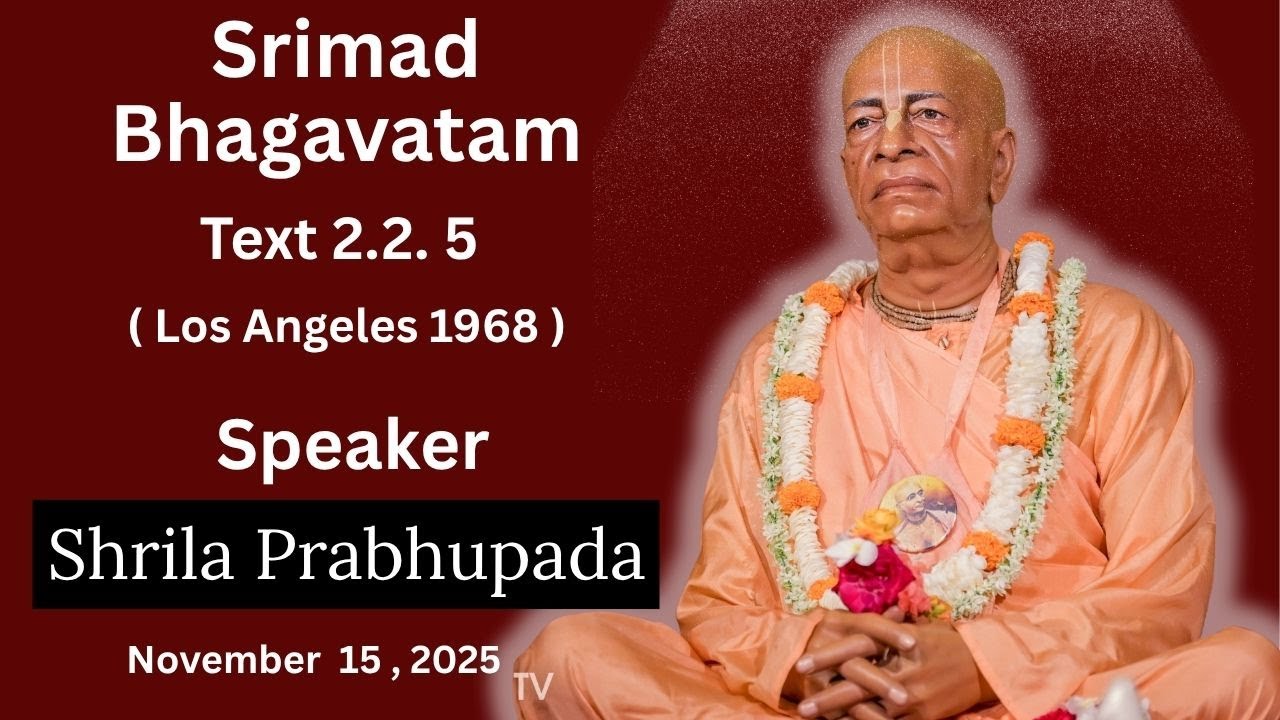
Srimad Bhagavatam 2.2.5 uses striking imagerytorn cloth, generous trees, life-giving rivers, and mountain cavesto argue that nature itself sustains a simple, dharmic life. The verse culminates in the assurance of divine protection, aligning security with inner renunciation and devotion rather than accumulation. Its values resonate across Hinduism, Buddhism, Jainism, and Sikhism through shared ideals like…
-
Unveiling Mama Dharma in the Bhagavad Gita: A Blueprint for Duty, Identity, and Unity
Mama Dharma“my dharma”is a concise, thematic key to the Bhagavad Gita’s message: align personal identity and responsibility with the larger moral order. The Gita frames this insight from 1.1’s dharma-kṣetre and māmakaḥ to 18.78’s assurance of prosperity, victory, well-being, and sound policy when wisdom and action unite. Rather than imposing a single path, it honors…
-
Before the Final Breath: Mastering Mind and Bhakti for a Peaceful, Dharmic Transition

The Bhagavad Gita teaches that the mind’s final state determines the next destination, making inner training essential rather than optional. A Bhakti-centered disciplinesupported by japa, kirtan, seva, and ethical livingconditions attention to rest in the Divine, so remembrance arises naturally at life’s threshold. Parallel practices across Buddhism, Jainism, and Sikhismmindfulness, anupreksha, and simranaffirm a shared…
-
Unveiling the Supreme Goal: A Dharmic Journey Through Knowledge, Yoga, Service, and Unity
This reflection presents a Dharmic synthesis of the human spiritual journey, grounded in Vaishnava scripture and open to inter-traditional harmony. It explains how knowledge, sacrifice, yoga, austerity, and action converge on the realization of Sri Krsna, the Personality of Godhead. It integrates these insights with the broader spirit of Sanatana Dharma, affirming unity across Hindu,…
-
Padma’s Sacred Power: How the Divine Lotus Unites Hindu, Buddhist, Sikh, and Jain Paths
Padma, the divine lotus, is a shared sacred symbol across Hinduism, Buddhism, Sikhism, and Jainism that embodies purity, resilience, and spiritual awakening. In Hindu practice, it serves as the seat of Mata Lakshmi Devi and is offered in puja to Lord Vishnu and Ma Lakshmi, signifying prosperity and auspiciousness. Buddhist teachings present the lotus as…
-
Empathy Over Control: Dharmic Wisdom for Advice that Respects Autonomy and Dignity

This reflection explores a core dharmic principle: advice should empower, not control. Drawing on the Bhagavad Gita and parallel insights from Buddhism, Jainism, and Sikhism, it shows how empathy, autonomy, and compassion guide ethical counsel. The discussion connects ancient Hindu teachings to modern contextsfamily, workplace, and communitywhere respectful guidance builds trust and accountability. It outlines…
-
WSN September 2025: Inspiring World Sankirtan Milestones and Top Temple Rankings
The September 2025 World Sankirtan Newsletter highlights inspiring global milestones that advance unity in spiritual diversity. Large templesMayapur, Mumbai-Juhu, and Bhaktivedanta Manorled with robust bhakti programming and community outreach. Medium centers in Ahmedabad, Bengaluru-South, and London-Soho showcased effective urban and diaspora engagement. Small temples in Chandigarh, Surat, and Toronto demonstrated agile, volunteer-driven growth, while Calgary,…
-
Reclaim Emotional Safety with Sensory Anchors: Science-Backed Rituals for Calm and Belonging

This article examines how sensory anchorsspecific colors, textures, scents, and soundscan restore emotional safety and regulate the nervous system. Through a clear, research-aligned lens, it shows how nostalgia functions as a practical grounding technique, not a retreat into the past. Real-world examples illustrate how small, intentional rituals build resilience during overwhelm and stress. The guidance…
-
Aishvarya and Madhurya Shakti: How Krishna’s Majesty and Sweetness Deepen Devotion and Unity

Aishvarya Shakti and Madhurya Shakti capture Krishna’s transcendence and immanence as majesty and sweetness. The first inspires awe, ethical clarity, and surrender; the second nurtures intimacy, empathy, and joy. Held together, they complete a mature practice of bhakti yoga and deepen Hindu philosophy’s insight into divine relationship. Their harmony echoes Sikh ideas of Nirgun-Sargun, Buddhist…
-
Arjuna’s Daring Abduction of Subhadrā: Dharma, Devotion, and Unity in SB 10.86.10
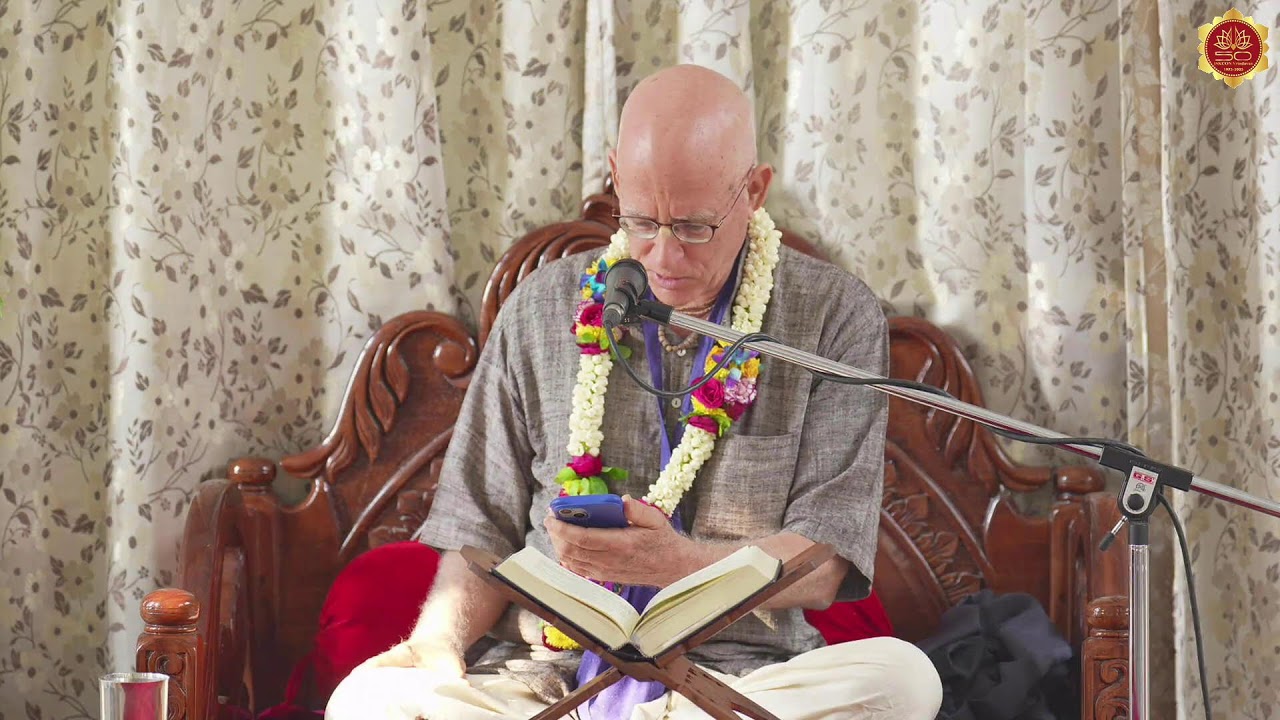
SB 10.86.10 preserves a vivid scene of Arjuna’s daring rescue of Subhadrā, a moment that tradition situates within consent and dharma. The narrative’s poetic simile“like a lion with its prey”is reframed by commentaries that emphasize bhakti, reconciliation, and familial acceptance. Readers find emotional resonance in the urgency of love guided by wisdom, a theme often…
-
Beyond Death and Sleep: suptotthita-nyāya and the Continuity of Consciousness in Dharmic Thought
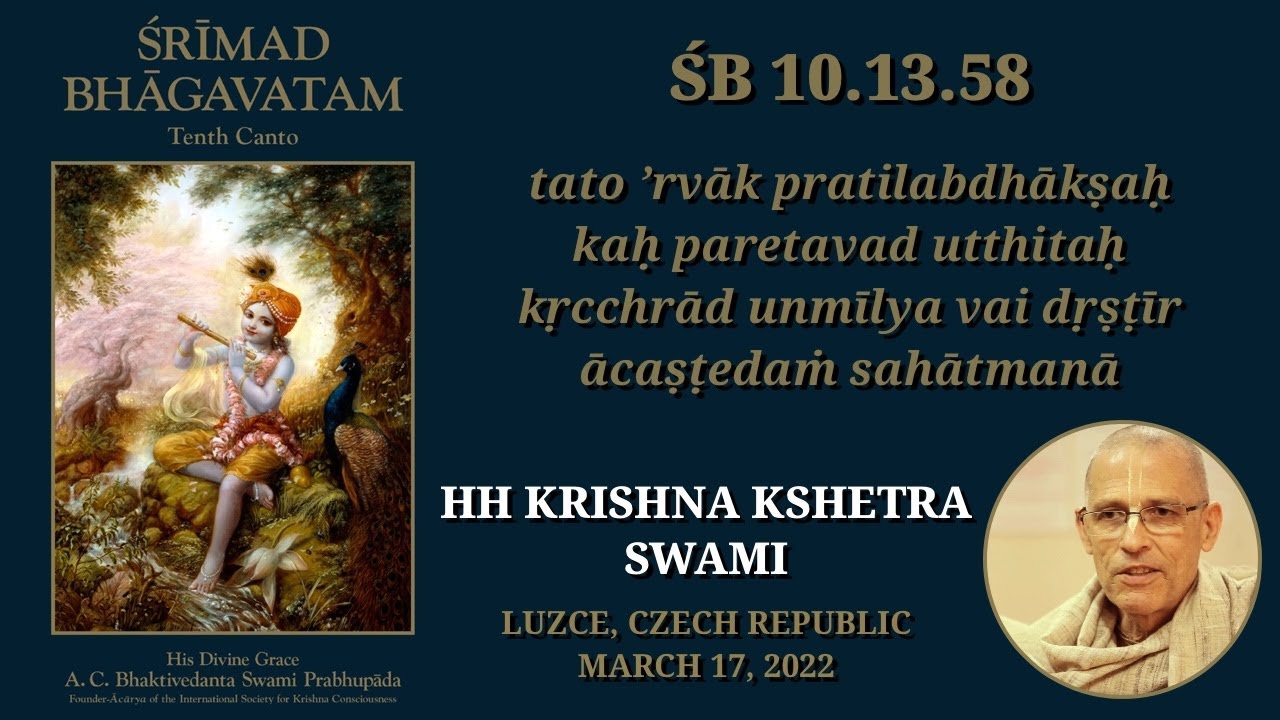
SB 10.13.58 conveys a concise yet profound insight: death is akin to sleep, a pause rather than an end, expressed in the principle of suptotthita-nyāya. This analogy, rooted in everyday experience, makes complex questions about consciousness and identity accessible. Read through a dharmic lens, it harmonizes perspectives from Hinduism, Buddhism, Jainism, and Sikhism on continuity,…
-
Temple of the Vedic Planetarium: A Profound Act of Compassion and Dharmic Unity
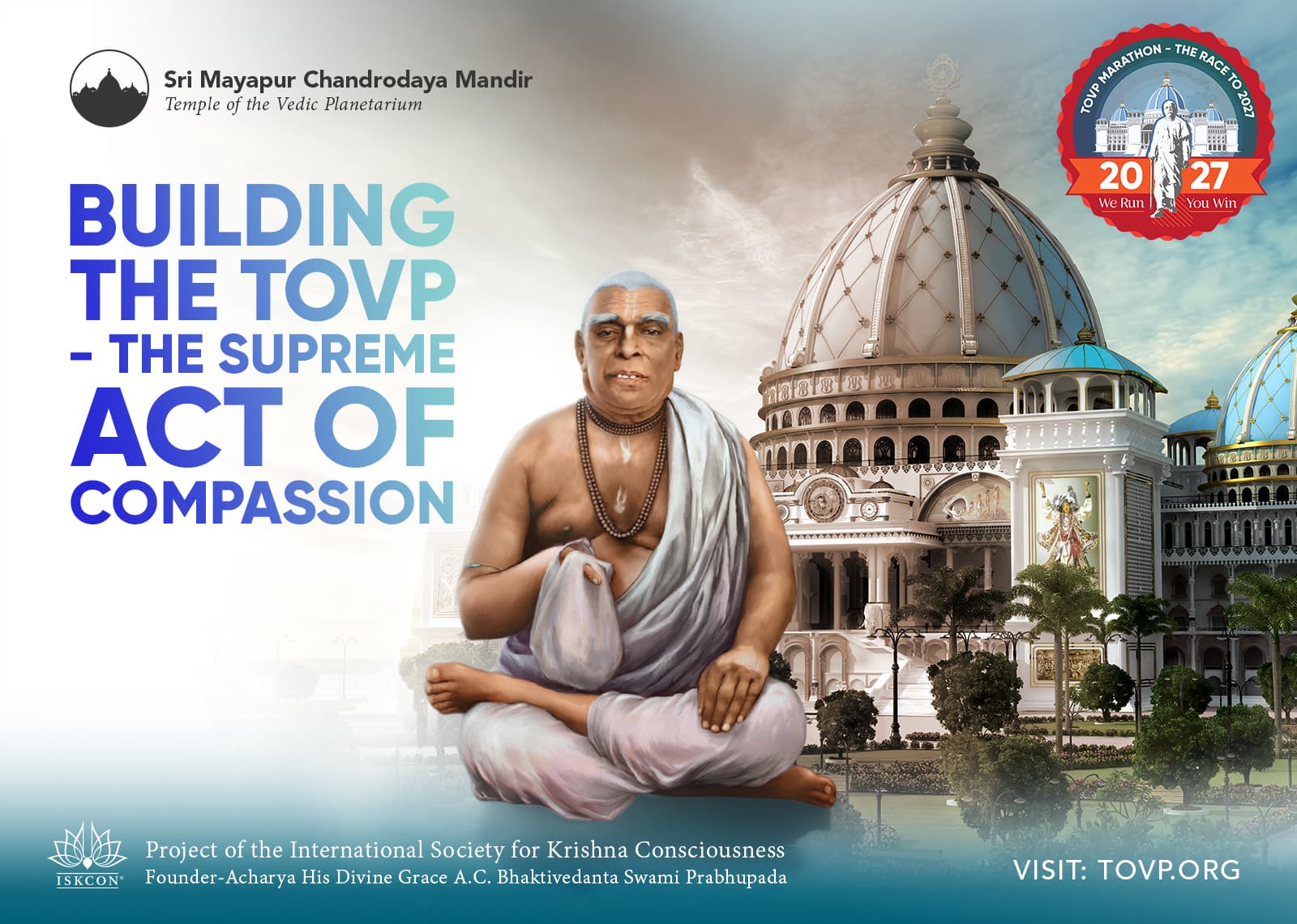
The Temple of the Vedic Planetarium (TOVP) is presented as a compassionate cultural institution rather than just another temple. It integrates sacred architecture with education, translating Vedic heritage into accessible learning for families, students, and pilgrims. Rooted in the Vaishnava tradition, it highlights values shared across Hinduism, Buddhism, Jainism, and Sikhism, advancing unity in spiritual…