
-
Eight Extraordinary Flowers of Bhava: Madhvacharya’s Devotion and Dharmic Harmony
The ‘Sumadhva Vijaya’, a foundational biographical work by Sri Narayana Panditacharya, portrays how Sripad Madhvacharya adorned Lord Narayana with eight ‘bhava pushpa’inner virtues offered as devotion. Centered in the fourteenth sarga, verse 37 reframes worship as an ethical-psychological discipline grounded in Vedic wisdom and Bhakti Tradition. The teaching emphasizes virtues such as ahimsa, kshama, satya,…
-
Life as Transmigration: Profound Hindu Wisdom on Samsara, Desire, and Inner Freedom

This reflection examines life as a transmigratory process through the shared dharmic lens of Hinduism, Buddhism, Jainism, and Sikhism. It explains samsara, karma, and desire as drivers of restlessness while clarifying how dharma orients artha and kama toward moksha. Readers gain practical insights into unifying disciplines such as dhyana, anapanasati, samayik, and simran that cultivate…
-
Srimad Bhagavatam 10.90.18: Mortal Wounds, Spiritual Resilience, and Dharma’s Healing Power
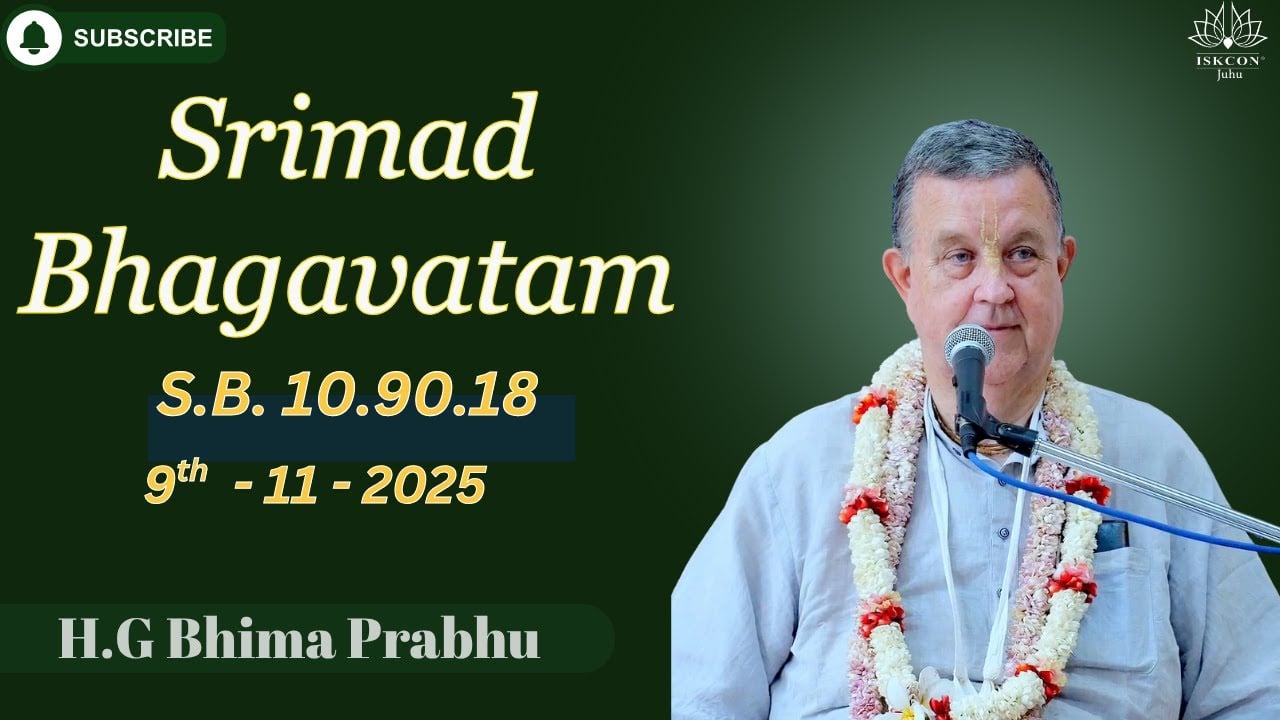
This reflection on Srimad Bhagavatam 10.90.18 clarifies the metaphor of a “mortal wound” and applies it to spiritual ethics and daily practice. It distinguishes minor setbacks from integrity-compromising harms that demand urgent repair. The analysis offers practical toolsatonement, meditation, seva, satsangto prevent moral injury from becoming entrenched. It highlights parallels across Hinduism, Buddhism, Jainism, and…
-
Srimad-Bhagavatam and Sankirtan: Transformative Peace, Love, and Liberation in Kali-yuga
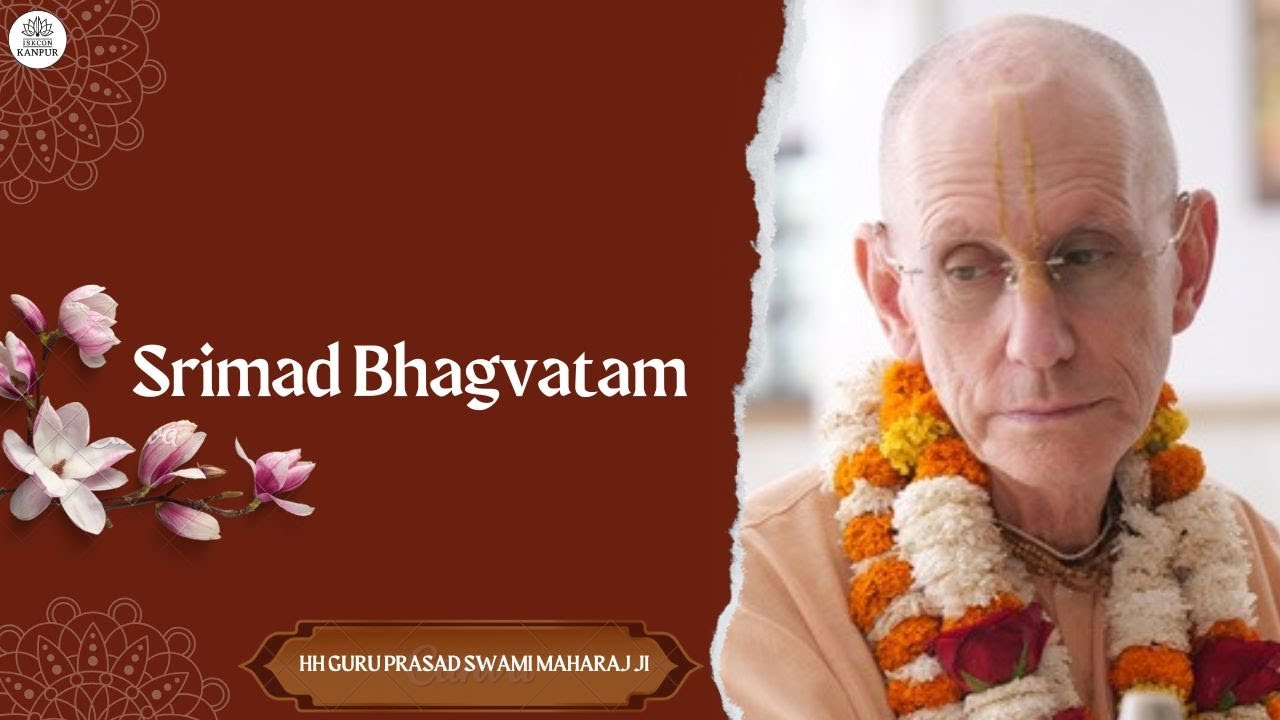
A discourse at ISKCON Kanpur by HH Guru Prasad Swami illuminates a core teaching of the Srimad-Bhagavatam: in Kali-yuga, nama-sankirtanchanting the holy name of Krishnaoffers a direct path to peace, liberation, and pure love. The devotee’s focus shifts from escaping hardship to embracing seva, transforming daily life into sacred service. This practice is simple yet…
-
Sat-sanga Reflections (08.11.2025): Remembering Vamsi, Gita Review, and the Joy of Prema-bhakti
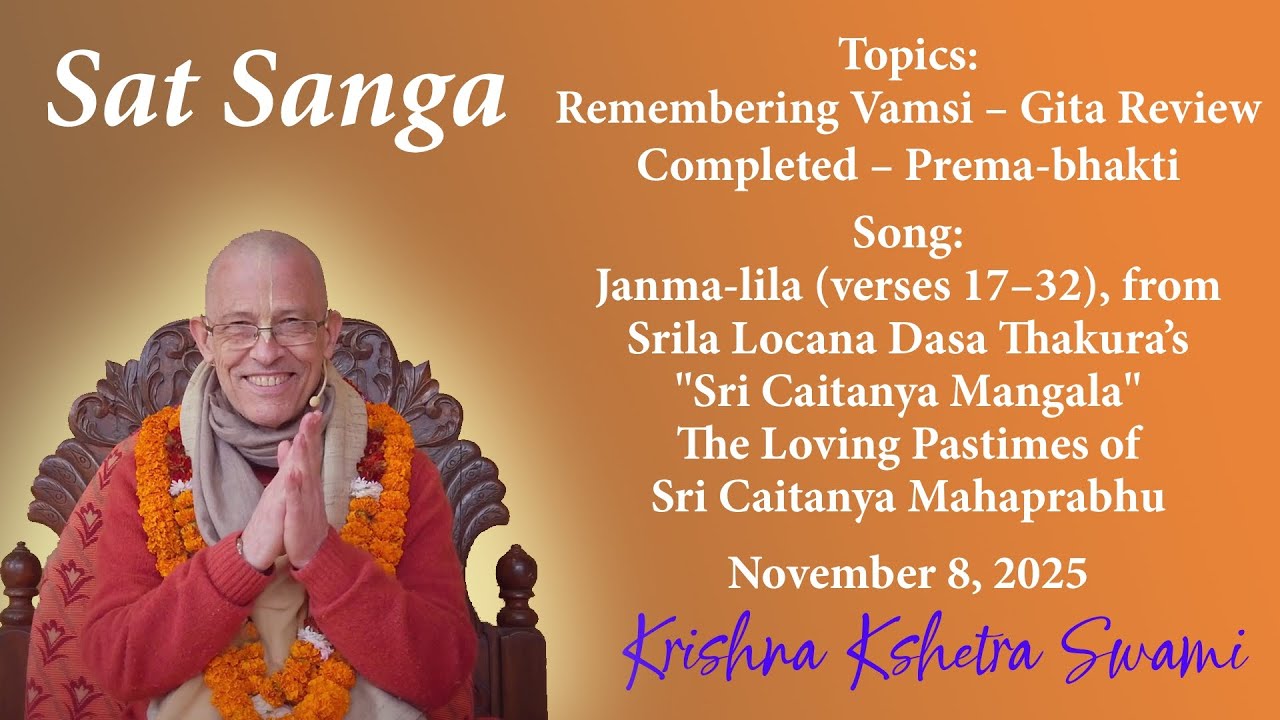
This sat-sanga (08.11.2025) with HH Krishna Kshetra Swami concluded a systematic review of the Bhagavad Gita and turned to an illuminating exploration of prema-bhakti. Drawing on Srimad-Bhagavatam, the session explained how mature devotion may express itself as tears, laughter, singing, dancing, and reverent līlā, arising naturally from deep absorption. Remembering the vamsi (Sri Krishna’s flute)…
-
Parashara Gita Chapter One: Timeless Lessons on Dharma, Karma, and Courageous Virtue

The opening chapter of the Parāśara Gītā sets a clear foundation for ethical living rooted in dharma, karma, and virtue. It defines dharma as harmony with enduring values while remaining sensitive to context. Karma is framed as ethical causality, urging pure intention and compassionate action. Virtue is practicalsteady cultivation of sattva through truthfulness, restraint, and…
-
Sant Rishidas of Gujarat: Devotion to Krishna and Timeless Lessons in Compassion and Unity
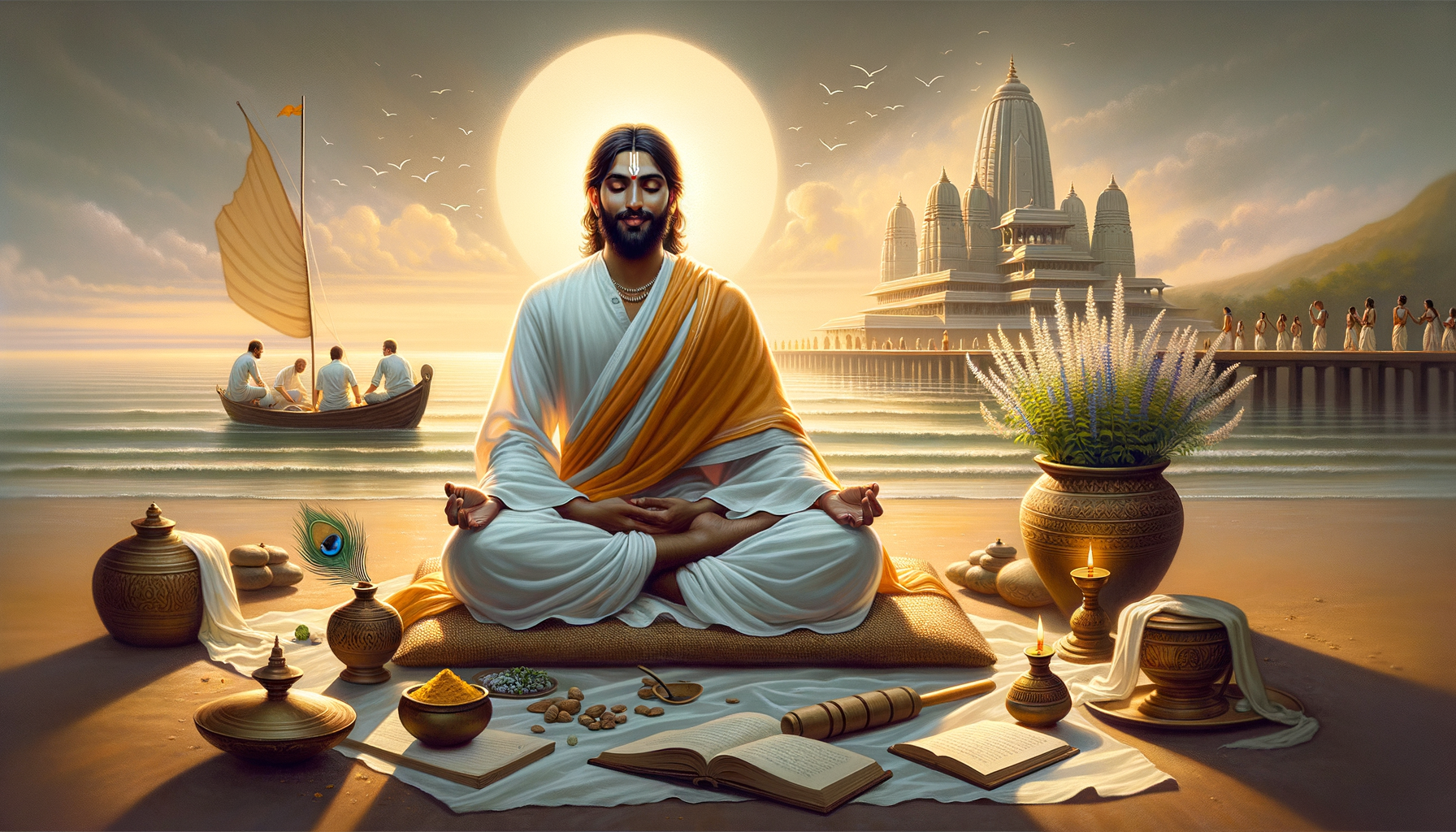
Sant Rishidas is remembered as a 14th-century Gujarati saint whose life reflects the heart of the Bhakti Traditionhumble devotion to Krishna, temple-centered service, and ethical living. Closely connected to Dwaraka through his father’s priestly service at the Shree Dwarkadhish Temple, his legacy illuminates how local devotion nurtures enduring spiritual values. Though historical records are limited,…
-
Revisiting ‘Secular’ in India’s Constitution: Sadguru Nilesh Singbal’s Call for Dharmic Unity
Sadguru Nilesh Singbal’s position challenges readers to re-examine how “secular” functions within India’s constitutional framework while calling for reform through Article 368. The analysis situates the debate within the 42nd Amendment and the Supreme Court’s basic structure doctrine, noting that secularism has been judicially recognized as intrinsic to the Constitution. It presents an inclusive, dharmic…
-
When Grief Strikes: Finding Sacred Shelter and Resilience Through Dharmic Compassion

A grieving family sought solace after the sudden loss of their eighteen-year-old son, and the temple community responded with quiet compassion rooted in dharmic wisdom. The encounter highlights how inner orientationnot circumstancescan transform the experience of suffering. Drawing from Hindu, Buddhist, Jain, and Sikh traditions, the narrative emphasizes unity through practices like japa, mindfulness, ahimsa,…
-
Why a Disciplined Mind Outshines Any Army: Timeless Dharmic Wisdom for Inner Power

The saying, “A well-trained and controlled mind is better than a powerful army,” captures a core dharmic insight: inner discipline surpasses external force. Rooted in the Bhagavad Gita and Raja Yoga, this principle is echoed across Buddhism, Jainism, and Sikhism through practices like mindfulness, Ahimsa, Simran, and Seva. Practical applicationscalm communication, measured leadership, and ethical…
-
Campus Bhakti in Philadelphia: ISKCON Outreach Unites Students Through Vedic Wisdom

Philadelphia’s campus bhakti outreach presents ISKCON’s Vedic wisdom in an academic setting, pairing contemplative practice with rigorous discussion. Students encounter the Hare Krishna movement through accessible programs that foster clarity, belonging, and ethical growth. The initiative highlights unity across dharmic traditionsHinduism, Buddhism, Jainism, and Sikhismthrough shared values of dharma, compassion, ahimsa, seva, and bhakti. Documented…
-
Hari Sauri Prabhu at ISKCON Vrindavan: Gopīs Reveal Kṛṣṇa’s DivinityLove and Paradox
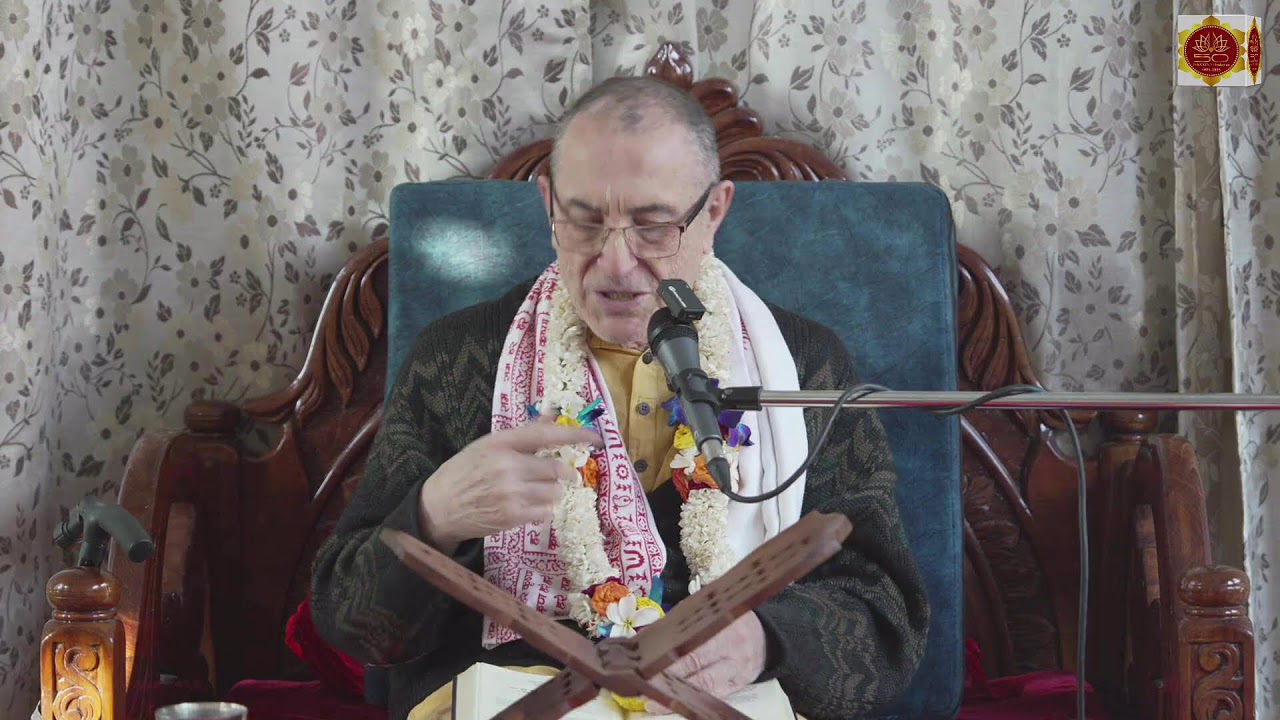
Presented in ISKCON Vrindavan on 08.11.2025, this Śrīmad-Bhāgavatam reflection explores Śrīla Viśvanātha Cakravartī’s portrayal of the gopīs recognizing Kṛṣṇa’s divinity. The dialogue“if this is true, I must be God”reveals how divine love discloses theological truth through rasa and līlā. Readers gain a clear, academic perspective on Gaudiya Vaiṣṇava hermeneutics while connecting with relatable experiences of…
-
Vaikuntha Chaturmurti: Decode Vishnu’s four heads, sacred symbolism, and Kashmir devotion

Vaikuntha Chaturmurti is a powerful four-headed manifestation of Lord Vishnu, revered in Kashmir’s Vishnu temples for its profound symbolism and devotional impact. The icon unites the human, lion, boar, and fierce heads to communicate compassion, protection, restoration, and purification. Its fourfold gaze signifies omnipresence and a comprehensive guardianship of dharma. Devotees often experience a deep…
-
Vishnu Purana Stories: Timeless Tales of Devotion, Dharma, and Unity in Diversity
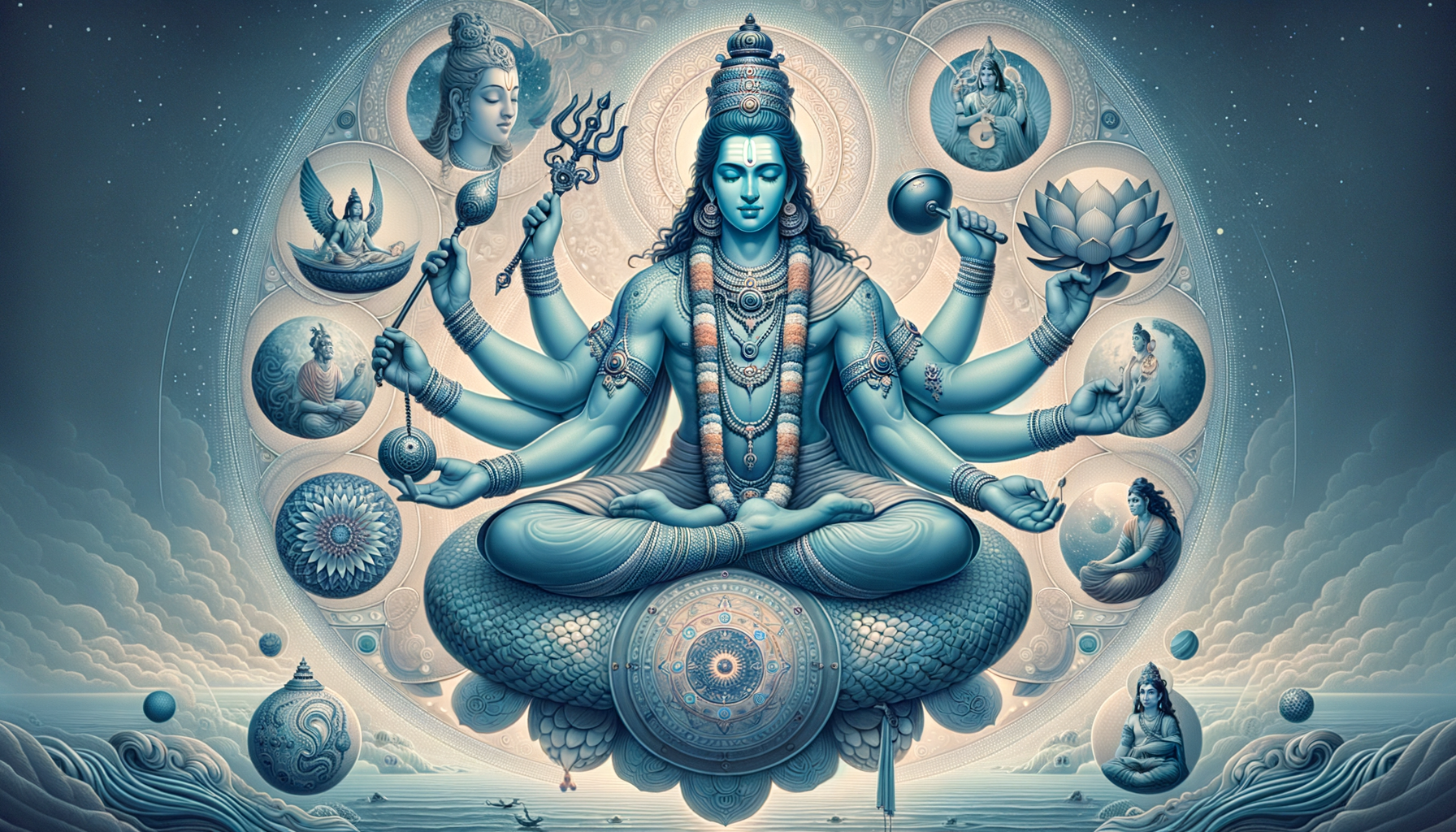
The Vishnu Puranaone of the Eighteen Mahapuranaspresents timeless stories of Lord Vishnu, his avatāras, and exemplary devotees such as Nārada, Prahlāda, Tumburu, and Dhruva. These narratives model steadfast devotion, courage, and disciplined practice while offering practical ethical guidance for daily life. Read within the broader Hindu ethos, the text honors multiple valid paths to the…
-
रामचरितमानस की चौपाइयों का जप: बड़े संकटों से मुक्ति और आत्मबल के सशक्त उपाय

Across the Bhakti tradition, it is widely held that chanting selected Ramcharitmanas चौपाइयाँ strengthens inner stability and helps navigate major crises. The method is simple, disciplined, and compatible with evidence-informed insights on mantra meditation and attention training. By aligning breath, sound, and intention, japa encourages calm affect, moral clarity, and courage for ethical action. Families…
-
Why the Divine Answers to Every Name: Hindu Wisdom on Ishta and Radical Inclusivity

This article explains a core Hindu teaching: the Divine responds to sincere devotion regardless of the name, language, or pronunciation used. Drawing on the doctrine of Ishta and resonances from the Bhagavad-Gita, it shows why intention and inner feeling outweigh verbal precision. It situates this insight within the broader dharmic familyHinduism, Buddhism, Jainism, and Sikhismhighlighting…
-
Bholebaba of Bengal: Why Shiva’s Serene Compassion Captivates the Land of Kali

Bengal reveres Lord Shiva as Bholebaba, the simple-hearted and compassionate Mahadeva, highlighting serenity and forgiveness over ascetic severity. This devotional focus aligns with Bengal’s Shakta heritage, where Kali’s power complements Shiva’s tranquil grace in a harmonious spiritual balance. Simple offerings and accessible ritual practices reflect an egalitarian ethos within Hindu traditions. The ethic of karuna,…
-
Between Yoga and Catholic Classrooms: A Harmonious Journey into Dharmic Values

Raised in a vegetarian household rooted in yoga, the narrative highlights how ahimsa and disciplined living shaped early ethical sensibilities. An impersonal philosophical orientation within yoga coexisted with broader dharmic values, reinforcing compassion and self-restraint. Study in a Roman Catholic school introduced daily interfaith engagement, showing how yoga at home and Catholic education in the…
-
Deeds Over Birth: Transformative Dharmic Wisdom on Karma, Dharma, and Social Equality

This post examines the dharmic teaching that dignity arises from deedsnot birthand explains its roots in karma and dharma. It shows how Hinduism, Buddhism, Jainism, and Sikhism converge on this ethic, reinforcing unity in spiritual diversity. The narrative explores symbolism such as the wheel of karma and the scale of dharma to illustrate inner transformation.…
-
Planets and Well-Being: Dharmic Insights on Macrocosm–Microcosm Harmony and Health

This article explores the dharmic idea that macrocosm and microcosm reflect one another, framing health as harmony between cosmic rhythms and human life. It explains how traditional mappings link planets to colors, grains, animals, body regions, and even fingers, using these correspondences as contemplative tools rather than deterministic claims. Readers learn how gentle mudras, mindful…