
-
Vibhishana and Vikarna: Defiant Voices of Dharma Over Blood in India’s Epics

Vibhishana and Vikarna exemplify moral courage in India’s epics, choosing dharma over kinship and expedience. Vibhishana’s reasoned counsel to Ravana and subsequent alignment with Rama reflect fidelity to righteous order, not betrayal. Vikarna’s protest in the dice hall articulates truth amid power, even as his later choices reveal the tragic weight of duty. Together, they…
-
Guru Gobind Singh’s Enduring Legacy: Sacrifice, Justice, and Dharmic Unity Across Faiths

Guru Gobind Singh’s legacy exemplifies an unwavering commitment to justice, seva, and the protection of religious freedom that resonates across Hinduism, Sikhism, Buddhism, and Jainism. Rooted in formative events at Anandpur Sahib and the martyrdom of Guru Tegh Bahadur, his vision culminated in the Khalsa Panth at Baisakhi 1699an institution dedicated to equality and the…
-
From Curiosity to Courage: Swami Vivekananda’s Living Legacy for Confident Hindu American Youth
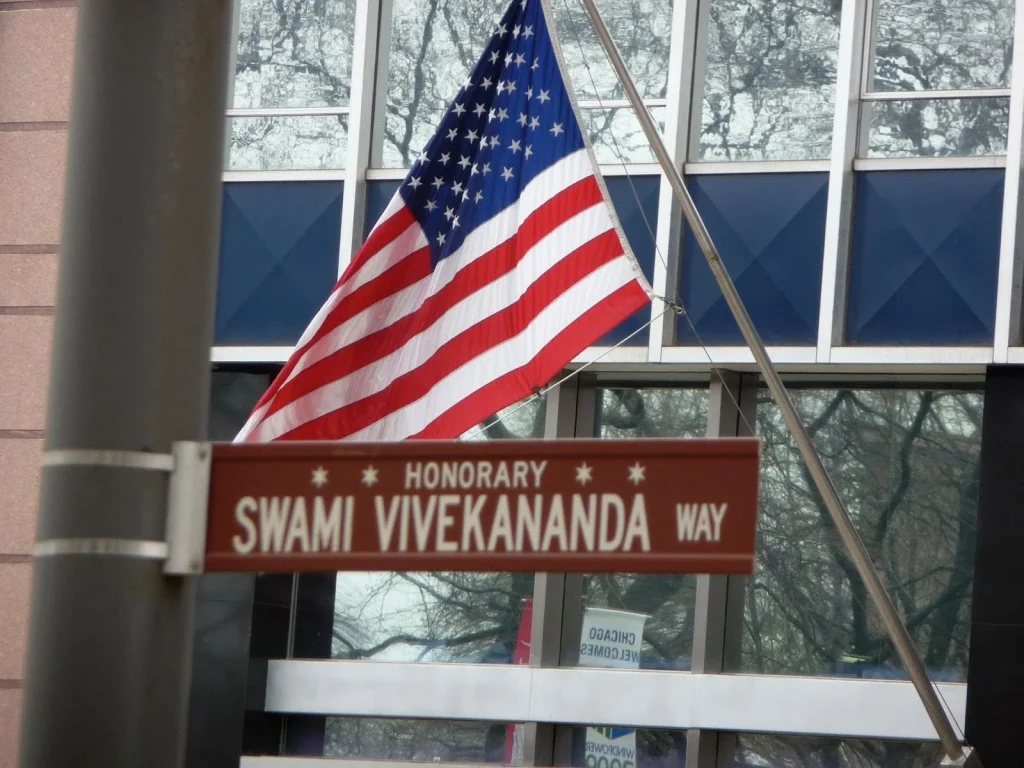
Swami Vivekananda’s legacy offers a rigorous, modern roadmap for Hindu American youth: transform curiosity into disciplined learning, and learning into compassionate seva. His 1893 Chicago address reframed Hinduism as rational and pluralistic, a vision now activated through advocacy and education in groups such as CoHNA. This approach strengthens unity in diversity and aligns with the…
-
Guru Gobind Singh Ji’s 360th Parkash Aagman: Timeless Courage, Seva, and Unity
The 360th Parkash Aagman of Guru Gobind Singh Ji (born 22 December 1666 at Patna Sahib) offers a timely occasion to revisit the sant–sipahi ideal and its enduring relevance. Observed across diverse calendars, the commemoration centers on Akhand Paath, kirtan, Nagar Kirtan, and inclusive langar at sacred sites and in diaspora communities. Guru Gobind Singh…
-
Guardian of Sikh Heritage, Trailblazer in Conservation Science: A Life of Seva and Stewardship

This profile presents a rigorous yet compassionate model that unites conservation science with Sikh heritage stewardship. Readers gain a clear framework for protecting sarovars, Gurdwaras, manuscripts, and intangible practices such as kirtan, langar, and seva. The approach pairs ecological surveys and preventive conservation with oral histories and community training, making care both evidence-based and accessible.…
-
Dharma Beyond Black and White: Hindu Ethics Across Time, Circumstance, and Consequence

Hindu philosophy treats ethics as a disciplined, context-sensitive inquiry rather than a fixed rulebook. Grounded in dharma and guided by deśa–kāla–pātra, it balances intention, action, and consequence while honoring ahimsa, satya, svadharma, and lokasaṅgraha. Epic teachings from the Mahabharata and the Bhagavad Gita model how to act responsibly without attachment to outcomes. Parallels from Jain…
-
Goddess Yellamma’s Black Head: Powerful Symbol of Unity Beyond Caste, Class, and Creed

The black head of Goddess Yellamma (Renuka Devi) functions as an aniconic focus for compassion and unity, revered across Karnataka, Maharashtra, and Telangana. Rooted in narratives of beheading and restoration, the motif dissolves rigid social boundaries and affirms dignity for all. The black hue symbolizes all-embracing grace and fierce protection, aligning with Shakta theology. Pilgrim…
-
Mahanubhav Sampradaya: 13th-Century Origins, Key Differences, and Transformative Teachings

This introduction to the Mahanubhav Sampradaya situates the tradition in 13th-century Maharashtra and the wider Bhakti movement, highlighting Shri Chakradhar Swami’s role and the veneration of five gurus. Readers gain a clear overview of its important teachingsBhakti, ethical discipline, simplicity, and inclusivityand how these shape daily practice. The article clarifies key differences from other Bhakti…
-
IIT Delhi Conference on Hindutva Highlights Inclusiveness, Dharmic Unity, and Global Peace
A national conference at IIT Delhi on 9 January 2026 examined the eternal relevance of Hindutva through an academic lens centered on dharma, inclusiveness, and constitutional pluralism. Sessions emphasized unity in diversity across Hinduism, Buddhism, Jainism, and Sikhism, drawing on anekantavada and ahimsa to model respectful, evidence-based dialogue. Attendees reported a campus climate that encouraged…
-
Rama’s Radiant Restraint: How the Ramayana Redefines Heroism Beyond Brutal Force

Popular culture often equates heroism with dominance, yet the Ramayana presents a higher ideal: power disciplined by restraint. Rama demonstrates that true courage is self-mastery first and calibrated action second, aligning kshatra dharma with ahimsa. Episodes such as the Kākāsura incident, the acceptance of Vibhīṣaṇa, and compassion after victory show justice without cruelty and strength…
-
The Unknowable Other: Hindu Wisdom to Cultivate Self-Knowledge and Deeper Relationships

Hindu philosophy teaches that another person can never be fully known, a truth that nurtures humility and wiser relationships. The Upanishads and Pancha Kosha Viveka explain why only outer layers are visible while the essence remains veiled. Jain Anekantavada, Buddhist anatta, and Sikh Ik Onkar reinforce pluralism and compassionate restraint. Practically, this insight encourages careful…
-
Bangladesh’s Minorities Under Siege: Killings, Sexual Violence, and an Urgent Call for Dharmic Unity

Reports from Bangladesh point to a troubling rise in targeted violence against minorities, including a reported shooting in Jashore and a sexual assault in Jhenaidah. This analysis places the incidents within a broader pattern of communal vulnerability and calls for rights-based, victim-centered responses. It emphasizes Dharmic unityHindu, Buddhist, Jain, and Sikh traditionsgrounded in ahimsa and…
-
Looking Back with Purpose: Transformative Lessons from a Dharmic Journey toward Unity

Purposeful retrospection, grounded in dharma, transforms memory into a tool for growth rather than self-critique. Drawing on Ahimsa, Anekantavada, and Karma Yoga, this reflection-centered approach fosters inner clarity, ethical action, and resilience. Practical methodsmindfulness, meditation, and a five-step weekly frameworktranslate insight into consistent habits. Community support through satsang, sangha, and the Guru–Shishya Tradition amplifies learning…
-
Hinduism’s Fearless Quest for Truth: Rational Inquiry, Pluralism, and Dharmic Unity
Hinduism champions a fearless quest for truth grounded in rational inquiry, from the Upanishads’ probing dialogues to the darshanas’ robust epistemology. Its knowledge systems assess claims through perception, inference, and reliable testimony, integrating rigorous method with experiential practice in yoga and meditation. The tradition’s shastrartha debates exemplify intellectual humility and accountability. In unity with Buddhism,…
-
Unveiling Sabarimala’s Sacred Guardians: Ayyanar and Karuppasamy as Ayyappa’s Dwarapalakas

This article explores the Sabarimala tradition that venerates Lord Ayyanar and Lord Karuppasamy as Dwarapalakasguardian deitiesof Lord Ayyappa. It situates this narrative within the broader symbolism of Hindu temple guardianship, where protection and ethical vigilance frame the approach to the divine. Pilgrimage insights illustrate how devotees experience reassurance and reflective discipline on crossing the sacred…
-
When Shiva and Hanuman Visit Young Rama: Folk Ramayana Symbolism, Significance, and Unity
Folk Ramayana traditions present a poignant scene where Shiva and Hanuman visit young Rama, conveying recognition across sacred paths and modeling humility, service, and righteous conduct. While absent in the Valmiki Ramayana, the motif thrives in Hindu folklore and devotional literature, expanding the epic’s ethical reach. Symbolically, Shiva represents jñāna, Hanuman embodies bhakti and seva,…
-
Dharma vs Adharma: The Inner Battle Shaping LifePractical Wisdom from Dharmic Traditions

Dharma and Adharma describe an inner moral struggle that shapes choices, character, and destiny. Drawing on the Bhagavad Gita, the Upanishads, and allied Dharmic wisdom, this piece explains how clarity (buddhi), the gunas, and steady practice (abhyasa) tip the balance toward ethical action. It shows how Hindu, Buddhist, Jain, and Sikh traditions converge on shared…
-
Can Violence and Sport Coexist? HJS Demand Spurs Debate on Bans, Fair Play, and Unity

Hindu Janajagruti Samiti asserted that violence and sports cannot coexist and called for a ban on players from Bangladesh, prompting a wider debate on sports ethics and non-violence. This analysis places the statement in the context of global governance norms that emphasize due process and proportionate, evidence-based sanctions. It underscores dharmic principlesespecially ahimsashared across Hinduism,…
-
Culture, Community, and Kirtan: A Soulful New Year’s Eve at the Haveli Uniting Dharmic Traditions

A New Year’s Eve celebration at the Haveli, hosted by the School of Bhakti, brought together a diverse community in a warm, devotional setting. The gathering emphasized unity in diversity across dharmic traditionsHinduism, Buddhism, Jainism, and Sikhismthrough culture, community, and chanting. Kirtan and devotional singing created a contemplative rhythm that encouraged mindfulness, gratitude, and inner…
-
Swami Vivekananda Jayanti 2026: Exact Dates, Tithi Puja, and Heartfelt Ways to Honor His Legacy

Swami Vivekananda Jayanti 2026 is observed on 12 January (Gregorian) and 10 January (Hindu calendar), with Tithi Puja on 21 January (Krishna Paksha Saptami, Poush Month). This 163rd birth anniversary highlights his enduring message of character, service, and spiritual strength, celebrated nationwide as National Youth Day. The post clarifies the calendar distinctions to help plan…