
-
Surname Privilege in India: How Dynastic Power Erodes Merit, Mobility, and Unity

India’s public life often privileges surnames as social capital, shaping access to power in politics, business, and culture. This analysis explains how political dynasty and nepotism in India undermine meritocracy, reduce social mobility, and erode institutional trust. Framed through a dharmic lens, it highlights shared values across Hinduism, Buddhism, Jainism, and Sikhism that favor competence,…
-
Dharma as Cosmic Law: A Timeless Path of Harmony, Responsibility, and Dharmic Unity

Dharma is presented as the cosmic law that sustains life and nurtures harmony across individuals, societies, and species. It is dynamic rather than rigid, aligning personal duty with universal values and linking ethical action to spiritual aims such as Karma and Moksha. The dharmic traditionsHinduism, Buddhism, Jainism, and Sikhismconverge on compassion, responsibility, and pluralism, making…
-
Bangladesh Mob Lynching Sparks Alarm: Urgent Call to Safeguard Religious Minorities

Amid political instability in Bangladesh, the lynching of a Hindu youth in Mymensingh highlights escalating extremist violence and the growing insecurity of religious minorities. The analysis situates the incident within patterns of vigilantism driven by rumor, polarization, and weak enforcement. It emphasizes human dignity, due process, and the need for transparent investigations and legal accountability.…
-
No Life Is Lesser or Greater: A Transformative Dharmic Insight on Sacred Equality
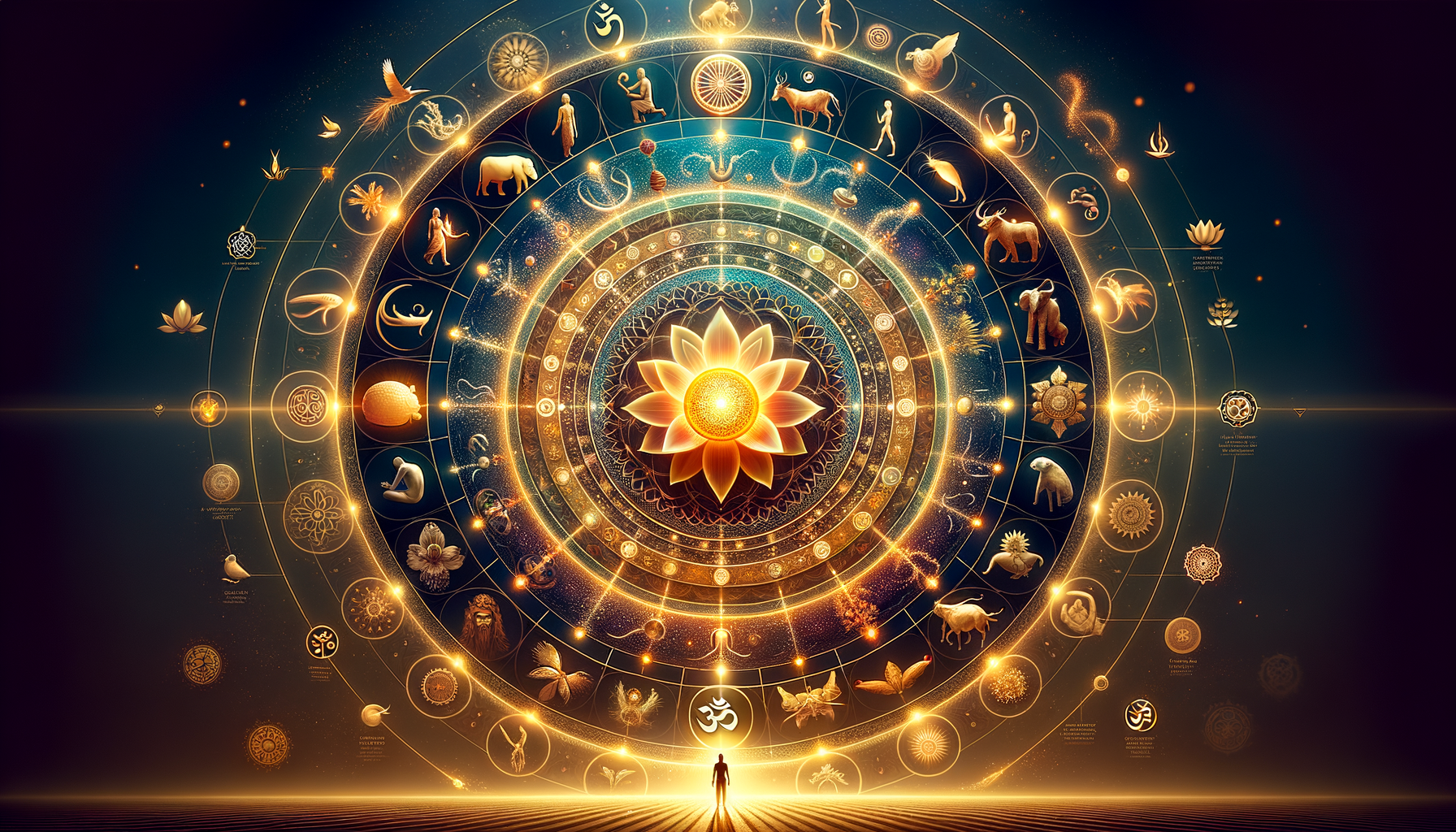
This article explores the Hindu philosophical teaching that no life is inferior or superior, grounding sacred equality in Atman and the unity of all existence in Brahman. It clarifies how this insight becomes an ethical imperative through Ahimsa and Dharma, encouraging compassionate, responsible action. Readers gain a clear understanding of sama-darśana in the Bhagavad Gita…
-
Make 2026 Truly Different: A Dharmic, Research-Backed Path to Sustainable Joy and Purpose

The early optimism of a new year often fades because life demands outpace willpower. A dharmic, research-informed approach offers a sustainable alternative. By combining Dharma, mindfulness, Ahimsa, and Seva, change becomes practical, ethical, and compassionate. Short, focused learning (20–25 minutes) paired with daily application builds momentum without overwhelm. Key areasvitality, emotional well-being, relationships, finances, habits,…
-
How Gen Z Ignites a Dharmic Cultural Renaissanceand Why Older Generations Should Cheer

A spirited debate on X has reframed Gen Z’s cultural choices as a dharmic renaissance rather than a turn to rigid orthodoxy. The emerging pattern shows young Indians reclaiming and modernising traditions across Hinduism, Buddhism, Jainism, and Sikhismthrough music, clothing, pilgrimage, and service. Earlier generations preserved culture defensively under Westernized narratives; Gen Z is now…
-
Dehradun Standoff over Friday Prayers: Community Appeals for Peace, Law, and Unity

A tense standoff in Dehradun, Uttarakhand over Friday Namaz on a public road highlighted the delicate balance between freedom of worship and public order. The incident revealed how consistent permitting, designated spaces, and timely coordination can prevent conflict in dense urban settings. Residents reported anxiety yet also voiced hopes for peace grounded in unity in…
-
Beyond Blame: Bondi Beach Tragedy, Countering Extremism and Building Dharmic Unity in Australia

The Bondi Beach tragedy demands responses rooted in clarity, compassion, and evidencenot sweeping blame. This analysis explains why attributing violence to entire faiths is methodologically unsound and socially harmful, and outlines practical steps to counter violent extremism in Australia. It highlights dharmic principlesahimsa, karuna, and maitrias resources for nonviolence and community resilience. Actionable measures include…
-
Baba Atal Rai, Son of Guru Hargobind: A Radiant Legacy of Wisdom, Devotion, Compassion

Baba Atal Rai, the young son of Guru Hargobind, is celebrated for embodying wisdom, devotion, humility, and compassion in Sikh history. His legacymemorialized by Gurdwara Baba Atal Sahib in Amritsaroffers a lasting ethical framework where compassion is guided by humility and aligned with Divine Will (hukam). Readers gain a clear, fact-based understanding of his narrative…
-
Gagan Mai Thaal: Guru Nanak’s Cosmic Aarti and the Living Unity of Dharmic Traditions

“Gagan Mai Thaal” portrays the cosmos as a living Aarti, aligning Sikh devotion with a universal reverence for creation. The hymn’s imagerysky as platter, sun and moon as lampstranslates complex metaphysics into an accessible contemplative experience. It resonates with Vedic order, the Gita’s cosmic vision, Buddhist interdependence, and Jain ahiṃsā, affirming Religious Pluralism and Unity…
-
The Sikh Spectrum Unveiled at Khalsa College, Amritsar: A Landmark for Dharmic Unity

“The Sikh Spectrum” was released at Khalsa College, Amritsar, in a setting renowned for scholarship and community leadership. The book presents Sikh history and philosophy through rigorous, accessible analysis and situates Sikhism in dialogue with Hindu, Buddhist, and Jain traditions. Attendees noted both intellectual depth and an atmosphere of calm reflection, emphasizing relevance to ethical…
-
From Suffering to Serenity: Hindu Wisdom on Impermanence through a Cosmic Lens

This essay explores how Hindu philosophy, in conversation with Buddhism, Jainism, and Sikhism, reframes suffering through the recognition of impermanence and the expansion of consciousness. It explains how Avidya and Maya narrow attention to transient desires and how practices like dhyana, pranayama, Karma Yoga, and Bhakti restore clarity. Drawing on the Upanishads and the Bhagavad…
-
Rama–Sita and Shiva–Shakti: Sankhya’s Purusha–Prakriti and the Promise of Wholeness

Sankhya’s vision of Purusha (consciousness) and Prakriti (primordial nature) is illuminated by the sacred unions of Rama–Sita and Shiva–Shakti. These symbols present wholeness as a harmonious interplay rather than a clash of opposites. The essay connects Ardhanārīśvara, Maryāda-Puruṣottama, and Shakti’s resilience to psychological integration and ethical balance. Parallels from Buddhism (prajñā–upāya), Jainism (jīva–ajīva and the…
-
Walking the Sikh Path: How Faith and Reason Forge Inner Calm, Service, and Dharmic Unity
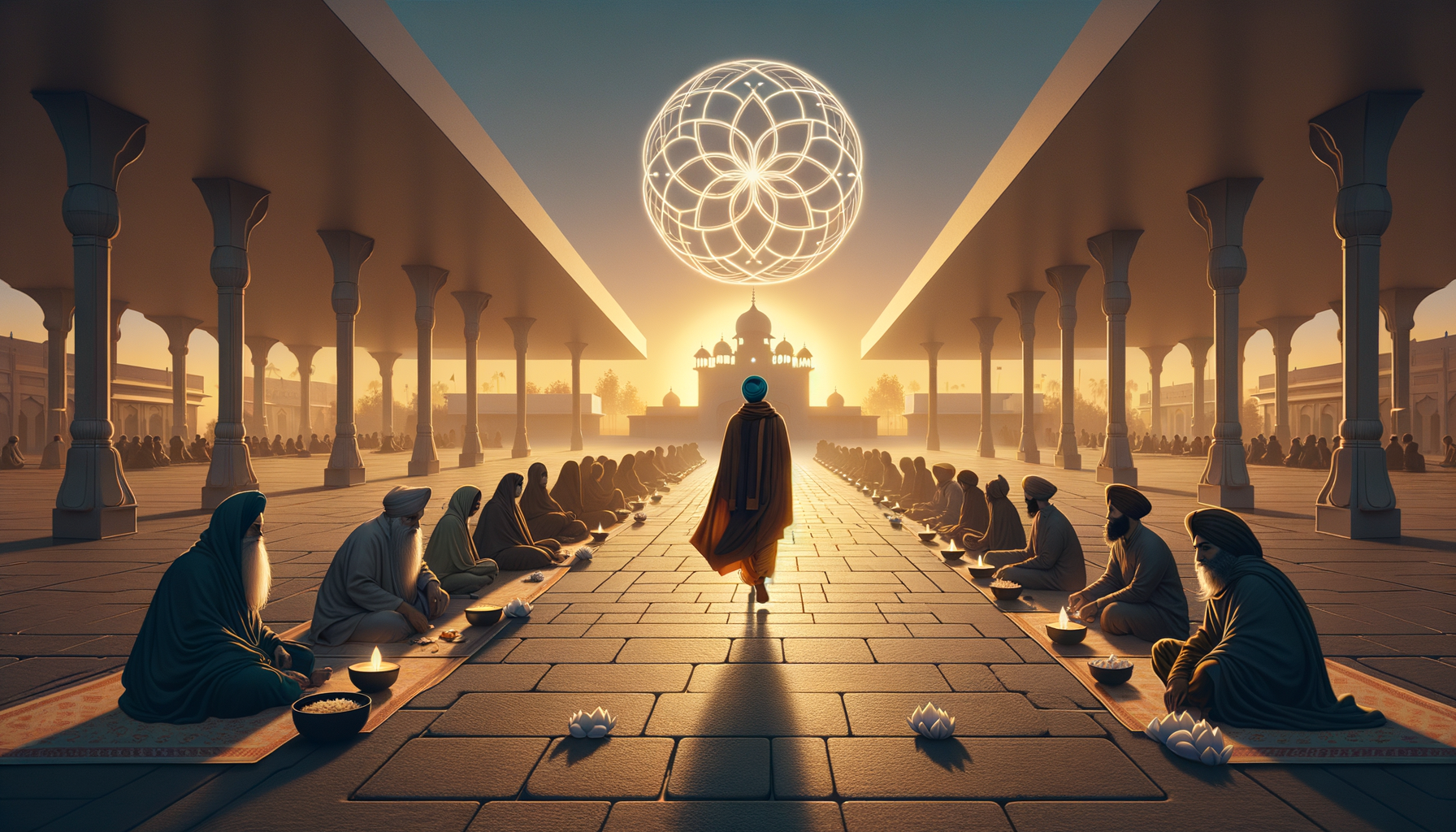
This reflection presents how the Sikh path unites faith and reason into a disciplined, compassionate way of life. Grounded in Ik Onkar, it shows how practices like Naam Simran, Seva, and Sangat build inner calm and social responsibility. The approach welcomes questions, aligning devotion with critical discernment and ethical conduct. It resonates with Hindu darshanas…
-
From Delhi, a Resonant Call to Safeguard Sanatan Dharma and Unify Dharmic Traditions
A recent gathering in New Delhi brought saints, seers, and Dharma-minded professionals together to affirm a shared civilizational identity rooted in Sanatan Dharma. Framed as “Sanatan Rashtra,” the call emphasized a cultural-ethical commonwealth rather than a theocratic state, aligning with India’s constitutional values. The assembly prioritized cultural preservation, interfaith harmony among Hindu, Buddhist, Jain, and…
-
Protecting Each Other: A Dharmic Call to Responsible Action During the Pandemic and Beyond
Representing Krsna and the parampara requires modeling responsibility and compassionate care for all. In the coronavirus pandemic, this means rigorously following public health recommendations and official indications as an expression of Dharma, ahiṁsā, and sevā. Community experience shows that clear protocols and digital engagement preserved connection and protected vulnerable groups. The teaching aligns puruṣārtha (self-effort)…
-
Sanatan Rashtra Shankhnad Mahotsav: A Resonant Call for Valour, Culture, and Security

Scheduled for 13–14 December 2025 at Bharat Mandapam, New Delhi, the ‘Sanatan Rashtra Shankhnad Mahotsav’ brings national security, cultural heritage, and valour into a single scholarly forum. A rare exhibition of historical weaponry and sacred relics provides context for ethical defence traditions within Sanatan Dharma. Moderated dialogues explore contemporary security challenges with rigor, linking policy…
-
How the Sahibzaade’s Martyrdom Ignited Two Teens’ Inner Mission and Lifelong Courage

Two teenagers discovered a practical path to courage and clarity after studying the Sahibzaade’s martyrdom in a youth workshop. The narrative of Guru Gobind Singh’s sonsset around Anandpur Sahib, Chamkaur, and Sirhindbecame a framework for daily discipline. By linking seva, simran, and small vows (anuvrat) to study habits, the teens improved focus and reduced anxiety.…
-
Thiruparankundram Lamp Row: RSS chief urges peaceful, strength-based resolution in Tamil Nadu
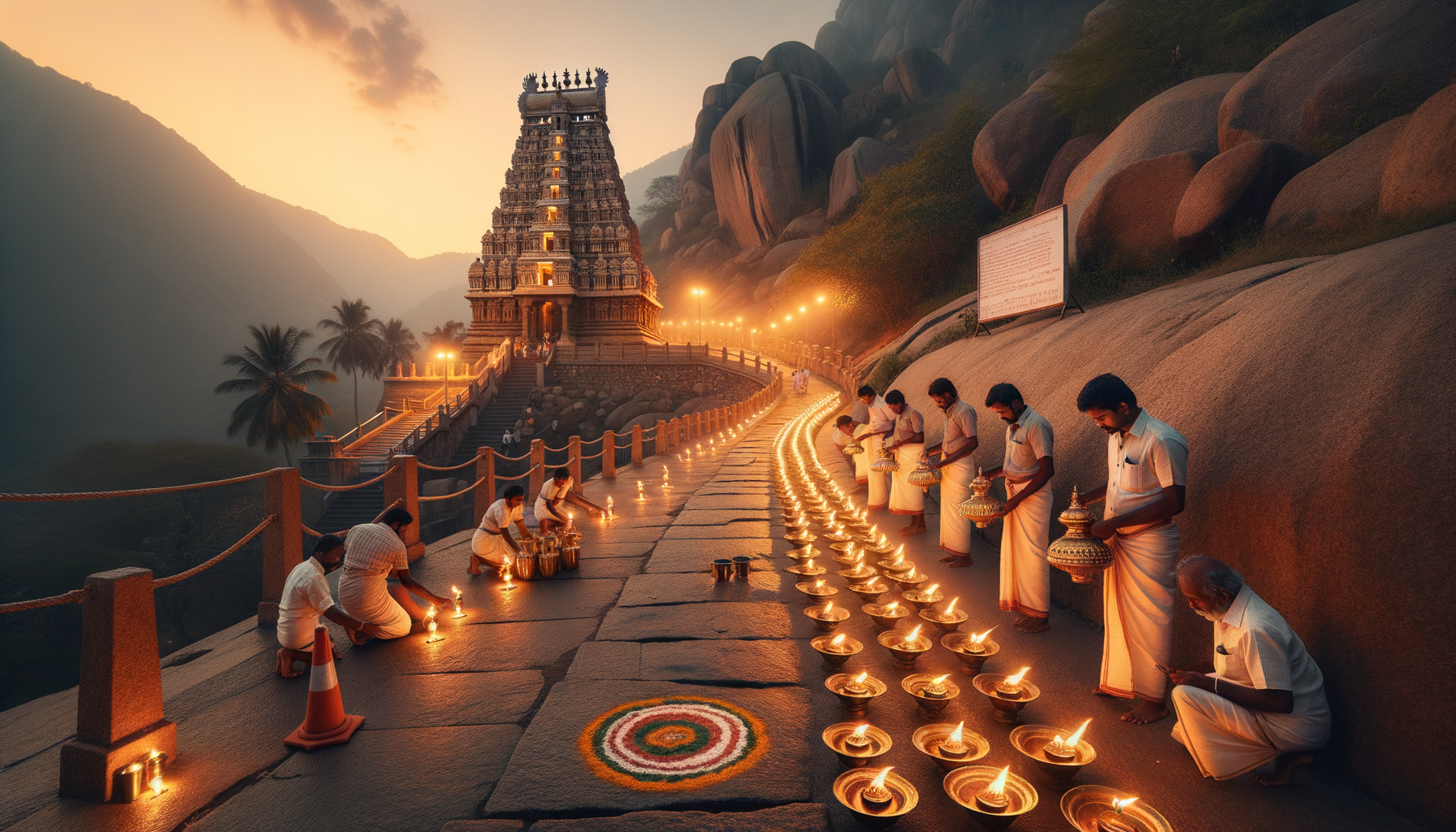
The Thiruparankundram lamp row has sharpened attention on how Tamil Nadu can protect sacred temple traditions while preserving public harmony. Recent remarks by RSS chief Mohan Bhagwat underscore confidence in a peaceful, strength-based resolution that aligns devotion with constitutional processes. The dispute touches deep emotional bonds around deepam rituals, making inclusive consultation and transparent planning…
-
Discover the Timeless Pillars of Hinduism: Temples, Saints, and Living Pluralism

Hinduism’s enduring features include a global network of Hindu temples, a lineage of rishis and saints, and historic royal patronage that nurtured sacred architecture and social welfare. Its core principlesdharma, karma, ahimsa, and mokshasupport multiple valid paths such as Bhakti, Jnana, Karma, and Yoga. This religious pluralism aligns naturally with the broader dharmic family of…