
-
Artabhakti Unveiled: The Transformative Power of Devotion in Distress and Dharmic Unity

Artabhakti—devotion in distress—stands as a potent form of bhakti in Hinduism, recognized in the Bhagavad Gita as a direct and transformative path to the Divine. Classic narratives like Gajendra Moksha and Draupadi’s appeal to Krishna reveal how sincere surrender in crisis invites grace, resilience, and ethical clarity. Psychologically, suffering can focus attention and open the…
-
Parinama Explained: Three Profound Transformations Shaping Hindu Wisdom and Daily Life

Parinama—sacred change—clarifies how reality unfolds in Hindu philosophy through three core transformations: change of form (svarūpa), change of state (avasthā), and change marked by time (lakṣaṇa). Grounded in sources such as the Yoga Sutras, this framework aligns philosophical depth with everyday observation. It also connects meaningfully with dharmic perspectives in Buddhism, Jainism, and Sikhism, fostering…
-
Shankhu Chakradhari Brahma: Decoding a Rare, Awe-Inspiring Icon of Sudarshana and Shankhu
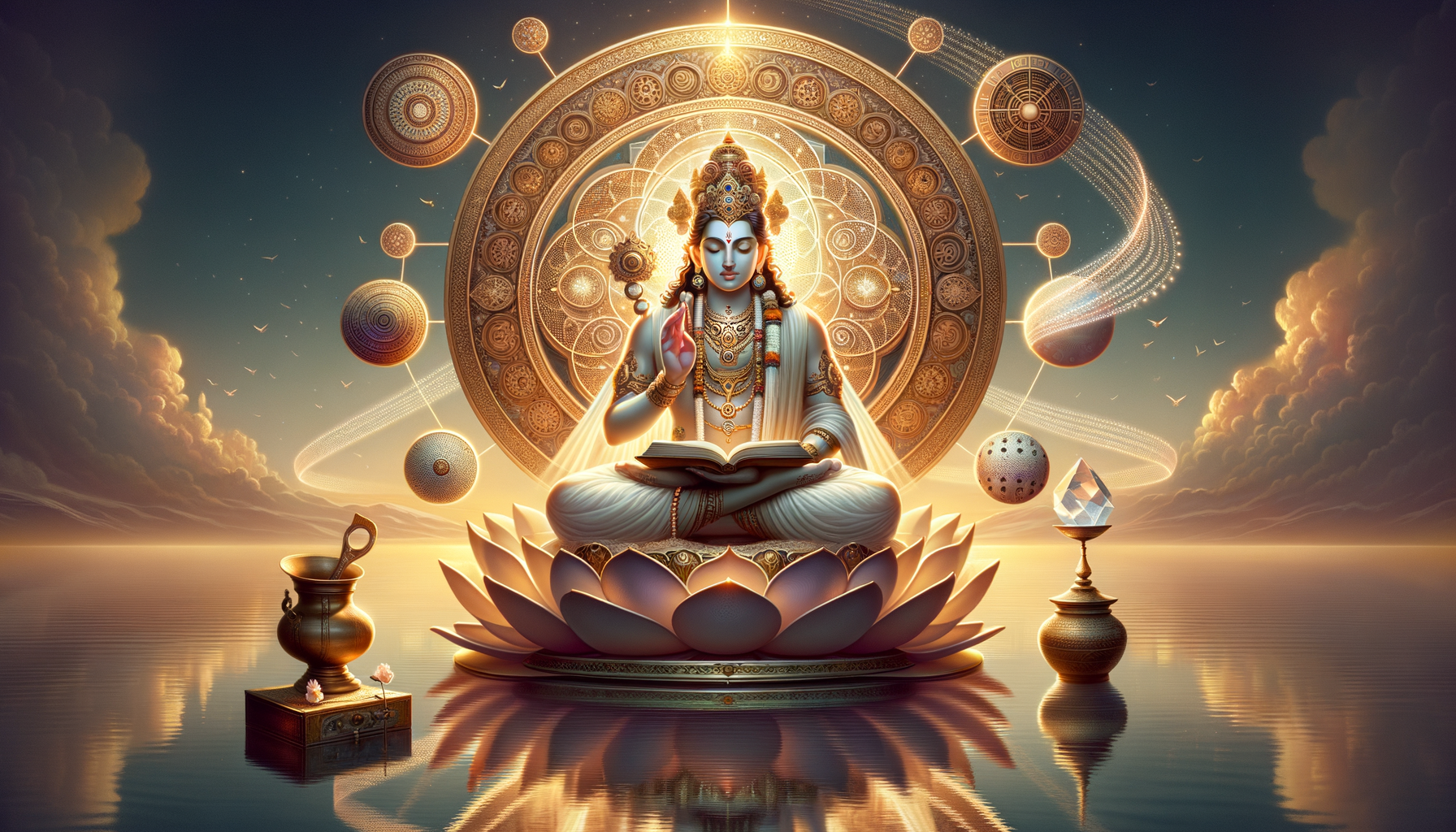
This exploration decodes the rare icon of Shankhu Chakradhari Brahma, where Lord Brahma bears the Sudarshana Chakra and Shankhu. Readers gain a clear understanding of how this iconography aligns creation with preservation within Sanatana Dharma. The symbolism of the chakra (order, time, discernment) and conch (primordial sound, prāṇa) is explained in an accessible, academic style.…
-
Daksha–Shiva and the Dharma Dilemma: Powerful Lessons on Order, Freedom, and Unity
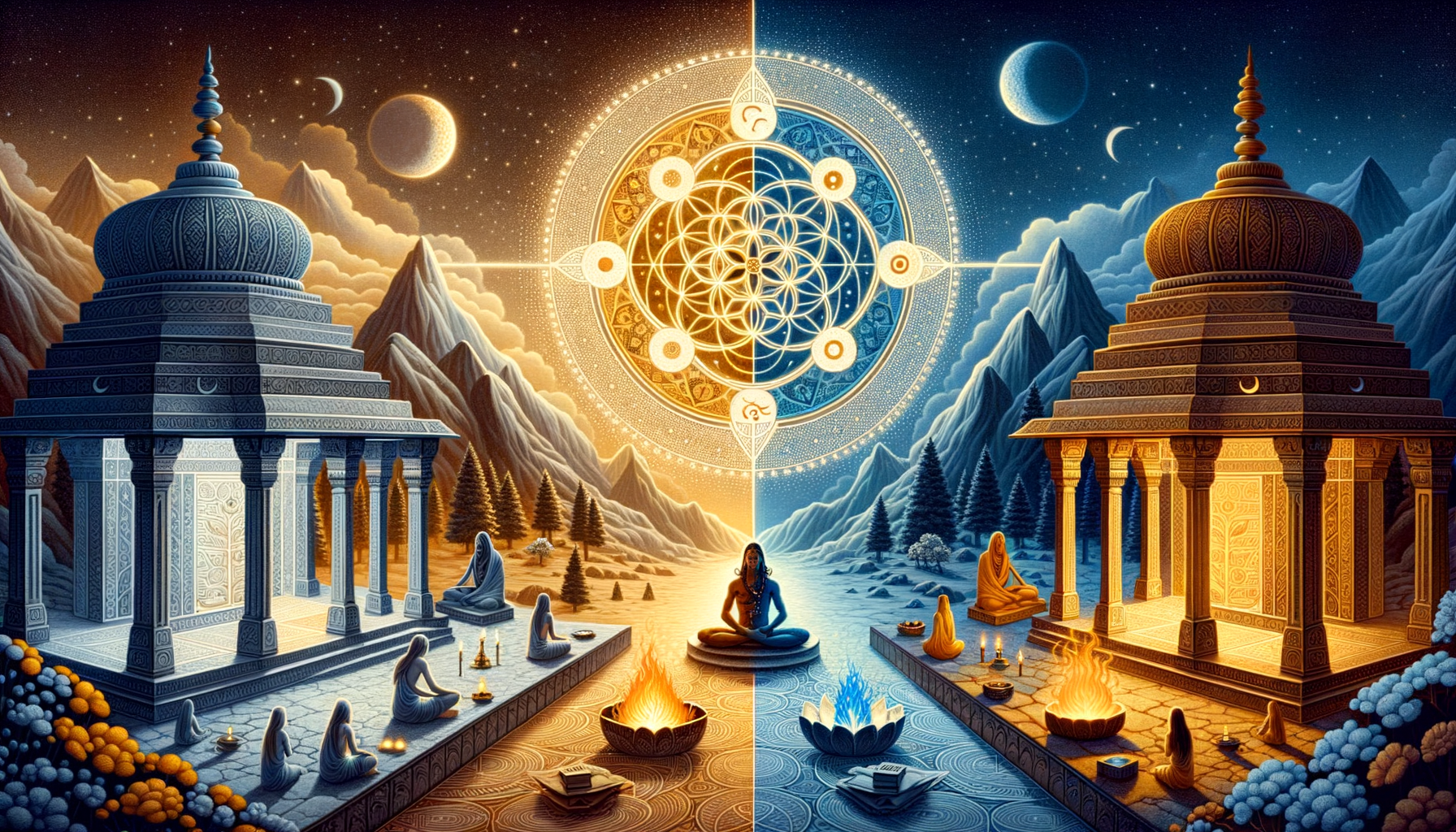
The Daksha–Shiva narrative illuminates a universal dilemma: how to balance social order with individual freedom without sacrificing either. This analysis interprets Daksha as the guardian of institutional harmony and Shiva as the emblem of spiritual sovereignty, arguing that dharma requires both. Drawing parallels with Buddhism’s Middle Way, Jainism’s Anekāntavāda, and Sikh ethics, it highlights a…
-
Who Really Acts? Bhagavad-gita on Nature’s Forces, Karma, and Dharmic Freedom
Bhagavad-gita’s teaching that all beings act under the modes of material nature (Bg. 3.5; 18.40) reframes agency as skillful alignment with dharma rather than absolute autonomy. This perspective resonates with broader dharmic insights: Buddhist dependent origination, Jain karma theory, and Sikh understanding of Hukam all address conditioning and the path to freedom. Readers gain a…
-
Why Sri Krishna’s Yellow Pitambara Still Inspires: Sacred Symbolism, Dharma, and Unity

Sri Krishna’s yellow pitambara is more than attire; it is a layered symbol of sattva, wisdom, and compassionate action. Rooted in Vaishnava texts and art, the garment visually echoes the Bhagavad-Gita’s call to clarity and dharma. Its earth-toned associations connect spiritual insight with ecological stewardship and community care. Rituals and festivals amplify these meanings through…
-
Loneliness in the Digital Age: Dharmic Wisdom and Practical Practices to Rebuild Community

The decline in real-life friendships has accelerated in the digital age as social media, virtual relationships, and digital companions monetize attention while leaving deeper needs unmet. Dharmic wisdom across Hinduism, Buddhism, Jainism, and Sikhism converges on a practical remedy: rebuild community through satsang/sangha/sangat, seva, mindfulness, and compassionate speech. Concepts like Lokasangraha frame friendship as an…
-
Understanding ‘Sin’ in Hinduism: Karma, Dharma, and the Compassionate Nature of the Divine
This article reframes “sin” through a Hindu lens grounded in the Bhagavad Gita, clarifying that moral error arises from misalignment with dharma rather than divine anger. It explains pāpa and puṇya, the role of karma, and the compassionate nature of the Divine. Readers gain a structured, hopeful path to self-correction via prāyaścitta, ahimsa, and the…
-
Sat-sanga Reflections (08.11.2025): Remembering Vamsi, Gita Review, and the Joy of Prema-bhakti
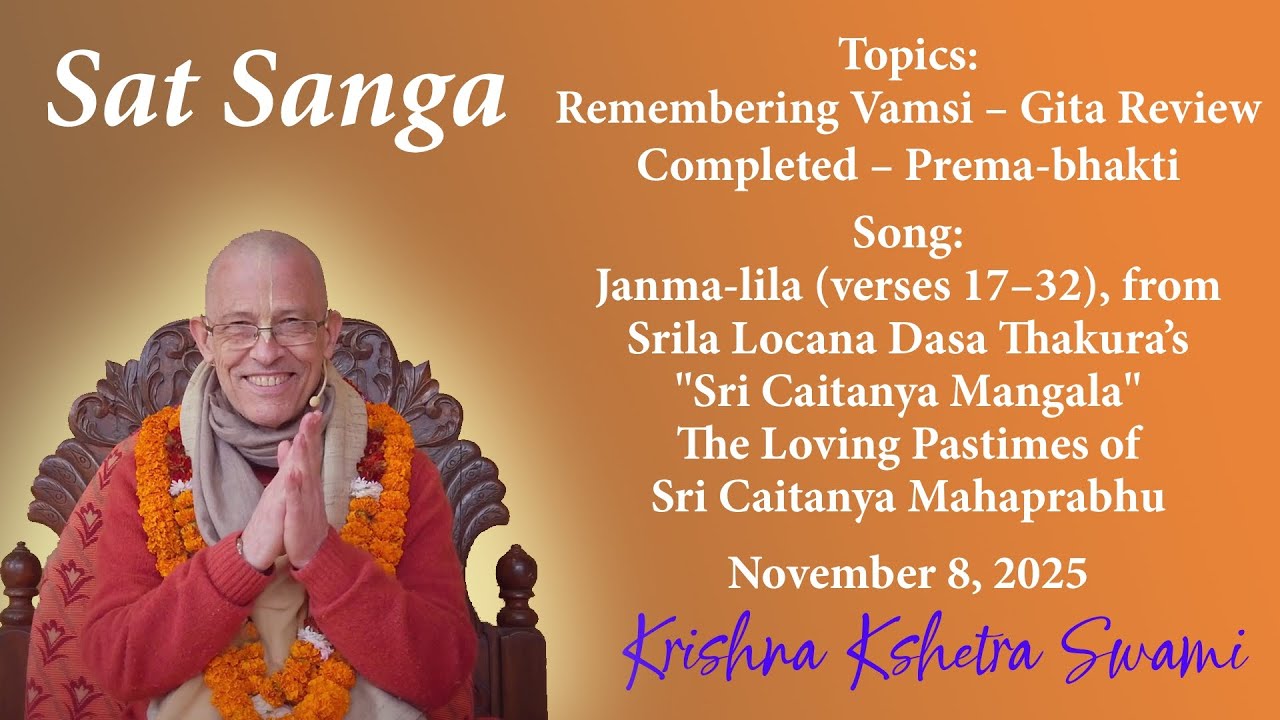
This sat-sanga (08.11.2025) with HH Krishna Kshetra Swami concluded a systematic review of the Bhagavad Gita and turned to an illuminating exploration of prema-bhakti. Drawing on Srimad-Bhagavatam, the session explained how mature devotion may express itself as tears, laughter, singing, dancing, and reverent līlā, arising naturally from deep absorption. Remembering the vamsi (Sri Krishna’s flute)…
-
Dharma and Spiritual Elevation: Timeless Ethics for Unity and Inner Transformation
Dharma offers more than an approximate blend of righteousness, virtue, or moral law; it is a living framework that integrates ethical conduct with inner transformation. Grounded in Hinduism yet resonant across Buddhism, Jainism, and Sikhism, Dharma fosters unity in spiritual diversity. Practitioners report greater clarity, emotional balance, and purpose when actions align with truth, compassion,…
-
Beyond Sight: Profound Hindu Wisdom to Experience the Divine and Nurture Dharmic Unity

Hindu philosophy teaches that while the Divine transcends the senses, it is directly knowable through disciplined inner experience. Using the classic lamp-and-electricity metaphor, the discussion clarifies how pramāṇa and the Upanishadic method of “neti neti” lead to self-authenticating awareness. It maps multiple Hindu paths—bhakti, jñāna, karma-yoga, and rāja-yoga—and parallels in Buddhism, Jainism, and Sikhism (vipassanā,…
-
Para Prakriti in the Bhagavad Gita: Unveiling Higher Consciousness and Inner Freedom
This article clarifies the Bhagavad Gita’s teaching on para and apara prakriti, showing how the eightfold apara field relates to body, mind, and ego, while para prakriti points to the living awareness that enlivens experience. It references key verses (7.4–7.5, 15.7) and explains their practical relevance for yoga, meditation, and ethical life. Readers gain a…
-
Bound or Beyond? Hinduism’s View of Belief, Free Will, and Compassionate Spiritual Unity

Do beliefs bind or set one free? Through Hindu philosophy and its Dharmic cousins—Buddhism, Jainism, and Sikhism—this piece explains how belief can guide without imprisoning. It shows how dharma and sadhana (practice) transform conviction into compassionate action. Readers gain a clear framework from the Upanishads and Bhagavad Gita on agency, karma, and svadharma. The article…
-
Decoding the Sacred Names of Pandharpur: Vithoba’s Symbolism, Bhakti, and Shared Unity
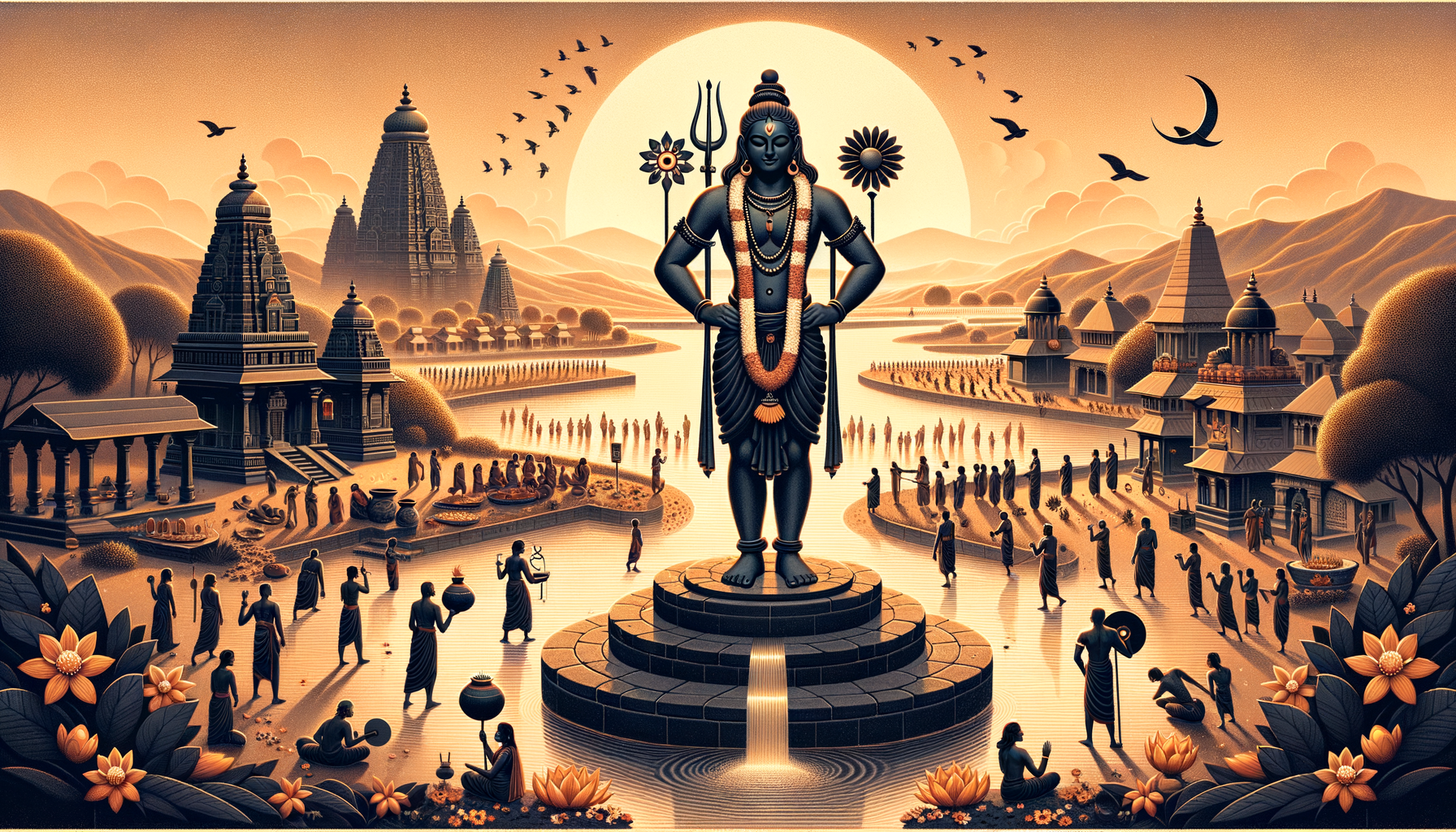
Pandharpur’s sacred names preserve a living archive of Bhakti wisdom and inclusive practice. Each epithet—Panduranga, Vithoba/Vitthal, Pandharināth, Pundalikavarada, Rakhumāī-Rāyā, and Mauli—carries symbolism that is both philosophically rich and emotionally resonant. The well-known brick, Pundalik’s seva, and the hands-akimbo stance together portray a deity who is steadfast, accessible, and intimately present. Etymological nuances are presented with…
-
Ultimate Mrigashira Nakshatra Sadhana: Master Mahavidya Upasana for Transformative Clarity
This guide presents a clear, lineage-sensitive approach to Mrigashira Nakshatra Sadhana, uniting Vedic astrology, soma-centered calm, and structured discipline. Readers discover how Mars (Mangal) rulership and Soma’s lunar grace inform practice design, from timing and offerings to breath, asana, and mantra japa. Optional Mahavidya orientations—Tripura Sundari, Bhuvaneshwari, Tara, and Kali—are explained with practical rationale and…
-
Essential Dharmic Insights to Transform Fear of Death: A Complete Hindu Guide

This article explains how Hinduism, in harmony with Buddhist, Jain, and Sikh insights, transforms fear of death into understanding through a clear, compassionate philosophy. It presents death as a transition within samsara, guided by karma and oriented toward moksha, drawing on the Bhagavad Gita and upanishad. Readers gain practical tools—meditation, japa, pranayama, and seva—to cultivate…
-
Discover the Complete Purpose of Creation in Dharmic Thought: Master Karma, Dharma, Moksha
This article explains the purpose of creation in Hinduism through the interconnected ideas of karma, dharma, moksha, and samsara. It situates Hindu insights within the wider dharmic family—Buddhism, Jainism, and Sikhism—highlighting shared goals of liberation and ethical living. Readers discover why Prakriti is seen as a divine arena for growth and how jivas learn through…
-
Discover the Essential Dharma of Diversity: Ishta and Pluralism for a Happier Life
Hinduism presents diversity as a disciplined, life-enhancing principle rather than a source of chaos. Through ishta-devata and multiple marga, seekers align practice with temperament while honoring other paths. The popular image of countless deities signals symbolic plurality; classical references to 33 koti clarify its philosophical depth. Allied dharmic traditions—Anekantavada in Jainism, Buddhist compassion, and Sikh…
-
Ultimate Guide to Goddess Sundarikali: Discover the Radiant, Compassionate Power of the Divine

Goddess Sundarikali (Sundarkali) embodies a luminous union of compassionate grace and protective strength within Hindu Dharma. This guide explains how the form integrates aesthetic radiance with transformative power, enriching the broader tapestry of Devi traditions. Readers discover how devotees engage in practices like japa and mindful contemplation to cultivate ethical clarity, resilience, and loving-kindness. The…
-
Essential Breakthrough: Discover Proven Dharmic Insights to Transform Perfectionism and Thrive

Perfectionism makes life tense and, at times, unbearable; dharmic wisdom offers a practical, compassionate alternative. Hinduism’s Bhagavad Gita reframes success as dedicated action without attachment to outcomes, supported by santosha, aparigraha, and forgiveness. Buddhism adds mindfulness and the insight of impermanence to reduce clinging and soften suffering. Jainism’s anekantavada nurtures intellectual humility, while ahimsa and…