
-
Spirituality in Hinduism: Timeless wisdom to unlock the divine potential in every being
Hindu spirituality understands the “spiritual” as the intrinsic divinity (Atman) present in every being, a perspective rooted in the Upanishads and the Bhagavad Gita. It honors multiple authentic paths—jnana, bhakti, karma, and raja yoga—so seekers can grow according to their nature. Practical disciplines such as meditation, pranayama, mantra japa, and seva translate inner realization into…
-
Paradox of Progress: Why Discontent and Violence Rise—and Dharmic Ways to Peace
Scientific advancements have brought unprecedented capabilities, yet discontentment and violence continue to rise. This article interprets the paradox through a dharmic lens, highlighting avidyā, restless desire, and information overload as drivers of inner turmoil. It presents unifying insights from Hinduism, Buddhism, Jainism, and Sikhism—dharma, ahiṁsā, karuṇā, and sewa—as complementary solutions. Readers gain practical guidance in…
-
Goddess Yellamma’s Black Head: Powerful Symbol of Unity Beyond Caste, Class, and Creed

The black head of Goddess Yellamma (Renuka Devi) functions as an aniconic focus for compassion and unity, revered across Karnataka, Maharashtra, and Telangana. Rooted in narratives of beheading and restoration, the motif dissolves rigid social boundaries and affirms dignity for all. The black hue symbolizes all-embracing grace and fierce protection, aligning with Shakta theology. Pilgrim…
-
The Unknowable Other: Hindu Wisdom to Cultivate Self-Knowledge and Deeper Relationships

Hindu philosophy teaches that another person can never be fully known, a truth that nurtures humility and wiser relationships. The Upanishads and Pancha Kosha Viveka explain why only outer layers are visible while the essence remains veiled. Jain Anekantavada, Buddhist anatta, and Sikh Ik Onkar reinforce pluralism and compassionate restraint. Practically, this insight encourages careful…
-
Infinite Paths, One Truth: How Hinduism Empowers Personal Realization and Sacred Unity

Hinduism (Sanatana Dharma) teaches that no two individuals experience the Divine in the same way—and turns that insight into a strength. Drawing on the Upanishads and the Bhagavad Gita, it validates personal realization through concepts like Ishta and multiple yogic paths. This pluralism resonates across Dharmic traditions through Anekantavada in Jainism, upaya in Buddhism, and…
-
Hinduism Beyond Miracles: Supersensual Knowledge Rooted in Reason and Lived Experience
Hinduism is often mischaracterized as supernatural, yet its core affirms supersensual knowledge—truths beyond the senses that remain coherent, rational, and experientially verifiable. Drawing on pramāṇa theory, Upanishadic inquiry, and Yoga, it advances a disciplined path where meditation, ethics, and contemplation yield repeatable inner transformations. This perspective aligns with Buddhism’s experiential insight, Jainism’s Anekantavada, and Sikhism’s…
-
Vaikunta Ekadasi and Moksha Patam: Decoding Snakes and Ladders as a Path to Liberation

Vaikunta Ekadasi invites a reflective return to dharma, and the traditional game Moksha Patam (Snakes and Ladders) becomes a meditative tool for understanding karma and moksha. Ladders symbolize virtues like truth, compassion, charity, and devotion, while snakes represent vices such as anger, pride, greed, and delusion. The game aligns naturally with Ekadashi fasting and vrata,…
-
Invoking the Divine in Hinduism: Symbolism, Inner Awakening, and Inclusive Dharma Paths

Deity invocation in Hinduism aligns devotion with inner divinity while honoring inclusive, pluralistic practice. Through puja, mantra, meditation, and seva, practitioners cultivate clarity, compassion, and ethical steadiness. Symbolic offerings like light, water, and flowers transform everyday actions into sacred gestures. The Ishta-devata principle affirms unity in spiritual diversity, enabling practitioners to choose a path that…
-
Magnanimous Devotion: How Exemplary Bhakti Inspires and Unites Dharmic Traditions

A magnanimous devotee, praised throughout the Bhakti Tradition and Hindu scriptures, is described as purifying, inspiring, and transformative in the lives of others. Even brief association with saintly persons—sadhu-sanga—often catalyzes ethical clarity, devotion, and renewed purpose. Comparable ideals appear across Buddhism, Jainism, and Sikhism, underscoring unity in spiritual diversity. The “ornaments” of the devotee—humility, compassion,…
-
Cutting the Tree for Fruit: Hindu Dharma’s Warning—and a Path to Climate Responsibility

This reflection explains how the Hindu metaphor of cutting down the tree to get the fruit exposes the dangers of short-term gains and guides long-term responsibility. It situates the teaching within ancient scriptures like the Bhagavad Gita and aligns it with environmental ethics and climate action. The piece highlights shared values across Hinduism, Buddhism, Jainism,…
-
Two Energies, One Choice: Transforming Daily Life through Krsna’s Material and Spiritual Power

Krsna’s two energies—material and spiritual—can be engaged through intention, much like electricity directed to different purposes. The living entity, as marginal potency, continually chooses between self-centered exploitation and selfless service. This framework aligns with Buddhist, Jain, Sikh, and Hindu teachings, highlighting a shared dharmic path from craving to compassion. Practical disciplines such as study of…
-
Embracing Samsara: The Unavoidable Cycle of Life and Transformation in Hindu Thought
The insight that life moves through birth, growth, flowering, fruiting, decay, and transformation reflects Hinduism’s vision of Samsara as a meaningful cycle shaped by karma and oriented by dharma toward moksha. This piece explains how the metaphor of nature clarifies impermanence while cultivating equanimity and ethical responsibility. It highlights scriptural coherence found in the Upanishads…
-
Dharma as Cosmic Law: A Timeless Path of Harmony, Responsibility, and Dharmic Unity

Dharma is presented as the cosmic law that sustains life and nurtures harmony across individuals, societies, and species. It is dynamic rather than rigid, aligning personal duty with universal values and linking ethical action to spiritual aims such as Karma and Moksha. The dharmic traditions—Hinduism, Buddhism, Jainism, and Sikhism—converge on compassion, responsibility, and pluralism, making…
-
Viral Hanuman Chalisa Rap Meets Hip-Hop: A Powerful Fusion Echoing Sanatana Dharma’s Unity

A viral Hanuman Chalisa rap demonstrates how Sanatana Dharma adapts across time, place, and genre without losing sacred intent. By melding bhajans and mantras with hip-hop, the piece offers an accessible entry point for youth and diaspora audiences. Listeners often describe renewed devotion, cultural pride, and a sense of global belonging. Concerns about commercialization underscore…
-
Reverence and Bhakti in Practice: H.H. Guru Prasad Swami’s ISKCON Dwarka Teaching on Offense-Free Devotion
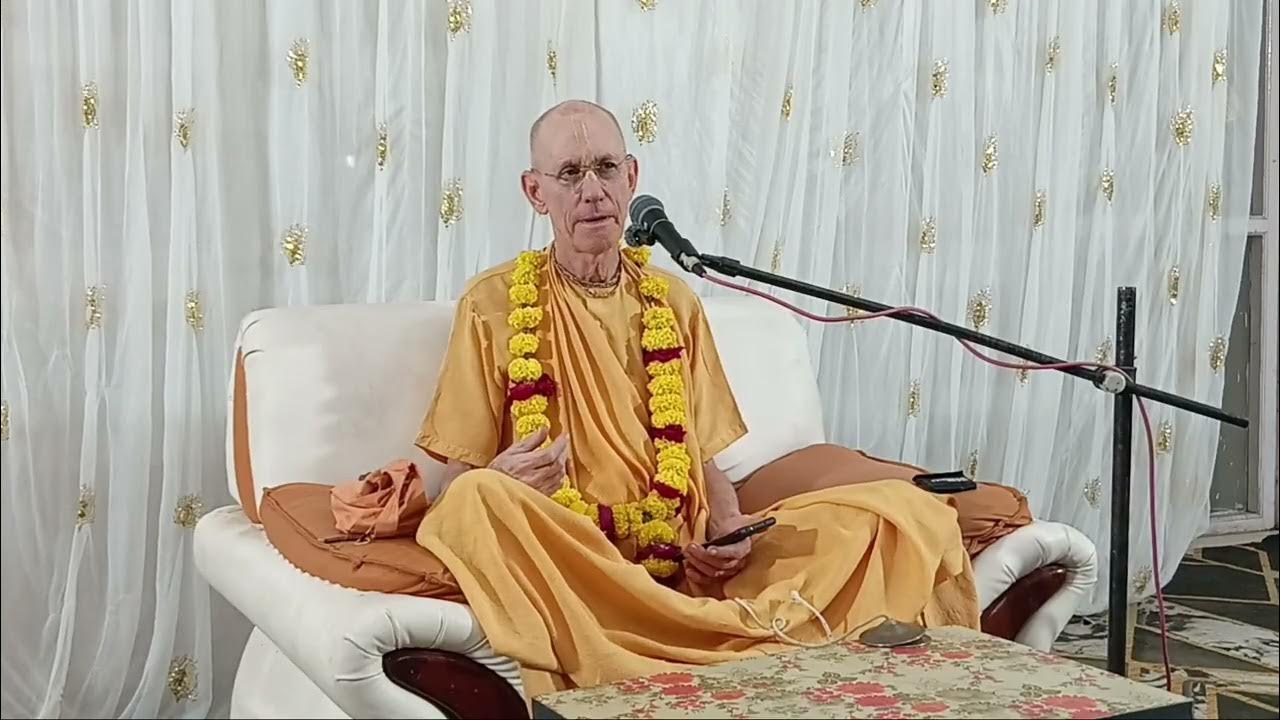
H.H. Guru Prasad Swami’s class at ISKCON Dwarka Temple examined a key verse from Sri Caitanya-caritamrita on avoiding offenses to the Lord and the Vaishnavas. The talk explained why offense-free devotion is essential for steady progress in bhakti and spiritual advancement. It modeled reverence for sacred texts—printed and digital—showing how careful etiquette shapes inner life.…
-
Matangi Mahatmyam: Unlocking Matangi Mahavidya’s Blessings for Wisdom, Music, and Protection
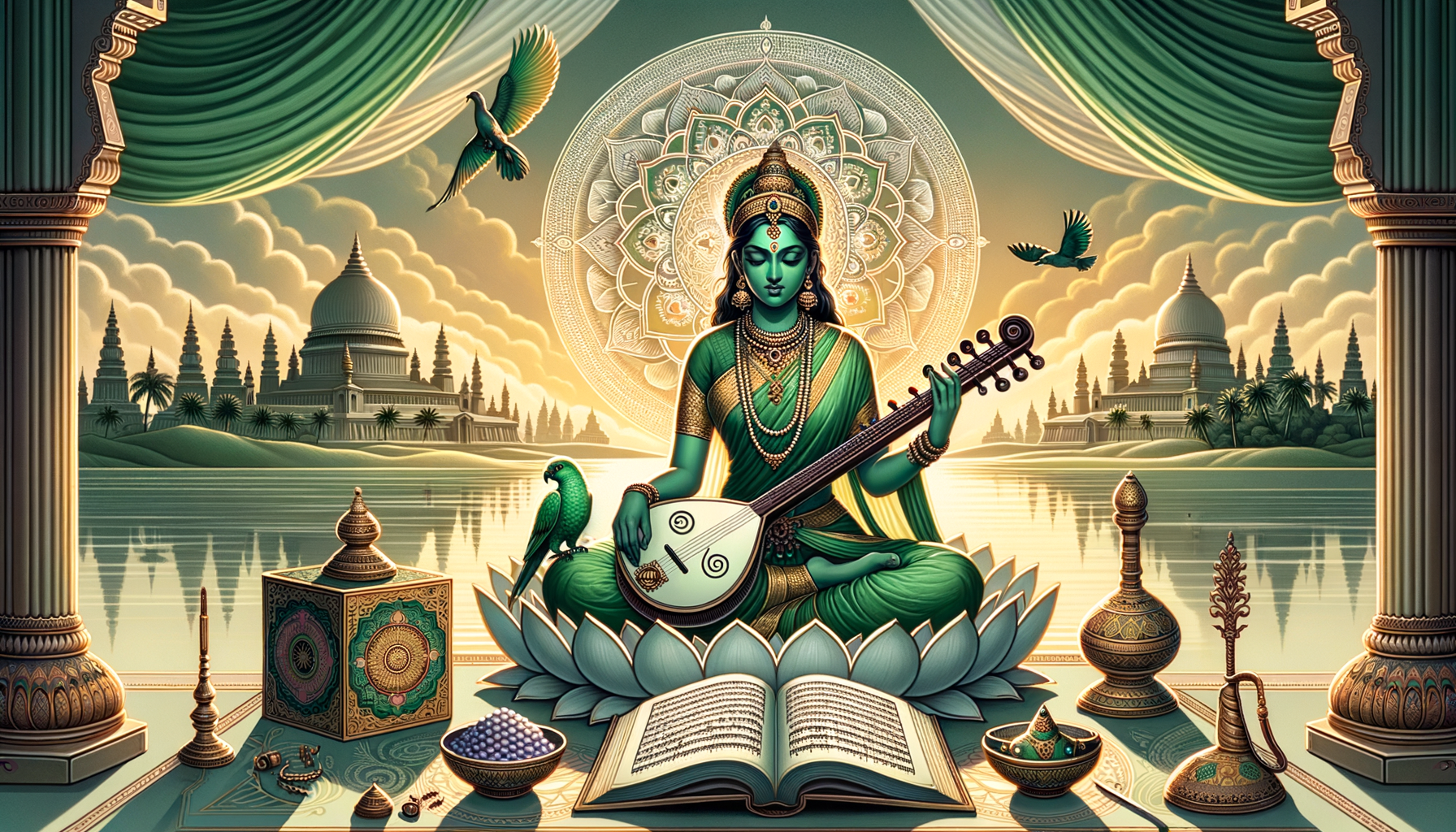
Matangi Mahatmyam presents Matangi Mahavidya as a unifying synthesis of Parvati’s protective grace and Saraswati’s luminous wisdom. Venerated for education, music, knowledge, and courage, Matangi guides seekers toward clarity, refined speech, and ethical action. Devotees commonly report enhanced focus, creativity, and calm through steady remembrance, study, meditation, and music. The Devi’s blessings are associated with…
-
Why Shiva Rejected Ravana After Sita’s Abduction: Dharma, Bhakti, and Divine Justice

This analysis explores why Shiva is portrayed as withdrawing protective grace from Ravana after the abduction of Sita, drawing on the Valmiki Ramayana and regional traditions like Kamba and Krittivasi Ramayanas. It shows that divine boons operate within the moral framework of dharma and cannot shield adharma. The piece highlights how Ravana’s sacred deception—misusing the…
-
Ardhanareeswara’s Radiant Unity: Manickavasagar’s Vision of Shiva–Shakti Harmony
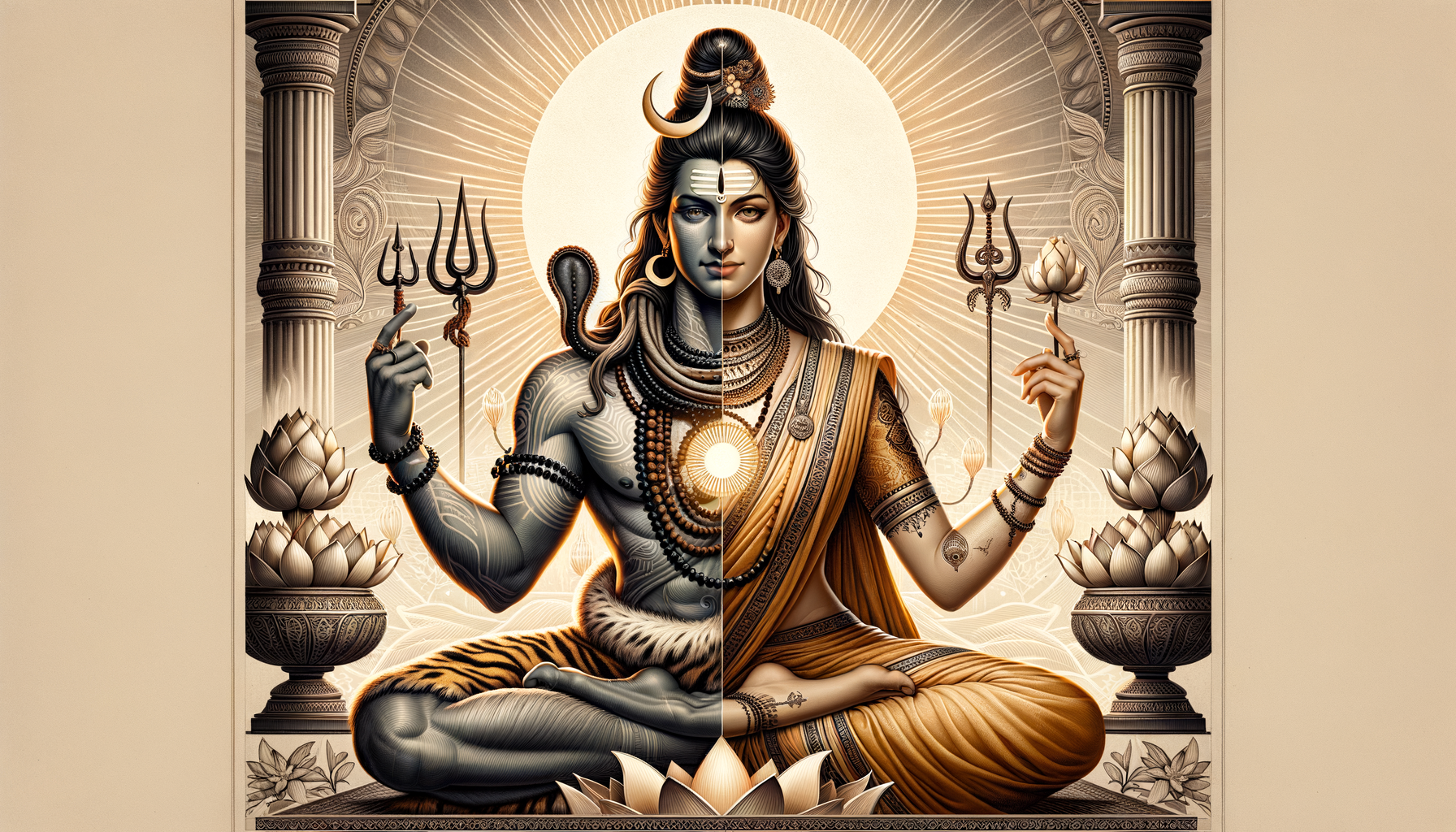
Ardhanareesvara—“the Lord Who Is Half Woman”—presents the inseparable union of Shiva and Shakti as a living doctrine of balance. Drawing on Manickavasagar’s Tiruvācakam, the vision reveals divinity as both motherly and fatherly, integrating tenderness with strength. Temple iconography reinforces this unity by joining ascetic steadiness and auspicious grace in a single body. Philosophically, the form…
-
Lalita Tripura Sundari Mahatmyam: Unveiling the Mahavidya’s Transformative Grace and Wisdom

Lalita Tripura Sundari, one of the Mahavidyas, is revered as a unified expression of Devi Shakti—non-different from Pārvatī, Sati, Durga, and Mahakali. Rooted in Sri Vidya, her worship centers on the Śrī Cakra and practices like the Lalita Sahasranama, guiding seekers toward inner clarity and ethical strength. Devotees describe everyday rituals—especially on Fridays and during…
-
Rashi Anusar Mantra: Powerful Zodiac Mantras to Remove Obstacles and Invite Prosperity

This article introduces Rashi Anusar Mantra as a contemplative practice that aligns mantra-japa with the twelve Vedic zodiac signs to reduce obstacles and cultivate prosperity. It preserves the original Hindi context while clarifying how zodiac mantras integrate intention, attention, and ethical action. The discussion highlights shared insights from Hinduism, Buddhism, Jainism, and Sikhism, emphasizing unity…