
-
Vaisnava Compassion in Global Crises: Dharmic Unity, Practical Seva, and Unshakable Calm

In times of pandemic, conflict, or environmental disaster, a Vaisnava response can be calm, compassionate, and operationally effective. Grounded in the Bhagavad-Gita and Srimad-Bhagavatham, this approach integrates equanimity, dharma, and seva to protect life and restore dignity. A clear blueprintprioritizing safety, truthful communication, and interfaith collaborationturns devotion into action. Daily sadhana stabilizes decision-making, while sattvic,…
-
Navaratri Day 2, 20 March 2026: 10 Powerful Brahmacharini Puja Steps, Mantras, and Fasting Tips
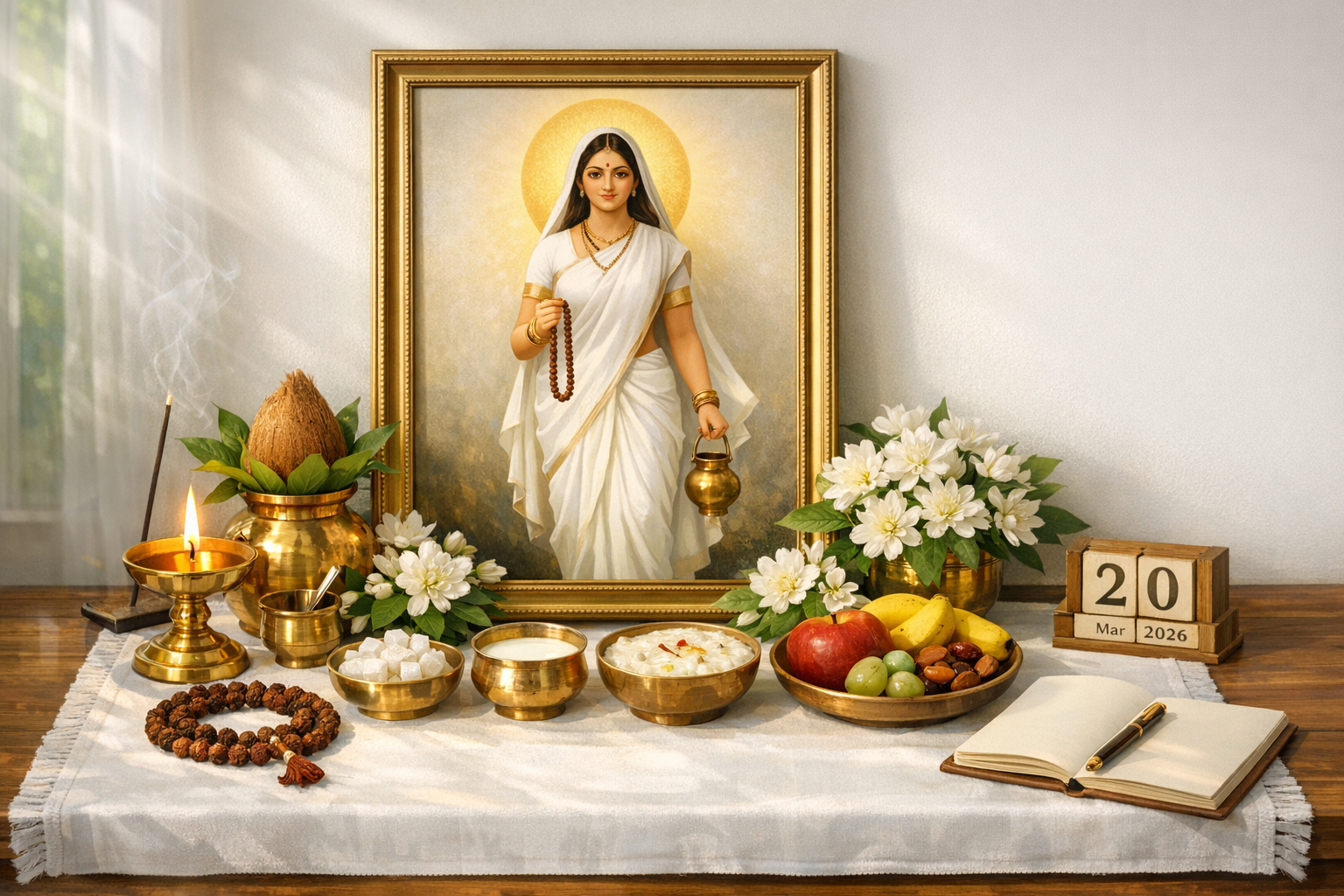
The second day of Chaitra Navaratri on 20 March 2026 honors Brahmacharini, the Navadurga form of tapas and steadfast devotion. This guide details a complete Brahmacharini Puja Vidhi with Panchopachara steps, core mantras, and a simple home sequence that balances accuracy and accessibility. It outlines mindful fasting rules, sattvic bhog options like mishri and milk-based…
-
Queen Leela and King Padma in Yoga Vasistha: The Eternal Dance of Desire, Time, and Liberation

This long-form exploration of Queen Leela and King Padma in the Yoga Vasistha unpacks how consciousness, desire, and time interweave to produce the felt world. Readers learn why the text situates death and rebirth within the triad of gross, subtle, and causal bodies, clarifying continuity without clinging. The analysis translates core methodsshravana, manana, nididhyāsana, and…
-
Chakrapani Bhairava at Muktinath: Witness Shiva–Shakti–Vishnu Unity in the Himalayas

Set in Nepal’s Mustang, Muktinath (Chumig Gyatsa) unites Śākta, Śaiva, Vaiṣṇava, and Buddhist traditions in one sacred landscape. The Gandaki Devi Śakti Pīṭha is traditionally identified with Sati’s right cheek, guarded by Chakrapani Bhairavathe kṣetrapāla who protects shrine, pilgrims, and dharma. The analysis explains how the epithet “Chakrapani,” a Vaishnava title of Viṣṇu, when paired…
-
Affirmation, Repetition, and Social Contagion: A Dharmic Roadmap from Greed to Renewal

This essay reframes today’s overlapping crisesconflict, displacement, disasters, and economic strainthrough the lens of affirmation, repetition, and social contagion. It explains how these mechanisms have normalized material excess and how, redirected by dharmic wisdom, they can catalyze renewal. Readers gain a clear framework linking behavioral science with the shared ethics of Hinduism, Buddhism, Jainism, and…
-
Universality as the Heart of Spirituality: Bridging Reason and Intuition across Dharmic Paths

Universality is the defining mark of spiritual maturation: it expands identity beyond self-interest into a lived concern for the whole. In Dharmic traditions, reason and intuition are complementaryanalysis clarifies and prepares, while intuition unifies and completes. Hindu, Buddhist, Jain, and Sikh frameworks each root this universality in distinctive insights and practicesfrom Upanishadic oneness and Buddhist…
-
Krishna as Purna Purusha: Revealing the Feminine Divine That Completes the Supreme Being

This long-form exploration presents Sri Krishna as Purna Purushathe Complete Beingwho integrates both masculine and feminine dimensions without contradiction. Drawing on the Bhagavad Gita, the Bhagavata Purana, and Vaishnava theology, it explains how Radha as Hladini Shakti reveals the feminine divine at the very heart of Krishna’s identity. The article situates Mohini within Vaishnava-Puranic tradition,…
-
Gaura Purnima 2026: Gaura‑lila, Nama‑sankirtana, and ISKCON Ljubljana’s Living Legacy
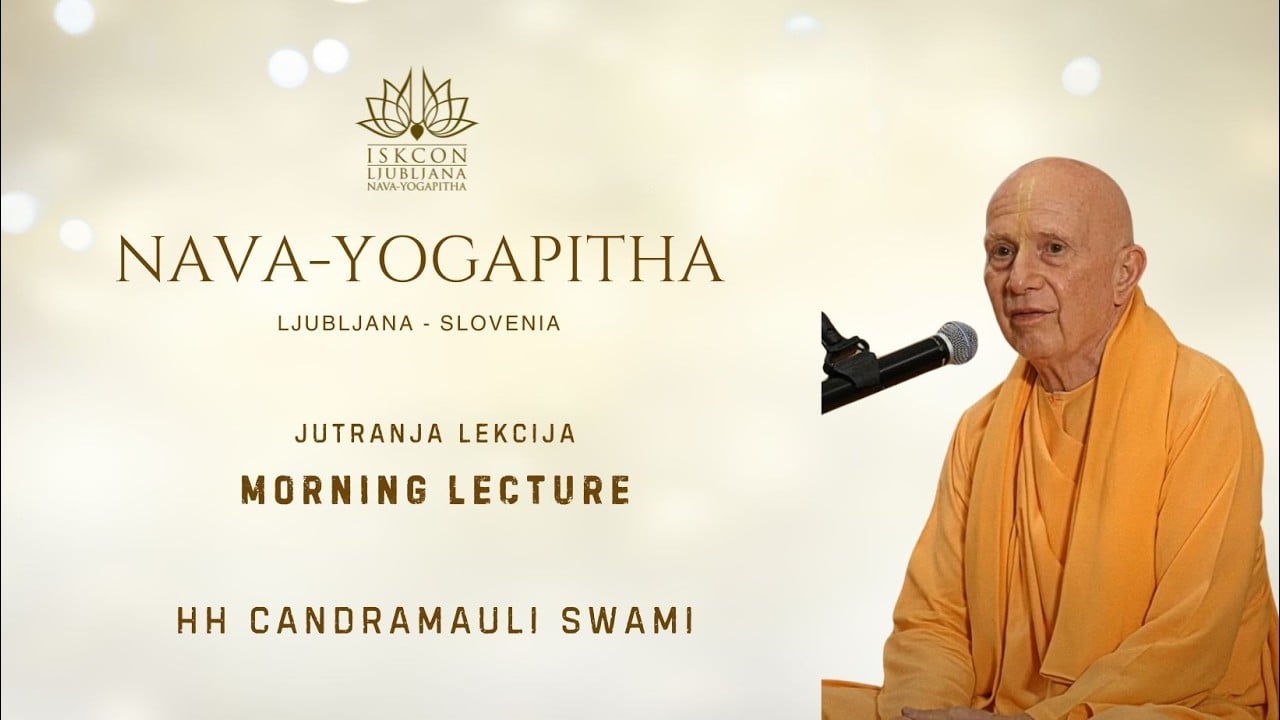
Sri Gaura Purnima 2026 at ISKCON Ljubljana brings the golden legacy of Sri Chaitanya Mahaprabhu (Gaura‑lila) into vivid focus through nama‑sankirtana, study, and service. Grounded in Gaudiya Vaishnava scriptures, the festival highlights acintya‑bhedabheda‑tattva and the transformative power of the Hare Krishna maha‑mantra. Reflections inspired by teachers such as HH Candramauli Swami underline sadhana, sadhu‑sanga, and…
-
The ‘Maya Times’ of the Mind: A Dharmic Guide to Illusion, Suffering, and Liberation
This analysis reframes “Maya Times” as a precise metaphor for how the mind misreports temporary pleasures as lasting happiness. Drawing on the Bhagavad Gita, with Srila Prabhupada’s observation as a focal point, it clarifies why contact-born pleasures cannot deliver enduring fulfillment. It then situates this diagnosis within Buddhism, Jainism, and Sikhism, showing their shared strategies…
-
Break Free from Fragmentation: Seeking the Whole in Vedanta and Dharmic Paths for Inner Peace

This article unpacks the insight that suffering arises from fragmentation and shows how Vedanta and the broader dharmic traditions offer a precise remedy by seeking the whole. It explains avidya through the Upanishads and the Bhagavad Gita, connects Yoga’s kleshas and eightfold discipline to integration, and brings in Buddhist, Jain, and Sikh perspectives that converge…
-
Flower Festival Discourse at ISKCON Chowpatty: HH Radhanath Swami on Ramayana, Gita, and Inner Joy

Delivered during the Flower Festival at ISKCON Chowpatty, HH Radhanath Swami’s discourse presented an academically clear and emotionally resonant reading of the Ramayana and Bhagavad-gita. It underscored that the Supreme Truthknown as Krishna and by other sacred namesguides humanity through timeless teachings across ages. Listeners were reminded that authentic happiness begins with self-understanding beyond the…
-
Shattering the ‘Good Person’ Mask: From Approval-Seeking to Boundaries and Authentic Seva

Many spiritual practitioners unintentionally tie self-worth to a “good person” identity measured by constant seva, positivity, and visible devotion. This narrative shows how approval-seeking and people-pleasing create guilt, resentment, and fragile boundaries. By asking honest questions and releasing the internal scoreboard, service shifts from pressure to presence. The result is authentic compassion, healthier boundaries, and…
-
Staying Present When Life Defies Expectations: Mindfulness, Aging, Belonging, and Purpose

This reflective essay examines what it means to practice mindfulness and presence when life does not deliver the expected arrival. It traces one person’s experience of aging, identity, parenting, and belonging, highlighting the dissonance between lived values and external recognition. It names a common yet quiet fearbeing an understated embarrassmentand reframes it through acceptance and…
-
Spiritual Oneness in Hinduism: Vedic Wisdom to Heal Division, Injustice, and Ecological Harm

Spiritual oneness in Hinduism, rooted in the Vedas and Upanishads, offers a practical ethic for resolving modern crises. By recognizing a shared ground of being, communities can move beyond polarization toward empathy, dialogue, and responsible action. Dharmic traditions converge on this vision: Buddhism highlights interdependence, Jainism advances anekantavada and ahimsa, and Sikhism affirms Ik Onkar…
-
Karmavipaka Explained: How Karma Ripens Across Dharmic Paths and Shapes Destiny

Karmavipaka (कर्मविपाक) explains how actions ripen into lived experience within Hindu philosophy. Grounded in the Sanskrit kri, meaning “to do,” it frames karma as lawful causality rather than external reward or punishment. The threefold classificationsanchita, prarabdha, and kriyamanaclarifies how past, present, and future actions interrelate. Far from fatalism, Karmavipaka emphasizes purushartha (effort), ethical choices, and…
-
Bhagavan Sri Rama the Bridge-Builder: Powerful Symbolism Uniting Culture, Heart, and Spirit

This article explores the symbolism of Bhagavan Sri Rama as a bridge-builder, extending beyond Ram Setu into cultural, emotional, and spiritual realms. It highlights how the Ramayana’s bridge motif fosters unity in diversity and preserves the cultural fabric of society. Readers gain insights into ethical leadership, collective effort, and practical compassion as contemporary forms of…
-
Hindu Gods and Their Vahanas: Timeless Symbolism, Deeper Meaning, and Dharma in Daily Life
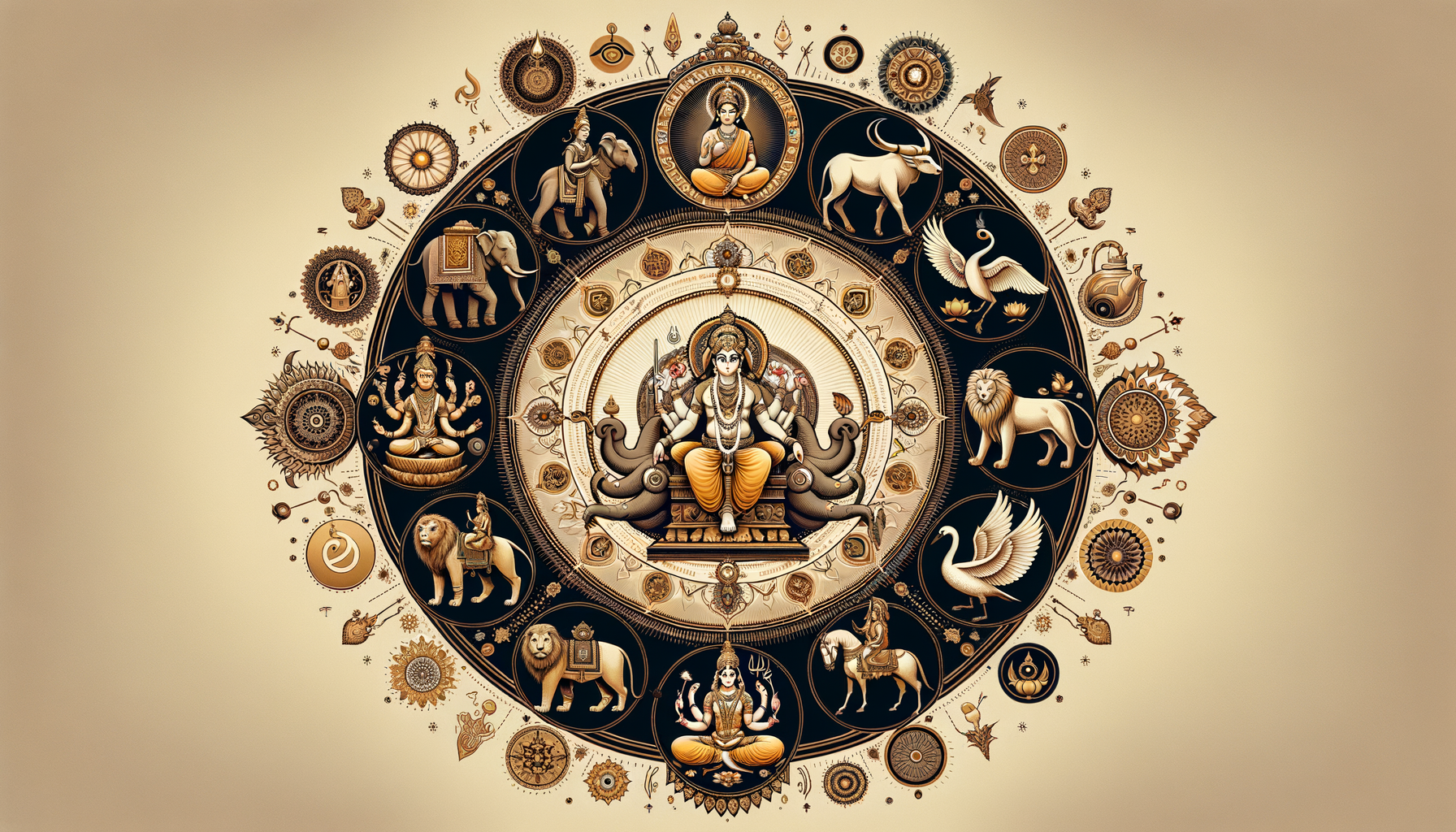
The vahanas (vehicles) of Hindu gods are not literal transport but layered symbols that teach ethics, ecology, and inner balance. Each deity–vahana pairing encodes a virtue to cultivate and an impulse to master, turning metaphysical insight into daily practice. Ganesha’s mouse models focused intellect; Shiva’s Nandi, disciplined strength; Vishnu’s Garuda, protective clarity; Durga’s lion or…
-
Destiny vs. Free Will: How Karma and Choices Shape Our Future Across Dharmic Traditions

Is the future predetermined, or do choices genuinely shape outcomes? Drawing on Hinduism, Buddhism, Jainism, and Sikhism, this piece clarifies how karma names conditions from the past while puruṣārtha preserves present agency. The Bhagavad Gita’s Karma Yoga, Buddhism’s emphasis on intention, Jainism’s ethical discipline, and Sikhism’s balance of Hukam and effort converge on responsible freedom.…
-
Beyond the Witness: How True Meditation Dissolves the Experiencer into Non-Dual Awareness

True meditation in Hindu philosophy reaches its culmination when the experiencer, the act of observing, and the observed no longer stand apart. This non-dual insight, often described as moving “beyond the witness,” dissolves the subtle identity of a separate meditator without denying the vividness of life. The Upanishads, Advaita Vedanta, and Yoga philosophy converge on…
-
Kirtan Leadership as Sacred Service: Cultivating Presence, Humility, and Transformative Joy

Kirtan leadership is a sacred service that centers collective remembrance of the Divine through sound, attention, and humility. Rooted in the bhakti conviction that Krishna is present in His Name, this role emphasizes disciplined chanting and deep listening over performance. Practitioners may at times feel the Lord’s presence vividly, and at other times experience dryness;…