
-
Beyond Fragrance: Vaikuntha’s Joy of Seva and the Power of Desireless Devotion

The Vaikuntha tradition describes a community that values seva over sensation, regarding even exquisite fragrances as negligible beside the joy of devotion. This perspective clarifies a hierarchy of aims in bhakti: devotion is both the means and the end, surpassing Mukti, Bhukti, and Siddhi. Such desireless devotion purifies intention, rendering the heart fit for the…
-
January 16, 2026 Panchang: Trayodashi to Chaturdashi at 10:10 PM Timings, Meaning, Reflection

Friday, January 16, 2026 features Krishna Paksha Trayodashi in most regions until 10:10 PM, followed by Krishna Paksha Chaturdashi. The day’s progression supports calm routines, mindful reflection, and a gentle close to the lunar fortnight. Observers often note that Trayodashi encourages steadiness, while Chaturdashi deepens inward focus ahead of Amavasya. Key elements such as Nakshatra,…
-
Sixteen Kalas of Purusha in Prashna Upanishad: Awe-Inspiring Insights on Unity and Creation

The Prashna Upanishad’s sixth discourse presents the sixteen kalas of Purusha as a lucid framework for understanding creation and spiritual unity. It shows how discrete aspectsprāṇa, śraddhā, the elements, mind, and ethical disciplinesarise together as expressions of one reality. Readers gain a practical lens for integrating breath, faith, discipline, and action into daily life. The…
-
Shiva as Kamadahana Murthy: The Fiery Triumph Over Desire and Lessons for Inner Freedom

Kamadahana MurthyShiva who burns Kamadeva to ashesoffers a timeless lesson on transforming desire into inner freedom. Grounded in Puranic narratives, the episode reveals how Shiva’s third eye purifies compulsion while preserving compassionate renewal through Rati’s plea. The symbolism aligns with dharmic insights across Hinduism, Buddhism, Jainism, and Sikhism, emphasizing self-mastery and ethical living. Readers gain…
-
Why the Upanishads Endure: A Fearless Quest for Truth and Unity Across Dharmic Paths

The Upanishads endure because they transform truth into a fearless, lifelong quest rooted in rigorous inquiry and contemplative depth. Unbound by dogma, they cultivate clarity through dialogue, discernment, and lived insight. Their openness to multiple paths aligns with unity across Dharmic traditionsHinduism, Buddhism, Jainism, and Sikhismwithout erasing distinct perspectives. Readers often find emotional resonance alongside…
-
Nirvāṇa Through Bhakti-Yoga: Expanding Transcendental Bliss and Dharmic Unity
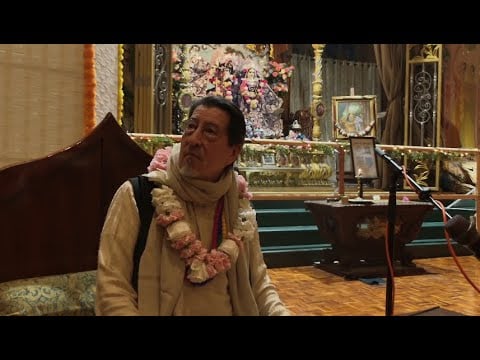
Śrīmad-Bhāgavatam (ŚB) 4.13.8–9 depicts liberation (nirvāṇa) as freedom from bodily bondage through deepened knowledge of the Supreme Brahman. The text frames transcendental bliss as a stable, ever-expanding condition made possible by continual practice of bhakti-yoga. This vision aligns with dharmic concepts such as moksha, nirvāṇa, kevala jñāna, and union with the Divine, highlighting unity across…
-
Upanishadic Wisdom and the Profound Oneness of Life: A Call to Spiritual Solidarity

The Upanishads present a clear and compelling teaching: all life is fundamentally one. By illuminating the non-dual relationship between ātman and Brahman, these scriptures ground ethics in spiritual unity and inspire compassion in action. Their inclusive approach honors multiple pathsjñāna, bhakti, karma, and dhyanasupporting religious pluralism and interfaith harmony. Resonating with Buddhism, Jainism, and Sikhism,…
-
From Mind-Born Beings to Divine Touch: Linga Purana Insights on Hindu Creation

Hindu cosmology, especially as reflected in the Linga Purana, presents a spectrum of creation that begins with mental conception, extends through vision and touch, and culminates in physical procreation. This framework centers consciousness as a generative forceillustrated by Brahma’s manasa putra and by metaphors of darshana (vision) and sparsha (touch). Parallel classifications in Buddhism (opapātika)…
-
Experience the Divine Everywhere: Applying Bhagavad Gita Wisdom in Everyday Life
Bhagavad Gita teaches that the Divine pervades all, and this can be experienced through a disciplined union of Bodha (insight) and Vyavahara (lived practice). A simple, relatable analogythe house of wooden objectsshows how shared essence and distinct functions coexist. Practical methods such as mindful breathing, silent japa, and small acts of seva make awareness tangible…
-
True Progress Means Harmony with Nature: A Dharmic Vision of Compassionate Living

This reflection presents a dharmic view of progress that honors nature as sacred and interconnected with human flourishing. It explains how Hinduism’s insight into Brahman, alongside Buddhism, Jainism, and Sikhism, fosters environmental harmony, Ahimsa, and dharmic responsibility. It reframes success beyond material wealth, emphasizing balanced living guided by the puruṣārthas and spiritual ecology. Practical examplescommunity…
-
Beyond Fashion: Recognize the True Guru and Surrender with Discernment for Inner Clarity

In dharmic traditions, a guru is not a trend but the principle of authentic guidance shaping a seeker’s life. Surrender means practicing the guru’s counsel with integrity, not passive or blind obedience. The Bhagavad Gita’s example of Arjuna and Sri Krishna illustrates how discerned acceptance refines agency and aligns action with dharma. Across Hinduism, Buddhism,…
-
Sati and Daksha Yagya: A Powerful Puranic Tale of Honor, Dharma, and Spiritual Unity

This Puranic account explains why Sati relinquished her life after Daksha excluded Lord Shiva from a grand yagya. The narrative moves from humiliation to ethical resolve, then from consequence to reconciliation, illustrating the moral architecture of dharma. It highlights dignity, humility, and restorative justice, while warning against pride and exclusion in sacred and social spaces.…
-
White Lotus in Hindu Iconography: Divine Thrones, Pure Radiance, and Spiritual Awakening

The white lotus in Hindu iconography signifies purity, sattva, and spiritual awakening, offering a visual guide to living unstained by the world. Depictions of Saraswati, Lakshmi, Vishnu, and Brahma with a white lotus highlight ethical clarity, wisdom, and compassionate abundance. This symbolism resonates across Hinduism, Buddhism, Jainism, and Sikhism, affirming unity in diversity through a…
-
Elevate 2026 with Tiny Buddha’s Daily Mindfulness: A Compassionate Calendar for Dharmic Unity

The 2026 Tiny Buddha Day-to-Day Calendar provides concise daily reflections that support mindfulness, compassion, and self-care. Printed on FSC certified paper with soy-based ink, it aligns with eco-conscious values and the principle of ahimsa. Readers appreciate how a brief morning reading offers perspective, steadies attention, and builds emotional resilience. The entries span happiness, relationships, change,…
-
Jagadhatri Unveiled: The Complete Guide to Durga’s Ego-Transforming, Protective Form

Jagadhatri (Maa Jagaddhatri) is honored as a serene yet powerful manifestation of Devi Durga, especially in West Bengal and Odisha. A central narrative shows her humbling the devas’ pride and restoring balance, offering a clear lesson on overcoming ego with humility. Her iconographycalm presence, lion mount, and traditional emblemscommunicates courage, ethical action, and inner composure.…
-
Discover the Essential Path: Master Devotional Living to Bhagavan and Transform Your Birth

Human birth is a rare opportunity across dharmic traditions and is best honored through regular remembrance of Bhagavan and a life aligned with dharma. An inclusive understanding of worshipcombining bhakti, meditation, seva, and ethical conductturns everyday moments into meaningful practice. Practical routines like gratitude, breath awareness, and japa foster inner peace and steady focus. Ethical…
-
Soorasamharam Explained: The Complete Guide to Skanda Shashti’s Transformative Symbolism

Soorasamharam, the culminating event of Skanda Shashti, teaches how humility aligned with Dharma overcomes ego and confusion. The symbolism of the Vel, peacock, and rooster offers a practical guide to discernment, self-mastery, and spiritual wakefulness. Temple observances and community recitations translate these teachings into lived experience. Read alongside Buddhist, Jain, and Sikh perspectives, the narrative…
-
Discover the Proven Roots of Learning: Chandogya Upanishad’s Complete Education Blueprint

The Chandogya Upanishad illuminates an ancient yet enduring model of holistic education. It presents dialogic, inquiry-based learning that blends ethics, contemplation, and the arts with conceptual rigor. Through concrete demonstrationsclay, salt, and the banyan seedit turns philosophical ideas into lived insight. The narrative of Satyakāma Jābāla highlights inclusivity grounded in truthfulness, echoing shared dharmic values…
-
The Complete Guide to Mother Goddess Shakti: Discover the Timeless Power That Never Ages

Mother Goddess Shakti is presented as the ageless, dynamic source of creation and a unifying presence across dharmic traditions. Readers gain a clear understanding of how Shakti remains timeless while animating change, supported by references to the Devi Mahatmya and Shakta Āgamas. The guide connects philosophical insight with lived practice, explaining Kundalini, Navaratri devotion, and…
-
कुण्डली के अशुभ योगों की शान्ति: Complete, Proven Guide to Balance and Transform Ashubh Yog

This academically grounded guide reframes Ashubh Yog Ki Shanti as an ethical and contemplative path rather than a source of fear. It explains how “चांडाल योग”the conjunction of Guru with Rahu or Ketusignals tendencies that can be harmonized through reverence, mindful speech, and service. Drawing on Hindu, Buddhist, Jain, and Sikh practices, it highlights shared…