
-
Narmada in the Vishnu Purana: Sacred River of Purity, Protection, and Dharmic Unity

This article examines the Narmada River’s prominence in the Vishnu Purana and related Purāṇic traditions, clarifying how sacred geography, ritual practice, and protective motifs converge around Narmada’s identity as a river of purity and protection. It distinguishes between the Vishnu Purana’s geographic-sacred framing and the Skanda Purana’s Reva-khanda, where the Narmada-mahātmya is elaborated. It explains…
-
Jalandhara Samhara: The Rare Shiva with Chatra FormIconography, Symbolism, and Temple Lore
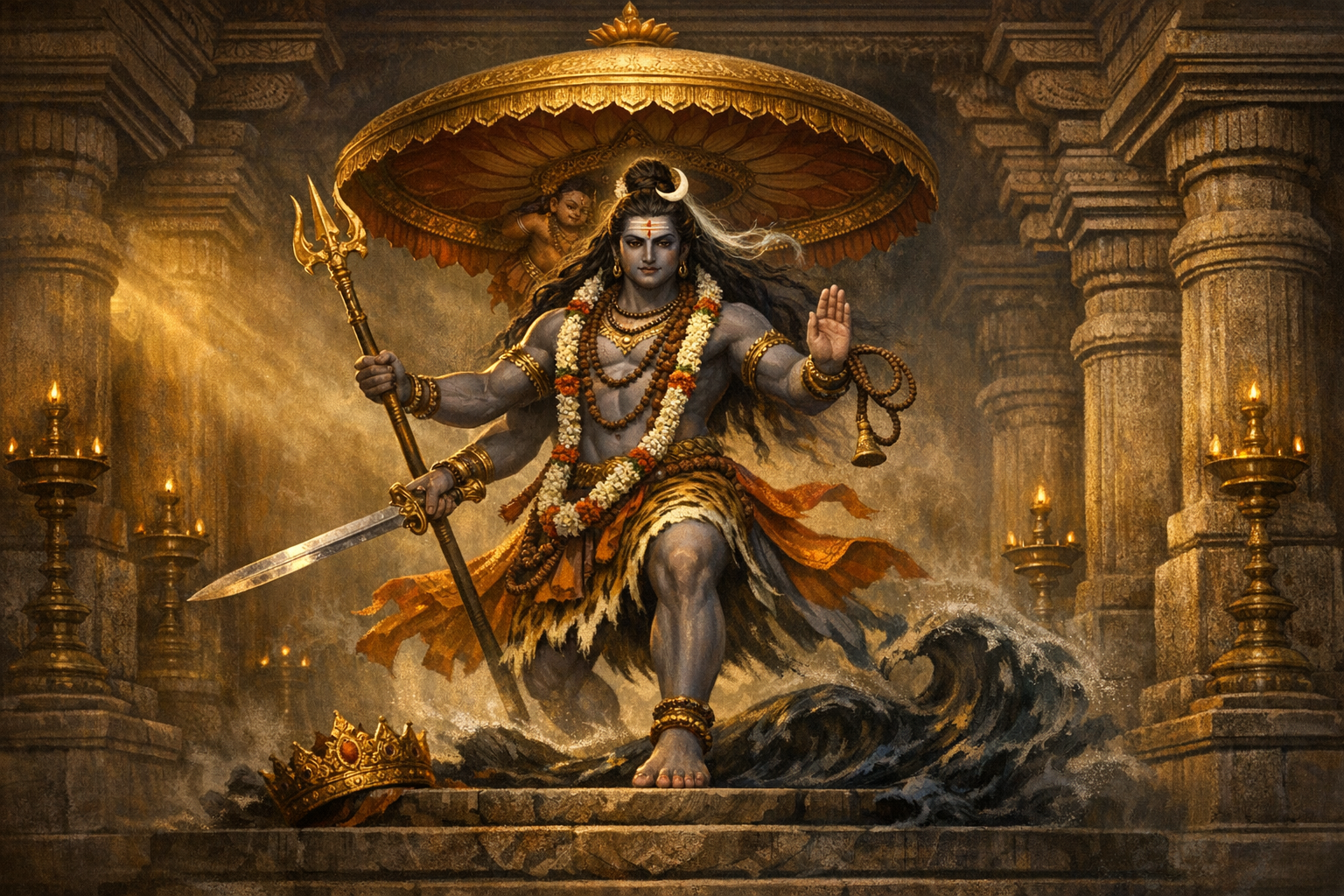
This long-form study examines Jalandhara Samhara, the rare Shiva form sometimes depicted with a chatra (parasol), situating it within Puranic narrative, Agamic prescriptions, and South Indian temple practice. It clarifies how the icon differs from Nataraja, Lingodbhava, and Dakshinamurti by foregrounding righteous protection and ethical sovereignty. The chatra’s symbolism is analyzed as both royal regalia…
-
Krodha Bhairava Unveiled: Iconography of the Fourth Circle of the Sixty-Four Bhairavas
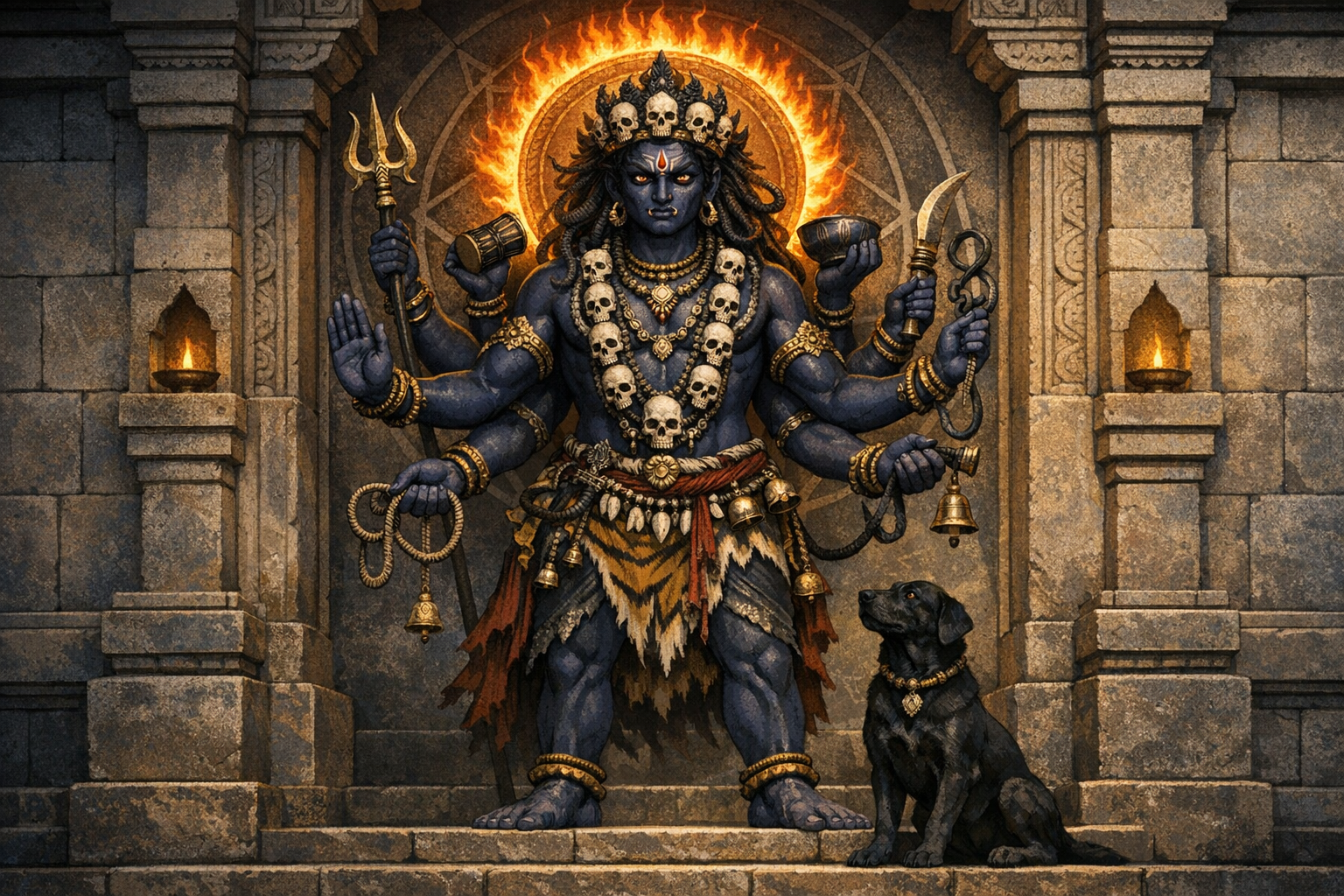
Krodha Bhairava, a fierce and protective manifestation of Shiva, presides over the fourth circle of the Sixty-Four Bhairavas, uniting wrathful compassion with precise Hindu sculptural grammar. Drawing on Agamas, Shilpa Shastras, and Puranic echoes, this in-depth overview explains his stance, weapons, ornaments, vāhana, and cremation-ground motifs. Readers learn how to visually “read” the iconstarting from…
-
Canda Bhairava Iconography Decoded: A Definitive Guide to the Fiercest Form of Shiva
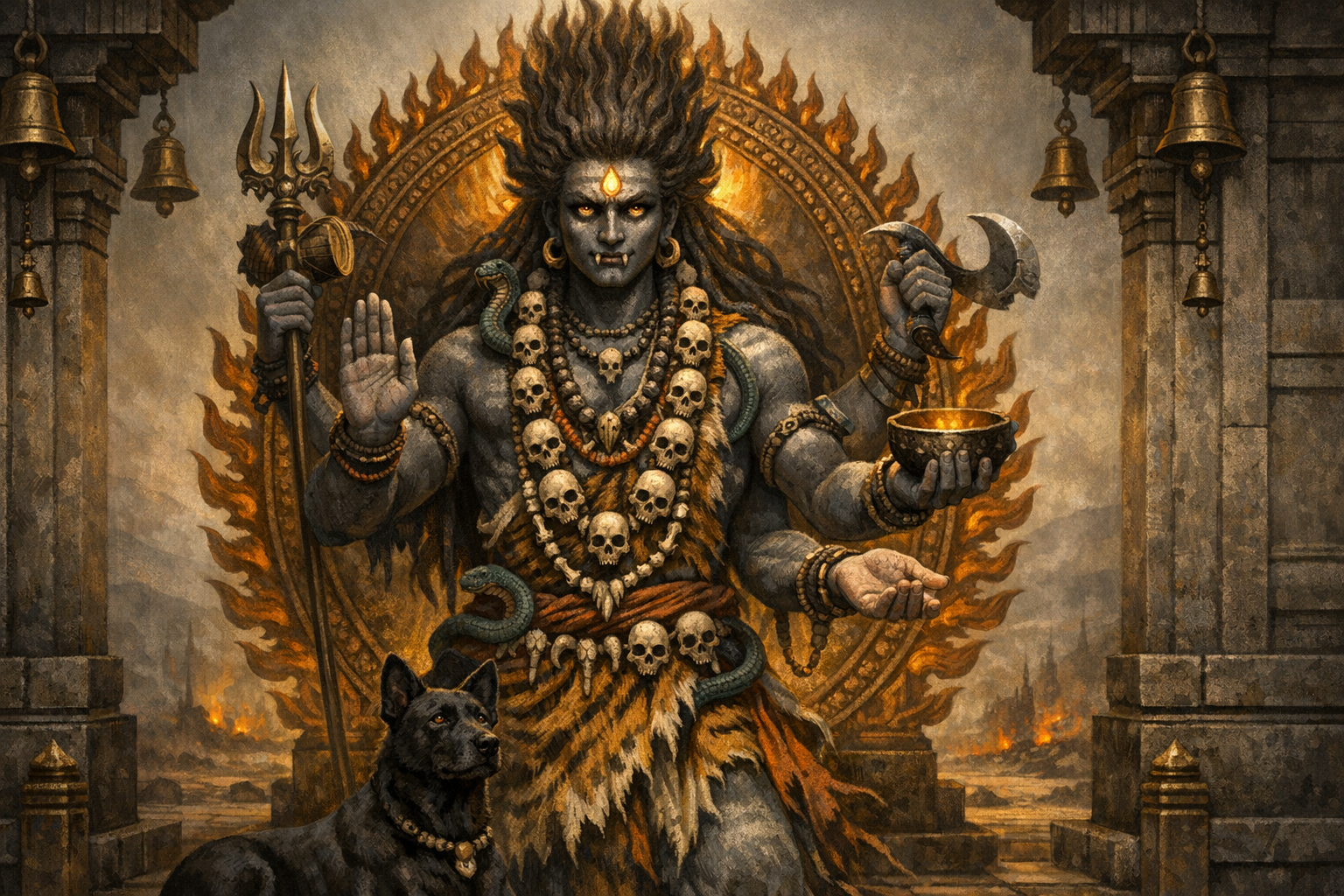
This in-depth guide decodes the iconography of Canda Bhairava, the fierce third leader within the Sixty-Four Bhairavas, as understood in Shaiva Tantra and Agamic Hinduism. Readers learn how to recognize core featuressuch as trident, drum, skull-bowl, serpent ornaments, and cremation-ground motifsand how these elements teach fearlessness and ethical clarity. The article explains why Canda’s fierce…
-
Reva Khanda in Skanda and Vayu Puranas: Narmada’s Timeless Power, Sacred Myths, and Pilgrimage

The Reva Khanda, preserved in the Skanda Purana and Narmada-focused sections aligned with the Vayu Purana, is a comprehensive tirtha-mahatmya of the River Narmada (Reva). It integrates mythic origins, sacred geography, and rigorous codes of pilgrimage, mapping an ethical and devotional journey from Amarkantak to the sea. Readers gain a clear view of how the…
-
Shiva as the Tiger‑Slayer: Sardula Samhara Murti, Darukavana Myth and the Fall of Ritual Ego
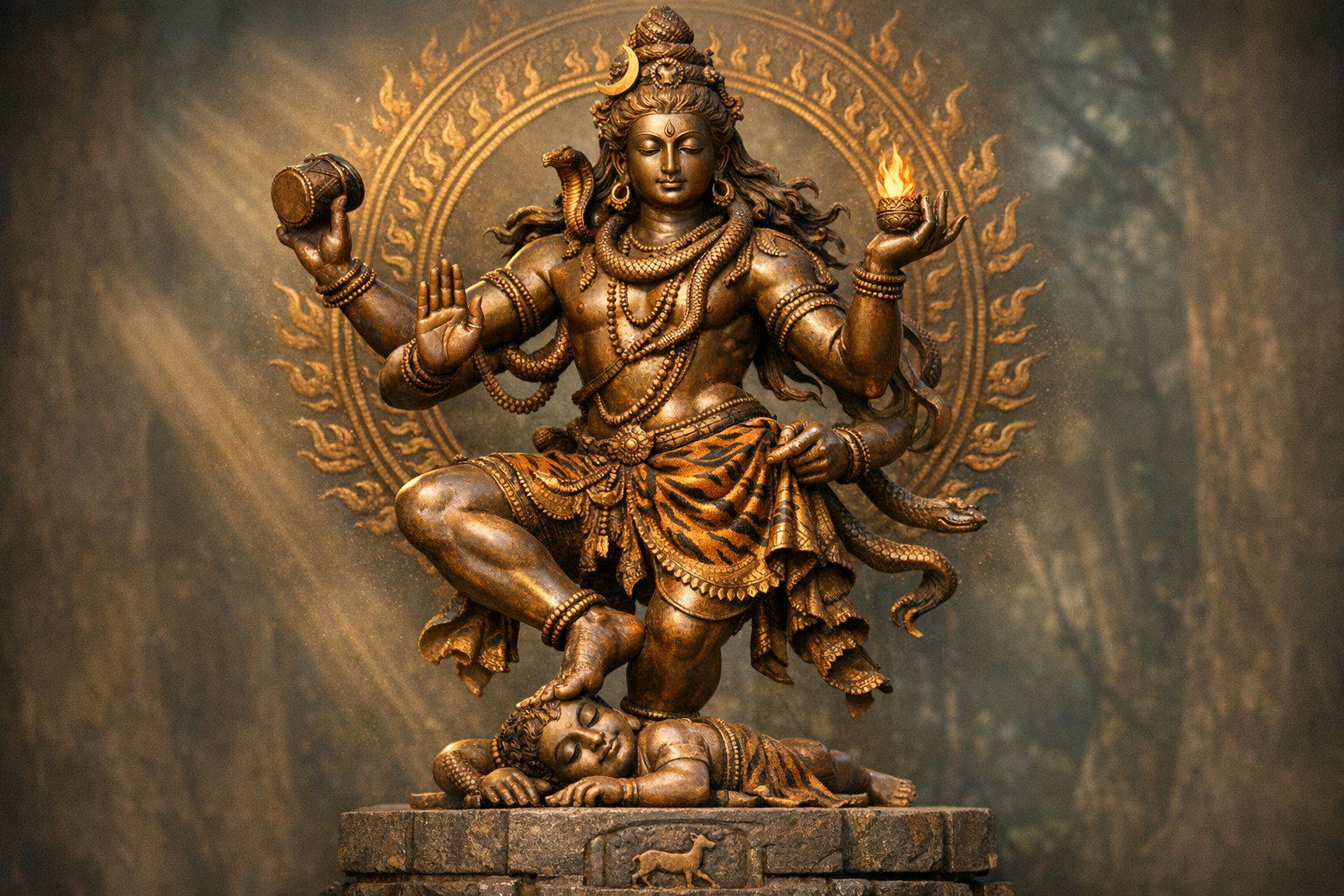
Sardula Samhara Murti portrays Shiva as the Tiger‑Slayer of Darukavana, an image that dissolves ego and ritual pride rather than celebrating brute force. The narrative anchors a subtle theology: saṁhāra is the removal of inner obstructions, not annihilation of life. By reading the icon’s visual grammartiger skin, serpents, ḍamaru, and agnireaders gain a practical key…
-
Unveiling Goddess Kaveri in Hindu Sculpture: Iconography, Ritual Power, and Sacred Geography
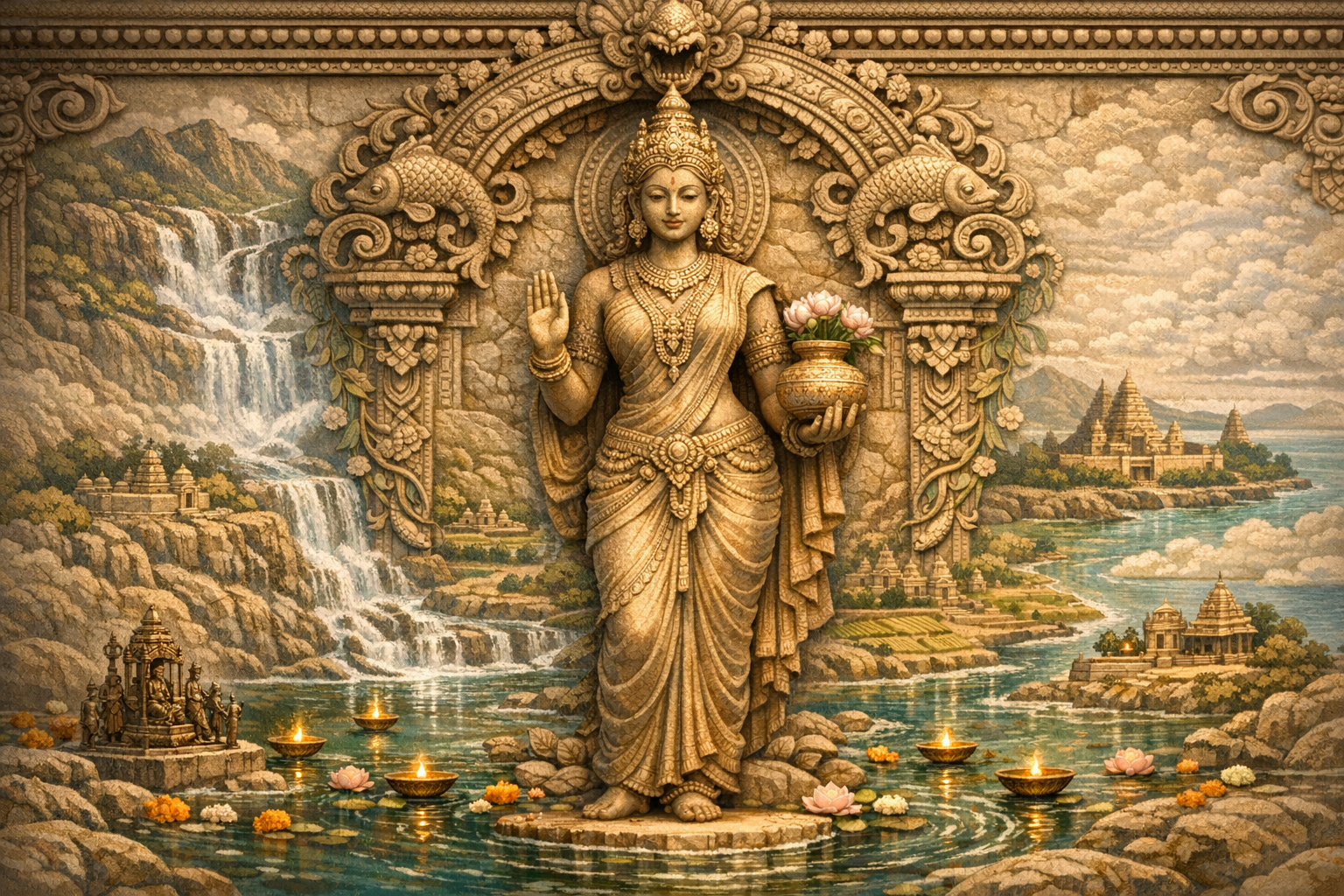
Goddess Kaveri, revered as a living river and divine mother, is rendered in Hindu sculpture through a precise visual grammar that blends Shilpa Shastra canons with the lived rhythms of sacred geography. This essay explains how to recognize her iconography, from kumbha and lotus attributes to makara-toranas and gentle mudras, and shows where she commonly…
-
Asitanga Bhairava Unveiled: Iconography, Mantras, and the Sacred Power of the Golden Lord
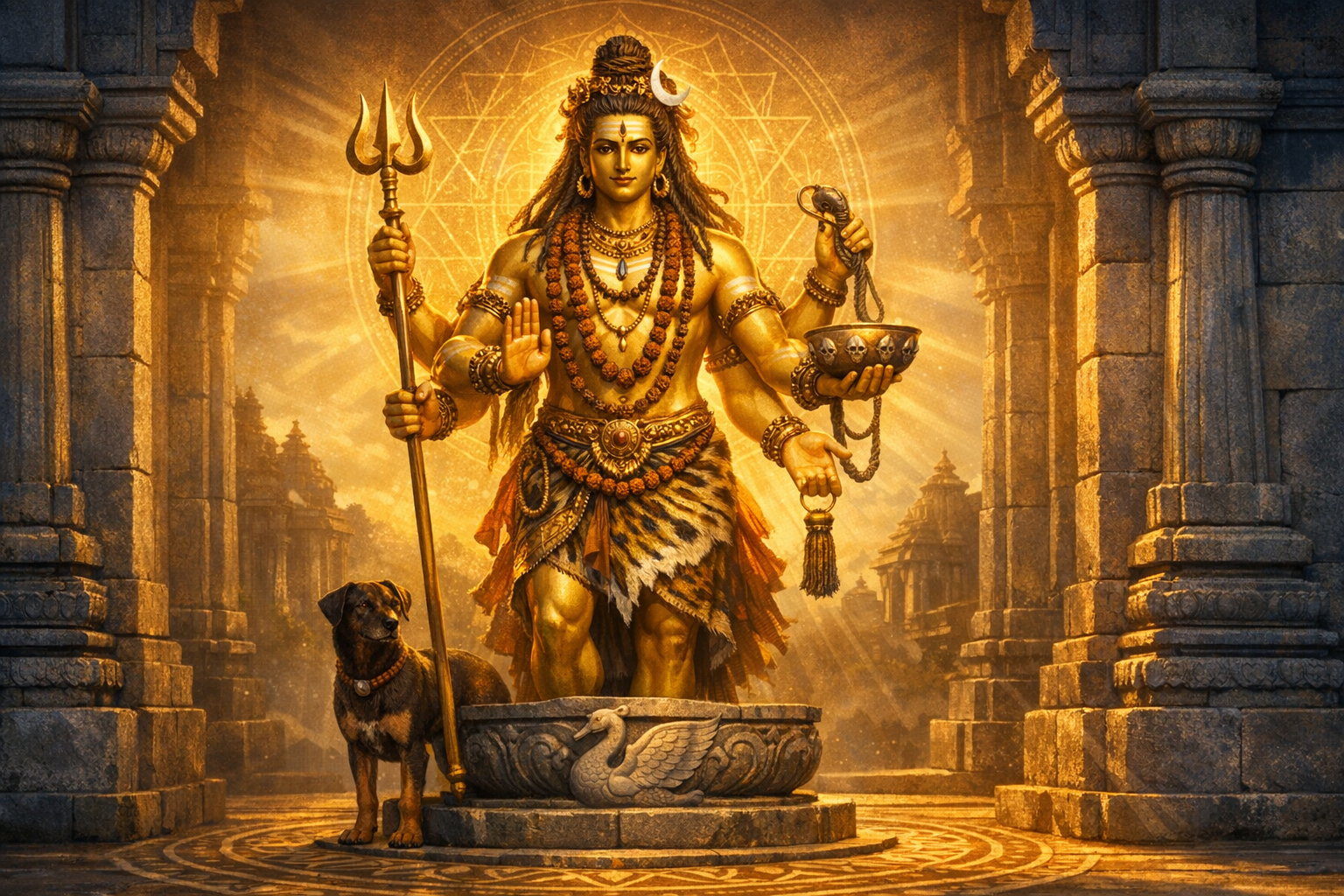
Asitanga Bhairava, the Golden Lord of the First Octet, embodies a luminous, eastward guardianship that unites protection with awakening. This long-form exploration decodes his iconographygolden hue, trident, drum, skull-bowl, and threshold placementso readers can recognize and interpret the form in temples and texts. It clarifies how attributes map to disciplined practice, turning weapons into inner…
-
Did Goddess Lakshmi Slay Demons? Scriptural Evidence on Kolhasura and Mahishasura
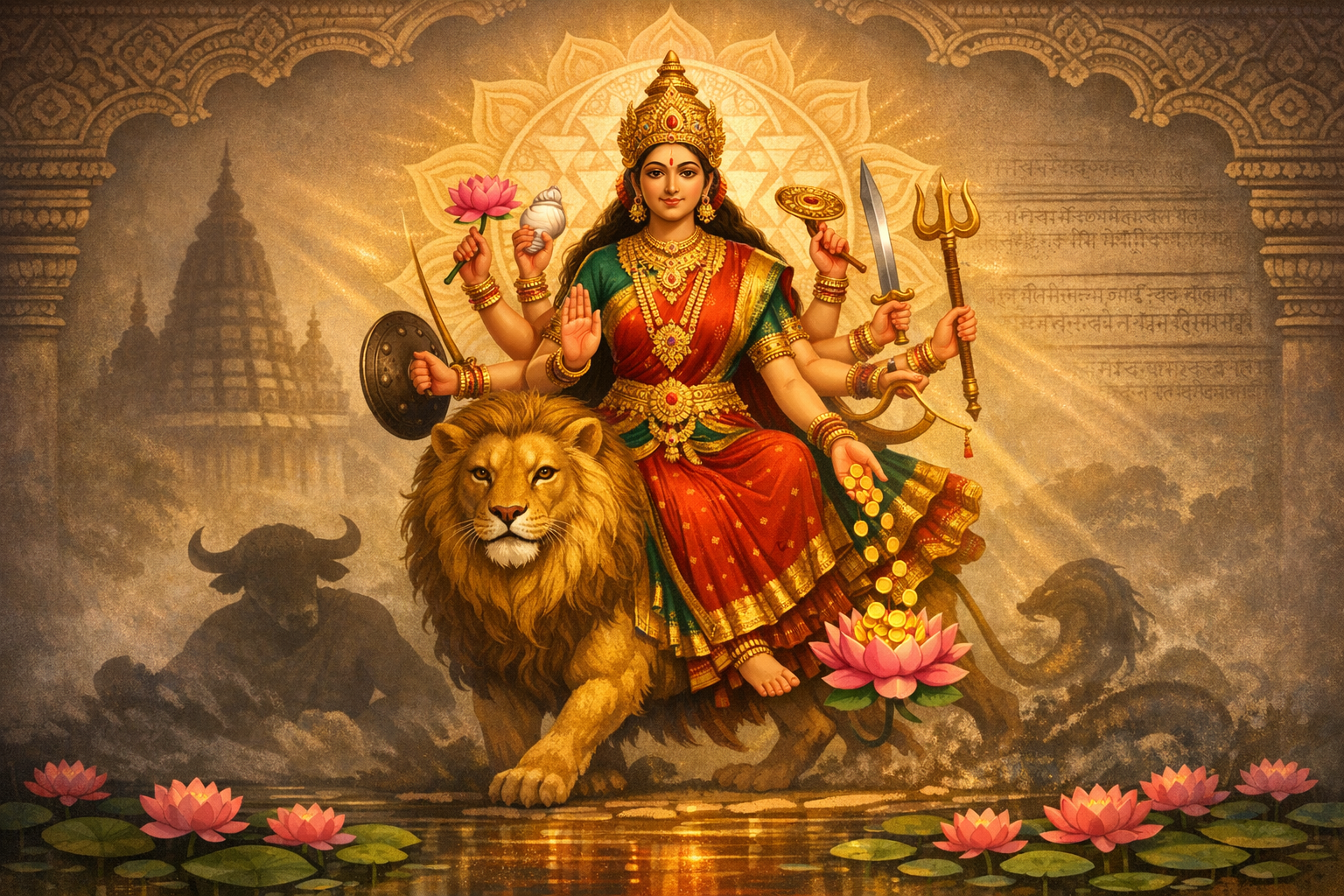
Did Goddess Lakshmi slay demons? Scriptural and regional traditions answer yes in her fierce Mahalakshmi form. The Skanda Purana’s Karavira Mahatmya narrates Mahalakshmi (Ambabai) defeating Kolhasura at Kolhapur, while the Devi Mahatmya’s Mahishasuramardini cycleoften assimilated devotionally to Mahalakshmicaptures the goddess’s triumph over Mahishasura. This article clarifies how Śrī-Lakshmi’s benevolent identity and Mahalakshmi’s protective power coexist…
-
Makaradhwaja and Hanuman’s Karmaphala: Unveiling Dharma, Lineage, and the Fire of Lanka

This essay offers a scholarly, engaging reading of Makaradhwajathe wondrous “son of Hanuman” said to arise from sweat after the Lanka Dahanaas a profound meditation on karmaphala in the Ramayana tradition. It clarifies that the tale is absent from the Valmiki Ramayana and instead flourishes in later and regional sources such as the Krittivasi Ramayan,…
-
Bhairava’s Untamed Jata: Shiva’s Tantric Iconography, Cosmic Fire, and the Discipline of Time
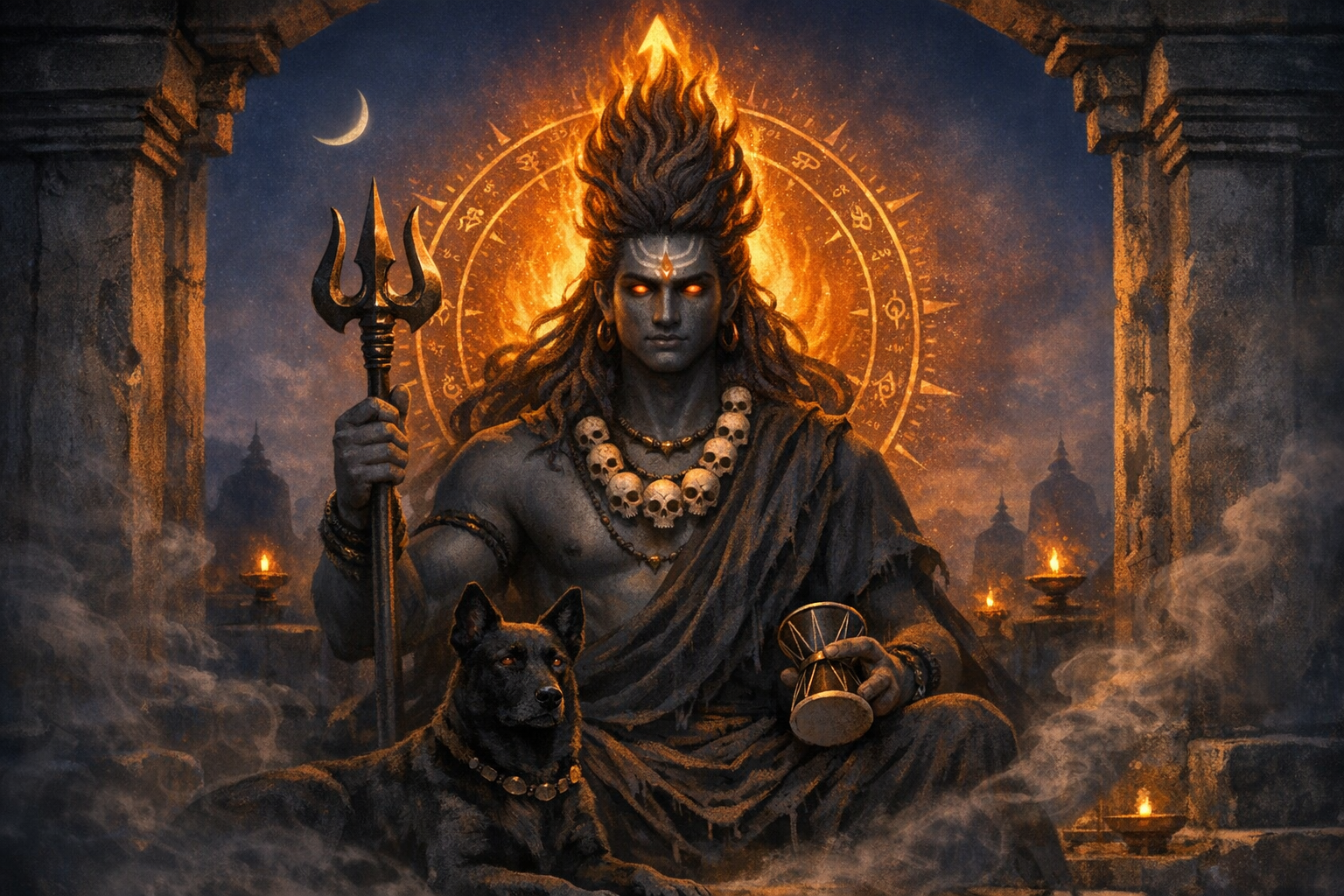
Bhairava’s untamed jataoften described as a “matted flame”is a precise iconographic language rather than a dramatic flourish. Drawing on Agamic and Purāṇic traditions (including the Skanda Purāṇa’s Kāśī Khaṇḍa), the flame-like hair encodes tapas (ascetic heat), the governance of time (kāla), and the ethics of vigilant guardianship. Read through a yogic lens, it symbolizes the…
-
Deva Snana Purnima 2026: Witness Jagannath’s Sacred Bath at PuriDate, Rituals, Meaning
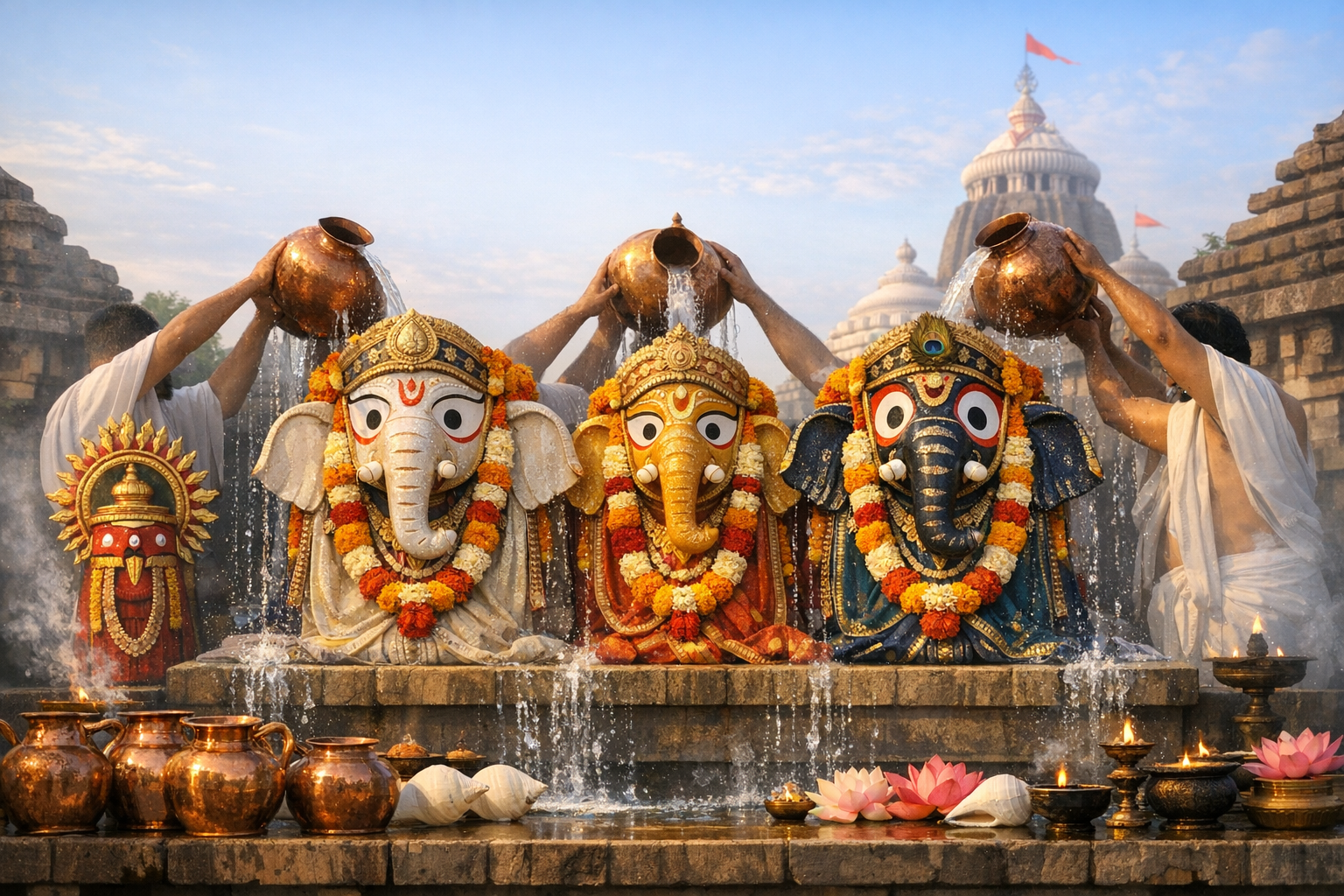
Deva Snana Purnima 2026 will be observed on 29 June at Puri Jagannath Temple, marking the public bathing (jalabhisheka) of Jagannath, Balabhadra, and Subhadra with 108 consecrated pitchers. Rooted in Skanda Purana and Srimandir tradition, the festival features the rare Hati Vesha (Gajanana Besha) and inaugurates the Anavasara period before Netrotsava and Ratha Yatra. The…
-
Decoding the Pitha of the Shivling: Divine Architecture, Agamic Science, and Living Ritual

The pitha or yoni-pitha of the Shivling is not merely a base but a sacred support that grounds, stabilizes, and channels divine energy. Rooted in Agamic prescriptions and Shilpa Shastra canons, it integrates precise geometry, structural stability, and a hydraulically sound soma-sutra or gomukha outlet for abhishekam. The linga’s three-part articulation fits into the pitha…
-
Parvati and the Sacred Bilva in Skanda Purana: Symbolism, Ritual Science, and Ecology

The Skanda Purana portrays the Bilva as emerging from Parvati’s sacred perspiration on Mount Mandara, placing the tree at the heart of Shaiva devotion and uniting Shiva and Shakti in a single living symbol. The trifoliate Bilva leaf mirrors core Shaiva triads, from Shiva’s three eyes to the three shaktis, transforming daily worship into contemplative…
-
Dhama in Hinduism: Unveiling India’s Sacred Geography and Transformative Char Dham Yatras

Dhama in Hinduism denotes a sanctified abode where the divine presence is experienced most intensely, shaping India’s sacred geography and animating transformative pilgrimages. This long-form exploration clarifies how tirtha, kshetra, pitha, and dhama interrelate, and why Char Dham and the Himalayan Chota Char Dham have become enduring circuits of devotion. Readers discover the theological roots…
-
Tripura’s Death-Reviving Nectar and Shiva’s Cosmic Arrow: Power, Ethics, and Dharmic Unity
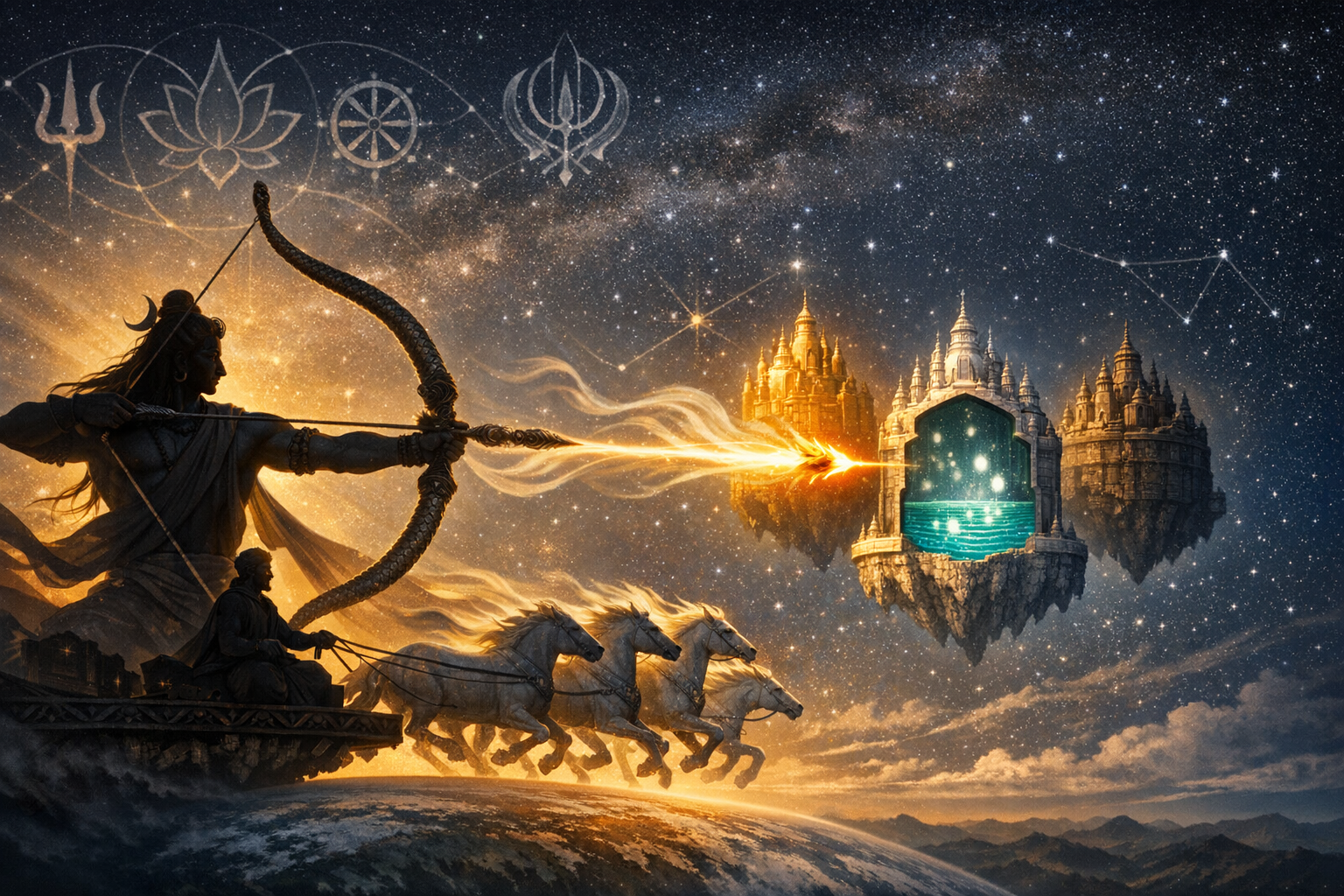
This long-form, research-informed retelling examines the Purāṇic episode of Tripura, three mobile fortresses granted by Brahma to the asura brothers and sustained by a sacred reservoir of death‑reviving nectar. It outlines how Shiva’s single cosmic arrowreleased at a rare celestial alignmentresolved a conflict made otherwise insoluble by continual revivification. Drawing on Shiva Purana, Linga Purana,…
-
Vaikasi Visakam 2026: Date, Rituals, Temple Highlights, and Deep Significance
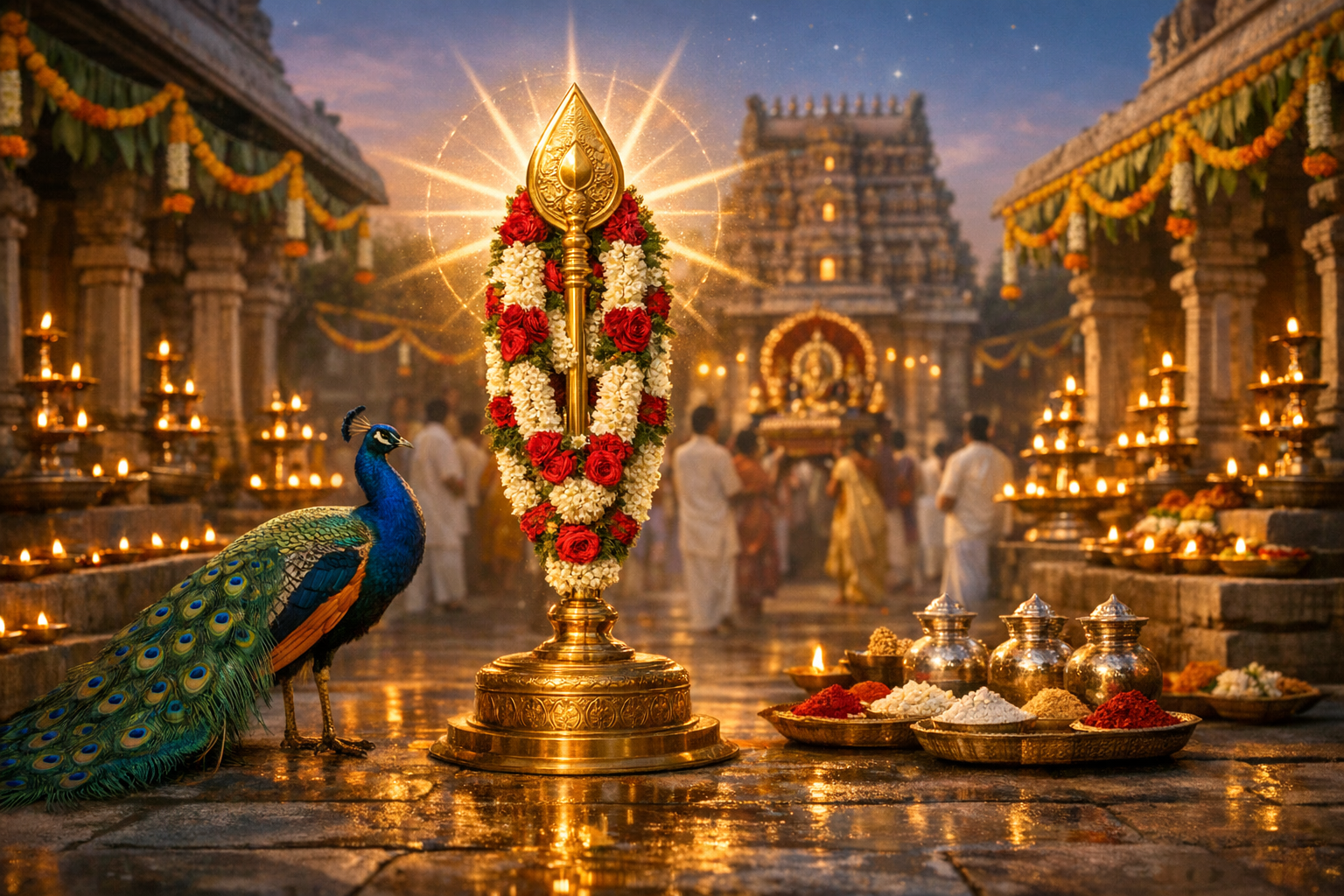
Vaikasi Visakam 2026, the birth-star festival of Lord Muruga (Subramanya, Shanmuga), will be observed on 30 May, when Visakam Nakshatra aligns with the Tamil solar month of Vaikasi. The festival is star-based, not tithi-based, and temples set muhurta locally, often guided by the sunrise rule or the dominant duration of Visakam. This comprehensive guide explains…
-
Religious Significance of the Yamuna River: Mythology, Pilgrimage, and Dharmic Ecology

This in-depth overview explains why the Yamuna Riverreverentially known as Yamunaji and Kalindiholds enduring religious significance in Hindu Dharma and stands as a unifying symbol across the dharmic traditions of Hinduism, Buddhism, Jainism, and Sikhism. Readers will discover the river’s Vedic and Puranic foundations, her identity as Yami (sister of Yama and daughter of Surya),…
-
Rakshasa Linga Explained: How Fierce Tapas Wins Shiva’s Non‑Discriminating Grace

This in-depth exploration clarifies what a Rakshasa Linga is and why it matters: a Shivalinga worshipped or installed by a Rakshasa in Purana and sthala-mahatmya traditions. It explains how Skanda Purana and Shiva Purana preserve narrativessuch as Gokarna’s Atma Linga and Baidyanath Jyotirlingathat highlight Ravana’s fierce tapas and Shiva’s impartial grace. It situates these accounts…
-
Sura Linga Revealed: Celestial Shivalingas of the Devas, Cosmic Order, Ritual Science, Protection

Sura LingasShivalingas believed to be installed by Devasembody a sophisticated synthesis of metaphysics, temple architecture, and ritual science in Hinduism. This long-form guide explains how Sura Lingas anchor cosmic order (ṛta) and provide a protective axis for communities, drawing on Puranic, Agamic, and śilpa-śāstra perspectives. Readers gain clarity on consecration (prāṇa-pratiṣṭhā), canonical Linga morphology, vastu-aligned…