-
Sacred Cycles of Shakti: How Bharat Honors Menstruation With Reverence

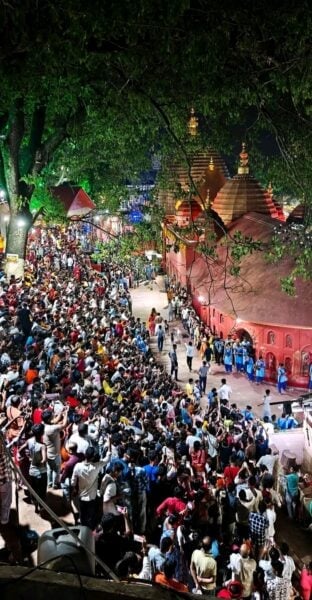
This article offers a comprehensive, factual, and culturally rooted exploration of how Bharat’s traditions have understood menstruation through sacred symbolism rather than stigma alone. It examines Kamakhya Temple and Ambubachi, Odisha’s Raja Parba, Kerala’s Chengannur tradition, Karnataka’s Keddasa, Lajja Gauri iconography, and regional menarche ceremonies. The discussion shows how menstruation has been associated with Shakti,…
-
Jagadgauri Manasa: The Serpent Goddess and the Radiant Beauty of the Universe

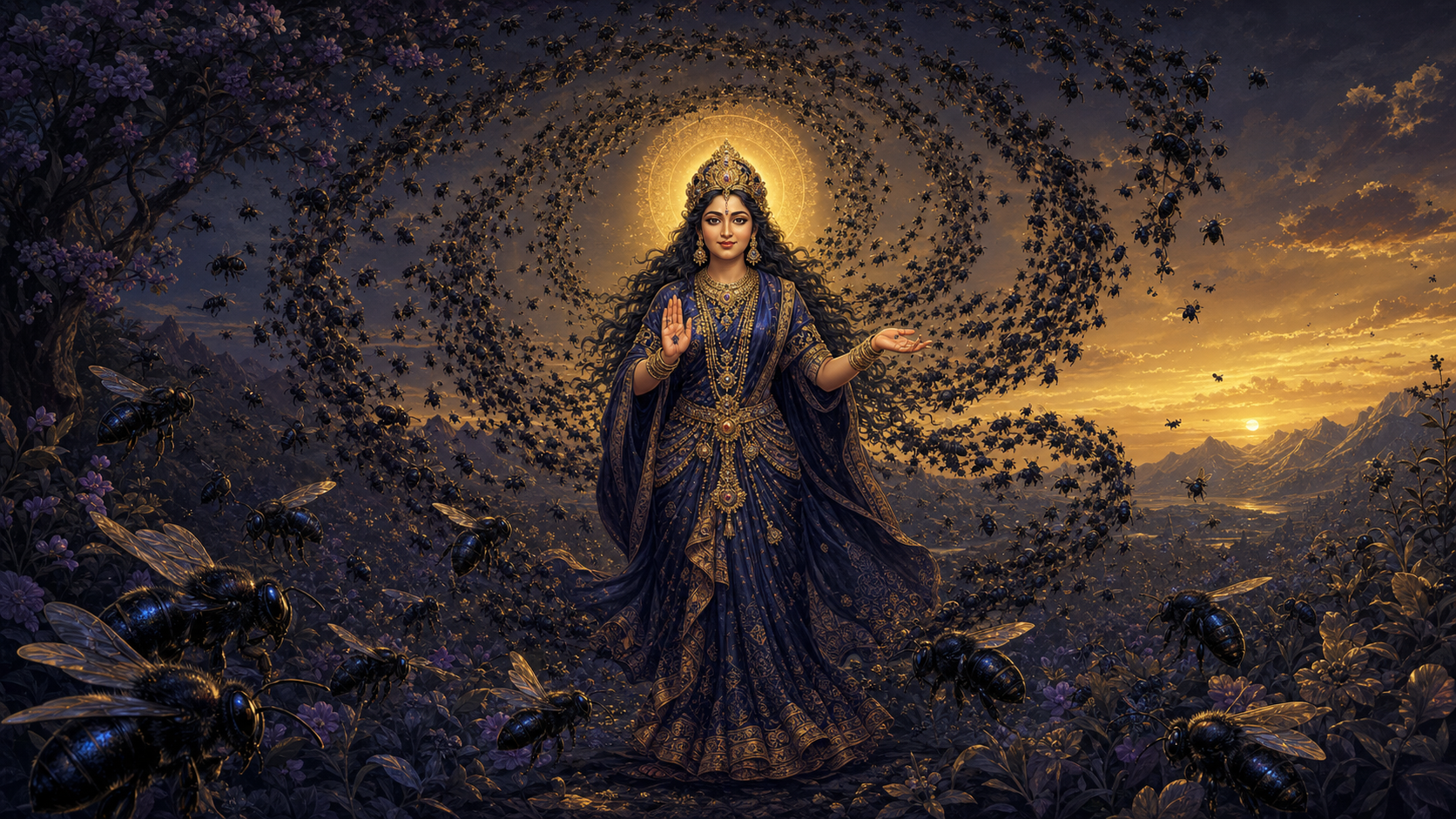
Goddess Manasa is called Jagadgauri because she embodies the radiant, protective, and auspicious power of the Divine Mother within the living universe. Her identity as the serpent goddess connects her to protection from snakebite, healing from poison, fertility, and ecological balance. The title Jagadgauri combines the ideas of Jagat, the world, and Gauri, luminous auspicious…
-
Powerful Bonalu 2026 at Balkampet Yellamma Temple: A Sacred Hyderabad Guide

Bonalu at Balkampet Yellamma Temple in Hyderabad is one of Telangana’s most meaningful Shakti festivals, centered on devotion to Goddess Yellamma. For 2026, the festival note places the observance on Sunday, August 9. The article explains the ritual meaning of bonam, the sacred importance of the temple’s below-ground deity, and the cultural role of Bonalu…
-
Sakhada Bhagavati Temple: Powerful History and Sacred Symbolism of Nepal’s Headless Goddess

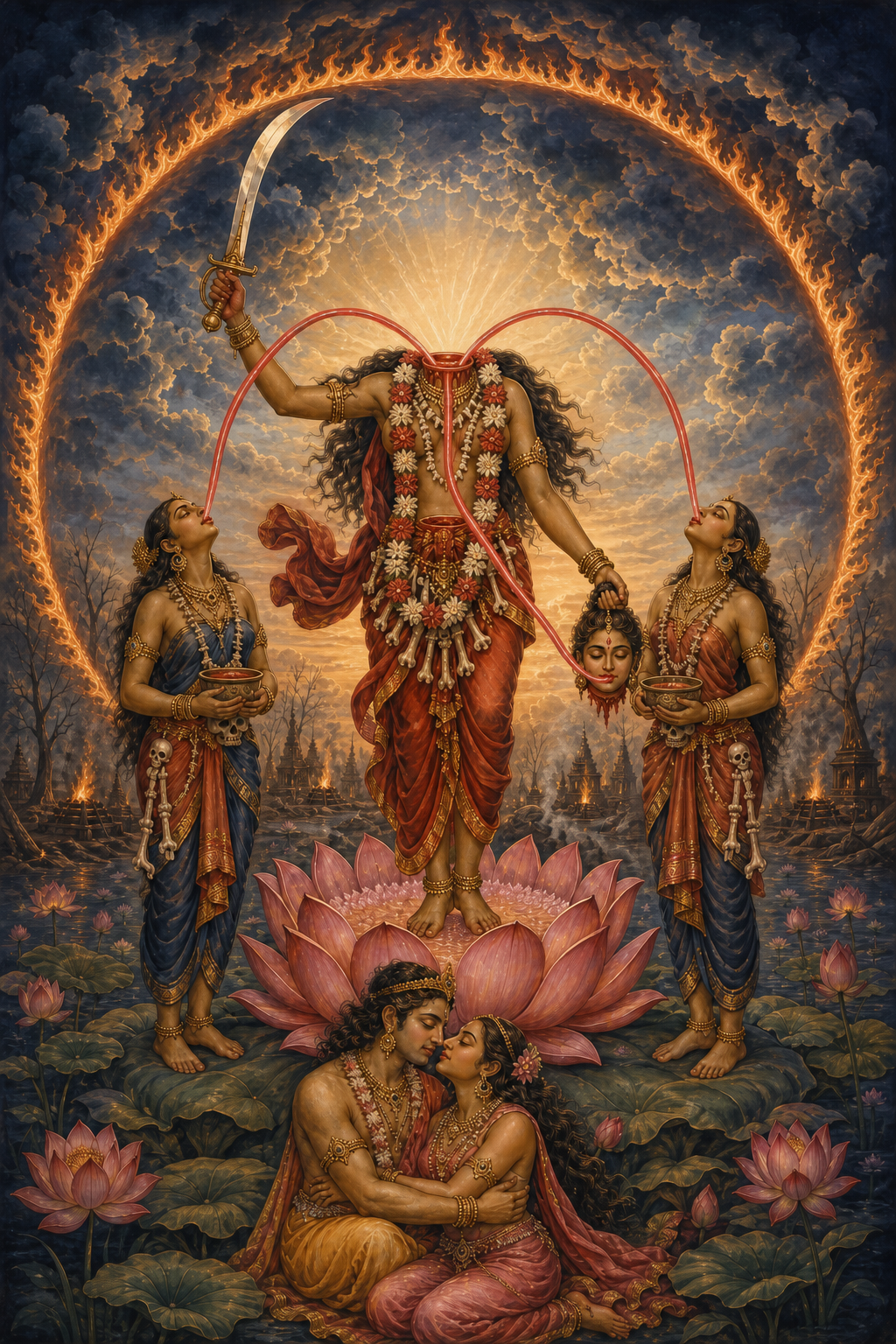
Sakhada Bhagavati Temple near Rajbiraj in Nepal’s Saptari district is one of the most compelling Shakti Peetha traditions of the Madhesh region. Associated with Chhinnamasta Bhagawati, the headless form of the Goddess, the temple transforms an image of rupture into a profound symbol of ego-transcendence, sacrifice, and cosmic power. Its history is linked with the…
-
Varahi Devi Katha: Powerful Story, Symbolism, and Scriptural Wisdom of Varahi Mata

Varahi Devi, also known as Varahi Mata, is one of the Sapta Matrikas and a powerful form of Devi Shakti associated with Varaha. Her katha appears in traditions connected with the Devi Mahatmya, Markandeya Purana, Varaha Purana, and Matsya Purana. The story presents her as a fierce maternal protector who helps defeat forces such as…
-
Bonalu 2026 Guide: Powerful Mahankali Jatara Dates, Rituals and Meaning

Bonalu 2026 will be celebrated across Telangana on July 19, July 26, August 2, and August 9, with Secunderabad Ujjaini Mahankali Bonalu falling on August 2. This guide explains the dates, ritual structure, and cultural meaning of Mahankali Bonalu Jatara in Hyderabad and Secunderabad. It highlights the significance of Bonam, Ghatam, Rangam, Pothuraju, and the…
-
Bonalu 2026 Guide: Powerful Mahankali Jatara Dates, Rituals and Heritage

Bonalu 2026 is a major Telangana Hindu festival dedicated to Goddess Mahankali and celebrated with particular intensity in Hyderabad and Secunderabad. The key 2026 dates are July 19, July 26, August 2 and August 9, with Secunderabad Ujjaini Mahankali Bonalu falling on August 2. The festival centres on the Bonam offering, a decorated pot of…
-
Ugra Chandika’s Sacred Intoxication: Fierce Shakti, Dharma, and Inner Victory

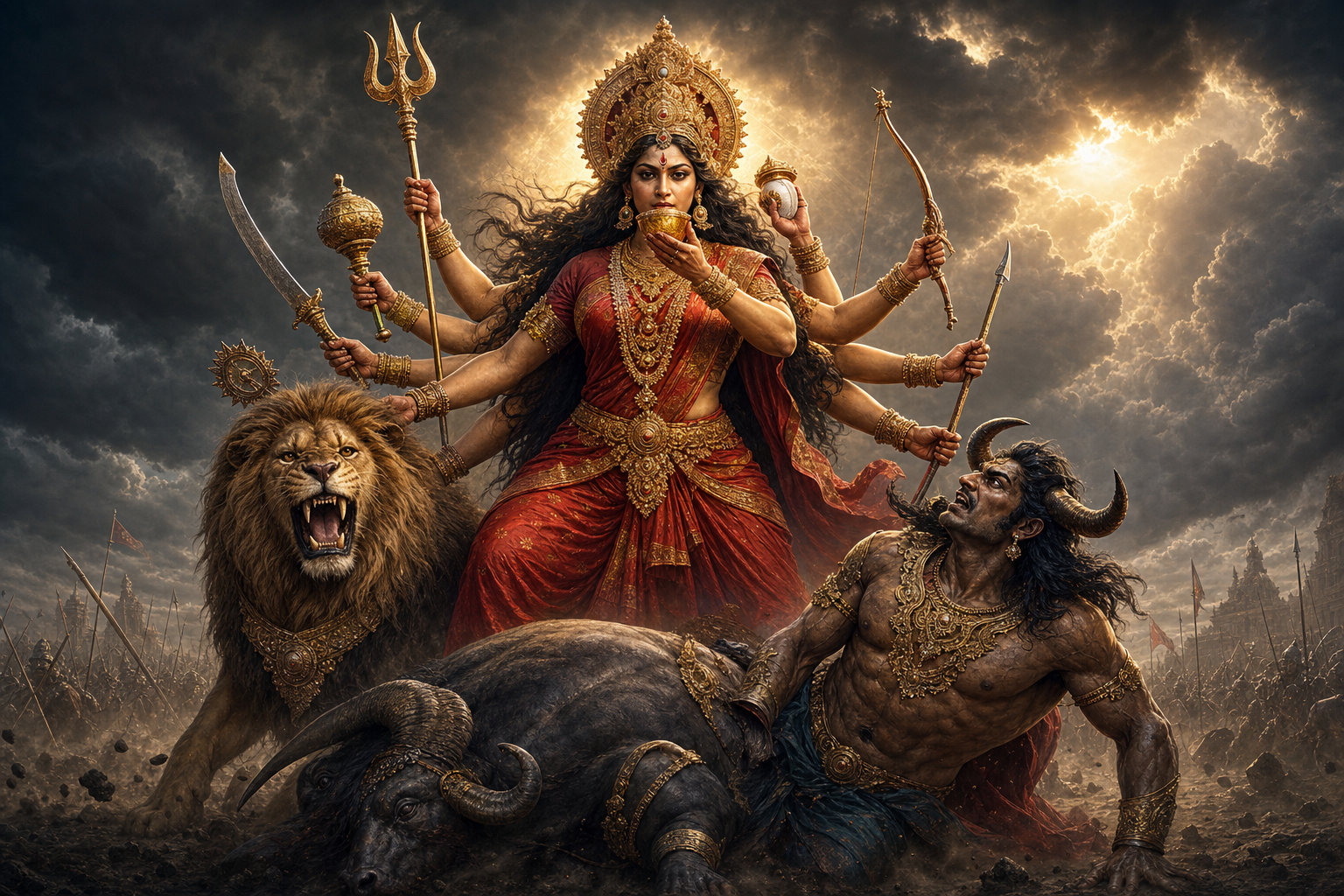
Ugra Chandika’s act of drinking madhu in the Devi Mahatmya is a profound symbol of divine sovereignty, not ordinary indulgence. The famous line “Garj garj kshanam mudha madhu yavat pibamyaham.” shows the Goddess calmly limiting the roar of adharma before destroying it. This episode reveals Shakti as fearless, disciplined, and beyond the forces that usually…
-
Thirumudi Revealed: The Powerful Mudippura Legacy of Kerala’s Living Goddess

The Mudippura tradition of southern Kerala preserves one of the most powerful living forms of Bhadrakali worship. At its centre is the Thirumudi, the sacred crown or head-form through which the Goddess is invoked, protected, and revealed to devotees. This article explains how Mudippura temples function as ritual houses, community centres, and sacred spaces of…
-
Sacred Fury After Sati: The Ganas’ Sacrifice and Shiva’s Terrible Grace

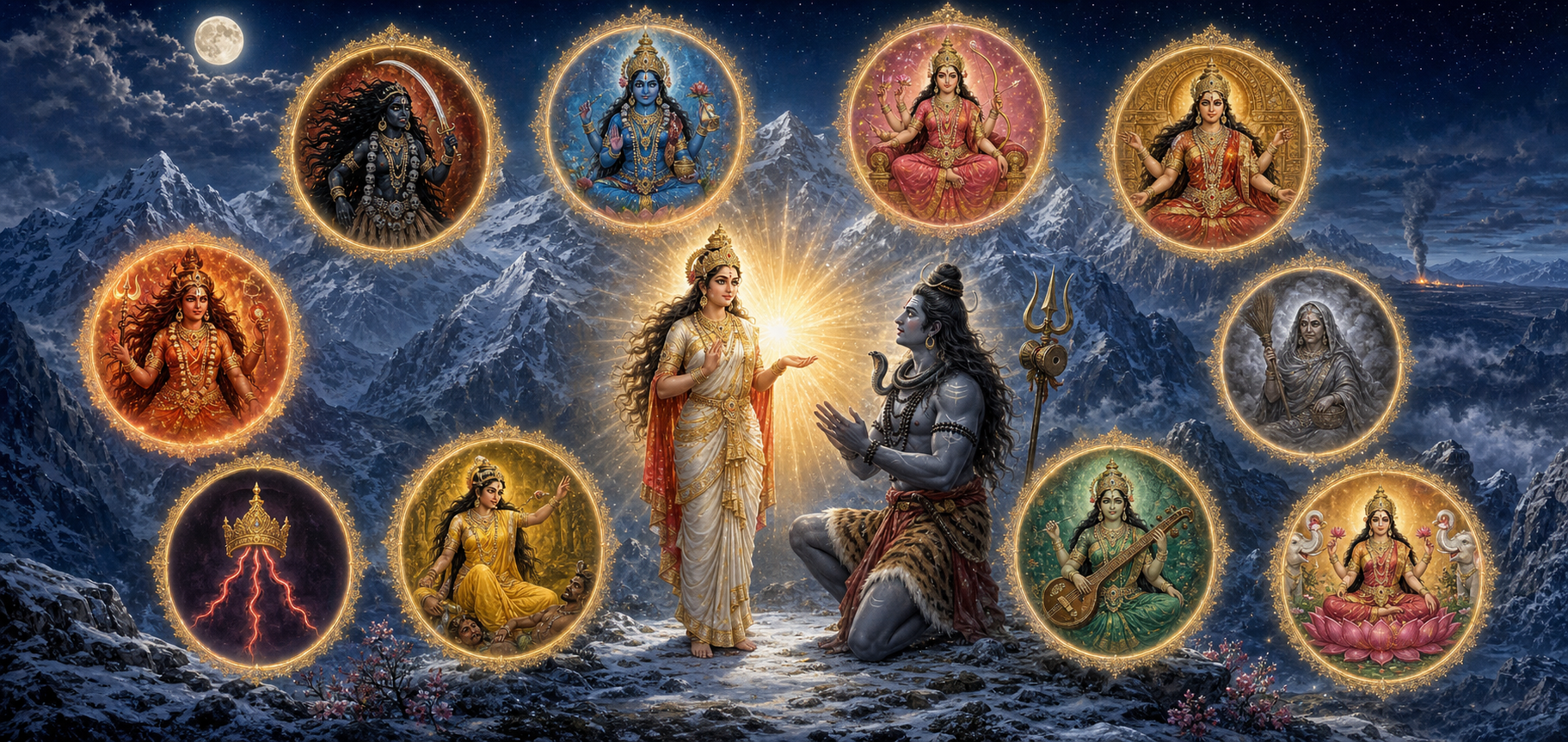
This long-form analysis explores the self-sacrifice of Shiva’s ganas after Sati’s death in the Daksha yajna narrative, especially as remembered through the Skanda Purana’s Kedara Khanda tradition. It explains why the episode should be read symbolically rather than as a literal ethical model, highlighting its themes of devotion, grief, sacred fury, and cosmic disorder. The…