
-
Hanubhairav: Powerful Symbolism of Hanuman and Bhairava’s Fierce Sacred Unity
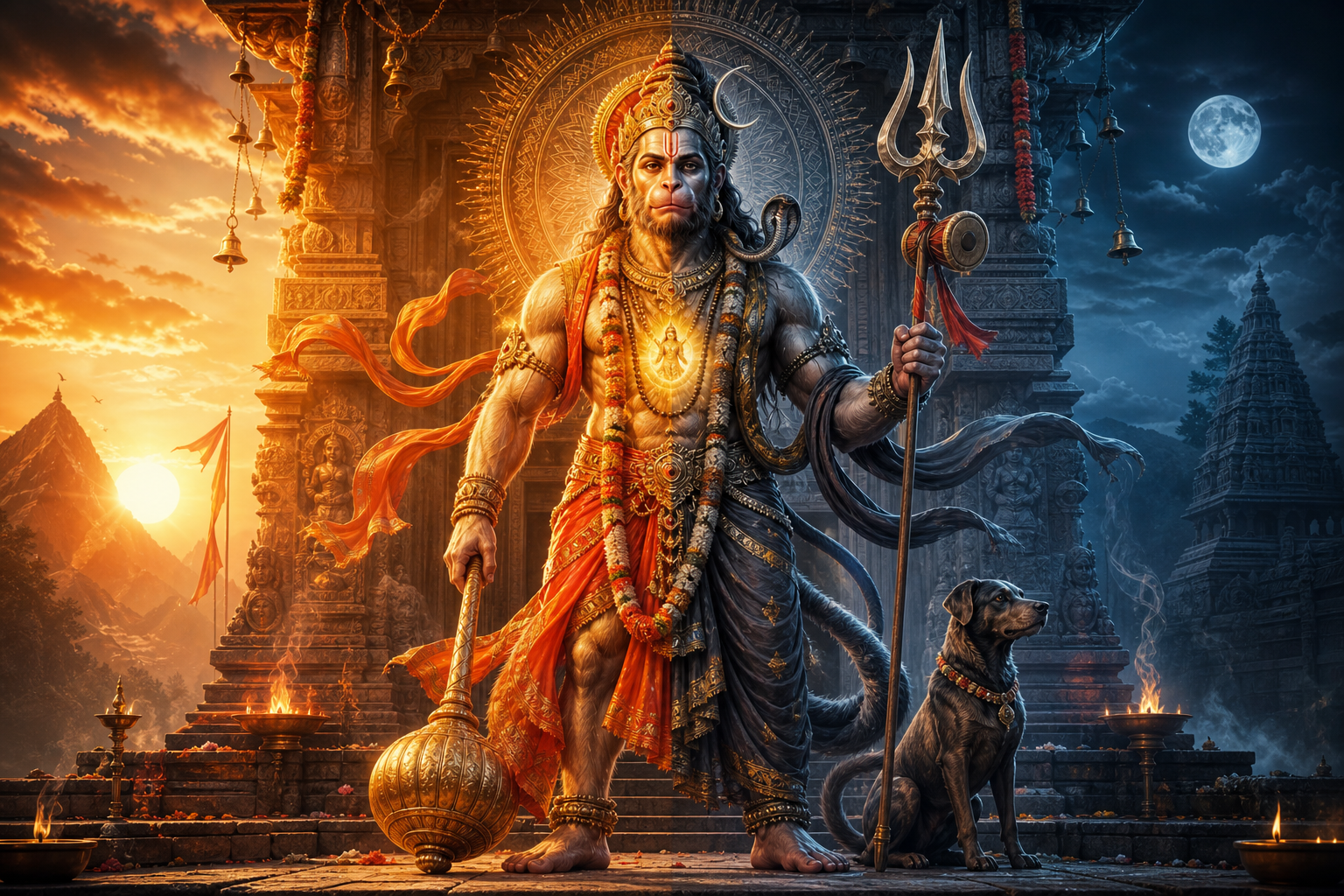
Hanubhairav represents the powerful symbolic union of Hanuman’s unwavering devotion and Bhairava’s fierce protective force. This long-form exploration explains the form as a devotional-tantric synthesis rather than a universally standardized Puranic avatara. It examines Hanuman’s bhakti, Bhairava’s Shaiva symbolism, and the deeper meaning of courage, discipline, ego-destruction, and sacred guardianship. The article also clarifies how…
-
Five Faces of Shiva and the Agamas: A Powerful Map of Liberation
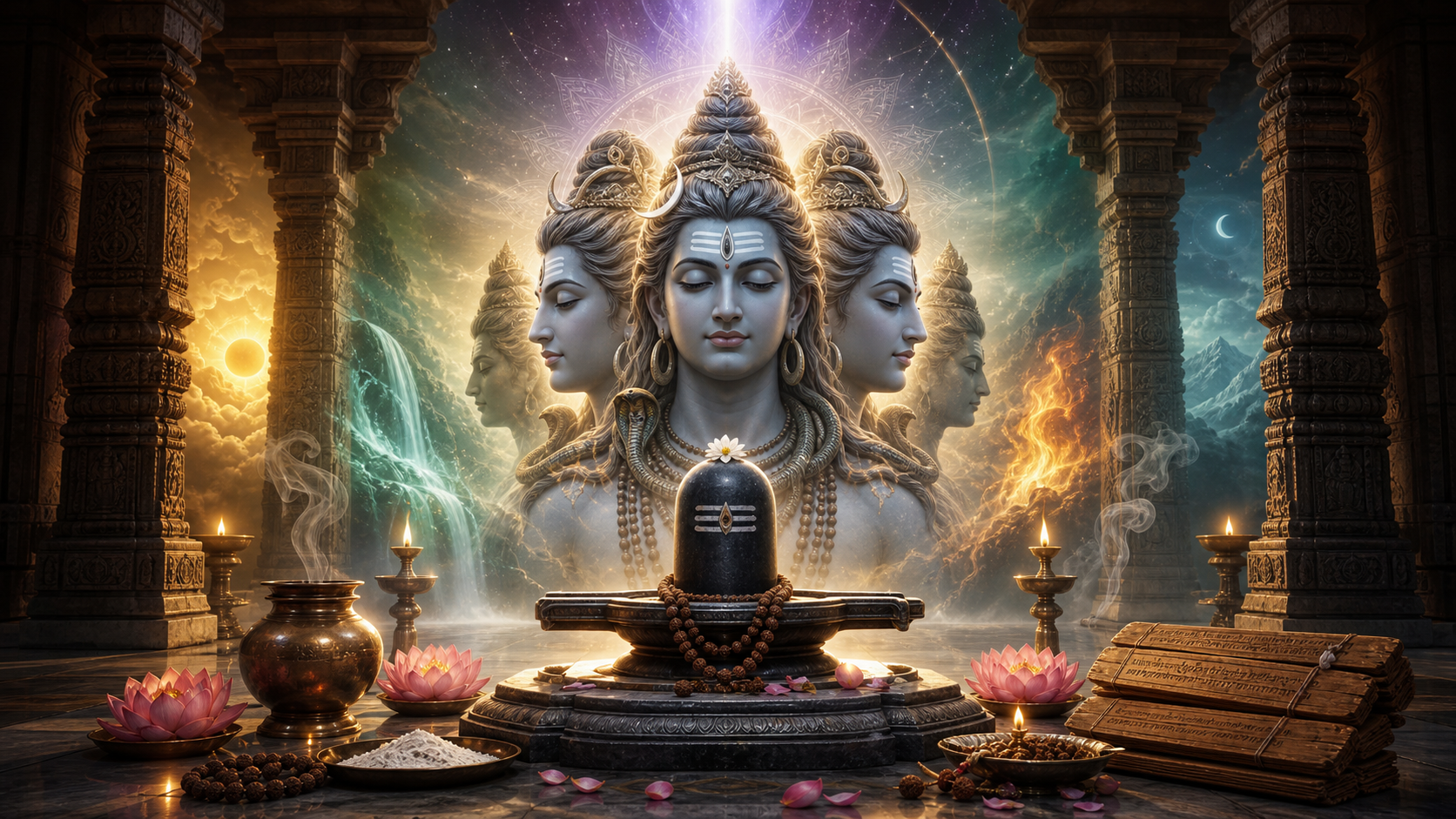
The five faces of Shiva, known as Sadyojata, Vamadeva, Aghora, Tatpurusha, and Ishana, form a profound Shaiva map of creation, preservation, transformation, inward discipline, and liberating grace. The Agamas explain these principles through temple worship, mantra, yoga, ritual practice, and philosophical insight. This article presents the Agamas as living Hindu scriptures that integrate body, speech,…
-
Madhushravani Tritiya 2026: Sacred Date, Rituals, and Mithila Traditions

Madhushravani Tritiya 2026 will be observed on August 15 and is especially significant in the Shravan maas ritual calendar. The vrata is closely associated with newly married women, family harmony, Goddess Parvati, Lord Shiva, and Nag Devata worship. In some traditions it is observed as a multi-day vrata, while others focus on the concluding Tritiya.…
-
Shiva Beyond Fertility: The Powerful Truth of the Shivalinga and Inner Transformation

Shiva is often misunderstood as a fertility god because of a shallow reading of the Shivalinga, but Shaiva philosophy presents a far deeper truth. The Shivalinga means a sign or mark of the formless Absolute, not a simple biological symbol. Shiva’s major forms, including Mahayogi, Nataraja, Dakshinamurthy, Pashupati, and Bhairava, point toward transformation, consciousness, discipline,…
-
Shiva as the Cosmic Archer: Powerful Symbolism Behind the Destruction of Tripura
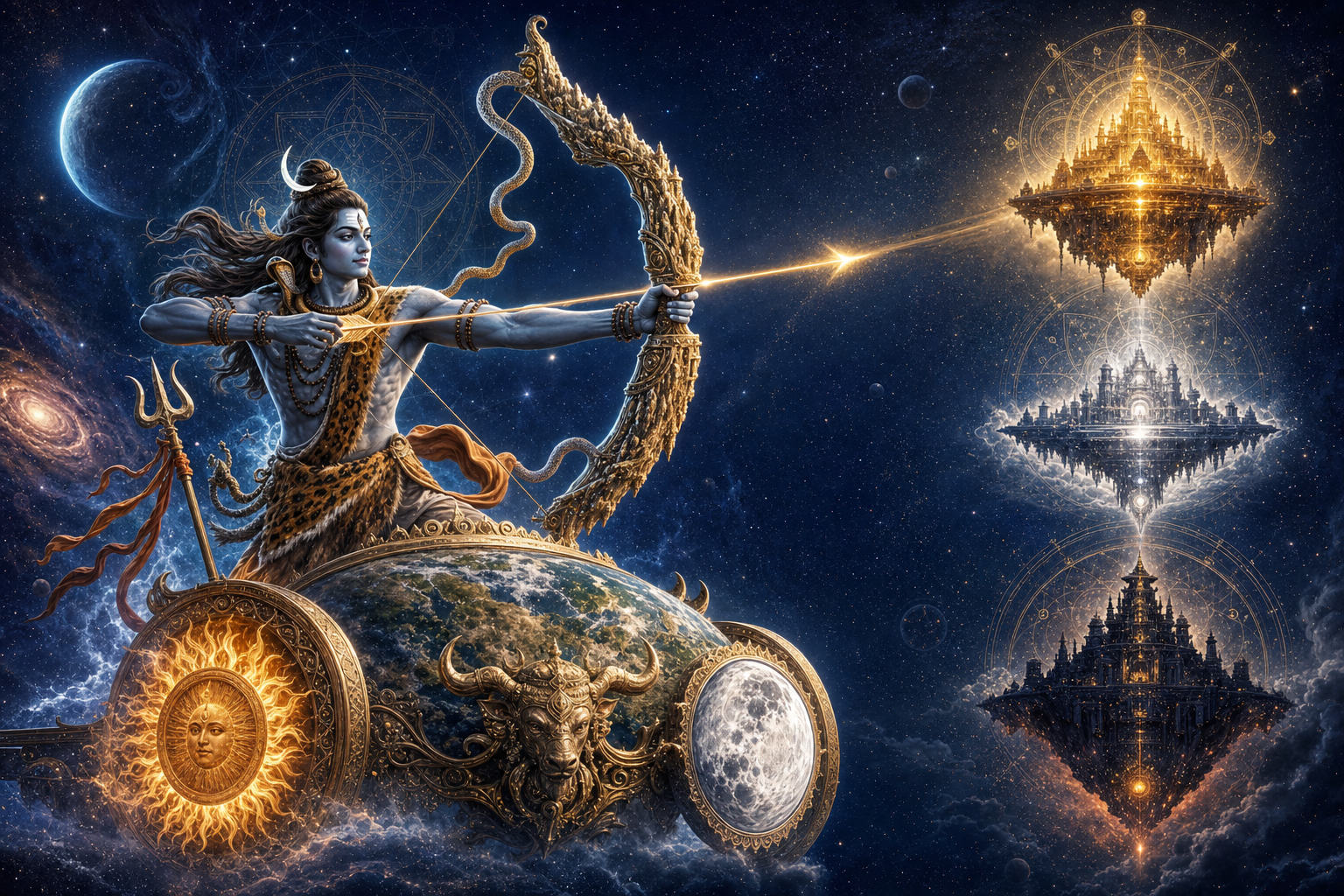
The story of Shiva destroying Tripura is far more than a dramatic Puranic battle. It presents Shiva as Tripurantaka, the cosmic archer whose bow, chariot, arrow, and timing symbolize the disciplined destruction of ego, ignorance, and adharma. The three cities of gold, silver, and iron can be read as the body, mind, and causal bondage,…
-
Sacred Brotherhood of Varathunga and Athivirarama Pandian: A Powerful Lesson
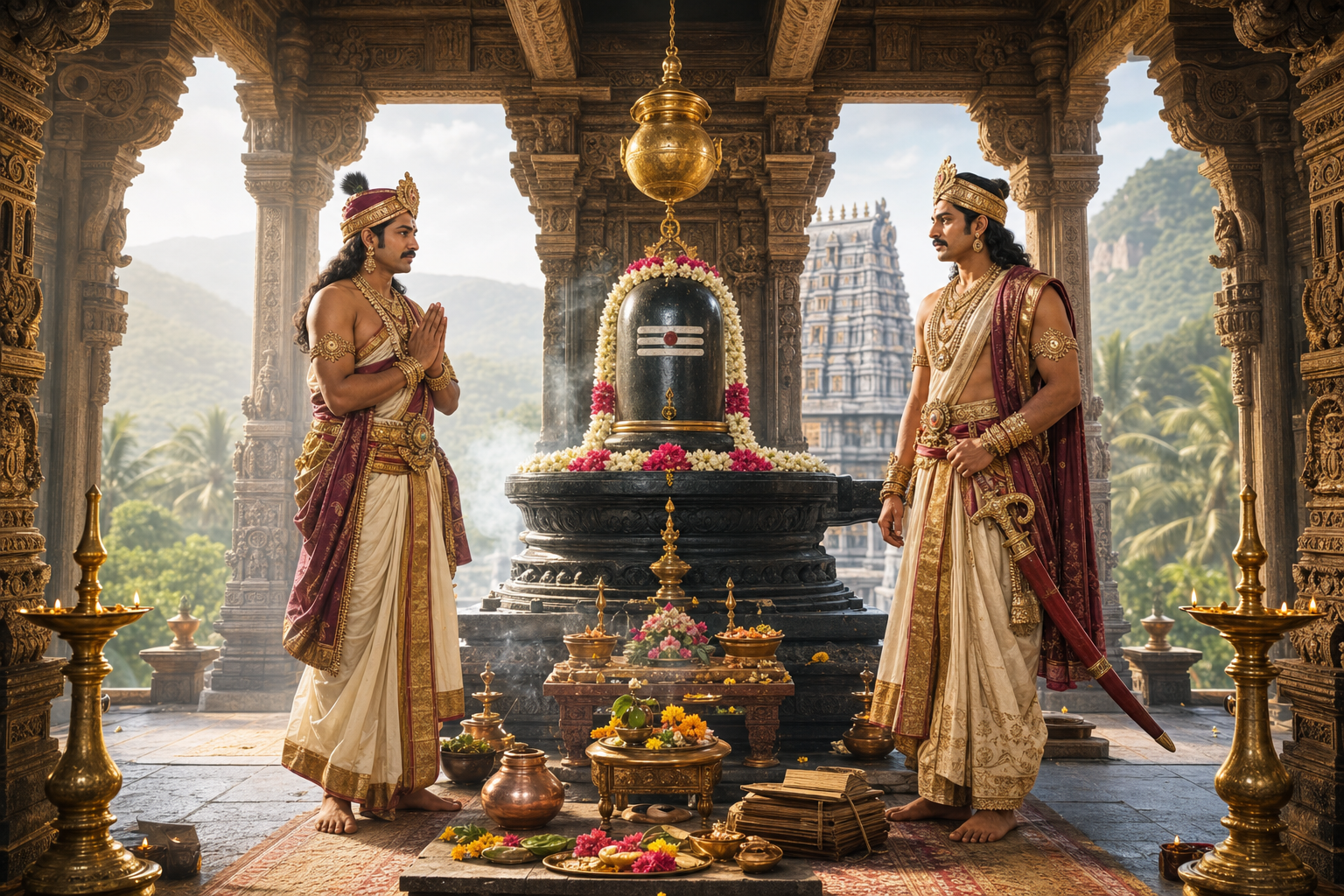
This expanded retelling presents the story of Varathunga Pandian and Athivirarama Pandian as a powerful lesson in devotion, pride, royal duty, and reconciliation. Set within the later Pandya world of Tirunelveli and Tenkasi, it connects the brothers’ conflict to the sacred geography of Kasi Viswanatha worship. The article explains how temple culture shaped South Indian…
-
Sacred Fury After Sati: The Ganas’ Sacrifice and Shiva’s Terrible Grace
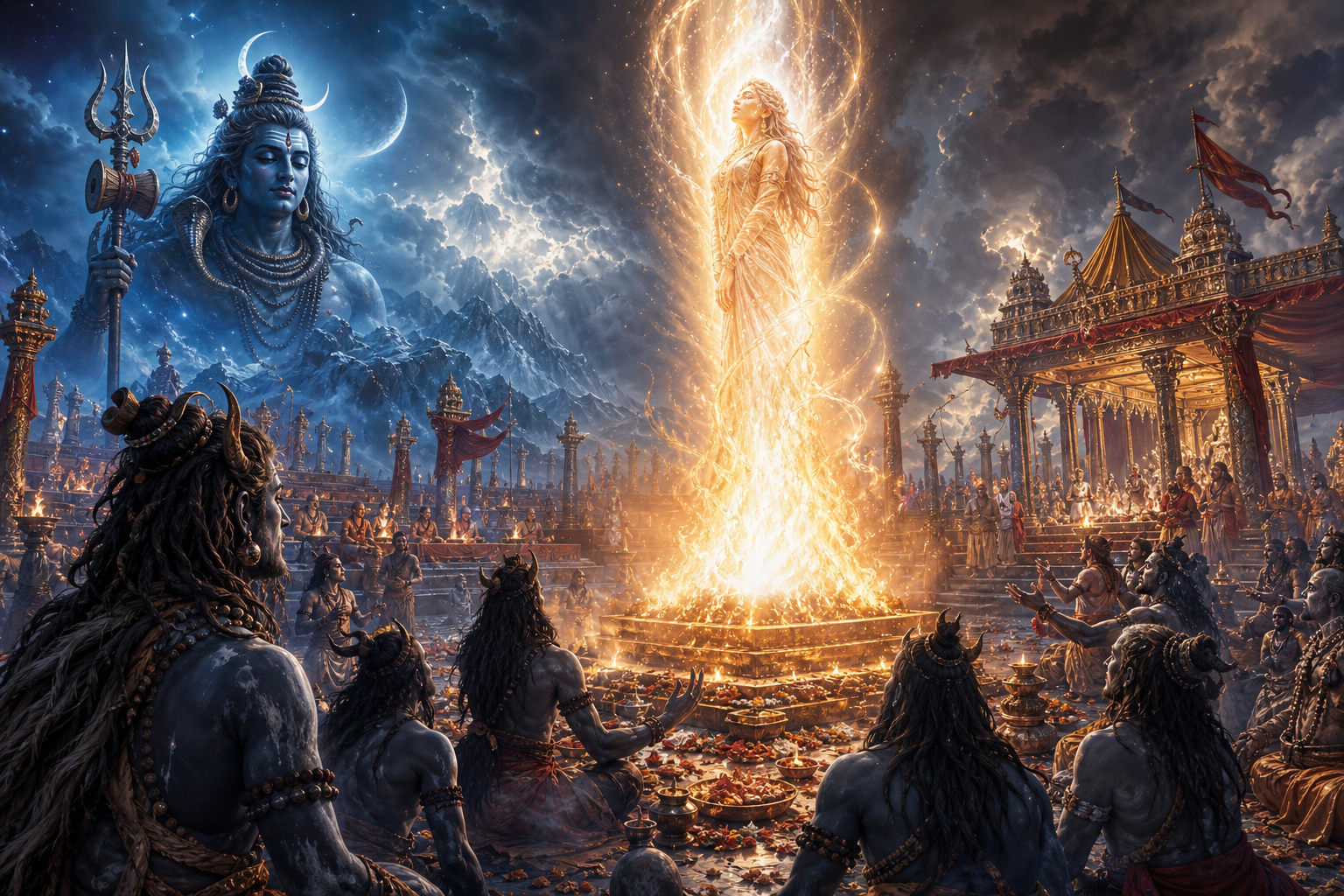
This long-form analysis explores the self-sacrifice of Shiva’s ganas after Sati’s death in the Daksha yajna narrative, especially as remembered through the Skanda Purana’s Kedara Khanda tradition. It explains why the episode should be read symbolically rather than as a literal ethical model, highlighting its themes of devotion, grief, sacred fury, and cosmic disorder. The…
-
Powerful Lessons from Mohinī-Mūrti: Desire, Humility, and Śiva’s Wisdom

This study of Śrīmad Bhāgavatam 8.12.25–28 examines the powerful encounter between Lord Śiva and Mohinī-mūrti with theological care and psychological depth. The passage is not a sectarian criticism of Śiva, but a profound teaching on divine energy, humility, and the vulnerability of even great beings before the Lord’s potency. It explains key concepts such as…
-
Rudra’s Fierce Birth: Powerful Lessons from Ekadasa Rudras and Sanat Kumaras
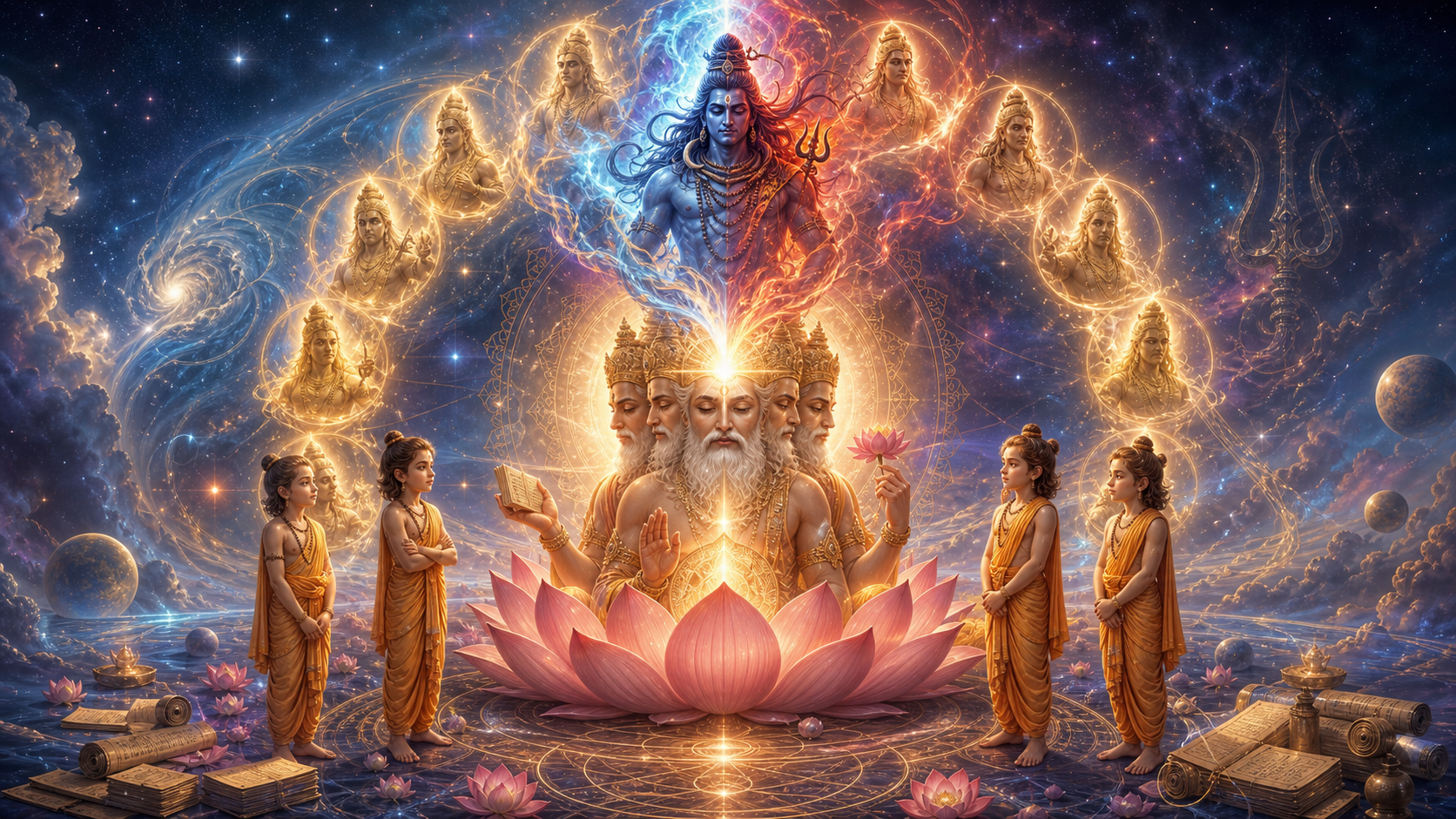
This article explores the sacred Puranic story of Rudra’s birth from Brahma’s wrath and its connection with the four Sanat Kumaras. It explains how Sanaka, Sanandana, Sanatana, and Sanatkumara represent renunciation, wisdom, and the inward path of liberation. The discussion presents the Ekadasa Rudras as both cosmic deities and symbolic forces within the human being.…
-
RFID, QR IDs and Resolve: Inside the High-Security Amarnath Yatra 2026

Shri Amarnath Ji Yatra 2026 is scheduled from 3 July to 28 August, with one of the most extensive security arrangements planned for the pilgrimage in recent years. The security grid combines RFID tracking for registered pilgrims, QR-code-based identity cards for service providers, CCTV surveillance, watch towers, mock drills, and strict traffic regulation. The Shrine…
-
Sacred Karnataka-Maharashtra Pilgrimage: Powerful Lessons in Silence and Grace
This long-form travelogue follows a sacred journey through Vijayapura, Solapur, Akkalkot, Basavana Gudi, Hubballi, and Dharwad, showing how travel becomes pilgrimage when outer movement deepens inner awareness. It highlights living Hindu spiritual traditions through temples, ashrams, samadhi mandirs, bhakti, seva, rural landscapes, and saint lineages. The narrative explores Jnanayogashrama, Shanti Kuteer Ashram, Sivagiri, Siddheshwar Temple,…
-
Luka Majcen’s Lord Shiva Tattoo Reveals a Powerful India Football Story

Luka Majcen’s Lord Shiva tattoo has gone viral because it represents more than a striking visual image. The Slovenian footballer’s connection with India developed through Shantaram, his years in Indian football, and a personal engagement with the symbolism of Rudra and the Mahamrityunjaya mantra. His story links sport, mindfulness, Hindu culture, and cross-cultural respect in…
-
Ishana Shiva Iconography: Sacred Upward Gaze, Panchabrahma Power and Grace
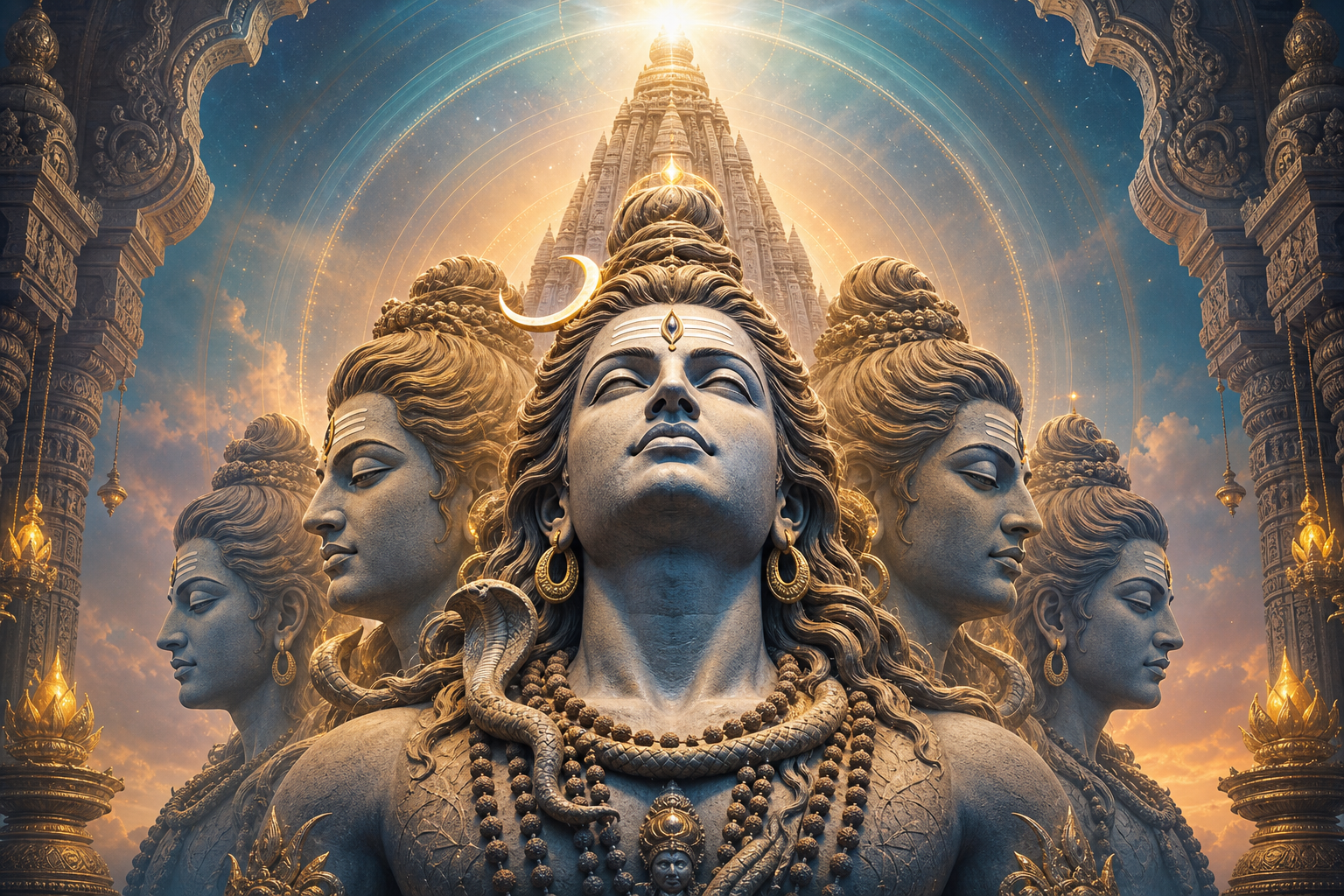
Ishana Shiva in murti form represents the upward-facing, liberating dimension of Lord Shiva within the Panchabrahma tradition. This article explains how Ishana relates to panchakritya, the fivefold cosmic activity of creation, preservation, dissolution, concealment, and grace. It explores the symbolism of the upward gaze, the role of sacred sound, and the connection between iconography, temple…
-
Maha Sadashiva: Awe-Inspiring 25-Faced Shiva Form and Its Cosmic Meaning
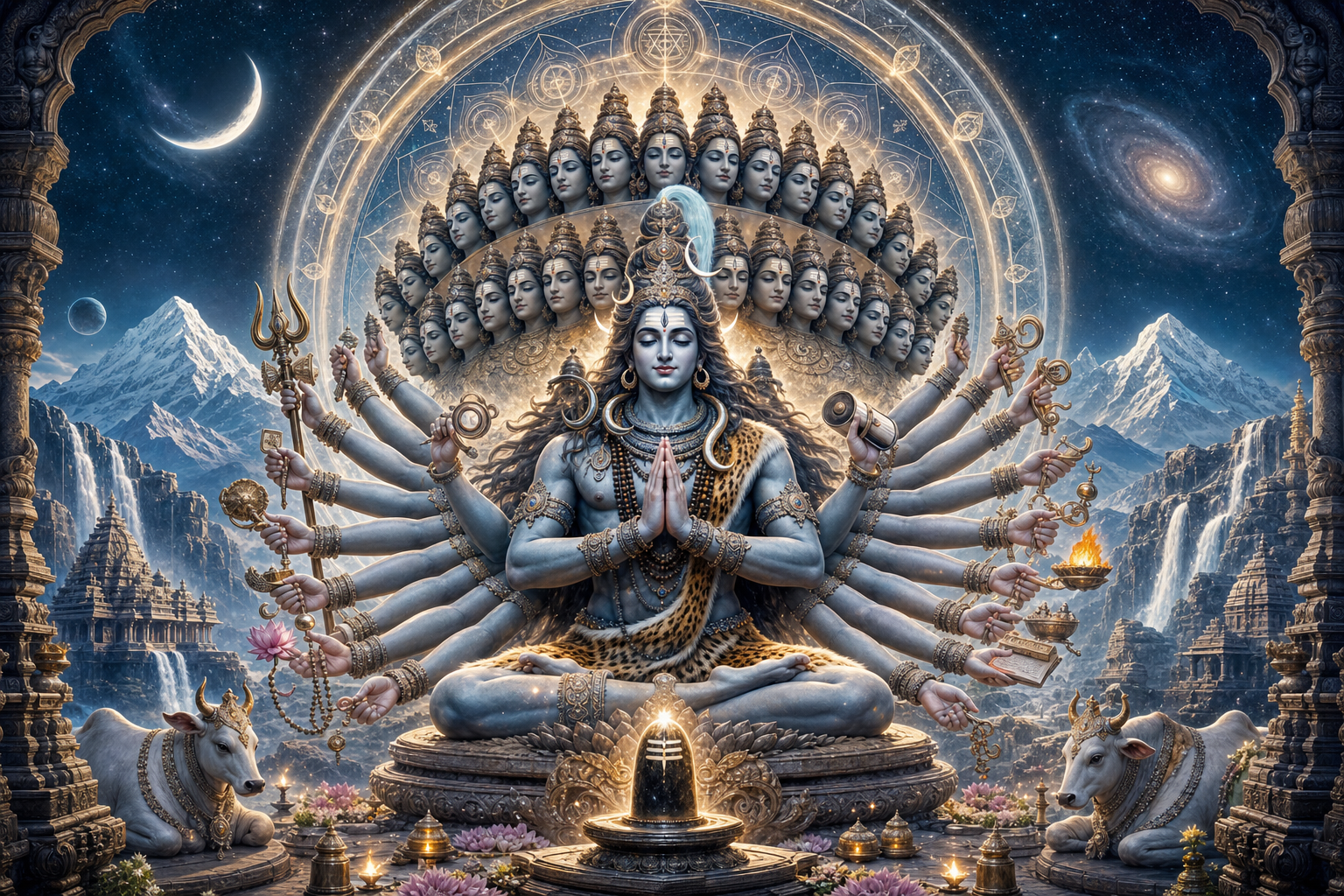
Maha Sadashiva, the twenty-five-faced and fifty-handed form of Lord Shiva, represents one of the most profound achievements of Shaiva iconography. This form expresses the paradox of Shiva as both nirguna, beyond all attributes, and saguna, accessible through sacred form, ritual, mantra, and devotion. The twenty-five faces symbolize expanded consciousness, cosmic awareness, and the layered principles…
-
Ardhanarinaravapuh Revealed: Powerful Hindu Wisdom on Sacred Gender Unity
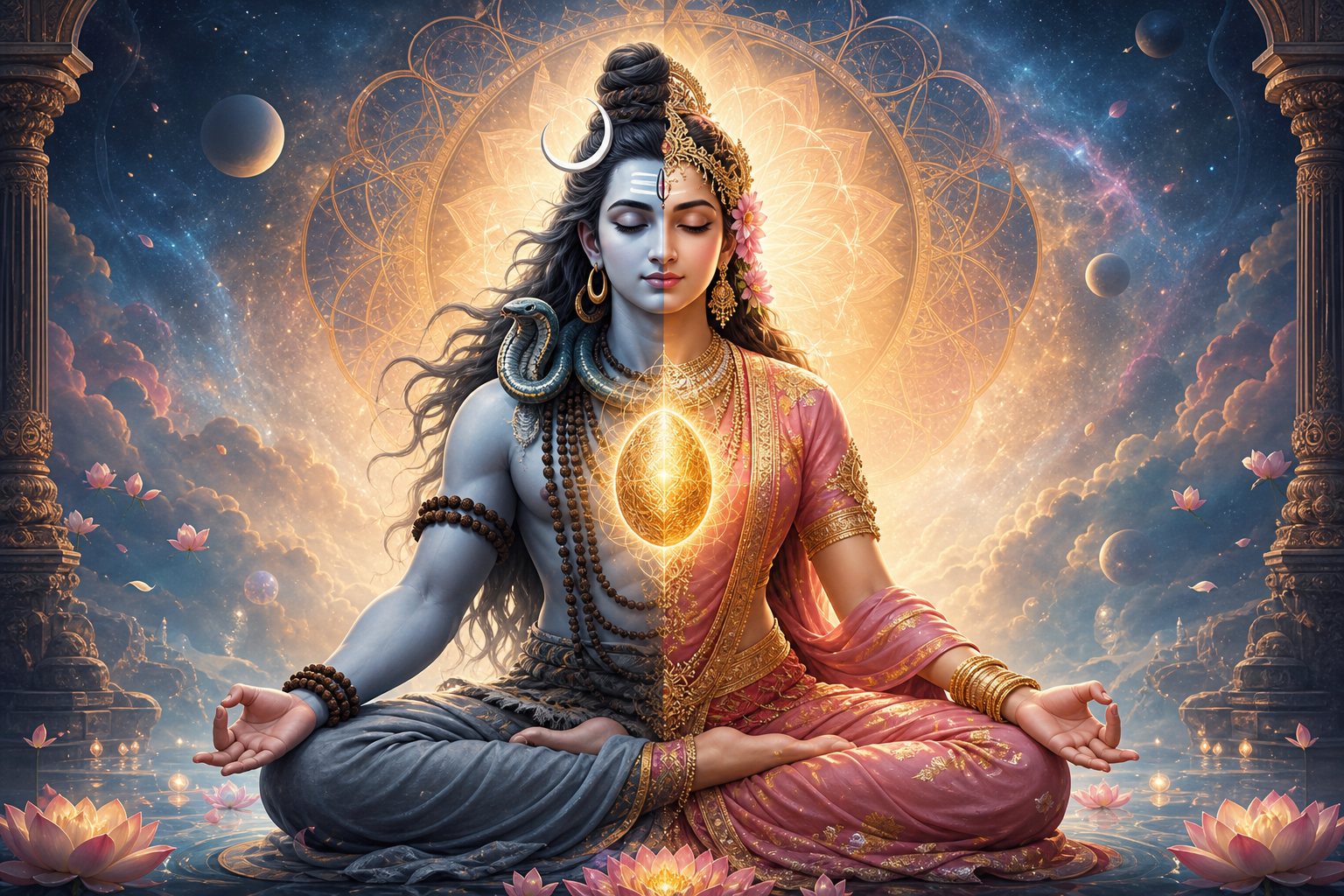
Ardhanarinaravapuh is a profound Hindu concept describing a sacred form that unites masculine and feminine principles in one indivisible body. Connected with Hiranyagarbha, the cosmic womb or golden egg, it points to the origin of creation as a state of luminous wholeness. The idea is closely related to Ardhanarishvara, the union of Shiva and Shakti,…
-
Ashtashta Bhairavas: The 64 Fierce Guardians of Shakta-Shaiva Tantra
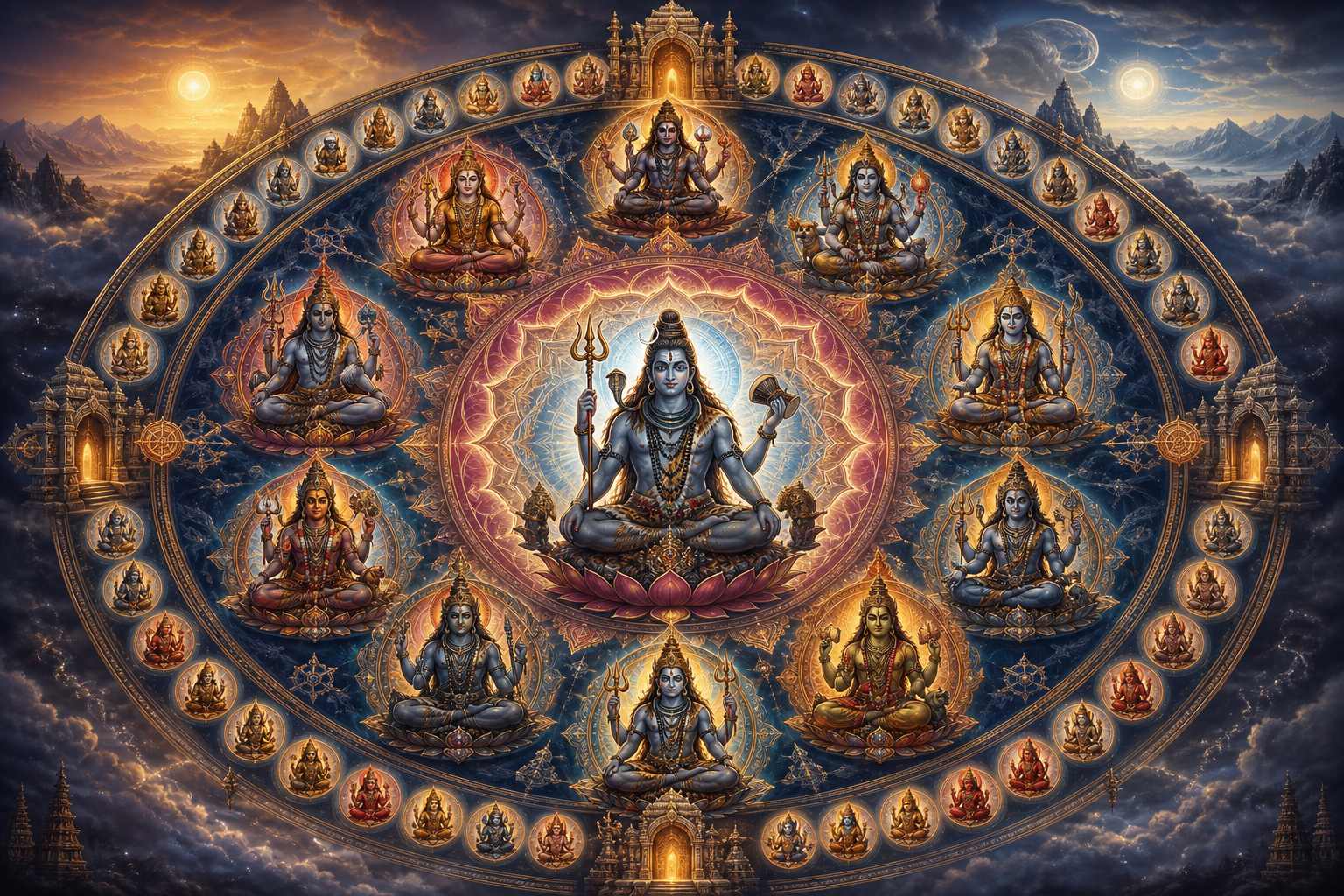
The Ashtashta Bhairavas, or sixty-four Bhairavas, present one of the most profound mandala systems in Shakta-Shaiva Tantra. This article explains Bhairava as the fierce yet compassionate form of Lord Shiva who destroys ignorance, protects dharma, and guides seekers toward liberation. It explores the eight principal Bhairavas, their expansion into sixty-four forms, and the sacred geometry…
-
Arjuna Anugrahamurti: Shiva’s Fierce Grace Through Trial, Combat and Compassion
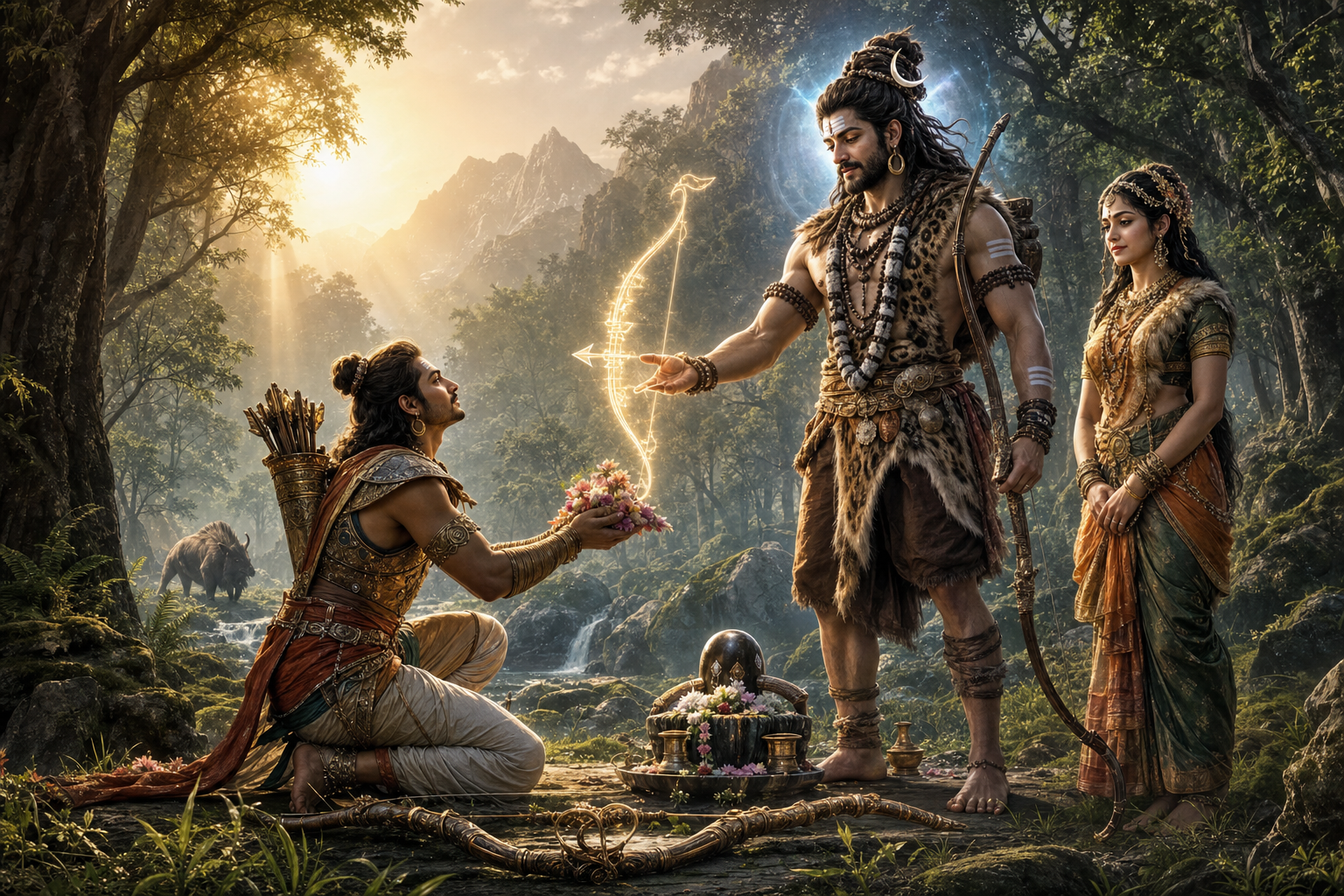
Arjuna Anugrahamurti, also known as Kiratarjunamurti or Pashupatamurti, presents Shiva as the divine tester who grants grace only after the seeker is inwardly prepared. The Mahabharata episode shows Arjuna performing tapas, encountering Shiva in the form of a Kirata hunter, and receiving the Pashupatastra after a fierce spiritual trial. This narrative explains that divine blessings…
-
Bhootatmane Bhairava: Powerful Insight into Shiva and the Five Elements
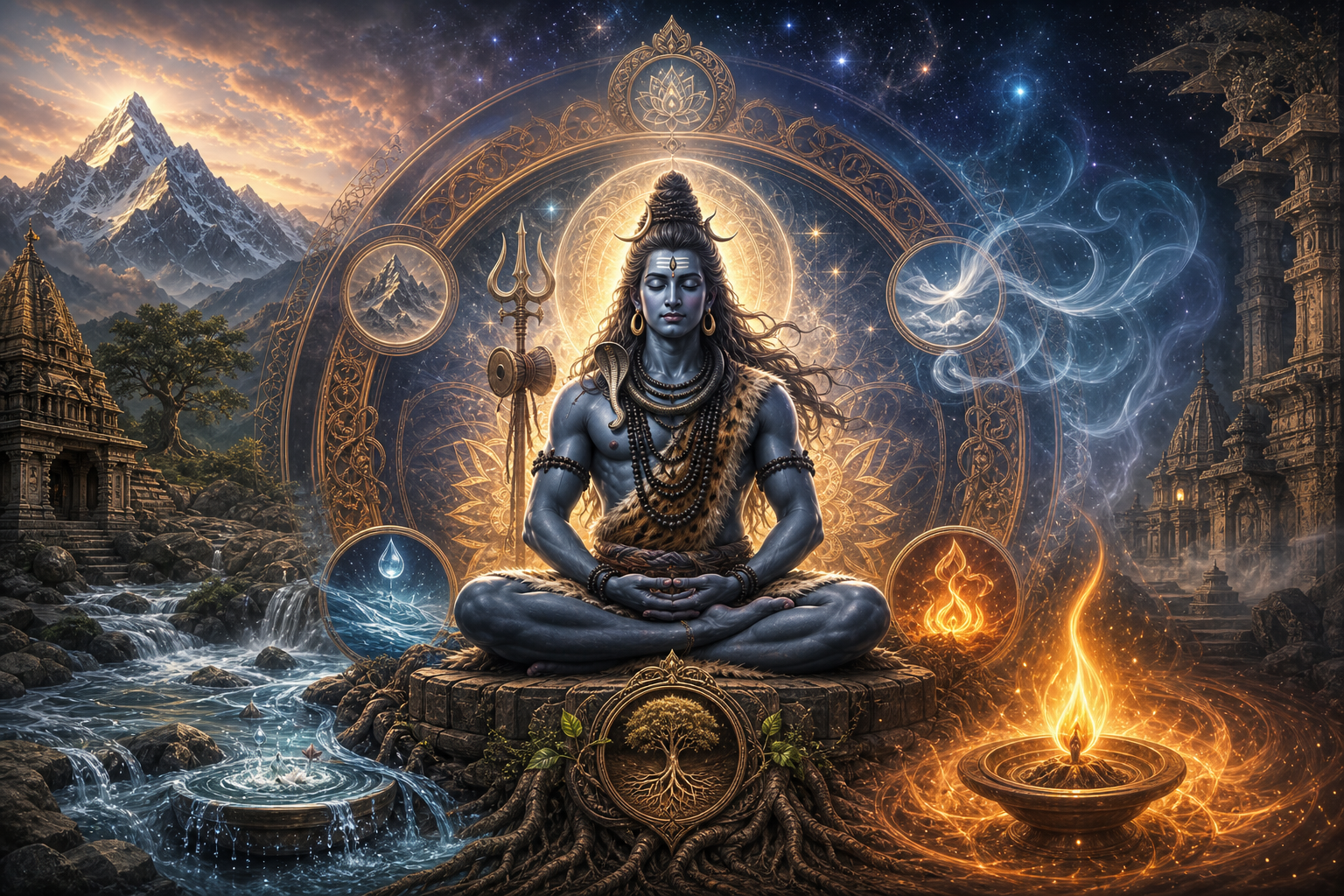
Bhootatmane Bhairava is a profound name from the 1008 Names of Bhairava that reveals Shiva as the inner consciousness of all beings and elements. The name connects Bhairava with the Panchabhootas: earth, water, fire, air, and space. This interpretation shows that the five elements are not merely material substances but sacred principles of embodied existence.…
-
Madurai Meenakshi Temple Sthala Puranam: Powerful Legends, History and Grace
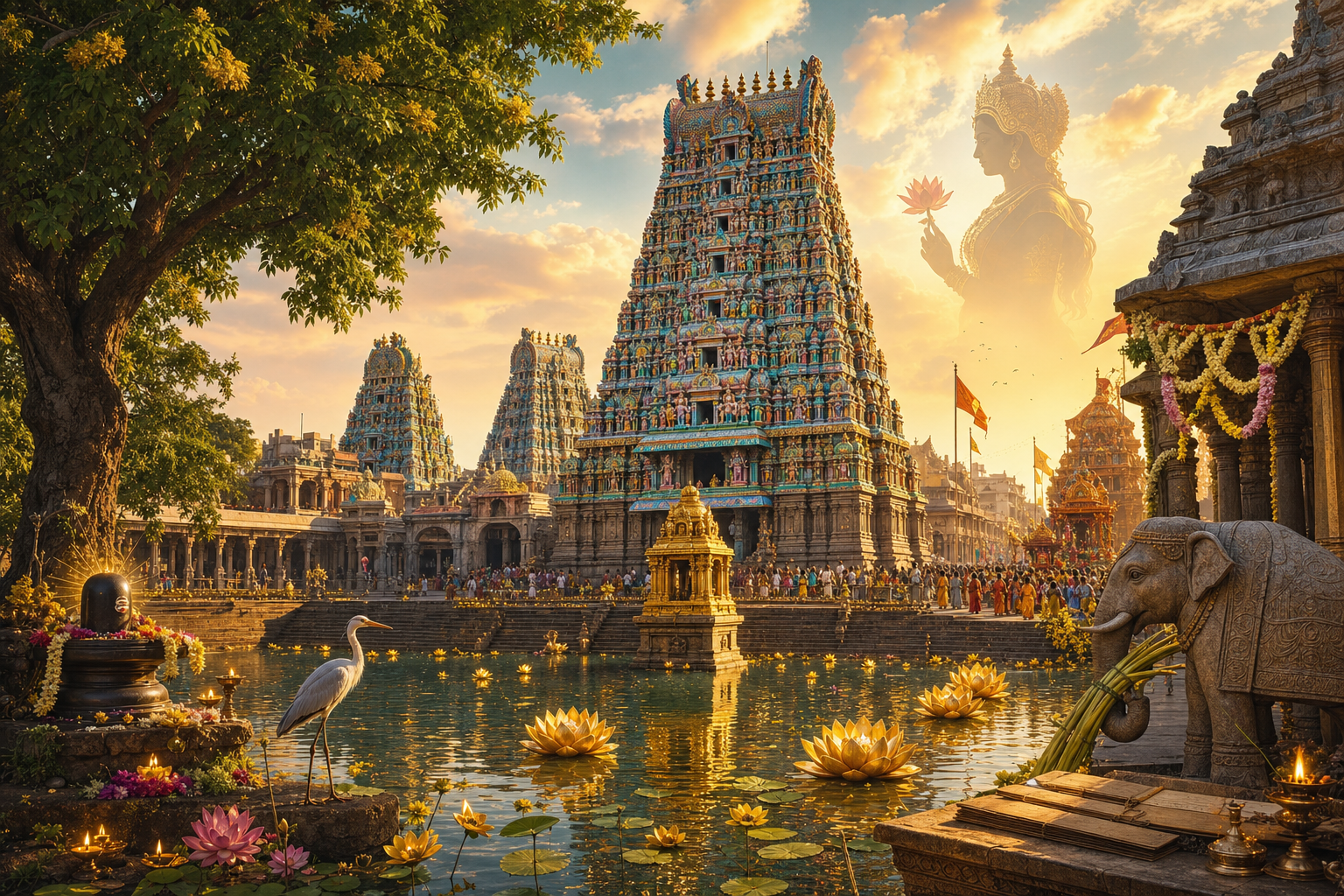
The Madurai Meenakshi Temple Sthala Puranam explains how Kadambavanam became one of Tamil Nadu’s most sacred temple cities. It traces the legends of Indra’s purification, the birth of Meenakshi as Thadaathagai, her encounter with Shiva, and the celestial wedding with Sundareswarar. The article also explores the Chithirai Thiruvizha, the 64 Thiruvilaiyaadal legends, and the spiritual…
-
Gangaur Teej Vrat Rituals: A Complete Sacred Guide to Gauri-Shiva Worship
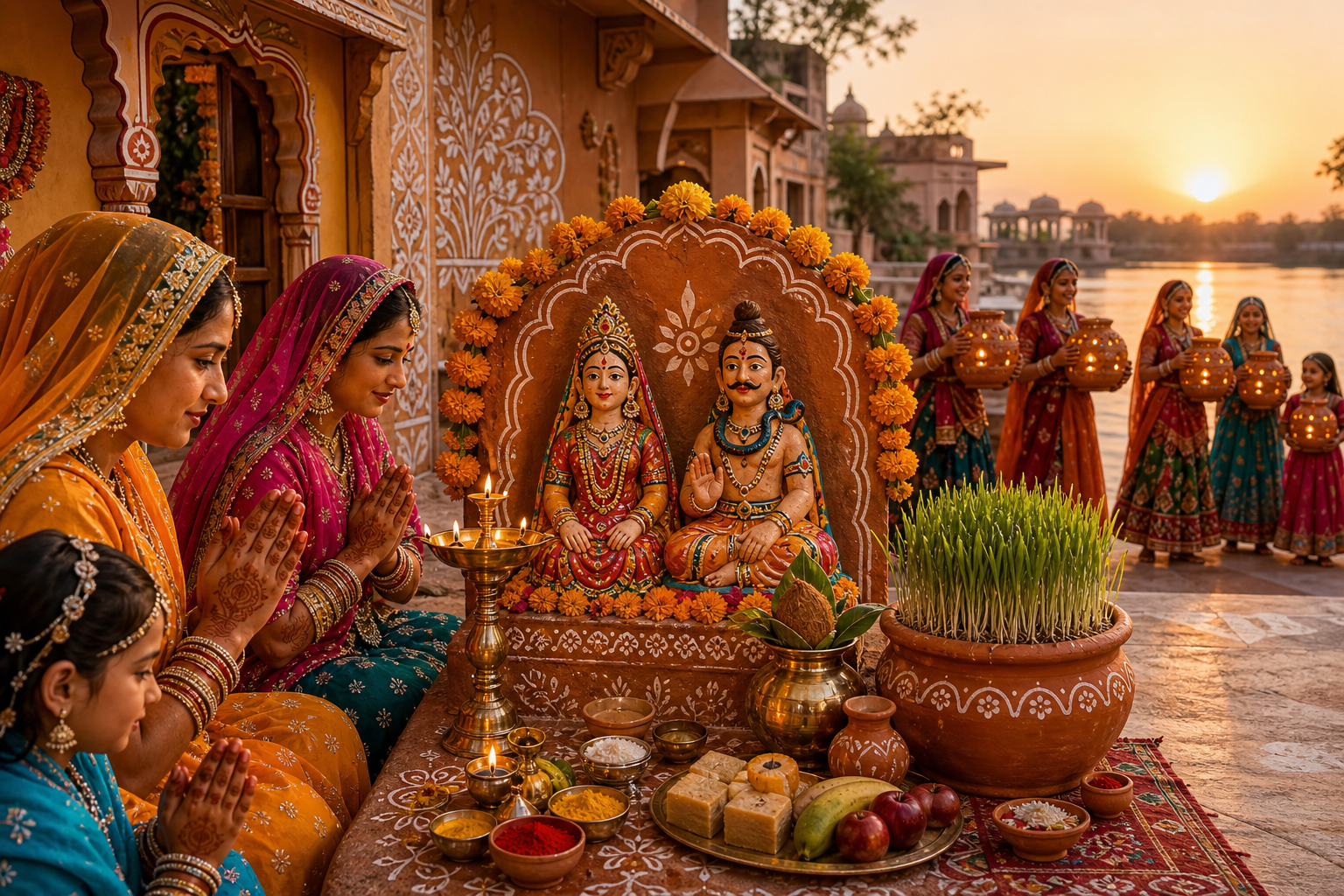
Gangaur Teej Vrat is a sacred observance dedicated to Goddess Gauri and Lord Shiva, traditionally performed after Holi and culminating around Chaitra Shukla Tritiya. The vrat includes fasting, daily worship, sowing and watering wheat or barley seeds, decorating clay or wooden images, singing traditional songs, and participating in community rituals. Married women pray for the…