
-
Across Lifetimes: Hindu Dharma on Reincarnation, Karma, and the Healing Art of Letting Go

This essay presents a clear, academically grounded account of Hindu teachings on reincarnation (samsara), karma, and moksha, showing how death functions as a transition rather than an end. Scriptural perspectives from the Upanishads and the Bhagavad Gita frame the atman as enduring across lifetimes. The discussion explains karma as a moral law that affirms agency,…
-
Beyond Death: Hinduism’s Powerful Answer on Consciousness, Atman, and Rebirth

Hinduism maintains that consciousness (atman) is eternal and survives bodily death, a view grounded in the Upanishads, the Bhagavad Gita, and Vedic philosophy. Karma and reincarnation explain moral continuity across lives, with moksha as the final goal. Lived practicesdhyana, japa, and rites such as antyesti and shraddhaoffer emotional resilience during grief and affirm the journey…
-
Deathbed Visions or Hallucinations? A Compassionate Dharmic Guide to the Final Journey

This article clarifies the difference between deathbed visitations and hallucinations through a Hindu and broader Dharmic lens, combining scriptural insights with contemporary hospice observations. It outlines clear phenomenological markerssuch as serenity, coherence, and value alignmentthat can help families distinguish spiritually meaningful visions from delirium. The discussion highlights convergences across Hinduism, Buddhism, Jainism, and Sikhism, fostering…
-
Surpanakha’s Karmic Odyssey: Desire, Dharma, and Redemption in Brahma Vaivarta Purana

This article explores Surpanakha’s story as a karmic odyssey across yugas, drawing on the Ramayana and interpretive Puranic traditions associated with the Brahma Vaivarta Purana. It examines how desire, when unguided by dharma, invites consequence yet also opens pathways to learning and inner refinement. Readers gain an emotionally resonant, academically grounded view that balances compassion…
-
Why Souls Reincarnate: A Profound Look at Karma, Play, and Purpose in Birth and Death

Why do souls return to life again and again? Drawing on Sri Sri Ravishankar’s Satsang insight, this piece reframes reincarnation through the analogy of play: repetition serves growth, not redundancy. It explains samsara and karma in accessible terms and highlights how Hinduism, Buddhism, Jainism, and Sikhism converge on ethical living and liberation. Readers gain a…
-
Eternal Bonds in Hinduism: Rituals and Dharma That Sustain Connections with the Departed

Hinduism teaches that the bond with a loved one endures beyond death, transforming rather than ending. Rooted in the concepts of ātman, karma, dharma, and moksha, this view honors grief while encouraging ethical remembrance. Rituals such as Antyeṣṭi, Pinda Daan, Tarpana, Shraddha, and Pitru Paksha provide structure and meaning to mourning. Home practiceslighting a diya,…
-
Bhagavad Gita Chapter 2: A Powerful Sankhya Yoga Blueprint for Duty, Clarity, and Inner Peace

Chapter 2 of the Bhagavad Gita (Sankhya Yoga) serves as a concise blueprint for human existence, uniting clear metaphysics with practical ethics. It teaches that the atma is eternal while the body is transient, transforming fear and grief into clarity. The chapter introduces Karma Yogaacting without attachment to outcomesas the foundation of equanimity and wise…
-
No Soul Is Ever Lost: Hinduism’s Compassionate Path to Liberation Beyond Fear

Hinduism affirms that no soul is eternally doomed; every jiva progresses through samsara toward moksha through karma, dharma, and disciplined practice. This non-eternalist vision frames suffering as corrective and finite, not permanent punishment. Upanishadic and Bhagavad Gita teachings support moral agency over fatalism, inviting steady self-cultivation. Parallel perspectives in Buddhism, Jainism, and Sikhism further strengthen…
-
पितृ ऋण (Pitru Runa) Explained: Causes, Family Signs, and Dharmic Paths to Healing

This article clarifies Pitru Runa (पितृ ऋण) as an ethical-spiritual responsibility rather than a fatalistic burden. It outlines traditional causes, observed family signs, and context from Jyotish while discouraging deterministic interpretations. Readers find inclusive, dharmic pathways for healing that honor Hindu, Buddhist, Jain, and Sikh perspectives through remembrance, seva, compassion, and accountability. Practical stepsfamily storytelling,…
-
Beyond Death and Sleep: suptotthita-nyāya and the Continuity of Consciousness in Dharmic Thought
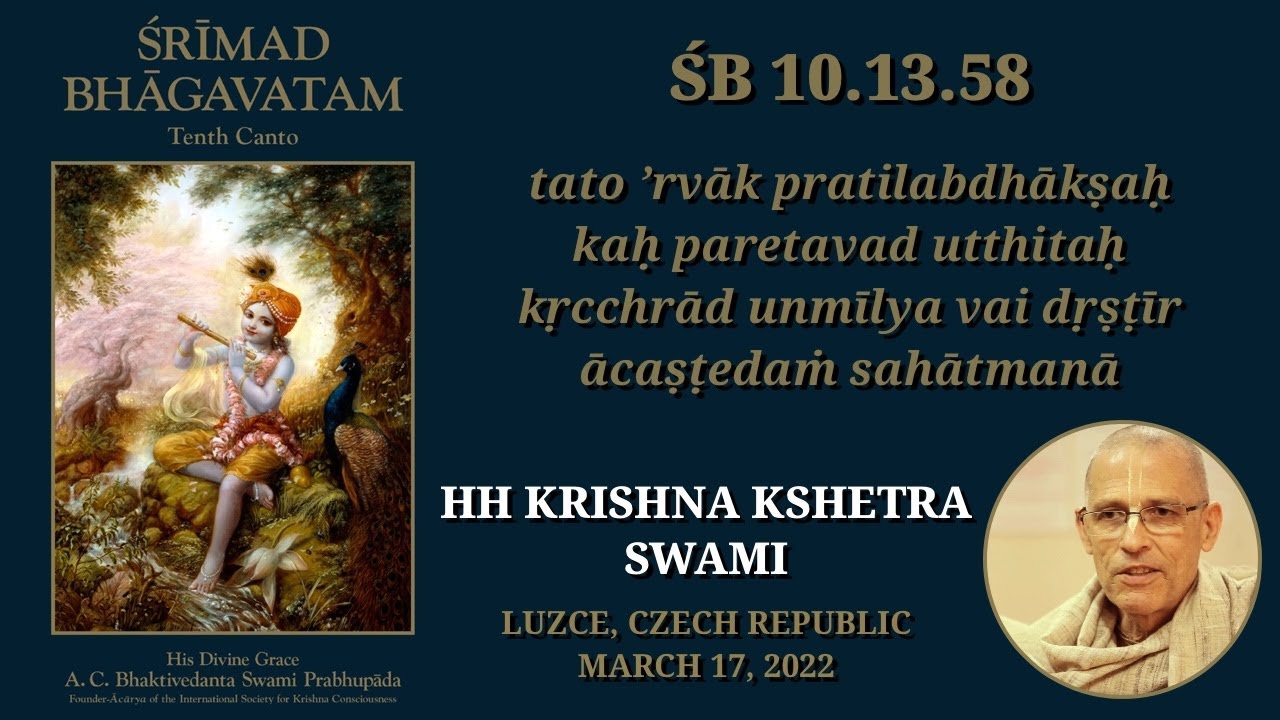
SB 10.13.58 conveys a concise yet profound insight: death is akin to sleep, a pause rather than an end, expressed in the principle of suptotthita-nyāya. This analogy, rooted in everyday experience, makes complex questions about consciousness and identity accessible. Read through a dharmic lens, it harmonizes perspectives from Hinduism, Buddhism, Jainism, and Sikhism on continuity,…
-
Life as Transmigration: Profound Hindu Wisdom on Samsara, Desire, and Inner Freedom

This reflection examines life as a transmigratory process through the shared dharmic lens of Hinduism, Buddhism, Jainism, and Sikhism. It explains samsara, karma, and desire as drivers of restlessness while clarifying how dharma orients artha and kama toward moksha. Readers gain practical insights into unifying disciplines such as dhyana, anapanasati, samayik, and simran that cultivate…
-
Witness and Wanderer: Muṇḍaka Upaniṣad on Karma, Divine Grace, and the Soul’s Journey
This reflection from ISKCON Delhi presents the Muṇḍaka Upaniṣad’s clear distinction between the Lord as witness and the living entities as experiencers of karmic results. It shows how karma, desire, and grace interweave to guide the soul’s journey across bodies and worlds. CC Madhya Lila 6.162 adds a devotional dimension, highlighting the vital role of…
-
Karma and Innocent Suffering: A Compassionate Dharmic Guide to Miscarriage and Child Loss

This reflection explores how karma is understood when young children die painfully or a baby passes in the womb, emphasizing humility before the mystery of cause and effect. It unifies perspectives across Hinduism, Buddhism, Jainism, and Sikhism, highlighting compassion rather than blame. Readers learn how dharmic traditions approach grief with practices such as prārthanā, dāna,…
-
Decoding Moksha Across the Yugas: How Kali Yuga Becomes the Fastest Route to Liberation
This article explains how the four YugasSatya, Treta, Dvapara, and Kalishape spiritual practice and the relative ease of attaining moksha. Drawing on the Bhagavata Purana, Upanishads, and the Bhagavad Gita, it shows why Kali Yuga, despite its challenges, offers accessible, grace-filled pathways through nama-japa, kirtana, seva, and satsang. Readers gain a clear, academic overview of…
-
Krishna’s Omniscience and Human Choice: Resolving the Karma Paradox with Dharmic Wisdom
This reflection addresses a classic question from the Bhagavad Gita: if Krishna knows the future, does action still matter? It clarifies that omniscience is not causation; divine foreknowledge does not cancel human agency. Drawing on karma and puruṣārtha, it shows how dharma preserves meaningful choice and responsibility. The life of Srila Prabhupada illustrates how bhakti-yoga…
-
When Wrongdoers Seem to Thrive: A Dharmic Guide to Karma, Justice, and Inner Peace

Witnessing wrongdoers prosper can unsettle one’s sense of justice. This dharmic guide explains how Hinduism, supported by Buddhism, Jainism, and Sikhism, addresses the paradox through karma, dharma, and the timing of consequences across lifetimes. It clarifies why prosperity is not proof of virtue, how prārabdha karma ripens, and why lawful accountability remains a moral duty.…
-
Essential Dharmic Insights to Transform Fear of Death: A Complete Hindu Guide

This article explains how Hinduism, in harmony with Buddhist, Jain, and Sikh insights, transforms fear of death into understanding through a clear, compassionate philosophy. It presents death as a transition within samsara, guided by karma and oriented toward moksha, drawing on the Bhagavad Gita and upanishad. Readers gain practical toolsmeditation, japa, pranayama, and sevato cultivate…
-
Master the Gita’s Asvattha Metaphor: Complete Guide to Breaking Karmic Bonds

The Bhagavad Gita’s asvattha (banyan) metaphor explains how material life multiplies into a forest of obligations, desires, and consequences that obscure the original root of existence. By naming the dynamic as karmanubandhini, it shows why actions bind and how discernment and non-attachment loosen their grip. The image offers a practical roadmap: redirect attention from proliferating…
-
Discover Rebirth in the Bhagavad Gita: A Complete Guide to Epistemology, Ontology, and Ethics

This analysis presents a clear, three-part framework for understanding rebirth in the Bhagavad gītā: epistemology that privileges insight-oriented knowledge, ontology that secures the continuity of the ātman, and ethics that transform insight into equanimity and enlightened action. Readers gain conceptual clarity on how knowledge shapes worldview and why rebirth coherently follows from the soul’s imperishability.…
-
Born Bad or Made Bad? Discover a Complete, Evidence‑Based Guide to Evil in Dharmic Thought

The everyday debateborn bad or made badfinds a nuanced resolution in Dharmic thought. Hindu philosophy integrates guṇas, karma, and saṁskāras with the formative power of culture and community. Buddhism explains harmful actions through dependent origination, making transformation possible via ethics, meditation, and wisdom. Jain Anekantavada reframes blame by recognizing many-sided causes while prioritizing ahimsa and…