-
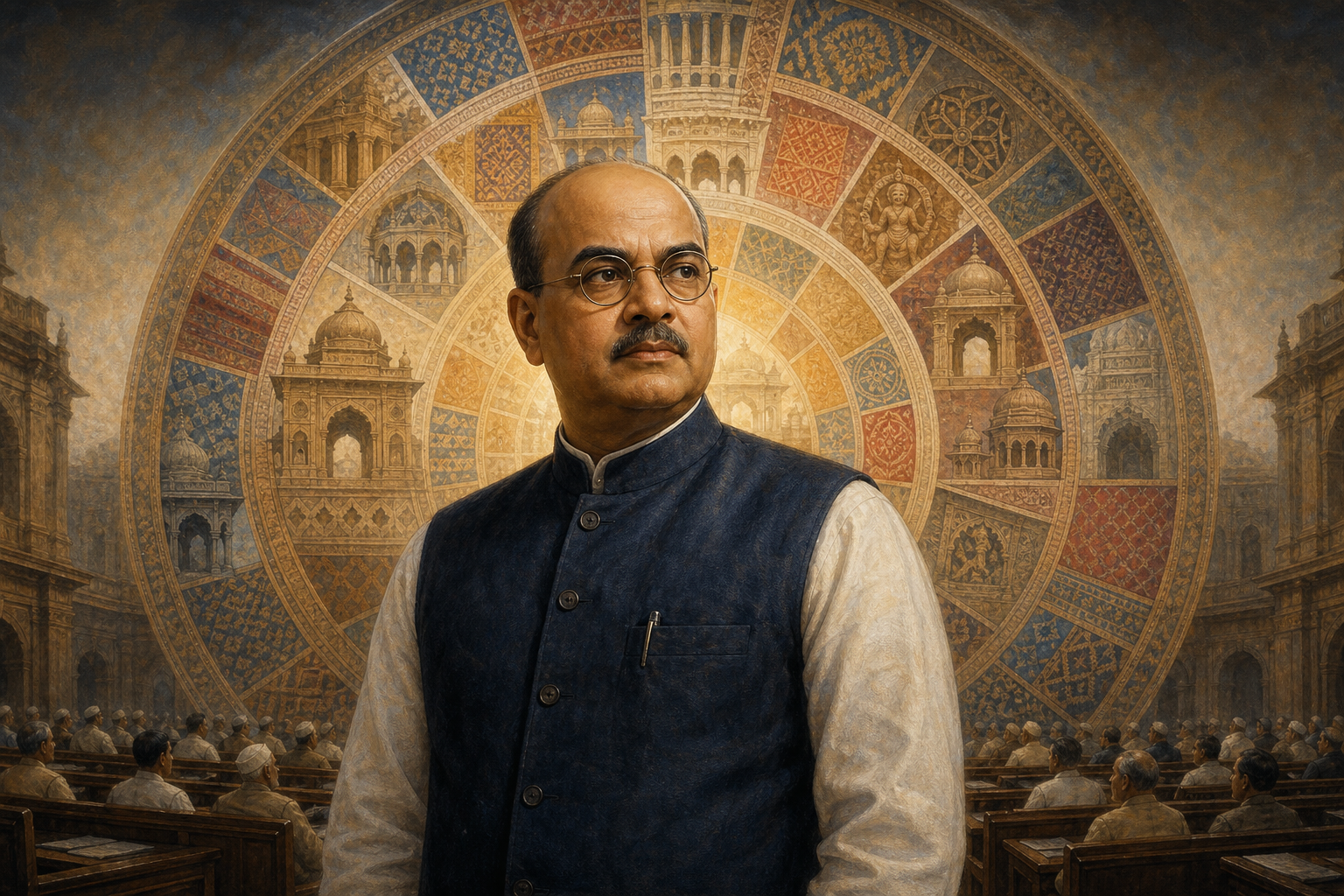
Syama Prasad Mookerjee’s Bold Blueprint for a United, Strong and Inclusive Bharat

Syama Prasad Mookerjee envisioned Bharat as one sovereign constitutional community in which cultural diversity and equal citizenship could reinforce each other. His best-documented arguments on Jammu and Kashmir appear in the Lok Sabha debate of 7 August 1952, where he combined support for peaceful accommodation with opposition to competing sovereignties. This analysis explains the Instrument…
-
Indus Waters Treaty After Pahalgam: The Strategic Pause India Could Not Ignore

The Indus Waters Treaty pause after the Pahalgam terrorist attack was not a sudden diplomatic impulse but the result of years of legal, strategic, and security tensions. This analysis explains how Article 370, India’s 2023 modification notice, and the Kishenganga-Ratle dispute created the background for the 23 April 2025 decision. It clarifies what abeyance means,…
-
J&K School Book Scandal Exposes Alarming Risks in Educational Oversight

The Jammu and Kashmir administration suspended eight education officials and ordered an inquiry after books allegedly glorifying terrorists and separatists were found in government school libraries. The controversy has raised serious questions about content vetting, procurement oversight, and the responsibility of public education in conflict-sensitive regions. Reports suggest that one disputed book used politically charged…
-
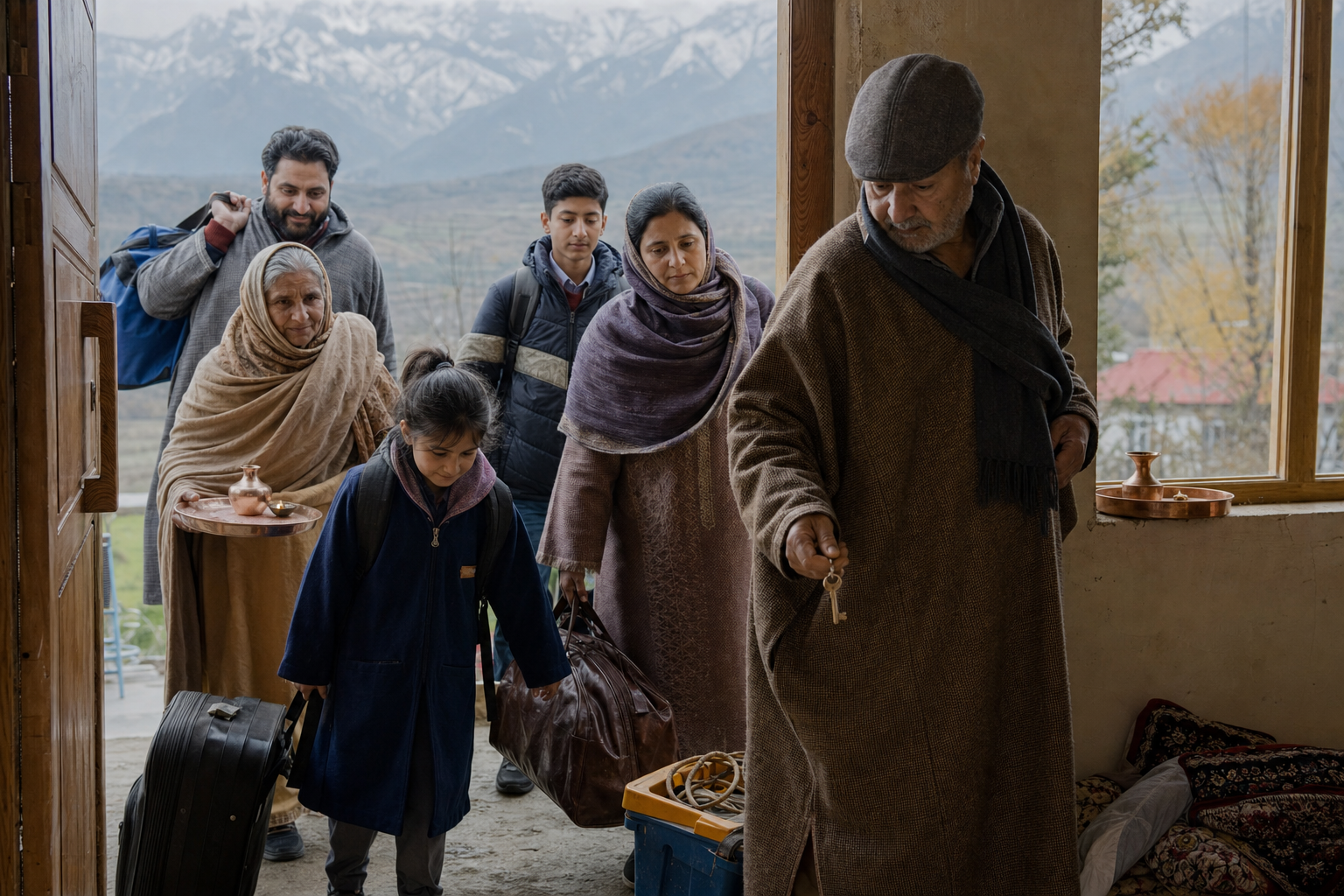
Sarla Bhat Chargesheet Exposes Kashmiri Pandits’ Painful Justice Reckoning

The Sarla Bhat charge-sheet has brought renewed attention to the long-delayed justice claims of Kashmiri Pandits. The SIA’s 737-page filing names Yasin Malik and four others in connection with the 1990 abduction and killing of the young Kashmiri Pandit nurse. This article explains the legal, historical and civilisational significance of the case while distinguishing accused…
-
Indus Waters Treaty Exposed: How Legal Warfare Became a Powerful Weapon Against India

This analysis explains how the Indus Waters Treaty evolved from a water-sharing settlement into a contested instrument of legal and strategic pressure. It examines how Pakistan’s recurring objections to Indian hydropower projects on the western rivers have often imposed delay even when India’s core technical position survived scrutiny. The Baglihar, Kishanganga, and Ratle disputes show…
-
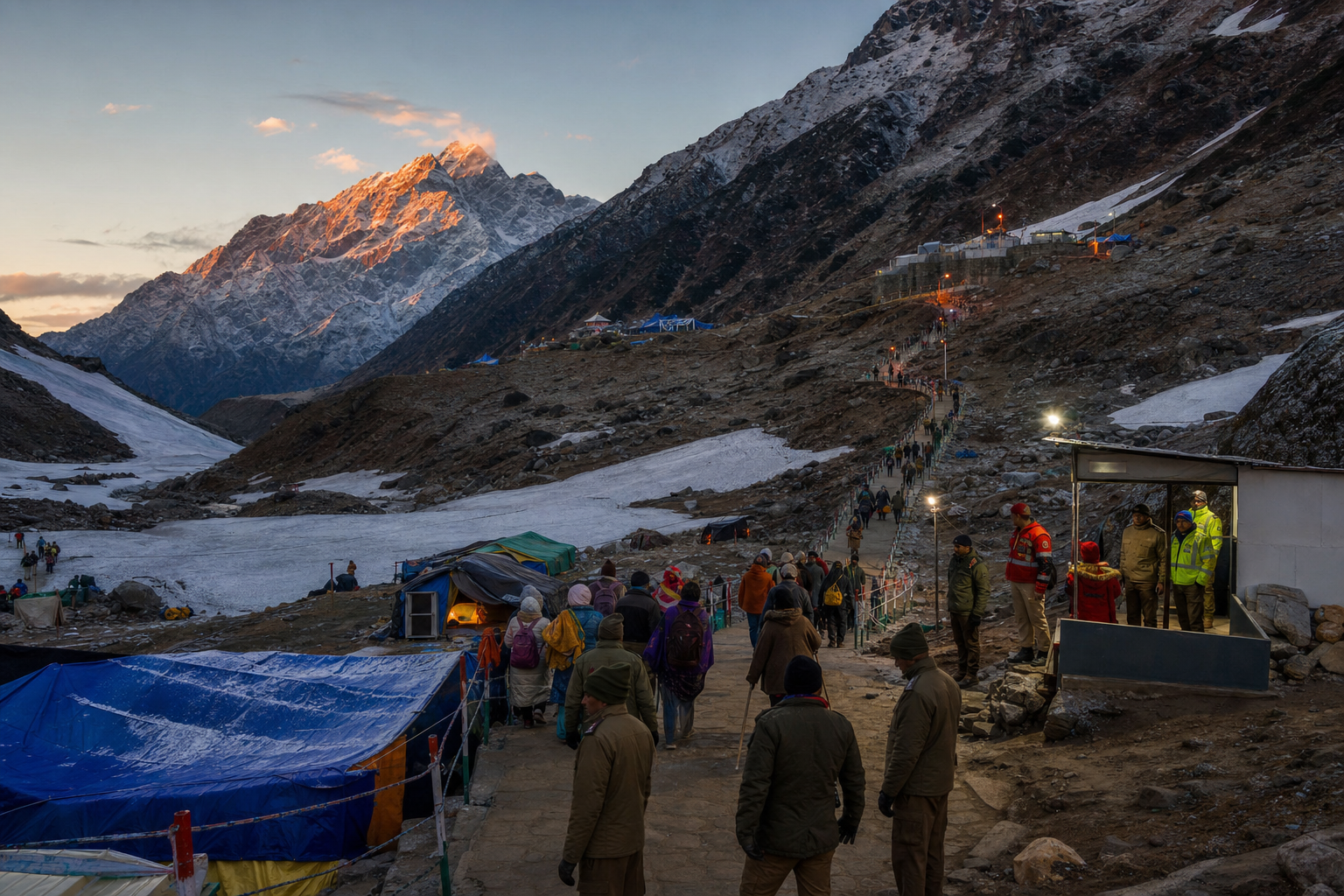
RFID, QR IDs and Resolve: Inside the High-Security Amarnath Yatra 2026

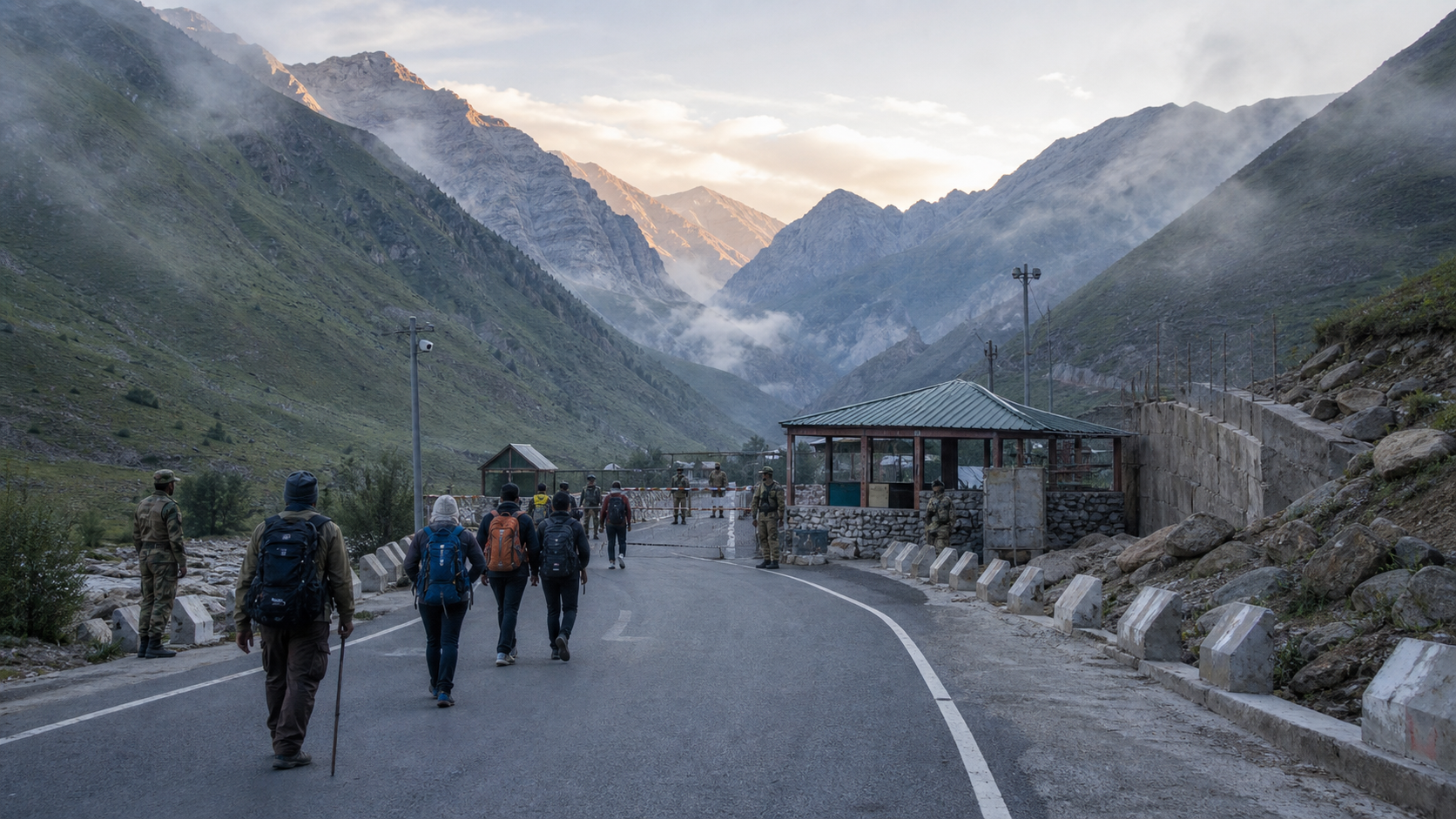
Shri Amarnath Ji Yatra 2026 is scheduled from 3 July to 28 August, with one of the most extensive security arrangements planned for the pilgrimage in recent years. The security grid combines RFID tracking for registered pilgrims, QR-code-based identity cards for service providers, CCTV surveillance, watch towers, mock drills, and strict traffic regulation. The Shrine…
-
Nepal Airlines’ Map Gaffe Ignites Outrage: Cartographic Accuracy, Sovereignty, and Dharmic Unity

Nepal Airlines triggered public outrage after sharing a map that appeared to place parts of Jammu & Kashmir and North-East India outside India’s borders, prompting a rapid apology and takedown. In South Asia, where maps signal sovereignty and identity, such missteps carry outsized geopolitical and emotional impact. This analysis details why cartographic accuracy matters, outlines…
-
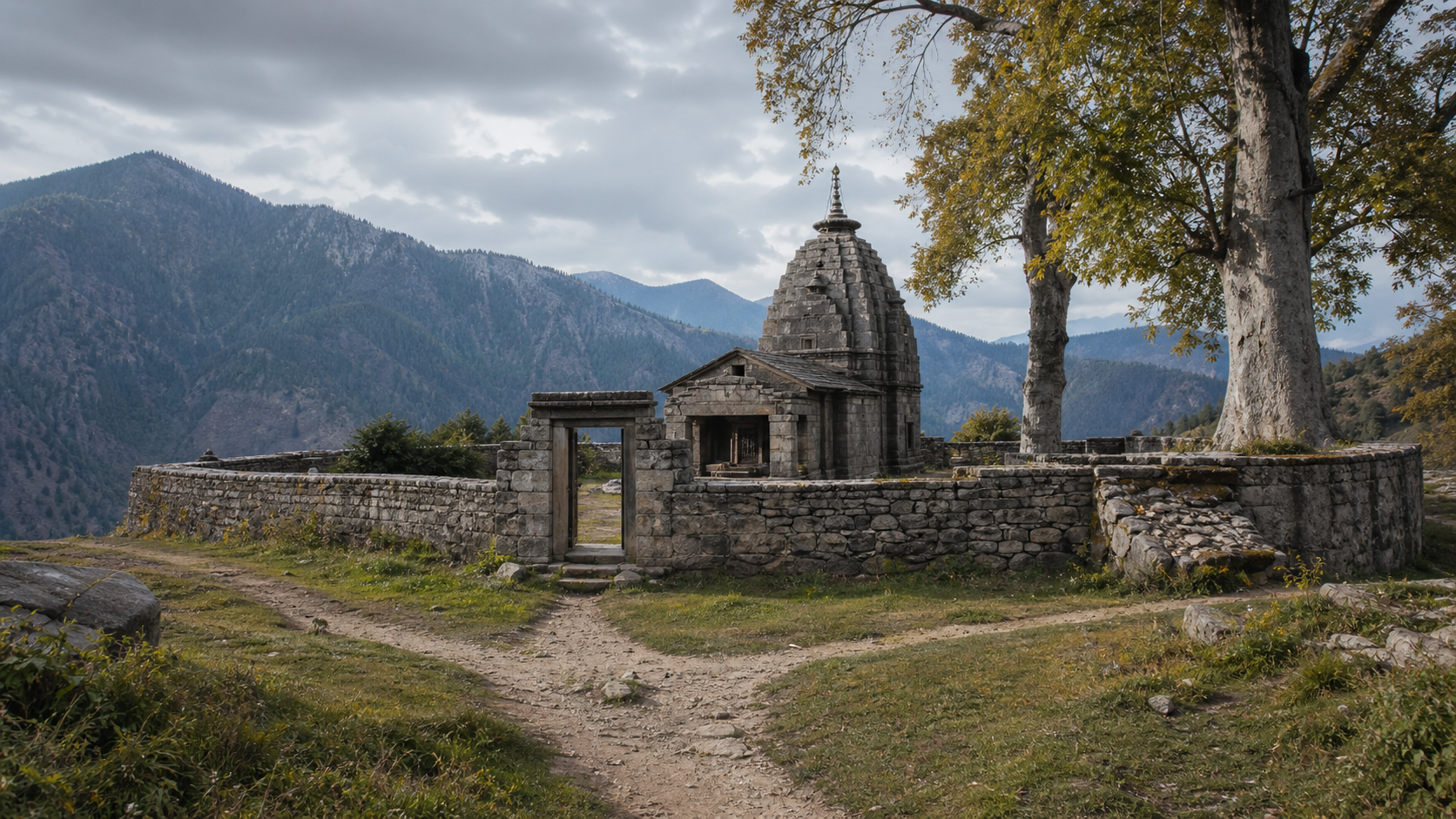
Jammu & Kashmir Assembly Rejects Temple Protection Bill: Deputy CM Invokes Existing LawsWhat Changes Now?

The Jammu & Kashmir Assembly’s rejection of a proposed Hindu Temple Protection Bill, and the Deputy Chief Minister’s reliance on existing statutes, has refocused attention on how sacred spaces are actually protected on the ground. This analysis maps the current legal frameworkfrom constitutional guarantees and IPC provisions to the Places of Worship Act, shrine-specific statutes,…
-
Oxford Union Shockwave: Indian Student Challenges Pakistan’s Kashmir Narrative with History

An Oxford Union exchange featuring Indian student Kautilya Pandit has reignited debate on Kashmir’s demography by foregrounding the exodus of Kashmiri Pandits and the loss of cultural memory. Anchoring his remarks in historical episodesparticularly the 1971 Liberation War and the surrender of 93,000 Pakistani soldiershe pressed for accountability in India–Pakistan relations. His critique of civil–military…