
-
Srila Prabhupada’s Living Bhakti: How Simplicity, Purity, and Love Transform Lives

This in-depth analysis presents Srila Prabhupada as a True Guru whose simplicity, purity, and love operationalized the Bhakti Tradition in modern life. Grounded in Bhagavad Gita and Srimad-Bhagavatam, it explains guru-tattva, paramparā, and the practical mechanics of sadhana-bhakti. The piece highlights how pastoral warmth and ethical clarity work together to produce durable transformation. It examines…
-
From Atheism to Bhakti: How Srila Prabhupada Guided Visakha Devi Dasi Toward Lasting Fulfillment
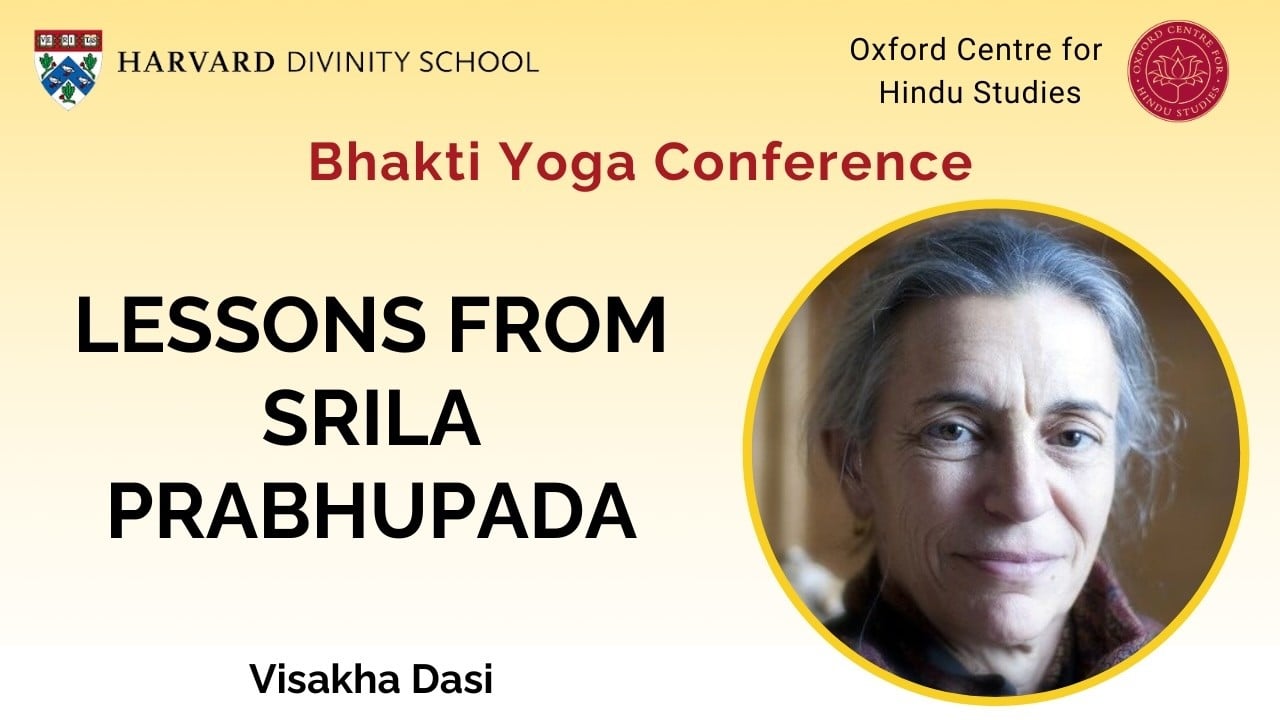
This long-form analysis traces Visakha Devi Dasi’s movement from atheism to Bhakti Yoga through Srila Prabhupada’s guidance, situating her experience within Vedic philosophy and contemporary inquiry. It explains how structured practiceschanting, study, seva, and communityoffer a replicable methodology for lasting fulfillment. The discussion clarifies the ninefold processes of bhakti, the epistemic role of the Guru-Shishya…
-
Transforming Longing into Living Presence: Arcana, Bhakti-Yoga, and Inclusive Community Darshan
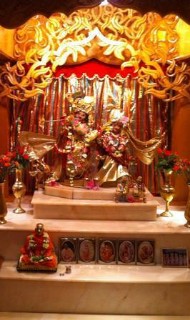
This essay examines why humanity’s longing to see the Divine is a significant experiential datum and explains how arcana (Deity Worship) in bhakti-yoga translates that longing into a disciplined, living encounter. It clarifies the archa-avatara understanding of the deity, situates arcana among the nine processes of devotion, and outlines a rigorous, scalable model for congregational…
-
When Darkness Falls: Vedic Science of Twilight, Tamas, and Transformative Evening Rituals

Dusk in Hindu tradition is not superstition but a precise window for inward recalibration, grounded in Vedic wisdom about the guṇas and circadian rhythms. This long-form analysis explains how rising tamas at sunset, properly guided, supports rest, clarity, and ethical closure. It details the technical structure of sandhyā-vandanam, the timing and purpose of pradoṣa-kāla, and…
-
Prayer Is the Voice of the Soul: Timeless Dharmic Science for Healing, Clarity, and Grace

This article unpacks the Hindu teaching “Prayer is the voice of the soul” as a precise, reproducible inner science shared across Hinduism, Buddhism, Jainism, and Sikhism. It explains technical frameworks such as vāk (levels of speech), Pancha-kosha viveka (five sheaths), and the discipline of japa, dhyana, and pranayama. Readers gain a clear practice framework that…
-
A Triplicane Teacher’s Encounter with Ramana Maharshi: Silence, Self-Inquiry, and Grace
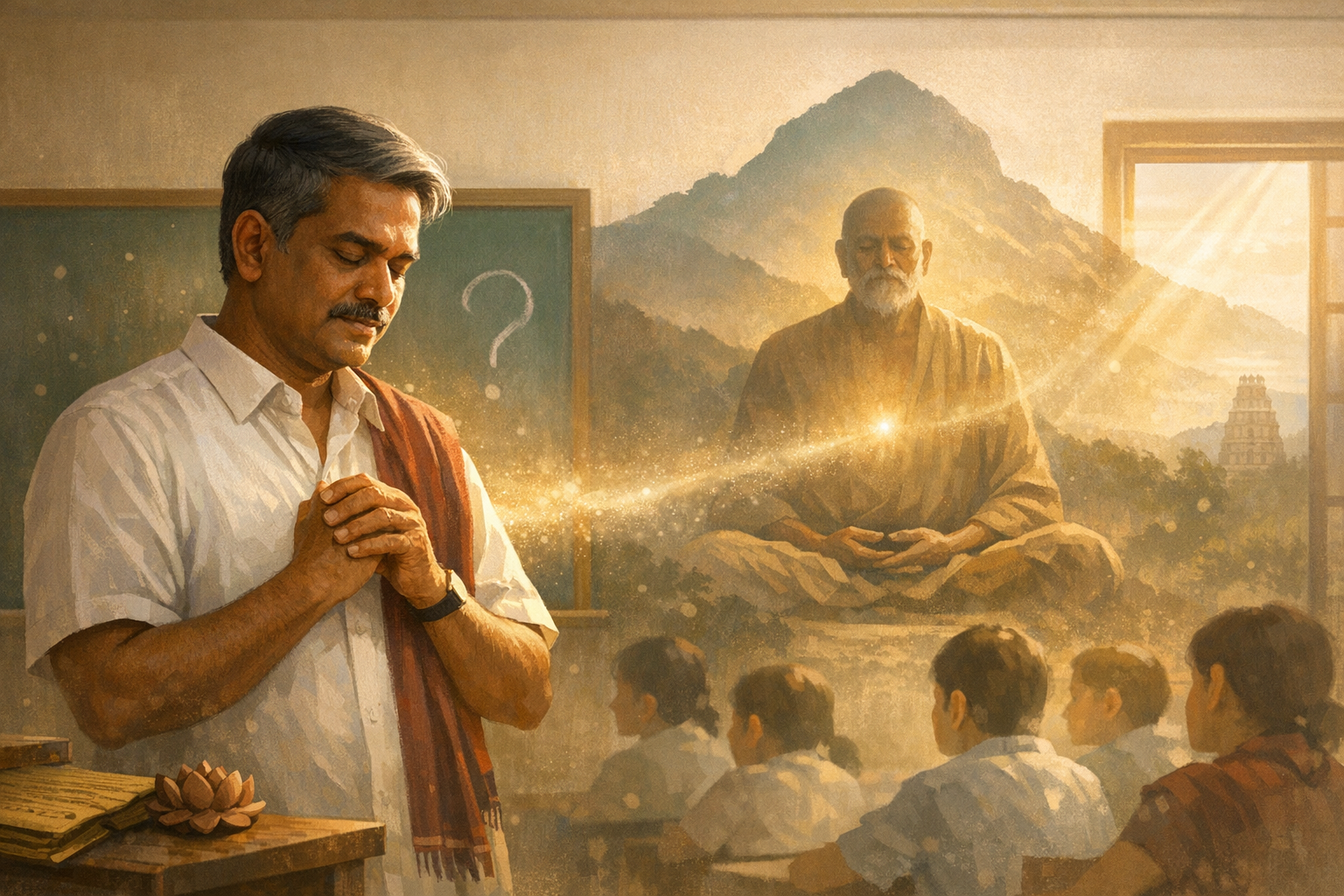
Set in the 1980s at Hindu Higher Secondary School, Triplicane, this reflective account presents a teacher’s encounter with Ramana Maharshi and situates it within Advaita Vedanta. It clarifies the core of self-inquiry (“Who am I?”), explains how silence functions as a rigorous pedagogical medium, and shows how contemplative insight can enrich classroom ethics and student…
-
Beyond Ego (Ahamkara): Atman, Attachment, and Liberation across Hindu, Buddhist, Jain, Sikh Paths

This comprehensive analysis explains how Hinduism, aligned with Buddhism, Jainism, and Sikhism, understands internal attachment as self-identification with ego (ahamkara/asmita). It clarifies core doctrinesAtman–Brahman, avidya–adhyasa, and the Yoga kleshaswhile mapping practical methods in Karma Yoga, Bhakti, Jnana, and Raja Yoga. Readers gain a technical yet accessible framework using Pancha Kosha Viveka, samskara theory, and Gita-based…
-
From Fearlessness to Surrender: Prabhupada’s Doctrine of Divine Protection at ISKCON Mombasa

This reflection from ISKCON Mombasa distills how A. C. Bhaktivedanta Swami Prabhupada’s life fuses bold action with śaraṇāgati to reveal the true meaning of divine protection. It clarifies Gita-based principles (18.66, 9.22, 9.31) and the six limbs of surrender, showing that protection preserves and deepens bhakti rather than promising a risk-free life. Scriptural exemplars like…
-
Breaking the Invisible Cage: Hindu Dharma on Renewal, Impermanence, and Dynamic Living

Modern routines can harden into an invisible cage, but Hindu Dharma treats life as ceaseless transformation rather than fixed habit. This essay explains why stagnation is a spiritual peril, using core ideas such as samskara, gunas (sattva–rajas–tamas), abhyasa–vairagya, and rita. It distinguishes lifeless routine from living rhythm, showing how nitya- and naimittika-karmas, pranayama, dhyana, and…
-
Honoring Senior Devotees: Cultivating Humility, Strength, and Unity in Dharmic Life

Appreciating senior devotees is a disciplined expression of Vaisnava etiquette that advances purification and steadies bhakti. Seen through the lens of the Guru-Shishya Relationship, respect for elders functions as sadhana by transmitting lived virtues through satsanga and seva. Early arrogance often stems from ignorance of history; understanding the sacrifices of senior devotees, including those who…
-
Unlocking Swayamprabha’s Inner Light: Ramayana Symbolism, Feminine Resilience, and Modern Relevance

Swayamprabha’s brief yet pivotal appearance in the Ramayana illuminates how inner luminosity, disciplined through tapas and expressed as seva, can convert heartbreak into creative momentum. Positioned in the Kishkindha Kāṇḍa, her guidance reorients Hanuman’s search party from a dazzling cave of māyā back to purpose, modeling threshold guardianship and ethical hospitality. The symbolism converges with…
-
Beyond 24×7 Devotion: A Dharmic Guide to Spiritualizing Every Daily Action

Many assume spirituality requires unbroken prayer or constant meditation. Dharmic traditions, led by the Hindu way of life, offer a more practical path: spiritualize each action through intention, ethics, and mindful presence. Grounded in the Bhagavad Gita’s teachings on Karma Yoga, īśvara-arpana-buddhi, and prasāda-buddhi, this approach consecrates work without withdrawing from responsibility. The Pañca-Mahā-Yajña translates…
-
On the Banks of Mother Ganga: Immersive Kirtan, Mantra Science, and Dharmic Unity in Rishikesh

Set in Rishikesh on the banks of Mother Ganga, this in-depth exploration of Rishikesh Kirtan Fest explains how communal chanting, breathwork, and meditation combine to create a sustained field of devotion and learning. It defines kirtan within the Bhakti Tradition, outlines its musical architecture, and connects mantra practice to contemporary insights in neuroscience and physiology.…
-
Uddhava Chitguna of Tharoor: How Bhakti and Perumal Worship Nurtured Community Spirit
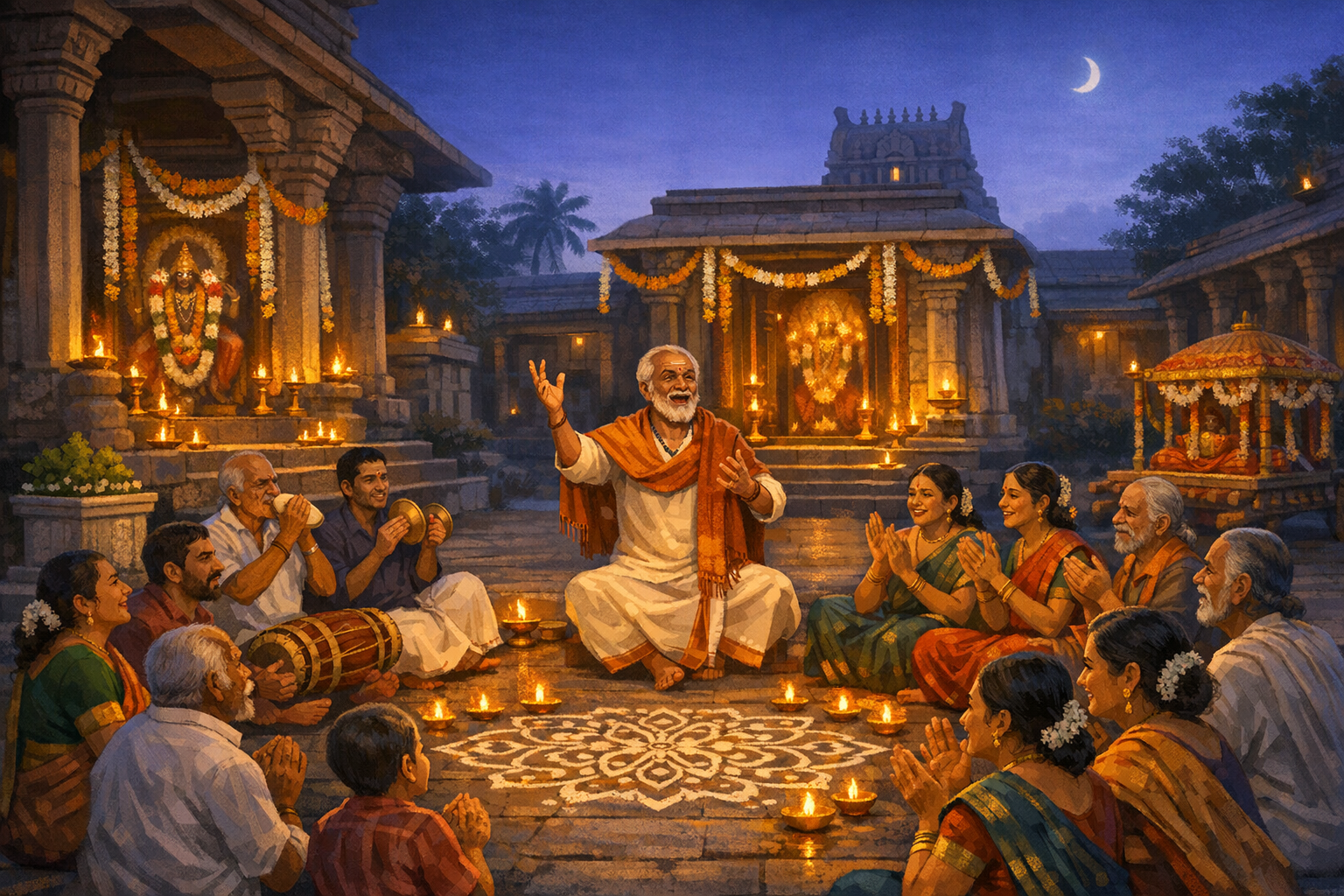
Tharoor’s devotional memory preserves the figure of Uddhava Chitguna, a pilgrim who worshipped Perumal and enacted the Lord’s pastimes at night, delighting the community. Placed within the Bhakti Tradition and Vaishnavism, this narrative illustrates how lila, Harikatha, and temple-centered seva translate scripture into lived experience. The technical rhythms of Agama-guided worship and the aesthetics of…
-
Shaubhari Muni’s Fall and Redemption: A Bhagavatam Lesson on Pride, Grace, and Sense Control
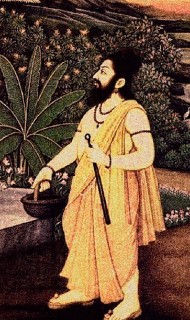
The Ninth Canto narrative of Shaubhari Muni in the Srimad Bhagavatam offers a rigorous lesson on the limits of yogic power without humility and divine grace. A single offense to Garuda precipitates the muni’s vulnerability to Maya, demonstrating how aparadha toward saintly beings clouds discernment and destabilizes sense control. The episode traces a full arcasceticism,…
-
Swami Samarth Prakat Din 2026: Sacred Date, Living Legacy, and Akkalkot Observances

Swami Samarth Prakat Din 2026 falls on March 20 and honors the sacred appearance of Swami Samarth Maharaj of Akkalkot in the Dattatreya Tradition. The observance highlights guru-tattva through puja, parayan, and seva in temples and homes. Akkalkot hosts abhisheka, aarti, kirtan, and anna-dana, while devotees worldwide engage in simple home rituals, mantra-japa, and charitable…
-
Ecstatic Love Unveiled: Sri Radha’s Luminous Eyes and Krishna’s Supreme Rasa Alchemy
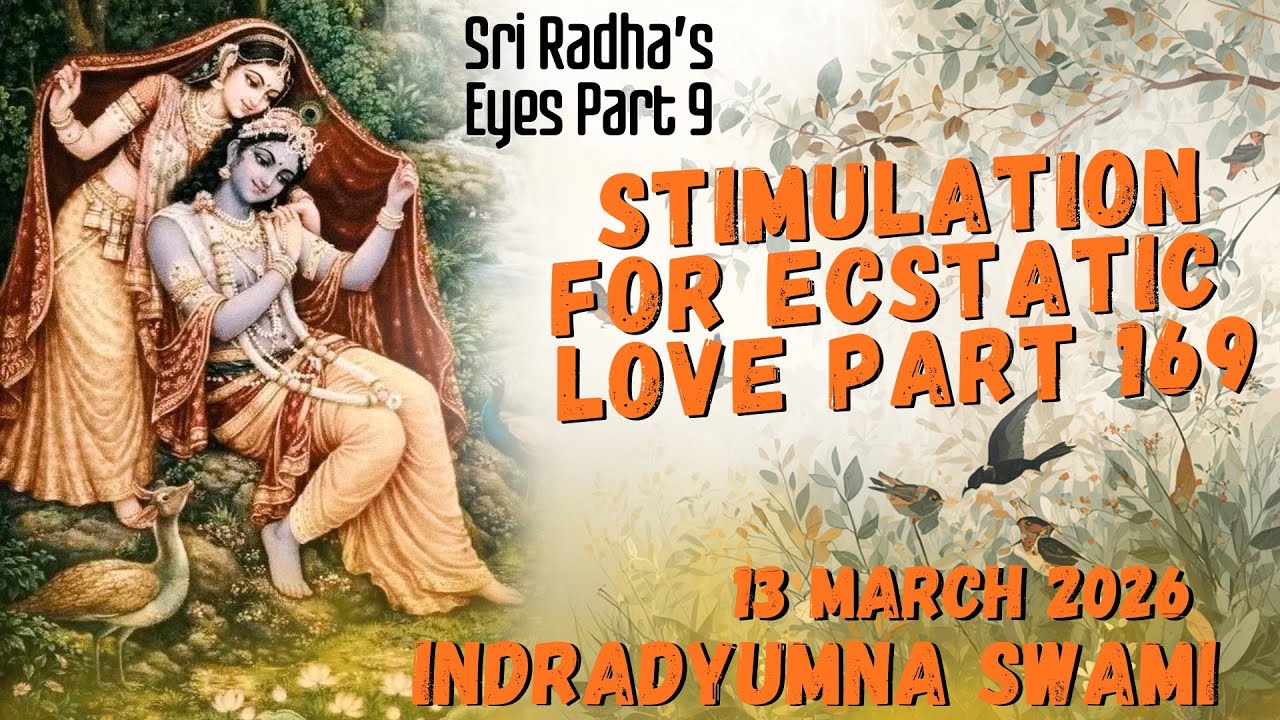
This concluding essay in a nine-part exploration of Sri Radha’s eyes situates Her gaze within the Gaudiya Vaiṣṇava theology of mahabhāva and Kṛṣṇa’s sovereignty over spiritual rasa. It explains how the classical elements of rasavibhāva, anubhāva, vyabhicāri-bhāvas, and sthāyī-bhāvailluminate the devotional and symbolic power of Rādhā’s eyes. Drawing on Hindu scriptures and devotional poetics, it…
-
Goat Horns in Hinduism: Fearless Strength, Agni’s Fire, and the Sacred Path of Inner Ascent
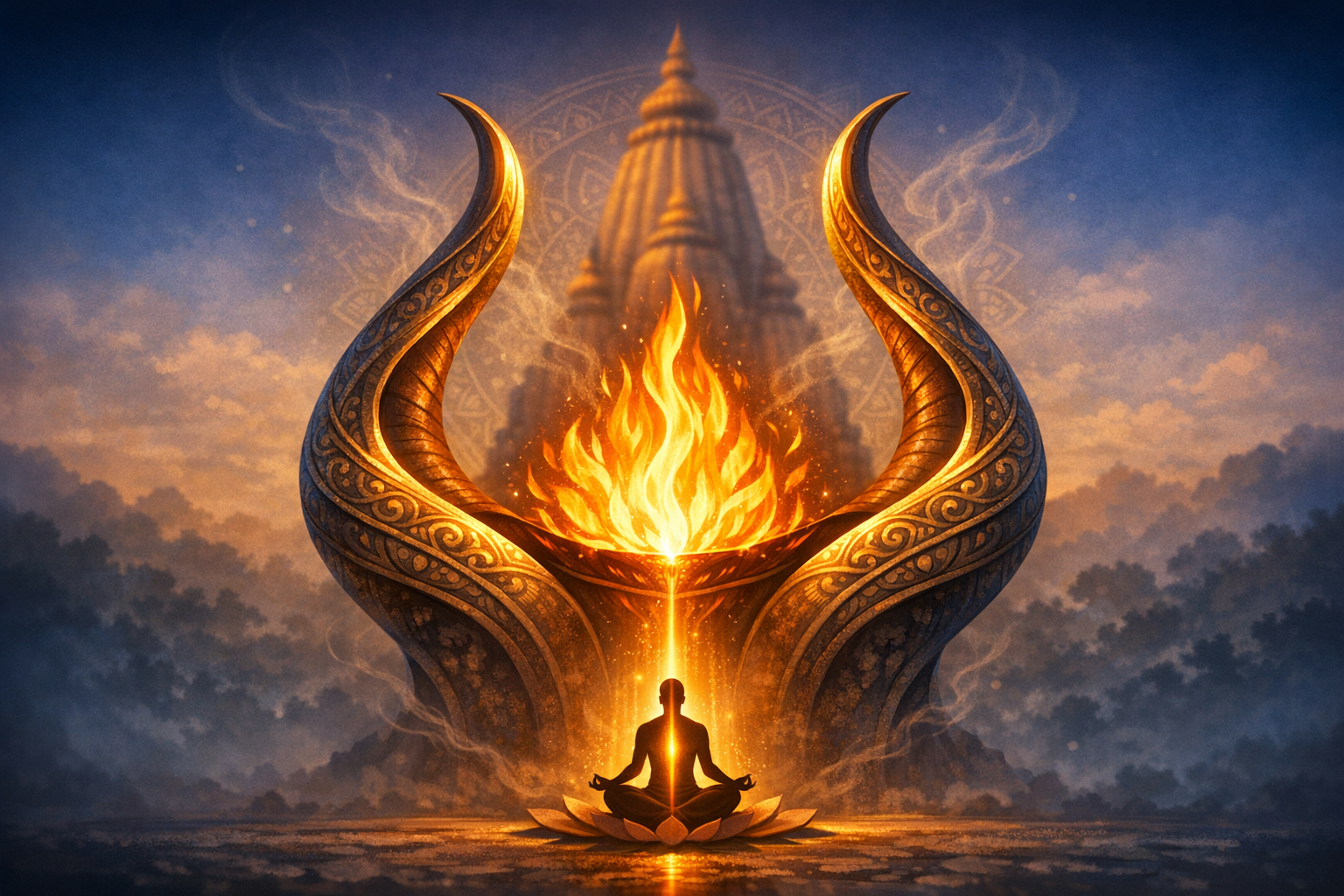
Goat horns serve as a compact teaching in Hindu symbolism, fusing Agni’s purifying fire, Kshatra-dharma’s disciplined courage, and yoga’s inner ascent. Philological nuances (ajā, chāga, meṣa, śṛṅga) and Vedic references frame the motif’s depth and legitimacy. Iconography, temple architecture, and ritual soundscapes reinforce an upward vector from density to clarity, akin to kundalinī rising along…
-
Shiva–Shakti Raasa Leela: Unveiling the Cosmic Dance of Love, Consciousness, and Creation
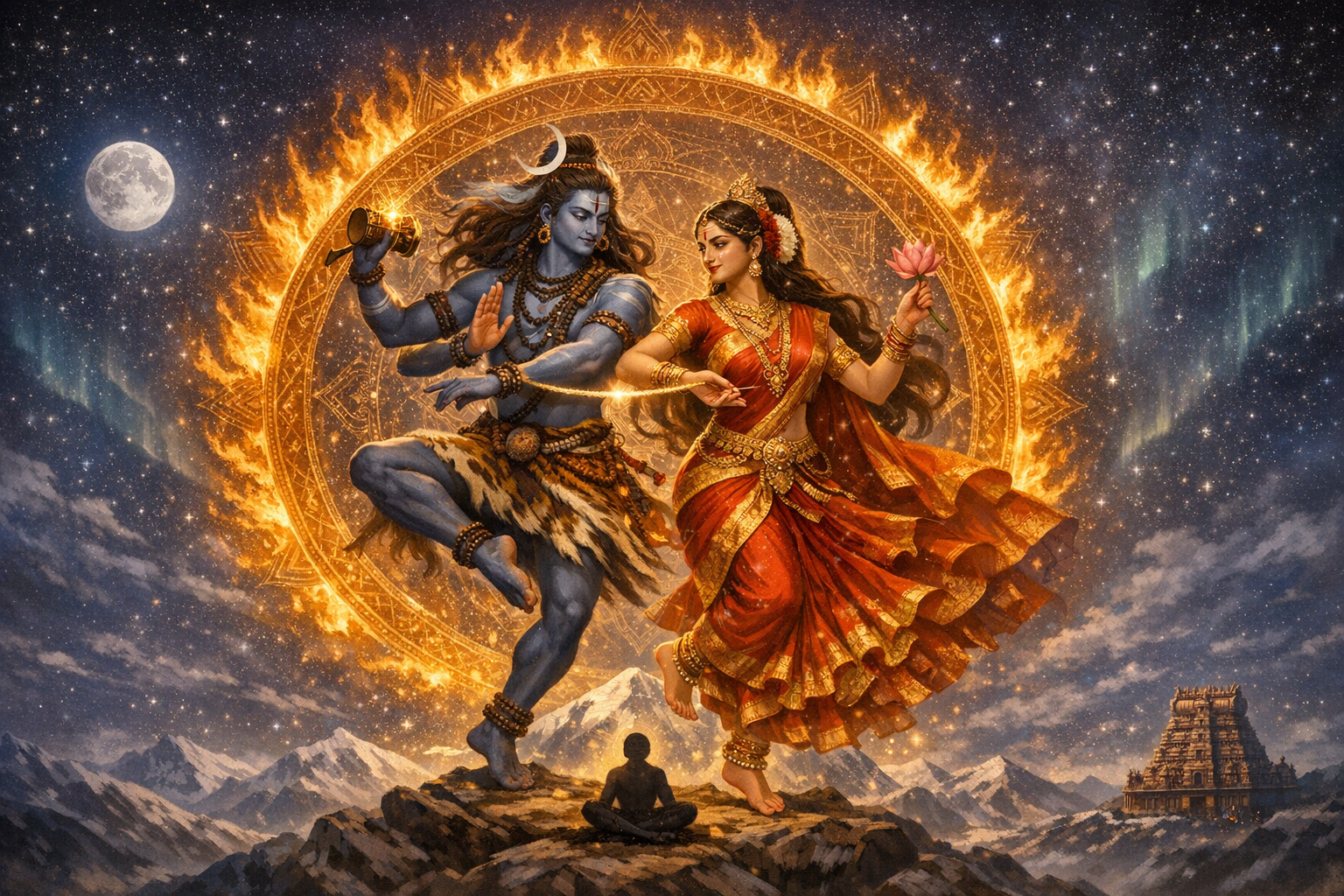
Shivashakti Raasa Leelaalso known as Sri ShivShakti Rasalilapresents the union of Śiva and Śakti as a continuous dance and embrace that render Shaiva metaphysics visible and livable. Anchored in Natyashastra aesthetics, Shaiva Āgamas, and Kashmir Shaivism’s rasa theory, it interprets creation as spanda (vibration) and devotion as aesthetic savoring (rasa). Iconography of Śiva Naṭarāja, Somāskanda,…
-
Kamyakali Unveiled: The Desire-Fulfilling, Fierce-Compassionate Power of Goddess Kali

Kamyakali is venerated in Shakta traditions as a form of Goddess Kali who unites fierce protection with maternal compassion while fulfilling desires aligned with dharma. The discussion clarifies the Sanskrit root of kāmya, connecting it to ethical, purpose-driven worship rather than unexamined craving. It explores Kali’s core iconography and explains how Kamyakali highlights blessing gestures…