
-
Spirituality of Nature: Sacred Dharmic Wisdom, Science-Backed Healing, Inner Resilience

This long-form guide presents an academic yet accessible exploration of the spirituality of nature across Hinduism, Buddhism, Jainism, and Sikhism. It grounds ecological reverence in the Upanishads and the Bhagavad Gita, links practices like mindfulness and pranayama to measurable health benefits, and shows how Ahimsa and Aparigraha become daily Environmental stewardship. Readers gain a stepwise…
-
Special Knowledge and Bhakti Wisdom in Uithoorn, Netherlands: HH SB Keshava Swami’s Insights
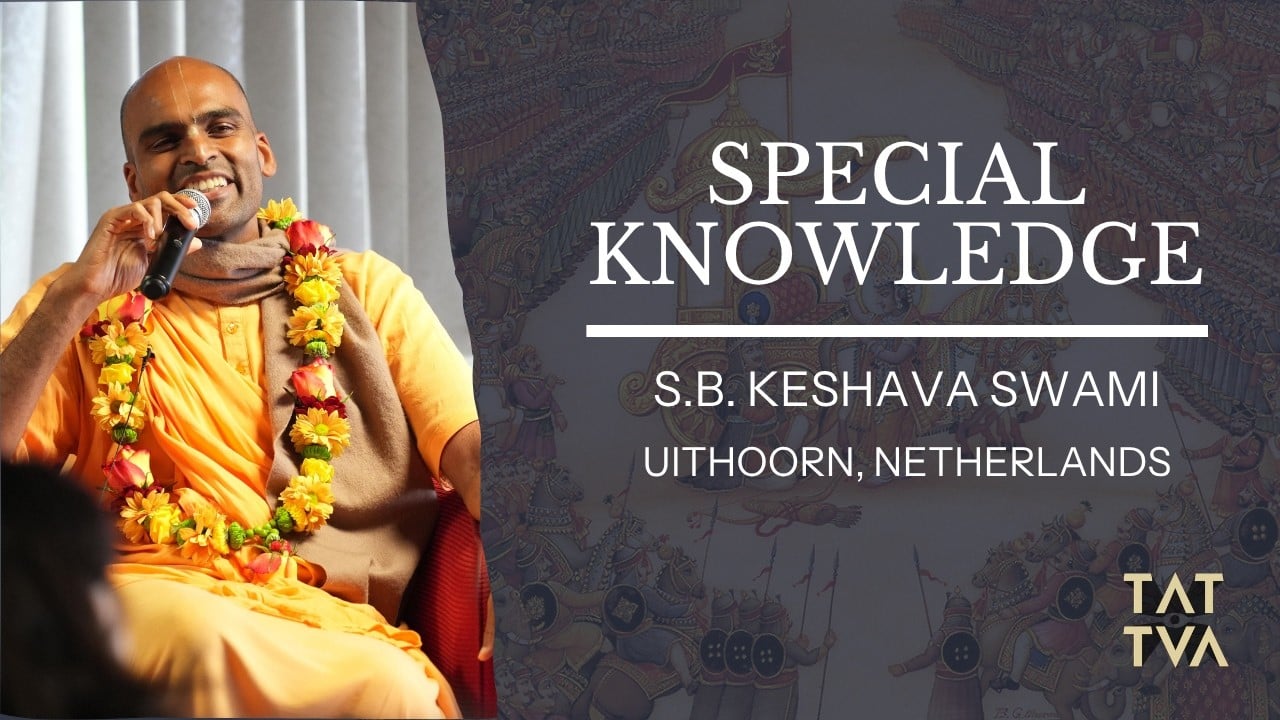
A thoughtful gathering in Uithoorn, the Netherlands (28.05.2025) honored HH SB Keshava Swami (Svayam Bhagavan Keshava Swami) and explored the theme of Special Knowledge through the lens of Gaudiya Vaishnavism. This analysis clarifies the distinction between jnana and vijnana, showing how knowledge matures when grounded in scripture, practice, and community. It outlines Indian epistemology’s core…
-
Timeless Power of the Guru–Shishya Bond: Ancient Hindu Pedagogy That Shapes Character and Society

The Guru–Shishya tradition is a civilizational pedagogy that unites knowledge with character, shaping both competence and conscience. Drawing on the Upanishads and the Bhagavad Gita, it encodes reverence, inquiry, and service as the ethics of learning. Gurukulas integrated study with daily life, training the mind through śravaṇa–manana–nididhyāsana and broad curricula from Veda and Vedāṅgas to…
-
Pournami Deepa Puja Explained: Sacred Science and Spiritual Power of Full-Moon Lamps

Pournami Deepa Puja (Deepa Pooja on the Full Moon) brings together ritual precision, contemplative focus, and communal warmth through the shared act of lighting lamps. Rooted in Vedic invocations to Agni and elaborated in Puranic-Agamic practice, the rite uses a living flame to link outer worship with inner steadiness. Aligning with the Full Moon’s clarity,…
-
Surrender that Liberates: How Dāsa‑Bhāva Shapes Bhakti, Seva, and Dharmic Unity

The Bhakti concept of “dasa” (dāsa)a chosen identity of loving service and surrenderanchors Hindu spirituality in a disciplined ethic of humility, seva, and śaraṇāgati. Grounded in scriptural sources like the Bhagavad Gita and Srimad Bhagavatham, dāsya-bhāva appears across Vaishnava, Śaiva, and Śākta traditions and is elaborated by Ramanujacharya, Madhvacharya, and Chaitanya Mahaprabhu. It flourishes in…
-
ISKCON Salem in Tamil Nadu: Transformative Bhakti, Kirtan, and Unforgettable Temple Hospitality
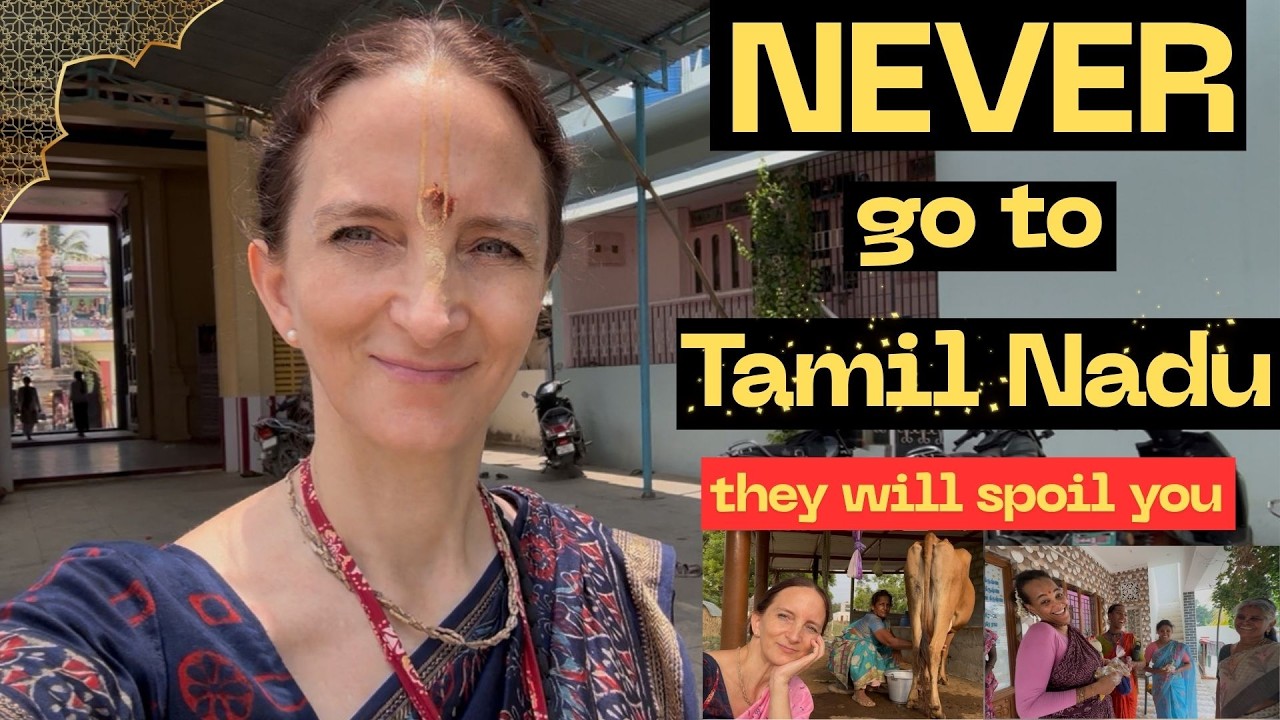
ISKCON Salem in Tamil Nadu is widely appreciated for a rare blend of devotional rigor and disarming hospitality. A clear daily schedulearati, kirtan, japa, scriptural study, and prasadamhelps first-time visitors engage without uncertainty. The community’s service ethos, rooted in bhakti-yoga and atithi devo bhava, makes participation easy and meaningful for all ages. Kirtan’s call-and-response format…
-
Maya’s Illusion of ‘Normal’: A Dharmic Inquiry into Avidya, Bhakti, and Our True Belonging

This essay examines how Maya manufactures a persuasive sense of normalcy in material life and how dharmic traditions respond. Drawing on Gaudiya Vaishnava insights and Srila Prabhupada’s teachings, it argues that life without love and service to the Divine is an abnormal state for consciousness. It synthesizes parallel perspectives from Buddhism, Jainism, and Sikhism, showing…
-
HG Daivi Shakti Mataji on Srila Prabhupada Lilamrita: Unveiling a Transformative Gaudiya Legacy
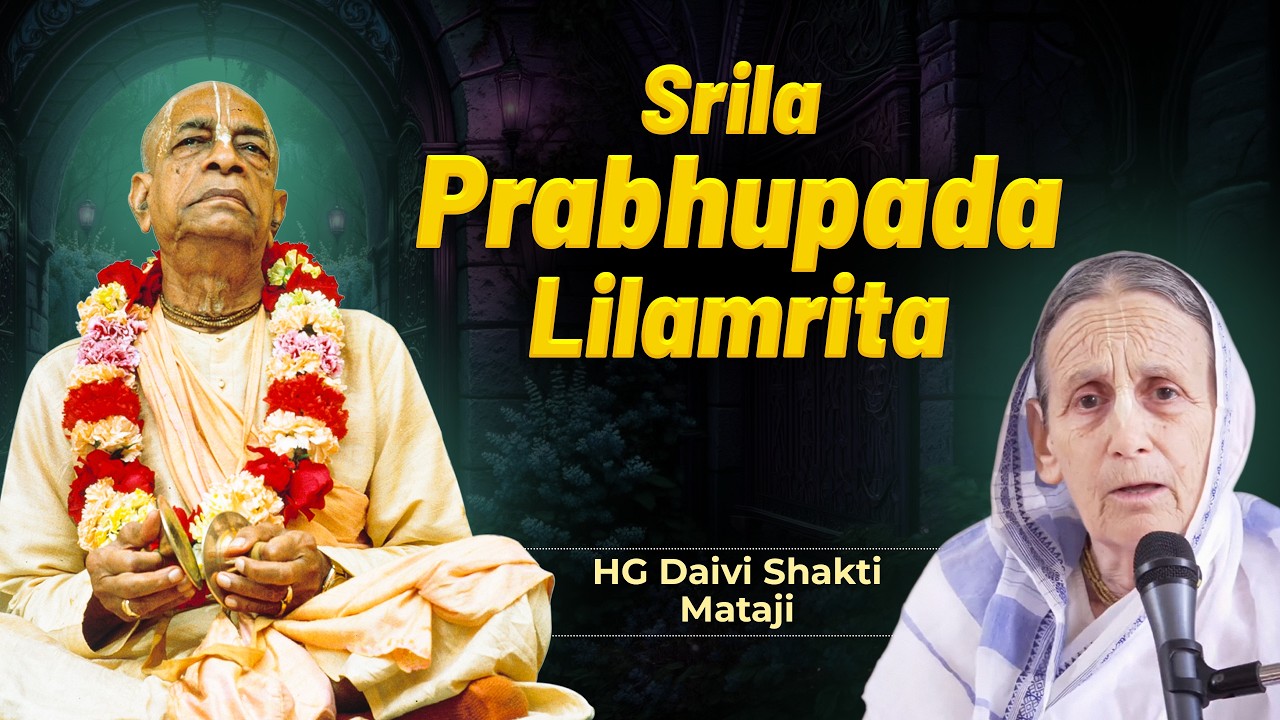
This analysis situates HG Daivi Shakti Mataji’s focus on Srila Prabhupada Lilamrita within a rigorous, source-aware approach to Gaudiya Vaishnavism. It explains how the biography blends archival research, oral histories, and textual study to illuminate Srila Prabhupada’s life, teachings, and institution-building. Readers gain a clear framework for studytriangulating letters, interviews, and BBT records while appreciating…
-
Srila Prabhupada in Living Memory: HG Pancharatna Das on Bhakti and ISKCON Sunday Feast (03 May 2026)
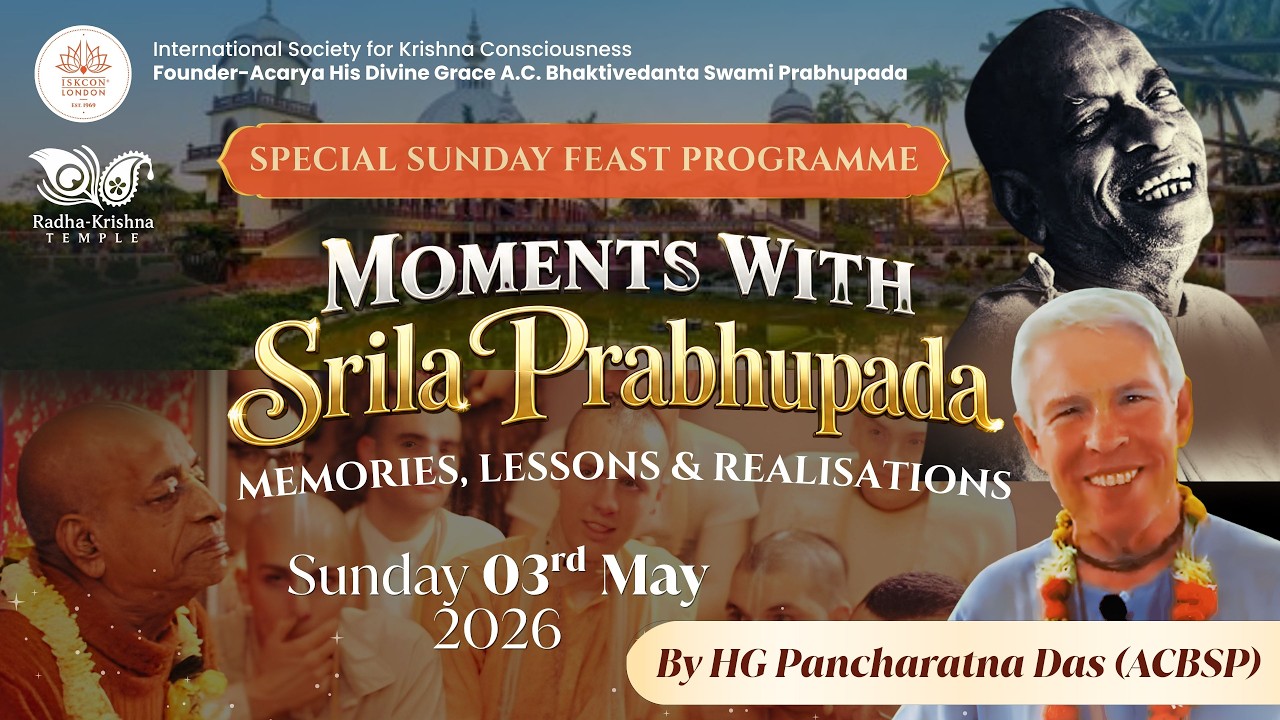
This long-form analysis of “Moments with Srila Prabhupada,” a Sunday Feast talk by HG Pancharatna Das on 03 May 2026, examines how living memory functions as a disciplined pedagogical tool in the Bhakti Tradition. It explains the ISKCON Sunday Feast as a triadic pedagogykirtan, philosophy, and prasadamthat translates scripture into embodied practice. The piece situates…
-
Honoring HG Agnideva Prabhu’s Timeless Kirtan Legacy and Devotional Service to Srila Prabhupada

HG Agnideva Prabhu, a legendary ISKCON kirtaneer, passed away, and devotees around the world responded in prayerful unityincluding a Zoom kirtan with about one hundred participants captured at 2 pm NZ time. This tribute situates his life within Gaudiya Vaishnavism’s sankirtana tradition while offering a technical view of kirtan’s modal frameworks, tala choices, instrumentation, vocal…
-
Campus Bhakti Outreach: How a Little Extra Effort Turns Sankirtan into Lasting Dialogue

A week of campus outreach led by Madhavendra Puri Prabhu and a colleague demonstrated how Sri Caitanya Mahaprabhu’s sankirtan movement can be presented academically, ethically, and inclusively. The team paired conversation-led book distribution with an experiential Bhakti Yoga class that combined breath, kirtan, and open dialogue. Small, deliberate effortsclear summaries, QR-linked reading plans, and respectful…
-
Modern Love, Ancient Bhakti: How Krishna’s Wisdom Transforms Youthful Desire into Dharma

This article reframes the turbulence of modern romance through Krishna-centered bhakti, showing how desire (kāma) matures into expansive love (prema) when guided by dharma. Drawing on the Bhagavad Gita and Srimad Bhagavata Purana, it explains the cognitive arc of attachment and offers a practical sequenceśravaṇa, kīrtana, smaraṇa, and sevāto steady attention, study, and relationships. Yoga’s…
-
Krishna as the Highest Pleasure: Evidence-Based Insights and Dharmic Practices for Joy

The name Krishna is traditionally associated with paramānandathe highest pleasurelinking sacred sound to a complete philosophy of enduring happiness. Drawing on the Upaniṣads, the Bhagavad Gita, and the Bhagavata Purana, this analysis explains how fleeting, sense-based sukha differs from stable spiritual joy, and why cultivating a “higher taste” transforms desire rather than suppresses it. Navadha-bhakti,…
-
When a Village Dog Joined the Kirtan: Compassion and Dharma on ISKCON Maharashtra Padayatra

During an ISKCON Maharashtra Padayatra, a village dog quietly joined the evening nagar sankirtan, offering a vivid case study in compassion expressed through public devotion. The incident illustrates how bhakti practice, sound, rhythm, and calm human posture can create a sense of safety recognizable even to animals. A cross-dharmic lensdrawing on Hindu daya and ahimsa,…
-
Spiritual Thirst: Building Unshakable, Heartfelt Devotion across Dharmic Traditions

Spiritual thirst is the disciplined, whole‑hearted longing for the Divine or ultimate truth, expressed across Hinduism, Buddhism, Jainism, and Sikhism through listening, singing, remembrance, contemplation, and seva. Drawing on Yoga Sutra principles such as tivra samvega and nairantarya abhyase, it emphasizes intensity and unbroken practice over half‑hearted effort. The Varkari saints exemplify steadiness through kirtan,…
-
CinemaCon Stunned into Silence: Vidyut Jammwal’s Gayatri Mantra Elevates Street Fighter Launch

At CinemaCon in Las Vegas, the Street Fighter trailer launch paused for an unexpected moment of contemplation when Vidyut Jammwal chanted the Gayatri Mantra after brief invocations to the sun and moon. The auditorium’s energy shifted from high-decibel anticipation to attentive silence, with many audience members closing their eyes. The clip quickly went viral, widely…
-
Ecstatic Love in Focus: Sri Radha’s Enchanting Glance and the Science of Sacred Vision
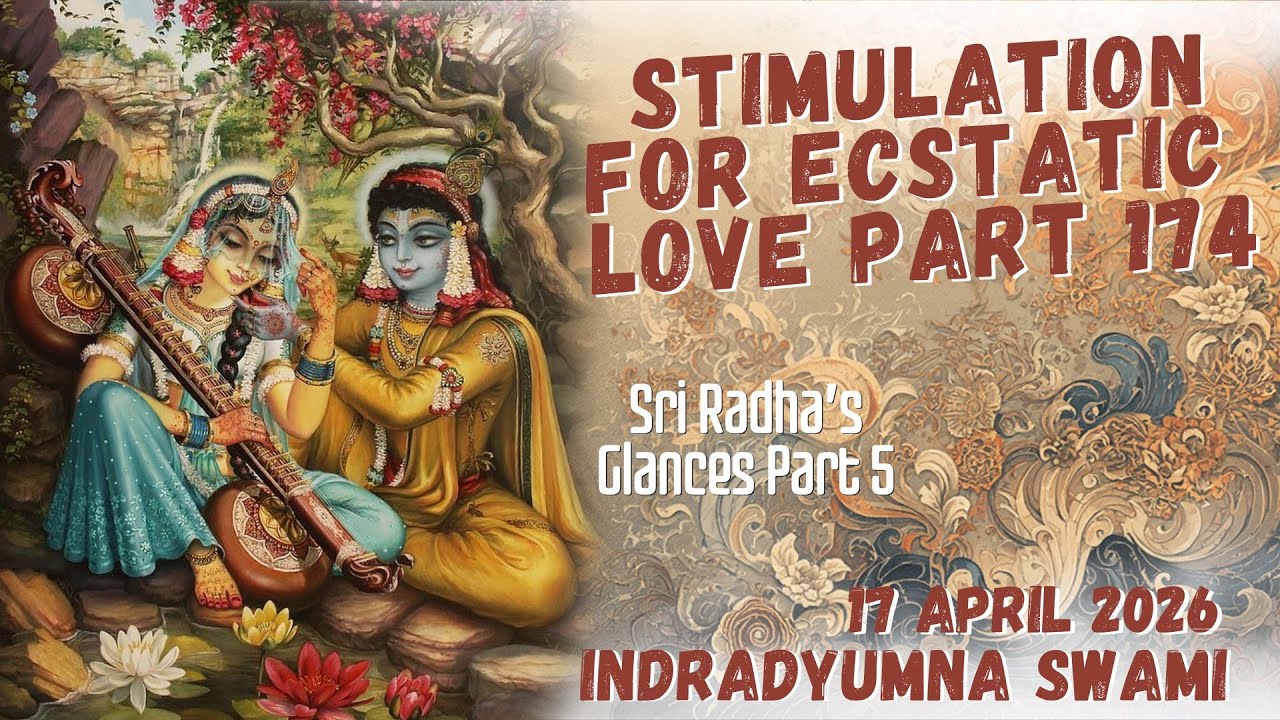
This in-depth exploration examines the devotional, aesthetic, and contemplative significance of Srimati Radharani’s eyes and glances in the Bhakti Tradition. Grounded in a verse attributed to Madhvacharya and supported by Brahma-samhita, Gita Govinda, and Gaudiya commentaries, it shows how Sri Radha’s glance functions as a conduit of divine grace. The article integrates classical Indian aesthetics…
-
Timeless Letters of Srila Prabhupada: Personalized Guidance in the Guru–Shishya Tradition
This in-depth exploration examines how the personal letters of His Divine Grace A.C.B. Swami Prabhupada formed a living reservoir of guidance for the early Hare Krishna movement. Written from 1966 onward, the correspondence reveals a method of teaching that anchors shastra in practical, day-to-day decisions. Readers discover how personalized counsel sustained steady progress in bhakti…
-
Timeless Grace Beyond Scholarship: Women’s Devotional Intelligence Unifying Dharmic Traditions
This essay reframes spiritual intelligence through a Dharmic lens, showing how sincerity of purposeexpressed through bhakti, seva, and ethical disciplineelicits transformative results more reliably than scholastic display alone. It grounds this claim in Indian epistemology (pramana), the Bhagavad Gita, and parallel concepts in Buddhism, Jainism, and Sikhism. Historical exemplarsfrom Gargi and Maitreyi to Andal, Mirabai,…
-
Beyond Judgment: Evidence-Based Ways to Cultivate an Empathetic Heart in Dharmic Life
Empathy in dharmic life is a trainable capacity that converts judgment into compassionate action without diluting high standards. This article presents a relatable case from devotional practice, unpacks why critical mindsets arise, and explains how Mindfulness and Self-awareness interrupt the cycle. Readers learn evidence-based distinctions between empathy, compassion, and pity, along with practical protocols such…