
-
Sri Radha’s Transcendent Eyes and the Guru’s Gaze: Ecstatic Love, Purifying Grace
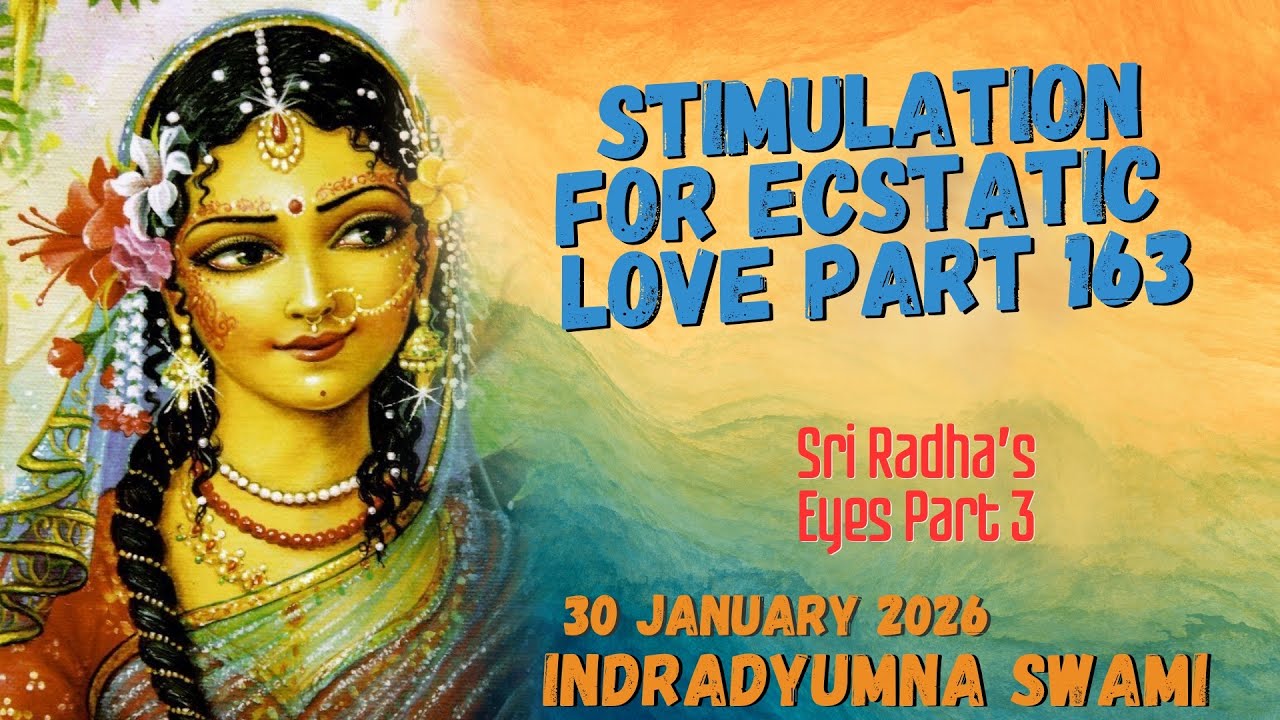
This analysis presents Sri Radha’s eyes as the highest emblem of ecstatic love for Krishna and links that vision to the purifying grace of the guru’s compassionate glance. Readers gain a clear understanding of how darshan functions in the Bhakti Tradition to transform attention, soften the heart, and support steady practice. The lecture’s themes are…
-
Karungali Malai (Ebony) Mala: Holistic Benefits, Japa Methods, Care Tips, and Dharmic Harmony

Karungali Malai (Ebony Wood Mala) has drawn widespread interest for its grounding symbolism and practical utility in meditation and japa. Traditions across Hinduism, Buddhism, Jainism, and Sikhism use malas to cultivate focus, illustrating unity in spiritual diversity. While some question metaphysical claims, an experiential approachconsistent practice over timeoffers a fair assessment of value. The mala’s…
-
Transform Material Cravings into God-Centered Bhakti: A Dharmic Guide to Lasting Peace

This essay explains the shift from a life centered on the mind and senses to a God-centered life of bhakti in Hindu spirituality. It clarifies how material attachments create instability while devotion to Krishna offers ethical clarity and inner peace. The discussion highlights practical ways to re-center daily choices, including contemplation, japa, meditation, and seva.…
-
Conquering the Fear of Death through Krishna Consciousness: Lessons from Maharaja Parikshit
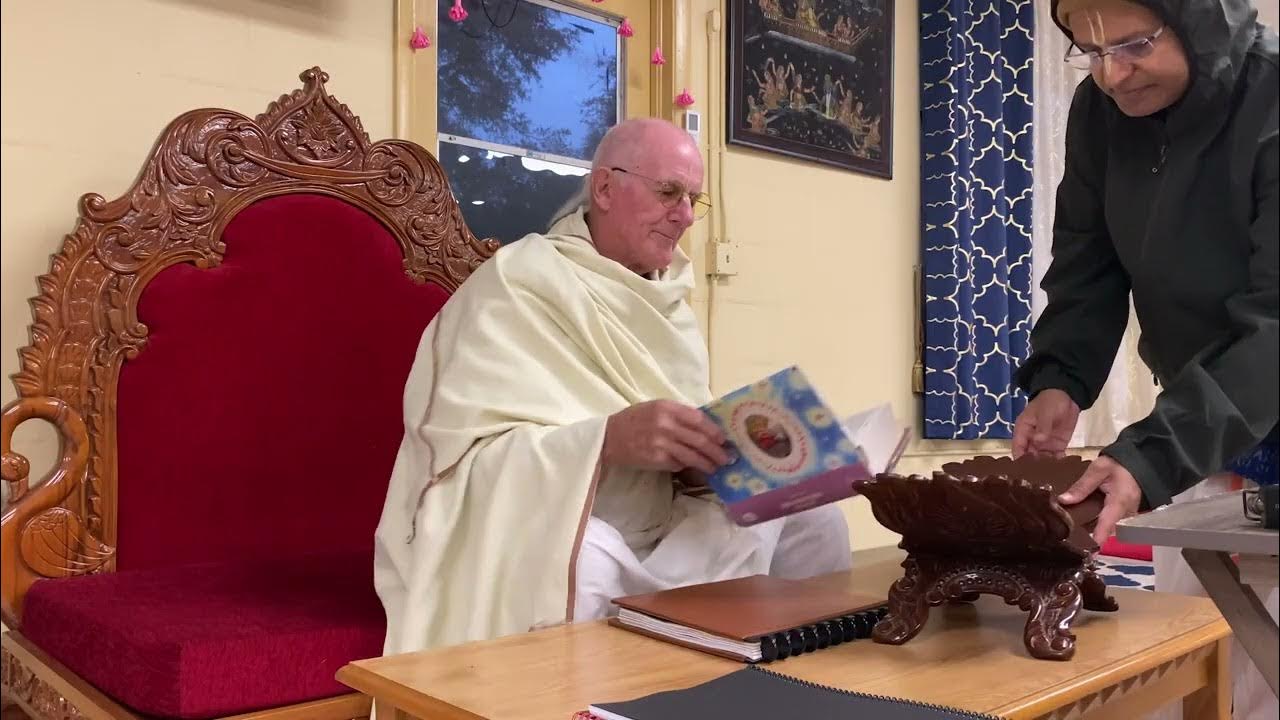
This reflection on Srimad Bhagavatam presents how Krishna consciousness transforms the fear of death into composure and clarity. Using Maharaja Parikshit’s fearless surrender as a living example, it explains that consistent remembrance of Vishnu/Krishna dissolves anxiety by anchoring awareness in the eternal nature of the soul. Practical disciplinesscriptural study, japa, kirtan, and ethical servicebuild daily…
-
From Saint Louis to Spiritual Inquiry: HG Sravaniya dasi’s Lifelong Quest for Truth

Her Grace Sravaniya dasi, born in Saint Louis, exemplifies a principled journey grounded in metaphysics, spirituality, and ethical living. Choosing vegetarianism at seventeen, she aligned her life with ahimsa and mindful compassion. Her study of eastern classics reflects a focused search into consciousness and reality, prioritizing inner transformation over external acclaim. Consistently drawn to non-commercial…
-
George Harrison’s ‘My Sweet Lord’: Vaishnava Bhakti, Soulful Longing, and a Bridge to Dharma

This essay examines how George Harrison’s “My Sweet Lord” and related songs convey core themes of Vaishnava bhakti, especially love in separation (vipralambha-bhāva), without claiming spiritual attainment. It shows how mantra, melody, and meaning make Krishna-centered devotion intelligible to global audiences. Readers gain a concise framework for recognizing stages of love in the Bhakti Tradition…
-
Unlock Ishtadevta through Lagna: पंचमेश सूत्र, सरल उपासना, आंतरिक शांति और धर्मिक एकता

A concise, Lagna-based guideline from Jyotisha offers a practical way to contemplate one’s Ishtadevta by focusing on the fifth-house lord (Panchamesh). The maxim“आपकी लग्न कुंडली मैं पंचम भाव का स्वामी गृह (पंचमेश ) आपके इष्ट देव है !”frames a simple, accessible starting point that aligns devotion with the chart’s bhakti-oriented house. Even when doshas create…
-
Sacred Yet Transient: How Hindu Philosophy Illuminates the Soul’s Journey and the Body’s Role

Hindu philosophy presents the body as a sacred yet impermanent vessel for the eternal Atman, a view memorably expressed in Bhagavad Gita 2:22. Understanding this distinction encourages reverence for embodied life while cultivating non-attachment. The model of sthula, sukshma, and Karana Sharira explains experience across physical, mental, and karmic layers, clarifying why ethical action matters.…
-
Kamalakanta Bhattacharya: Bengal’s Mystic of Kali and the Transformative Power of Bhakti

Kamalakanta Bhattacharya (born 1769 CE, Bardhaman) stands among Bengal’s most resonant devotional voices, known for Shyama-centered songs that blend emotional honesty with theological depth. His poetry frames Kali as both cosmic force and compassionate refuge, turning everyday speech into living Bhakti. Hagiographic traditions describe grace-filled interventionsread as spiritual pedagogy that emphasizes surrender, courage, and transformation.…
-
Midwest to London Ashrams: HG Gopimata Dasi’s Inspiring ISKCON Journey of Bhakti
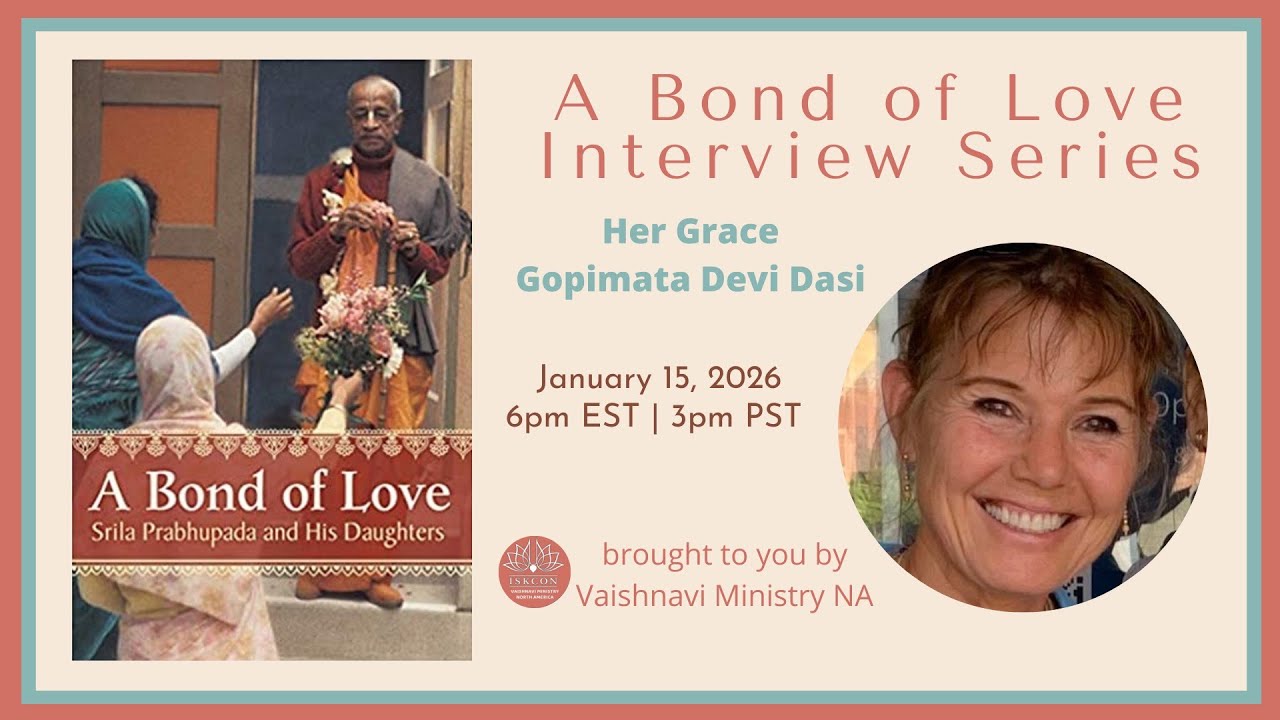
Her Grace Gopimata dasi’s journey moves from Midwest roots to London’s ISKCON ashrams after meeting Srila Prabhupada in 1977. A decade of sankirtan, pujari service, cooking, and performing with the Vaikuntha Players illustrates a disciplined, service-centered path. The narrative situates her experience within a historical moment of ISKCON’s growth, framing bhakti as both personal practice…
-
4 Timeless Disciplines to Sustain Bhakti: Humility, Offense-Awareness, Strong Sanga, Clear Path
Long-term perseverance in the Bhakti Tradition flourishes when four stabilizing disciplines are cultivated: humility, freedom from offenses (aparadha), elevating sanga, and a clear path of sādhana. Humility softens ego and increases receptivity to guidance, making chanting and meditation more attentive. Guarding against offenses protects sacred relationships and aligns with universal dharmic values like right speech…
-
Vrndavana’s Timeless Radiance: An Awe-Inspiring Exploration of Krishna’s Spiritual Abode

Vrndavana is portrayed as a transcendental, self-luminous realm where devotion to Krsna unfolds beyond the limits of time. The gopis, goddesses of fortune, embody pure love, while kalpa-vrksa trees, touchstone earth, and nectar waters express effortless spiritual abundance. Speech becomes song, walking becomes dance, and the flute symbolizes the musicality of devotion. Surabhi cows signify…
-
Beyond Fragrance: Vaikuntha’s Joy of Seva and the Power of Desireless Devotion

The Vaikuntha tradition describes a community that values seva over sensation, regarding even exquisite fragrances as negligible beside the joy of devotion. This perspective clarifies a hierarchy of aims in bhakti: devotion is both the means and the end, surpassing Mukti, Bhukti, and Siddhi. Such desireless devotion purifies intention, rendering the heart fit for the…
-
Master Your Inner World: Hindu Spirituality for Resilience, Clarity, and Courage

Hindu spirituality offers a practical, life-affirming framework for mastering the inner world to meet daily challenges with clarity and courage. Grounded in Dharma and Karma Yoga, it strengthens focus, emotional balance, and ethical action without retreating from responsibility. Across dharmic traditionsHinduism, Buddhism, Jainism, and Sikhismshared practices like mindfulness, ahimsa, and seva build resilience and compassion.…
-
Bhagavata Saptaham: A Seven-Day Bhakti Journey through Kerala’s Timeless Living Heritage

Bhagavata Saptaham in Kerala offers a seven-day immersion in the Srimad Bhagavatam, blending sacred storytelling, devotional music, and community service into a living tradition of Hindu spirituality. Rooted in the sages’ inquiry at Naimisaranya and the dialogue of Śuka and Parīkṣit, the practice deepens both intellectual understanding and emotional devotion. Kerala’s temple courtyards and homes…
-
Empowerment Prayers of Sukadeva GosvamiHG Narayani Mataji on Living Bhagavatam

This lecture on Srimad Bhagavatam (Canto 2, Chapter 4, verses 11–17) explores Srila Sukadeva Gosvami’s empowerment prayers and the mood necessary to speak, hear, and live the Bhagavatam. It emphasizes humility and dependence on Krishna (Hrishikesha) as the foundation for meaningful spiritual communication. HG Narayani Mataji highlights how speech and action gain clarity through divine…
-
Spirituality in Hinduism: Timeless wisdom to unlock the divine potential in every being

Hindu spirituality understands the “spiritual” as the intrinsic divinity (Atman) present in every being, a perspective rooted in the Upanishads and the Bhagavad Gita. It honors multiple authentic pathsjnana, bhakti, karma, and raja yogaso seekers can grow according to their nature. Practical disciplines such as meditation, pranayama, mantra japa, and seva translate inner realization into…
-
Srila Prabhupada’s Compassion in Calcutta: Enduring Leadership Lessons in Vaishnava Care

An early ISKCON incident in Calcutta reveals how Srila Prabhupada prioritized compassionate care over institutional busyness. When severe resource shortages left devotees struggling, he convened an open meeting and reframed priorities toward their welfare. His response to Tamal Krishna Goswami clarified that no plan is legitimate if it disturbs devotees. The episode offers actionable guidance…
-
Begin Early: The Transformative Power of Youthful Spiritual Practice in Hindu Wisdom

Hindu wisdom encourages beginning spiritual practice in youth, when body and mind are most receptive. Early routines in meditation, yoga, and study establish habits of attention, resilience, and ethical clarity that support lifelong growth. The Upanishads and Bhagavad Gita highlight abhyasa, vairagya, and brahmacharya as practical tools for self-realization. This guidance aligns with the broader…
-
Prajnajyoti: A Timeless Beacon for Atman Realization across Dharmic Traditions

Prajnajyoti“the light of wisdom”names a mature state of Hindu spiritual realization where Atman is known as the innermost reality. It integrates Jnana, Bhakti, Karma, and Raja Yoga, grounded in ethical practice and guided by a guru. The state manifests as clarity, compassion, and equanimity rather than abstract belief. Parallels across Buddhism, Jainism, and Sikhism underscore…