
-
Chatus Sana in Hinduism: The Eternal Four Sages of Brahma and Their Timeless Wisdom

The Chatus SanaSanaka, Sanatkumara, Sanatsujata, and Sanandanaare revered in Hinduism as the eternal, mind-born sages of Brahma who embody purity, wisdom, and spiritual knowledge. Their presence across the Puranas, the Mahabharata, and the Upanishads highlights a shared commitment to contemplation, ethical clarity, and inner freedom. Sanatkumara’s Upanishadic teaching, Sanatsujata’s discourse on deathlessness, and Sanaka and…
-
Chakravana: The Western Sea’s Sacred MountainAn Awe-Inspiring Anchor of Hindu Epics

Chakravana, portrayed as a sacred mountain rising from the Western Sea, holds a distinctive place in Hindu scriptures and the imagination shaped by Indian Epics. This account situates Chakravana amid Vishnu’s protective triumphs and the Ramayana’s search for Sita, highlighting how sacred geography deepens narrative meaning. Readers gain an accessible, academic summary that clarifies the…
-
Thiruppavai PDF in Tamil, Telugu, Kannada, English: Authentic Text, Meaning, and Recitation Guide
Andal Thiruppavai is a cornerstone of Vaishnava devotion, comprising 30 ‘Pashuram’ that praise the mahatmya of Lord Vishnu. Composed by Sri Andal, the only female Alwar among the twelve, it remains central to dawn recitation during Margazhi and Pavai Nombu. Readers can find Thiruppavai PDF download options in Tamil, Telugu, Kannada, and English, with editions…
-
Why Desires Persist in Kali Yuga: A Dharmic Roadmap to Master Craving, Age, and Satiety
Desire often outlives satiety and age in Kali Yuga, a pattern recognized across Hinduism, Buddhism, Jainism, and Sikhism. Dharmic teachings trace this persistence to avidya, samskaras, and ego, rather than mere lack of fulfillment. The Bhagavad Gita, Upanishads, Buddhist suttas, Jain ethics, and Sikh Gurbani converge on a practical cure: ethics, contemplation, and service. This…
-
From Mind-Born Beings to Divine Touch: Linga Purana Insights on Hindu Creation

Hindu cosmology, especially as reflected in the Linga Purana, presents a spectrum of creation that begins with mental conception, extends through vision and touch, and culminates in physical procreation. This framework centers consciousness as a generative forceillustrated by Brahma’s manasa putra and by metaphors of darshana (vision) and sparsha (touch). Parallel classifications in Buddhism (opapātika)…
-
Vaishnavi’s Devipura: Varaha Purana’s Powerful Vision of a Sacred City of Women

This academically grounded retelling of Varaha Purana, Chapter 92, explores Vaishnavi’s creation of Devipuraa sacred city of womenand the emergence of maidens who embody Dharma’s virtues. It clarifies the story’s symbolism, showing how the Divine Feminine (Devi Shakti) harmonizes tapas and ananda into social flourishing. Readers gain practical reflections for dhyāna, japa, and seva, linking…
-
Lord Śiva on the Wounds of Words: SB 4.3.19 and the Power of Compassionate Speech

SB 4.3.19 presents Lord Śiva’s profound teaching that unkind words from relatives wound more deeply than physical harm. The verse clarifies why familial speech carries lasting emotional effects and how mindful communication can prevent subtle violence. Set against Satī’s dilemma with Dakṣa, it illuminates the ethics of duty, dignity, and restraint. The insight resonates across…
-
Ucchista Ganapati Revisited: Beyond Stereotypes, the Inclusive Tantric Wisdom of Ganesha

Ucchista Ganapati, the eighth of Ganesha’s 32 forms, is often miscast as merely an “unclean” Tantric deity. Drawing on the ancient “Ucchista Ganapathi Puja Vidhanam,” this analysis clarifies that the practice is scripturally grounded, disciplined, and transformative. The term ucchista“that which remains”signals a theology of sanctifying remainders, not endorsing impurity. Framed by mantra, nyasa, and…
-
Andal’s Tiruppavai: Four Transformative Steps to Attain the Divine Presence of Vishnu
Andal’s Tiruppavai, revered across the Sri Vaishnava tradition, presents a clear four-step path to the divine presence of Lord Vishnu: shared discipline (Pavai Nombu), daily remembrance through song, surrender to grace, and compassionate service. These steps reinforce one another, enabling seekers to balance devotion, study, and ethical living. Observances during Margazhi create a supportive communal…
-
Ghritachi, Queen of Apsaras: Celestial Grace, Vedic Wisdom, and the Sages She Shaped

Ghritachi, the queen of Apsaras in Hindu mythology, exemplifies celestial beauty with philosophical depth. Across Vedic literature and Puranic narratives, her appearances mark turning points in the destinies of sages, illuminating how desire, discipline, and insight interact on the path of dharma. The symbolism surrounding Ghritachi resonates with broader Dharmic values found in Buddhism, Jainism,…
-
Pasha and Ankusha in Hindu Iconography: Powerful Symbols of Guidance and Restraint

Hindu iconography uses the pasha (noose) and ankusha (elephant goad) to teach a complete ethic of spiritual controlrestraining harm while guiding the seeker toward dharma. The pasha symbolizes compassionate containment and moral accountability; the ankusha conveys gentle yet firm redirection of mind and senses. Grounded in Āgamic, Purāṇic, and Śilpa-śāstra traditions, these attributes appear with…
-
Iccha Mrityu in Hinduism: The Awe-Inspiring Power to Choose Death with Conscious Grace
Iccha Mrityu“death by will”is a profound Hindu concept linking ethical living, yogic mastery, and fearless acceptance of mortality. The Mahabharata’s account of Bhishma illustrates this ideal with clarity and dignity. Rather than endorsing self-harm, texts frame conscious dying as a rare fruit of disciplined practice and deep realization. Parallels across dharmic traditionsBuddhist parinirvana, Jain Sallekhana,…
-
Sacred Parenting Mastery: Shiva–Parvati’s Timeless Lessons for Raising Wise, Compassionate Children
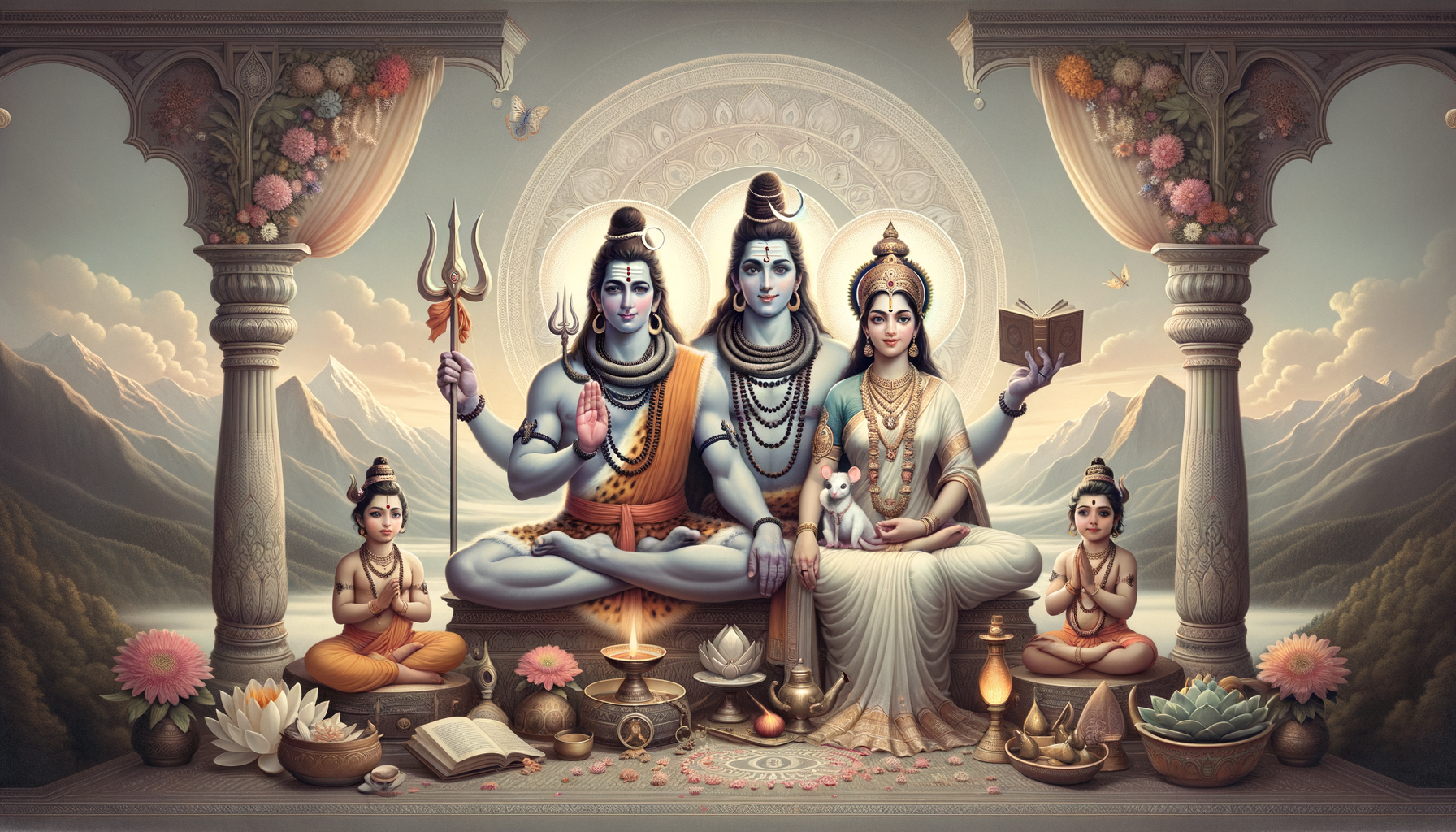
Hindu scriptures present the divine family of Lord Shiva, Mata Parvati (Pārvatī), Lord Ganesha, and Lord Kartikeya as a practical model of sacred parenting. Their narratives teach restorative accountability, healthy sibling dynamics, and the harmony of discipline with compassion. The Ganesha guardianship episode highlights firm boundaries coupled with reconciliation, while the brothers’ contest affirms diverse…
-
Why Shiva Rejected Ravana After Sita’s Abduction: Dharma, Bhakti, and Divine Justice

This analysis explores why Shiva is portrayed as withdrawing protective grace from Ravana after the abduction of Sita, drawing on the Valmiki Ramayana and regional traditions like Kamba and Krittivasi Ramayanas. It shows that divine boons operate within the moral framework of dharma and cannot shield adharma. The piece highlights how Ravana’s sacred deceptionmisusing the…
-
Shakti and Sacred Balance: What Hindu Scriptures Teach About True Gender Equality

Hindu scriptures present gender equality as a sacred metaphysical truth grounded in the unity of Shiva and Shakti, not as a modern concession. Vedic and Puranic sourcesfrom the Devi Sukta to the image of Ardhanarishvaraaffirm complementarity rather than hierarchy. Everyday practices like Navaratri and Saraswati puja translate these ideals into lived culture that honors women’s…
-
SB 10.87.03 Unveiled by HH Bhakti Anugraha Janardan Swami: Paramparā and Inner Freedom
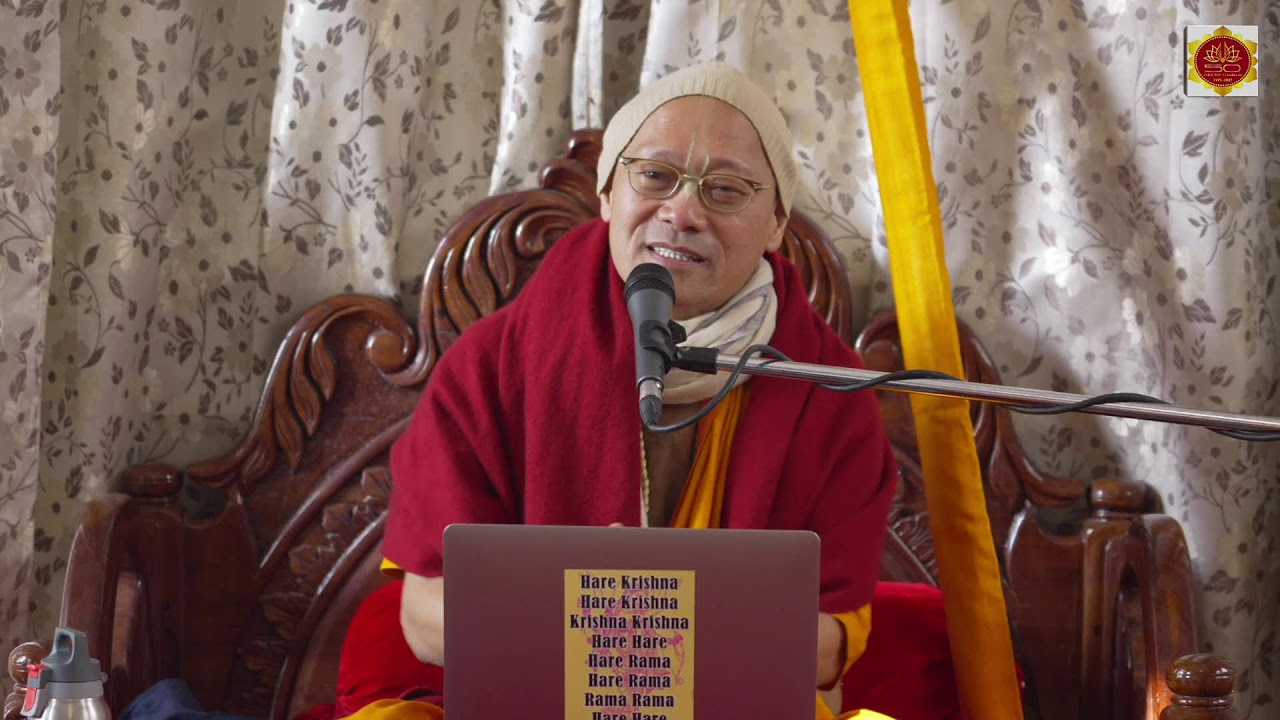
This reflection on Srimad-Bhagavatam 10.87.03, presented at ISKCON Vrindavan on 03.12.2025 by HH Bhakti Anugraha Janardan Swami, explains why knowledge of the Absolute Truth is trustworthy when received through authentic paramparā. It encourages disciplined reverence over fruitive ritualism and unanchored speculation, guiding practitioners to relinquish upādhisfalse designationsand cultivate inner freedom. The analysis situates the teaching…
-
Durvasa and Ambarisha: Perils of Offending Devotees and the Restorative Power of Bhakti
Sri Sukadeva Goswami’s narration of Durvasa Muni and King Ambarisha (SB 9) demonstrates how offending devotees imperils spiritual progress, while humility and devotion offer a reliable remedy. The story’s turning pointDurvasa glorifying Ambarisha and seeking permission before traveling to Brahmalokaexemplifies how bhakti resolves conflict and restores harmony. The text advances an ethic of respect for…
-
Dashavatara Decoded: Ancient India’s Hidden Scientific Genius and Dharmic Unity

The Dashavatara offers a sophisticated, non-sectarian framework for thinking about evolution, consciousness, and cosmic order in a way that resonates across Hinduism, Buddhism, Jainism, and Sikhism. Interpreted academically, the avatars serve as pedagogical metaphors for ecological insight, ethical formation, and inner refinement. This approach avoids anachronism while honoring ancient India’s scientific wisdom expressed through symbols.…
-
When Honor Is Misplaced: Skanda Purana’s WarningFear, Famine, and Death Follow
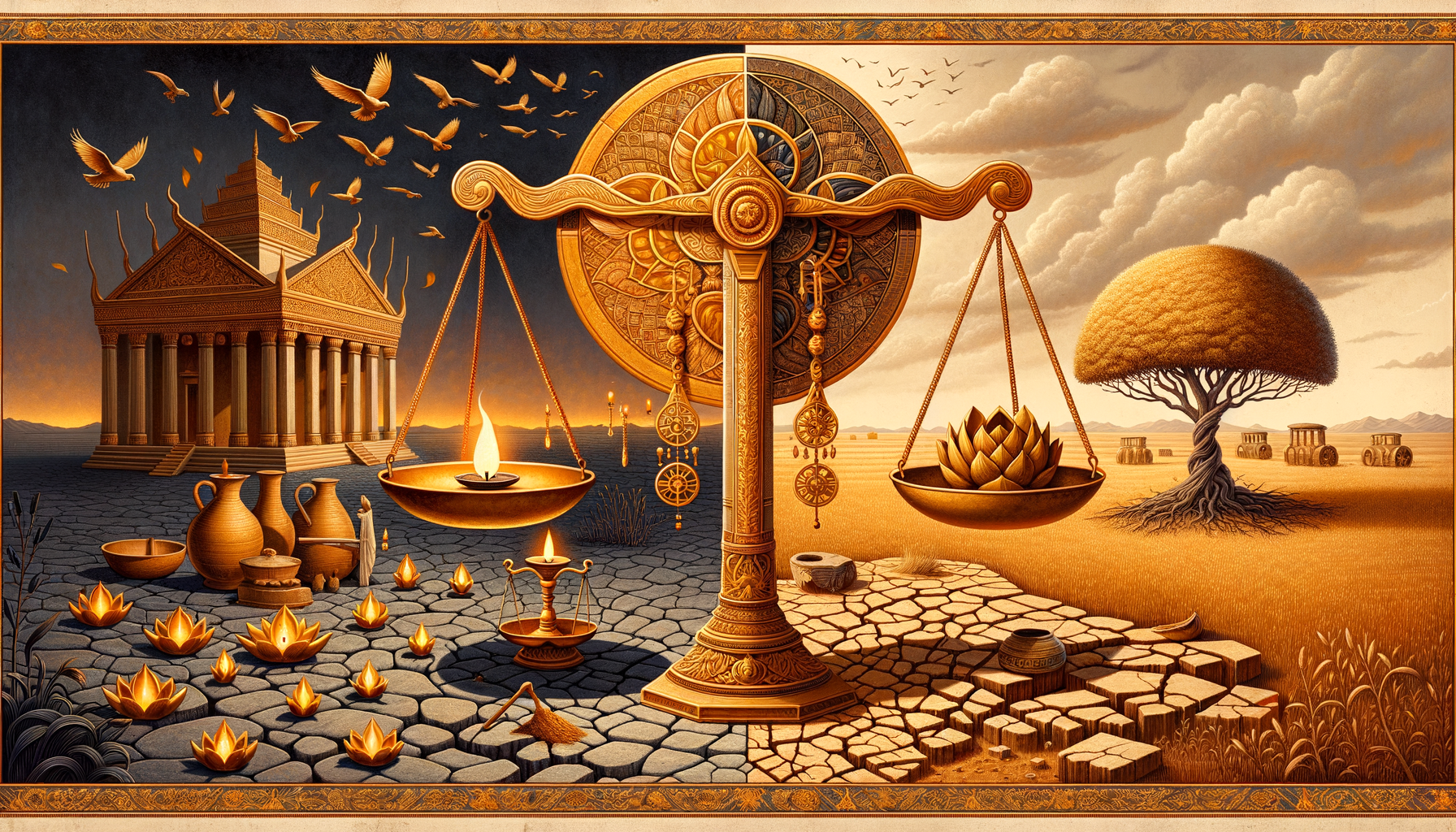
Skanda Purana, Kedara Khanda (3.45), links misplaced honor to societal breakdown symbolized as fear, famine, and death. The teaching, conveyed through Lord Vishnu, gains clarity when read alongside the narrative of Daksha’s transgression and the disruption of ritual order. Interpreted as a diagnostic model of dharma and adharma, it explains how fear rises when moral…
-
How Shiva Turns the Inauspicious into the Sacred: Transformative Symbolism, Rituals, and Hope

Hindu tradition teaches that in Shiva’s presence, even the inauspicious becomes sacreda principle grounded in scripture, ritual, and philosophy. The Nīlakaṇṭha narrative shows how poison transforms into protection, while cremation grounds, vibhūti, and serpents become powerful symbols of impermanence, mastery, and inner awakening. Practices such as Pradoṣa worship, Bilva offerings, and meditation on “Om Namaḥ…