
-
Sitayana: A Powerful Ramayana Retelling Celebrating Sita’s Courage, Grace, and Dharma

Sitayana presents the Ramayana through Ma Sita Devi’s perspective, highlighting courage, grace, and dharma with academic clarity and devotional warmth. It complements classical tellings by foregrounding Sita’s agency, compassion, and steadfastness during exile and separation. Readers gain ethical insights grounded in shared dharmic values that resonate across Hinduism, Buddhism, Jainism, and Sikhism. The text enriches…
-
Manmatha’s Five Arrows and the Five Bhakti Rasas: Symbolism, Practice, and Dharmic Unity

This article explores Manmatha (Kamadeva) as the celestial archer whose five flower-arrows symbolize the refinement of love from emotion to devotion. It connects these arrows to the five bhakti rasasśānta, dāsya, sakhya, vātsalya, and mādhuryaclarifying how each rasa expresses a distinct relationship with the Divine. Readers gain practical ways to integrate these rasas into daily…
-
Kashyapa Samhita & Smriti: Unraveling Dharma’s Timeless Blueprint for Ethical Life

Ancient Indian literature remembers the Kashyapa Samhita and Kashyapa Smriti through later citations, signaling their importance in the Dharmasastra tradition. Though not fully extant, these works likely addressed ritual, ethics, jurisprudence, and social duty, shaping the Hindu legal system and cultural heritage. Readers gain clarity on how dharma was transmitted intertextuallythrough compendia and commentaries that…
-
Transcending Duality in Srimad Bhagavatam 7.13: Saintly Python and Perfect Krishna Consciousness

Srimad Bhagavatam 7.13.41–42 presents a disciplined ideal of conduct through the emblem of a saintly python, emphasizing acceptance, equanimity, and focused remembrance of Sri Krishna. The teaching reframes obsession with good-versus-bad as a distraction born of duality, urging a return to love and steady devotion. This focus on inner poise aligns with Advaita’s discernment beyond…
-
Agni Within: Unlocking SB 3.26.40 on Fire, Digestion, Ayurveda, and Spiritual Vitality

Srimad-Bhagavatam 3.26.40 portrays fire as a transformative force that illuminates, warms, cooks, and digests, while awakening hunger and thirst as drivers of growth. Drawing on insights shared by HG Narayani Dasi, the reflection links Agni with Ayurveda’s Jatharagni and Yoga’s Tapas and Prana to show how balanced digestive fire sustains vitality and clarity. The analysis…
-
Vinata and Aruna: A Powerful Hindu Tale on Patience, Parenting, and Letting Go

The Vinata and Aruna narrative from Hindu scriptures presents a clear, timeless teaching on patience, parenting, and trusting natural timing. Readers gain a concise understanding of how premature intervention can deform outcomes, despite loving intent. The story’s emotional resonance lies in everyday dilemmaswhen to help, when to wait, and how to align care with a…
-
Seven Stages of Life in the Ramayana: A Dharma-Guided Journey from Childhood to Moksha

The Ramayana offers a symbolic map of seven life stagesfrom childhood to mokshashowing how dharma shapes character, relationships, leadership, and final liberation. Read as a guide, not only as history, it highlights how virtues formed in childhood mature through disciplined study, ethical family life, purposeful renunciation, just action, compassionate governance, and ultimately selfless letting go.…
-
Ravana Gita: Timeless Leadership Wisdom from the Ravana–Lakshmana Dialogue in Ramayana

Ravana Gita, the widely known title for Ravana’s final counsel to Lakshmana in the Ramayana, offers clear, actionable lessons on leadership and governance. The dialogue emphasizes timingacting swiftly on beneficial duties while exercising caution in risky mattersand the ethics of counsel, confidentiality, and honest dissent. It also warns against underestimating adversaries, urging vigilance and strategic…
-
Vritrasura Katha Explained: A Gripping Retelling of Dharma, Devotion, and Destiny

This academic retelling of the Vritrasura Katha weaves together Vedic and Purana sources to illuminate a story of dharma, devotion, and ethical power. Readers learn how Tvashta’s yajna, Dadhichi’s self-sacrifice, and Indra’s duty intersect with Vritrasura’s hidden bhakti. The tale’s paradoxan asura who attains liberationoffers a powerful reminder that inner orientation surpasses outer identity. Symbolic…
-
Advaita Acarya’s Sacred Role: Mapping Sri Caitanya’s Tree and Dharmic Unity in Bhakti

Caitanya-caritamrta introduces Advaita Acarya through two foundational verses that illuminate the structure of the Bhakti Tradition. The text’s spiritual treeSri Caitanya Mahaprabhu as trunk, Lord Nityananda as first branch, and Advaita Acarya as secondclarifies how guidance and grace flow through lineage. This metaphor resonates with lived practice, where mentors and communities sustain discipline and insight.…
-
Honoring Parampara: The Sastric Case for Advaita Acarya’s Beardless Deity and Dharmic Unity

This analysis explores the sastric reasoning behind depicting Sri Advaita Acarya’s deityparticularly the beardless formthrough the lens of parampara and the Guru-Shishya Tradition. Drawing on Srila Prabhupada’s guidance (SB 5.1.20 purport) and the Skanda Purana (as cited in NOD Ch. 7), it shows why following past acaryas preserves devotional integrity and prevents confusion. The discussion…
-
Majestic Legacy of Kubera: Guardian of the North and Lord of Wealth Revealed

KuberaLord of Wealth, King of the Yakshas, and guardian of the northern directionembodies prosperity grounded in dharma. Rooted in Hindu scriptures and echoed across Buddhist and Jain traditions (as Vaisravana and through Yaksha guardianship), his story aligns material abundance with ethical responsibility. The Mahabharata acclaims him as radiant and exemplary, while Puranic lineages present a…
-
Kubera’s Golden Eye (Eka Pingala): A Timeless Hindu Tale on Desire and Dharma

This academic retelling of Kubera’s epithet “Eka Pingala – The One With Golden Eye” explains how Hindu scriptures and Puranas use symbolic language to teach discernment and self-restraint. Readers learn why desire narrows perception and how dharma restores clarity in personal and social life. The narrative connects Kubera’s role in the Ramayana with a broader…
-
Vṛkāsura at Kedāranātha: Śiva’s Saving Compassion and the Ethics of Despair (SB 10.88.17–26)
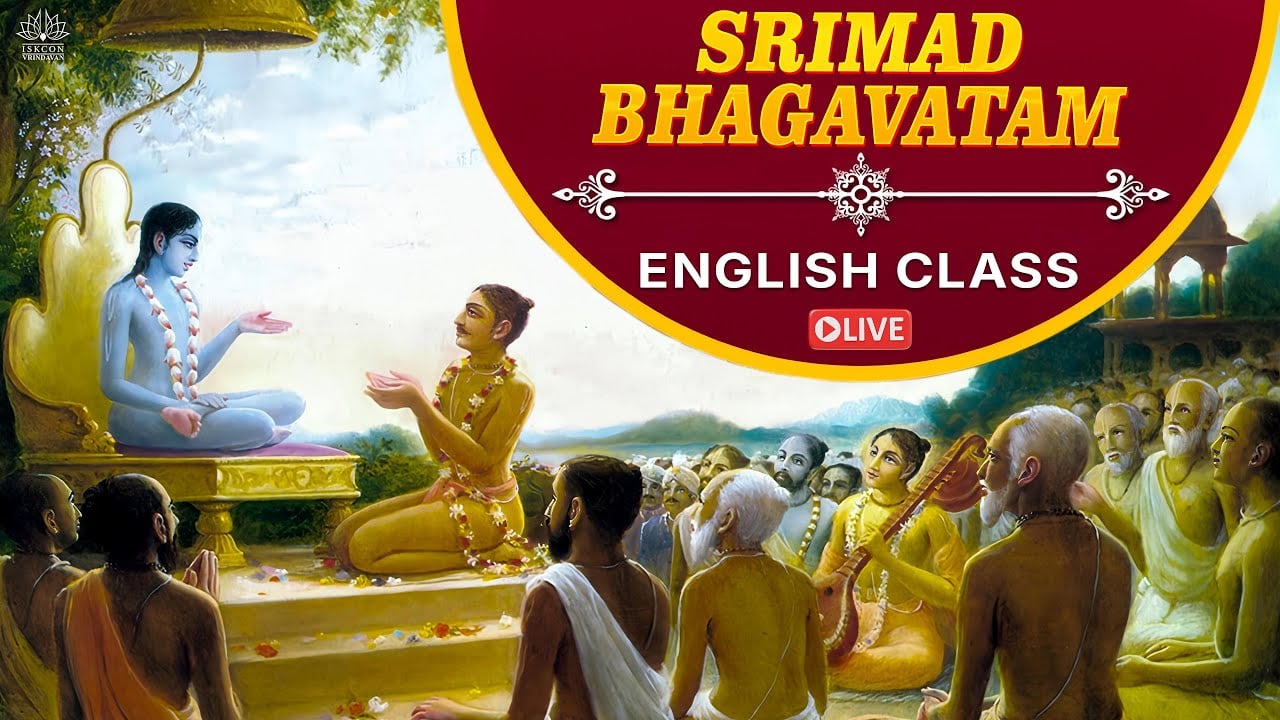
Srimad-Bhāgavatam (SB 10.88.17–26) depicts Vṛkāsura at Kedāranātha, poised for self-harm after severe austerities, when Lord Śiva intervenes with decisive compassion. The episode distinguishes steadfast tapasya from destructive extremity, re-centering devotion within the life-affirming ethics of Sanatana Dharma. Read alongside the Puranas and the Bhakti Tradition, it reveals how grace protects the devotee from inner turmoil…
-
Santan Gopal Stotra: Hope-Filled Japa Vidhi for Santan Prapti, Prosperity, and Inner Peace

Santan Gopal Stotra (संतान गोपाल स्तोत्र) is revered for nurturing hope, steadiness, and unity during the journey to parenthood. Within Hindu traditions, Santan Gopal Stotra Japa Vidhi offers a disciplined contemplative practice that strengthens intention, patience, and gratitude. Families often observe calmer communication and a supportive environment as regular recitation deepens devotion. Traditional claims regarding…
-
Śrīmad-Bhāgavatam 3.12.23: Nārada’s Birth, Timeless Symbolism, and Dharmic Unity
Śrīmad-Bhāgavatam 3.12.23 portrays Nārada’s birth from Brahmā’s highest deliberation, while Vasiṣṭha, Dakṣa, Bhṛgu, and Kratu arise from breath, thumb, touch, and handan elegant schema uniting contemplation, vitality, relationship, and sacred action. The narrative’s symbolism clarifies key themes in Hindu philosophy and Vedic wisdom, showing how devotion, ethics, and disciplined practice cohere in the Bhakti Tradition.…
-
When Hatred and Jealousy Backfire: Dharmic Wisdom on Karma, Healing, and Freedom

Hatred and jealousy act like venomous darts that ultimately return to the archer, a truth echoed across Hindu, Buddhist, Jain, and Sikh teachings. Drawing on the Bhagavad Gita, Upanishads, Srimad Bhagavata Purana, Ramayana, and Mahabharata, this piece explains how karma and dharma frame these emotions as forces that corrode clarity and freedom. It highlights iconic…
-
Chhinnamasta in the Pranatosini Tantra: Divine Self-Sacrifice and Cosmic Renewal

This article explores the Pranatosini Tantra’s account of Chhinnamasta, a Mahavidya who embodies divine self-sacrifice and cosmic renewal. It explains how the Goddess nourishes her attendants through three life-giving streams, an image read as both prāṇa symbolism and radical generosity. The iconographystanding over Kāma and Ratiillustrates mastery over desire and the transformation of passion into…
-
Shiva’s Invisible Justice: Subtle Cycles of Cosmic Destruction in the Skanda Purana

This analysis reframes Shiva’s role in “divine destruction” as subtle dissolution guided by time and karma, echoing insights hinted in the Skanda Purana. Instead of catastrophic spectacle, the process appears as an ethical and metaphysical recalibrationan unseen justice restoring balance. Readers gain a practical lens to interpret endings in personal and social life as compassionate…
-
Narada Pancharatra: Timeless Vaishnava Wisdom and Inclusive Paths to Devotion

The Narada Pancharatra is a key Vaishnava Agama that blends rigorous theology with accessible devotion to Lord Vishnu. It guides temple worship and household puja through detailed procedures such as archana, prāṇa-pratiṣṭhā, and mantra practice. Readers benefit from a clear bridge between Hindu philosophy and daily spiritual discipline. The text affirms bhakti as a path…