
-
Are Animals and Plants Free from Karma? A Dharmic Deep Dive into Choice and Consciousness

Do animals and plants accrue karma like humans? This comprehensive, dharmic analysis explains why many Vedantic interpretations hold that animals and plants seldom generate fresh, morally binding karma, while humansendowed with reflective awarenesscarry heavier responsibility. It synthesizes perspectives from Hinduism, Buddhism, Jainism, and Sikhism, showing a shared insight: karmic weight scales with intention and choice.…
-
Shattering the Illusion of Chains: Advaita Vedanta’s Guide to the Ever‑Free Self
Advaita Vedanta proposes a radical clarity: in ultimate truth there is neither bondage nor liberation; the Self (Atman) is ever-free, and only ignorance creates the sense of captivity. This article explains the logic of avidya and adhyasa, distinguishes empirical from absolute perspectives, and shows how moksha functions as recognition rather than attainment. Drawing on the…
-
Decoding ‘nirvisesa-sunyavadi-pascatya’: healing impersonalism and honoring dharmic unity
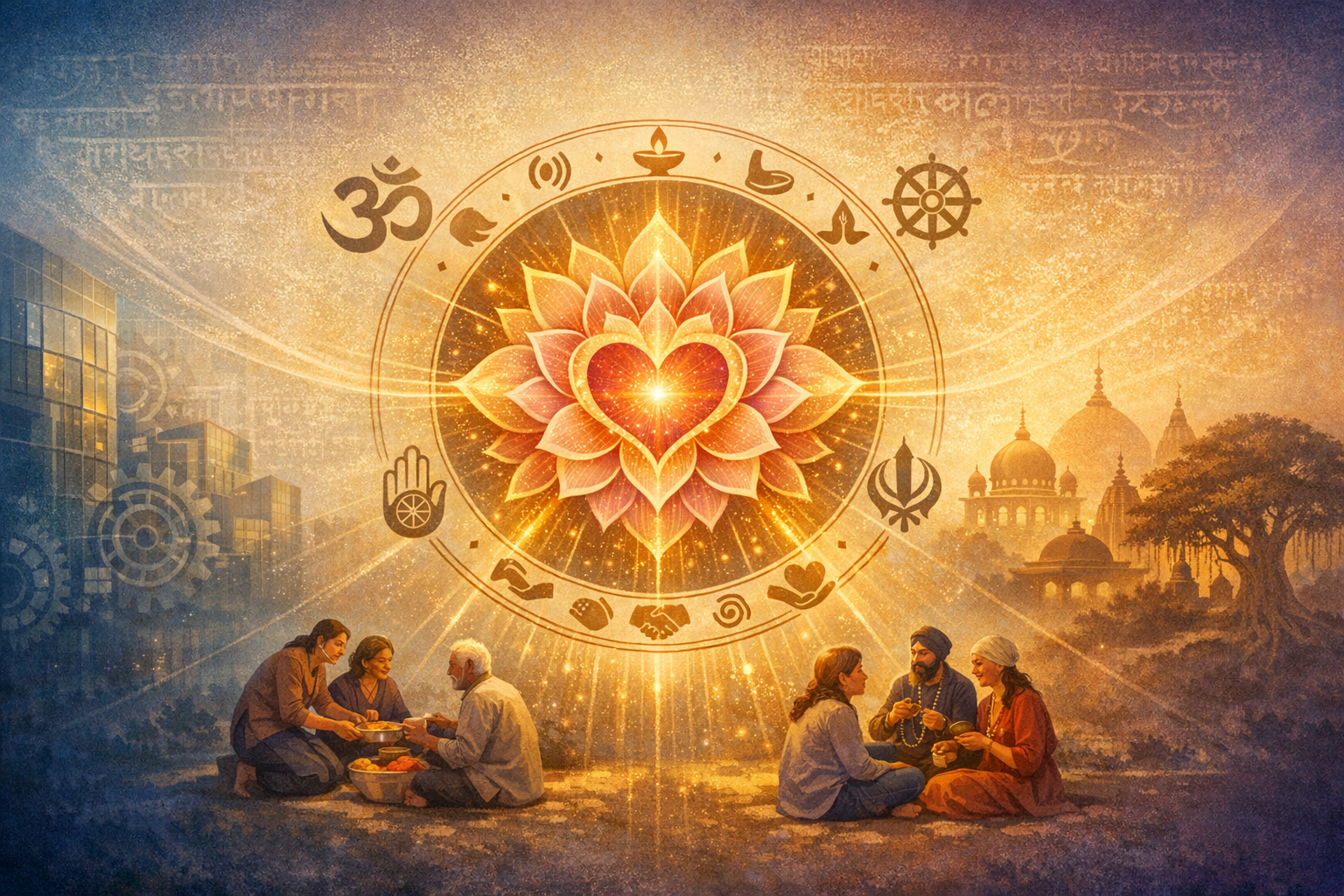
The phrase “nirvisesa-sunyavadi-pascatya” is re-examined here through a unifying, academically grounded lens that emphasizes healing relational impersonalism rather than targeting fellow dharmic traditions. Readers gain a clear philological and historical context for the phrase alongside an inclusive account of Advaita’s nirvisesha and Buddhism’s sunyata. The analysis distinguishes metaphysical methods from interpersonal attitudes, showing how personalism…
-
Shaubhari Muni’s Fall and Redemption: A Bhagavatam Lesson on Pride, Grace, and Sense Control
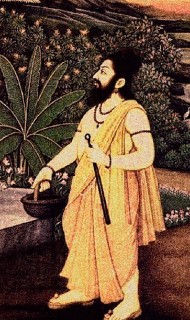
The Ninth Canto narrative of Shaubhari Muni in the Srimad Bhagavatam offers a rigorous lesson on the limits of yogic power without humility and divine grace. A single offense to Garuda precipitates the muni’s vulnerability to Maya, demonstrating how aparadha toward saintly beings clouds discernment and destabilizes sense control. The episode traces a full arcasceticism,…
-
Own Your Dharma with Clarity and Courage: A Dharmic Antidote to Social Comparison

This comprehensive essay examines a core Dharmic counseldo not get lost in others’ idealsand explains why it is vital in an age of social comparison. Drawing from the Bhagavad Gita, Upanishads, Yoga Sutra, Buddhist teachings, Jain Anekantavada, and Sikh principles, it presents a practical, ethical, and context-sensitive framework for staying aligned with one’s svadharma. Readers…
-
Beyond the Senses: Unveiling Brahman and the Limits of Perception in Hindu Thought

This article explores why, in Hindu philosophy, ultimate reality (Brahman) cannot be captured by the senses or by conceptual thought, and how Vedanta uses shabda-pramana and Upanishadic teaching to reveal the Self. It clarifies the roles of pratyaksha, anumana, and shabda in Indian epistemology, showing why the senses are necessary yet insufficient. It integrates Advaita…
-
Ishavasya Upanishad on Lobha: Renounce to Rejoice, Practice Aparigraha, Heal Society

The Ishavasya Upanishad opens with a concise yet sweeping ethic that links metaphysics to daily conduct: if all is pervaded by the sacred, then enjoyment must be tempered by renunciation and freedom from greed. This piece unpacks the opening mantra philologically and philosophically, clarifying how “tena tyaktena bhuñjīthā” can mean both to enjoy and to…
-
Krishna’s Transformative Grace: From Nigranta to Devotional Service (SB 1.7.10)
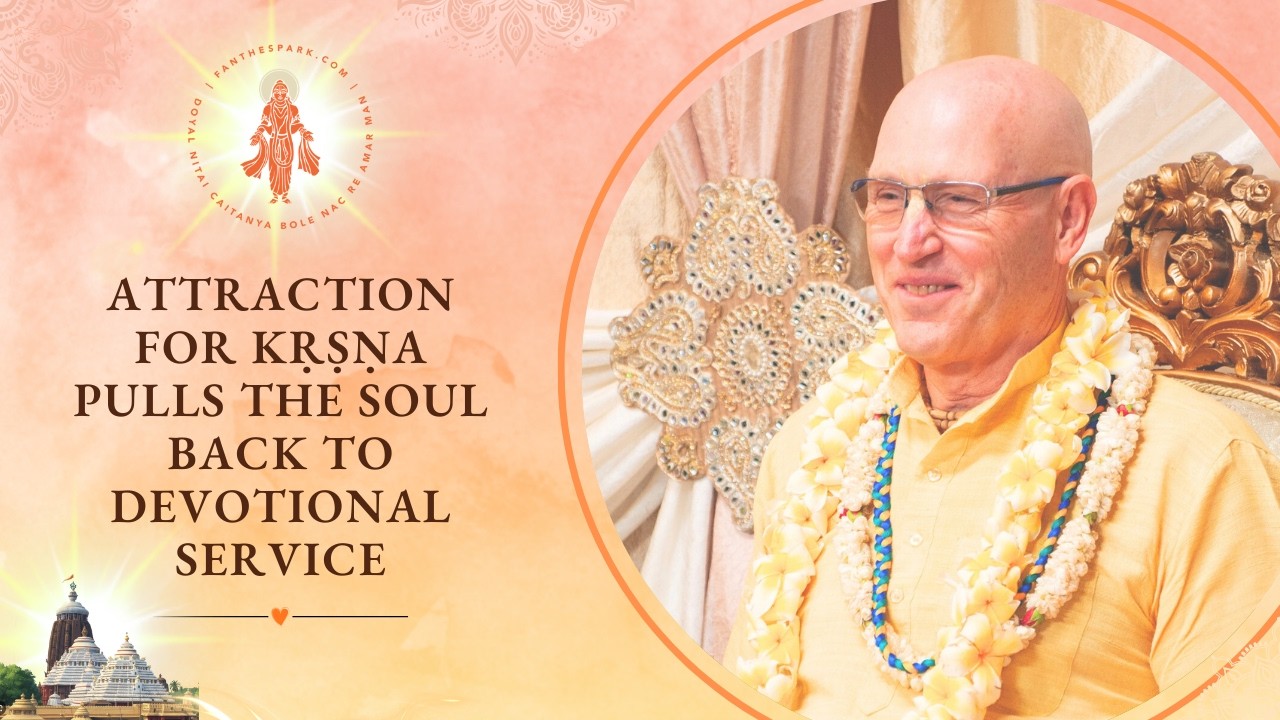
This article explores how attraction to Krishna, as discussed in commentarial treatments of SB 1.7.10, draws any soulregardless of birth, wealth, or educationinto devotional service. It clarifies the analytical use of the term nigranta and reframes it inclusively, showing that spiritual eligibility in bhakti depends on sincerity rather than status. The transformation of Mṛgāri the…
-
Unveiling Lingasthala: Shiva as Infinite Brahman in Virashaiva Philosophy and Lived Practice
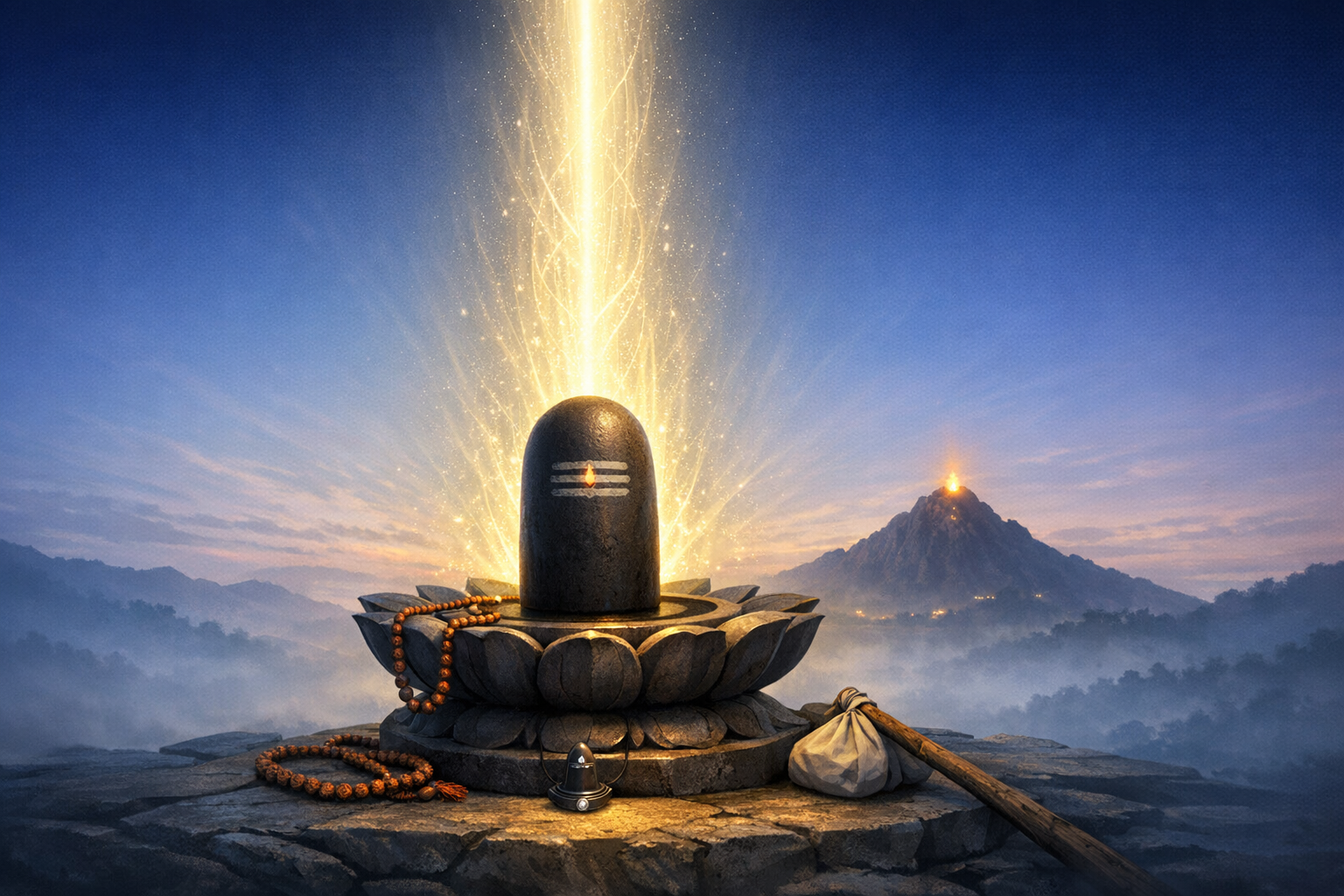
This essay explores how Virashaiva (Lingayat) philosophy recognizes Shiva as the infinite Brahman and makes that insight tangible through linga-centered practice. It clarifies Lingasthala as the field of realization anchored in the Shatsthala path, the Panchacharas, and the Ashtavaranas. It links Upanishadic non-duality with Shaiva devotion, explains the Lingodbhava narrative, and shows how saguna worship…
-
Shiva–Shakti Raasa Leela: Unveiling the Cosmic Dance of Love, Consciousness, and Creation
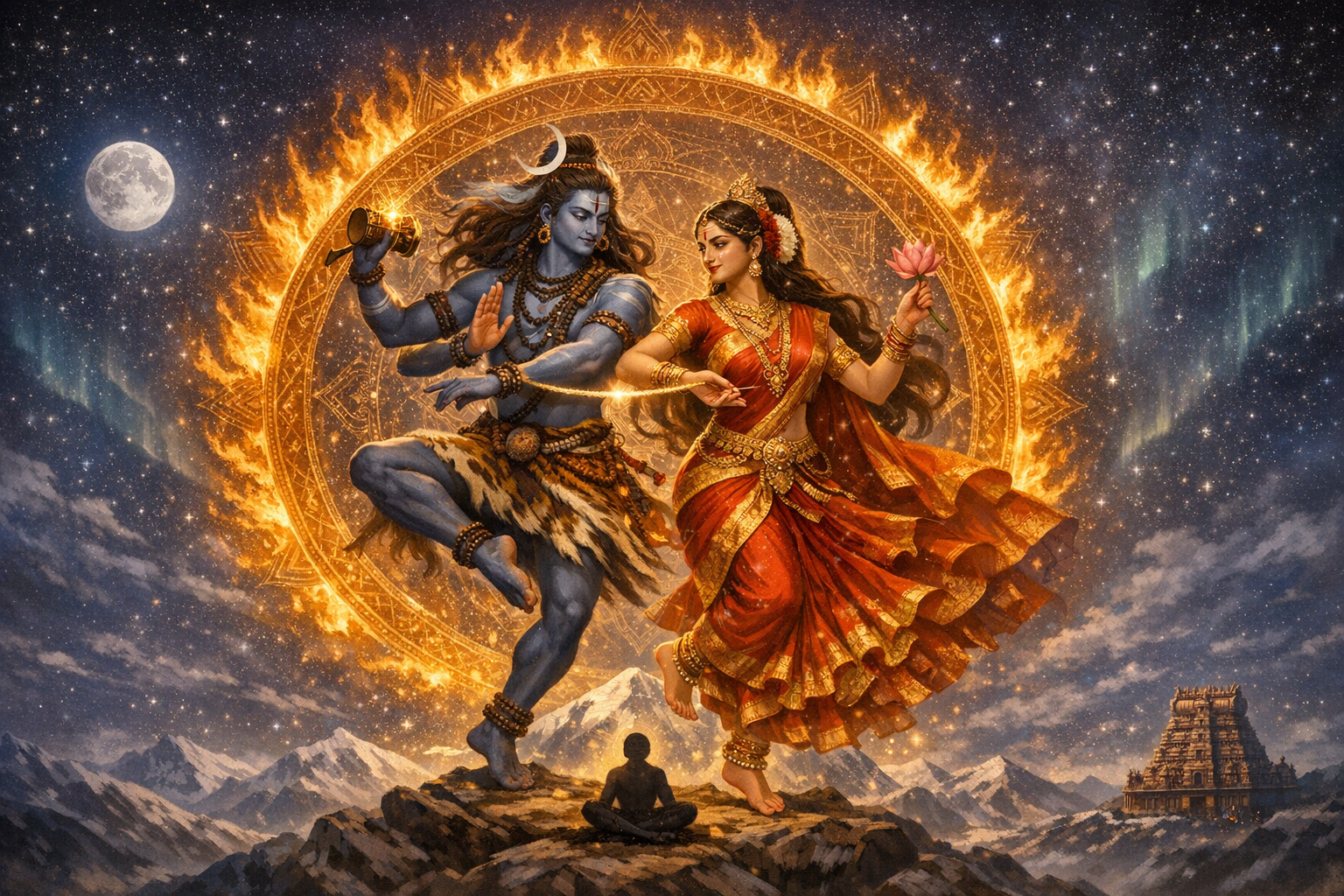
Shivashakti Raasa Leelaalso known as Sri ShivShakti Rasalilapresents the union of Śiva and Śakti as a continuous dance and embrace that render Shaiva metaphysics visible and livable. Anchored in Natyashastra aesthetics, Shaiva Āgamas, and Kashmir Shaivism’s rasa theory, it interprets creation as spanda (vibration) and devotion as aesthetic savoring (rasa). Iconography of Śiva Naṭarāja, Somāskanda,…
-
Nature Is Pure: Sacred Dharmic Ecology, Waste Ethics, and Human Responsibility in Hindu Thought
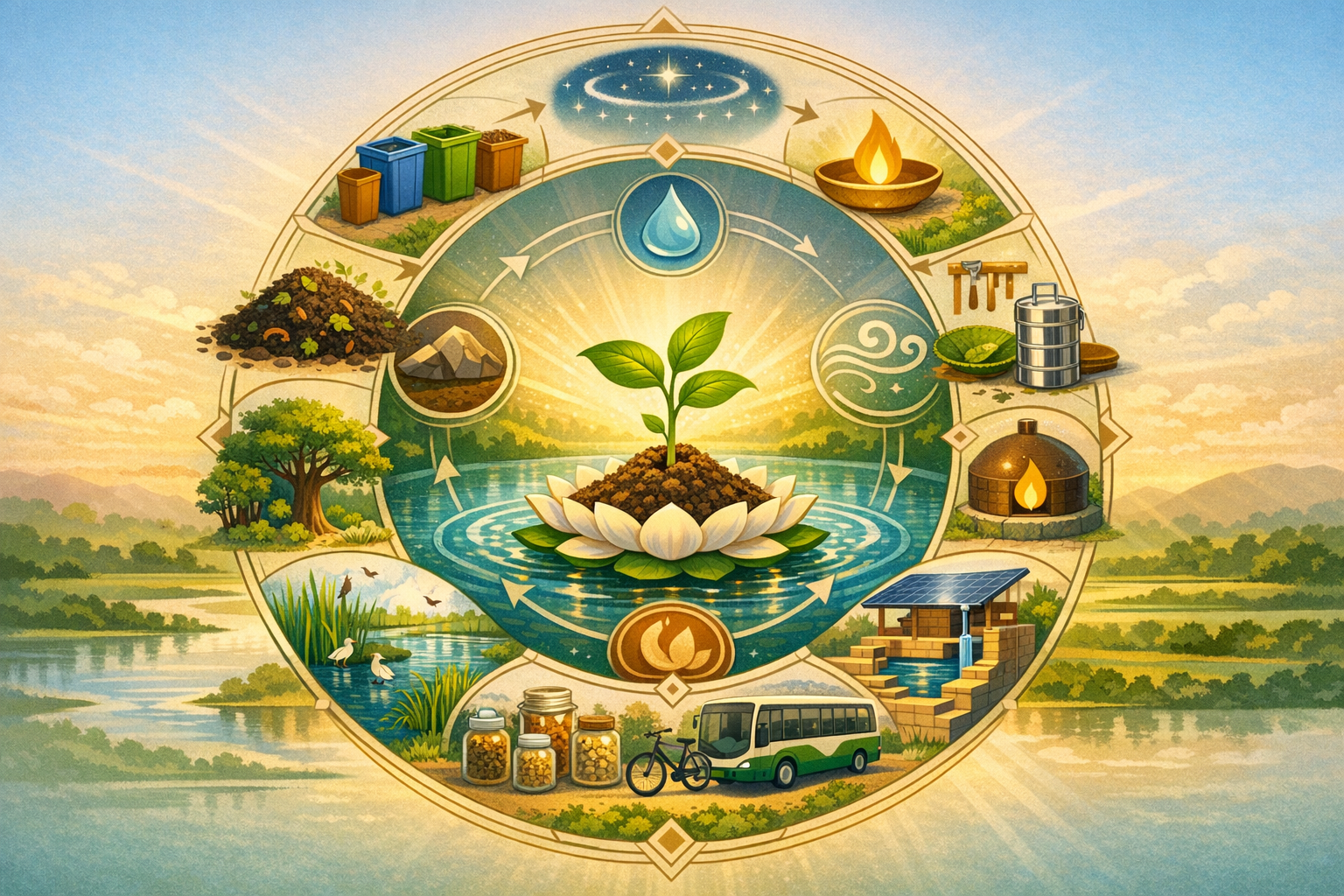
This article presents a rigorous Dharmic ecology framework: nature is inherently pure and self-regulating, while stagnation and filth arise when human systems block ecological flows. Drawing on Hindu philosophy (ṛta, pañca-mahābhūtas, śauca, aparigraha, ahimsa) and allied insights from Buddhism, Jainism, and Sikhism, it maps timeless ethics to contemporary tools like life cycle assessment, material flow…
-
Rethinking Death and Consciousness: Rigorous Evidence for Reincarnation and Dharmic Convergence

Modern neuroscience commonly assumes that consciousness ends at death, yet decades of rigorous field researchinitiated by Ian Stevenson at the University of Virginiahas documented hundreds of cross-cultural cases suggestive of reincarnation. The strongest reports involve young children who spontaneously recount verifiable details of a previous life, exhibit phobias or behaviors matching the prior death, and…
-
Jagath Samhara Moorthy: How Shiva’s Cosmic Dissolution Fuels Renewal and Liberation

Jagath Samhara MoorthyShiva as the cosmic dissolverexpresses a lawlike rhythm in Hindu cosmology where endings prepare the ground for renewal. Drawing on the Puranas, Upanishads, and Shaiva philosophy, the article clarifies how samhara operates within the five divine acts: creation, maintenance, dissolution, concealment, and grace. It explains the four types of pralaya and situates them…
-
Laya in Hinduism: The Transformative Power of Dissolution, Rhythm, and Unitive Awareness

Laya, from the Sanskrit root lī, signifies dissolution, absorption, and reposean idea that unites Hindu cosmology, contemplative practice, yoga, and the aesthetics of Indian classical music. This long-form, technical exploration clarifies how laya differs from pralaya, why Advaita Vedānta treats laya as a potential pitfall without viveka, and how Yoga, Laya Yoga, and Nāda Yoga…
-
Unlocking Complete Knowledge: Krishna and the Five Realities in a Dharmic, Unified Perspective
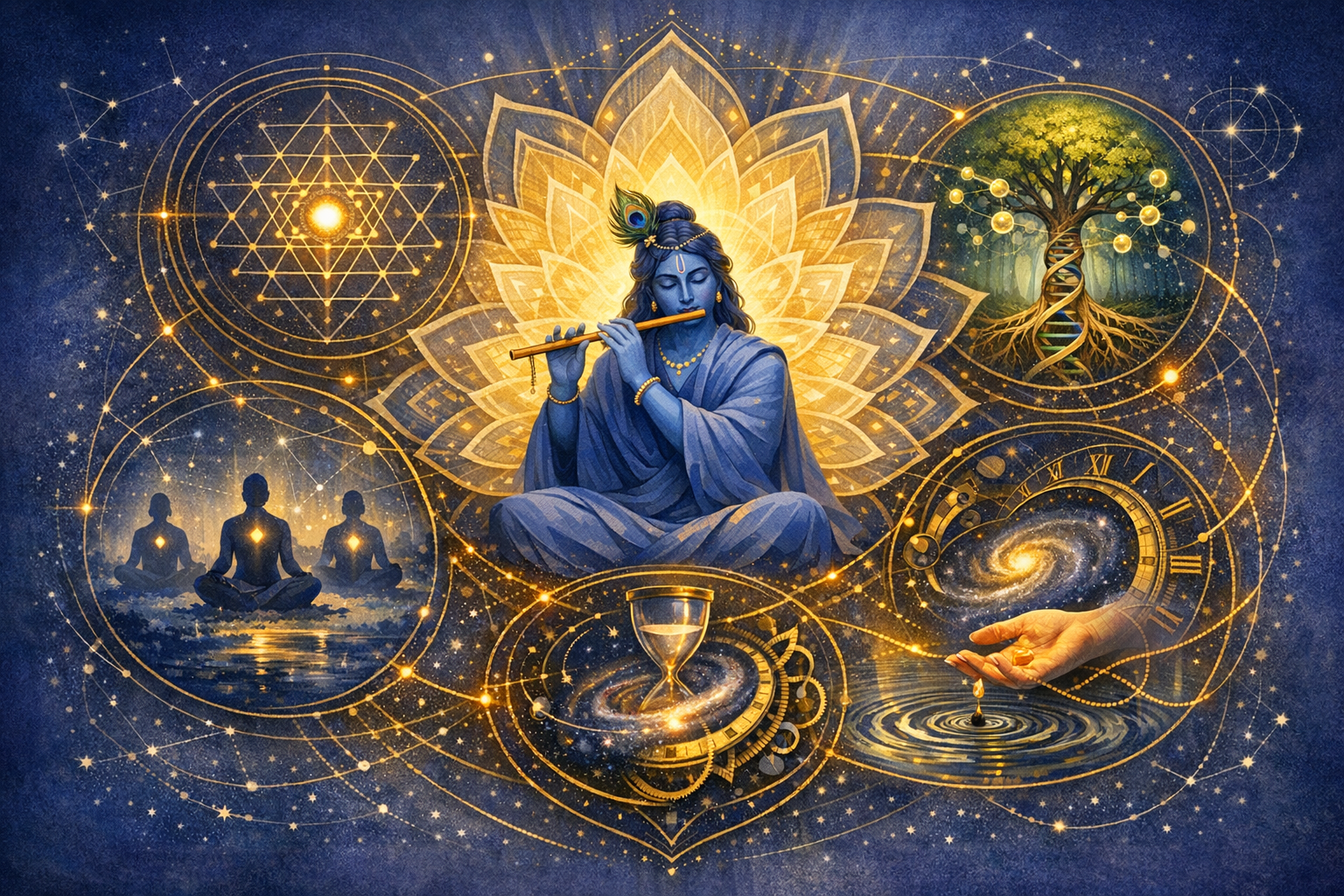
This long-form reflection presents an academic, integrative reading of Krishna-centered wisdom in the Bhagavad Gita, showing how devotion and disciplined inquiry reinforce one another. It frames the Gita’s promiseyaj jñatvaas a call to meta-knowledge that orders facts, clarifies purpose, and unifies the sciences with spiritual realization. The five realitiesIshvara, Jiva, Prakriti, Kala, and Karmaare explained…
-
Wealth, Karma, and Krishna: Evidence‑Based Dharmic Guidance to Earn, Spend, and Give with Peace

This long-form analysis explains how money reflects inner consciousness and how Krishna’s sanction, karma, and purushartha interact to shape financial outcomes. It integrates Hindu philosophy with Buddhist Right Livelihood, Jain aparigraha, and Sikh principles of kirat karo, vand chhako, and seva to offer a unified ethic. Drawing on Srila Prabhupada’s reminders about destiny and greed,…
-
Nish Shreyas in Hinduism: The Life-Changing Choice of Shreyas over Preyas toward Moksha
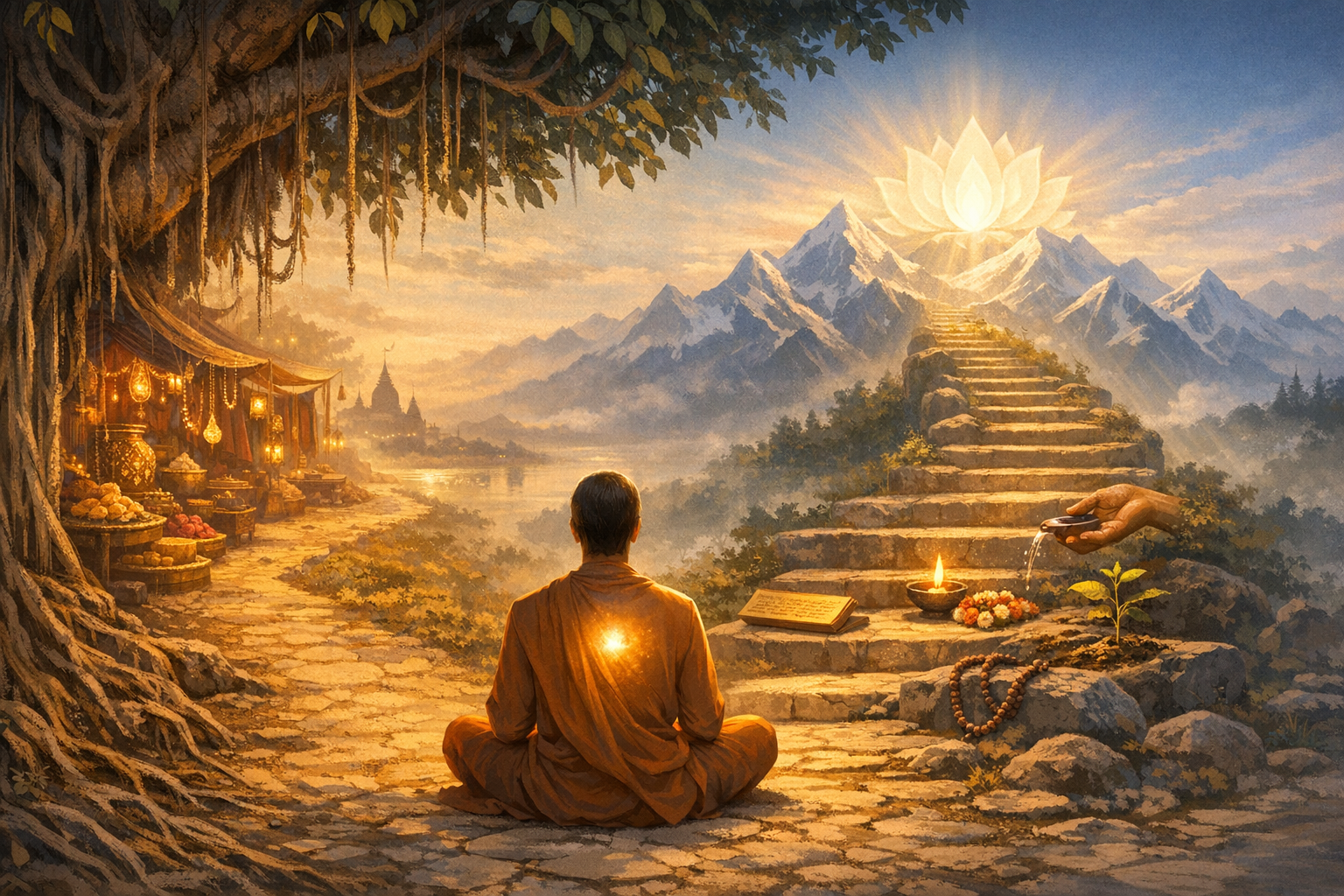
Nish Shreyas denotes the ultimate good in Hinduismthe enduring well-being that culminates in mokshaclarified through the Katha Upanishad’s contrast between preyas (the pleasant) and shreyas (the beneficial). This article explains how Vedanta, the Bhagavad Gita, and integrated yogic disciplines channel everyday decisions toward freedom rather than compulsion. It offers a clear decision framework and practical…
-
Kalatita Unveiled: A Rigorous Guide to the Timeless Self and Eternal Truth in Hinduism
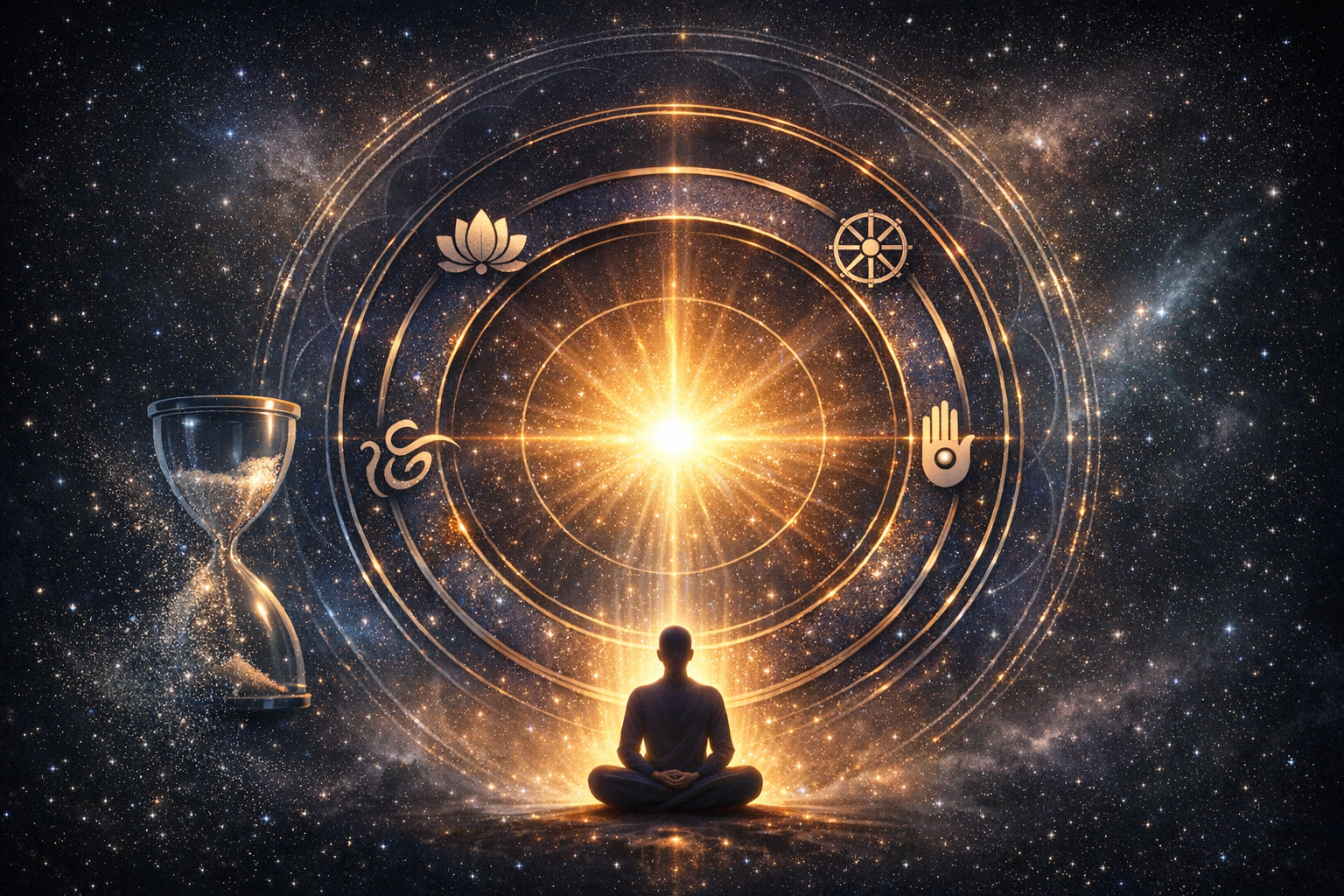
This article presents a rigorous, accessible exploration of Kalatita’beyond time’in Hindu philosophy, anchored in the Upanishads, Bhagavad Gita, and Yoga Sutra. It clarifies how cyclical time (yuga, kalpa) coexists with the timeless ground of Brahman, using Advaita Vedanta, Sāṅkhya, and Bhakti perspectives. The discussion bridges theory and practice with concrete contemplations, showing how presence, fearlessness,…
-
Symbolism of Kalachakra’s Five Wheels: Timeless Hindu Cosmology, Panchakritya, and Unity
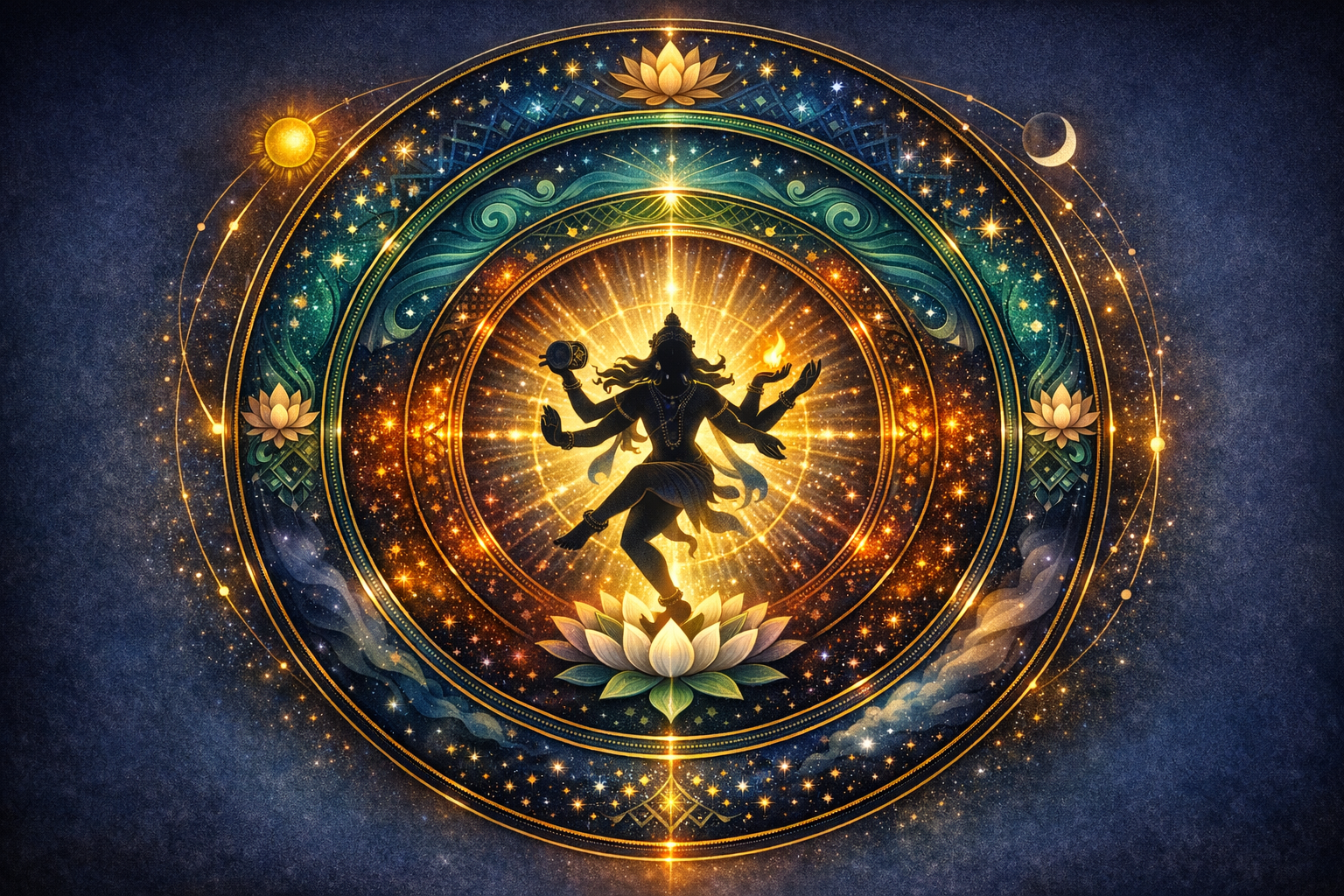
Kalachakra, the wheel of time, reveals a fivefold grammar of creation, preservation, dissolution, veiling, and grace that unites Hindu cosmology, ritual, and yogic practice. This article explains how the five wheels, grounded in the classical doctrine of Pañcakṛtya, operate across cosmic cycles, daily rhythms, and inner transformation. Readers gain a technical yet accessible framework that…
-
The Upanishads’ Radical Vision: Beyond Worship to Realize Atman–Brahman Within
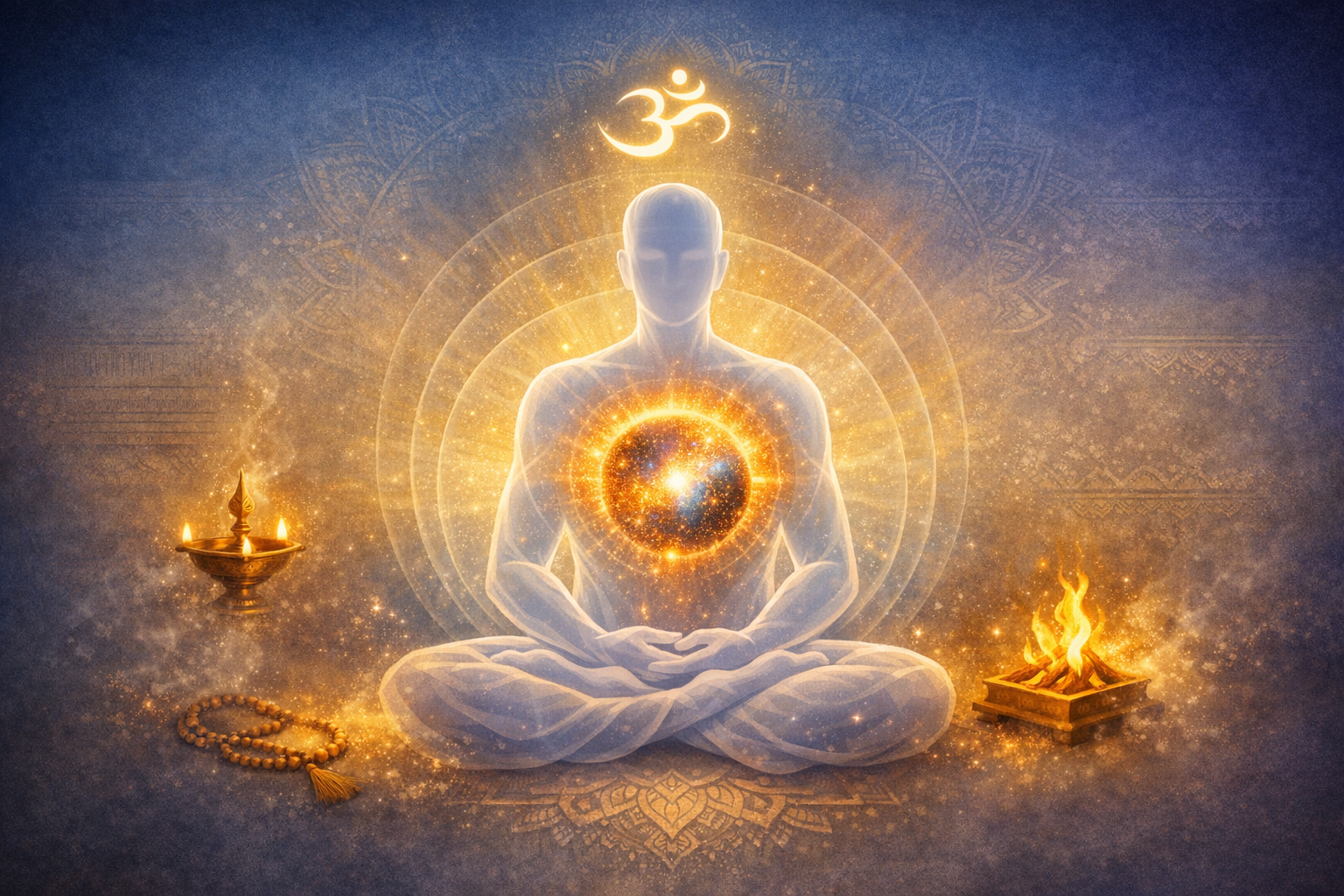
This essay clarifies the Upanishads’ radical claim that ultimate reality is not an external deity to be appeased but the Self (Atman), recognized as non-different from Brahman. It explains how ritual and devotion (upāsanā) are honored as preparatory means, while liberating knowledge (jñāna) is the goal. Readers gain a technical overview of key methodsśravaṇa, manana,…