
-
Kali Yuga’s Vanishing Divide: Decoding How Asuras ‘Turn Human’ and What It Means for Dharma

This in-depth analysis decodes the Hindu claim that in Kali Yuga the line between asuras and humans fades, showing it as a moral-psychological map rather than a literal prophecy. Drawing on the Vishnu Purana, Bhagavata Purana, and the Bhagavad Gita, it explains how dharma degrades across the yugas and why the age demands simpler, heart-centered…
-
Decoding Rasa and Tattva in Srimad Bhagavatam 11.3.8: Timeless Love, Ultimate Truth, and Kāla
This essay distills H.H. Guru Prasad Swami’s class on Srimad Bhagavatam 11.3.8 into a rigorous yet accessible exploration of two “unlimiteds”: rasa, the ever-fresh devotional experience of Krishna, and tattva, the limitless architecture of philosophical truth. It clarifies how the Bhagavata Purana aligns accurate seeing (tattva-darśana) with transformative tasting (rasa-āsvāda), while kāla (time) governs the…
-
Compassion on Garuḍa’s Wings: SB 2.7.17Gajendra’s Rescue, Bhakti, and Daily Practice
SB 2.7.17 presents an archetypal moment of divine responsiveness: the Lord hears a sincere plea and arrives on Garuḍa with the cakra to liberate the supplicant. Read alongside the fuller Gajendra-mokṣa narrative in Canto 8, the verse affirms the Bhakti Tradition’s core doctrine of śaraṇāgatirefuge met by grace. The symbolism of Garuḍa (swift compassion) and…
-
Unveiling the Fourteen Lokas: A Deep, Clarity-Driven Journey through Hindu Consciousness
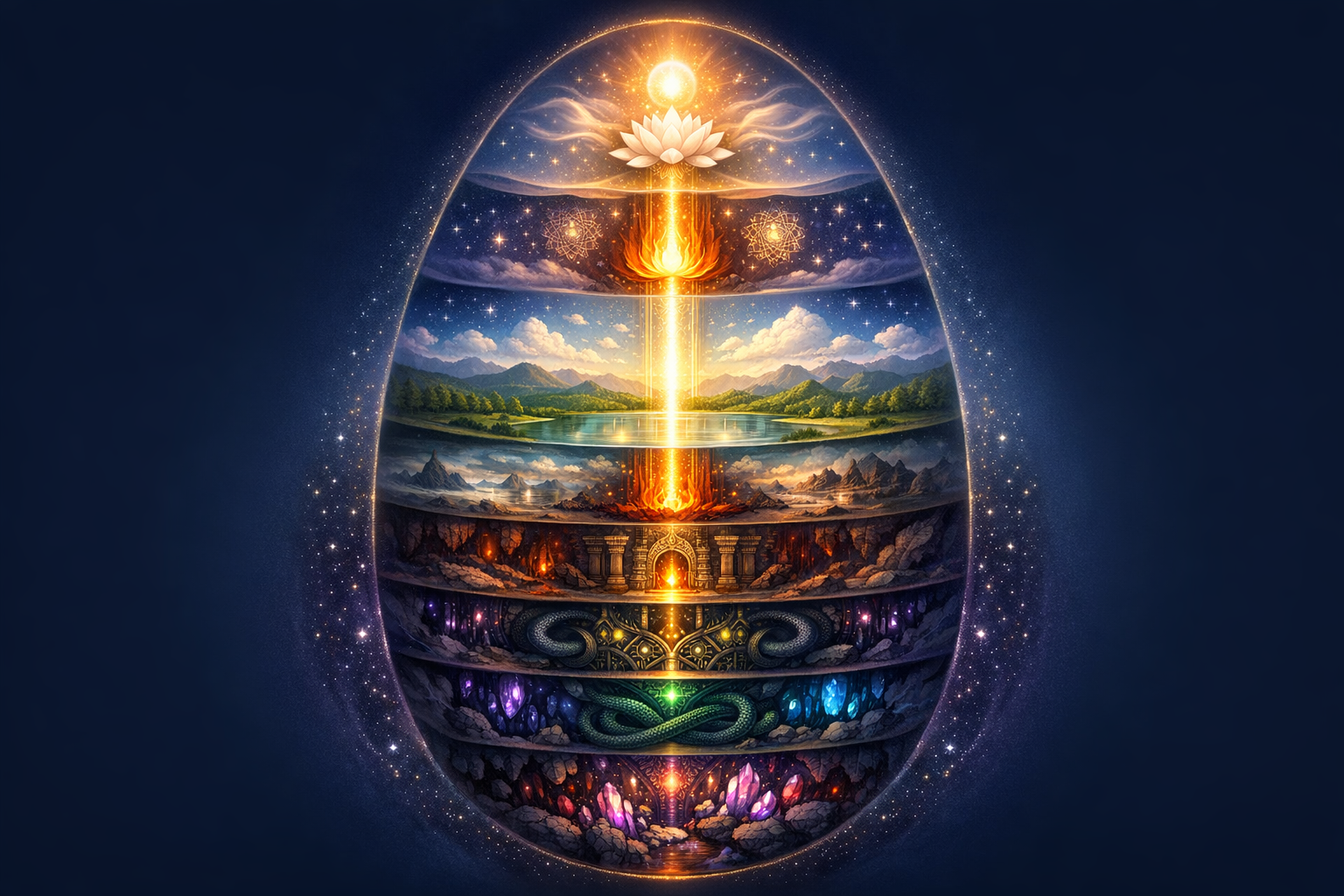
This long-form, research-driven exploration clarifies the fourteen lokas (seven Urdhva and seven Adho) in Hindu cosmology as both cosmic regions and states of consciousness. Drawing on Hindu scriptures and Vedic philosophy, it explains each loka’s pedagogical role, distinguishes Adho lokas from Naraka, and shows how the “cosmic ladder” aligns with yogic practice. The piece emphasizes…
-
Ramayana’s Powerful Blueprint: Dharma vs. Disorder and the Quest for Just Leadership

This essay examines how the Ramayana confronts humanity’s enduring paradox: the quest to draw order from chaos without promising utopia. It analyzes dharma as a multi-layered systemcosmic, social, and personaland shows how Rama’s choices model rule-bound leadership (rajadharma) under real-world constraints. Readers gain a technically grounded framework for just decision-making: prioritize norms, exhaust diplomacy before…
-
Beyond Varna and Ashrama: The Ativarnashrami Ideal and a Fearless Path to Moksha
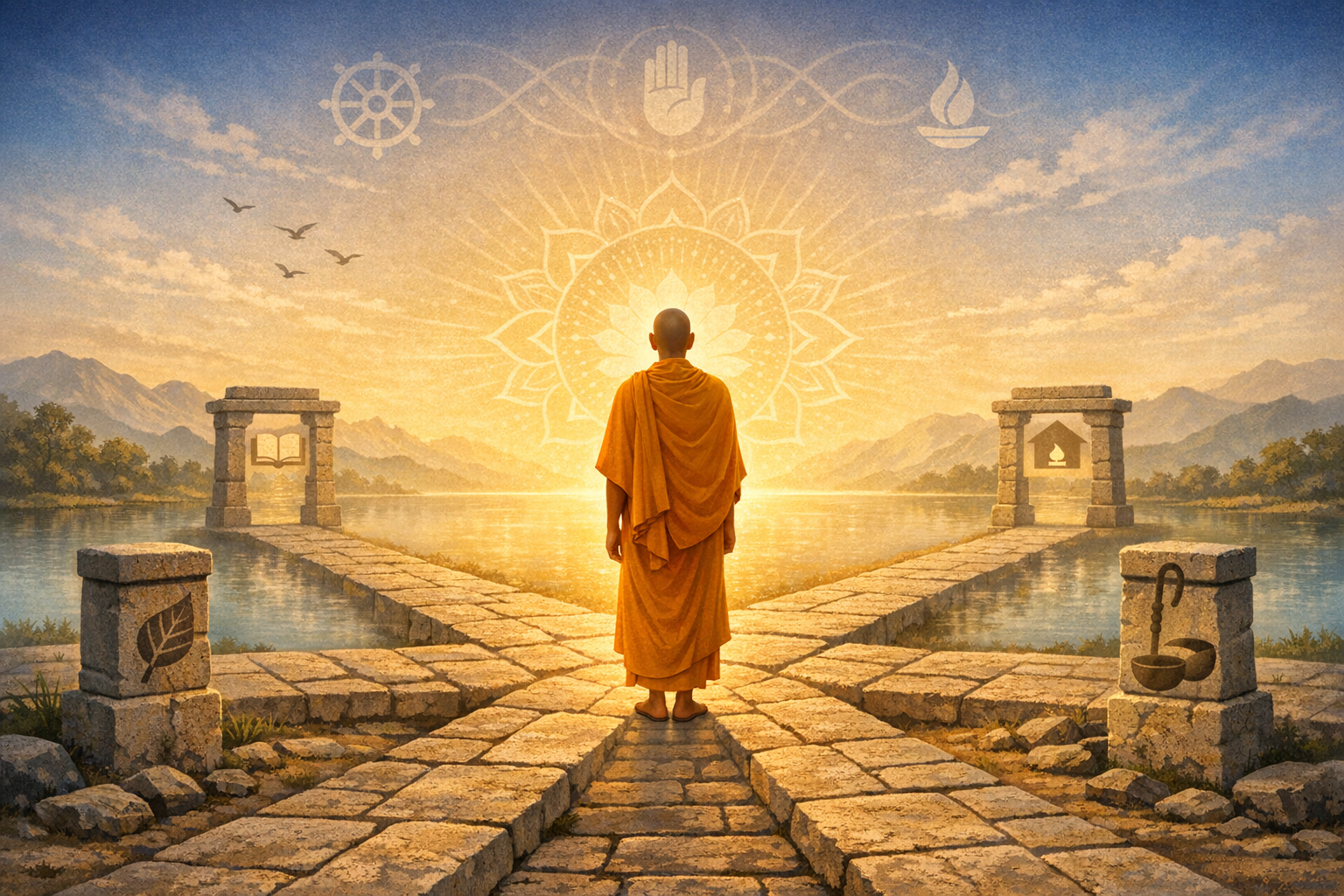
This long-form exploration clarifies the Ativarnashrami ideal as the realized state beyond social and life-stage identifiers in Hindu philosophy. It situates the concept within varnashrama dharma, the purusharthas, and scriptural anchors from the Upanishads and the Bhagavad Gita. Readers gain a technical yet readable account of renunciant gradations, ethical implications, and the principle of loka-samgraha.…
-
Unlocking Liberation: The Muktikopanishad’s Timeless Guide to the 108 Upanishads and Moksha
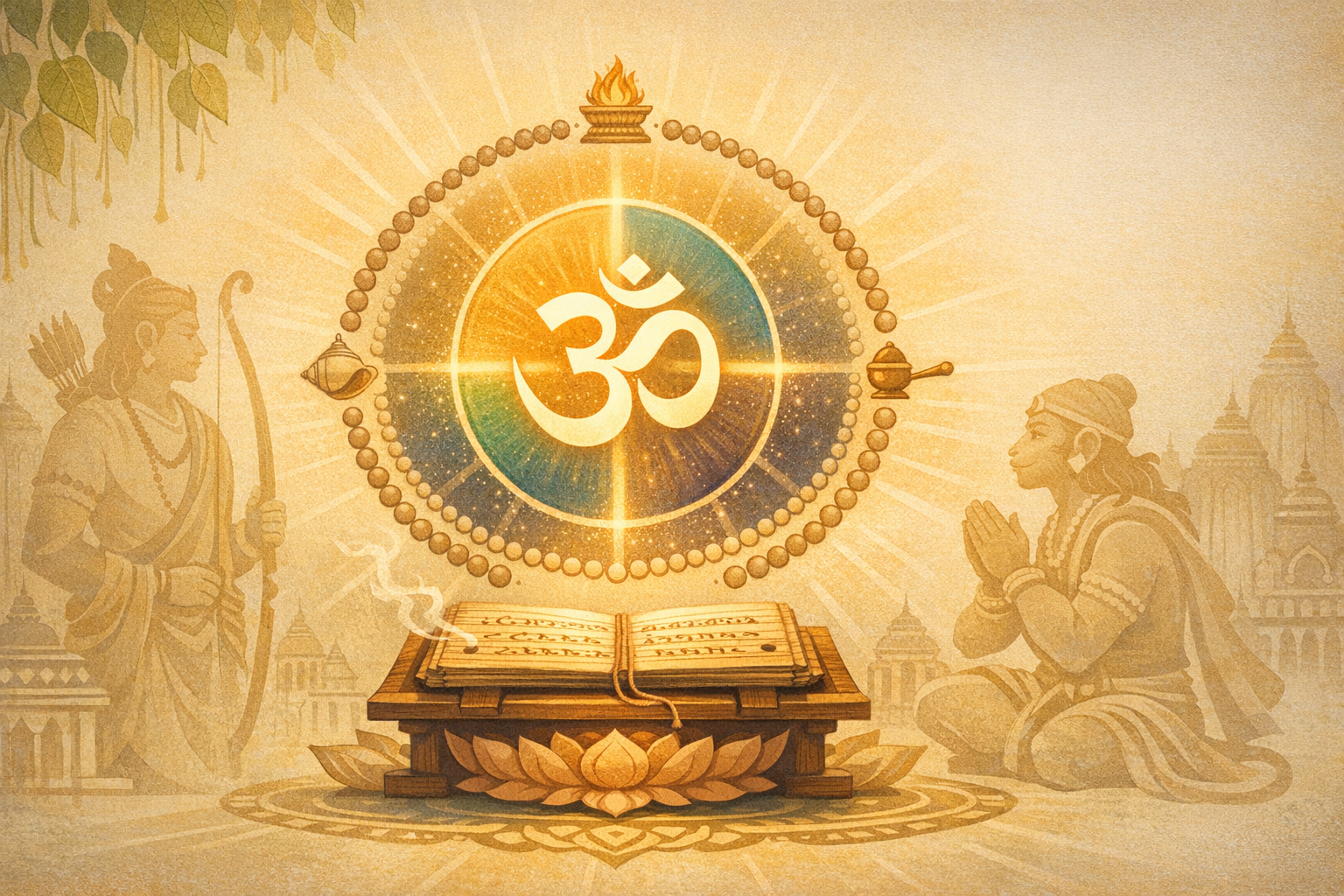
The Muktikopanishad offers a clear, graded pathway to moksha by organizing the Upanishadic corpusespecially the 108 Upanishadsinto an accessible curriculum. Set as a dialogue between Rāma and Hanumān, it blends Advaita Vedānta’s nondual insight with the practical disciplines of ethics, devotion, and meditation. The text’s prioritization of the Māṇḍūkya Upanishad (often with the Kārikā) gives…
-
Beyond Perfection: Liberating Dharmic Wisdom on Impermanence, Dharma, and Divine Order

Perfection, as popularly pursued, continually recedes because all conditioned things are impermanent; dharmic traditions convert this problem into a path by aligning aspiration with dharma and the Divine Order. Drawing on the Bhagavad Gita, Upanishads, Yoga philosophy, and the broader insights of Buddhism, Jainism, and Sikhism, the essay reframes success as excellence grounded in clarity,…
-
Decoding Nitya Samsari in Dvaita Vedanta: Meaning, Ethics, and the Path to Moksha
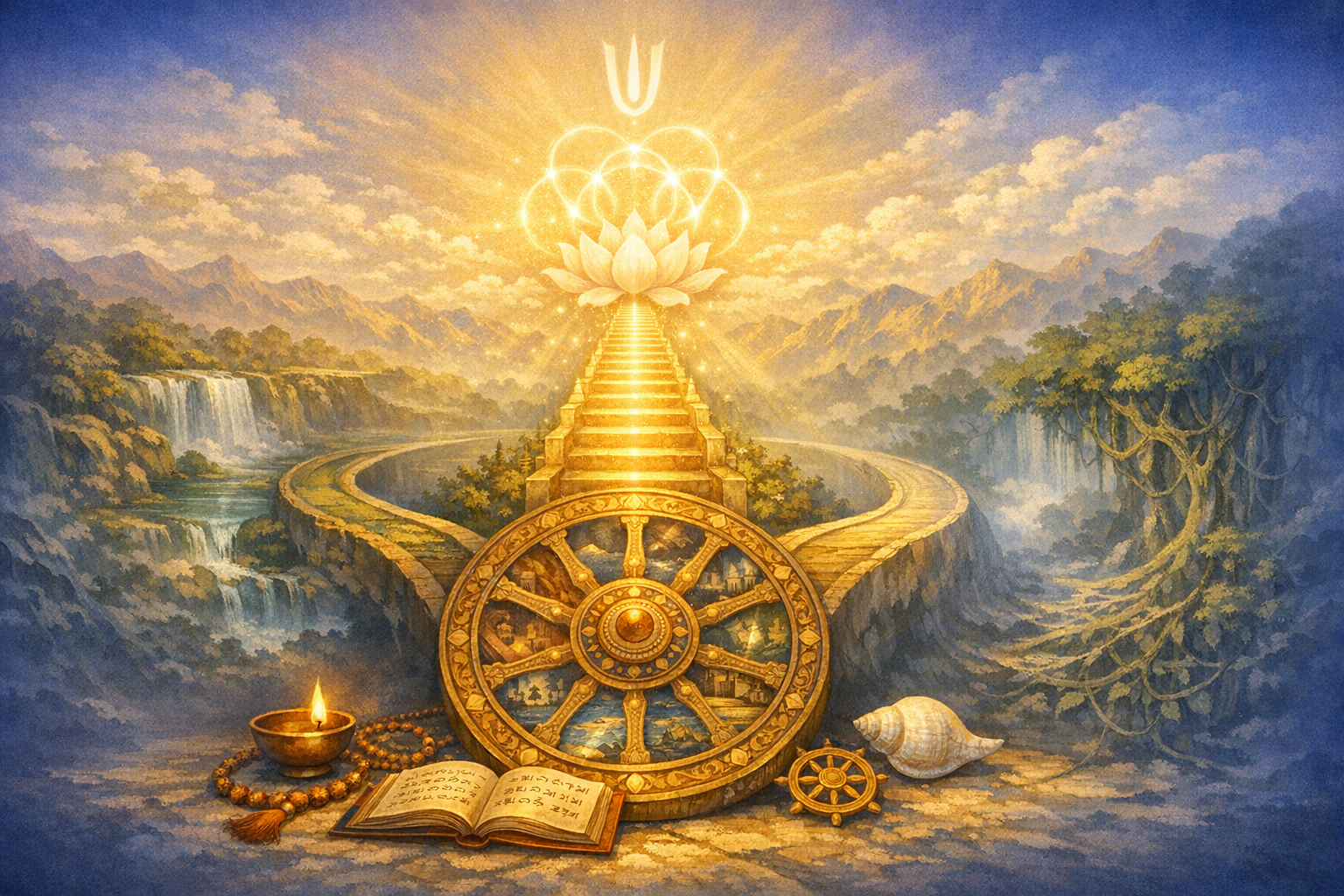
Nitya Samsari, the eternally transmigrating soul in Dvaita Vedanta, is part of a threefold classification that also includes Muktiyogya and Tamo-yogya. This analysis explains the doctrine’s metaphysical basis, scriptural grounding in the Upanishads and Bhagavad Gita, and its ethical implications for daily practice. It clarifies how karma, gunas, and habit formation sustain samsara, while showing…
-
Prayer Is the Voice of the Soul: Timeless Dharmic Science for Healing, Clarity, and Grace
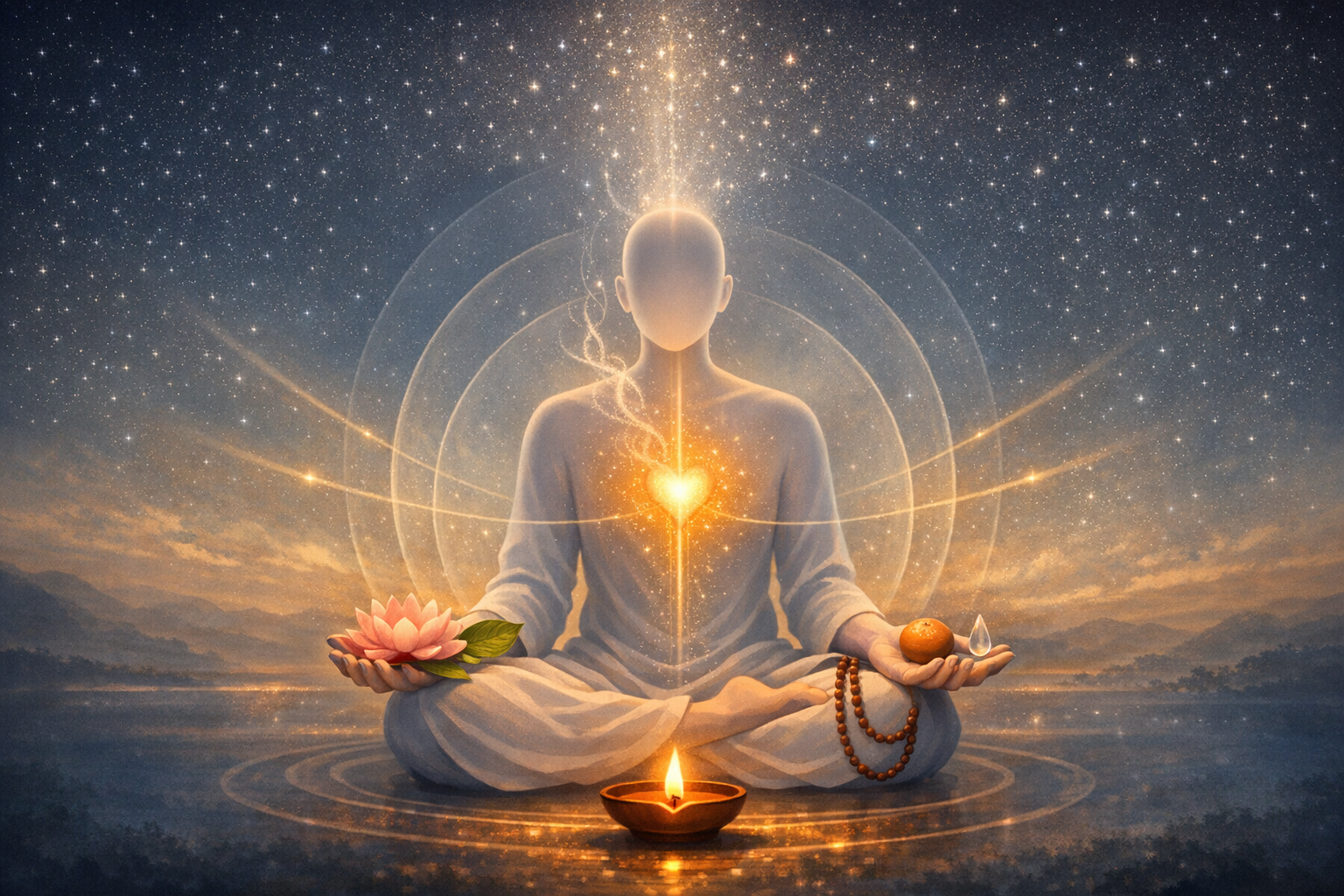
This article unpacks the Hindu teaching “Prayer is the voice of the soul” as a precise, reproducible inner science shared across Hinduism, Buddhism, Jainism, and Sikhism. It explains technical frameworks such as vāk (levels of speech), Pancha-kosha viveka (five sheaths), and the discipline of japa, dhyana, and pranayama. Readers gain a clear practice framework that…
-
When Power Outpaces Wisdom: Ancient Dharmic Insights to Heal a Wealthy, Wounded World

Modern society holds immense technological power and material wealth, yet faces crises born of its own momentum. Drawing on Hinduism, Buddhism, Jainism, and Sikhism, this analysis explains how shakti (power) must be yoked to viveka (wisdom) through dharma to restore ecological balance, social harmony, and inner clarity. It maps Purusharthas to contemporary dilemmas, applies yama–niyama…
-
Who Is a True Guru? Shrimad Bhagavat’s 24 Transformative Lessons from the Avadhut
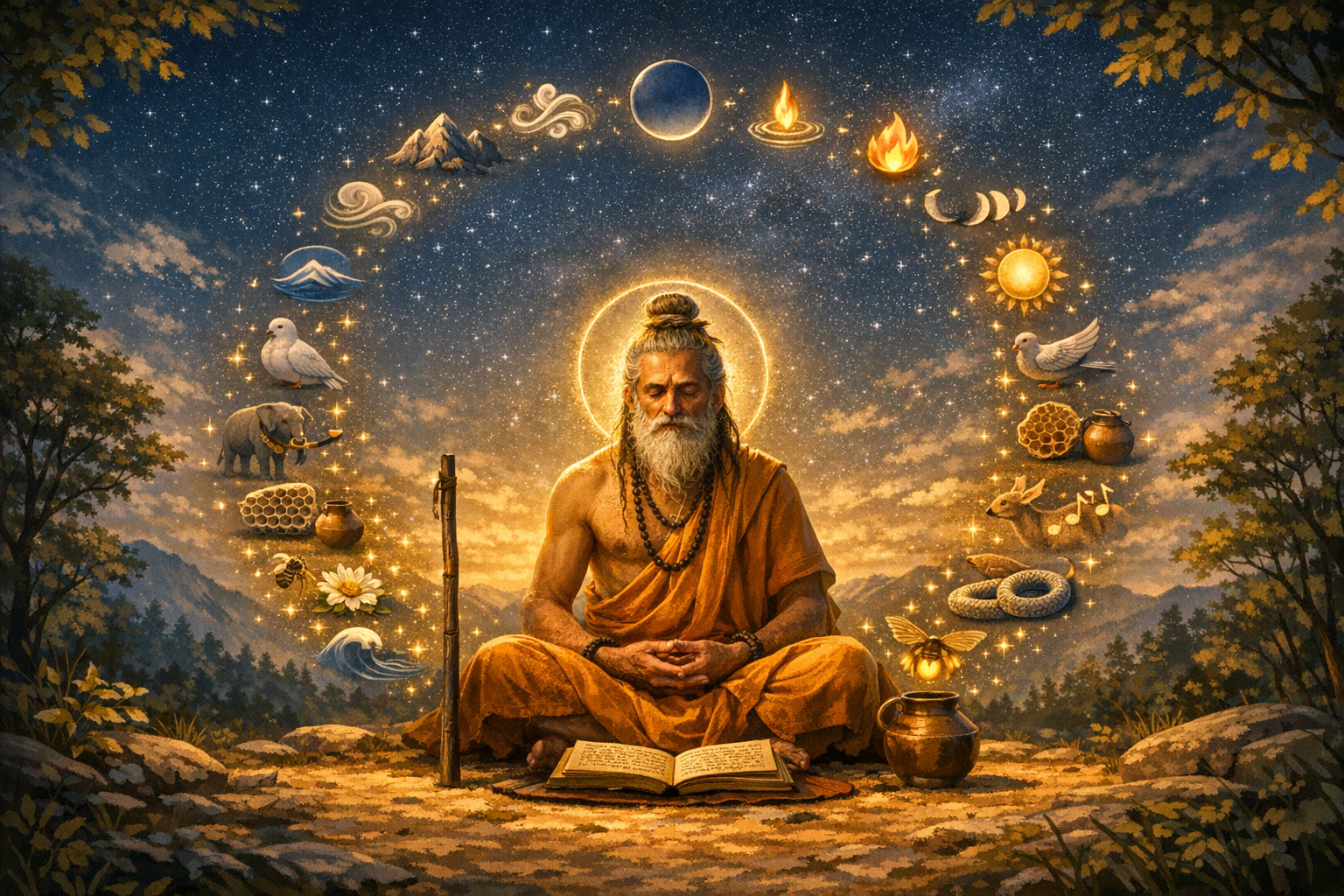
What is a true Guru according to the Shrimad Bhagavat? The Eleventh Canto’s dialogue between King Yadu and an Avadhut answers by expanding the Guru beyond a single figure to a universal function that dispels ignorance wherever it appears. Through 24 striking lessons from nature and human lifeEarth’s forbearance, the Ocean’s equanimity, Pingalā’s renunciation, the…
-
Did Ashtavakra Curse Ravana? Evidence, Variants, and Dharma’s Powerful Warning on Ego

This long-form analysis examines the popular claim that Sage Ashtavakra cursed Ravana, distinguishing between canonical Ramayana sources and later oral retellings. It explains why the episode, though absent from early textual strata, persists as a compelling ethical parable about Dharma, ego, and consequence. The essay profiles Ashtavakra’s Advaita message and Ravana’s complex character, situating both…
-
Pranavopasana: Mastering Om for Self‑Realization, Inner Calm, and Dharmic Unity
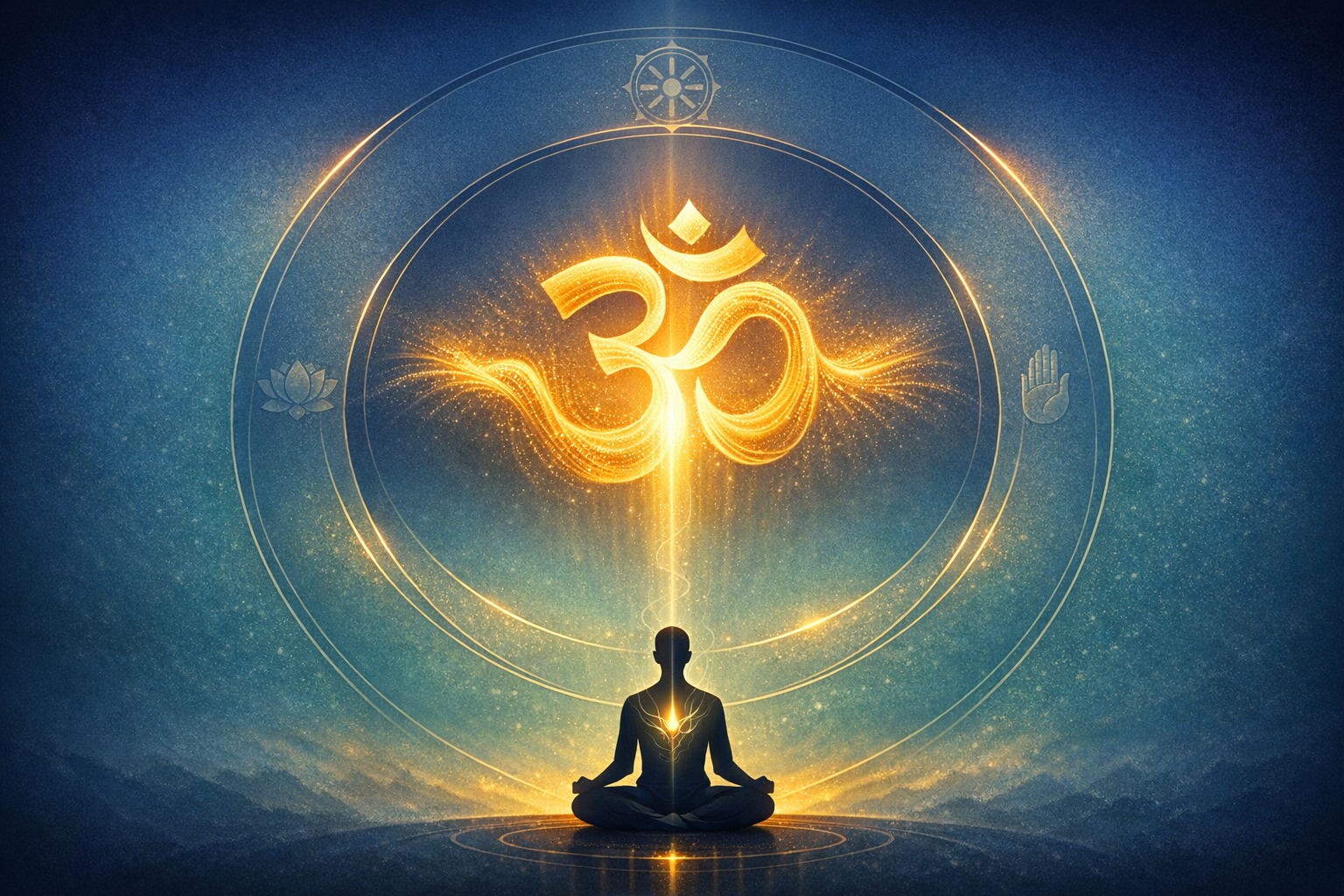
Pranavopasanameditation on the Pranava (ॐ)is a disciplined path in Hinduism and Advaita Vedanta that moves attention from sound to silence and from symbol to the Ultimate Reality. Drawing on the Upanishads, Bhagavad Gita, and Patanjali, it unites devotion, meditation, and inquiry into a coherent practice for Self-realization. The article explains the A–U–M arc, the turiya…
-
Manomayakosha Decoded: The Mind’s Sheath in Hindu Philosophy and Modern Life
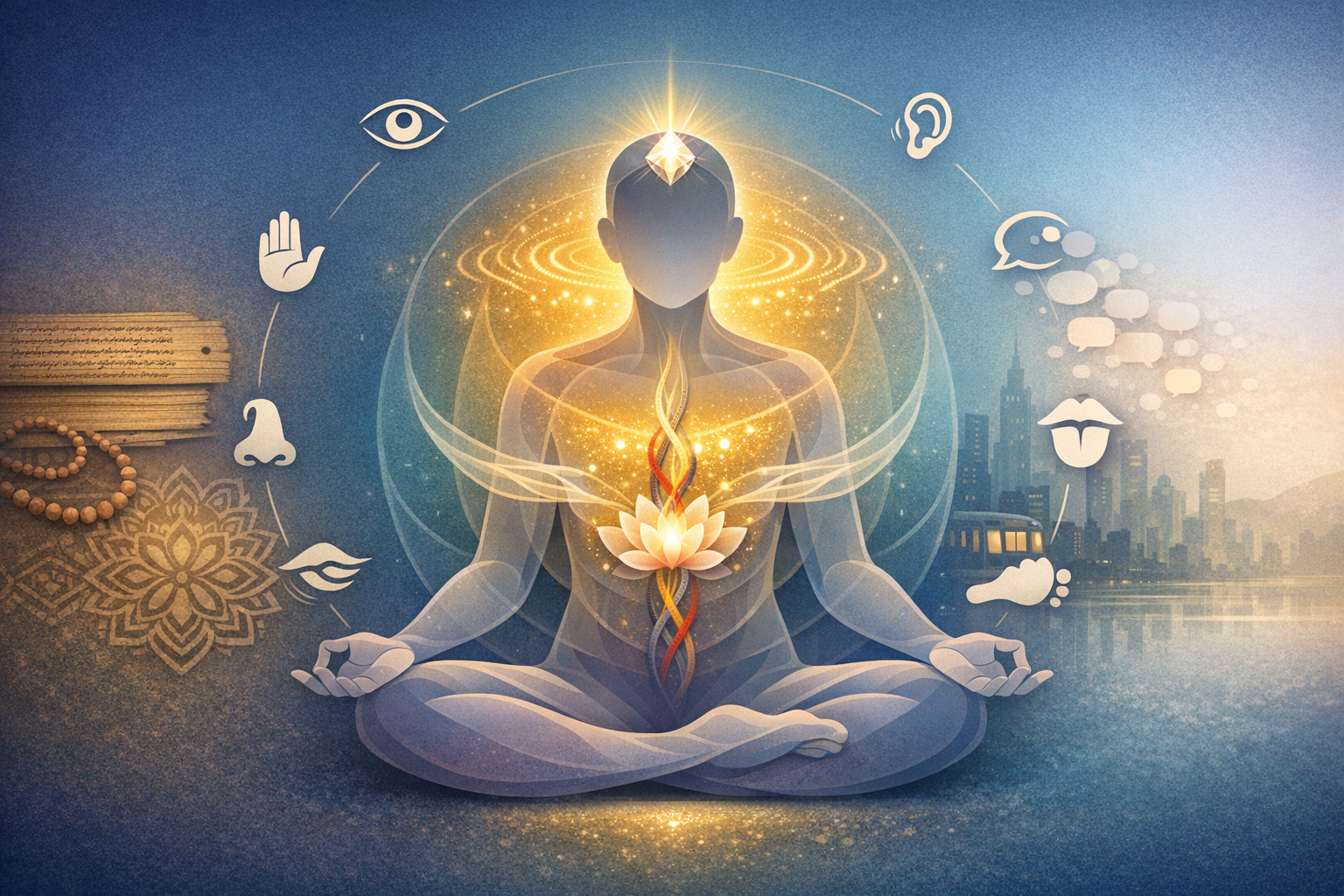
Manomayakoshathe mind-sheath of Vedantaexplains how sensations, emotions, and thoughts organize experience between breath (prana) and discernment (buddhi). Rooted in the Taittiriya Upanishad’s Panchakosha model, it clarifies why attention, ethics, and breath regulate mental clarity. The piece distinguishes Manomayakosha from vijnanamaya-kosha and shows how the gunas (sattva, rajas, tamas) color mental states. It highlights dharmic consonance…
-
Eternal Paradox of Being: Nothing Is Lost, Yet Everything Changes in Hindu-Dharmic Thought

This essay decodes the paradox “Nothing can be wiped out; but nothing remains same” through the lens of Hindu philosophy and the wider dharmic traditions. It shows how the Upanishads, the Bhagavad Gita, Advaita, Samkhya, Nyaya-Vaisheshika, Buddhism, Jainism, and Sikhism converge on a coherent view: being persists while forms transform. Readers gain clear definitions (sat,…
-
Desire Beyond Need: Dharmic Strategies to Transform Craving into Clarity and Freedom

This article clarifies why, in Hindu thought, desire is not a need but a demand that reaches beyond needand how that demand can be guided rather than suppressed. It maps desire across the puruṣārthas and pañca-kośa models, showing when desire serves dharma and when it becomes compulsion. It integrates insights from the Bhagavad Gita, Yoga…
-
Decoding the Sacred: How Sanatana Dharma Explains, Verifies, and Integrates Divine Experiences

This essay clarifies how Sanatana Dharma interprets divine experiences through a rigorous, compassionate framework. It explains how pramana (direct experience, inference, and trustworthy testimony) aids discernment, and how practices in Bhakti, Jnana, Raja, and Karma Yoga shape reliable transformation. Readers learn practical integration methodsdaily discipline, reflective journaling, scriptural study, and sevathat convert brief insights into…
-
Gaudapada’s Asparshayoga Explained: The Fearless Non-Contact Path to Advaita Bliss

This essay unpacks AsparshayogaGaudapada’s “non-contact yoga” in Advaita Vedantaas a knowledge-centered recognition that dissolves the subject–object split. It explains why the bliss of the Self is intrinsic rather than a peak produced by sensory contact, grounding the discussion in the Mandukya Upanishad’s map of Turiya. It clarifies how Asparshayoga differs from Patanjali’s technique-driven approach while…
-
Ajati in Advaita Vedanta: Radical Non-Birth, Mandukya Karika, and Deep Clarity

AjatiAdvaita Vedanta’s doctrine of non-birthasserts that ultimate reality never truly originates or changes, while preserving everyday causality and ethics at the empirical level. Rooted in the Mandukya Upanishad and Mandukya Karika, it culminates in the recognition of turīya, the ever-present awareness. By distinguishing absolute from empirical standpoints, Ajati avoids nihilism and affirms a positive, non-dual…