
-
Beyond Ego (Ahamkara): Atman, Attachment, and Liberation across Hindu, Buddhist, Jain, Sikh Paths

This comprehensive analysis explains how Hinduism, aligned with Buddhism, Jainism, and Sikhism, understands internal attachment as self-identification with ego (ahamkara/asmita). It clarifies core doctrinesAtman–Brahman, avidya–adhyasa, and the Yoga kleshaswhile mapping practical methods in Karma Yoga, Bhakti, Jnana, and Raja Yoga. Readers gain a technical yet accessible framework using Pancha Kosha Viveka, samskara theory, and Gita-based…
-
Kindling the Inner Agni: How Food, Breath, and Mind Shape Consciousness in Hindu Philosophy

This essay explores Agni as the inner principle of transformation in Hindu philosophy and across Dharmic traditions. It explains how food, breath, sensory inputs, and intention function as fuels for consciousness through the Upanishadic pañca-kośa model. Drawing from the Bhagavad Gītā’s sāttvika–rājasa–tāmasa framework and Ayurveda’s doctrine of Agni, it outlines practical protocols to strengthen clarity,…
-
Nirupadhika in Advaita Vedanta: Adjunct-Free Brahman, Practice Insights, and Dharmic Parallels

Nirupadhika“without the upadhis”names Advaita Vedanta’s insight that Brahman is never altered by limiting adjuncts such as body, mind, maya, or avidya. The article maps how nirupadhika contrasts with sopadhika, clarifies tri-level reality, and shows how Upanishadic hermeneutics (neti neti, tat tvam asi via bhaga-tyaga-lakshana) reveal the adjunct-free Self. It unpacks core methodsadhyaropa-apavada, Drig-Drishya Viveka, and…
-
Egolessness and Emptiness in Hindu Thought: The Transformative Power of Ego-Death

Emptiness in Hindu philosophy is not nihilism but the liberating absence of egoic grasping, revealing the intrinsic fullness (pūrṇatā) of awareness. Drawing on Advaita Vedānta, the Bhagavad Gītā, and Yoga, and in harmony with Buddhism’s śūnyatā and anatta, Jainism’s Anekantavada, and Sikhism’s remembrance (simran) and seva, the discussion shows how egolessness cultivates fearlessness, compassion, and…
-
Laghima Siddhi in Hinduism: The Sacred Science of Lightness to Elevate Mind, Body, and Life

Laghima Siddhi, one of the classical ashta-siddhis in Hinduism, signifies far more than levitation; it encodes a holistic science of lightness spanning ethics, breath, posture, diet, and contemplation. Anchored in sources like the Bhagavata Purana and thematically aligned with Patanjali’s Yoga Sutra, Laghima relates to mastery of udana vayu and the cultivation of sattva. In…
-
Manavala Mamuni (1370–1443): Architect of Sri Vaishnava Revival and Vishishtadvaita Grace

Manavala Mamuni (1370–1443 CE) transformed Sri Vaishnavism by uniting rigorous Vishishtadvaita scholarship, heartfelt bhakti, and practical temple reform. Grounded in Ubhaya Vedanta, he elevated the Tamil Divya Prabandham alongside Sanskrit śruti, making Hindu philosophy accessible to everyday practitioners. His worksUpadesa Rathina Malai, Arthi Prabandham, Tiruvaradana Kramamand his teaching on prapatti shaped living devotional practice across…
-
When Nothing Remains, Fear Ends: A Dharmic Science of Abhaya beyond Ego and Identity

This essay maps a dharmic science of fearlessness (Abhaya) grounded in Hindu philosophy and harmonized with Buddhism, Jainism, and Sikhism. It clarifies how fear originates in avidya and duality, then outlines practical pathsJnana, Karma, Bhakti, and Raja Yogato dissolve misidentification and regulate reactivity. Readers gain scriptural anchors from the Upanishads, the Bhagavad Gita, and the…
-
Breaking the Invisible Cage: Hindu Dharma on Renewal, Impermanence, and Dynamic Living

Modern routines can harden into an invisible cage, but Hindu Dharma treats life as ceaseless transformation rather than fixed habit. This essay explains why stagnation is a spiritual peril, using core ideas such as samskara, gunas (sattva–rajas–tamas), abhyasa–vairagya, and rita. It distinguishes lifeless routine from living rhythm, showing how nitya- and naimittika-karmas, pranayama, dhyana, and…
-
Beyond Harshness: Dharmic Practices to See Kindness, Calm Fear, and Act with Courage

A dharmic lens reframes a harsh-seeming world by training perception and action to reveal the abundance of kindness that already coexists with suffering. Drawing on Hinduism, Buddhism, Jainism, and Sikhism, this analysis integrates Yoga Sutra 1.33, the Bhagavad Gita’s Karma Yoga, Jain Anekantavada, and Sikh seva into a practical program for cultivating compassion. It explains…
-
Decoding Nityānuvāda in Pūrva Mīmāṃsā: How Reiteration Shapes Vedic Meaning and Practice

Nityānuvāda, a core device in Pūrva Mīmāṃsā, explains why the Veda sometimes reiterates what is already known. Rather than creating new duties, it safeguards constant associations and stabilizes practice, complementing vidhi (injunction) without competing with it. Recognizing nityānuvāda helps readers avoid inflating obligations and dissolves apparent scriptural contradictions. The distinction from restrictive vidhis is precise:…
-
Unmasking the Self: Dharmic Wisdom on Maya, Ahamkara, and Authentic Living Today

In a culture of performative identities, dharmic traditions provide a precise, compassionate roadmap for authentic living. Drawing on Hindu concepts such as māyā, avidyā, ahaṁkāra, and Pancha Kosha Viveka, alongside Buddhist analysis of the skandhas and anatta, Jain practices of samayika and pratikramana, and Sikh disciplines of nām simran, kīrtan, and sevā, the piece shows…
-
Decoding the Trimurti and Time: Brahma, Vishnu, Shiva as One Timeless Consciousness

Hinduism affirms a formless, timeless Brahman while compassionately offering the TrimurtiBrahmā, Viṣṇu, and Śivaas a contemplative lens on one consciousness performing creation, preservation, and dissolution. Grounded in Upanishadic and Vedic insights, this approach unites nirguṇa metaphysics with saguṇa devotion without contradiction. By situating the Trimurti within cyclical time (yugas, manvantaras, kalpas), the tradition frames change…
-
Mahatparinama Unveiled: The Transformative Journey from Subtle to Manifest Reality in Hindu Philosophy

Mahatparinamathe transformation from subtle to manifestprovides a unifying grammar for Hindu philosophy, linking Samkhya’s cosmology, Vaisheshika’s atomism, Vedanta’s metaphysics, and Yoga’s inner practice. This comprehensive explainer maps the emergence from mahat (cosmic intelligence) through ahamkara, tanmatras, and the mahabhutas, clarifying how sukshma processes shape sthula outcomes. It contrasts satkaryavada and asatkaryavada, situates parinama and vivarta…
-
Seeing Govinda Everywhere: The mahabhagavata’s Transformative Path of Exclusive Bhakti (SB 7.7.55)
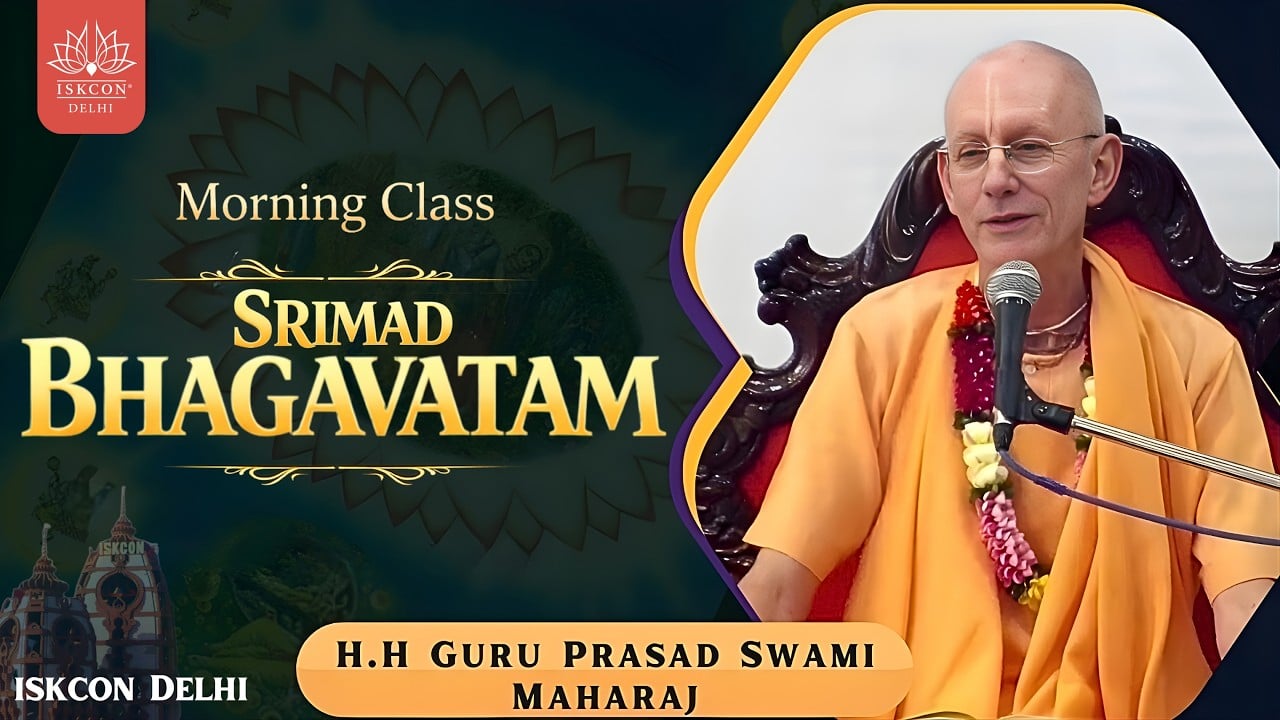
This analysis of SB 7.7.55, as explored in a morning Srimad Bhagavatam class by HH Guru Prasad Swami Maharaj at ISKCON Delhi, explains why the ultimate goal of life is exclusive devotion to Govinda and how mature realization expresses itself as seeing the Divine everywhere. It clarifies the mahabhagavata’s vision within Gaudiya Vaishnava theology (acintya-bheda-abheda)…
-
Queen Leela and King Padma in Yoga Vasistha: The Eternal Dance of Desire, Time, and Liberation

This long-form exploration of Queen Leela and King Padma in the Yoga Vasistha unpacks how consciousness, desire, and time interweave to produce the felt world. Readers learn why the text situates death and rebirth within the triad of gross, subtle, and causal bodies, clarifying continuity without clinging. The analysis translates core methodsshravana, manana, nididhyāsana, and…
-
Bliss in Cosmic Harmony: Align Individual Life with the Universal Rhythm in Hindu Thought

Hindu philosophy teaches that genuine bliss arises when individual life resonates with the universal rhythm, a harmony expressed in the Upanishadic vision of atman and Brahman. This essay grounds the idea in scriptural sources, including tat tvam asi, sarvam khalvidam brahma, and the Gita’s view of the yogin who perceives unity in diversity. It clarifies…
-
Definitive 9‑Lecture Journey into the Bhagavad Gita with Prof. Ithamar Theodor

This nine‑lecture series at Bhaktivedanta Research Center presents a rigorous, text‑based journey through the Bhagavad Gita with Prof. Ithamar Theodor, uniting academic clarity and contemplative depth. Participants gain historical context, philological literacy, and a comparative understanding of Advaita, Visistadvaita, and Dvaita interpretations. Core teachings on Dharma, Karma Yoga, Jnana Yoga, and Bhakti Yoga are examined…
-
Tapas, Siddhis, and the Hidden Trap of Mada: Preventing Spiritual Arrogance in Sadhana

Hindu philosophy honors tapas and acknowledges the possibility of siddhis, yet warns that both can catalyze madaspiritual arroganceif pursued without humility and ethical grounding. Drawing on the Yoga Sutra, the Bhagavad Gita, and epic narratives, this analysis shows how austerity and unusual capacities become obstacles when they inflate identity. Converging perspectives from Buddhism, Jainism, and…
-
Choosing Our ‘Amazing Stories’: A Rigorous Case for Vedic Epistemology and Dharmic Unity

This essay examines the oft-quoted contrast between materialism and the Vedic view by asking how anyone comes to know. Drawing on the dharmic theory of pramāṇaperception, inference, testimony, and moreit distinguishes the legitimate power of science from the unwarranted metaphysics of scientism. It argues that Vedic epistemology offers greater coherence and explanatory breadth, especially for…
-
Beyond Death’s Arrow: How Arishtanemi’s Tapas in the Mahabharata Reveals Deathless Dharma

This essay examines how the Mahabharata’s doctrine of tapas frames spiritual discipline as “divine protection,” reading the image of going beyond death’s arrow as a technical claim about fearlessness and clarity. It situates Ariṣṭanemi (Neminātha in Jain tradition) within a shared Dharmic milieu, linking ahiṃsā and aparigraha to the epic’s tapas-centered ethic. Drawing on Shanti…