
-
Chitrakanya in Tantra: The Sacred Feminine on Shiva’s Lap and the Power of Unity
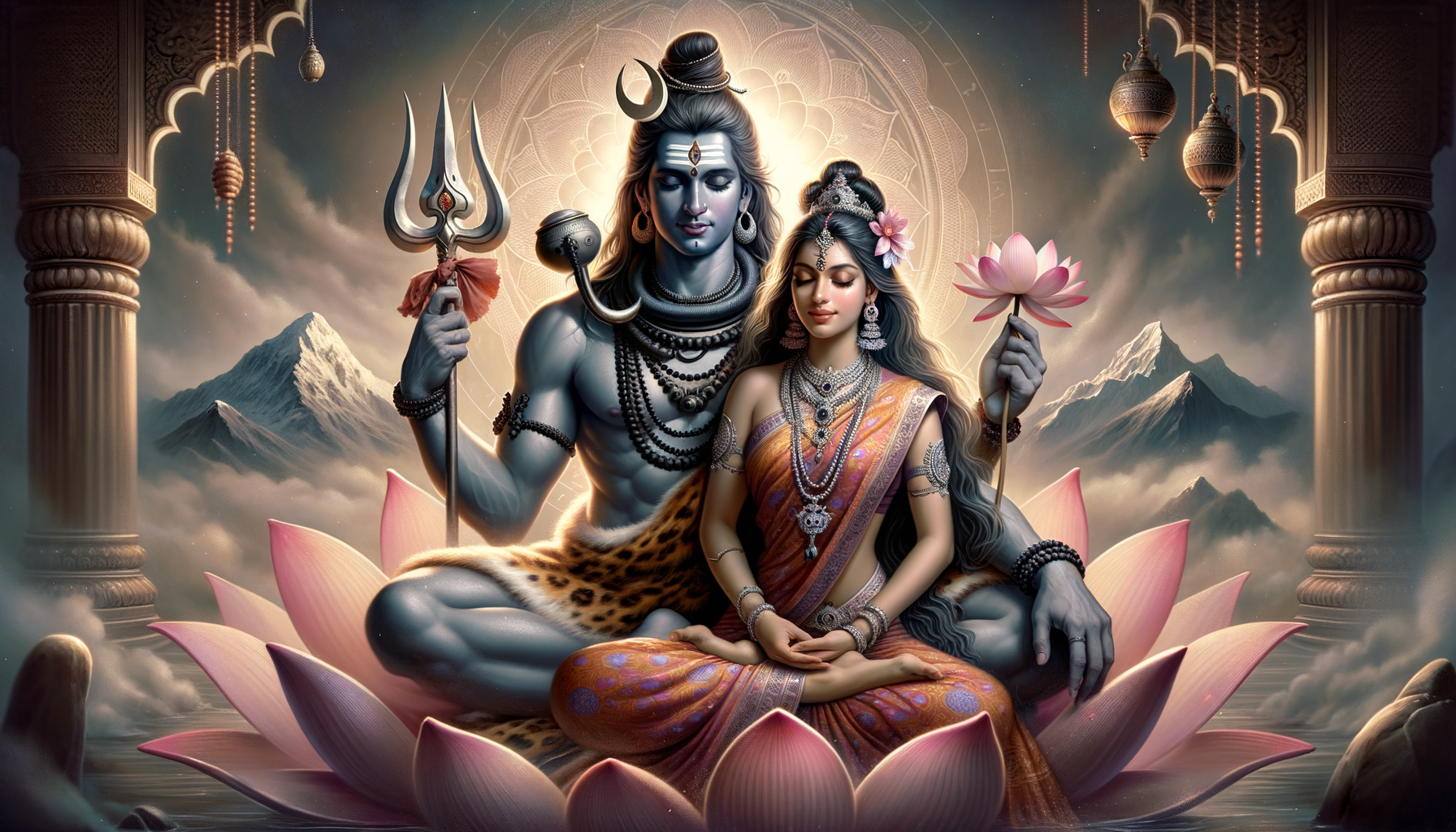
Chitrakanya, described in Tantric Hindu traditions as the “Beautiful Maiden,” embodies the sacred feminine seated on Lord Shiva’s lap, symbolizing the non-dual union of Shakti and Shiva. This portrayal affirms that purity and passion, stillness and dynamism, are complementary forces within spiritual life. The iconography functions as both metaphysical teaching and practical psychology, supporting emotional…
-
Five Faces of Goddess Siddhilakshmi: Tantric Symbolism, Shakti, and Fulfillment
Goddess Siddhilakshmi, revered in Shakta and Kaula Tantra, embodies Lakshmi’s auspicious abundance fused with transformative Shakti. The five-faced (Panchamukhi) symbolism presents an inner mandala of divine energies: Iccha (intention), Jnana (wisdom), Kriya (action), Aishvarya (prosperity), and Raksha–Anugraha (protection and grace). Interpreted through Hindu frameworks such as pancha-kosha and pancha-mahabhuta, this schema guides seekers from purpose…
-
Radiant Kankali Kali and the Chakras: A Transformative Guide to Sacred Energy Centers

This article explores Kankali Kali as a radiant symbol of transformative strength within Hindu spirituality, illuminating how her fierce compassion supports the harmonization of the chakras. It outlines each sacred energy center—from mulādhāra to sahasrāra—and explains how ethical clarity, steady breath, and mindful practice guide balanced awakening. Readers gain a practical, non-dogmatic framework for working…
-
Nine Radiant Forms of Goddess Kali in the Tantra Purana: Protection, Wisdom, and Grace
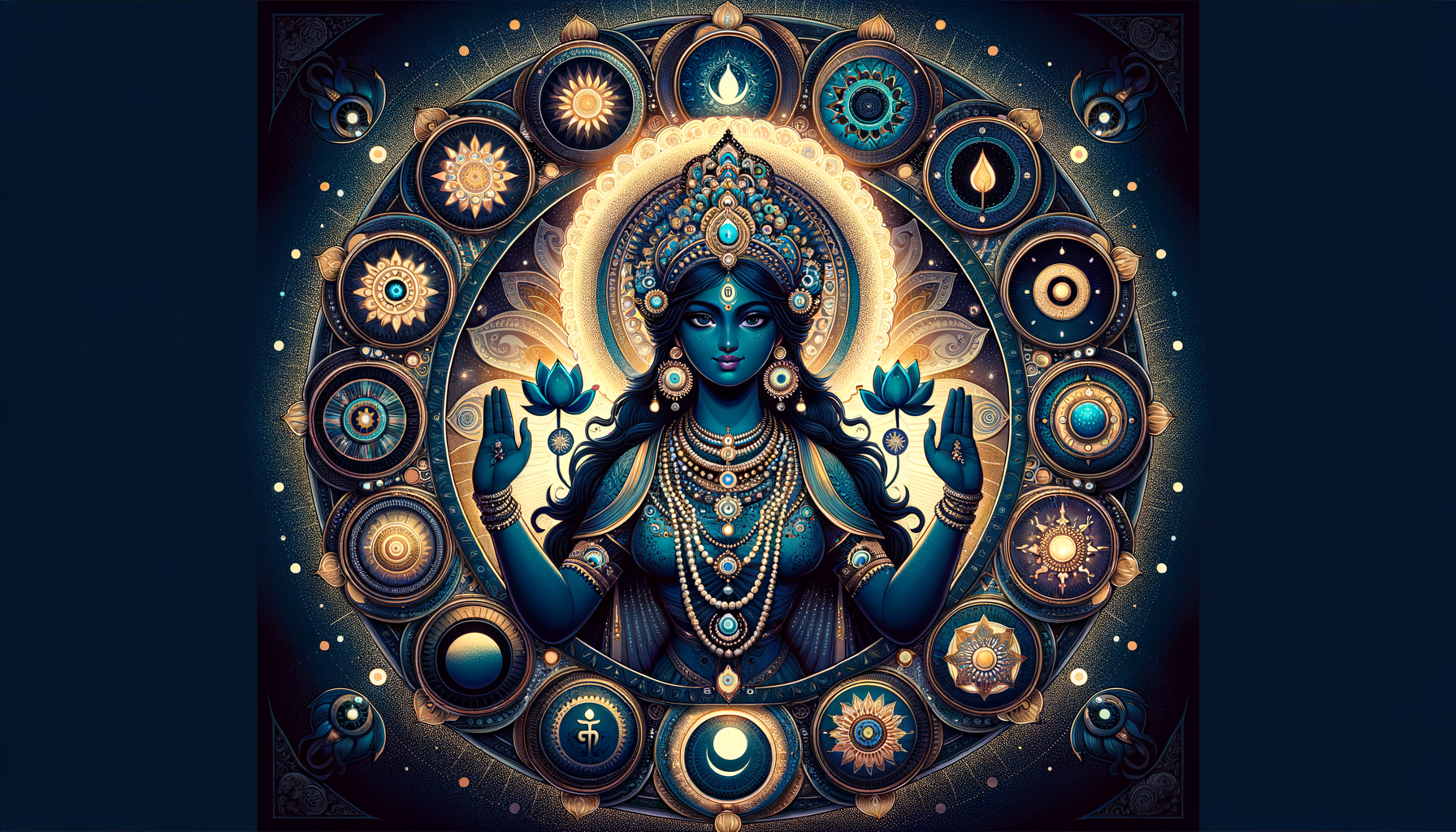
The Tantra Purana presents nine evocative forms of Goddess Kali that illuminate protection, wisdom, and compassionate strength. This overview explains a commonly transmitted Navakali sequence while noting regional and textual variations. Each form—such as Mahakali, Dakshina Kali, Smashana Kali, and Bhadrakali—offers a distinct lens on impermanence, courage, and ethical living. Readers gain clear, accessible symbolism…
-
Raja Shyamala Devi and the Power of Sacred Speech: Awakening Creative Knowledge

Raja Shyamala Devi—known as Matangi among the Mahavidyas—embodies sacred speech, refined learning, music, and creative knowledge. Presented within the Sri Vidya context as the Divine Counselor of Supreme Wisdom, she guides ethical communication and the transformative power of language. Readers gain practical ways to cultivate eloquence and clarity through mantra, mindful listening, and disciplined study.…
-
Unveiling Yogini Tantra: Why Kali Stands on Shiva—and the Sacred Union It Reveals
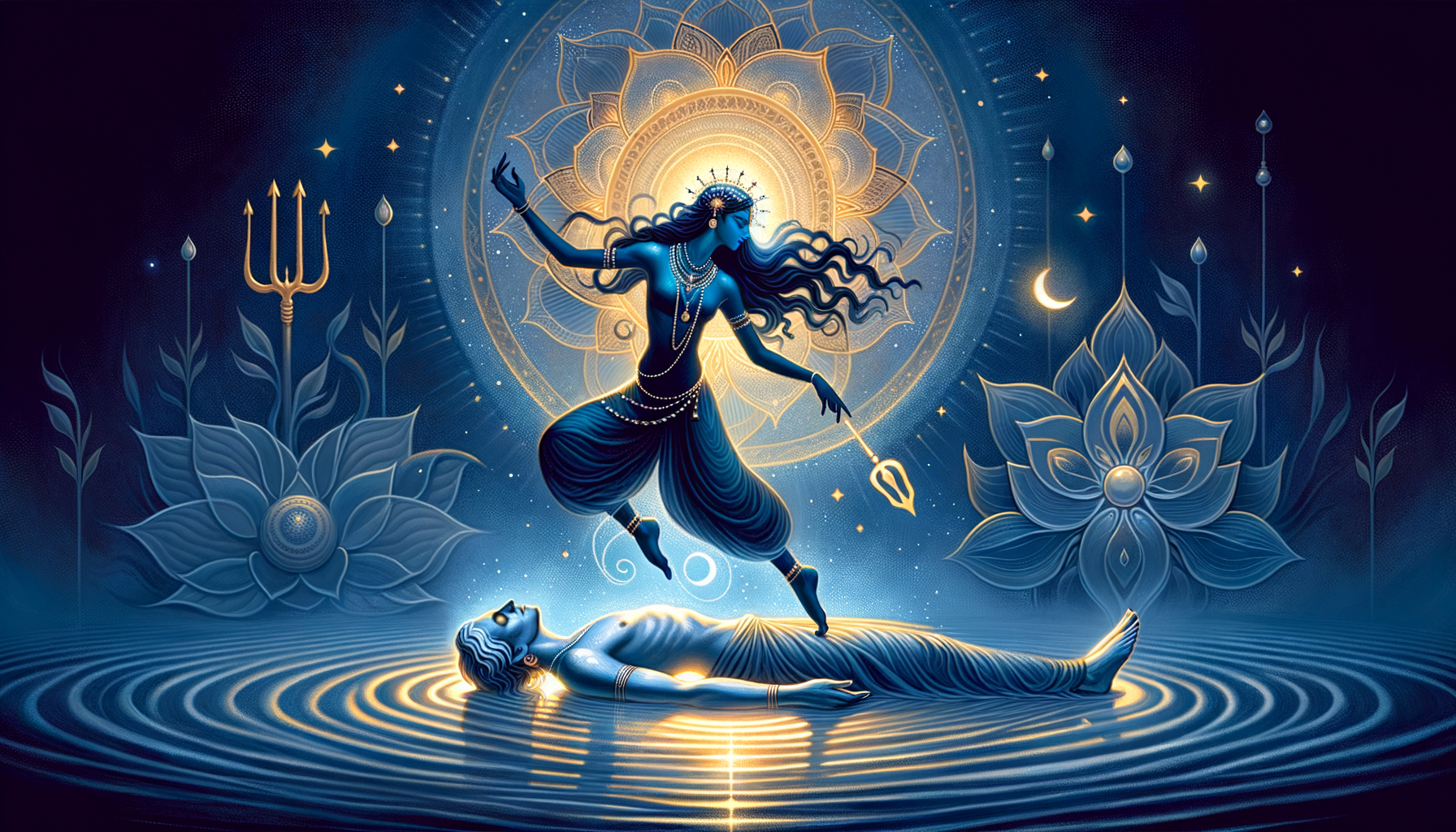
The image of Goddess Kali standing on Lord Shiva is often misunderstood as mere fury subdued. Read through the Yogini Tantra and related Tantric traditions, it teaches the sacred union of Shakti and Shiva—dynamic energy resting on pure consciousness. This interpretation reframes the posture as reciprocity, not hierarchy, and as transformation, not violence. The symbolism…
-
Vikarini, Divine Transformer: Shakti’s Creative Power and Cosmic Architecture in Hindu Thought
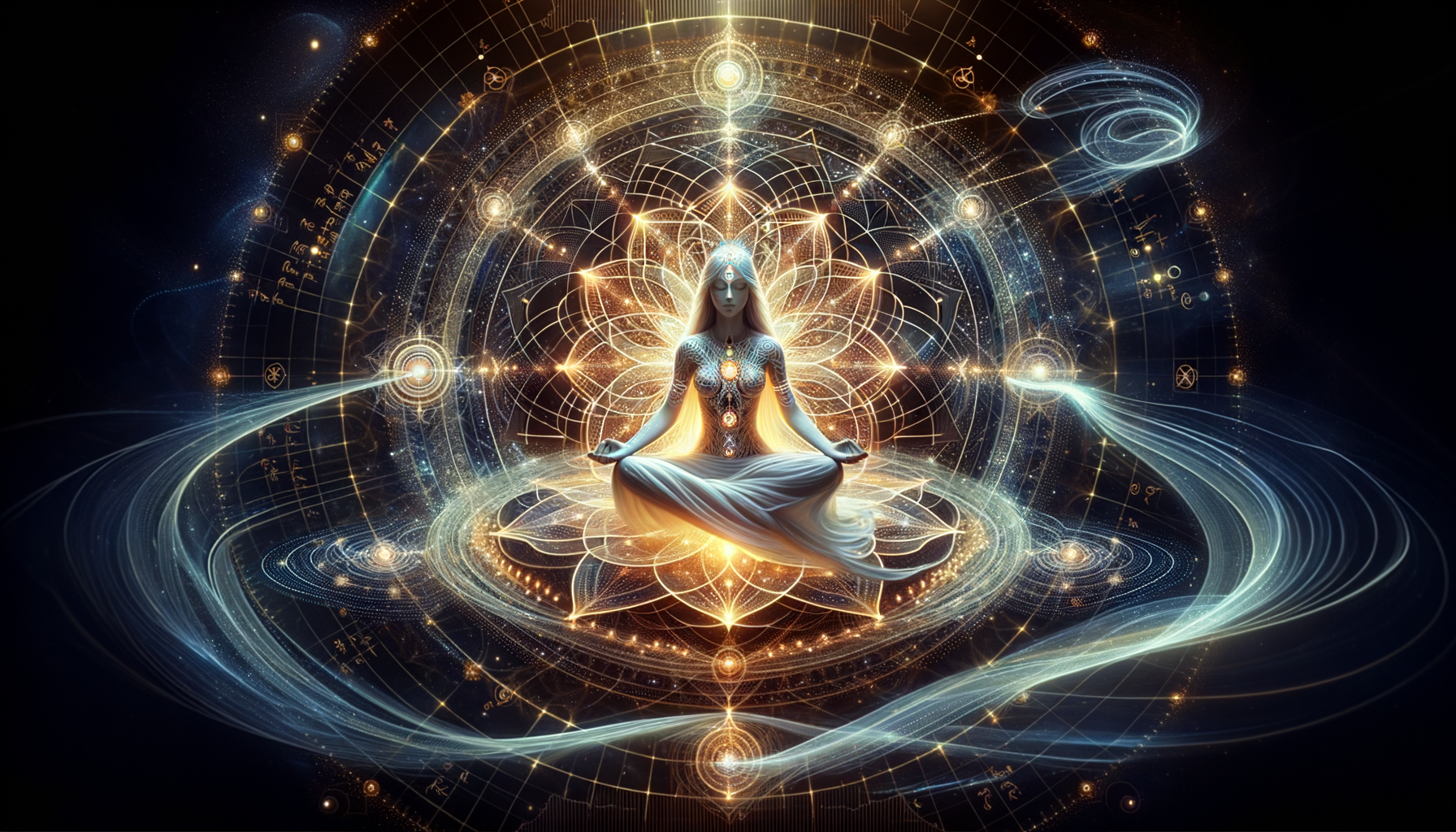
This essay explores Vikarini—an epithet of Mother Goddess Shakti—as the Divine Transformer who shapes cosmic manifestation in Hindu philosophy. It clarifies the Sanskrit roots of vikarini and connects Shakti’s creative power to Advaita Vedanta, Sāṃkhya, Shakta Tantra, and Kashmir Shaivism. Readers gain an integrated understanding of how unmanifest potential becomes nāma-rūpa through Shakti’s dynamic intelligence.…
-
Kokamukhi Devi: Unmasking the Jackal-Faced Shakti of Time, Death, and Sacred Renewal

Kokamukhi Devi, the jackal-faced manifestation of Adi Shakti, illuminates how fierce iconography can teach compassion, courage, and clarity. This analysis situates her cremation-ground symbolism within Shakta Tantra while drawing bridges to Buddhist charnel-ground meditations, Jain vairāgya, and Sikh remembrance of hukam. Readers gain a grounded understanding of how time and impermanence catalyze ethical living, not…
-
Fierce Grace on Kurukshetra: Goddess Kalaratri’s Sacred Role and Soul-Carrying Symbolism

Goddess Kalaratri emerges in the Mahabharata War as a profound symbol of Time, moral consequence, and fierce compassion. Read as a cosmic witness and soul-carrier, she reframes Kurukshetra not as mere carnage, but as a rite of ethical passage aligned with Dharma-Yuddha. This lens clarifies how endings in the epic serve renewal within a larger…
-
Panchamundi Asana Symbolism: The Goddess’s Awe-Inspiring Throne and the Triumph Over Human Limits

The Panchamundi Asana—Goddess Kali or Durga seated upon five skulls—functions as a precise Tantric statement about transcendence in Hindu temples. The five can represent senses, elements, sheaths, or afflictions, each pointing to mastery of inner limitations. Rather than glorifying death, the icon uses mortality as a mirror that cultivates fearlessness, clarity, and compassion. The symbolism…
-
Kali’s Fearless Sword: Symbolism that Cuts Ignorance and Awakens Dharmic Wisdom
Goddess Kali’s sword (kripana) symbolizes the discerning power that cuts through avidya while illuminating jnana, transforming a seemingly fearsome image into a compassionate guide to freedom. The severed head (chinnamunda) represents the surrender of constricting ego and the release of fear-driven patterns. Her right-hand mudras—abhaya and varada—assure protection and grace, balancing courage with compassion. Read…
-
Chhinnamasta in the Pranatosini Tantra: Divine Self-Sacrifice and Cosmic Renewal

This article explores the Pranatosini Tantra’s account of Chhinnamasta, a Mahavidya who embodies divine self-sacrifice and cosmic renewal. It explains how the Goddess nourishes her attendants through three life-giving streams, an image read as both prāṇa symbolism and radical generosity. The iconography—standing over Kāma and Rati—illustrates mastery over desire and the transformation of passion into…
-
Goddess Yellamma’s Black Head: Powerful Symbol of Unity Beyond Caste, Class, and Creed

The black head of Goddess Yellamma (Renuka Devi) functions as an aniconic focus for compassion and unity, revered across Karnataka, Maharashtra, and Telangana. Rooted in narratives of beheading and restoration, the motif dissolves rigid social boundaries and affirms dignity for all. The black hue symbolizes all-embracing grace and fierce protection, aligning with Shakta theology. Pilgrim…
-
Narasimha and the Yogini Shaktis: Unveiling the Four Vyuhashaktis and Their Sacred Power
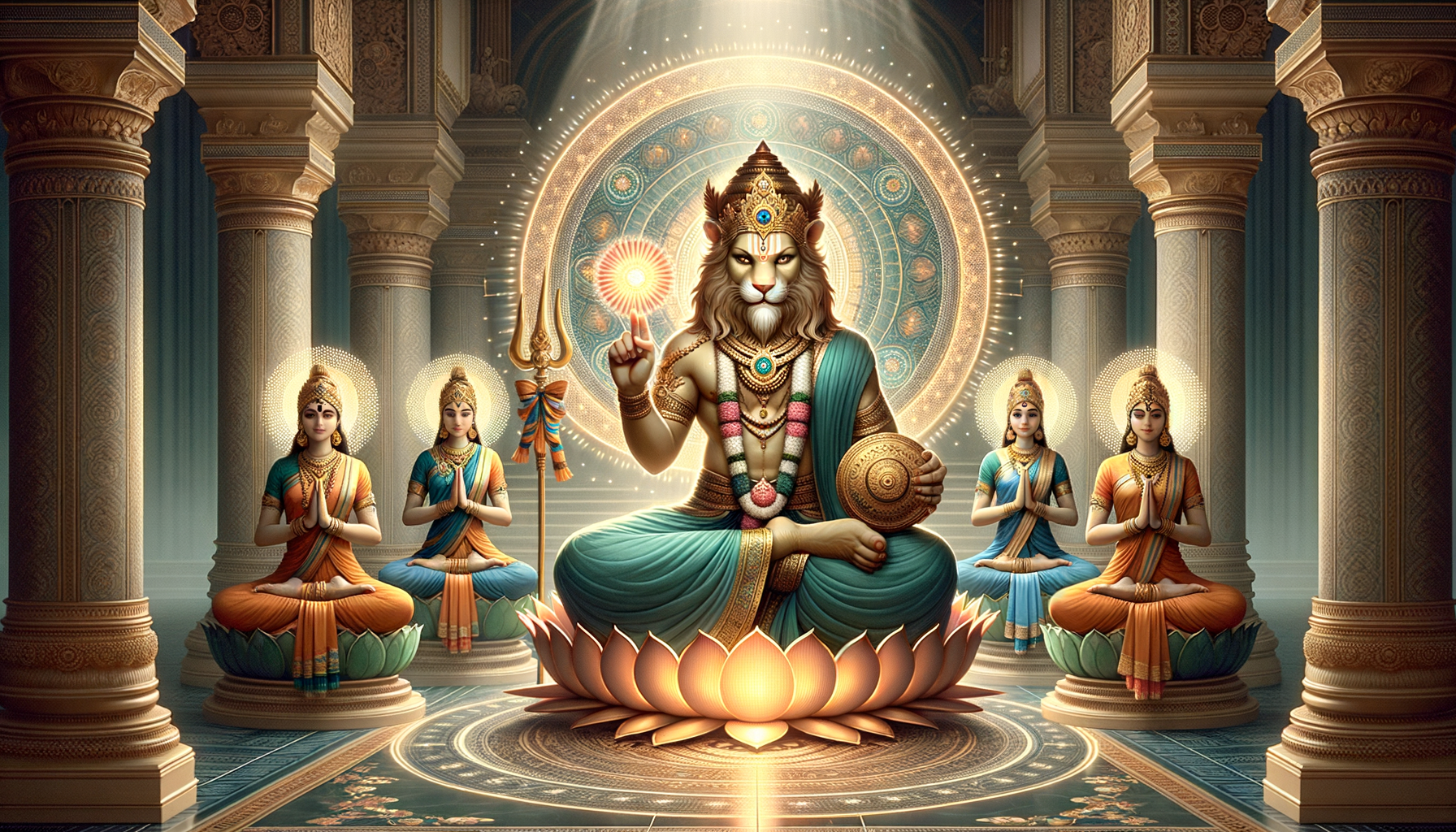
This article examines the narrative of Narasimha creating the Yogini Shaktis as a sophisticated expression of divine reciprocity. It situates the account within tantric traditions, including references to the Kamakoti Mandali, and explains how the four Vyuhas and their Vyuhashaktis become experientially present through Yogini manifestations. Readers gain a clear, academic overview of key concepts…
-
Jagadakhila and the Cosmic Triangle: Unveiling Shakti’s Universal Play in Tantra

Jagadakhila presents the universe as the sacred field of Shakti’s lila—an ever-unfolding play of consciousness and energy. The Cosmic Triangle, embodying iccha, jnana, and kriya shakti, serves as a contemplative key for understanding how intention, insight, and action cohere in daily life. This Tantric vision is both metaphysical and practical, offering guidance for ethical living…
-
Goddess Chinnamasta and the Jackals: Tantric Symbolism, Fierce Grace, and Inner Transformation

Goddess Chinnamasta’s self-decapitated form and the presence of jackals create a profound Tantric teaching on ego-transcendence, impermanence, and compassionate energy. The three blood streams symbolize iḍā, piṅgalā, and suṣumṇā, suggesting redistribution of prāṇa rather than loss. Jackals, as cremation-ground denizens, represent threshold spaces and the recycling of form, turning fear and instinct into wisdom. Psychological…
-
Muktakeshi—Kali’s Disheveled Hair: A Fearless Symbol of Liberation, Compassion, and Power

Muktakeshi—“one with disheveled hair”—illuminates the fearless, compassionate power of Goddess Kali. Unbound hair signifies boundaryless śakti, autonomy, and the dissolution of fear and attachment. Shakta and Tantric readings frame this iconography as a metaphysical lesson in freedom, courage, and renewal rather than mere aesthetic. Devotees engage the symbol as a meditative cue to loosen rigid…
-
Maha Kali’s Ten Heads and Ten Legs: Profound Symbolism of Power, Time, and Liberation
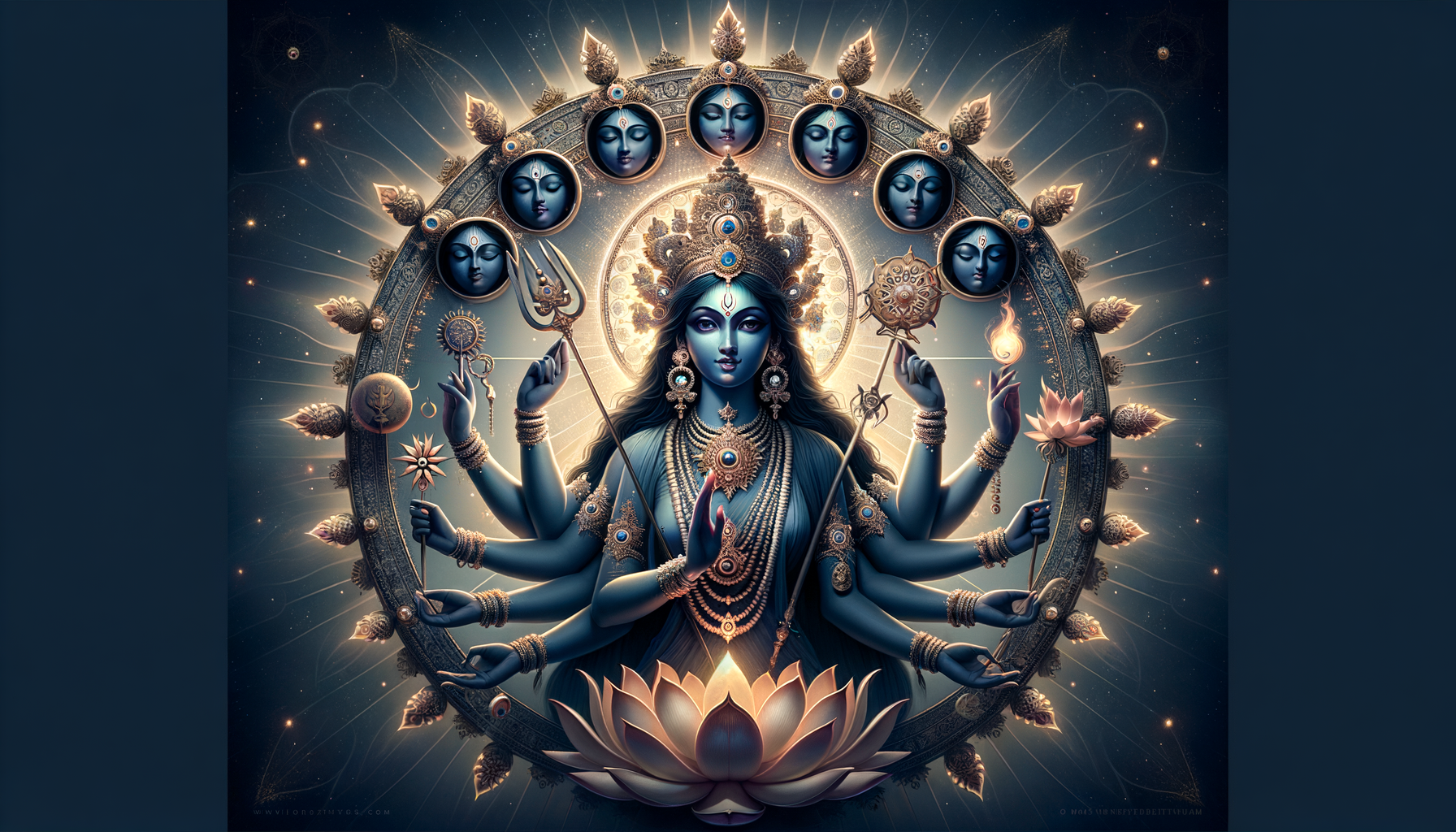
Maha Kali’s rare iconography with ten heads, ten arms, and ten legs encodes a complete path of wisdom, courage, and liberation. The ten heads symbolize panoramic awareness and the integration of the Mahavidyas, while the ten arms and legs express skillful action and stability in all directions. Read devotionally and philosophically, the form teaches how…
-
Goddess Vinayaki (Ganeshani): Unveiling the Sacred Feminine Power of Ganesha
Goddess Vinayaki (Ganeshani) embodies the sacred feminine of Lord Ganesha, uniting wisdom and compassion as a remover of obstacles in maternal form. Rooted in Puranic–Tantric traditions and Yogini lore, she reflects the inclusive plurality of Sanatana Dharma. Her iconography—elephant head, feminine form, and attributes like pasha, ankusha, modaka, and lotus—emphasizes auspicious beginnings and protective grace.…
-
Shakti Peethas Beyond India: Timeless Seats of the Divine Mother That Unite Borders
Shakti Peethas outside India illuminate a sacred geography that transcends modern borders, inviting seekers into a shared South Asian heritage. Grounded in the Devi Bhagavata Purana and other Puranas, these sites honor the Divine Mother, Shakti, and sustain living traditions of pilgrimage. Widely venerated examples include Hinglaj Mata in Pakistan, Guhyeshwari in Nepal, Jessoreswari in…