
-
Unveiling Meenakshi’s Fish-Eyed Gaze: Compassion, Protection, and Madurai’s Living Temple

This in-depth exploration decodes why Goddess Meenakshi is praised as the fish-eyed queen of Madurai, revealing how her unblinking gaze symbolizes ever-watchful compassion, civic guardianship, and spiritual assurance. It traces the epithet’s etymology, links it to Pandya dynastic emblems and South India’s riverine culture, and explains how darśana transforms devotees through a felt experience of…
-
Unveiling Shakti’s Living Power: Gujarat’s Folk Goddesses and Regional Identity
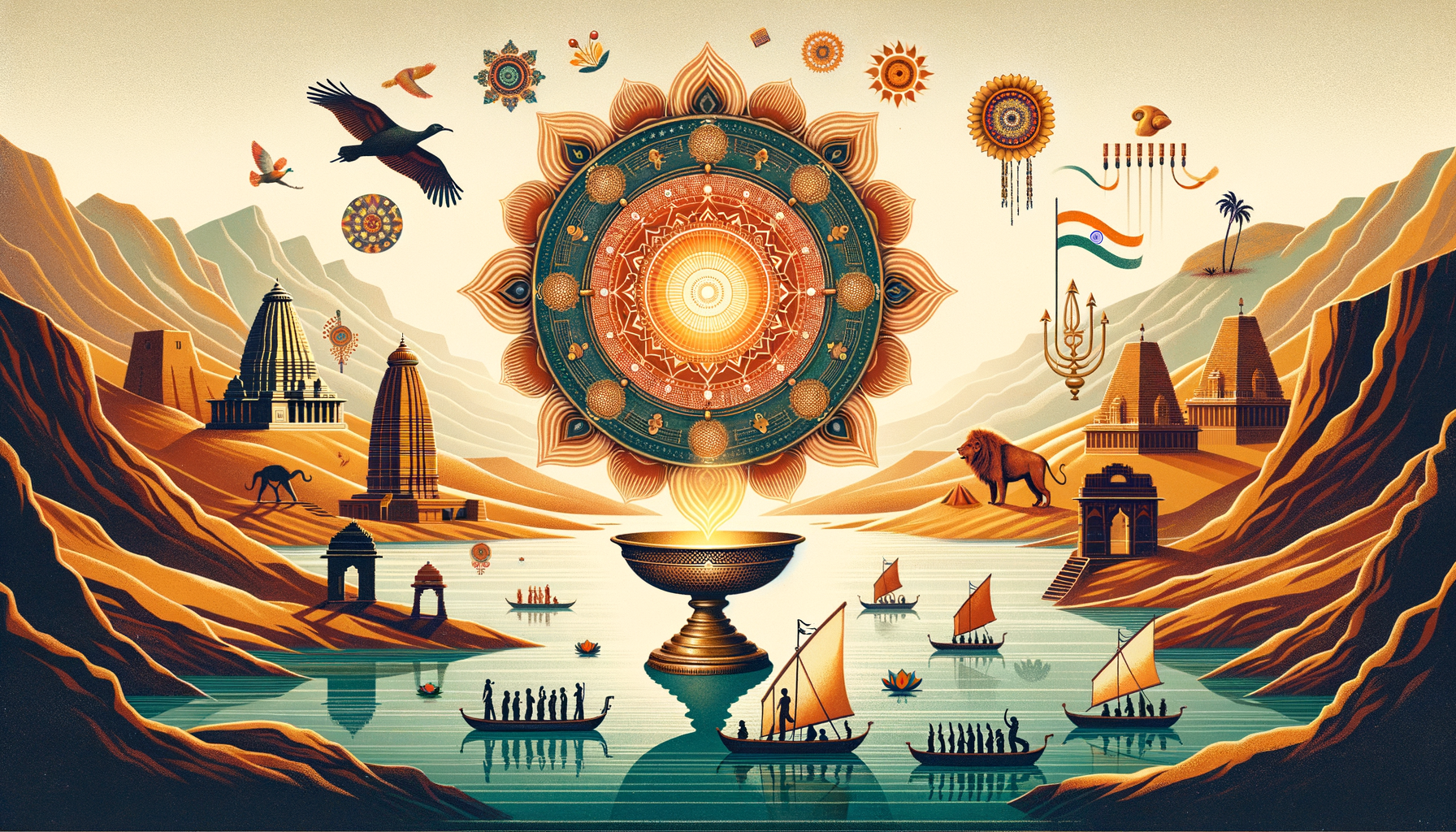
Gujarat’s folk goddesses reveal how Shakti localizes as protective village deities and lineage-honored kuladevis, shaping a resilient regional identity. The essay maps major sites—Ambaji, Pavagadh, Becharaji, coastal Harsiddhi—as anchors of sacred geography linked to trade, kinship, and ecology. It explains how Navratri Garba turns metaphysics into lived pedagogy, uniting communities around Amba’s lamp in Gujarat…
-
Indrani Mata Mahatmyam: Vedic Origins, Saptamatrika Power, and Living Devotion

Indrani (Shachi), the queen of the Devas and consort of Lord Indra, is a vivid presence in the Vedas, with Rig Veda (10.86) preserving a powerful hymn in her honor. As Aindri among the Saptamatrikas, she embodies Devi Shakti’s protective strength, symbolized by the vajra and the elephant. Her mahatmyam bridges Vedic literature and Puranic…
-
Banadurga of Bengal: Sacred Forest Daughter of Durga and Guardian of Rural Devotion

Goddess Banadurga (Banadebi) endures in Bengal’s folk spirituality as the compassionate Forest Daughter of Durga and a vigilant guardian of rural life. This post explores her approachable identity, simple iconography in clay and terracotta, and community-centered worship aligned with monsoon and harvest cycles. It highlights lived village memories, from lamps beneath sacred trees to songs…
-
Shantadurga of Kelshi: Sacred Konkan Legacy from Parashurama to Gaur Saraswat Devotion
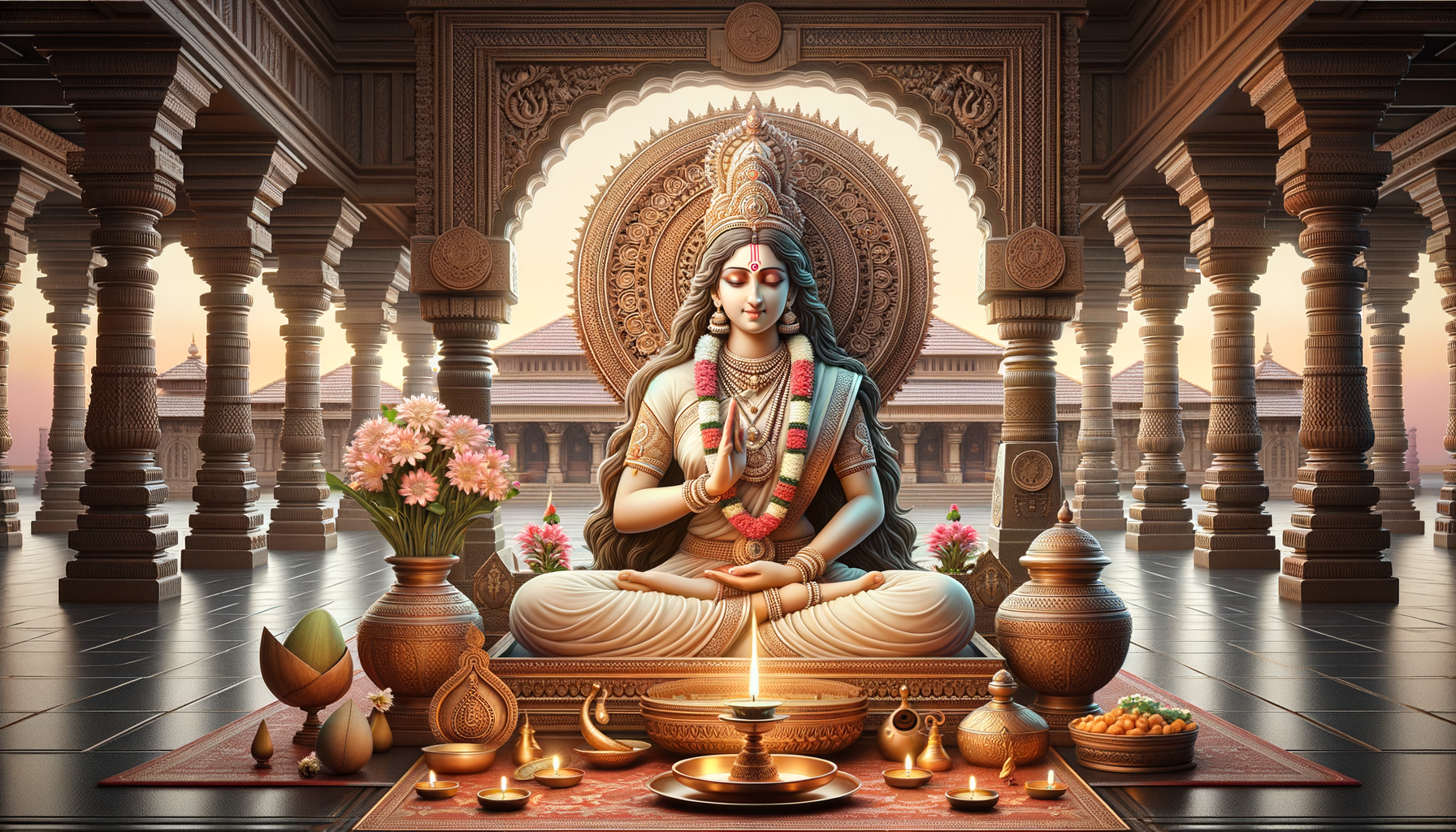
Shantadurga of Kelshi illuminates the sacred geography of Parashurama’s Konkan, where the Sahyadri meets the sea and Devi’s peaceful power endures. This account situates Kelshi within Purāṇic tradition, highlighting Shantadurga’s role as a reconciler and guardian. It explores how Gaur Saraswat Brahmin families sustain devotion across generations, transforming the temple into a living archive of…
-
Unveiling Tripura Sundari: Profound Symbolism of Shodashi on Shiva’s Navel Lotus
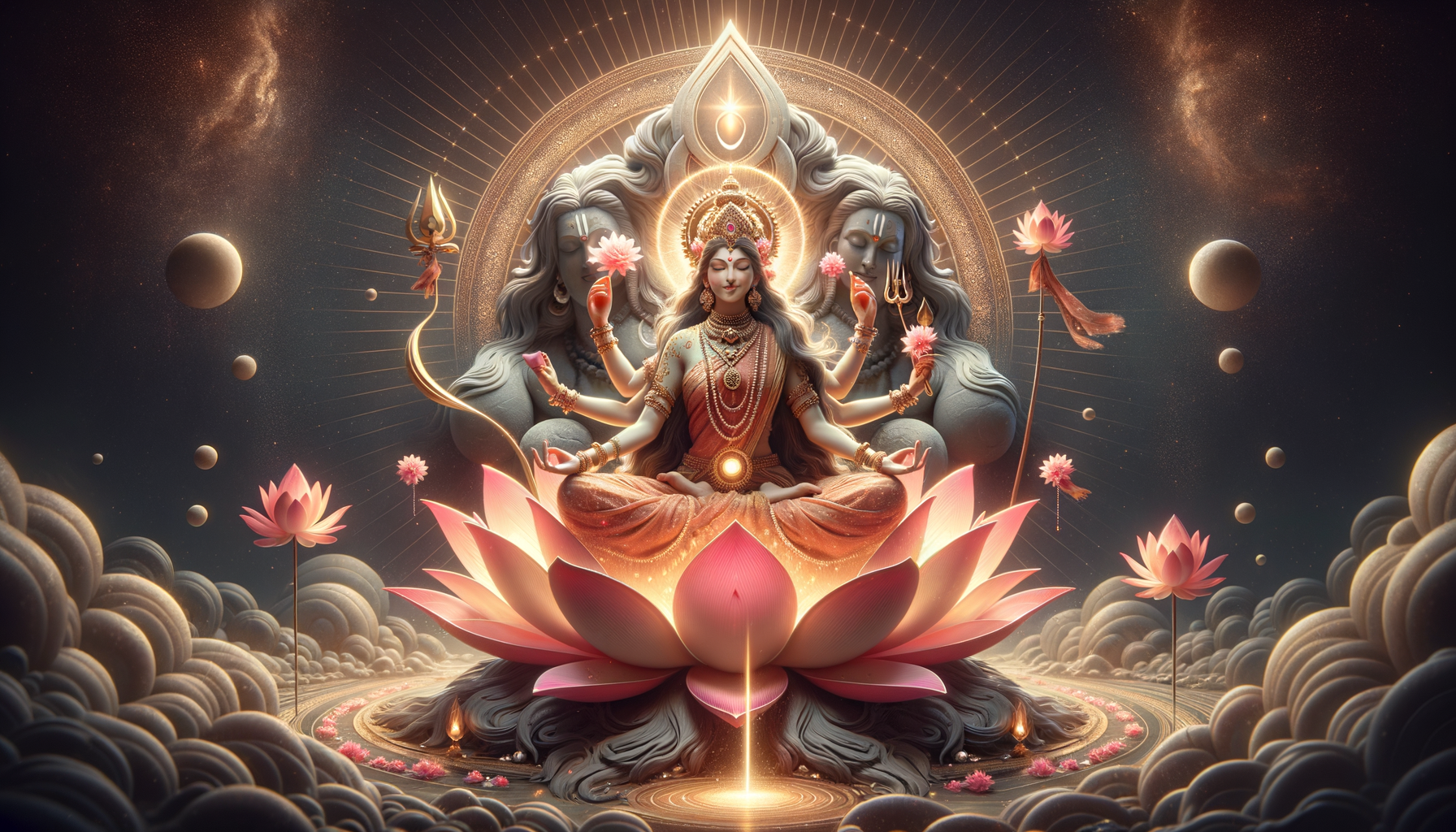
This exploration unpacks the symbolism of Goddess Shodashi (Tripura Sundari) seated on a lotus above Shiva’s navel, showing how Shakti’s luminous wisdom flowers from the stillness of consciousness. It clarifies the lotus as a shared dharmic emblem of purity and awakening across Hinduism, Buddhism, Jainism, and Sikhism. Readers gain a coherent understanding of Shiva’s nabhi…
-
Harsiddhi Mata, Sacred Shakti: Kula Devata Uniting Gujarat, Madhya Pradesh and Maharashtra
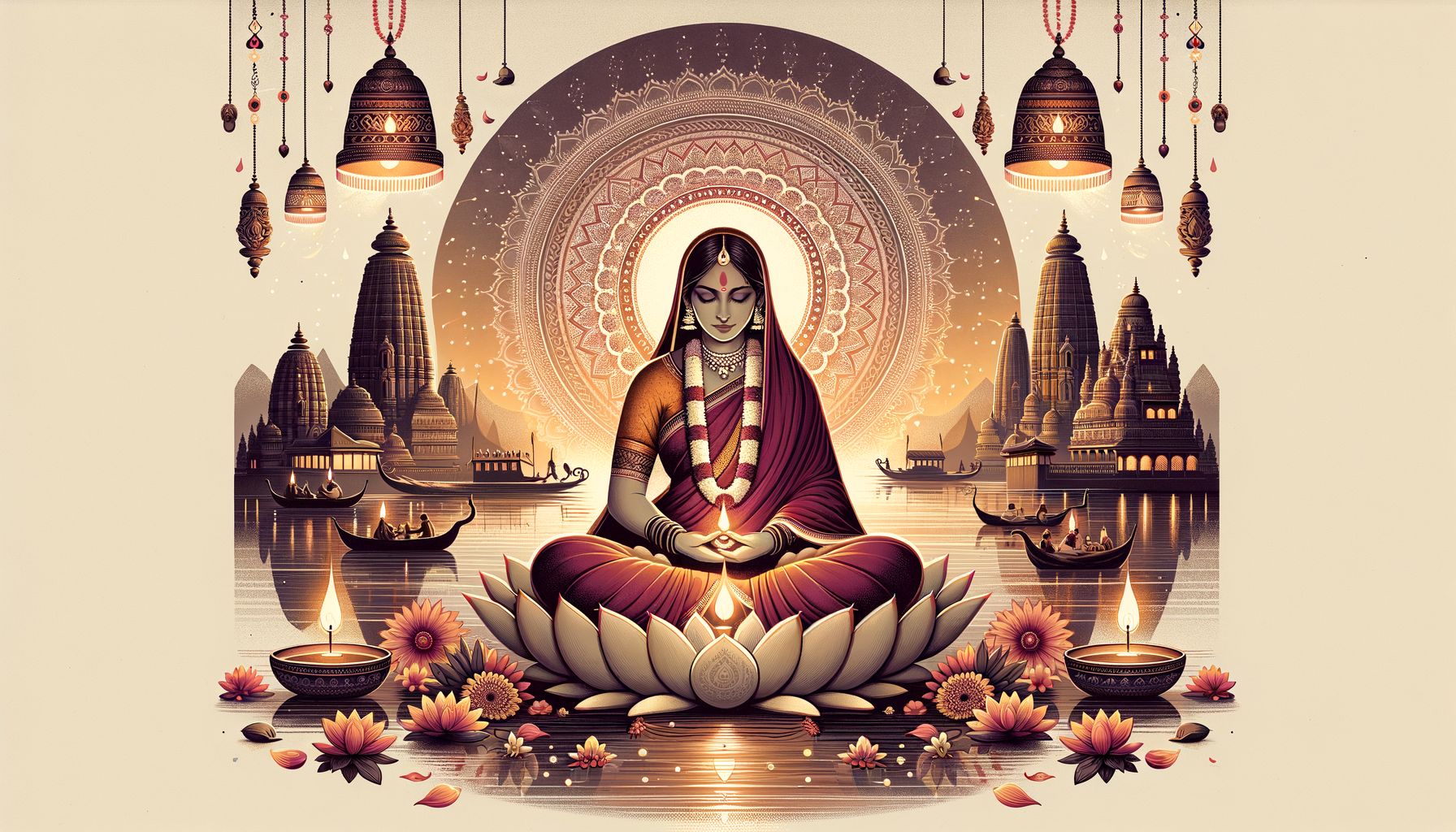
Harsiddhi Mata—also known as Harsiddhi Bhavani Devi—is venerated across Gujarat, Madhya Pradesh, and Maharashtra as a compassionate manifestation of Mata Parvati. Revered as a Kula Devata by Brahmin, Jain, and other communities, she anchors family rites, intergenerational continuity, and social cohesion. Coastal devotees and fishing communities especially uphold heartfelt worship, seeking blessings for safety and…
-
Mahakala as Kali’s Vehicle in Tantra: Unveiling Time, Power, and Non-Dual Wisdom

This exploration clarifies why, in Tantric symbolism, Mahakala is described as Kali’s vahana not as a literal mount but as the timeless ground supporting Shakti’s transformative dance. It unpacks the etymology of kala, linking time and the fathomless dark to non-dual metaphysics. The discussion reframes iconography—Kali standing upon Mahakala—as a pedagogy for transcending fear and…
-
Kabandha as Kali’s Vahana: Tantric Symbolism of Ego-Transcendence and Inner Liberation
This exploration unpacks the esoteric image of Kabandha as Kali’s vahana as found in certain Shakta-tantric interpretations. It clarifies how headlessness symbolizes cutting through ego, aligning the body-mind as the disciplined “vehicle” of Shakti. Readers discover how this symbolism resonates with shared dharmic insights across Hindu, Buddhist, Jain, and Sikh traditions, emphasizing humility, fearlessness, and…
-
Dasamahavidyas’ Awe-Inspiring Origin: Sati’s Cosmic Revelation at the Daksha Yajna

This article presents a clear, scholarly retelling of the Dasamahavidyas’ origin during the Daksha Yajna, where Goddess Sati reveals her Ten Great Wisdom forms to affirm Shakti’s cosmic sovereignty. Readers gain a concise list of the Mahavidyas with their core attributes and understand their role within Shakta Tantra and broader Hindu spirituality. The narrative situates…
-
Vajra in Durga’s Hands: Indestructible Power, Sacred Courage, and Dharmic Unity
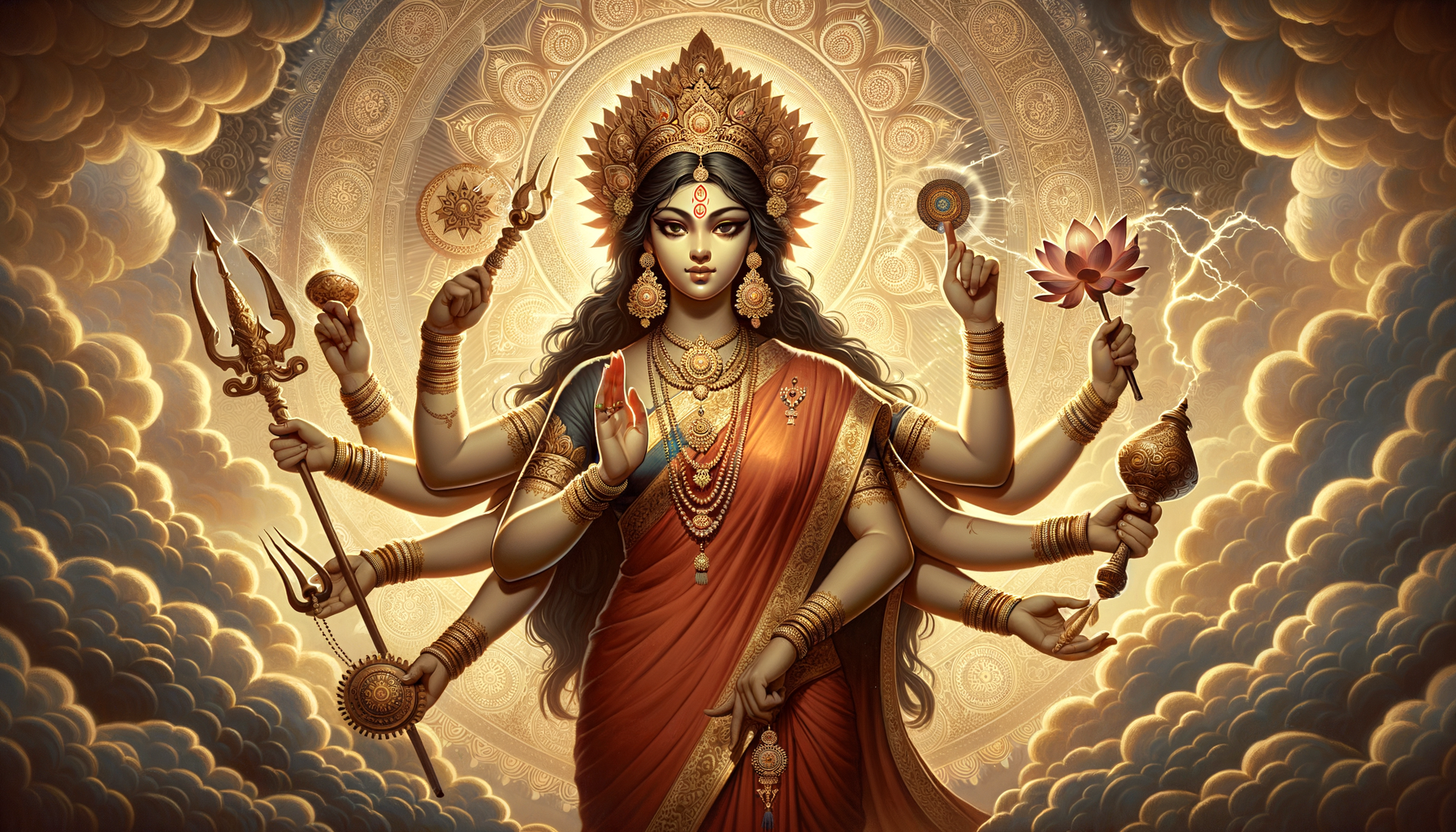
The Vajra in Goddess Durga’s hands symbolizes indestructible power guided by wisdom, as narrated in the Devi Mahatmyam of the Markandeya Purana. Indra’s gift of the thunderbolt links Durga’s protective mission with earlier Vedic and puranic themes of sacrifice, courage, and cosmic balance. Readers gain a clear understanding of how the Vajra denotes sudden illumination,…
-
Tarapith–Udaypur Tantric Axis: A Sacred Mirror of Bengal’s Unified Divine Feminine

In Bengal, Tarapith and Udaypur form a rare Tantric axis—a sacred mirror where the divine feminine appears to face itself across a krosh. The pairing illustrates how sacred geography encodes theology, with two distinct shrines expressing a single Shakti. Pilgrims often visit both temples in one yatra, describing dawn and dusk worship as complementary rhythms…
-
Akali, the Timeless Kali: Exploring Nine Manifestations in the Tantra Purana and Mahakala Samhita

This article surveys nine manifestations of Goddess Kali drawn from the Tantra Purana, Toral Tantra, and the Mahakala Samhita (Anusmriti Prakarana), with special attention to Akali. Akali is explained as “beyond time,” highlighting a core Shakta insight into the timeless ground of reality. The discussion connects theological meaning with lived experience, showing how these forms…
-
Kapalini Kali Symbolism Decoded: The Skull-Bearer’s Fierce Compassion and Inner Freedom

Kapalini, the Skull-Bearer form of Goddess Kali, is more than a fearsome image; it is a rigorous teaching on impermanence, ego-transcendence, and compassion. The kapala (skull-cup) symbolizes the power to receive and transform fear, while the mundamala (garland of heads) gestures to the Sanskrit varnamala and the severing of ignorance. Read in context, these symbols…
-
Unclothed Infinity: Kali as Digbasana and the Fearless Symbolism of Sky-Clad Truth

Kali as Digbasana—“clothed by the directions”—presents a sky-clad iconography of truth, not sensuality. The image signals freedom from illusion and social codification, aligning with Advaita insights on reality beyond attributes. Within Shakti iconography, nakedness becomes an ethic of fearlessness, compassion, and authenticity. Cross-dharmic resonances arise with Jain non-possession, Buddhist Śūnyatā, and Sikh reverence for the…
-
Yogini as Kali’s Sacred Companion: Symbolism of Spiritual Mastery and Shakti in Kali Puja

The Yogini, honored as the sacred companion of Mother Kali in Kali Puja, symbolizes realized wisdom and spiritual mastery grounded in Yoga and disciplined sadhana. Rather than an attendant, the Yogini embodies the union of awareness with Shakti’s transformative force, guiding practitioners toward pratyahara, dhyana, and ethical clarity. This symbolism deepens Kali Puja as a…
-
Ekajata’s Single Braid: Powerful Symbolism of Focus, Protection, and Supreme Consciousness
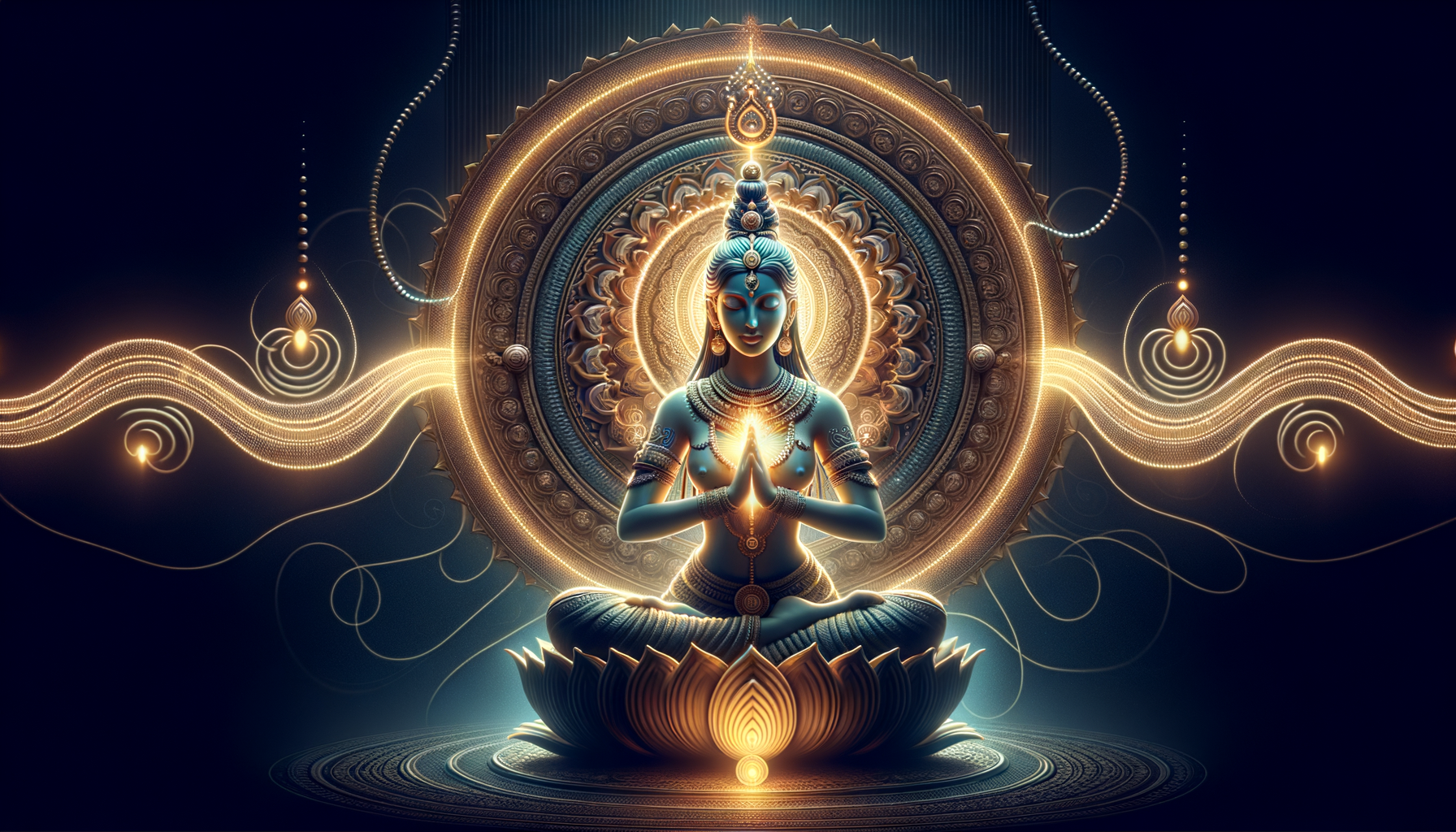
Goddess Ekajata’s single braid is a concentrated teaching in Hindu Tantra: a symbol of supreme consciousness, one-pointed focus (ekagrata), and vigilant spiritual protection. Read as Tantric anatomy, it reflects the unification of ida and pingala within the sushumna nadi, supporting sustained dhyana and the ascent of Kundalini. The braid’s tightly bound form evokes vows, secrecy,…
-
Why Liquor Appears in Kali Worship: Tantric Symbolism, Sacred History, Dharmic Unity
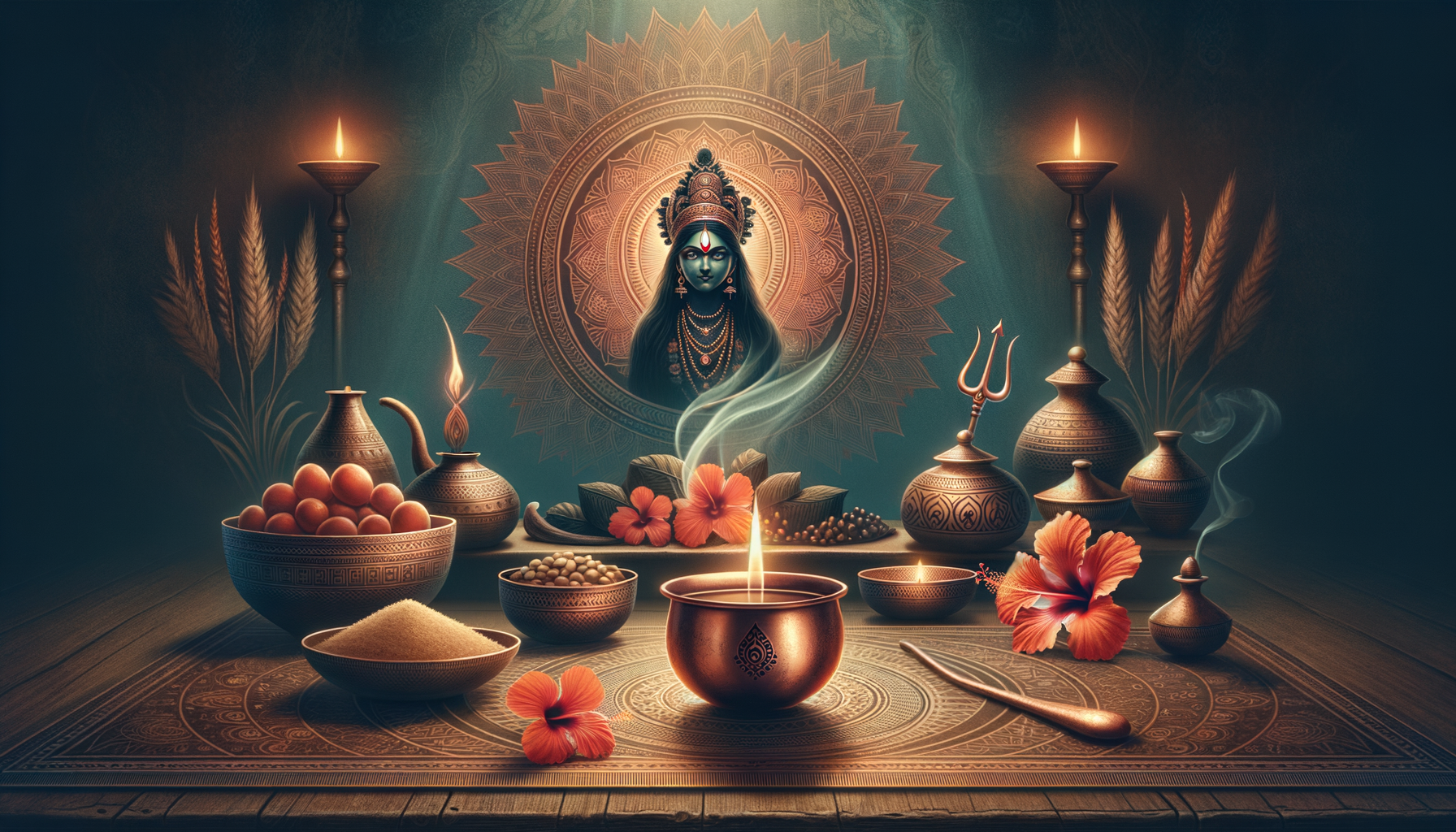
Goddess Kali’s worship historically includes offerings of karanbari (liquor), especially within Tantric frameworks that emphasize transformation through the pañcamakāra: madya, mamsa, matsya, mudra, and maithuna. In this symbolic logic, madya represents ego-surrender and fearlessness rather than indulgence. Communities have adapted the practice across contexts—from cremation-ground rites to household pujas—often opting for symbolic substitutes like coconut…
-
Thirteen Radiant Forms of Goddess Kali in Tantraloka: Abhinava Gupta’s Kashmiri Vision

This exploration presents the thirteen forms of Goddess Kali in Abhinava Gupta’s Tantraloka as a living contemplative map within Kashmir Shaivism. Rather than a fixed list, these forms serve as dynamic lenses that refine attention, transmute fear, and reveal the liberating vastness of Shakti. The discussion situates Kali within Trika and Kaula streams while acknowledging…
-
Decoding Kali’s Fierce Grace: Kali Tantra Symbolism, South-Facing Form, and Liberation

The Kali Tantra presents Goddess Kali as the south-facing embodiment of fierce grace, uniting destruction and liberation in a single, illuminating form. Kali’s orientation toward the south symbolizes a fearless encounter with death and change, transforming dread into wisdom. Her sword signifies discriminating insight, while the cremation-ground setting teaches impermanence without despair. Mudras of fearlessness…