
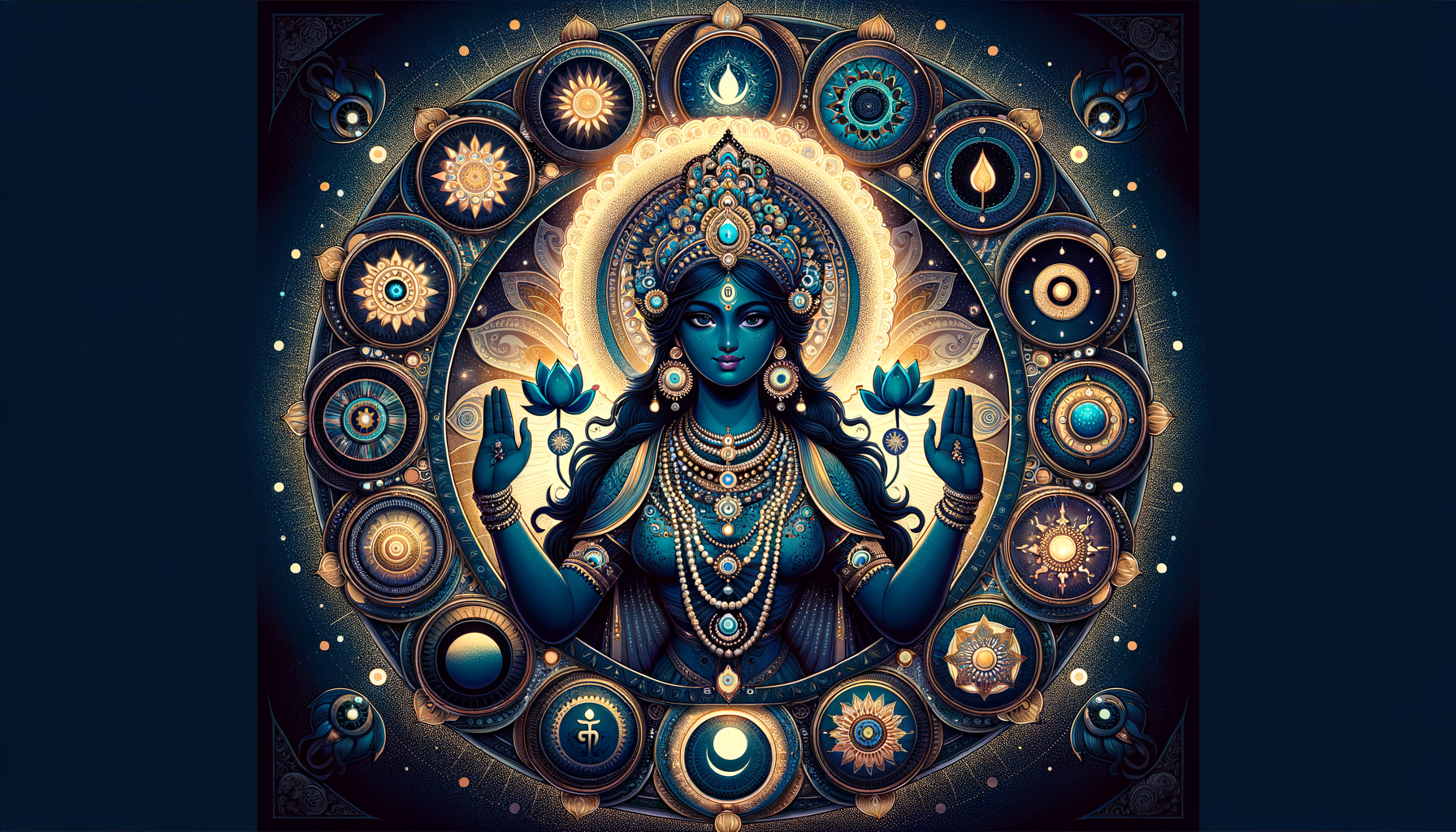
Within the Shakta tradition of Hinduism, Goddess Kali stands as a profound symbol of time, transformation, and compassionate protection. The Tantra Purana, an important text in the Tantric corpus, presents nine divine forms of Kali to illuminate the many dimensions of the Divine Feminine. These forms guide practitioners toward fearlessness, ethical strength, and inner freedom while affirming a broader Dharmic ethos of unity across Hinduism, Buddhism, Jainism, and Sikhism through shared values of compassion, courage, and spiritual self-discipline.
Traditional enumerations of the Navakali vary slightly across regional lineages and manuscript recensions. Responsible study therefore acknowledges fluidity in naming and emphasis. A commonly transmitted list includes: Mahakali, Dakshina Kali, Smashana Kali, Bhadrakali, Guhya Kali, Siddha Kali, Shyama Kali, Kamakala Kali, and Raksha Kali. Read together, these aspects portray Kali not as a singular image but as an integrated map of spiritual insightuniting awe, protection, discipline, and compassionate service.
Mahakali embodies cosmic time and ultimate reality. In Tantric worship, this form signifies what transcends birth, change, and death, inviting contemplation of impermanence and the stable truth that underlies it. Devotees often describe a quiet, steadying awe when reflecting on Mahakali’s expansive presencean experience that fosters clarity and ethical resolve amid life’s uncertainties.
Dakshina Kali expresses the immediacy of compassionate grace. Often associated with rightward orientation and swift protection, this form reassures that fierce love can dissolve fear. In devotional practice, Dakshina Kali becomes a reminder that decisive kindness and right action are inseparable, aligning spiritual insight with everyday responsibility.
Smashana Kali is linked to the cremation ground, a setting that symbolizes impermanence and the end of egoic clinging. Contemplation on this aspect cultivates fearlessness and humility. Practitioners frequently report that meditating on Smashana Kali reframes challenges as opportunities for ethical courage and inner renewal.
Bhadrakali highlights auspicious protection and the restoration of harmony. This form affirms that spiritual power must support justice, care, and communal well-being. Bhadrakali’s presence is often experienced as a stabilizing force that promotes social responsibility alongside personal devotion.
Guhya Kali, the “esoteric” or “hidden” aspect, points to inner transformation and the guarded wisdom of mantra, mudra, and meditation. This form encourages disciplined practice and discernment, reminding seekers that sacred knowledge is inseparable from humility and ethical conduct.
Siddha Kali represents accomplishmentspiritual attainment grounded in integrity. In traditional understanding, any powers or insights (siddhis) are to be directed toward compassion and self-mastery rather than display. Siddha Kali thus underscores the Shakta emphasis on responsibility and alignment with Dharma.
Shyama Kali, often beloved in Bengali traditions, emphasizes devotional intimacy and the tender depth of the dark-hued Mother. This aspect encourages surrender through love, guiding practitioners to cultivate sincerity, gratitude, and steadiness in their daily spiritual rhythm.
Kamakala Kali symbolizes the creative pulse of the universeKama (desire) refined by Kala (time), and the union of Shiva–Shakti. In practice, this form reorients aspiration toward wisdom and service, teaching that creativity becomes sacred when directed to uplift self and society.
Raksha Kali highlights vigilant protection and the removal of obstacles. Devotees understand this aspect as a firm commitment to safeguard life and virtue, echoing a wider Dharmic ideal: strength guided by compassion. Raksha Kali’s assurance is not merely defensive; it energizes purposeful action for the common good.
In Tantric worship, these nine forms are not isolated images but interrelated pathways. Collectively they encourage contemplation, mantra, ethical living, and compassionate service. Their symbolism resonates across Dharmic traditions: Vajrayana Buddhism’s wrathful protectors reflect transformative compassion; Jain emphasis on self-restraint and truth echoes Kali’s moral clarity; Sikh ideals of fearlessness (nirbhau) and righteous action parallel her protective grace. Read in this inclusive spirit, the Navakali becomes a unifying visionaffirming that diverse practices can harmonize around shared values of wisdom, courage, and love.
Inspired by this post on Hindu Blog.
