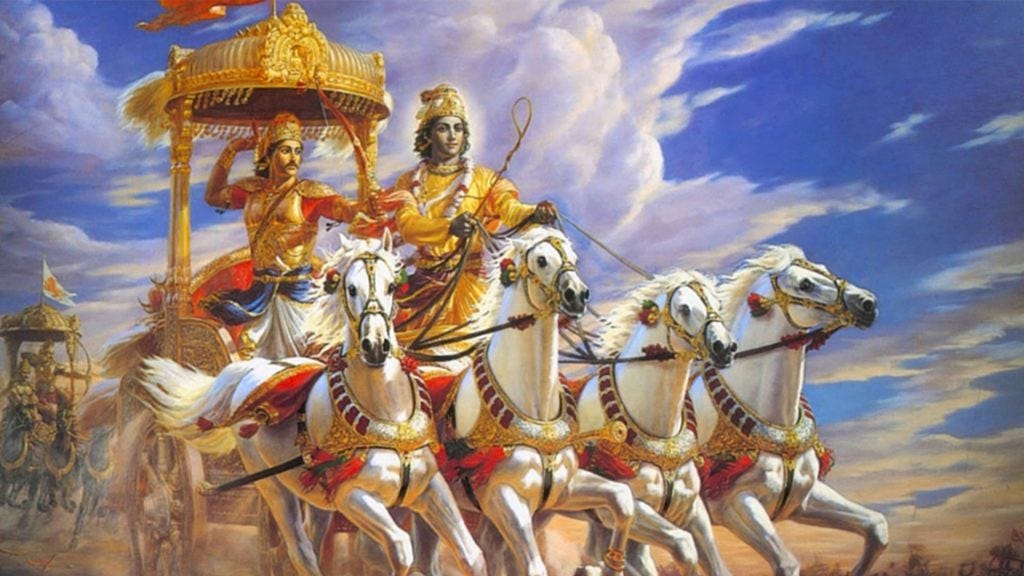
-
The Divine Paradox of Ganesha on a Mouse: Transformative Symbolism to Conquer Ego
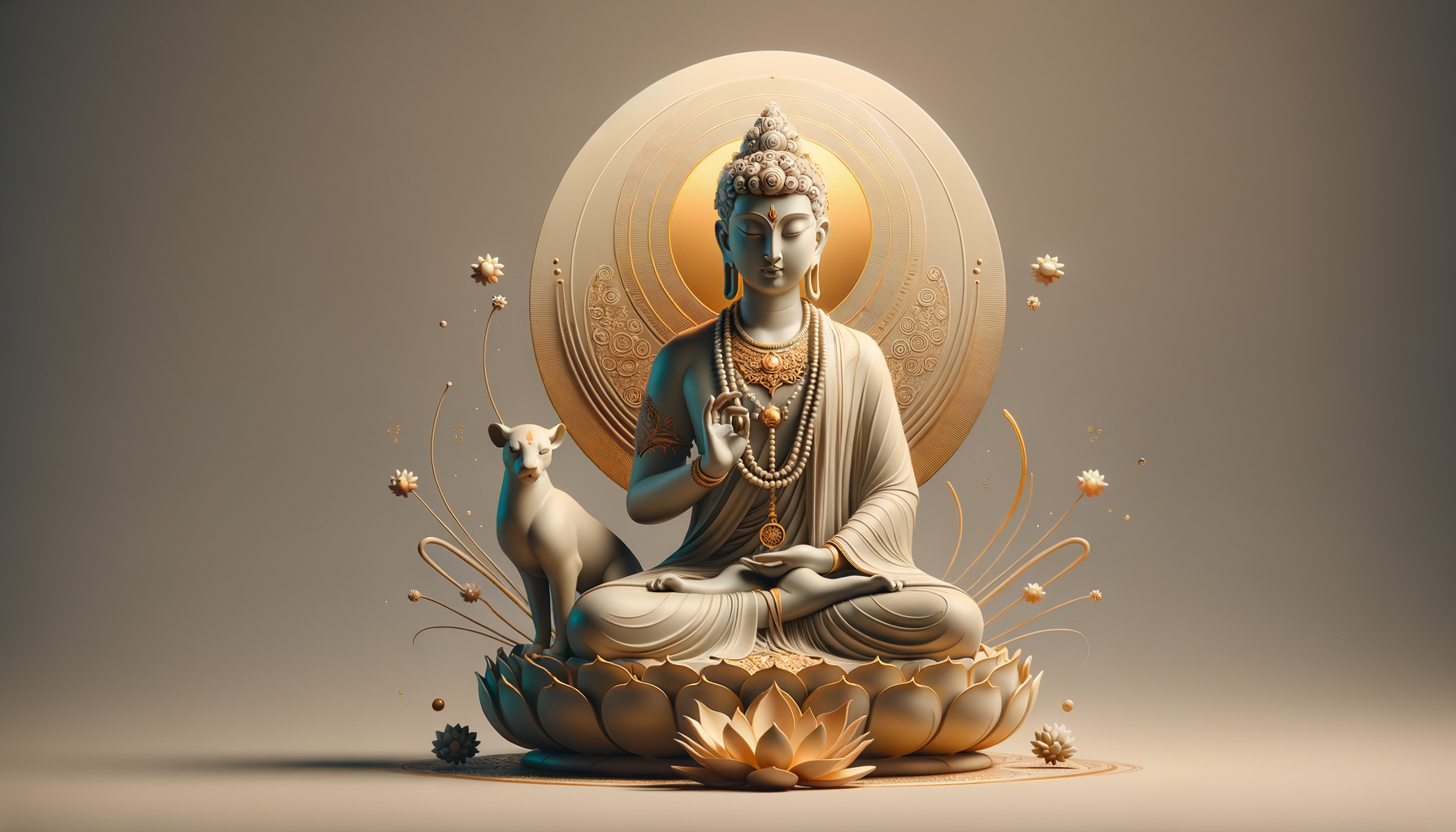
The iconic image of Lord Ganesha seated on a small mouse conveys a profound lesson: wisdom governs and transforms ego rather than destroying it. In Hindu symbolism, Ganesha embodies discernment while the mouse represents restless impulses, illustrating mastery of mind through knowledge. This insight harmonizes with Buddhist mindfulness, Jain aparigraha, and Sikh teachings on overcoming…
-
Skanda Purana Stories: Timeless Tales of Valor, Devotion, and Dharma for Modern Life
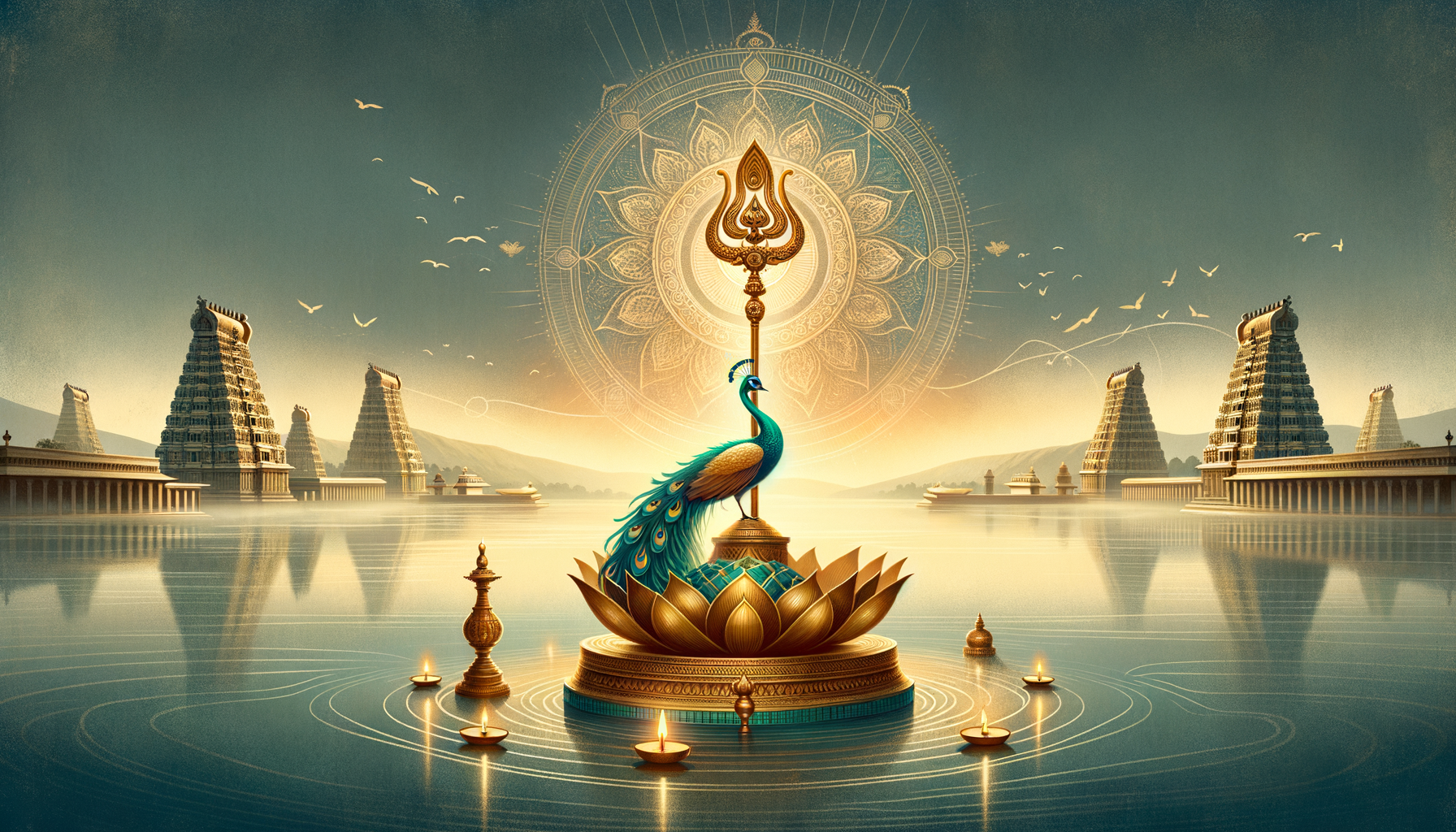
The Skanda Purana, one of the eighteen Mahapuranas, presents Lord Skanda (Kartikeya/Muruga) as a model of disciplined devotion and protective courage. Its narratives—framed as dharma-yuddha—portray valor as service to the common good, guided by compassion and self-control. Rich with tirtha-mahātmyas (e.g., Kashi Khanda), the text connects personal practice with sacred geography and community life. Iconography…
-
Murugan and Tamil: The Enduring Sacred Bond Shaping Language, Identity, and Living Heritage

Murugan—known as Kartikeya or Skanda—stands as a guardian of Tamil language, culture, and identity, revealing how sacred tradition and linguistic creativity thrive together. Drawing on Sangam literature and Tirumurukāṟṟuppaṭai, the narrative traces Murugan’s sacred geography and Tamil poetics as living heritage. It highlights Tiruppugazh’s refined prosody, temple inscriptions, and festivals like Skanda Sashti and Karthigai…
-
Murugan, the Silent Warrior: Master Inner Battles with Meditation and Dharmic Wisdom

Lord Murugan (Kartikeya, Skanda, Subrahmanya) is presented as the Silent Warrior whose true battles are won through meditation and inner silence. The article explains how the vel symbolizes discerning wisdom and the peacock signifies sublimated pride, framing kshatra as ethical strength rather than aggression. It outlines a simple, practical routine—pranayama, mantra japa, and dhyana—that helps…
-
Peacock Symbolism in Hinduism: Majestic Vahana of Subrahmanya Swamy and Auspicious Grace
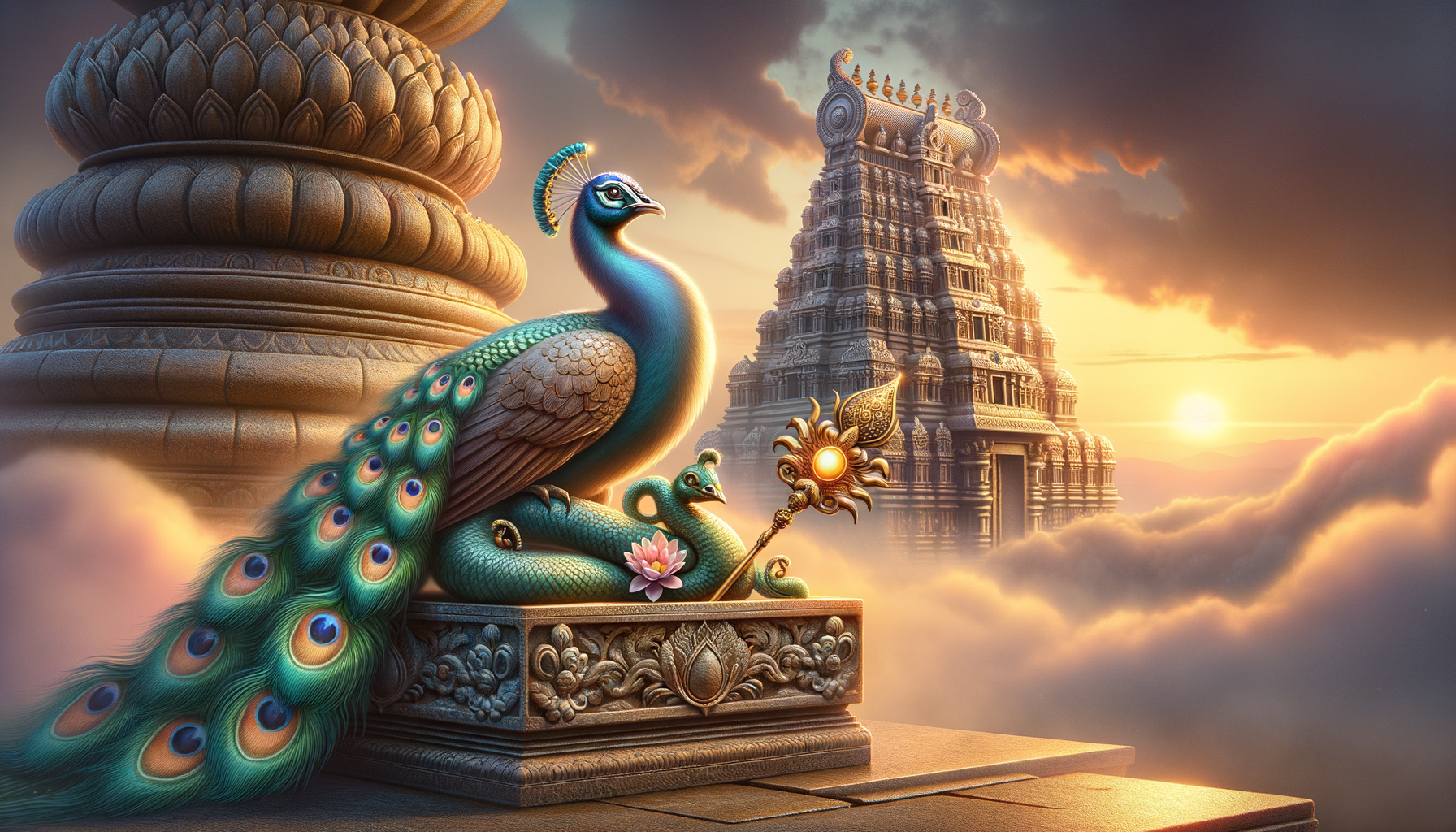
The peacock, vahana of Subrahmanya Swamy (Lord Muruga), symbolizes beauty, courage, and ethical clarity in Hinduism. Its iconography—often subduing a serpent—signifies victory over ego and ignorance, aligning aesthetics with spiritual discipline. Devotees regard the peacock’s dance and call as auspicious, a sentiment reflected in festivals like Skanda Shashti and Karthigai, as well as in arts…
-
Veerabhadra Swamy’s Fierce Grace: Shiva, Daksha Yagna, and the Timeless Lesson of Dharma
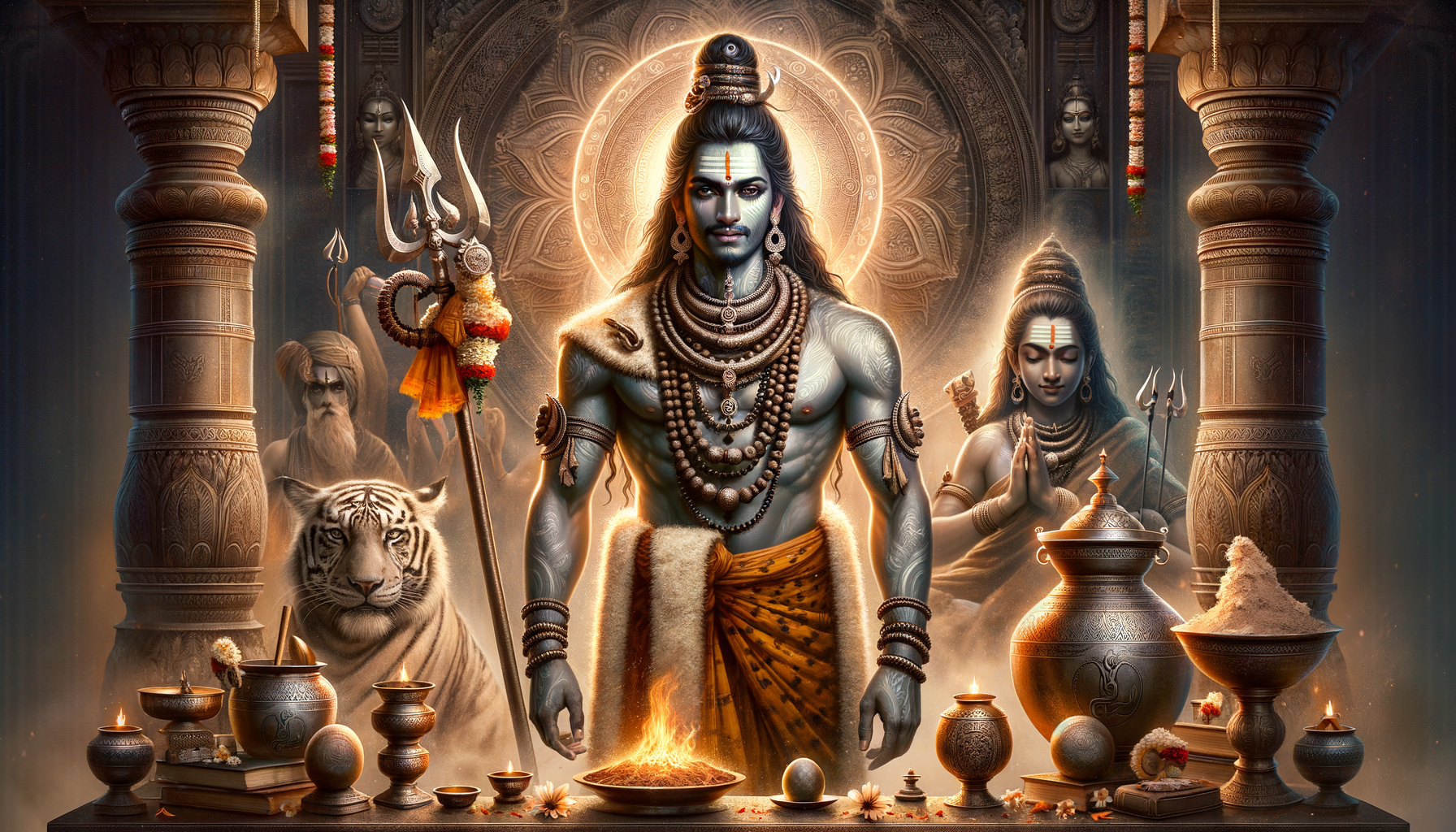
Veerabhadra Swamy emerges in Hindu scriptures as Shiva’s protective force during the Daksha Yagna, a narrative that fuses accountability with compassion. The story traces Sati’s tragic courage and Daksha’s arrogance, culminating in Veerabhadra’s corrective intervention and Shiva’s restorative grace. Readers gain clear insight into why true sacrifice requires humility, inclusion, and reverence. The Katha’s ethical…
-
Veerabhadra Katha—Story of Veerabhadra Swamy: Righteous Fury, Compassion, and Cosmic Balance
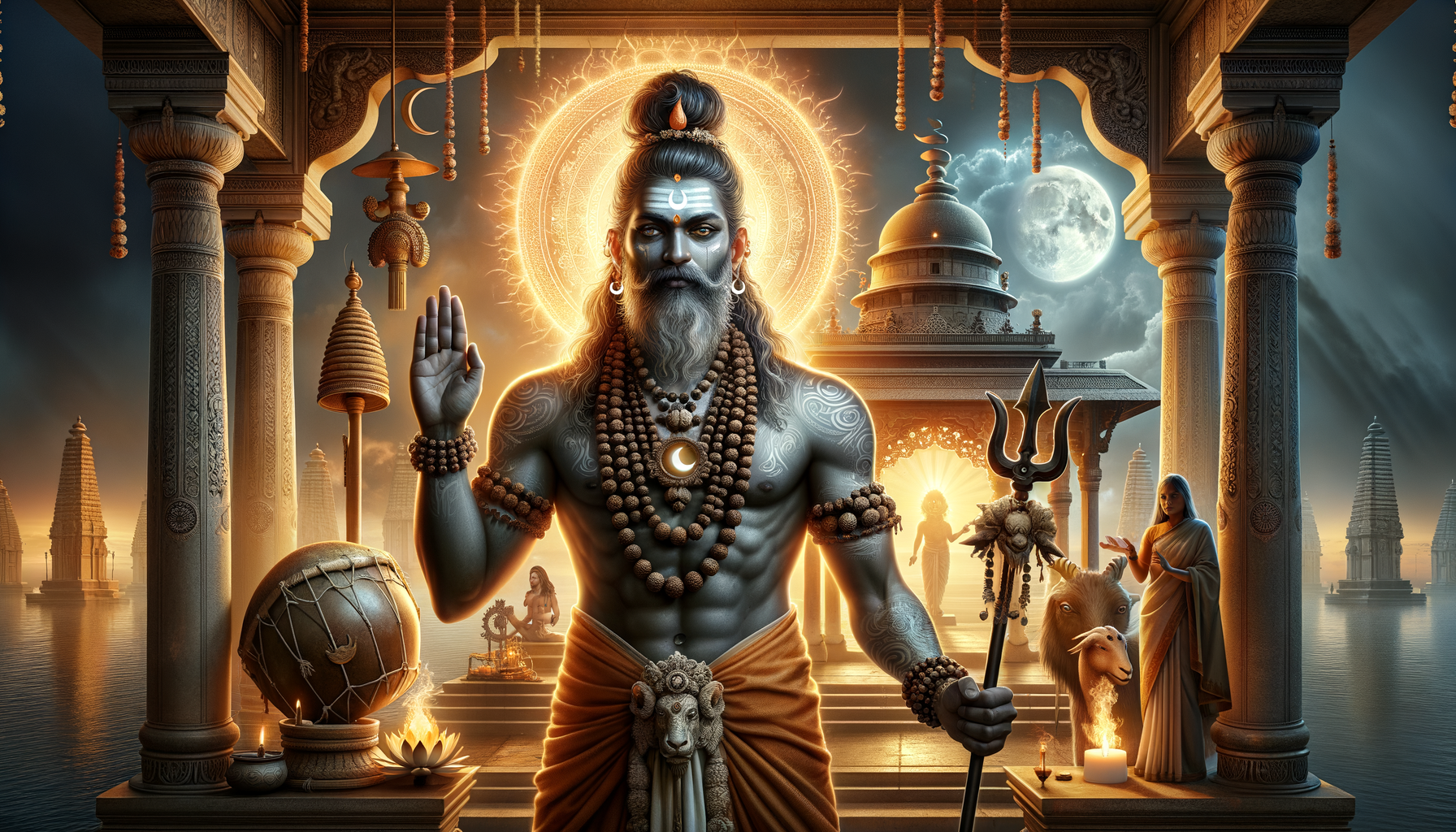
Veerabhadra Katha portrays Veerabhadra Swamy as a manifestation of Lord Shiva created to restore dharma when pride corrupted sacred order. The narrative of Daksha’s Yagna, Sati’s yogic self-immolation, and the emergence of Veerabhadra illustrates how righteous power, tempered by compassion, reestablishes balance. Readers gain clear context from Puranic sources such as the Shiva Purana and…
-
Parashurama Iconography Decoded: Powerful Symbols of Vishnu’s Warrior-Sage Avatar
This article decodes the iconography of Parashurama, Vishnu’s sixth avatar, to reveal how the warrior-sage form unites austerity (tapas) with protective strength (kshatra). Readers learn the meaning of the parashu (axe), bow and arrow, attire, and posture, and how these symbols teach disciplined action aligned with dharma-yuddha. The analysis situates regional motifs such as the…
-
Brahma’s Fifth Head and Goddess Shatarupa: A Timeless Purana Lesson on Desire and Dharma

This retelling of Brahma’s fifth head and Goddess Shatarupa presents a Puranic episode as a profound ethical allegory. It situates Brahma’s four heads within the symbolism of the Vedas and cosmic order, while reading the fifth head as a lesson on attention and desire. The narrative foregrounds dignity toward the feminine principle and emphasizes self-mastery.…
-
Ghati Subramanya Temple, Karnataka: Awe‑Inspiring Swayambhu Subramanya and Lakshmi Narasimha

Ghati Subramanya Temple near Doddaballapur, about 60 km from Bengaluru, is a renowned Karnataka shrine dedicated to Lord Subramanya. Its Swayambhu (self-originated) Subramanya idol enhances the site’s spiritual significance, complemented by the consecration of Lord Lakshmi Narasimha. The tranquil rural setting and contemplative worship rhythms make the temple ideal for reflective visits and day trips…
-
UP Social Media Row: Minor Detained, Parents Arrested—A Teachable Moment for Respect and Harmony

Reports from Lucknow indicate a minor was detained and her parents arrested after an allegedly derogatory social media reel about Hindu deities. The case highlights how the attention economy can pressure adolescents into risky online behavior. An academic, fact-based lens emphasizes due process, juvenile protections, and the importance of avoiding community vilification. Drawing on dharmic…
-
Ardhaparyanka Unveiled: Powerful Symbolism of the Half-Seated Posture in Dharmic Art
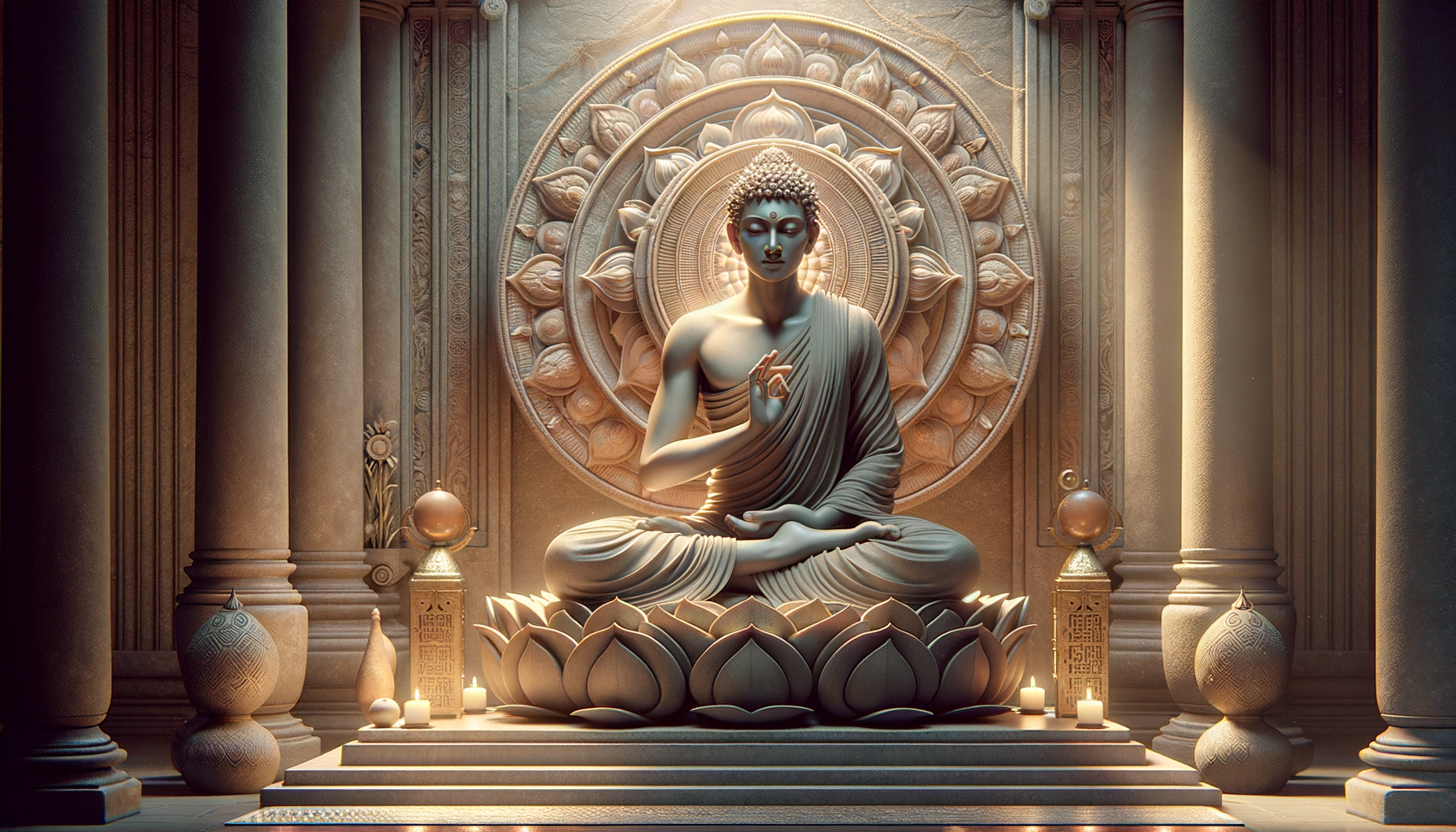
Ardhaparyanka, the “half-seated” posture in Hindu and Buddhist iconography, unites calm repose with poised readiness. It signals divine approachability without diminishing authority, harmonizing compassion with sovereignty. The posture’s balanced form resonates across dharmic traditions, supporting unity among Hinduism, Buddhism, Jainism, and Sikhism. In temples and galleries, viewers often experience a felt sense of stability and…
-
Decoding Lord Ayyappa’s Iconic Sitting Posture: Yogic Symbolism, Discipline, and Grace

The sitting posture of Lord Ayyappa—often termed Yogapattasana—does more than depict meditation; it encodes restraint, discipline, and compassion through the stabilizing yogapatta. For Sabarimala pilgrims, it mirrors the vratham of vows and ethical living, transforming devotion into daily practice. The pose’s calm balance resonates across dharmic traditions, paralleling Buddhist mindfulness, Jain self-restraint, and Sikh remembrance…
-
Why Surya Is Worshipped in Sphatika: Illuminating the Symbolism, Science, and Serenity

Surya worship through sphatika (crystal) unites symbolism and practice, aligning the Sun God’s radiance with the crystal’s clarity to support focused, serene devotion. The crystal’s sattvic purity complements Surya’s illuminating qualities, fostering steadiness without agitation. In daily practice, gentle natural light refracted by sphatika creates a contemplative atmosphere ideal for mantra and meditation. Practical steps—clean…
-
Mudgala Purana Unveiled: Ganesha’s Eight Incarnations, Timeless Wisdom, and Ritual Guidance
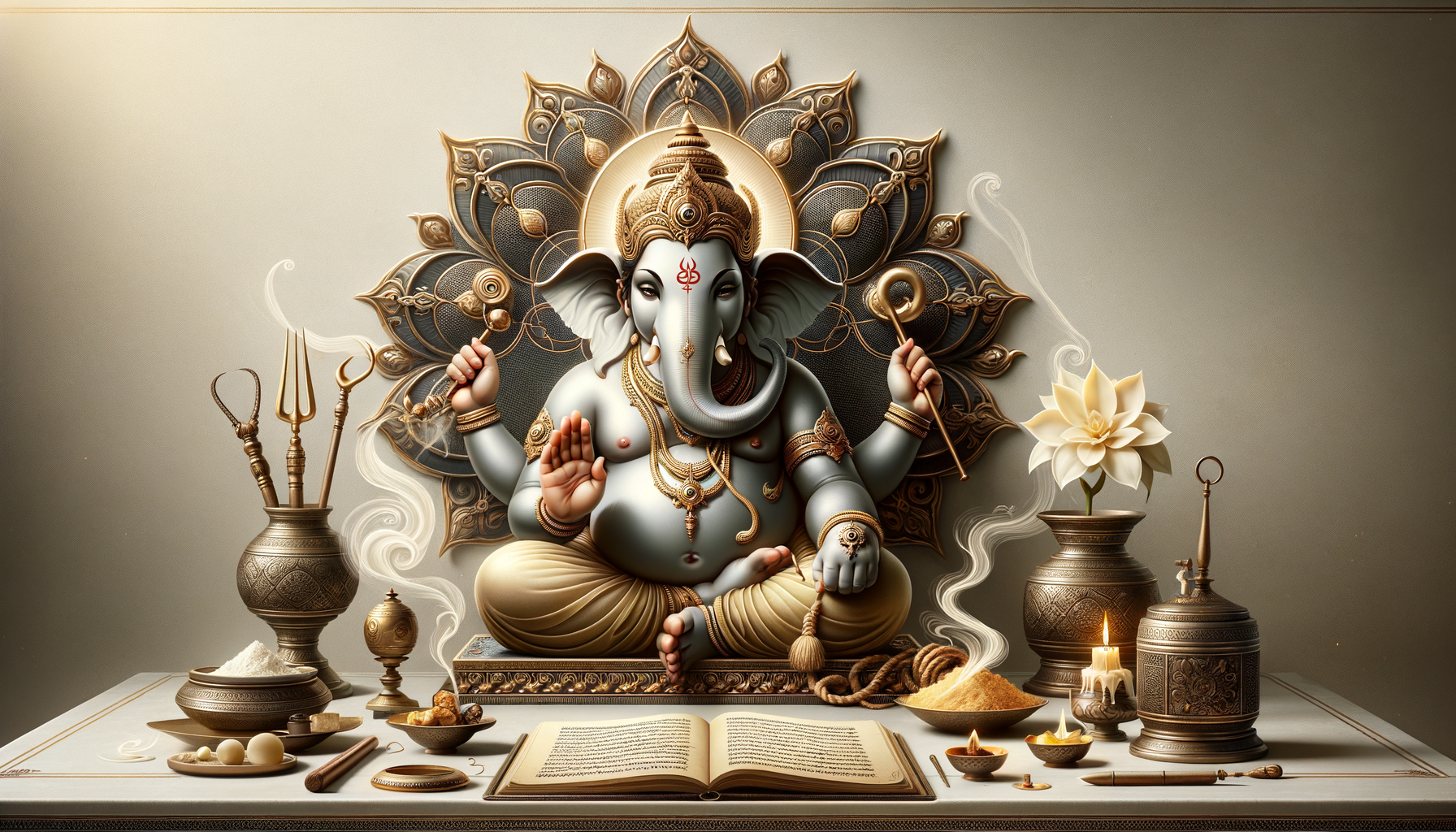
The Mudgala Purana is a core Ganesha Upapurana that presents a clear theology, practical rituals, and the famous eight incarnations of Ganapati. It guides readers to identify and overcome inner vices through ethically charged narratives and accessible worship practices. Distinct from the Skanda Purana yet harmonious with the Purana tradition, it balances devotion with philosophical…
-
The Essential Story of Hanuman’s Curse: Discover the Secret Path to Eternal Seva
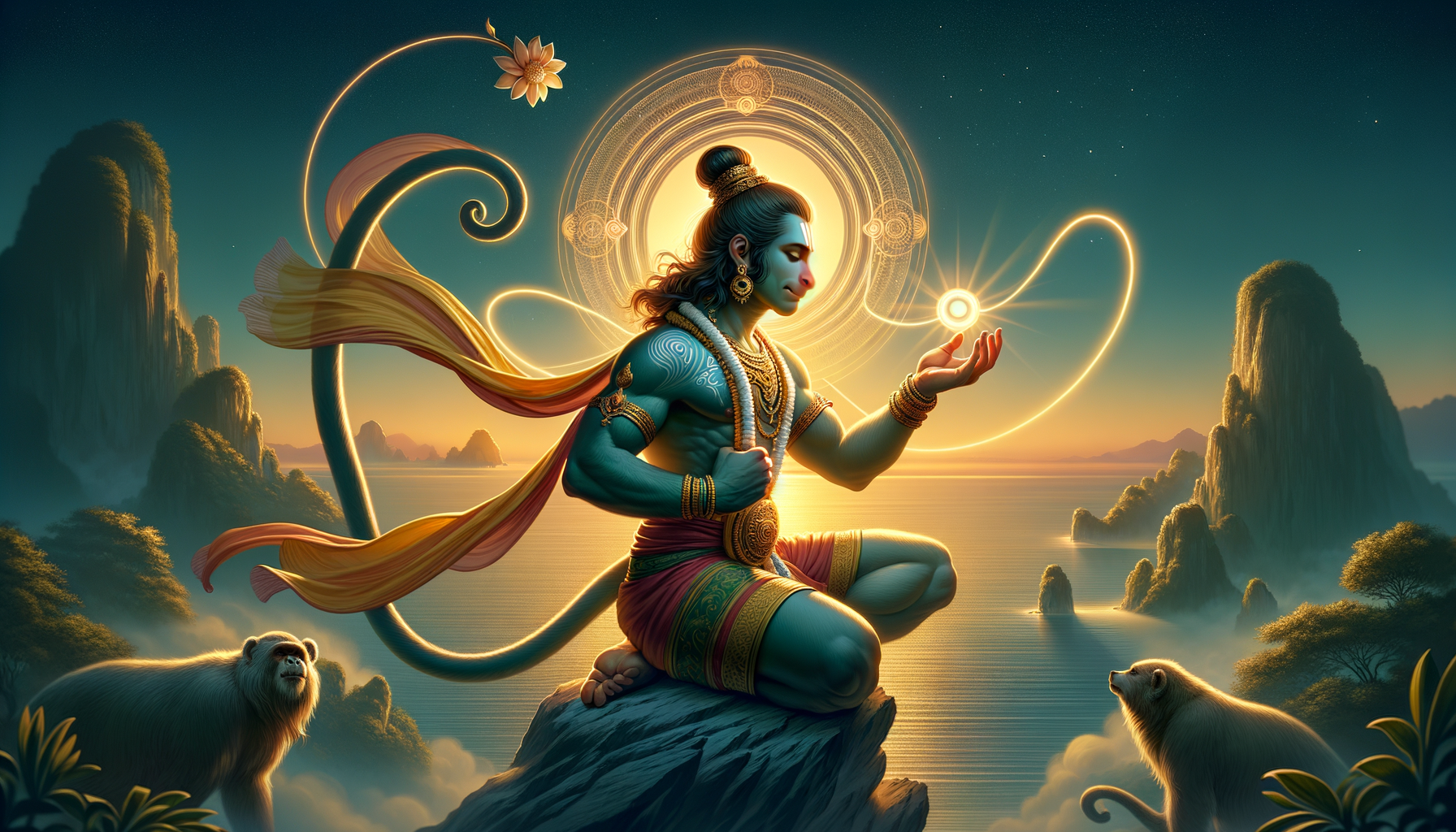
This analysis reframes Hanuman’s famed “curse” as a transformative restraint that cultivated humility, disciplined power, and unwavering service. It traces the arc from Kishkindha’s mischievous youth to Sundara Kanda’s awakening, where Jambavan’s reminder unlocks Hanuman’s latent strength for Sri Rama’s mission. The piece clarifies how dharma regulates shakti, making service—not dominance—the hallmark of true mastery.…
-
Discover the Divine Enchantment of Trailokyamohini: Secret Power of Narasimha’s Yogini
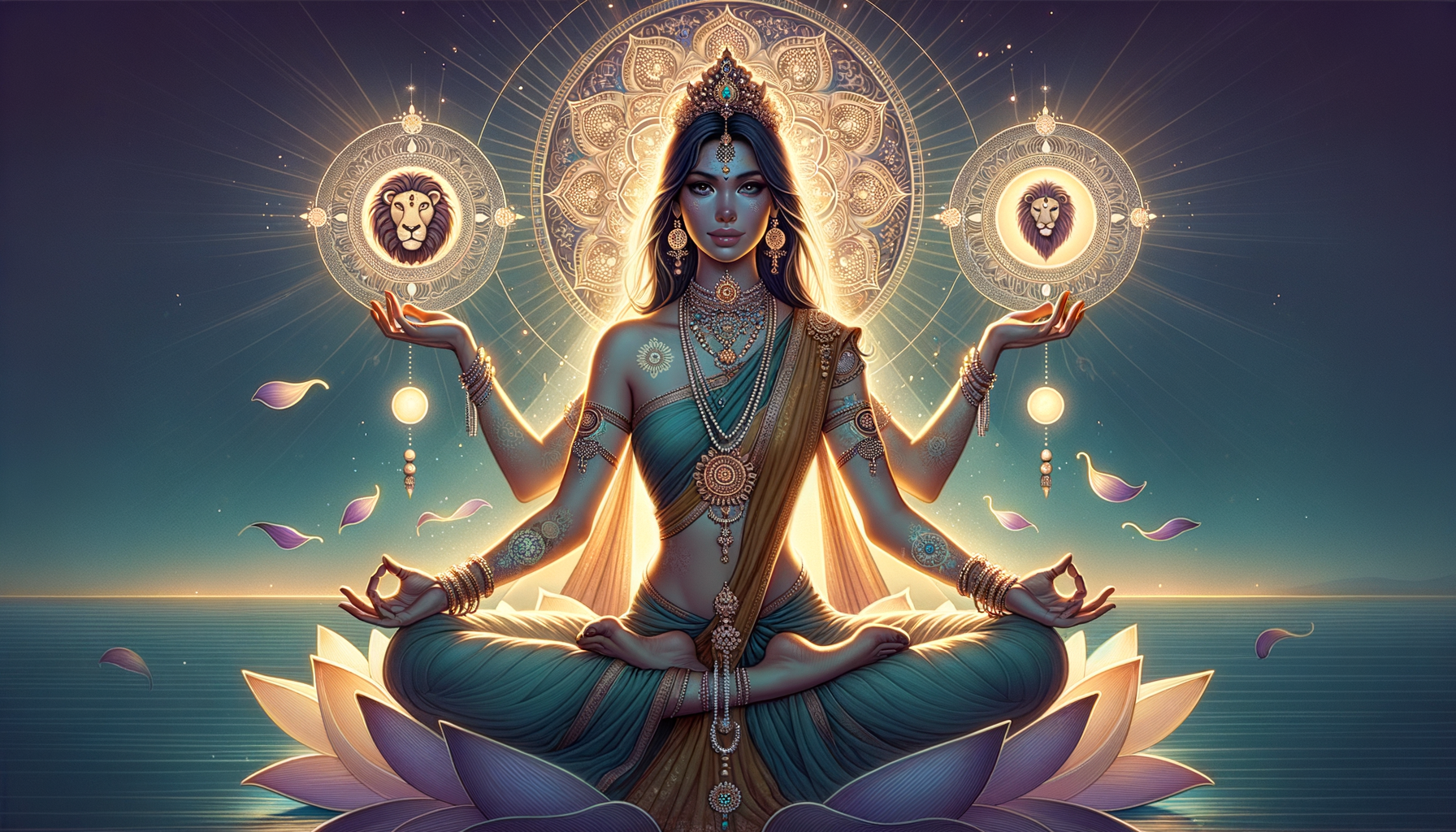
I share my personal journey with Trailokyamohini, the Divine Enchantress of the Three Worlds, whose name—Trailokya (“three worlds”) and Mohini (“enchantress”)—reveals a powerful, compassionate Shakti. In honoring her as a Yogini of Lord Narasimha, I explore how fierce protection and serene wisdom together create a complete spiritual path. You’ll discover how her presence can steady…
-
Essential Guide: Can AI Images Be Used in Hindu Worship? Accuracy, Bhakti, Ethics

As AI-generated art becomes ubiquitous, I asked myself if such images have a place in Hindu worship. Drawing from dhyāna mantra traditions, I explain why icons for veneration must be grounded in human meditation and lineage, not algorithms. I share when AI might be a last resort—such as for rare deities—provided prompts follow dhyāna mantras…
-
“Kshatra: The Tradition of Valour in India” — The Book that Must Decorate Every Hindu Home

Shatavadhani Dr. R. Ganesh’s ‘The Indian Tradition of Valour’ presents a remarkable exploration of the multifaceted facets of Kshatra (valour) in the context of India’s civilisational, political, social, and cultural history. This unique work delves into the crucial role of Kshatra in safeguarding and preserving Dharma while offering profound insights into the philosophy and essence…
-
Hinduism – the basics