-
Sringara Rasa Unveiled: The Heartbeat of Love in Hindu PoeticsUnion and Separation

Sringara Rasa, one of the nine rasas, expresses the refined essence of love grounded in the sthayi bhava called rati. It unfolds through two modesSambhoga (union) and Vipralambha (separation)which together illuminate the fullness of human affection. Classical vibhavas such as seasons, garlands, and garden visits prepare the mind for aesthetic experience. In dance traditions like…
-
Decoding Andal’s Parrot (Shuka): Vaishnava Iconography of Love, Voice, and Divine Bhakti Power
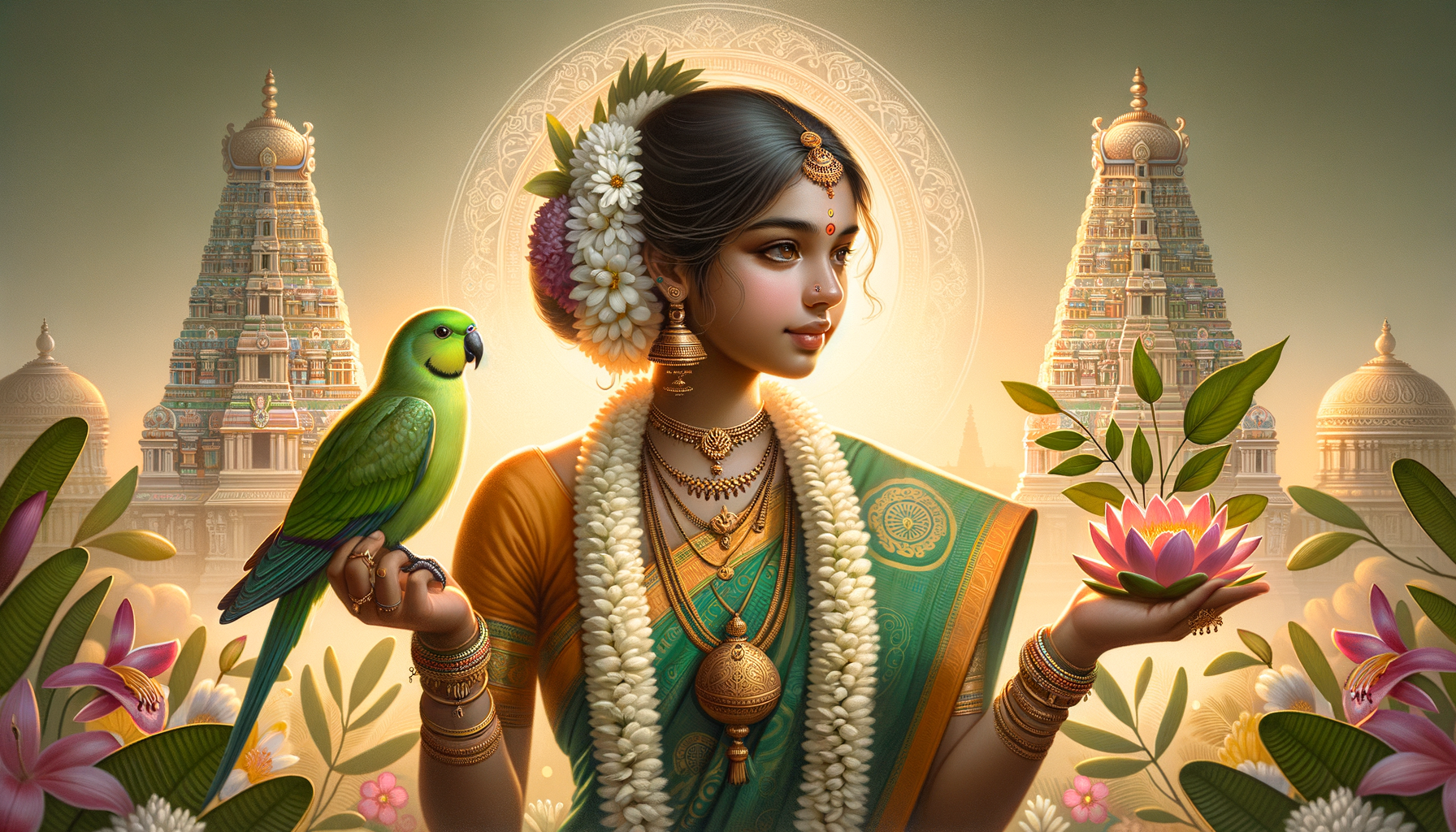
Andal’s parrot (Shuka) is a potent Vaishnava symbol that unites love, voice, and sacred memory in a single, graceful image. The iconography presents Andal as a serene, poetic devotee whose companion bird evokes messenger-love central to Tamil Bhakti. The Shuka’s association with mantra and nama-sankirtana highlights how disciplined speech transforms echo into wisdom. By recalling…
-
Nistrimsa, the Sacred Curved Blade: Icon of Shakti, Justice, and Protection in Hindu Art

The nistrimsa (nistrimsha) is a sacred curved sword in Hindu iconography, distinct from the straight khadga and the heavier scimitar. Its measured arc symbolizes compassionate justice, aligning with Shakti’s protective and restorative power. Seen in temple sculpture and bronzes across regions, the nistrimsa represents ethical strengthpower exercised to defend the vulnerable and uphold dharma. During…
-
Makara and the Deep: Ancient India’s Powerful Memory of Gigantic Ocean Beings
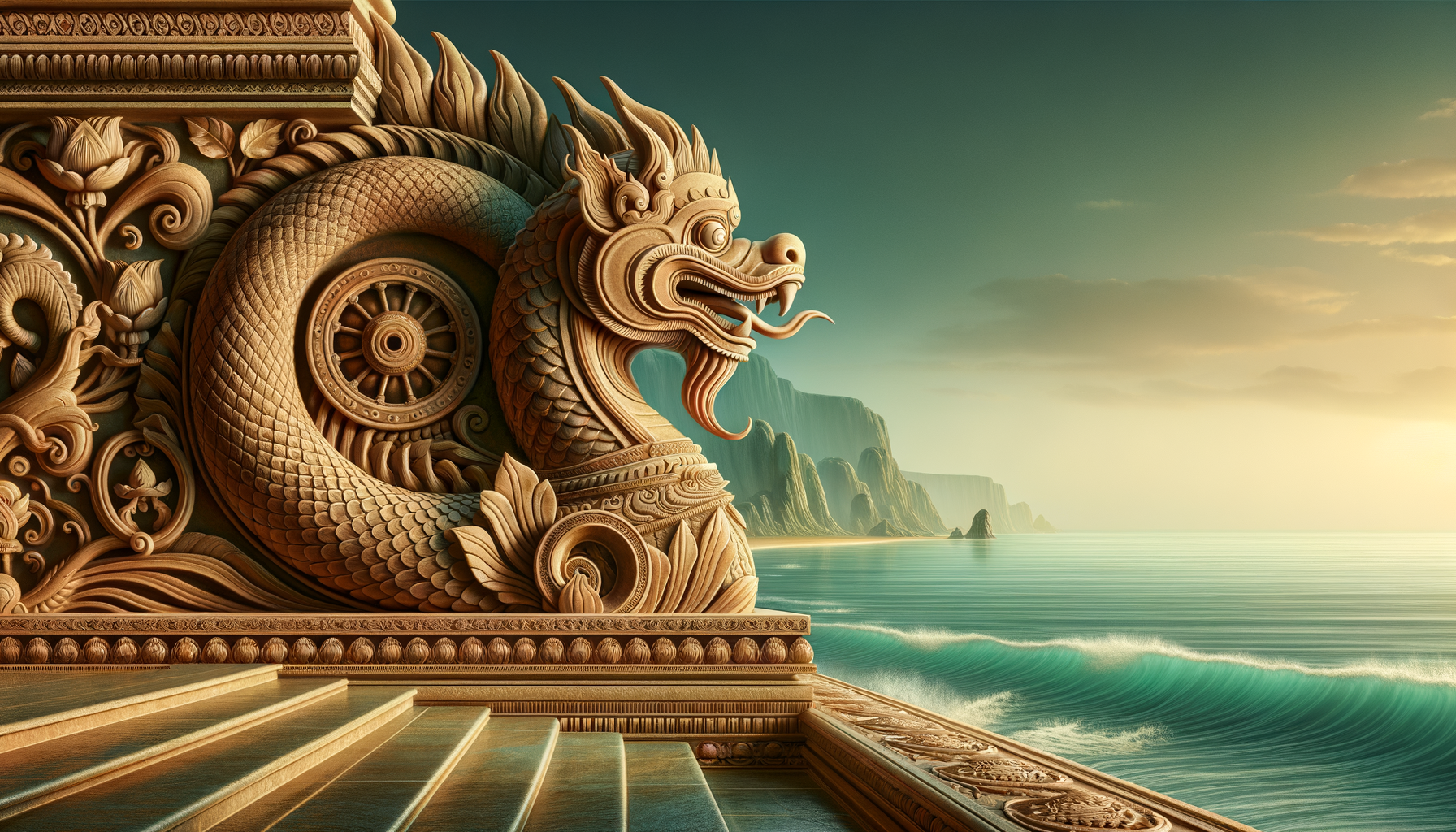
This article explores how the Makara embodies Ancient India’s enduring memory of gigantic ocean beings across Hindu, Buddhist, and Jain traditions. It explains the Makara’s roles in temple architecture and sacred symbolismvahana of Ganga and Varuna, emblem of thresholds, and guardian of liminal spaces. Readers gain context from Puranic and epic narratives, including Samudra Manthan…
-
Transcendental Art in ISKCON: Visualizing Krsna’s Forms to Deepen Devotion and Unity
This article explores how transcendental art within ISKCON transforms individual talent into meaningful devotional service rooted in Vedic literature. It explains how illustrations of Krsna’s many forms, as described in Bhagavad-gita and Srimad-Bhagavatam, function as both spiritual practice and pedagogy. Readers gain insight into why Prabhupada emphasized richly illustrated texts and how ISKCON’s art department…
-
Khanuja Sikh Art Gallery: Timeless Sikh Heritage and a Bridge Across Dharmic Traditions
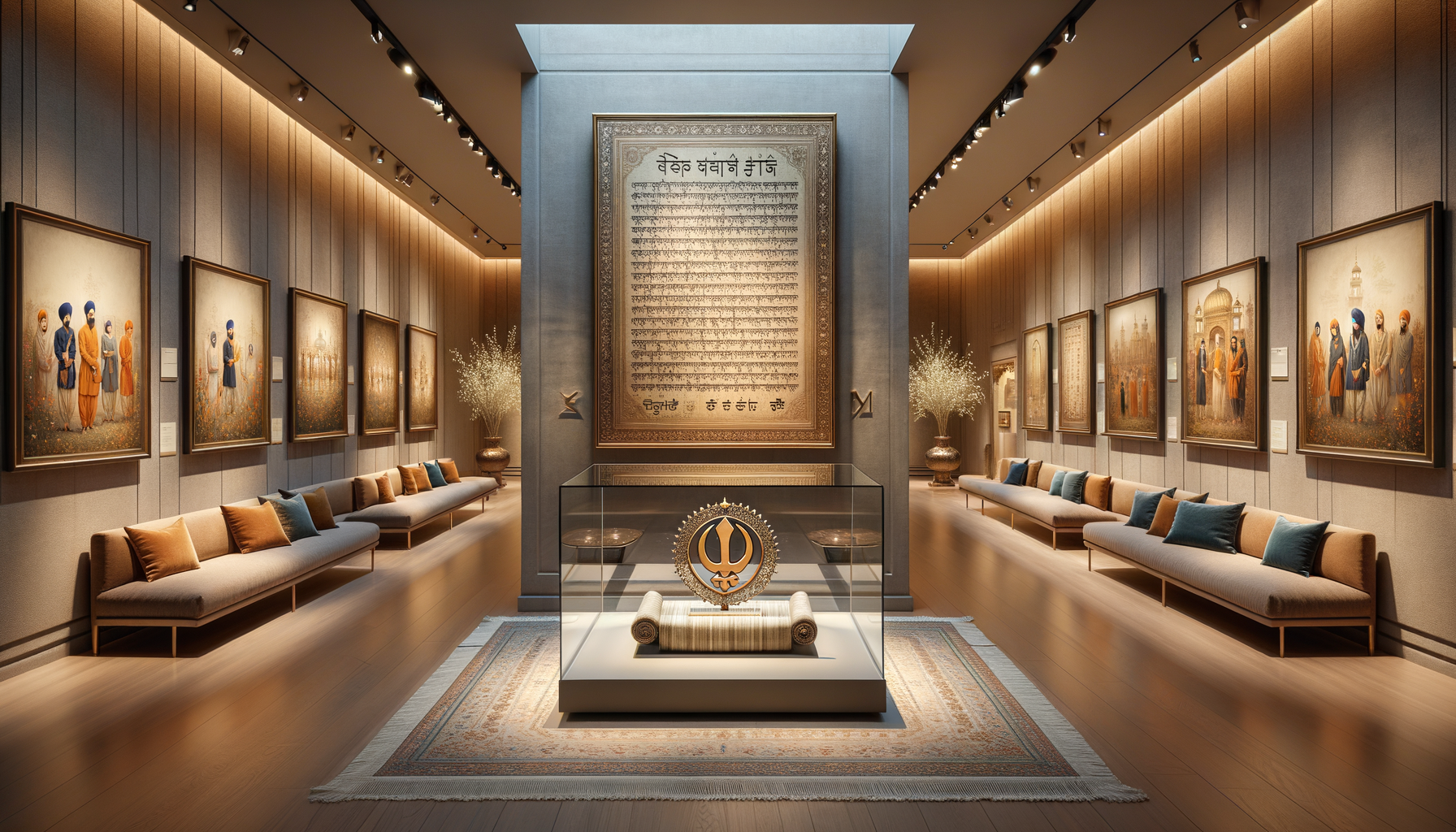
Khanuja Sikh Art Gallery offers a rigorous yet welcoming introduction to Sikh heritage through carefully curated artworks and contextual interpretation. Led by Dr. Parvinderjit Singh Khanuja, the gallery situates Sikh aesthetics within the broader dharmic traditions, highlighting shared values without blurring distinct identities. Exhibitions emphasize thematic coherenceseva, kirtan, ethical couragewhile educational programs foster cultural literacy…
-
Shankhu Chakradhari Brahma: Decoding a Rare, Awe-Inspiring Icon of Sudarshana and Shankhu
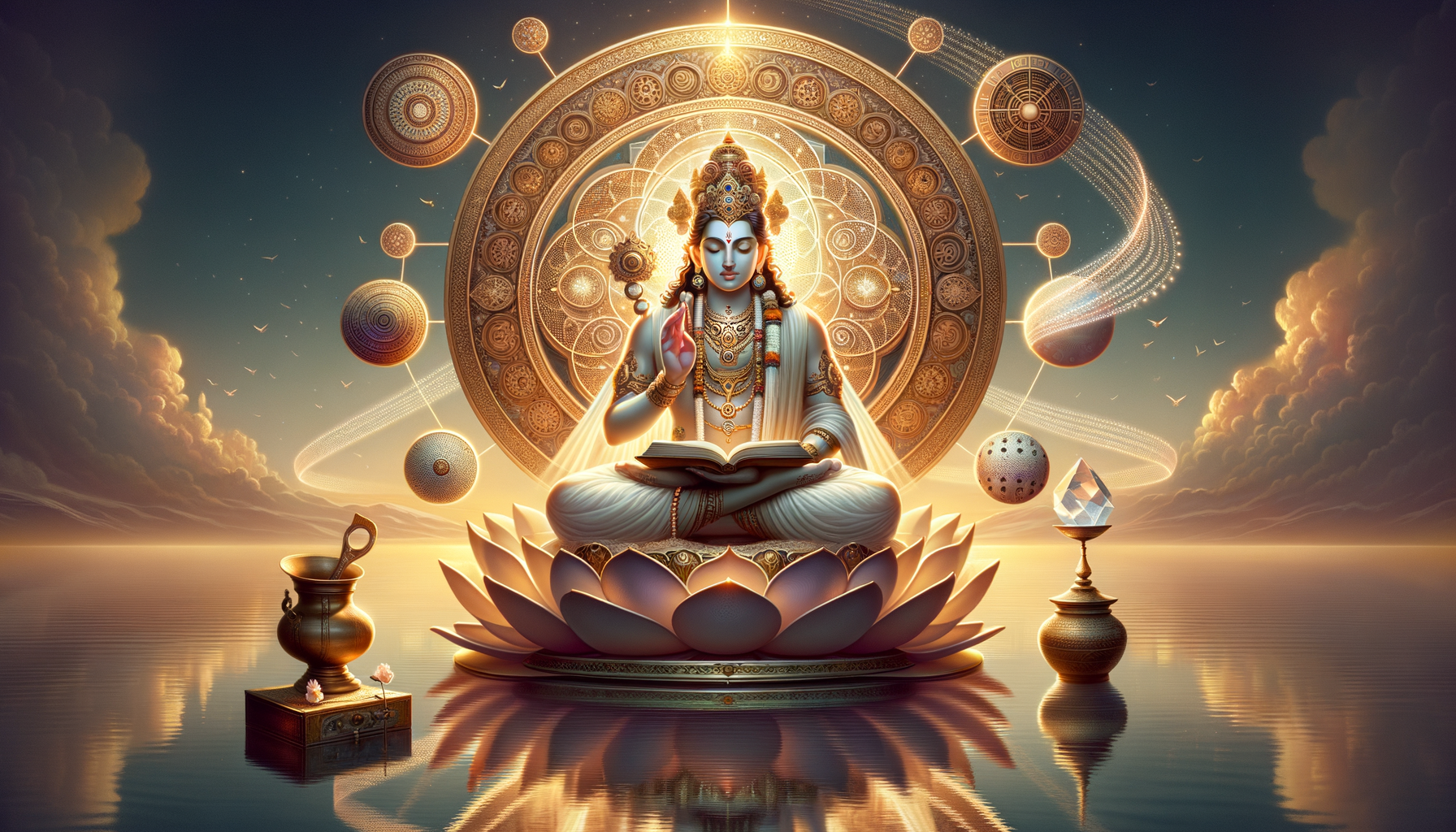
This exploration decodes the rare icon of Shankhu Chakradhari Brahma, where Lord Brahma bears the Sudarshana Chakra and Shankhu. Readers gain a clear understanding of how this iconography aligns creation with preservation within Sanatana Dharma. The symbolism of the chakra (order, time, discernment) and conch (primordial sound, prāṇa) is explained in an accessible, academic style.…
-
Unlocking Abhinaya Dharma: Natyadharma vs. Lokadharma in India’s Timeless Dance-Drama
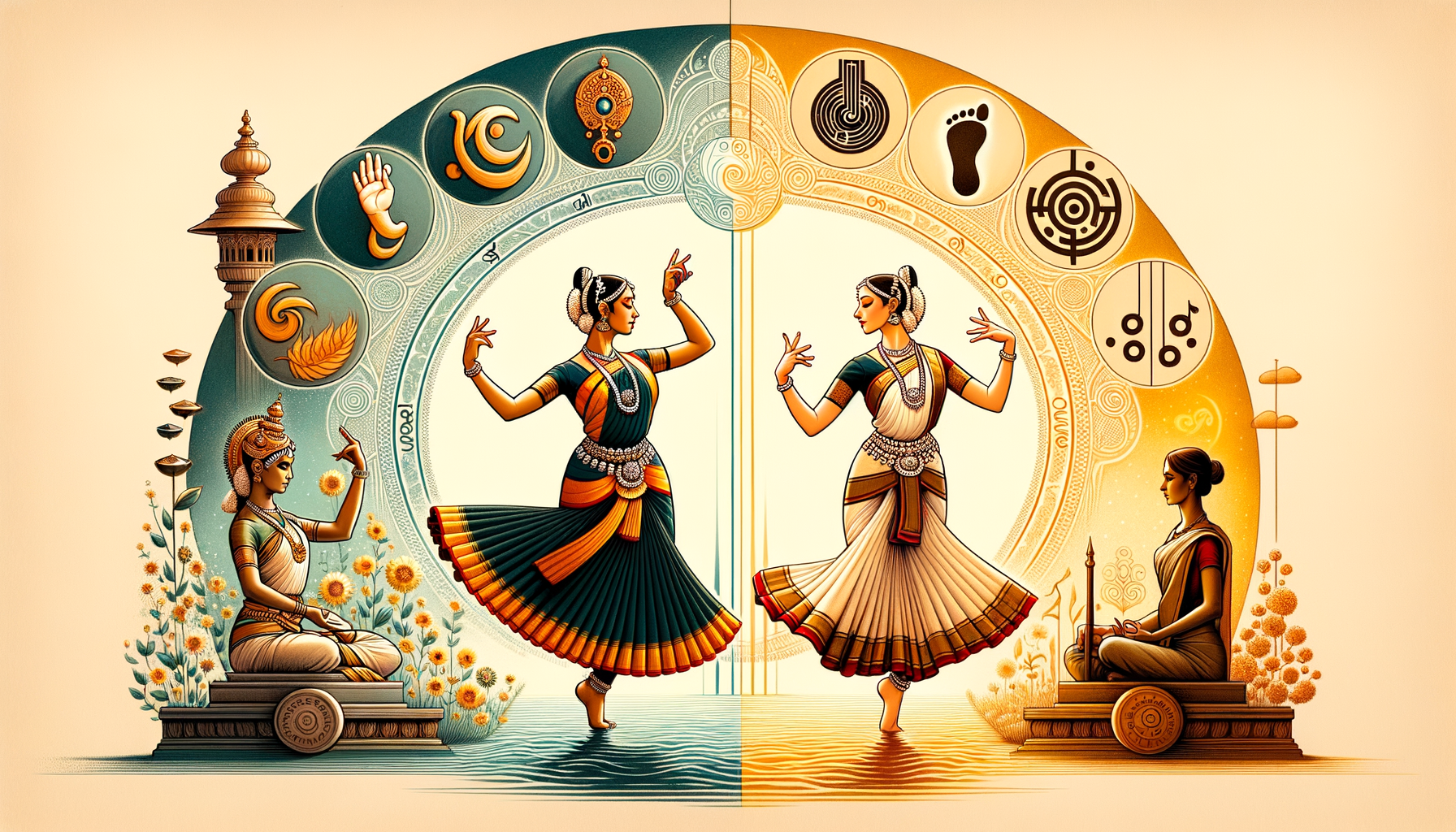
Abhinaya Dharma denotes the guiding codes of Indian dance-drama, balancing stylized Natyadharma with naturalistic Lokadharma. Understanding these two modes clarifies how performers move from bhava (inner feeling) to rasa (aesthetic experience). Natyadharma refines gesture, voice, costume, and inner affect into a luminous grammar; Lokadharma anchors performance in everyday realism. Together, they deepen narrative clarity, audience…
-
Vajramukha: The Fearless Guardian of Hindu Temples and Shiva’s Ego-Devouring Grace

Vajramukha, often identified with Kirtimukha, crowns Hindu temple gateways as a sacred guardian linked to Śiva’s myth of ego-devouring grace. This concise guide explains its origin, meaning, and role as a threshold protector that transforms anxiety into reverence. Readers discover where to find the guardian in Dravidian and Nagara architecture and how its fierce visage…
-
From Deer to Owl: Unraveling the Powerful Animal Symbols of Goddess Lakshmi

This essay explores how animals and birdsespecially elephants, the owl (Ulooka), the deer, and cattleshape the evolving iconography of Goddess Lakshmi. It highlights Gaja-Lakshmi as a classical symbol of rain-blessed abundance and royal order, and explains the owl’s regional prominence in eastern India as a guide to vigilant, ethical prosperity. It interprets the deer as…
-
Ardhaparyanka Unveiled: Powerful Symbolism of the Half-Seated Posture in Dharmic Art
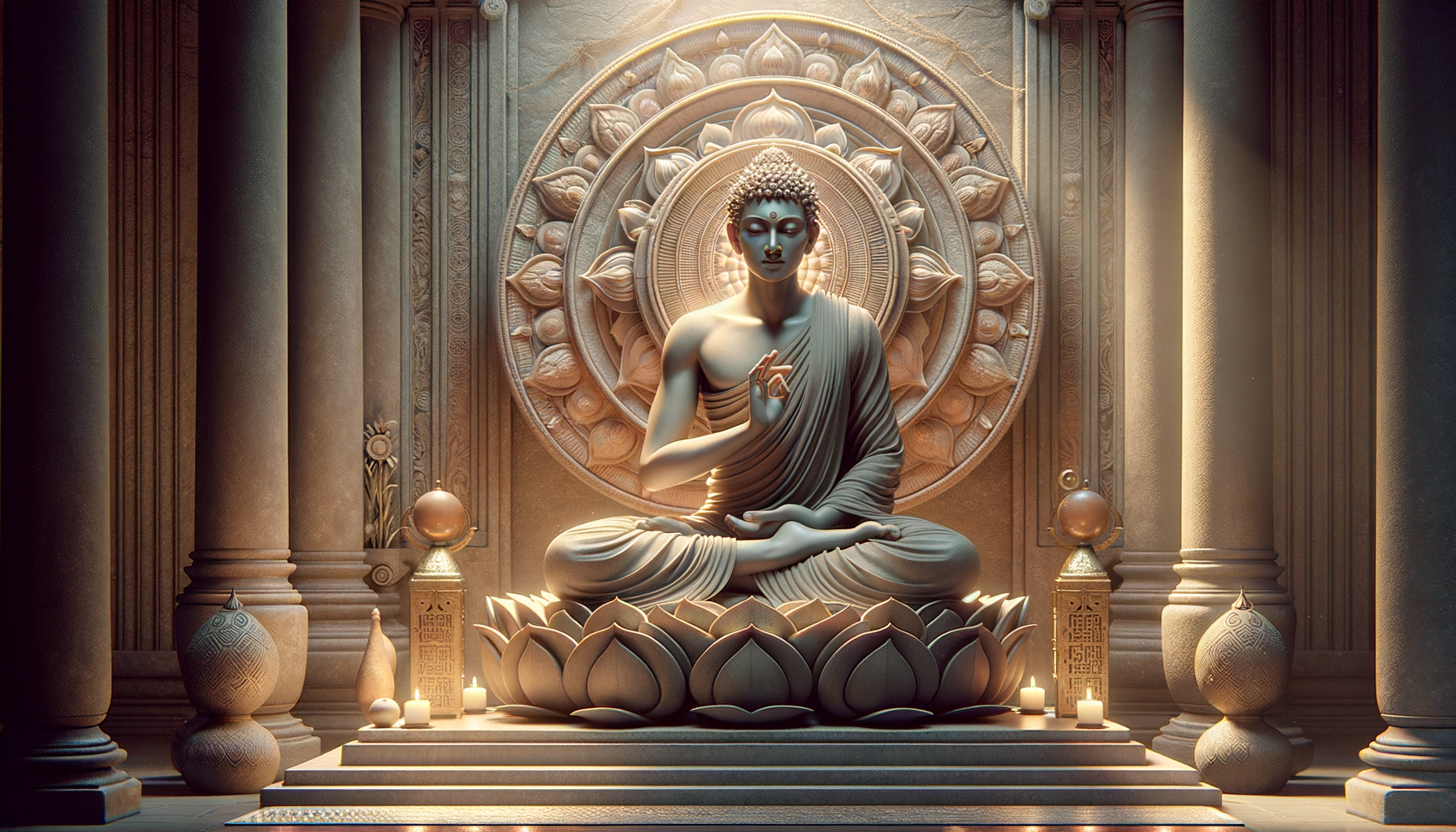
Ardhaparyanka, the “half-seated” posture in Hindu and Buddhist iconography, unites calm repose with poised readiness. It signals divine approachability without diminishing authority, harmonizing compassion with sovereignty. The posture’s balanced form resonates across dharmic traditions, supporting unity among Hinduism, Buddhism, Jainism, and Sikhism. In temples and galleries, viewers often experience a felt sense of stability and…
-
From Print to Masterpiece: The Bhaktivedanta Manor Pancha‑Tattva Painting’s Legacy
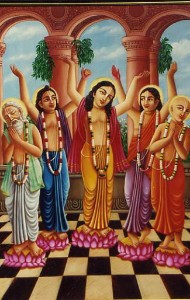
A small devotional print discovered while tending to Srila Prabhupada’s rooms inspired a major temple artwork at Bhaktivedanta Manor. The narrative traces how the Pancha‑TattvaLord Caitanya, Lord Nityananda, Sri Advaita, Sri Gadadhara, and Srivasamoved from a humble image to a 4 by 5 foot oil painting. Set against the historic backdrop of the 1973 Rathayatra…
-
Complete Comparative Guide: Discover Bhagavata Mela vs Krishnattam and Their Unified Spirit
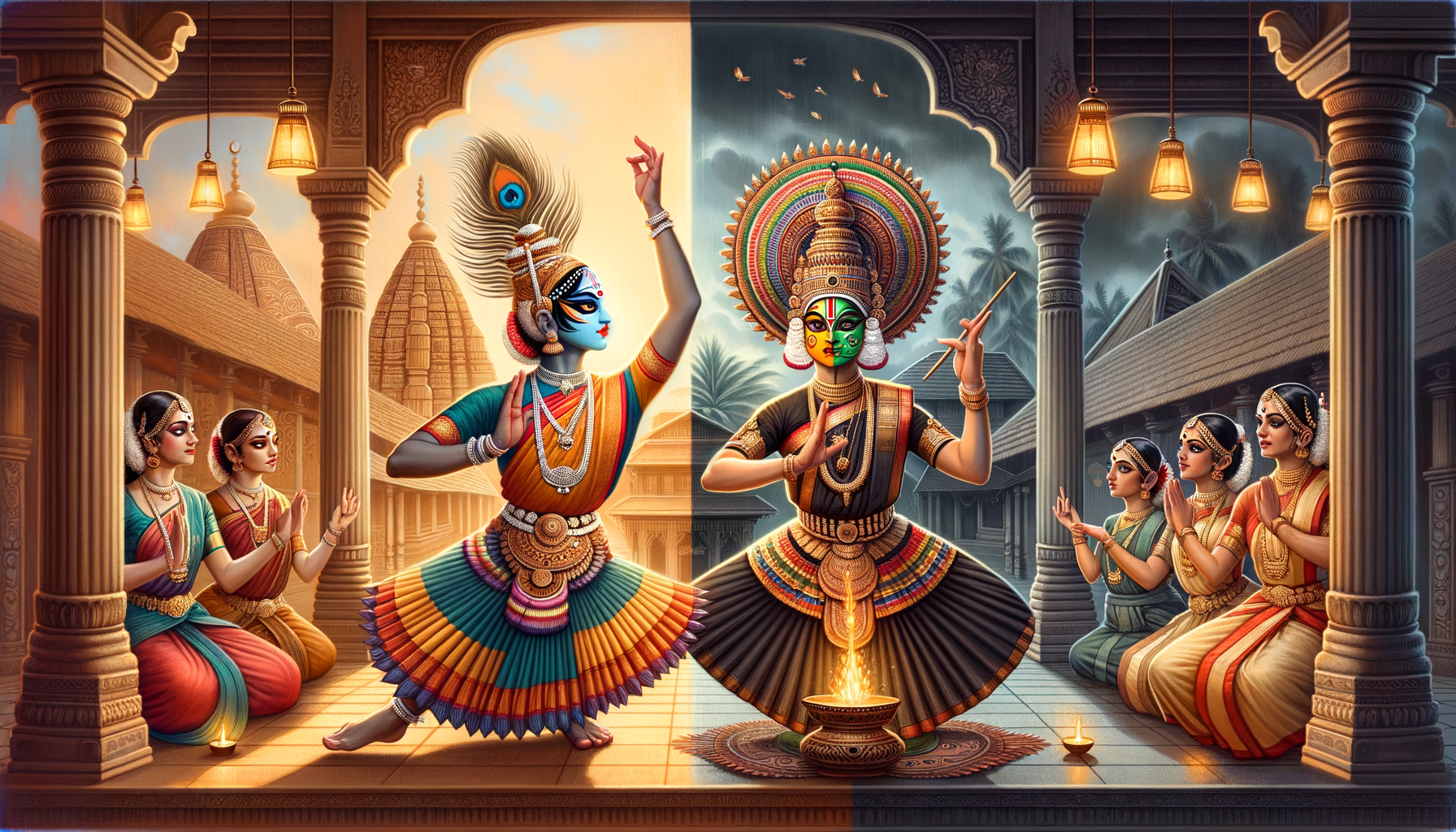
Bhagavata Mela (Tamil Nadu) and Krishnattam (Kerala) are classical dance-dramas devoted to Lord Krishna that developed in distinct regional ecologies yet share a unifying bhakti ethos. This comparison clarifies their originsMelattur’s community-centered ritual theatre versus Guruvayur’s temple-offering cycleand explains how aesthetics, music, language, and costume differentiate their experiences. Readers gain practical insight into Carnatic versus…
-
Discover the Complete Sacred Symbolism of Vishnu’s Kirita Mukuta and Kaustubha Gem
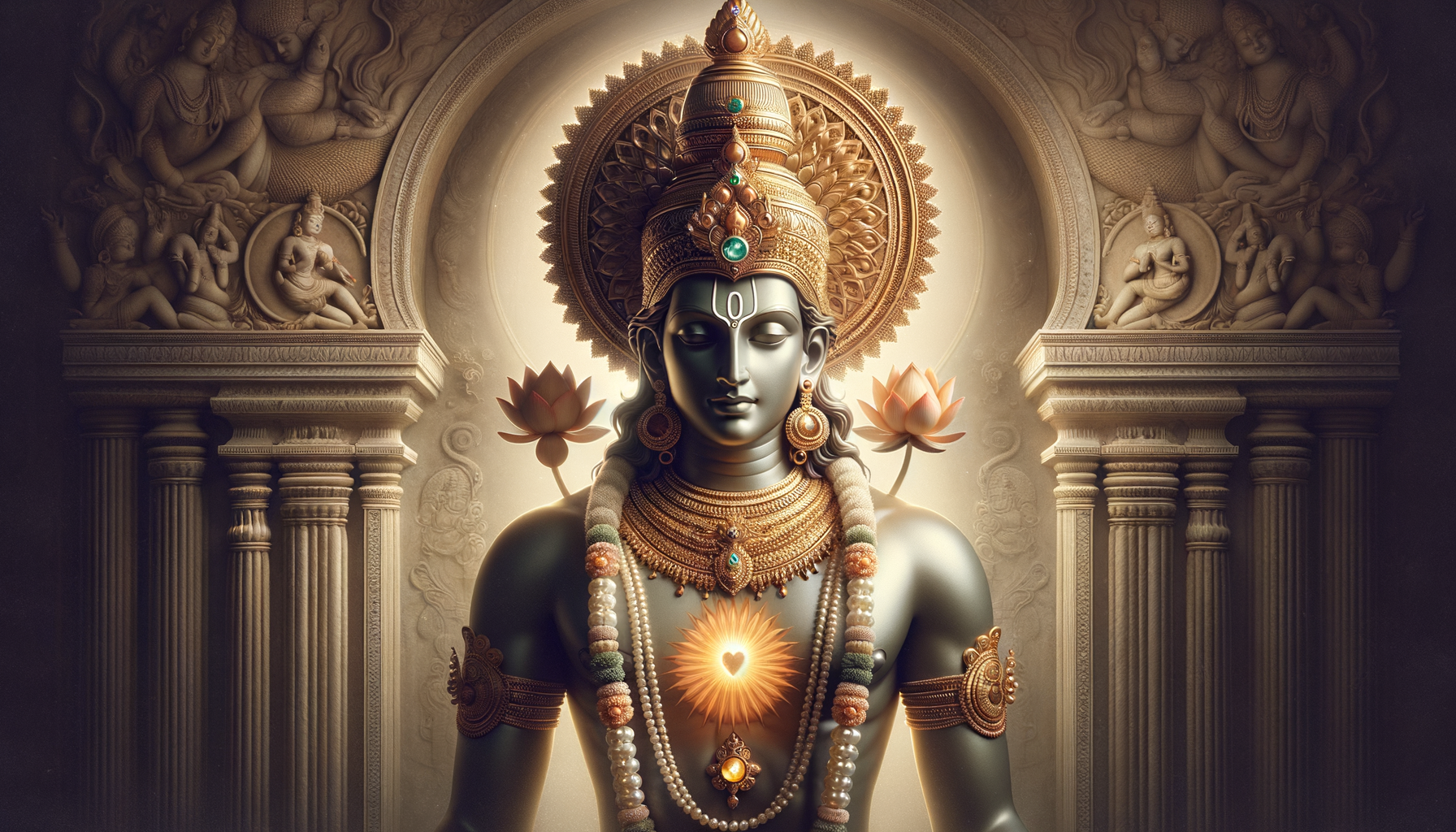
This exploration clarifies the complete symbolism of Vishnu’s Kirita Mukuta (crown) and Kaustubha gem, showing how they embody the union of discernment and compassion. Readers discover art-historical context from cave temples and shilpa traditions alongside Purānic references to the Samudra Manthana. Practical reflections reveal how these symbols guide ethical leadership and inner clarity in everyday…
-
Discover the Secret Guardians of Wealth: Sankhanidhi & PadmanidhiEssential Temple Symbolism

I share how Sankhanidhi (Shankha Nidhi) and Padmanidhi (Padma Nidhi) transformed my temple visits into lessons on ethical abundance. As attendants of Kubera, they symbolize the conch’s protective clarity and the lotus’s pure, unfolding prosperity. Placed at temple thresholds, they guide us to balance material wealth with spiritual integrity. By reflecting on the shankha, I…
-
Essential Guide: Can AI Images Be Used in Hindu Worship? Accuracy, Bhakti, Ethics

As AI-generated art becomes ubiquitous, I asked myself if such images have a place in Hindu worship. Drawing from dhyāna mantra traditions, I explain why icons for veneration must be grounded in human meditation and lineage, not algorithms. I share when AI might be a last resortsuch as for rare deitiesprovided prompts follow dhyāna mantras…
-
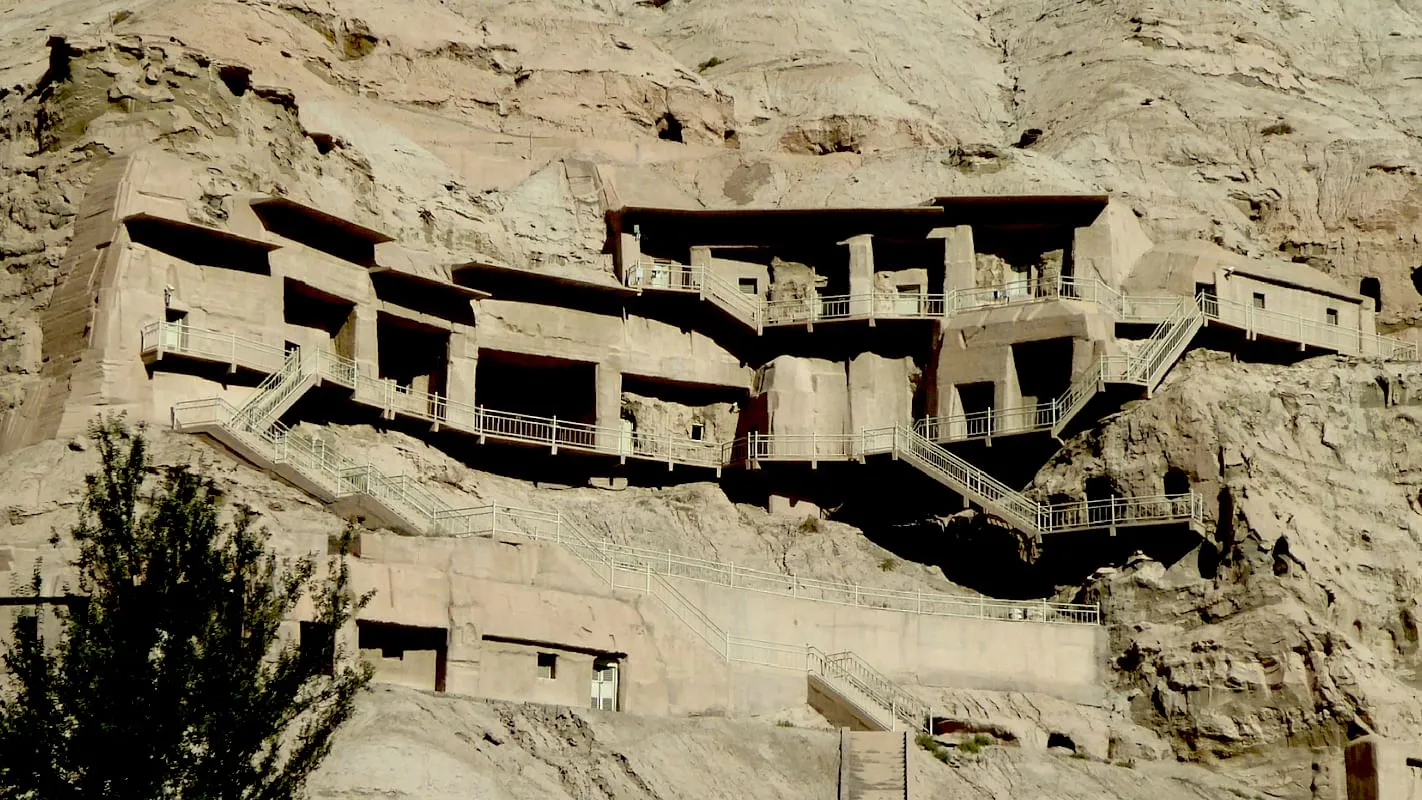
When the Bower Manuscript Unlocked the Portals to a Vast Hindu Civilisational Imprint in China