
-
Ekaveni in Hindu Sculpture: Single Braid Symbolism, Shastra Sources, and Living Tradition
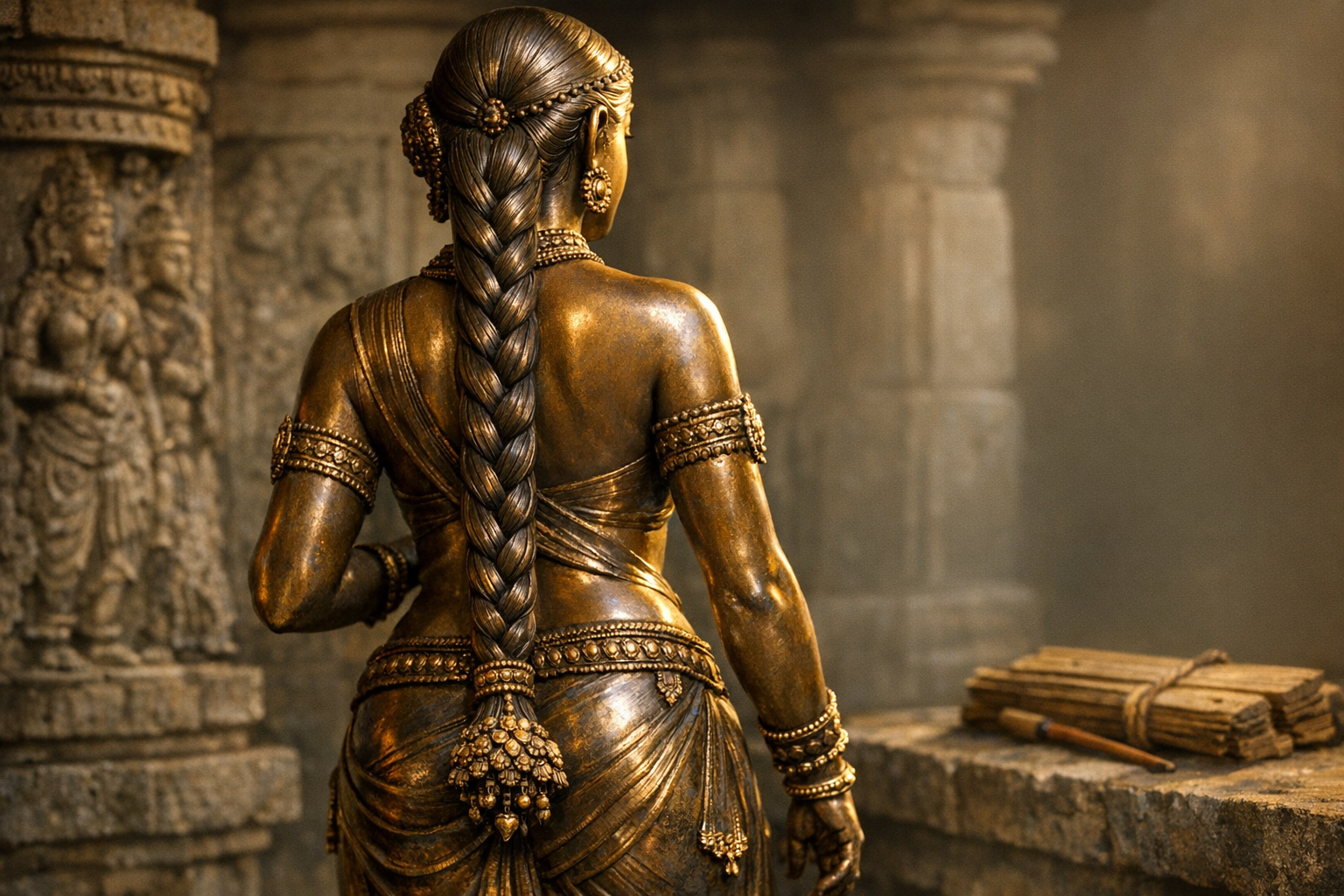
Ekaveni, the single-braid coiffure, is a key visual code in Hindu sculpture and temple iconography that unites style with meaning. Rooted in Shastra (Vishnudharmottara Purana, Shilpa Shastras, Nāṭyaśāstra), it marks youthful auspiciousness, discipline, and one-pointedness. From Chola bronzes to Hoysala stonework, artists render the braid with technical precisionoften finishing in a kunjalam tasselto harmonize with…
-
Alinga Mudra’s Sacred Embrace: Decoding Shiva–Shakti Union in Hindu Sacred Sculpture
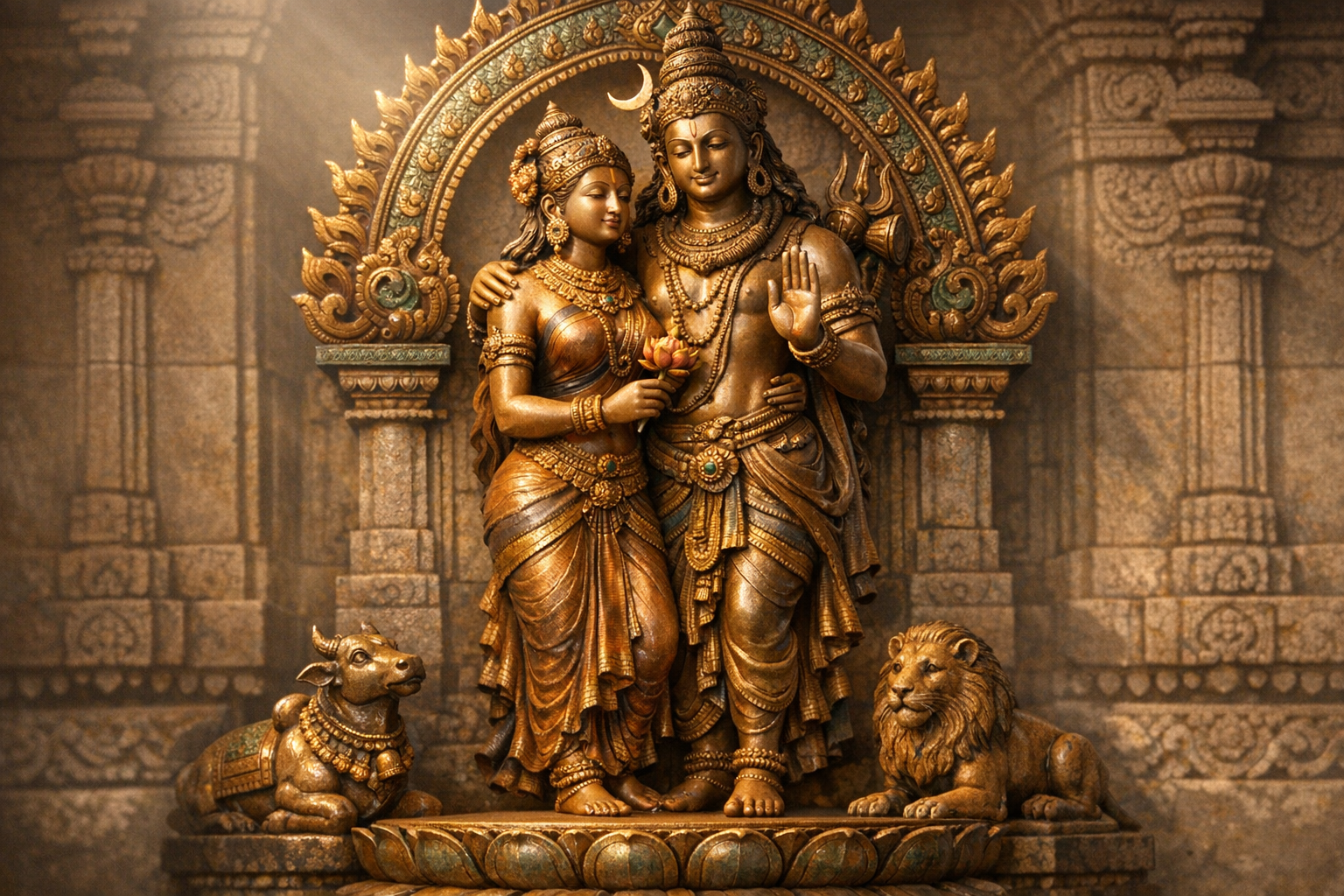
Alinga Mudrathe sacred embraceunifies aesthetics, devotion, and philosophy in Hindu sculpture, especially in Uma–Maheshvara imagery. This long-form analysis decodes how the gesture functions within Agamic and shilpa canons, balancing intimacy with public beneficence through abhaya and varada. Regional case studies (Chola bronzes, Nepal Valley reliefs, Odisha’s Kalinga temples, and Hoysala sculpture) show diverse yet coherent…
-
Ekavali: Sacred Elegance of the Single Strand in Hindu Iconography and Temple Art
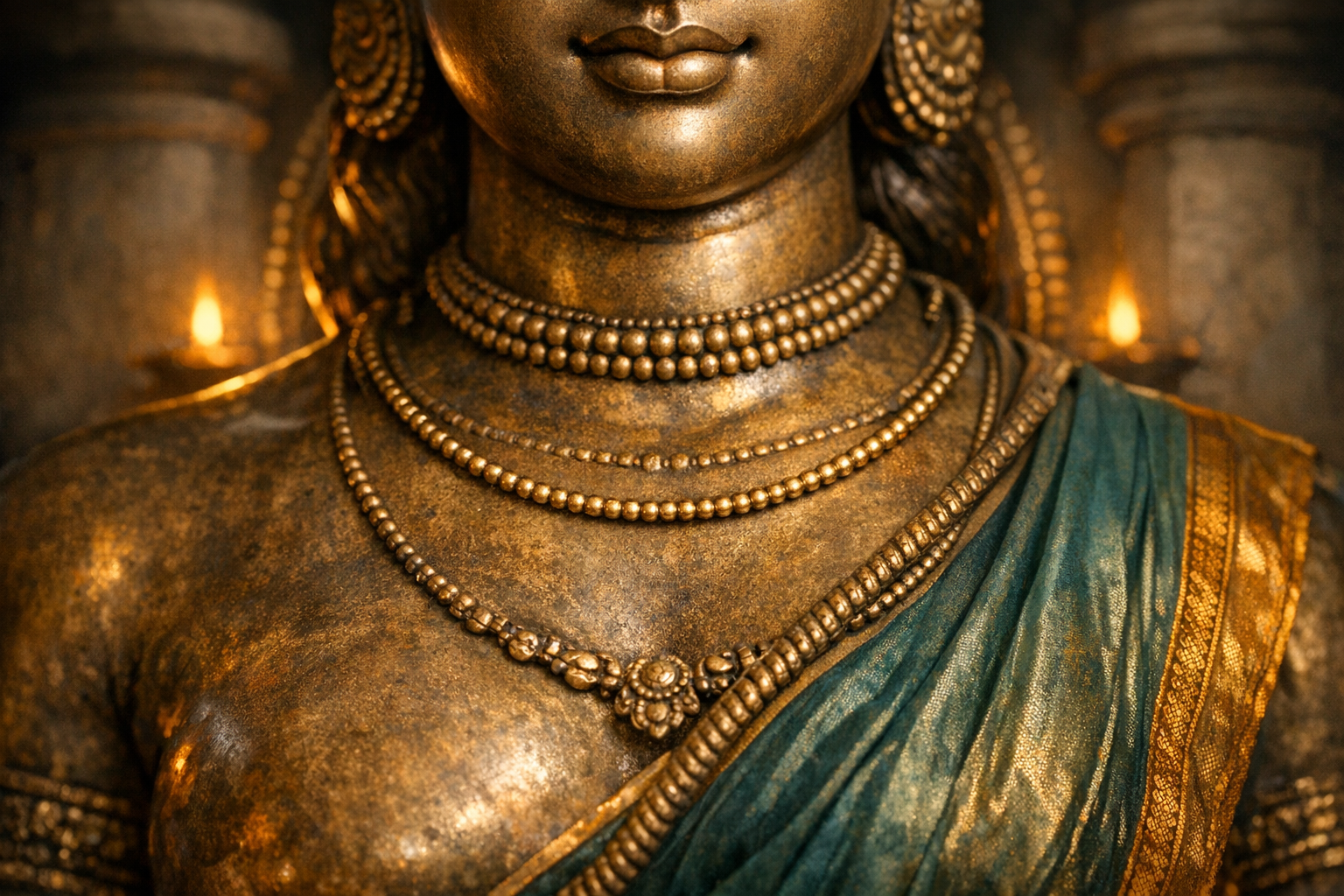
The Ekavaliliterally a single, unbroken strandanchors the visual and ritual logic of Hindu sacred art. Placed just below the throat, it defines the threshold of speech and mantra while harmonizing with longer hāras and garlands. From Gupta and Pāla–Sena stone to Chola bronzes, its form adapts to style yet preserves a consistent function: sacred simplicity…
-
Sacred Banners in Stone: Decoding the Pataka (Dhvaja) in Hindu Sculptures and Temples
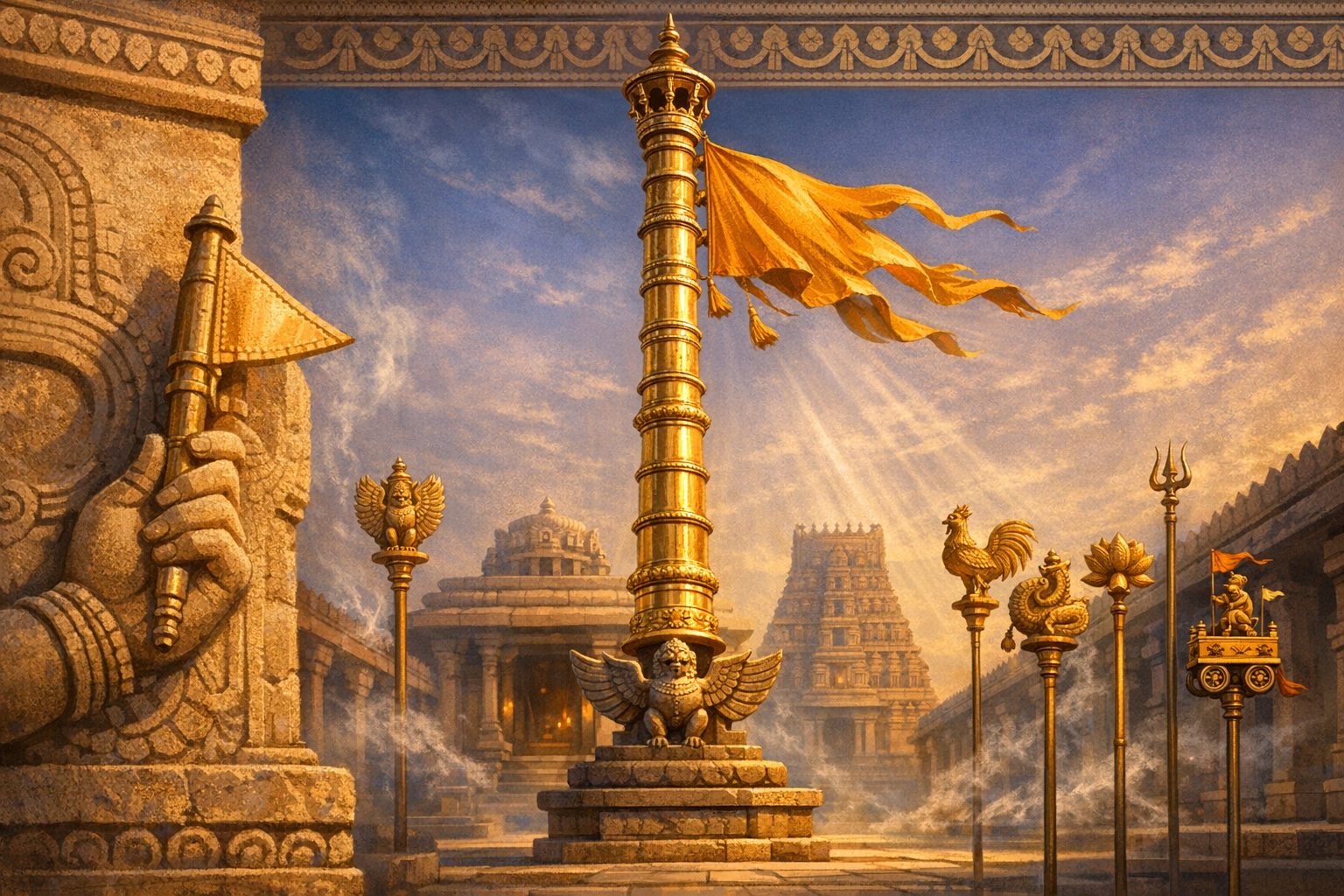
The pataka (dhvaja), or sacred banner, in Hindu sculptures and temples is an emblem of presence, sovereignty, auspicious commencement, and communal identity rather than a weapon. Rooted in Agamas and Śilpaśāstras, it belongs to the category of insignia (chihna) and is rendered in sculpture as hand-held pennons, attendant standards, and the architectural dhvaja-stambha. Emblems such…
-
Unmatta Bhairava Iconography: Fierce Guardian of Shiva and Ecstatic Freedom
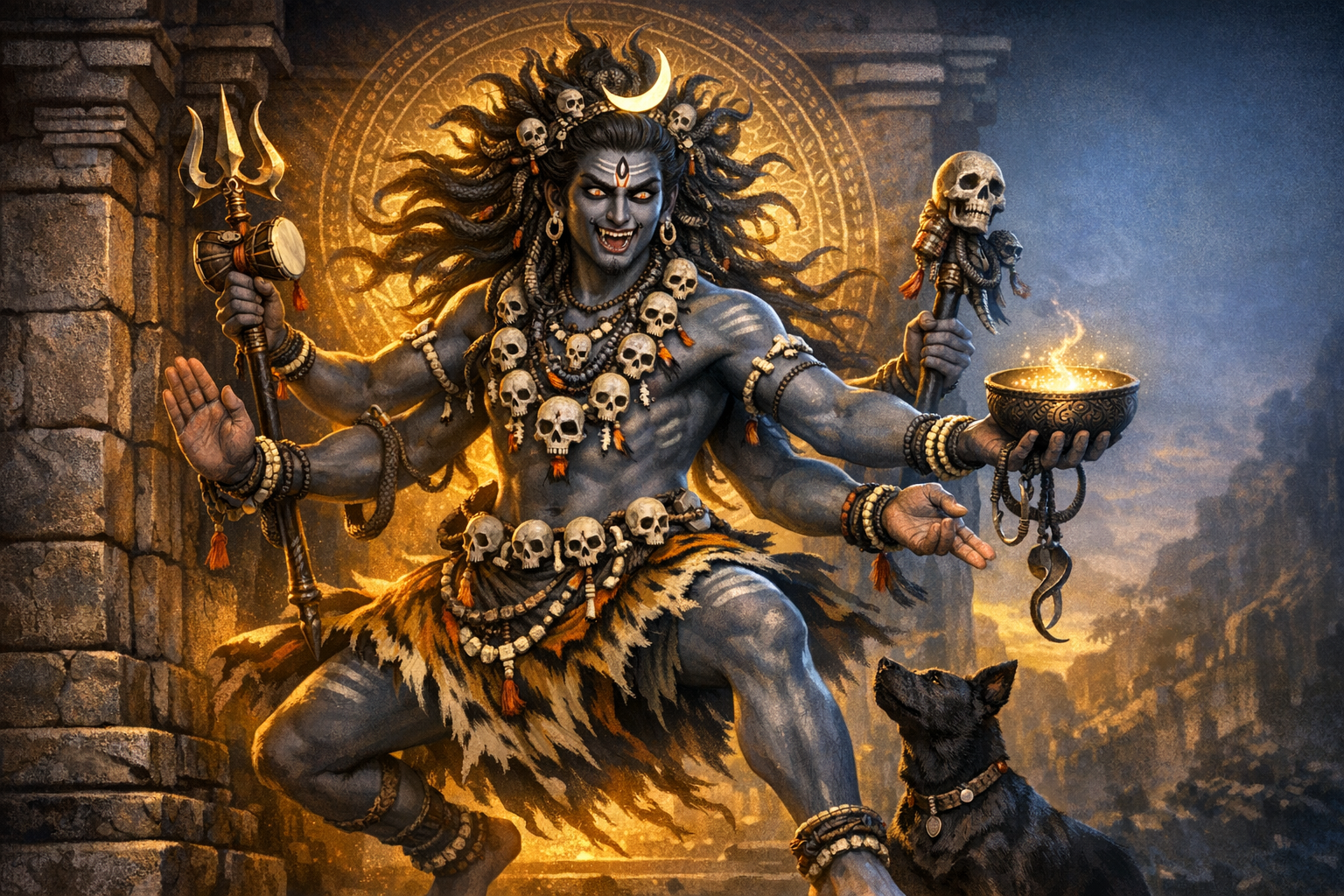
Unmatta Bhairava stands out among the Sixty-Four Bhairavas as an ecstatic guardian whose iconography transforms fear into freedom. This article explains how to identify his murti by face, hair, ornaments, attributes, posture, and dog-vahana, and shows how temple placement and ritual reinforce that identity. Drawing from Purāṇic and Tantric frameworks alongside regional art histories, it…
-
Unveiling Lankini (Lankalakshmi): Lanka’s Fierce GuardianIconography, Myth, and Spiritual Power
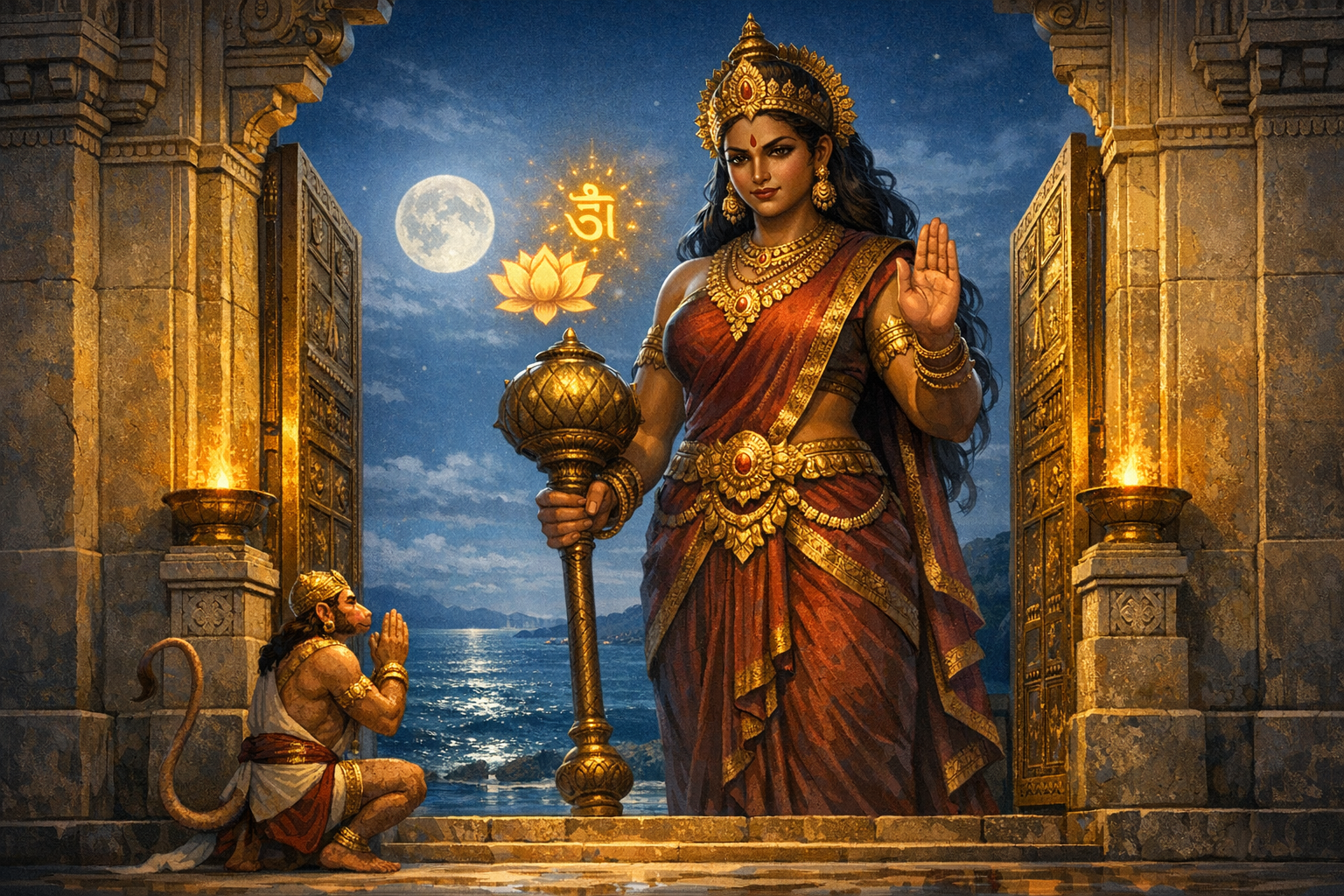
Lankinialso known as Lankalakshmiappears in the Sundara Kanda as the fierce yet discerning guardian of Lanka’s gate. Her encounter with Hanuman marks the withdrawal of fortune from adharma and the redirection of śrī toward a righteous mission. Iconographically, she aligns with threshold guardians (dvarapalikas), typically shown with martial attributes and a vigilant stance; regional traditions…
-
Unveiling Dola Kundala: The Pendulous Earring’s Power, Symbolism, and Living Legacy in Hindu Art
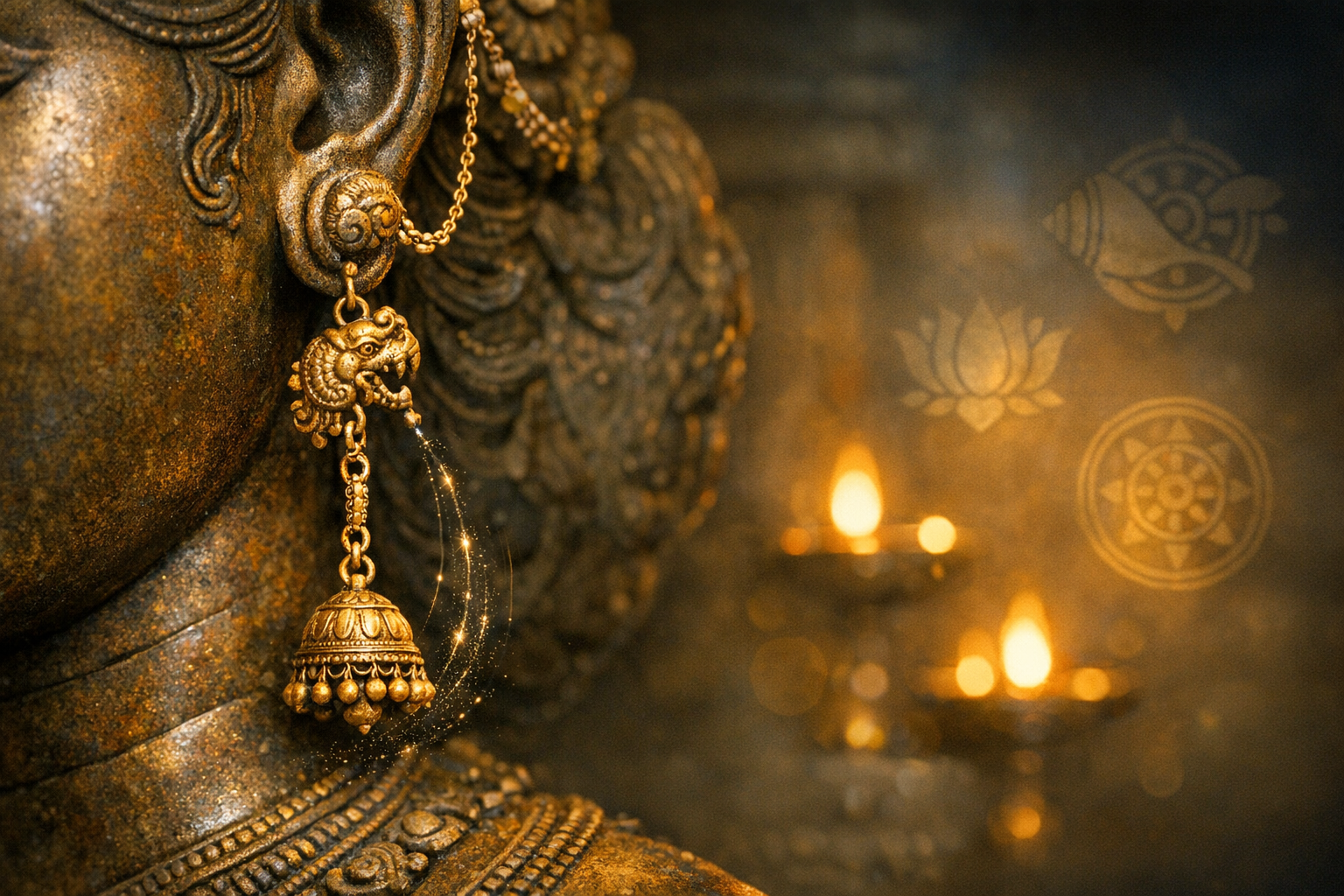
This in-depth exploration reveals how the dola kundalathe pendulous earring in Hindu sacred arttransforms ornament into theology-in-motion. It defines the term’s Sanskrit roots, surveys guidance from shilpa shastras, and shows how Shaiva, Vaishnava, and Shakta images employ swinging earrings to animate the divine face. Cross-dharmic touchpoints with Buddhist bodhisattvas and Jain yaksha–yakshi imagery highlight a…
-
Decoding Dhammilla: The Timeless Sacred Hair-Knot of Goddesses in Hindu Sculptures
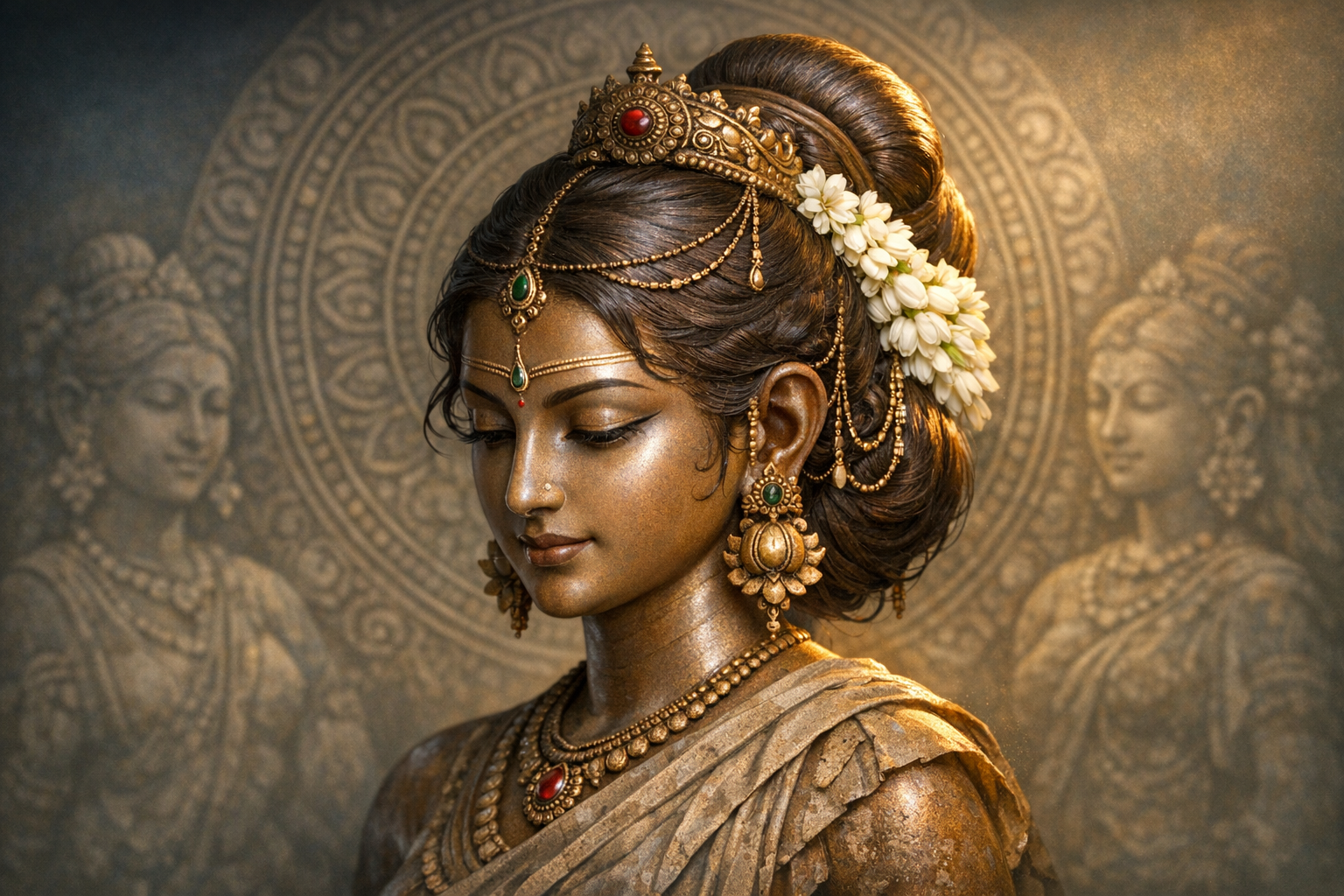
Hair in Hindu sculptures is a precise visual language, and the dhammillathe compact, coiled bunconcisely signals the serene, auspicious presence of the Divine Feminine. This long-form exploration defines dhammilla, traces its regional and historical variants from Mathura to Chola and Hoysala ateliers, and explains how Shilpa Shastra and Agama traditions codify coiffure as theology in…
-
New Vrindaban’s Palace of Gold: A Living Testament to Devotion, Craft, and Dharmic Unity

This long-form reflection examines New Vrindaban’s Palace of Gold in West Virginia, the focus of a second documentary by Vrsabhanu das. It traces the site’s evolution from a planned residence for Srila Prabhupada to a memorial shrine and cultural landmark within ISKCON. Readers gain a technical view of materials, methods, and process disciplinemarble inlay, glass…
-
Timeless Welcoming Grace: Ahuya–Varada Mudra in Hindu Iconography and Sculpture
Ahuya–Varada Mudra crystallizes a powerful promise in Hindu iconography: an invitation to approach, followed by the boon of grace. The analysis clarifies etymology and formAhuya as a welcoming inclination, Varada as the classic downward, open palmwhile distinguishing them from Abhaya. Drawing on Shilpa Śāstra canons, regional styles (Chola, Odishan, Pāla–Sena, Hoysala), and ritual practice, it…
-
Unlocking the Mātuluṅga Mystique: Why a Giant Citron Graces Lakulisha and Kolhapur Mahalakshmi

The large citrus fruit called mātuluṅga (mahalunga) appears prominently in Hindu iconography, most notably in the lower right hand of Kolhapur Mahalakshmi and the upper left hand of Lakulisha of Pāśupata Shaivism. Identified primarily as Citrus medica (citron), the fruit symbolizes abundance, purity, and the ripened results (phala) of righteous action and disciplined practice. In…
-
Kamantaka Murti of Shiva: Awe-Inspiring Iconography, Third-Eye Fire, and Mastering Desire
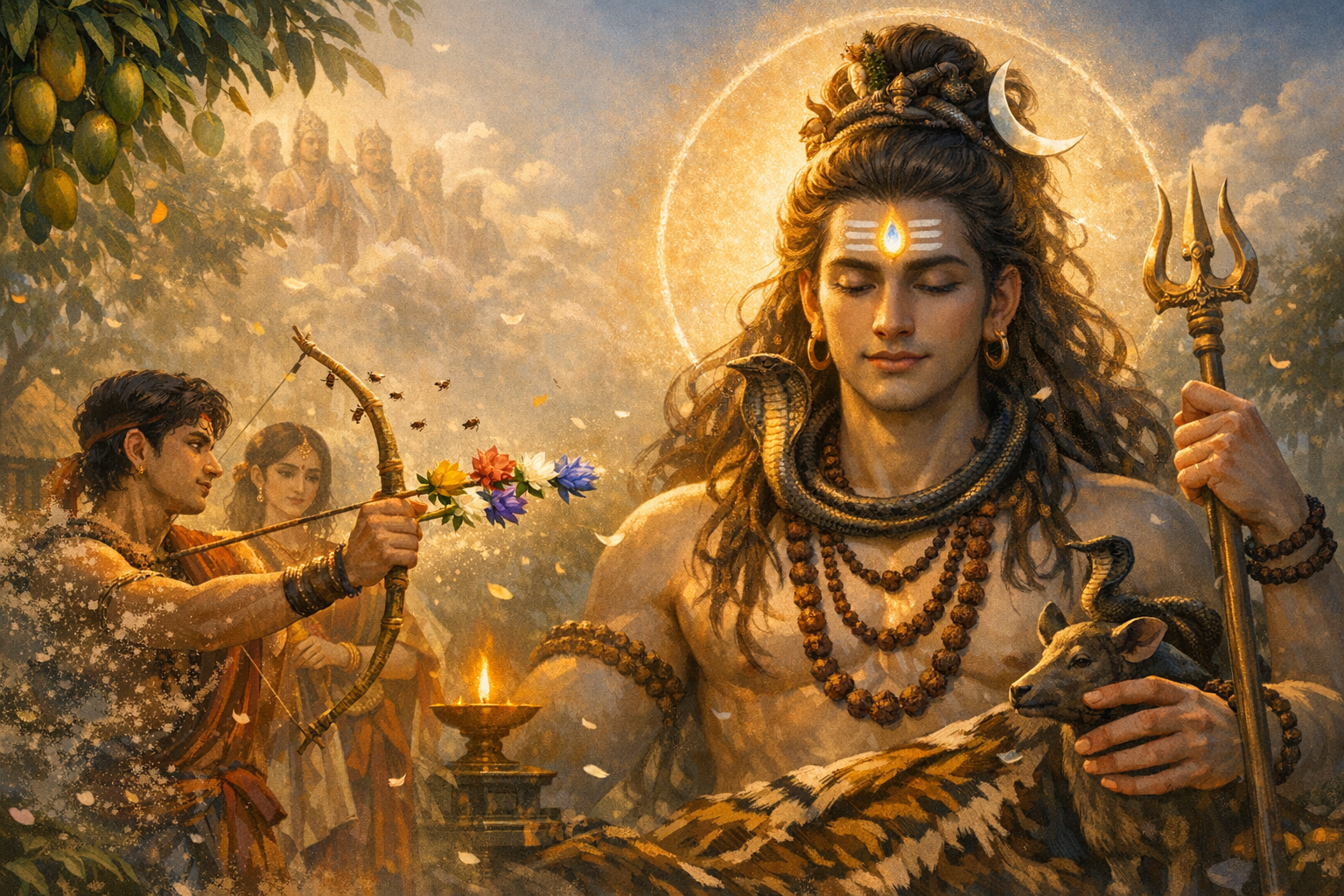
This in-depth study decodes Kamantaka (Madana Dahana), the powerful murti of Shiva who burns Kama with the third eye’s jñāna-agni, as a visual pedagogy on mastering desire. It explains field-ready markersKama’s sugarcane bow, bee-string, five flower-arrows, and Ratiso readers can confidently identify the scene in temples and sculpture. It situates the form in Purāṇic, Āgamic,…
-
Revealing the Sacred Beauty of Imperfection: Why Authentic Hindu Bronzes Aren’t Flawless
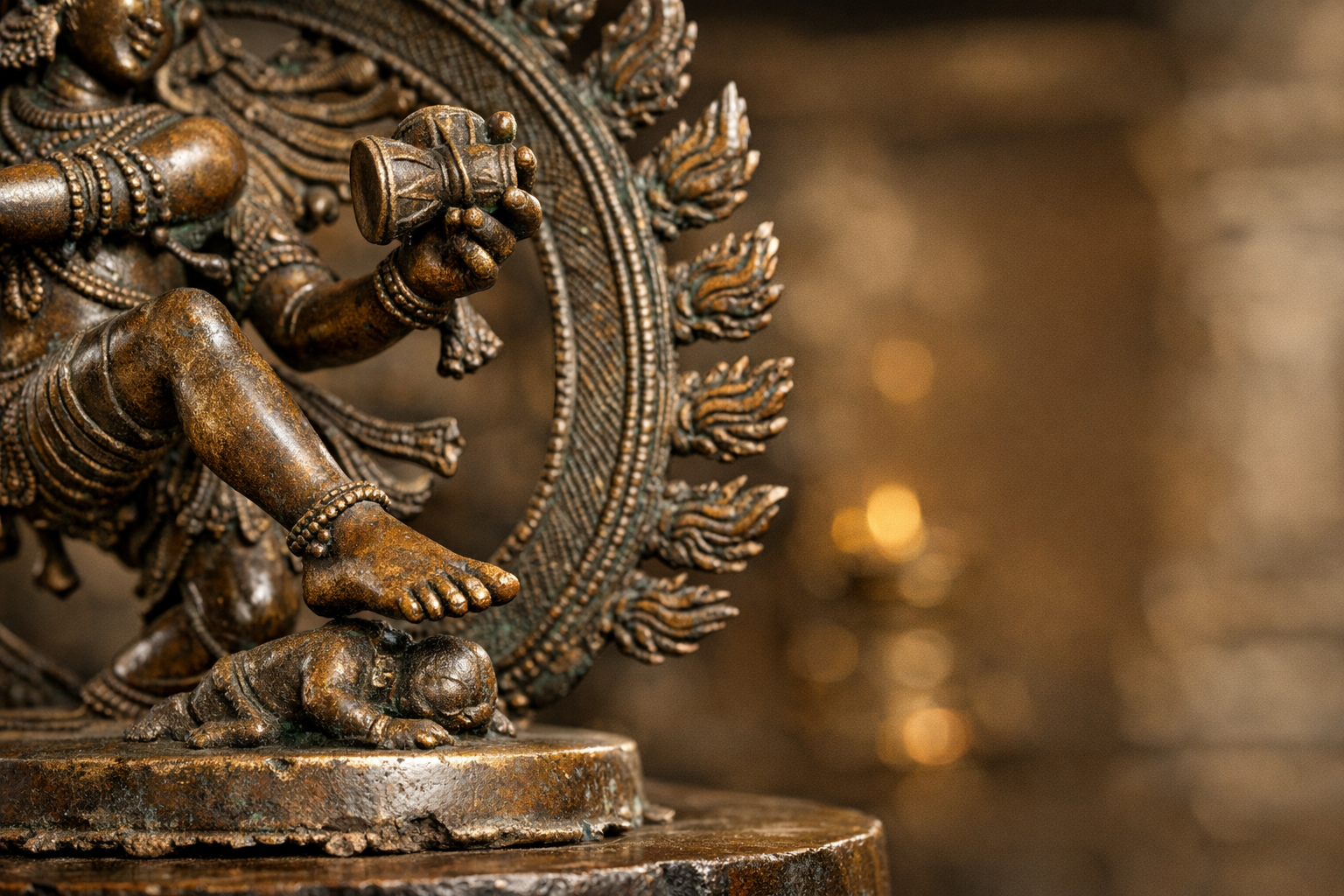
Authentic Hindu bronze sculptures are often misjudged by a modern expectation of machine-like perfection. This essay explains, in academic yet accessible terms, how lost-wax casting and panchaloha metallurgy naturally produce subtle surface variations that signal authenticity. It decodes sprue scars, chasing marks, porosity pinholes, and asymmetry as the normal fingerprints of traditional workmanship rather than…
-
Dama in Hindu Iconography: Unveiling the Sacred Neck Chain of Restraint, Grace, and Power
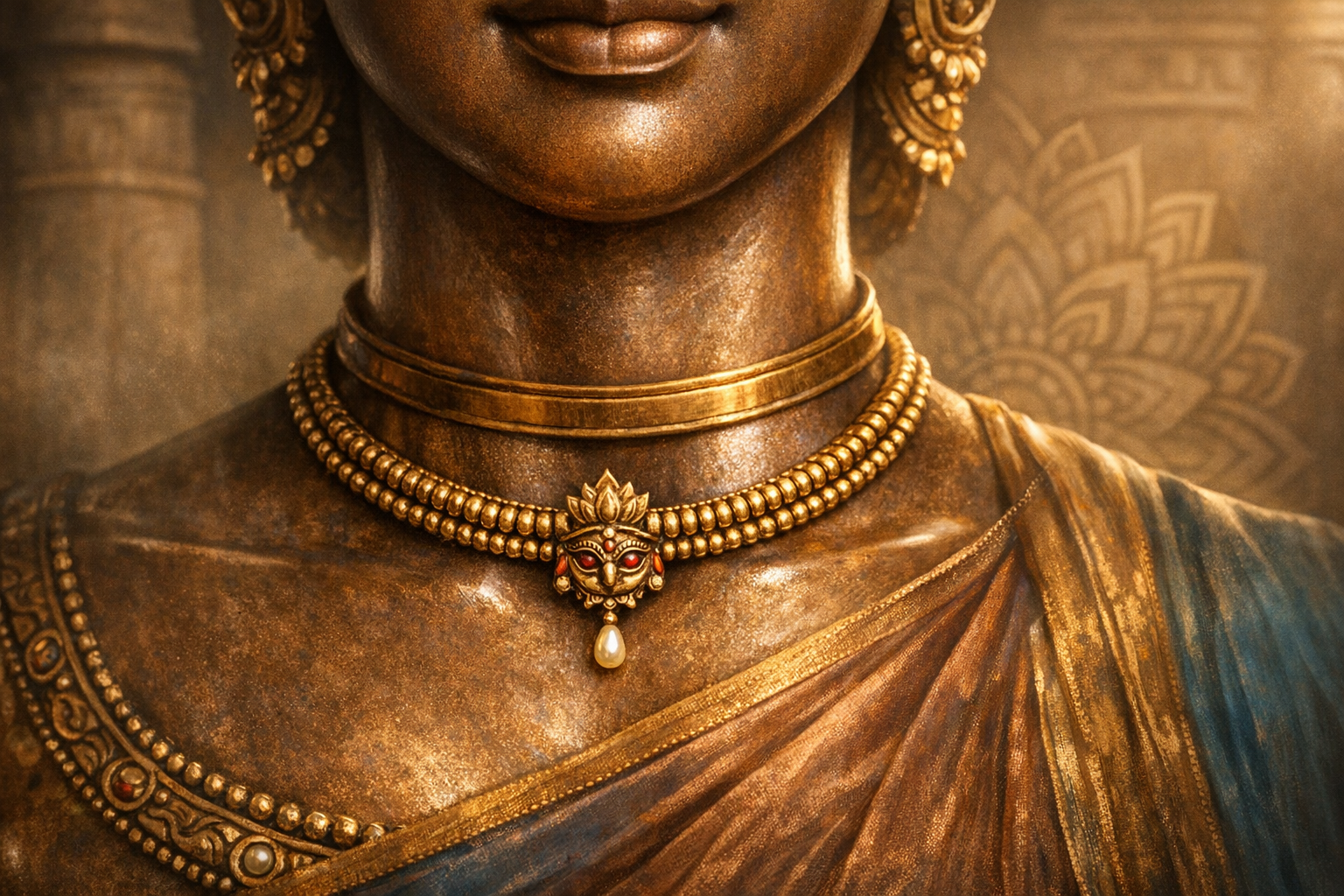
This article decodes the damathe sacred neck chainin Hindu iconography as a short, structured collar that balances longer necklaces while signaling restraint, protection, and grace. It clearly distinguishes dama/graiveyaka from kanthika (choker), muktavali (pearl strings), and hara (long necklace) using the taxonomy preserved in Shilpa Shastras. Readers learn how major treatises (Vishnudharmottara Purana, Shilparatna, Manasara,…
-
Antariya Unveiled: The Sacred Lower Garment Shaping Hindu Sculpture and Symbolism
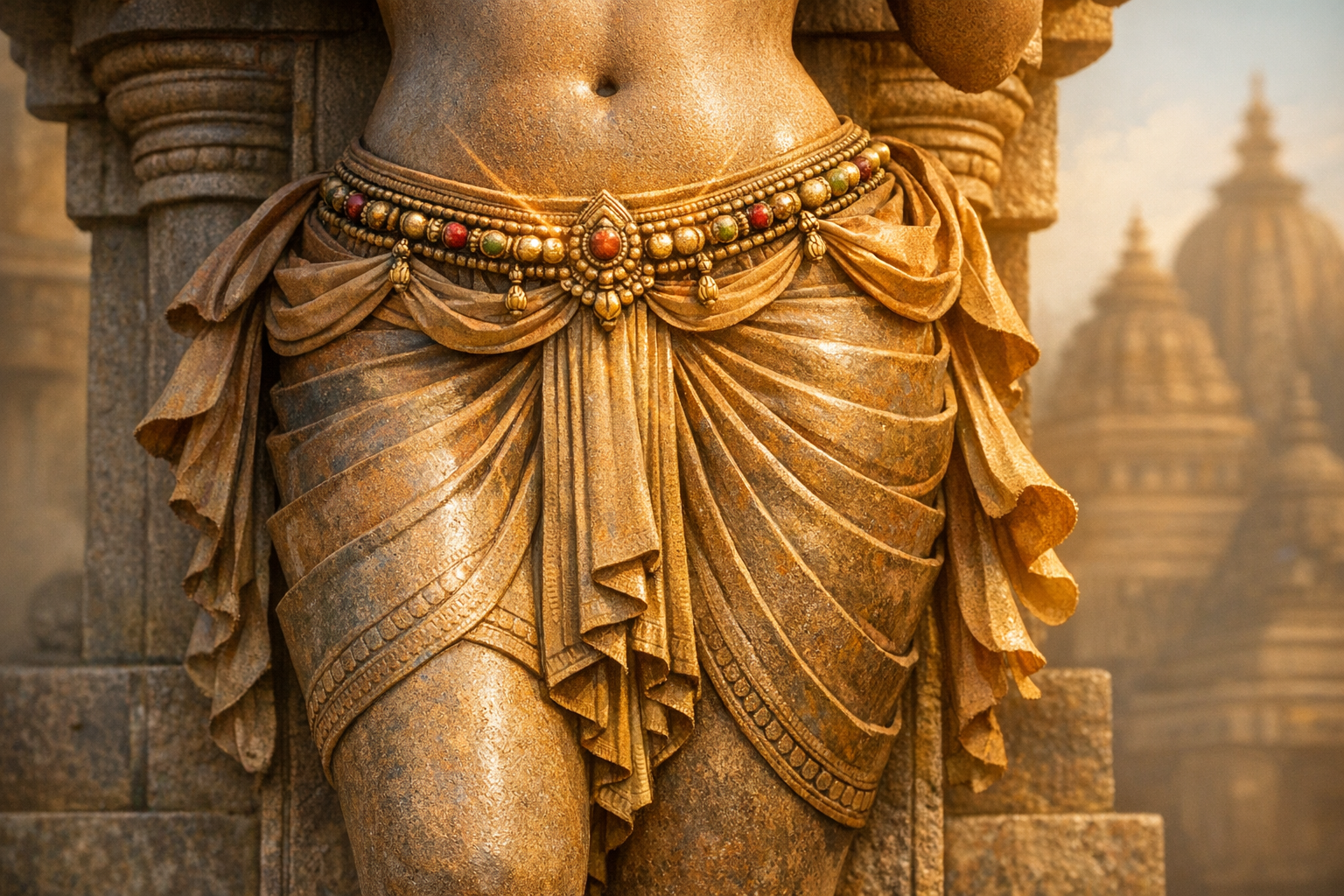
Antariyathe unstitched lower garment secured by a mekhalais the foundational drape of Hindu sculpture and iconography, predating later dhoti forms. This long-form guide explains how to identify antariya in stone and bronze through pleat geometry, knots, and belt types, and how these features assist in dating and attributing works from Bharhut and Sanchi to Gupta…
-
Divine Fury, Compassionate Shelter: NakhayudhaSacred Claws of Narasimha in Hindu Iconography

Nakhayudhathe sacred claws of Narasimhaembodies a unique class of natural, non-forged weaponry in Hindu iconography, expressing spontaneous divine protection without reliance on manufactured arms. This long-form exploration clarifies the mythic logic behind Hiranyakashipu’s boon and shows how Narasimha’s claws resolve each clause through liminality. It decodes the visual grammar defined by Shilpa Shastra and Vaishnava…
-
Kalika Tandava Decoded: Shiva’s Eight‑Armed Cosmic Dance of Renewal and Liberation
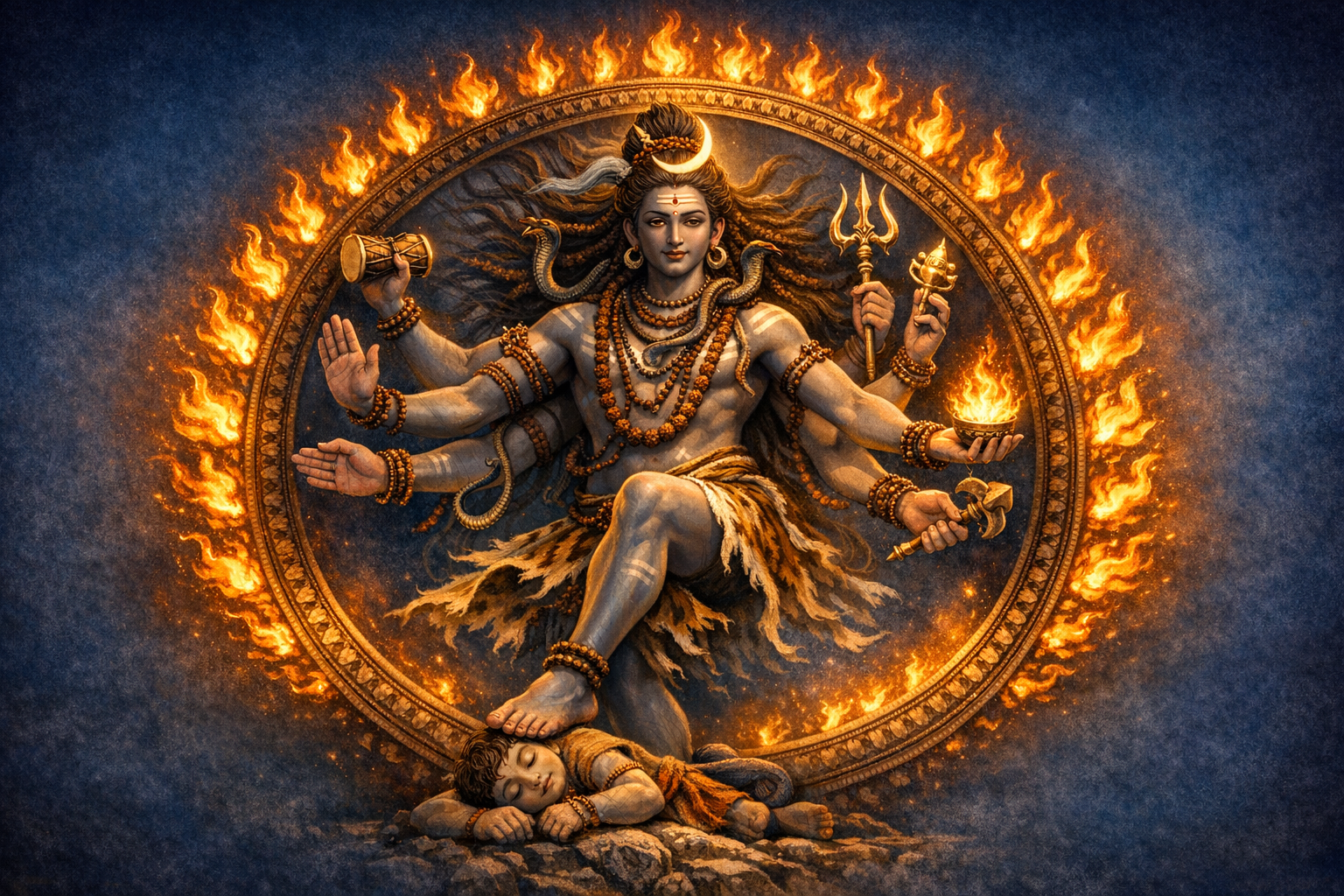
Kalika Tandava presents Shiva’s eight‑armed dance as a rigorous map of cosmic processes and inner transformation. The iconographyAbhaya and Varada mudras, damaru, agni, trishula, kapala, and moretranslates metaphysics into a readable visual grammar. Drawing on Shaiva Agamas, Shilpa‑Shastras, and the Natya Shastra, the form aligns creation and dissolution with a living rhythm practitioners can contemplate…
-
Srila Prabhupada’s Anga-Raga Masterclass: Painting Radha‑Krishna Deities, Meaning, and Mudra
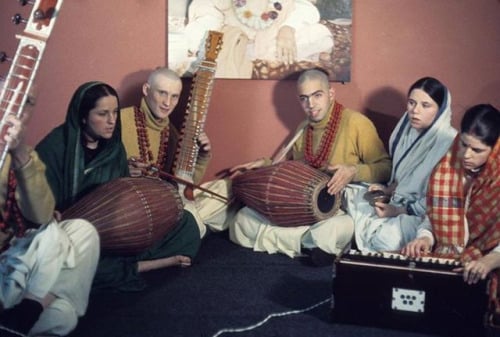
This analysis distills a rare episode in ISKCON history where Srila Prabhupada personally demonstrated Anga-Raga, the liturgical “painting of the body” for Radha‑Krishna Deities bound for Hamburg. It explains the method’s theological foundation within Gaudiya Vaishnavism, the disciplined use of black, white, and red pigments, and the devotional perception of form as presence. The discussion…
-
Grace in Stone: Decoding Shiva’s Anugrahamurtis to Deepen Temple Darshan
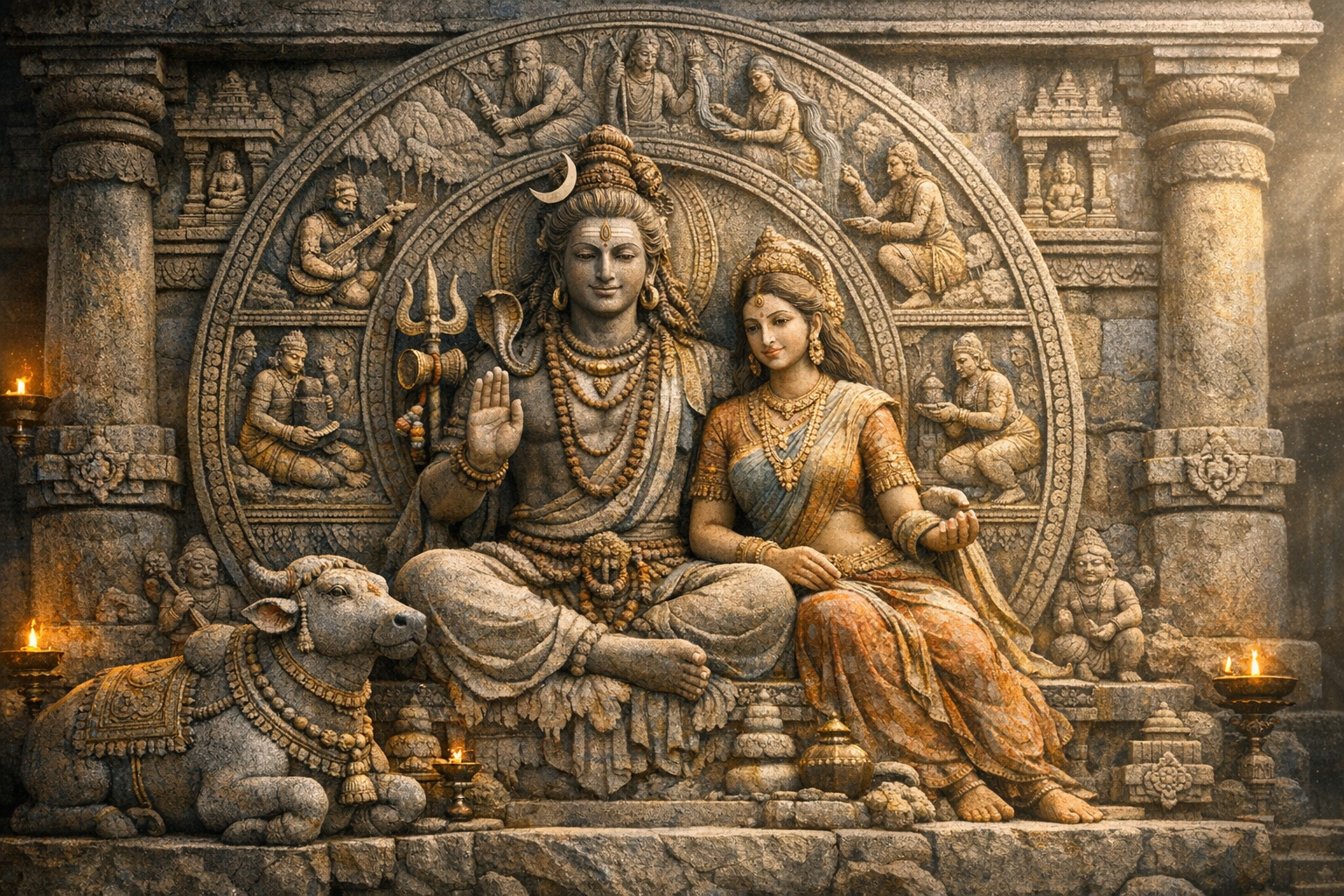
Anugrahamurtisthe grace-bestowing forms of Shivatranslate the Shaiva doctrine of anugraha into a precise, readable visual language. Grounded in Agamas and Śilpaśāstra canons, they employ gestures such as abhaya and varada, gentle asanas, and familial ensembles to stage compassion, assurance, and liberation. Representative types include Ravananugraha, Kalāntaka/Mṛtyuñjaya, Kirātārjuna, Gaṅgādhara, Candeśānugraha, Somāskanda, and Kalyāṇasundara, each encoding a…
-
Narasimha Iconography Decoded: Forms, Symbols, and Sacred Meanings in Hindu Temple Art

This long-form guide decodes the iconography of NarasimhaHinduism’s half-lion, half-man avatar of Vishnuacross textual sources, temple sculpture, and living ritual. It details the major forms (Ugra/Kevala, Lakshmi-Narasimha, Yoga-Narasimha, Jvala/Krodha), their attributes and mudras, and how Shilpa Shastras and Agamas govern measurements and aesthetics. Readers learn to recognize narrative panels (pillar-theophany, twilight justice) and to interpret…