
-
Discover the Complete Purpose of Creation in Dharmic Thought: Master Karma, Dharma, Moksha

This article explains the purpose of creation in Hinduism through the interconnected ideas of karma, dharma, moksha, and samsara. It situates Hindu insights within the wider dharmic familyBuddhism, Jainism, and Sikhismhighlighting shared goals of liberation and ethical living. Readers discover why Prakriti is seen as a divine arena for growth and how jivas learn through…
-
Discover the Rig Veda’s Complete Creation Wisdom: Upanishadic Insights to Transform Understanding

Hinduism’s creation vision, grounded in the Rig Veda and clarified by the Upanishads, presents a cyclical, ever-unfolding cosmos sustained by Brahman. Rig Vedic humility, especially in the Nasadiya Sukta, invites inquiry rather than dogma. Upanishadic insights like “tat tvam asi” and “satyam jnanam anantam brahma” align the inner Self with the Absolute, framing multiplicity as…
-
Essential Breakthrough: How Opposition and Setbacks Transform Spiritual Mastery Across Dharmic Paths

Opposition often becomes the crucible in which clarity, resilience, and spiritual mastery are forged. Drawing on examples from Hinduism, Buddhism, Jainism, and Sikhism, this piece shows how setbacks refine intention and elevate practice across dharmic traditions. It reframes adversity as a catalyst for growthpersonally and collectivelywithout diluting historical or philosophical nuance. Readers discover practical ways…
-
Master Time’s Secret in Śrīmad-Bhāgavatam: HH Prahlādānanda Swami’s Complete Insight
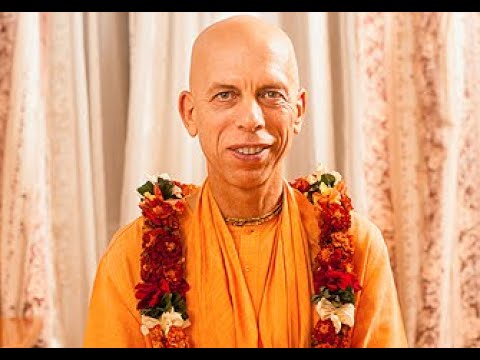
This exploration of Śrīmad-Bhāgavatam 4.12.1–3, as presented by HH Prahlādānanda Swami at ISKCON NYC, clarifies kāla (time) as an impartial, divine agency guiding creation, order, and transformation. It rejects fatalism and strengthens responsibility, showing how time frames ethical action within dharma. The discussion connects Buddhist impermanence, Jain understandings of kāla, Sikh insights on Hukam, and…
-
Hans Gita Explained: Discover Vishnu’s Proven Path to Knowledge, Enlightenment, and Unity

Hans Gita, attributed to Lord Vishnu and framed as a dialogue with a hamsa (swan), offers a concise yet profound exploration of knowledge, discernment, and dharma within Hindu philosophy. Readers discover how the swan symbolizes vivekathe wisdom to distinguish the enduring from the ephemeral. The text’s verses encourage realization over mere theory, aligning with Upanishadic…
-
Complete Report: Noakhali Subarnachar Murder Sparks Outrage, Strengthening Dharmic Unity

A Hindu man, identified as Subrata Chandra Das, was killed in a daylight attack in Subarnachar, Noakhali, sparking widespread concern among minority communities in Bangladesh. This report consolidates verified details, emphasizes due process, and underscores the need for rapid, transparent investigation. It highlights cross-faith solidarity from Hindu, Buddhist, Jain, and Sikh communities calling for nonviolence…
-
Complete Day 07 Guide: Radhakund to DeegDiscover the Transformative Vrajmandal Parikrama 2025

Day 07 of Vrajmandal Parikrama 2025 moved from Radhakund to Deeg, aligning sacred geography with living cultural heritage in the Braj region. The route’s reflective rhythmkirtan, soft recitation, and purposeful silencesupports both communal bonding and personal discipline. Observed through a dharmic lens, the day showcased shared values across Hinduism, Buddhism, Jainism, and Sikhism, emphasizing unity…
-
Discover the Wise Old Monkey: Proven Lessons in Foresight, Protection, and Dharmic Wisdom

Observing the Raman Reti monkeys highlights a vital distinction between instinctive survival and true wisdom. The protective behavior of dominant males demonstrates social intelligence but also invites reflection on foresight. Srila Bhaktisiddhanta Saraswati Thakura’s teaching story about a wise old monkey clarifies that wisdom includes anticipating consequences before they unfold. This principle aligns with Panchatantra…
-
Complete Guide to Ignoring Verbal Abuse: Essential Dharmic Wisdom for Inner Calm

Verbal abuse is a common challenge in contemporary life, yet dharmic traditions offer practical ways to respond with calm and clarity. Ancient Hindu wisdom emphasizes equanimity (samatva) and self-control (dama), while Buddhism, Jainism, and Sikhism reinforce Right Speech, Ahimsa, mindfulness, and simran. Together, these teachings promote dignified, non-reactive responses that de-escalate hostility. A simple five-step…
-
Complete Guide to Goddess Nilavarahika: Discover Sacred Symbolism and Idol Iconography

Goddess Nilavarahika (Nila Varahika, Neela Varahika) is honored as a guardian form of the Divine Mother whose fierce compassion dissolves disorder and restores balance. This overview clarifies the name’s meaning and its traditional linkage with Varahi while noting regional diversity in worship and depiction. Readers learn how color, posture, mudras, and implements convey ethical discernment,…
-
Essential Dharmic Lens on Trump’s Middle East Peace: Discover Hope, Risks, and Paths Forward
This analysis applies a dharmic lens to the Israel–Hamas conflict and the broader Middle East, exploring why high-profile peace initiatives, including those linked to Donald Trump, inspire both hope and skepticism. It highlights the dangers of absolutist narratives while distinguishing extremist ideologies from entire faiths. Drawing on the Mahabharata and Ramayana, it explains why Dharma…
-
Arundhati Darshana Nyaya: The Complete, Proven Guide to a Transformative Hindu Wedding Ritual

Arundhati Darshana Nyaya unites Hindu ritual, astronomy, and pedagogy in a single, contemplative wedding practice. After the ceremony, couples are guided to view the Arundhati star with Vashistha among the Saptarishi, modeling a method of learning from the obvious to the subtle. This ritual symbolizes fidelity, equality, and shared purpose, resonating across Hinduism, Buddhism, Jainism,…
-
Discover Karan Singh: The First Sikh in Nepal’s Army and a Proven Symbol of Dharmic Unity

Karan Singh’s recognition as the first Sikh in Nepal’s Army marks a pivotal moment in South Asian history and cultural heritage. The milestone underscores unity in diversity and affirms the shared values that connect Hinduism, Buddhism, Jainism, and Sikhism. Readers gain context on how Sikh principles of seva, courage, and discipline align with national service.…
-
Guru Nanak’s Bowl of Milk: A Proven Path to Transform the Heart with Guru’s Bani

This reflection presents the Sikh teaching “Soften your heart and repeat the Guru’s Bani” alongside the story of Guru Nanak and the Bowl of Milk. The narrative illustrates how spiritual wisdom can enrich existing paths without displacement, modeling Religious Tolerance and Harmony of faiths. Repeating Bani (Gurbani, Naam Simran) cultivates mental clarity, emotional balance, and…
-
Discover the Sikh Spectrum: The Complete, Proven Guide to Timeless Heritage for Today’s World
The Sikh Spectrum offers a complete, practical framework that translates timeless Sikh heritage into modern life. Grounded in Ik Onkar, Seva, Kirat Karo, and Vand Chhako, it aligns naturally with dharmic values of compassion, disciplined conduct, and devotion-in-action. Readers gain a clear understanding of how langar, kirtan, and Simran strengthen mental well-being and social cohesion.…
-
Master Panchamukha Shiva: The Complete, Proven Guide to Five Faces, Symbolism, and Practice
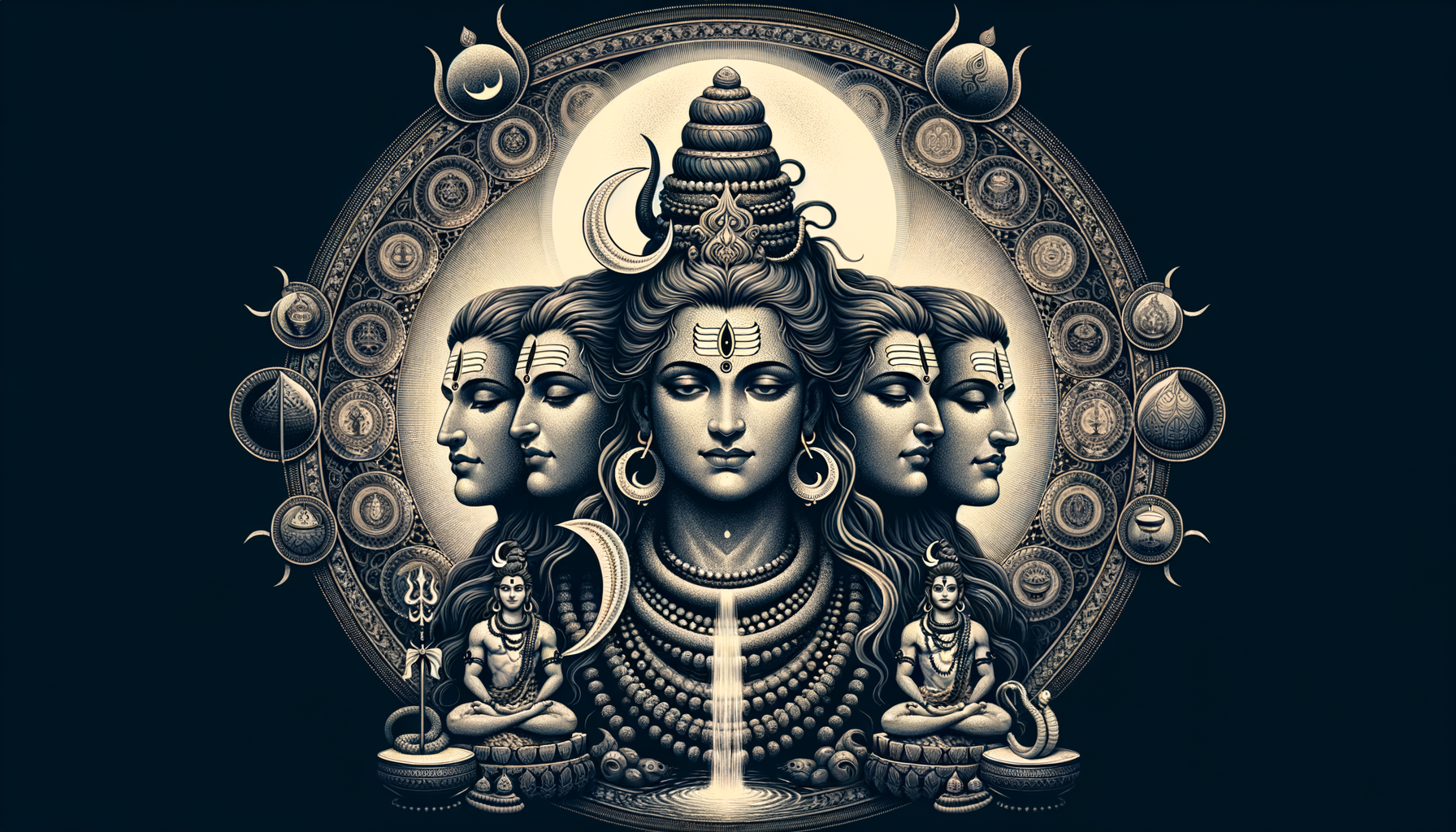
Panchamukha Shiva presents a five-faced map for practice that unites theology, iconography, and method into a coherent path of realization. The Pancha Brahma doctrine clarifies creation, preservation, dissolution, concealment, and grace, while the five faces offer a symbolic grammar for contemplation. Correlations with the pancha mahabhuta, the Panchakshara Na–Ma–Shi–Va–Ya, and the pancha kosha provide a…
-
Essential Habit Breakthrough: Master Proven Yogic and Scientific Secrets to Transform Behavior

Modern science and ancient dharmic wisdom align on habit formation: change the routine for quick wins, and transform underlying impressions for lasting results. Duhigg’s cue–routine–reward model offers a clear, practical structure for behavior change. Patanjali’s Yogasutras, supported by Swami Vivekananda’s commentary, explain how repeated actions leave impressions that shape character. Together they show why mindfulness,…
-
Master the Wandering Mind: Ancient Hindu Wisdom for a Proven Modern Focus Breakthrough

The ancient analogy“Like a ball on stairs, a wandering mind descends”explains why attention slips so easily in the modern digital environment. Hindu scriptures such as the Bhagavad Gita, the Upanishads, and Patanjali’s Yoga Sutra provide a rigorous framework to reverse this dynamic through abhyasa (practice) and vairagya (non-attachment). In harmony with Buddhism, Jainism, and Sikhism,…
-
Complete Analysis: RSS@100 vs CommunismDiscover a Dharmic Unity Breakthrough

This academically grounded analysis uses the occasion of RSS@100 to clarify what is often portrayed as a zero-sum battle between Hindutva and Communism. Readers discover a clear definition of key terms, a concise historical trajectory, and a balanced comparison that separates civilizational identity from class-centered critique. The piece centers dharmic valuesahimsa, karuna, daya, and sewaas…
-
Who is a Guru?
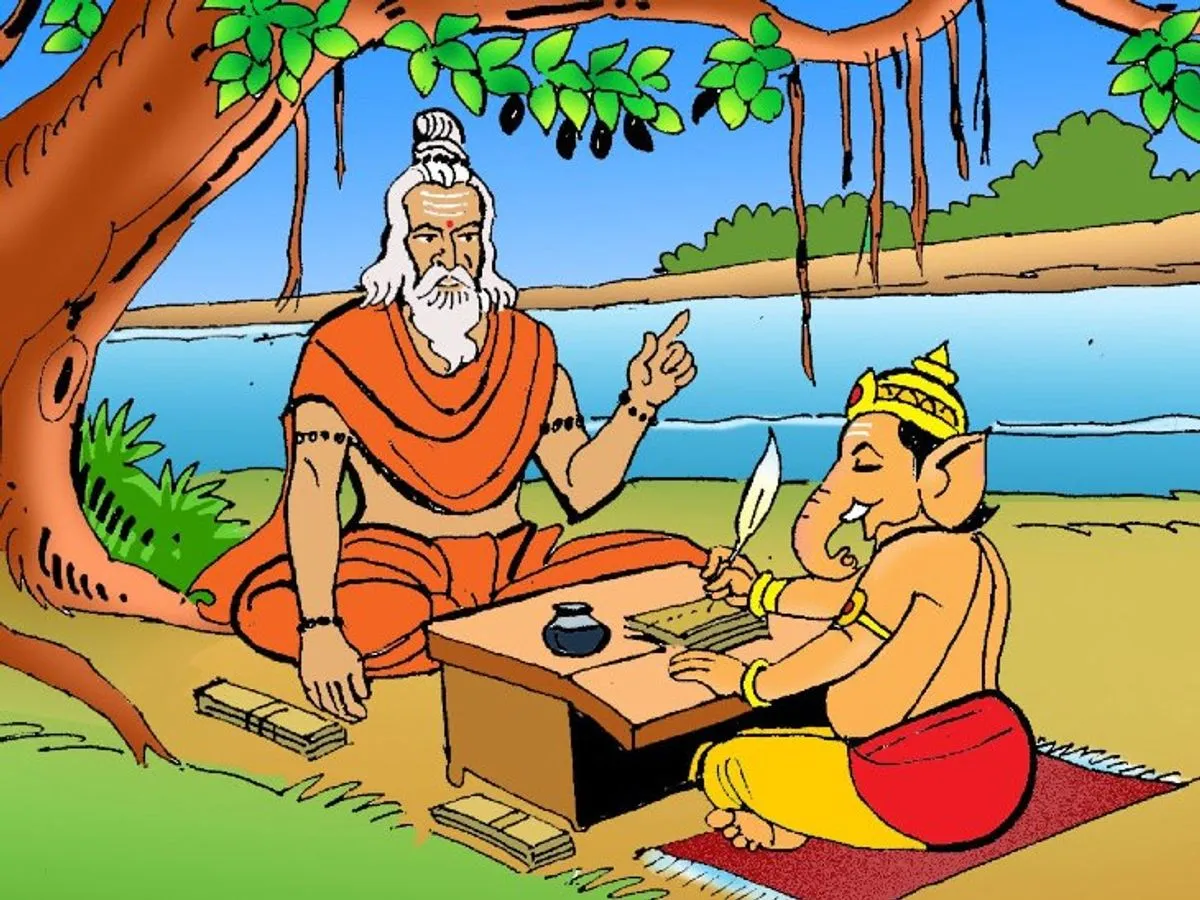
Explore the significance of Guru Purnima, a celebration of Maharishi Ved Vyas’ birthday, and dive into the profound role of a true Guru in the spiritual journey. Maharishi Ved Vyas, the sage behind the Mahabharata and the classification of Vedic literature, holds a unique place in Hindu history. This blog delves into the essence of…