
-
Why Hinduism Has No Satan: A Powerful Dharmic Lens on Evil, Responsibility, and Liberation

Many ask why Hinduism has no Satan. The answer reveals a deliberate dharmic framework: evil is understood as ignorance, imbalance in the guṇas, and misalignment with dharmanot the work of an eternal adversary. Karma and the possibility of purification make an all-evil figure unnecessary, while epics like the Mahābhārata and the Bhagavad Gita emphasize inner…
-
Kolhapur Gathering Honors Pujya Avimukteshwaranand; HJS Highlights Dharmic Unity
Pujya Avimukteshwaranand’s visit to Kolhapur brought together Hindu Janajagruti Samiti (HJS) volunteers and community advocates for a calm, substantive dialogue on dharma and cultural responsibility. Participants presented “Why do we need a Hindu Rashtra?” to invite reflection on ethical public life grounded in pluralistic dharmic values. The event emphasized unity across Hinduism, Buddhism, Jainism, and…
-
Ardhaparyanka Unveiled: Powerful Symbolism of the Half-Seated Posture in Dharmic Art
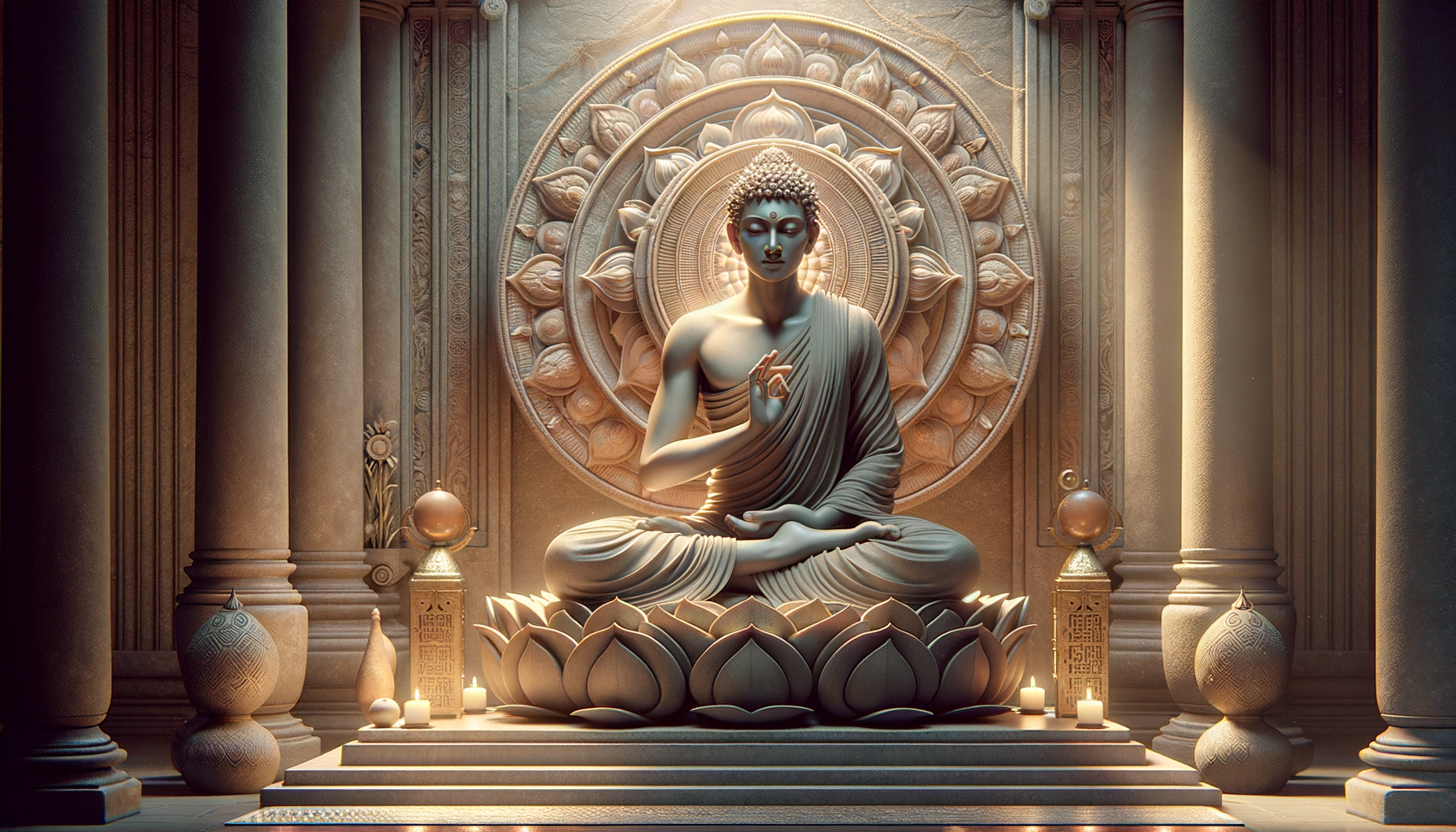
Ardhaparyanka, the “half-seated” posture in Hindu and Buddhist iconography, unites calm repose with poised readiness. It signals divine approachability without diminishing authority, harmonizing compassion with sovereignty. The posture’s balanced form resonates across dharmic traditions, supporting unity among Hinduism, Buddhism, Jainism, and Sikhism. In temples and galleries, viewers often experience a felt sense of stability and…
-
Harnessing Positive Thought: Dharmic Wisdom to Consciously Shape Life, Karma, and Destiny
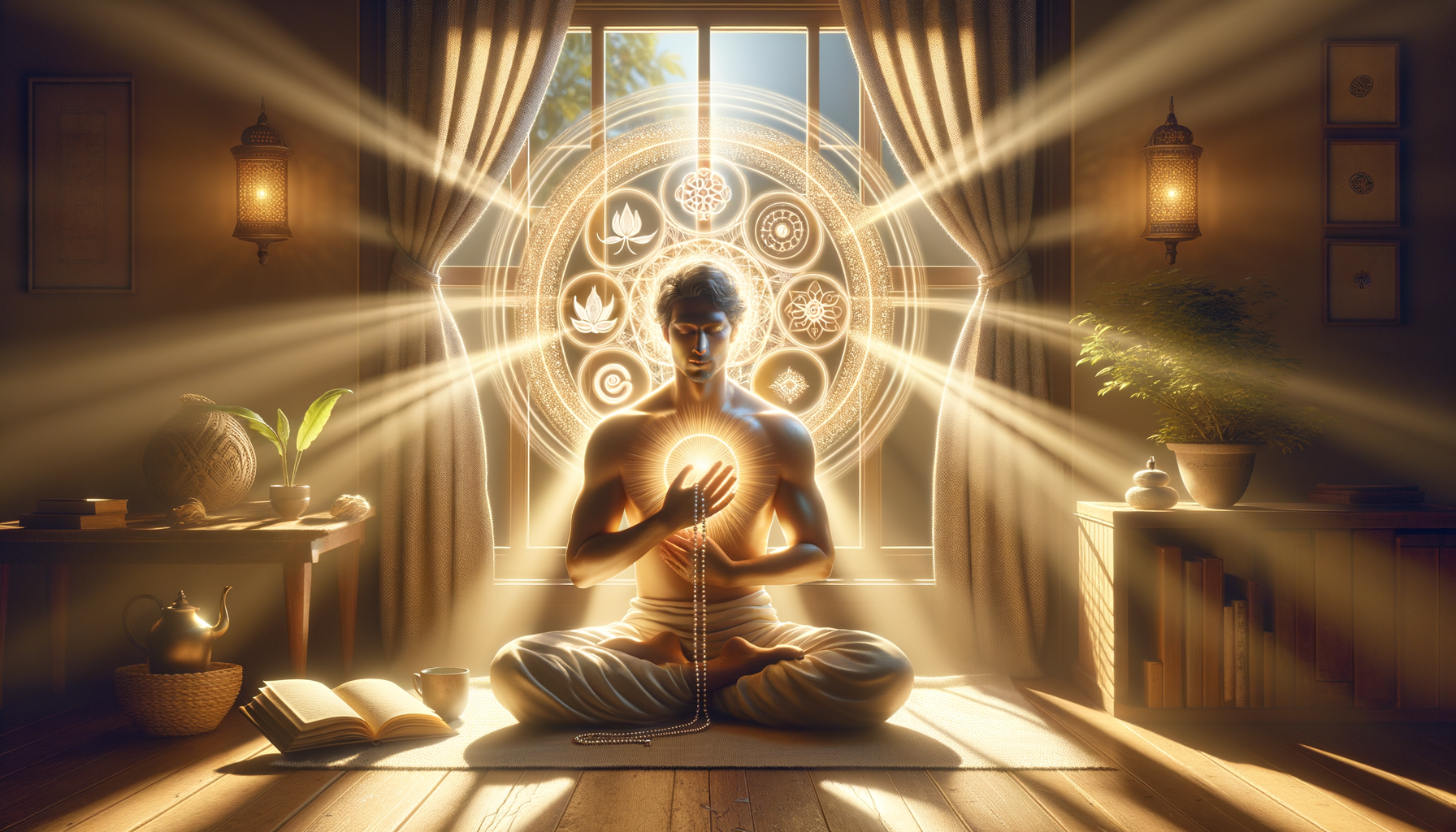
Hindu philosophy teaches that consciously choosing positive thoughts is a disciplined way to shape life, karma, and destiny. This insight aligns with Yoga’s pratipaksha-bhavana, the Bhagavad Gita’s call to self-mastery, Buddhist mindfulness, Jain bhavana, and Sikh simran. Together, these traditions present a unifying dharmic framework for mental cultivation and ethical clarity. Practical stepssankalpa, pranayama, japa,…
-
Humbled Before the Infinite: Brahma’s Insight on Ego, Service, and Krishna’s Grace
Witnessing Krishna’s boundless opulence, Brahma’s humility reveals a transformative spiritual principle: true clarity emerges when one compares personal capacity with the vastness of the Divine. This ‘Law of Contrast’ dismantles ego and reframes ability as entrusted power. The perspective aligns with bhakti and Vedic philosophy while resonating across Buddhism, Jainism, and Sikhism through shared values…
-
Essential Insights on AI and Dharma: Do Incorruptible Robots Understand Religion Better?

Rapid advances in ArtificialIntelligence raise a timely question: can robots, valued for consistency, truly practice religion better than humans? This analysis uses Hindu and broader dharmic insights to clarify what machines do wellritual precision, calendrical accuracy, and textual preservationand what only conscious beings can realize: intention, compassion, and transformative ethics. Readers discover a practical framework…
-
Discover the Sacred Secrets of Panchavati: A Complete Guide to Its Symbolism in Ramayana

Panchavati, the sacred grove of the Ramayana on the Godavari River, is more than a location; it is a symbol of disciplined living, ecological reverence, and ethical courage. The grove’s “five trees” evoke harmony of the senses and elements, framing exile (vanvas) as a path of inner refinement. Key episodesŚūrpaṇakhā’s encounter, the golden deer, Sita’s…
-
Essential Dharmic Insights to Transform Fear of Death: A Complete Hindu Guide

This article explains how Hinduism, in harmony with Buddhist, Jain, and Sikh insights, transforms fear of death into understanding through a clear, compassionate philosophy. It presents death as a transition within samsara, guided by karma and oriented toward moksha, drawing on the Bhagavad Gita and upanishad. Readers gain practical toolsmeditation, japa, pranayama, and sevato cultivate…
-
Proven Ramayana Lessons on Fortune’s Turns: Master Resilience, Dharma, and Equanimity

Fortune can change overnight, yet the Ramayana shows how dharma-centered living creates inner stability. Rama’s exile, Sita’s steadfastness, and the choices of Bharata, Sugriva, Vibhishana, and Ravana reveal a proven framework for navigating sudden reversals. These narratives highlight resilience, ethical leadership, and the consequences of hubris. The insights align with broader Dharmic principlesHindu dharma and…
-
Discover the Complete, Untold Case of K V S Manian and a Post‑Independence Due‑Process Breakdown

This post explores the untold case of stenographer K V S Manian, whose livelihood was jeopardized in the immediate post-independence period amid the ban on the Rashtriya Swayamsevak Sangh (RSS). It situates the episode within the Jawaharlal Nehru–led government’s early security priorities and examines how administrative zeal can undermine due process. Readers gain a clear…
-
The Essential Dharmic Secret to Clarity: Discover Travel as a Proven Path to Inner Renewal

This article explores a time-tested Dharmic insight: intentional travel as a disciplined practice for clarity. Drawing on Hinduism’s tirtha-yatra and the parivrajaka ethos, it shows how movement functions as sādhanā that resets cognition, widens perspective, and supports mindful self-discovery. Scriptural themessuch as Charaiveti charaiveti and the Gita’s emphasis on equanimityare connected to modern psychology’s findings…
-
Beyond Garba Nights: Discover Proven Ways Hindu Youth Reclaim the Dharmic Core of Festivals

Hindu youth are revitalizing the festival season by reconnecting celebration with the Dharmic core of devotion, learning, and service. This article documents proven, real-world practicesfrom campus pujas following Shodashopachara to youth-led study circlesthat make rituals accessible without demanding perfection. Readers discover practical steps to build confidence in conducting pujas, engaging Bhakti poetry, and integrating simple…
-
Discover Purposeful Leadership: Proven Dharmic Principles from a Singapore Seminar
A Singapore seminar by His Grace Gauranga Darshan Das reframed leadership as purpose-first and profit-second, presenting a practical, ethical model for sustainable success. The session emphasized dharmic alignmentdharma, karuna, ahimsa, and sevaas a unifying foundation across Hinduism, Buddhism, Jainism, and Sikhism. Attendees learned how Ethical business, Values-centered decision-making, and good governance translate purpose into measurable…
-
Essential Dharma at Work: Discover the Proven Secret of Awareness for Lasting Happiness

This article explores a core dharmic teaching: performing actions with awareness leads to contentment and happiness. It reframes work through the lens of Karma Yoga and niṣkāma karma, emphasizing attention, integrity, and non-attachment. Drawing parallels across Hinduism, Buddhism, Jainism, and Sikhism, it highlights shared values such as mindfulness, aparigraha, seva, and Right Livelihood. The piece…
-
Discover the Complete Convergence of Buddhism and Hinduism: A Proven Path of Rediscovery
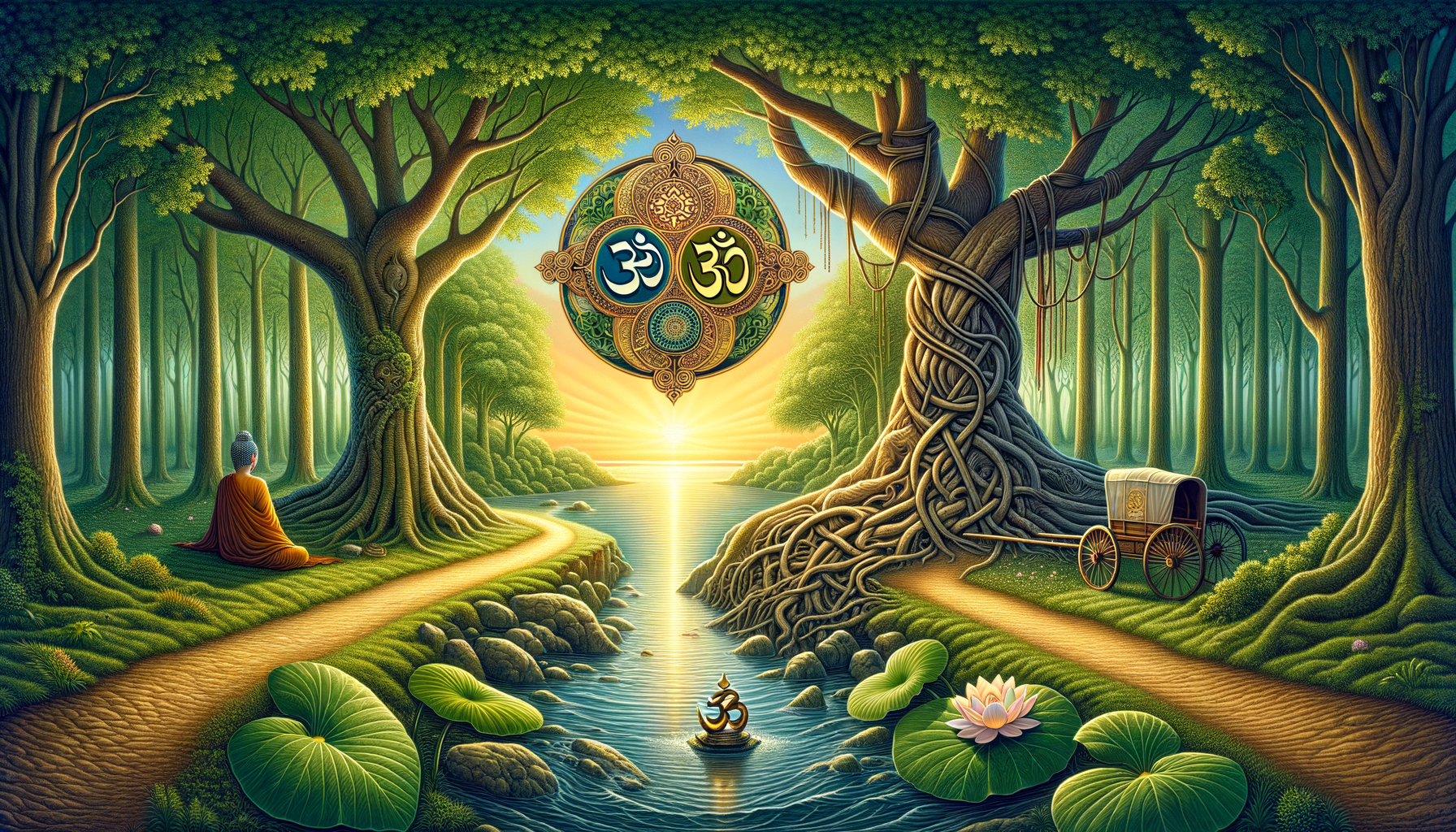
Is Buddhism a social reformation of Hinduism, or a rediscovery of perennial truths? Drawing on Ananda K. Coomaraswamy, this analysis reframes the relationship as a deep continuity rather than a rupture. It explores shared methodsneti neti and analytical discernmentand common aims such as transcending the senses and realizing ultimate truth. It clarifies how modern mindfulness…
-
Complete Analysis of D.N. Jha’s Claims: Discover Facts, Context, and Dharmic Harmony

This academically balanced analysis explores the debates surrounding D.N. Jha, assessing his Marxist historiographical approach, its reception, and its impact on understanding Indian history. Readers discover how The Myth of the Holy Cow is interpreted both as source-critical scholarship and as insensitive to the cow’s sacred status in dharmic life. The discussion addresses concerns about…
-
Complete Guide to Parāvartana (Ghar-Wapsi): Discover Its Transformative Power in Modern Indian Literature
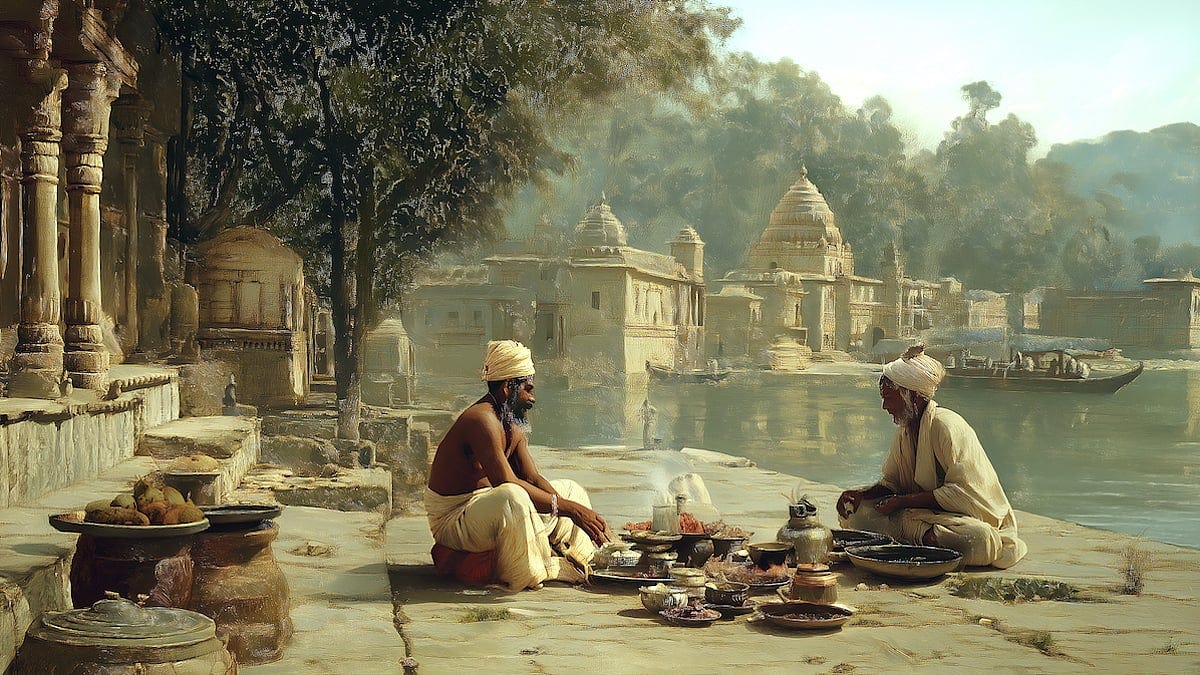
This article examines how modern Indian literature reframes Parāvartana (Ghar-Wapsi) as an ethical homecoming rooted in agency, empathy, and cultural continuity. It shows how novels, poetry, and non-fiction align the act of return with dharmic values such as seva and satya, while upholding constitutional freedoms and Religious Pluralism. Readers discover a cross-tradition lensHindu, Buddhist, Jain,…
-
Vijaya Dasami Insights: Discover the Dharma Uniting Hindu, Buddhist, Jain and Sikh
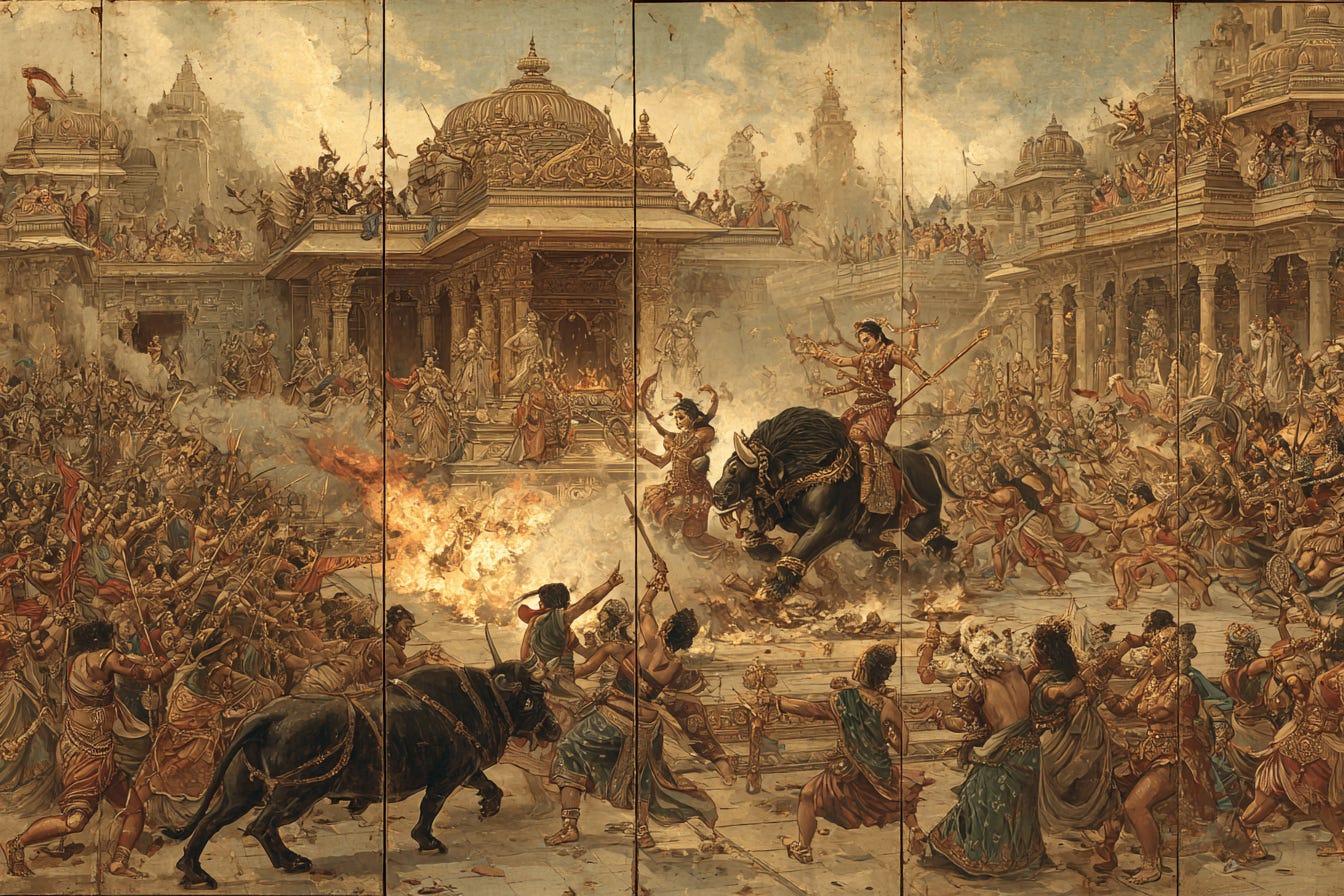
Vijaya Dasami marks the culmination of Navaratri and Durga Puja, inviting reflection on ethical clarity, cultural resilience, and shared Dharmic values. This piece highlights how Hindu, Buddhist, Jain, and Sikh traditions converge on common principles like dharma, ahimsa, satya, viveka, karuna, and seva. It explains how rigorous research and independent inquiry help preserve cultural heritage…
-
Proven Neuroplasticity Breakthrough: Discover How Vedic Pandit Training Transforms the Brain

Vedic Pandit training offers a compelling case study in neuroplasticity, showing how systematic oral learning and gesture-supported recitation transform the brain. A NeuroImage study reports increased gray matter density and cortical thickness in areas tied to language, memory, and visual processing, including the lateral temporal cortices, anterior cingulate cortex, and hippocampus. The disciplined mastery of…
-
Rudra Shiva, the Great Healer: Discover the Ancient, Proven Science of Sacred Medicine

Rudra Shiva is not only a fierce deity but the great physician and healer of Vedic tradition. Associated with forests and mountains, Rudra symbolizes mastery over herbs and remedies for both body and mind. Vedic hymns and the Mahamrityunjaya invocation highlight a holistic healing vision that integrates mantra, medicine, and inner steadiness. Ayurveda complements this…