
-
Karka Lagna 2026–2027 Deep-Dive: Empowering Predictions for Career, Wealth, Love, Health
Karka Lagna (Cancer Ascendant) can expect 2026–2027 to deliver steady progress grounded in discipline, compassion, and practical planning. Career growth rewards reliability, leadership through empathy, and skill-building, while finances benefit from prudent savings and measured investments. Relationships deepen through attentive communication and clear boundaries; health improves with routine, rest, and contemplative practices. Education, research, and…
-
Hindutva as Bharat’s Soul: Hosabale Calls Ethical Anti-Conversion Safeguards for Unity
RSS General Secretary Dattatreya Hosabale emphasized that “Hindutva is the soul of Bharat” and urged ethical anti-conversion safeguards in Indore on December 1, 2025. The stance underscores a civilizational ethos that includes Hinduism, Buddhism, Jainism, and Sikhism, advocating unity through respect for diverse spiritual paths. An academic reading of the proposal points to laws that…
-
Dashavatara Decoded: Ancient India’s Hidden Scientific Genius and Dharmic Unity
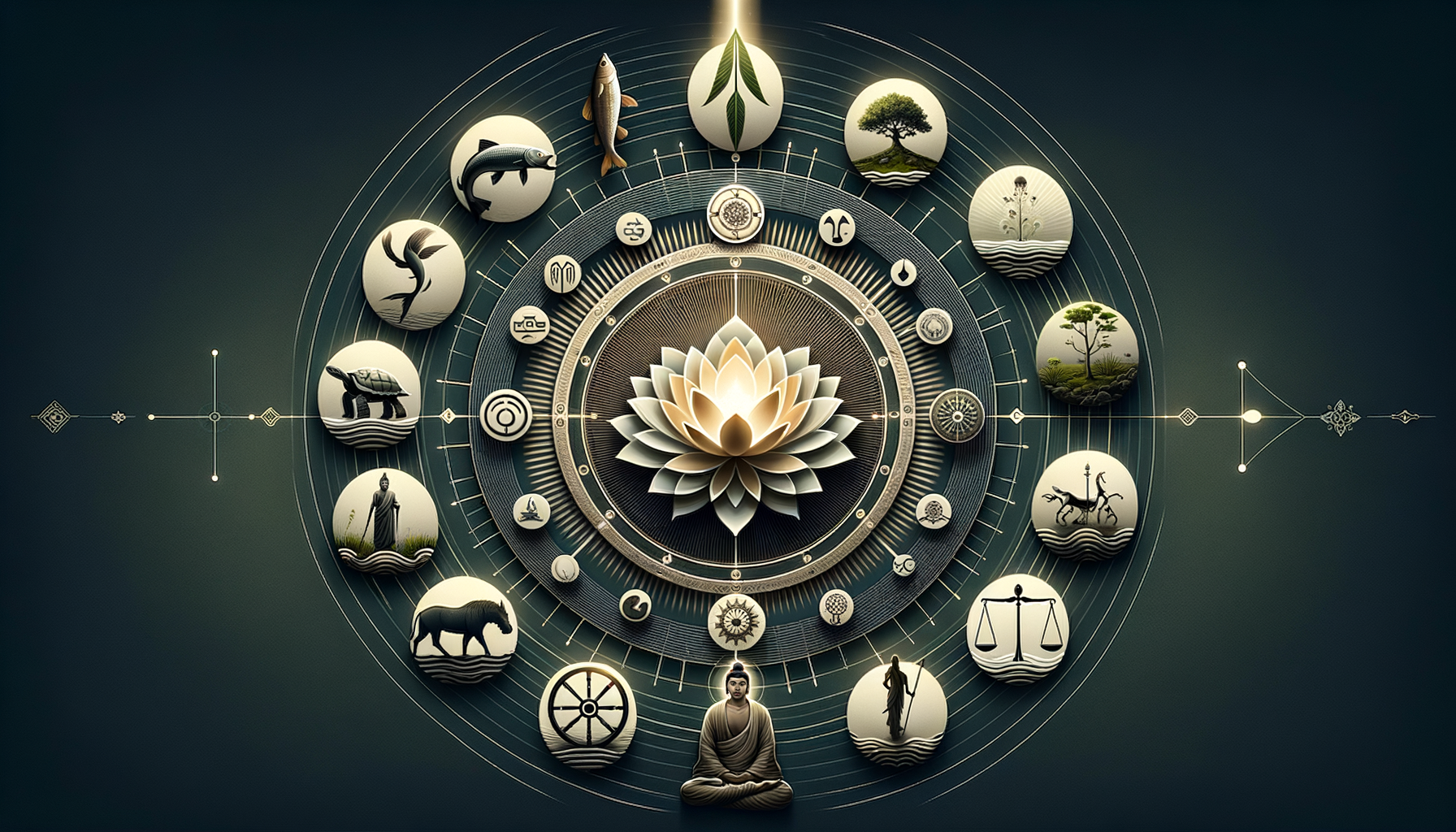
The Dashavatara offers a sophisticated, non-sectarian framework for thinking about evolution, consciousness, and cosmic order in a way that resonates across Hinduism, Buddhism, Jainism, and Sikhism. Interpreted academically, the avatars serve as pedagogical metaphors for ecological insight, ethical formation, and inner refinement. This approach avoids anachronism while honoring ancient India’s scientific wisdom expressed through symbols.…
-
Ethical Conduct that Inspires Trust: A Dharmic Guide to Confidence and Social Harmony

Ethical conduct, grounded in dharma, fosters trust, confidence, and social harmony across Hinduism, Buddhism, Jainism, and Sikhism. Practicing virtues like satya, ahimsa, compassion, and seva makes ethics practical and visible in everyday life. Consistent ethical action builds credibility, strengthens relationships, and enhances institutional legitimacy. Classical teachingsfrom the Bhagavad Gita and Upanishads to the yamas and…
-
Threads of Oneness: How Hinduism Inspires Unity in Diversity Across Dharmic Traditions

Hinduism’s core insight is that life is fundamentally interconnected, and this truth is expressed through diverse forms of worship, philosophy, and community ritual. By honoring Ishta and multiple yogic paths, it sustains unity in diversity without demanding uniformity. Ethical commitments such as ahimsa and seva translate this vision into daily conduct and social responsibility. Related…
-
Khanuja Sikh Art Gallery: Timeless Sikh Heritage and a Bridge Across Dharmic Traditions
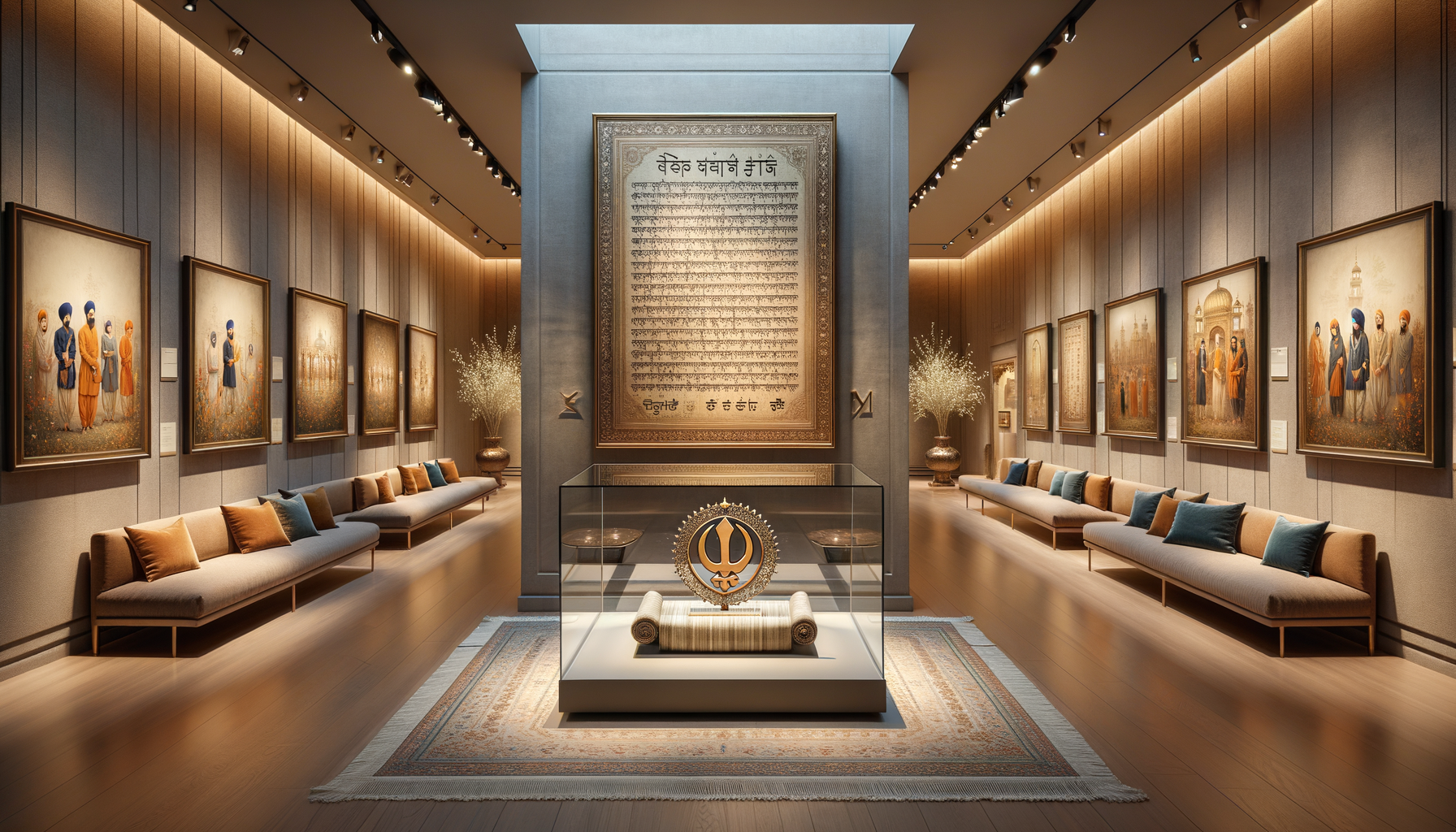
Khanuja Sikh Art Gallery offers a rigorous yet welcoming introduction to Sikh heritage through carefully curated artworks and contextual interpretation. Led by Dr. Parvinderjit Singh Khanuja, the gallery situates Sikh aesthetics within the broader dharmic traditions, highlighting shared values without blurring distinct identities. Exhibitions emphasize thematic coherenceseva, kirtan, ethical couragewhile educational programs foster cultural literacy…
-
Like a Phoenix: How Hinduism’s Resilient Spirit Reimagines Challenges into Renewal

Hinduism is often likened to a phoenix because it repeatedly transforms adversity into renewal. This piece explains how Sanatana Dharma’s pluralism and philosophical flexibility sustain resilience across centuries. It highlights how households, temples, and learning traditions preserve living culture even under pressure. The narrative situates Hinduism within the broader dharmic familyBuddhism, Jainism, and Sikhismemphasizing shared…
-
Protecting Dharmic Heritage in Education: HJS’s Appeal and Minister’s Positive Response
At the Yuva Warkari Parishad in Pune, Shri Sunil Ghanwat of HJS urged the Education Minister to protect Hindu traditions in education, receiving a positive response. The appeal linked cultural preservation with constitutional values and pluralist pedagogy. Proposed directions emphasized accurate representation, teacher sensitization, and consultative mechanisms with scholars and civil society. Such measures can…
-
Devotee Care in Practice: Proven Steps to Build Compassionate, Accountable Dharmic Communities

This pragmatic framework translates devotee care into consistent, measurable community practice. Regular seminars led by proven practitioners ground learning in real-world experience. Newsletters and visible quotes sustain awareness across temples, viharas, mathas, and gurdwaras. A dedicated team with clear roles ensures continuity, while peer learning visits accelerate adoption of best practices. Story-sharing during classes and…
-
Safeguarding Dharmic Values in Modern Schooling: A Practical Guide for Hindu Parents
This guide offers a calm, research-informed roadmap for Hindu families navigating modern schooling and social media without losing Dharmic values. It explains how early classroom narratives shape identity and why supplementary home learning improves confidence and critical thinking. It shows how adolescents can approach “woke” and other ideological labels with evidence-based analysis rather than polarization.…
-
Inside Sita Ram Goel’s Unanswered Challenge: Rethinking Marxist History for Dharmic Unity
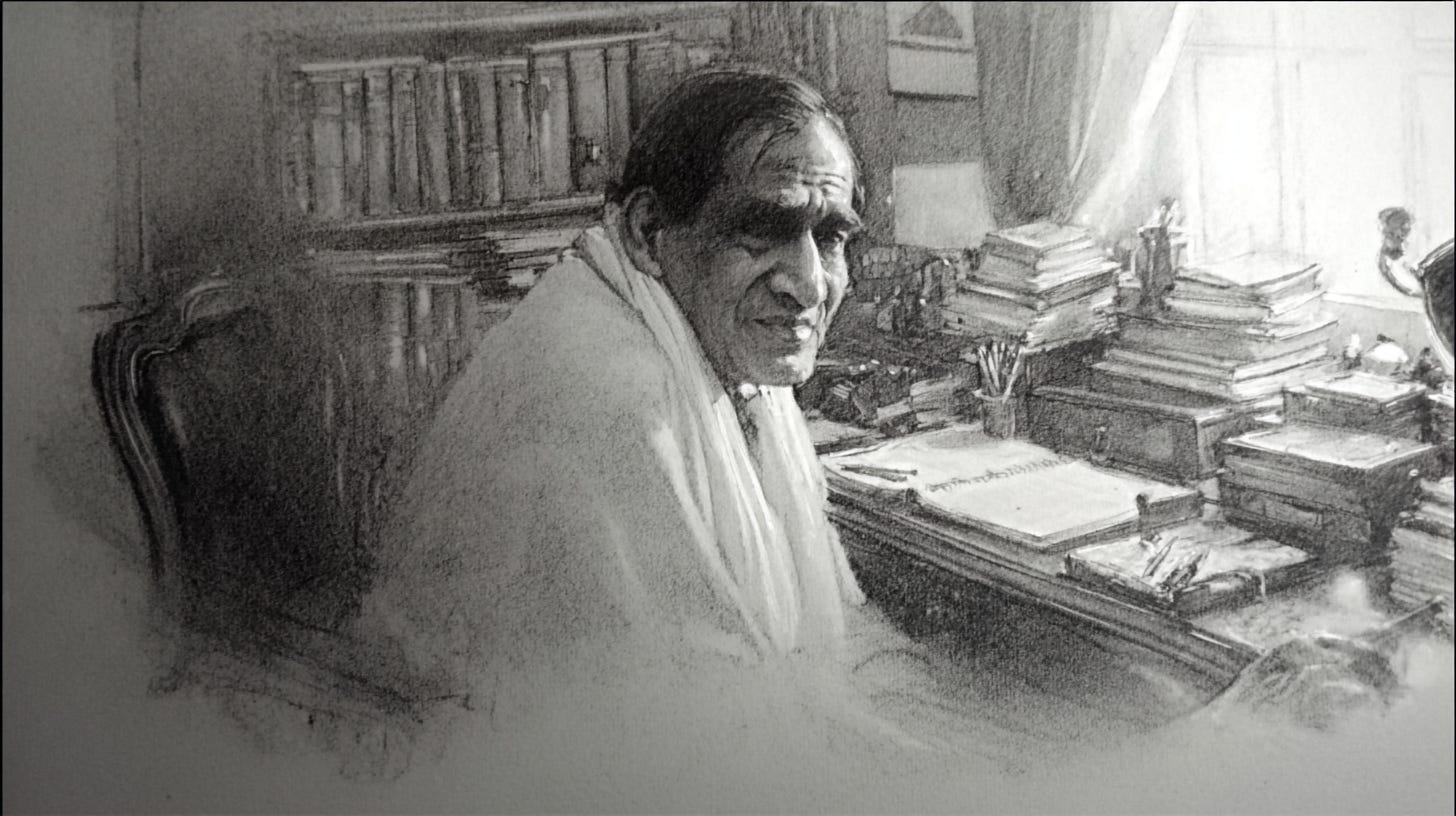
In 1986, a public exchange over reports on Qutub Minar and Mathura exposed how labels can pre-empt historical inquiry. The debate intensified when Sita Ram Goel, in 1991, issued a precise, evidence-based questionnaire asking for proof of a supposed Hindu “tradition” of destroying Buddhist and Jain monuments. No comprehensive response addressed his eight empirical requests…
-
From Superhuman to Frankenstein? Reclaiming Dharma in a Material Age

Humanity faces a defining choice between fragmented augmentation and integrated inner growth. Drawing on Hinduism, Buddhism, Jainism, and Sikhism, this piece outlines a dharmic roadmap for aligning technology and power with wisdom, restraint, and compassion. It explains how practices like meditation, pranayama, and seva cultivate clarity and purpose while advancing social wellbeing. The analysis reframes…
-
Inside the Carnegie Indian American Survey: What the Data Misses on Dharmic Lives

The Carnegie Endowment’s 2024 Indian American Attitudes Survey offers a useful snapshot of the diaspora, but several findings require careful interpretation. Treating “Indian American” as synonymous with “Hindu American” can obscure the distinct experiences of dharmic communities, including Hindus, Buddhists, Jains, and Sikhs. Reported caste discrimination (7%) is lower than discrimination based on skin color,…
-
Grahayajna and the Navagrahas: A Timeless Vedic Path to Balance, Healing, and Harmony
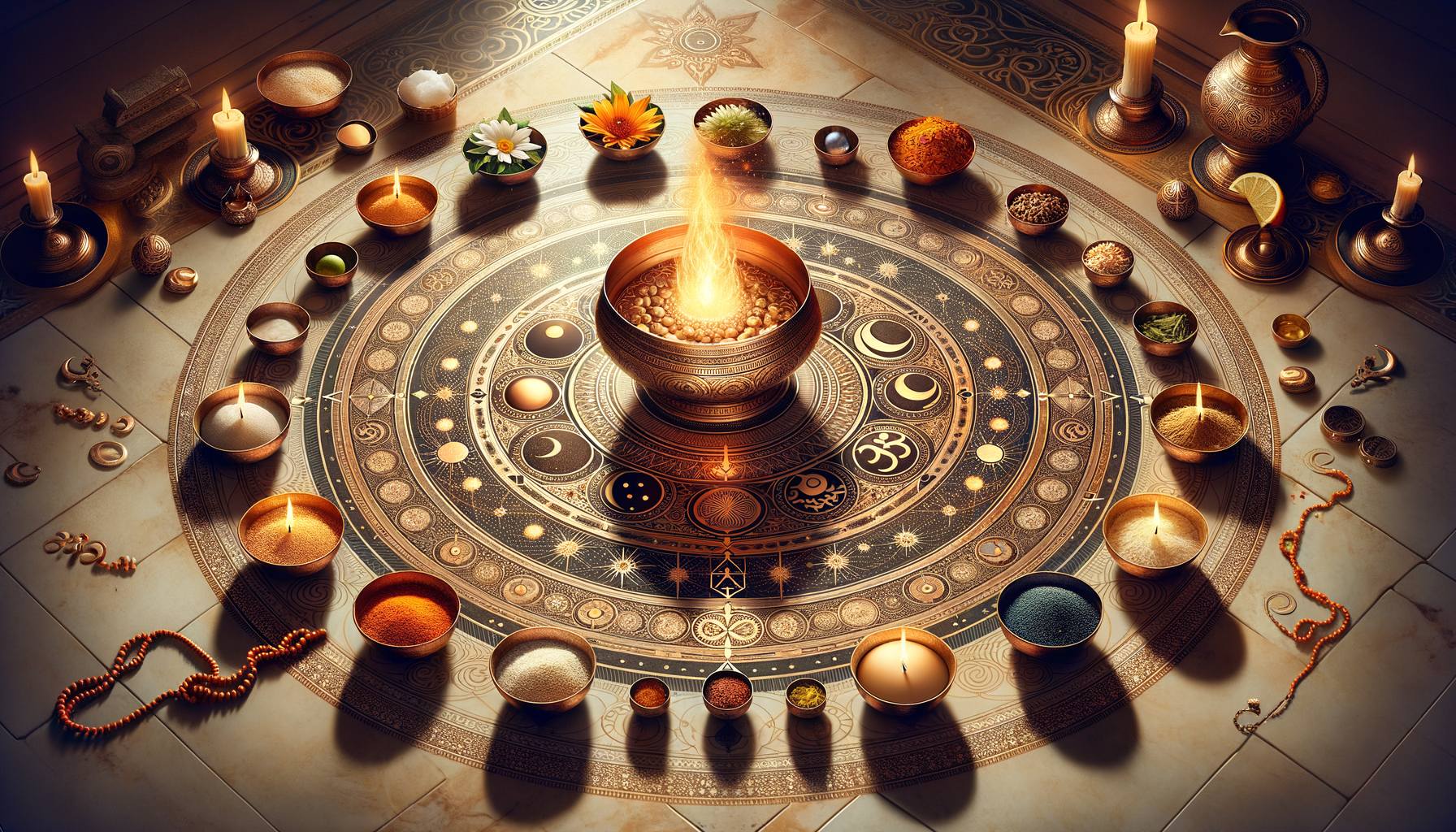
Grahayajna is a refined Vedic ritual tradition dedicated to the Navagrahas, practiced to harmonize life with cosmic order and cultivate inner balance. Anchored in Jyotish Shastra, it frames planetary influences as ethical invitations rather than fixed destinies. The rite unites homa, mantra, daana, vrata, and seva, emphasizing moral self-correction alongside precise ritual steps. Families and…
-
Srimad Bhagavatam 2.2.5: Nature’s Abundance, Divine Shelter, and Fearless Simplicity
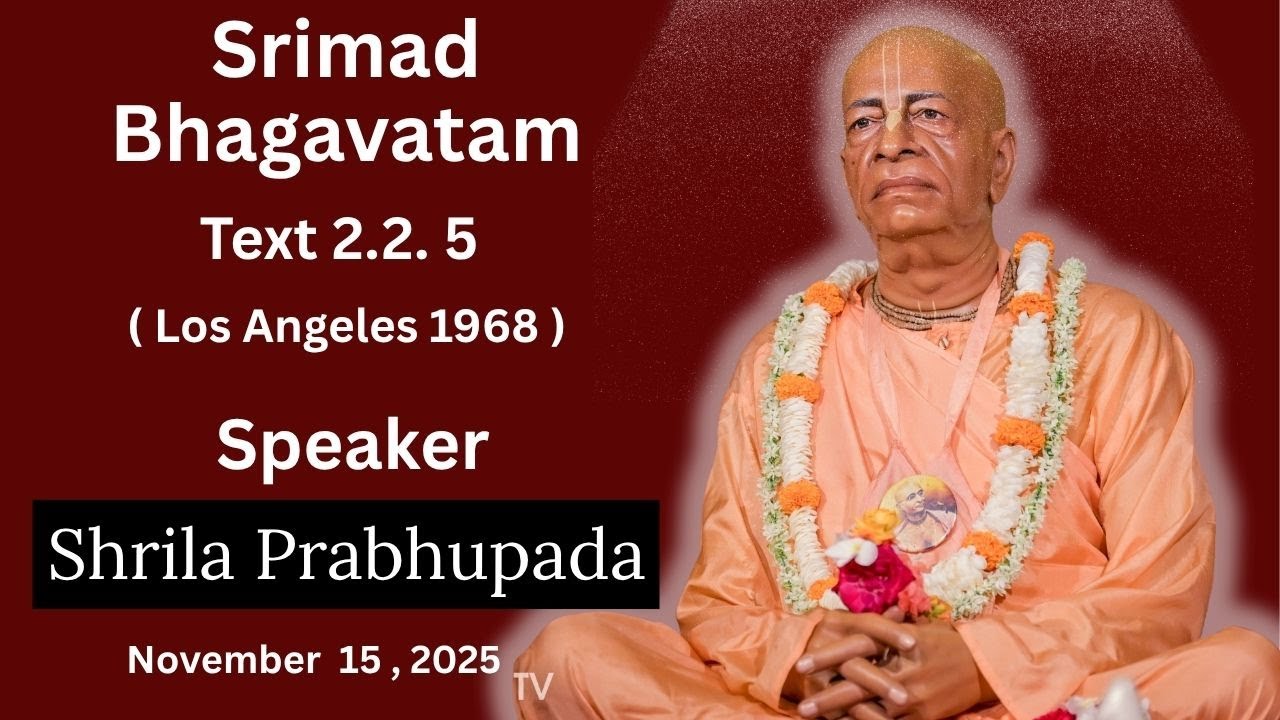
Srimad Bhagavatam 2.2.5 uses striking imagerytorn cloth, generous trees, life-giving rivers, and mountain cavesto argue that nature itself sustains a simple, dharmic life. The verse culminates in the assurance of divine protection, aligning security with inner renunciation and devotion rather than accumulation. Its values resonate across Hinduism, Buddhism, Jainism, and Sikhism through shared ideals like…
-
Journey to Goloka Vrindavan: Transformative Bhakti, Silent Ecstasy, and Dharmic Unity
This reflection explores Gopa Kumara’s journey in Goloka Vrindavan, where devotion matures into serene fulfillment. It explains how the brajvasis’ speechless ecstasy exemplifies the depth of bhakti and the transformative power of remembrance. Readers gain clear, actionable insights: refine longing, seek community with realized devotees, and accept gentle guidance on the path. The narrative highlights…
-
Sanatana Dharma Unveiled: Living the Eternal Philosophy of Unity, Duty, and Harmony
Sanatana Dharma is presented as an eternal, living philosophy that prioritizes ethical action over mere belief. It unites Hinduism, Buddhism, Jainism, and Sikhism around shared values such as compassion, self-discipline, and respect for diverse paths. The philosophy emphasizes daily practicestruthfulness, non-violence, generosity, and servicethat strengthen personal integrity and social cohesion. Concepts like Ishta and loka-saṅgraha…
-
Reclaiming Sacred Duties: Hindu Women Performing Tarpan, Pinda Daan, and Shradh with Dignity

Hindu philosophy defines Matri-Pitri Rinthe universal debt to parents and ancestorsas a duty that applies to all, not restricted by gender. This post clarifies that Hindu women can perform Tarpan, Pinda Daan, and Shradh in line with both scriptural breadth and regional practice. It highlights intention, relationship, and ethical action as the core of these…
-
Why Choosing Spirituality Reflects True Wisdom: A Dharmic Path to Clarity, Peace, and Unity

Spirituality, within Hindu philosophy and related Dharmic traditions, is a deliberate, wise choice rooted in discernment and Dharma. It emphasizes distinguishing the temporary from the eternal, echoing the Bhagavad Gita and the Upanishads. Practically, it matures through ethics, Meditation, and Yoga philosophy, cultivating clarity, compassion, and resilience. Across Hinduism, Buddhism, Jainism, and Sikhism, diverse practices…
-
Virat Hindu Dharmasabha: T. Raja Singh urges vigilant, compassionate unity across dharmic paths
Goshamahal MLA T. Raja Singh’s remarks at the Virat Hindu Dharmasabha in Mangrulnath, Washim, stressed community vigilance and adherence to Sanatani values. This analysis reframes that appeal toward inclusive, evidence-based action that strengthens Hindu Unity and Religious harmony. It emphasizes historical lessonssatya, ahimsa, and sevaas enduring anchors of social resilience. Readers gain practical ways to…