
-
Malegaon 1921 – a precursor to the Moplah Riots

The Khilafat violence of 1921 is a forgotten event. It was a precursor to the Malabar Riots of 1921. On March 15th, 1920, a Khilafat committee was formed in Malegaon to conduct lectures and religious sermons. Nine months later, one of the Khilafat leaders, Shaukat Ali, visited Malegaon and political activities got a religious boost.…
-
Supreme Courts: Threats across the world

Israeli Judicial reforms, India’s own Judicial Reform Bill and even US Supreme Court appointments have all created waves. Supreme Courts across the world seem to be under threat. Is it so? If the Parliament passes a law for judicial reforms, the Supreme Court must accept that law and move on. The Supreme Court has abrogated…
-
Real Education is Removing the Walls that Block the Light Within us
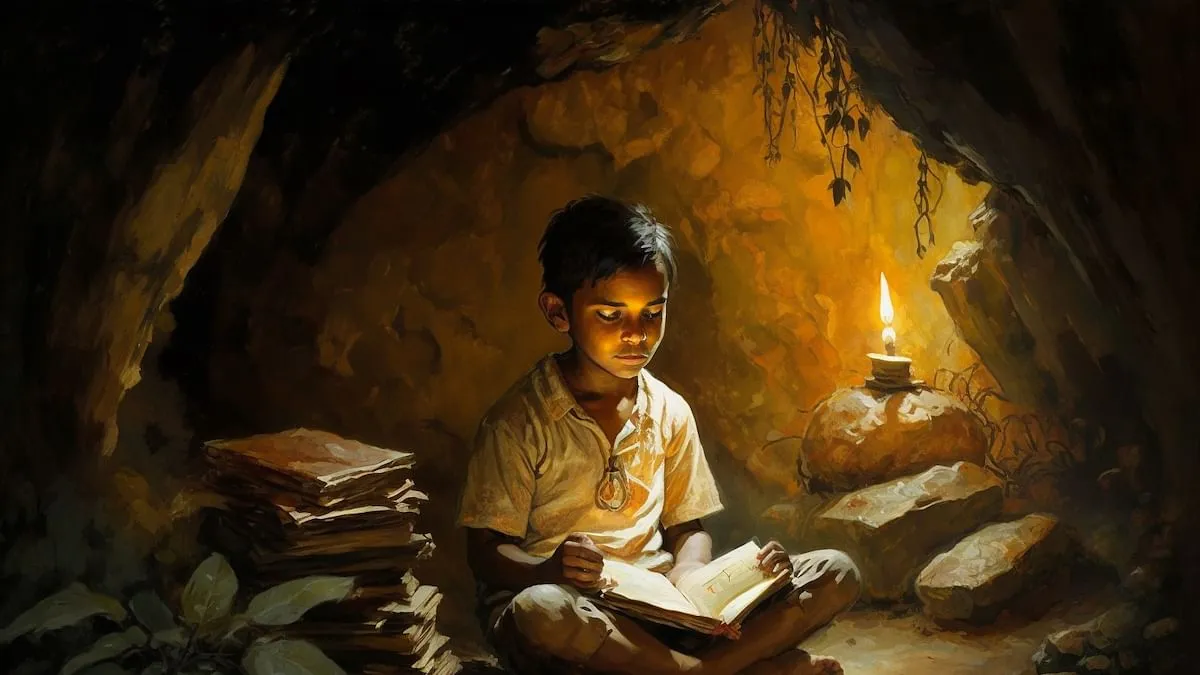
Knowledge is a light that resides within the student. The only task of the teacher is to move the walls that enclose and block this light. In his mellifluous and evocative profile of Mahamahopadhyaya Sri Hanagal Virupaksha Sastri, DVG mentions how the Acharya had a healthy dose of contempt for the printed matter – he…
-
Dharmic Education in an Age of Deliberate De-Hinduisation of Bharata

What we now call as “Dharmic education” was the natural state of our social and cultural life even 60-70 years ago. Even in the mid-1970s, we had a sizeable number of people who earned their livelihood as poets or singers or bards, performing Bhagavata Melas, Ram Katha, Puranas, Harikathas, etc. These artists were largely illiterate…
-
Preparation of Hair-Dyes in Ancient India: Recipes and Processes

An essay containing detailed information about the recipes and the procedure for preparing hair-dyes in ancient India. Greying, middle-aged men and women dyeing their hair black (or Mehendi brown-red) is understandable. But that phenomenon became passé long ago. What we now have is an insecurity-engendered epidemic that cuts across age groups and multicolored genders: of…
-
Buddha Purnima: Celebrating the Life and Teachings of the Buddha
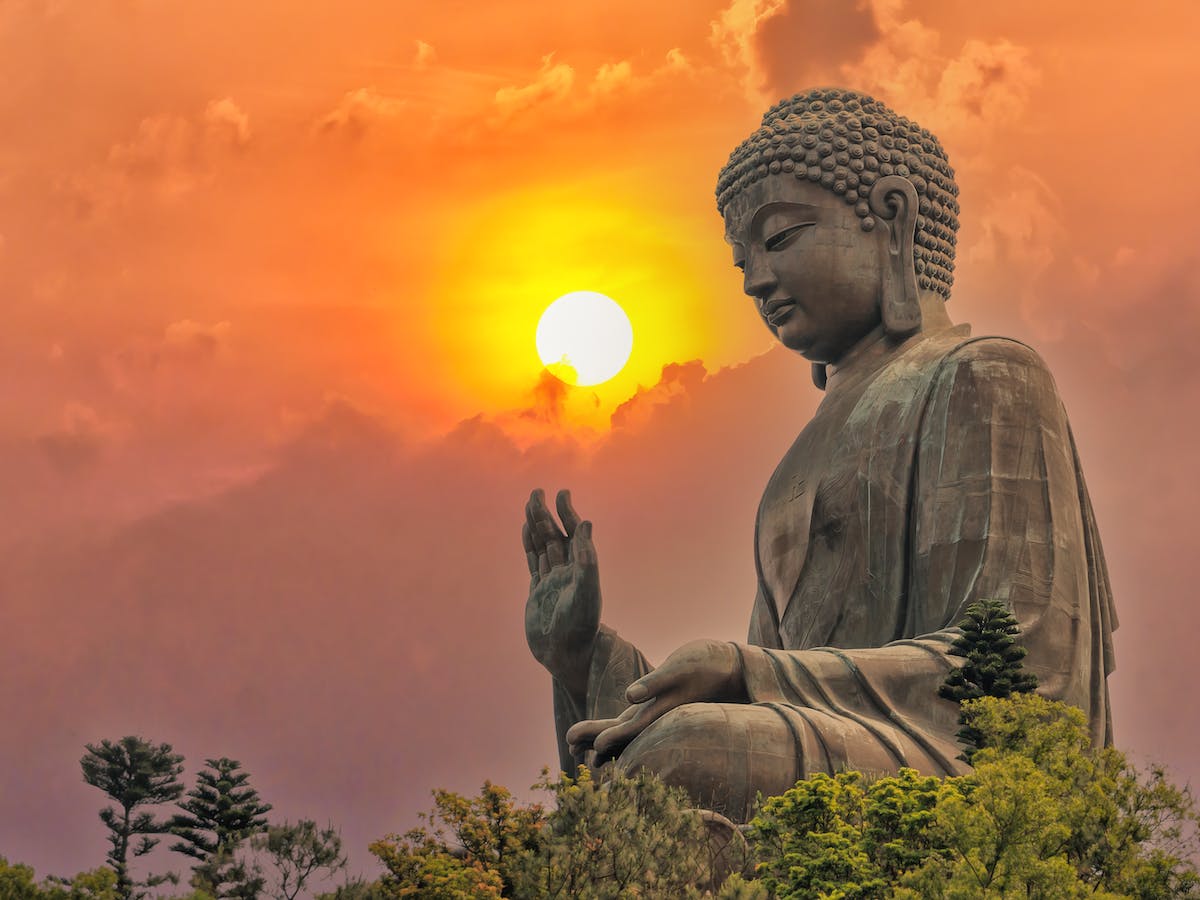
Buddha Purnima, also known as Vesak or Buddha Jayanti, is one of the most important festivals in the Buddhist calendar. It commemorates the birth, enlightenment, and death of the Buddha, Siddhartha Gautama, who lived in ancient India over 2500 years ago. Buddha Purnima is celebrated in many countries around the world, including Nepal, India, Sri…
-
What Bharat offers to the world on International Dance Day
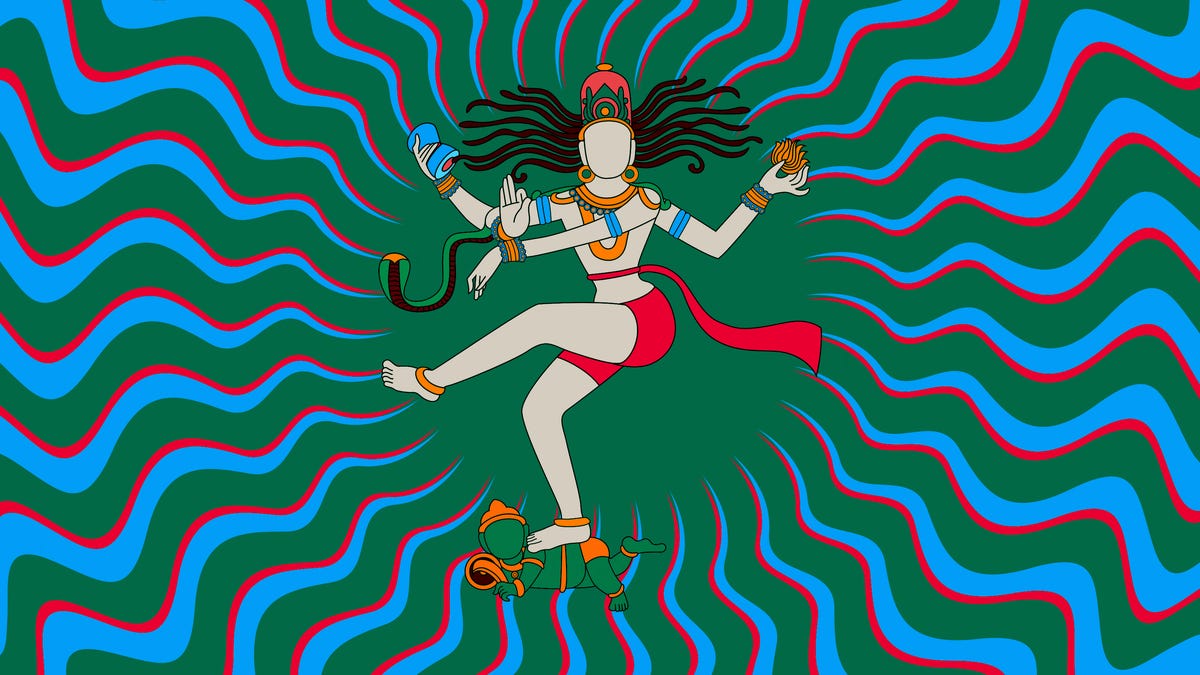
Bharat is a land of diverse cultures and traditions, each with its own unique dance form. From the energetic Bhangra of Punjab to the graceful Mohiniyattam of Kerala, the colorful Garba of Gujarat to the soulful Sattriya of Assam, every dance form reflects the rich heritage and history of its respective region. However, amidst this…
-
Dharmic Education is Realisation and not mere Learning
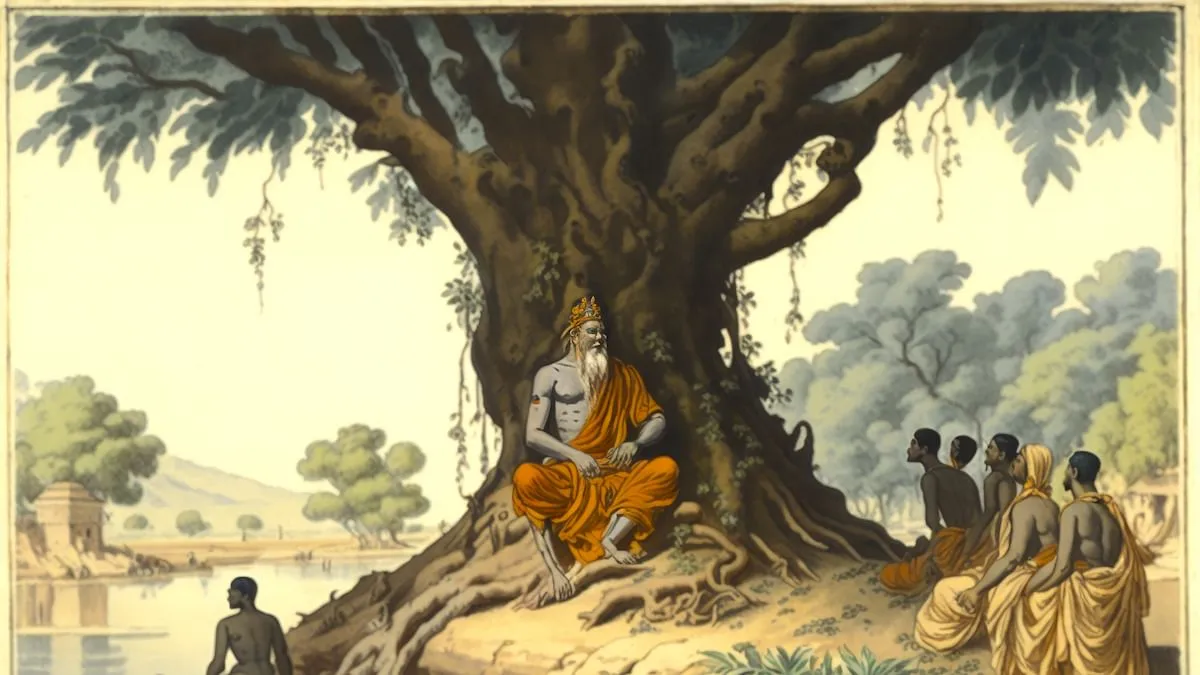
In the Sanatana theory and practice, education was not merely learning but realisation. Literacy was merely one subset of it. One of the fundamental questions that our Dharmasastras pose and answer is this: who knows the secret of Dharma and its most accurate application in life? The answer: that illiterate old woman in the village.…
-
Shree Sita Navami

Sita Navami is an important Hindu festival that celebrates the birth anniversary of Goddess Sita. It is celebrated on the Navami Tithi (ninth day) of the Shukla Paksha (waxing phase of the moon) in the month of Vaishaka (April-May). Goddess Sita is considered to be the incarnation of Goddess Lakshmi and the wife of Lord…
-
Martial Arts in Sanatana Dharma: A Comprehensive Guide
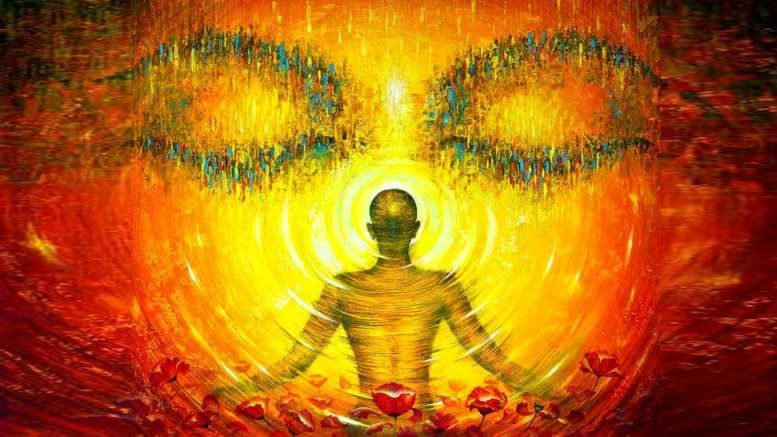
Sanatana Dharma is a term used to describe the ancient Indian tradition that encompasses Hinduism, Jainism, Buddhism, and Sikhism. These religions share many fundamental principles and values, including the importance of physical and mental discipline, self-defense, and protection of one’s community. Martial arts have played a significant role in the culture and history of Sanatana…
-
Why a Dharmic Education for Hindu Children in an Woke Pandemic Era is Urgent

Rediscovering the ideal and roots of our Dharmic education is an urgent imperative to prevent Hindu children from getting sucked into the Woke blackhole. In the context of this essay, one of the central goals of our ancient ideal of education was to create a Praja, or a citizen in the truest sense of the…
-
Ramanujacharya Jayanti: Celebrating the Life and Teachings of a Great Saint
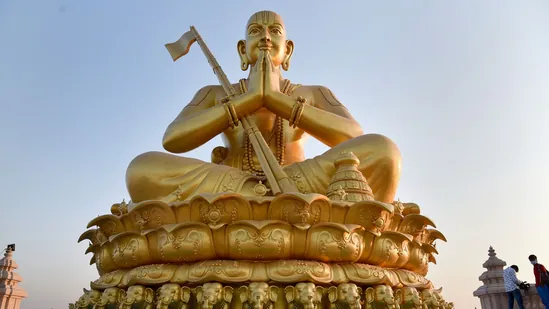
India is a land of festivals, and each festival has a unique significance and story behind it. Ramanujacharya Jayanti is one such festival that celebrates the birth anniversary of Ramanujacharya, one of the most prominent saints in Hinduism. This festival is celebrated with great enthusiasm and devotion in various parts of India, especially in the…
-
Shankaracharya Jayanti: Celebrating the Life and Teachings of a Great Sage
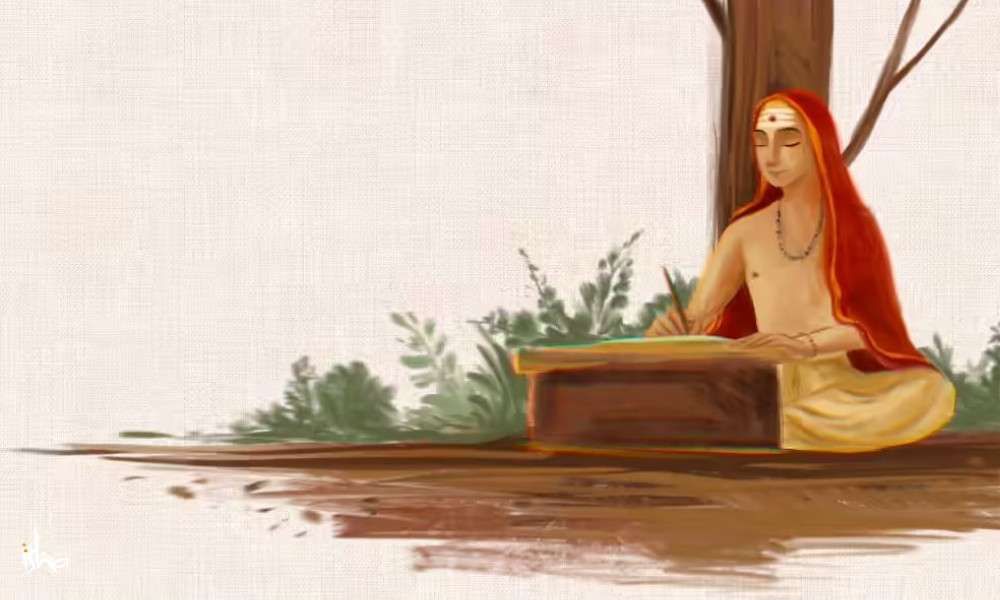
Shankaracharya Jayanti is an important Hindu festival that celebrates the birth anniversary of Adi Shankaracharya, a great saint and philosopher who lived in Bharat more than a thousand years ago. Shankaracharya is widely regarded as one of the most influential figures in the history of Hinduism, and his teachings continue to inspire and guide spiritual…
-
Lord Parashuram, Kalaripayattu, Bodhidharma and Kung-Fu
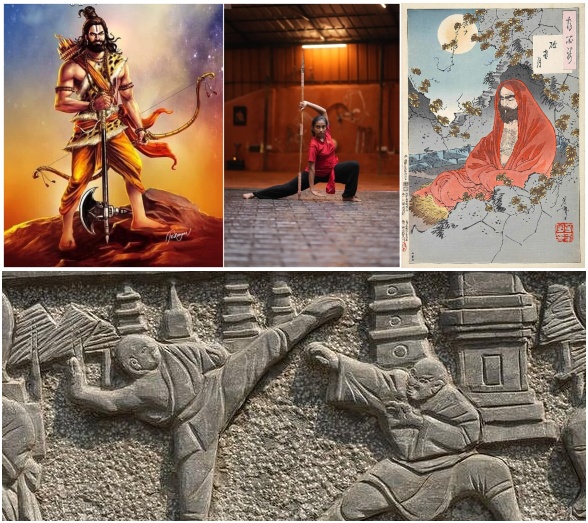
Kalaripayattu is an ancient martial art that originated in the southern Indian state of Kerala, and it is widely regarded as one of the oldest martial arts in the world. The art has been practiced and developed for over 3000 years, and its techniques have been used in warfare, self-defense, and physical fitness. Kalaripayattu is…
-
The Rot is Deeper than Including or Dropping Lessons on the Mughals in History Textbooks
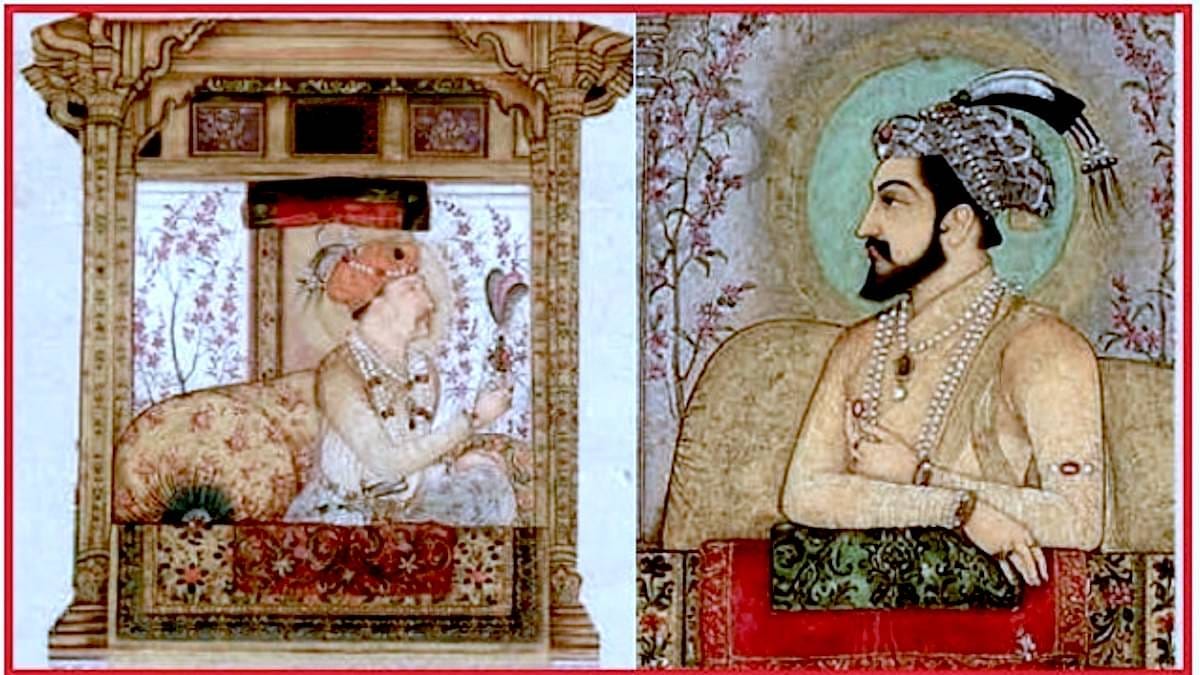
Commentary on the recent controversy over dropping the chapters on Mughal history from NCERT textbooks. It is the mudslinging season again over history lessons, for a fundamental reason. History was one of the most powerful weapons that the Congress-Left combine had used in order to maintain its hegemony over political power for more than half…
-
Parashuram Jayanthi – Tribute to the warrior god that fought for the common good
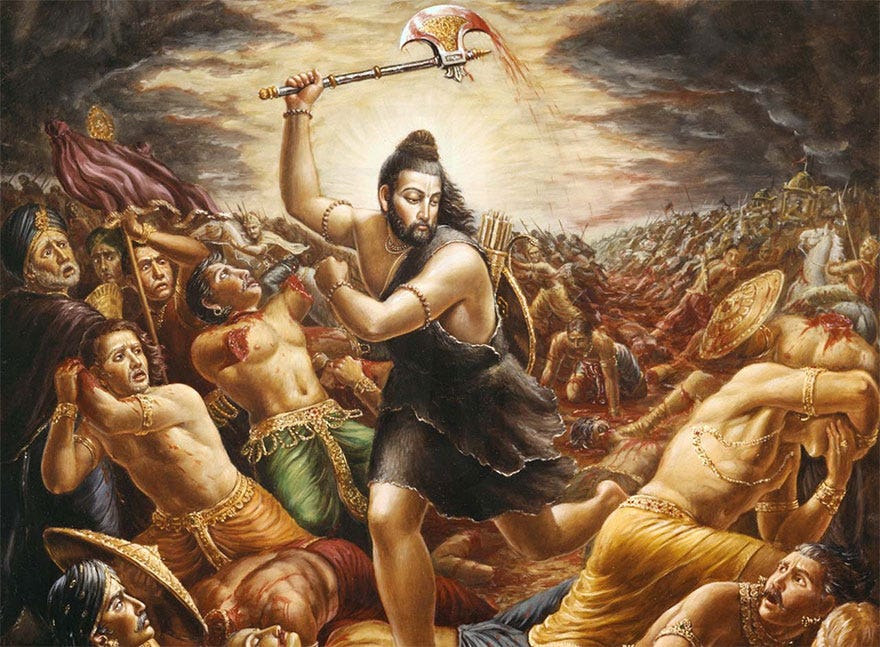
Parashuram Jayanthi is celebrated on the third day of the Hindu month of Vaishaka, which usually falls in late April or early May. This day is dedicated to Lord Parashuram, who is considered the sixth avatar of Lord Vishnu in Hinduism. Lord Parashuram is revered as a warrior god who fought for the common good…
-
The Role of Meditation in Sanatan Dharma
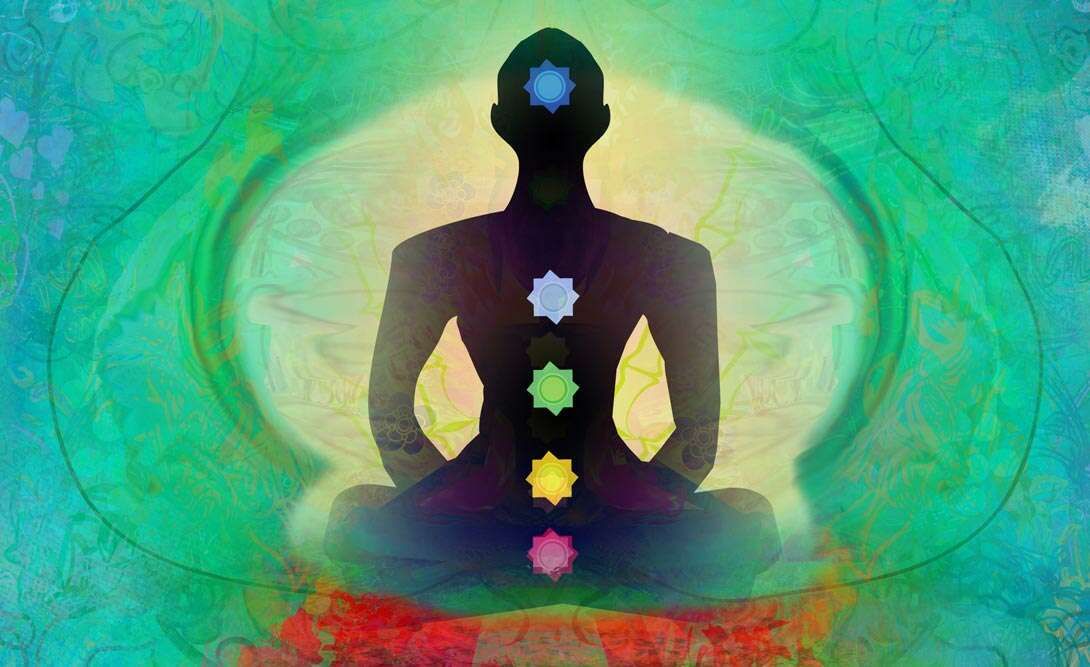
Sanatana Dharma – Hinduism & its various sects, Buddhism, Jainism, and Sikhism; is a vast and ancient spiritual tradition that has its roots in the Indian subcontinent. Despite their differences in rituals, practices, and beliefs, all of these religions share some commonalities, one of which is the emphasis on meditation and self-realization. In this blog…
-
Karma-Siddhanta and its Significance in Sanatana Dharma
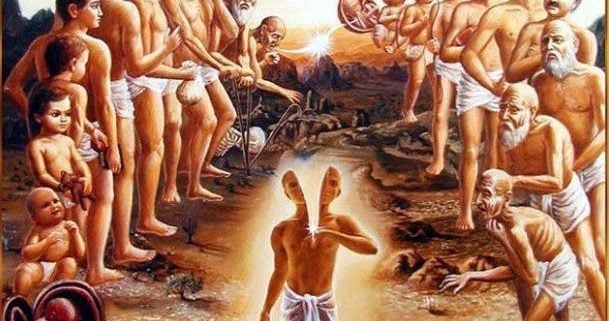
The concept of karma is a fundamental aspect of Sanatana Dharma, which includes Hinduism, Buddhism, Jainism, and Sikhism. Each of these religions has its own unique perspective on karma, but they all share some commonalities. In this blog post, we will explore the concept of karma in each of these religions, its significance, and its…
-
What happens if you loot a Sanatan temple?
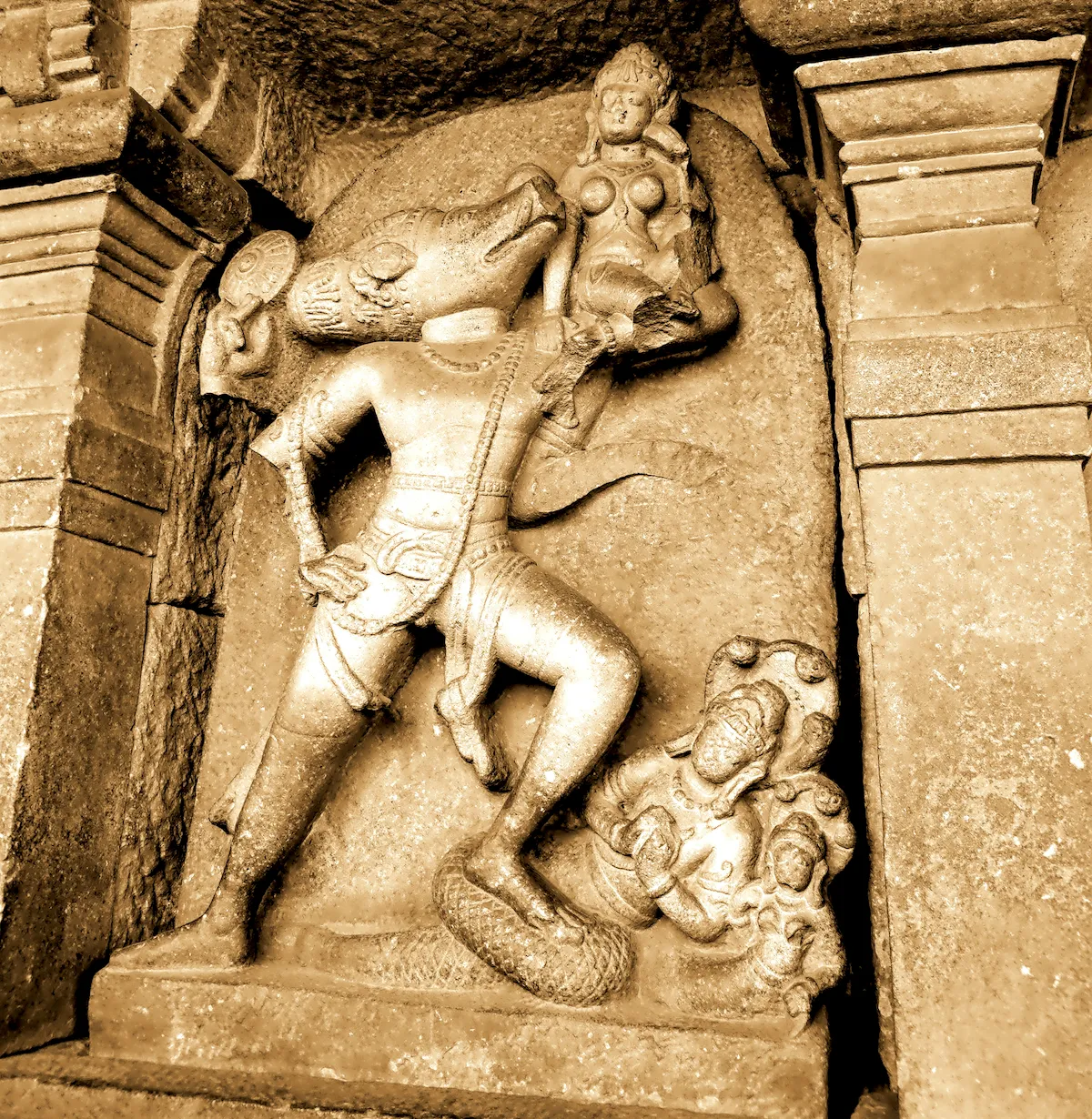
One of the distinctive features of the protracted Muslim rule in medieval India was the heartless manner in which it comprehensively impoverished Sanatan physically, spiritually, morally, culturally, and economically. This impoverishment was by design, and it was largely faithful to the tenets of Islamic statecraft and polity, which mandated zimmi (or dhimmi) status to non-Muslims…
-
Gau Raksha and Indic Unity

Cows are considered sacred in Sanatan dharmas because they are believed to embody and represent various virtues and qualities that are valued in Sanatan culture. In Hinduism, the cow is revered as a symbol of wealth, strength, and motherly affection. The Vedas, the oldest Hindu scriptures, refer to the cow as “aghnya,” meaning one that…