
-
Work to Live, Not Live to Work: A Dharmic Guide to Career, Purpose, and Inner Balance

Modern life often blurs the line between work and identity, but a dharmic perspective restores balance by placing career in service of higher values. Career still matters, yet it is not the ultimate goal; it supports duty, relationships, learning, and inner freedom. Drawing on shared insights from Hinduism, Buddhism, Jainism, and Sikhism, this approach reframes…
-
Why Indiscriminate Advice Backfires: Viveka, Anekantavada, and Dharmic Wisdom

The maxim “Indiscriminate advice often backfires” is clarified through Hindu philosophy’s viveka (discernment) and adhikāri-bheda (readiness). Foundational texts such as the Bhagavad Gita, the Upanishads, Vidura-niti, Panchatantra, and Hitopadesha affirm that counsel should be tailored to the person, time, and circumstance. A cross-dharmic viewdrawing on Buddhism’s upaya, Jainism’s Anekantavada, and Sikh traditionspromotes plural-sensitive guidance rather…
-
Awaken Beyond Survival: Hindu Dharma on Human Nature, Karma, and Cosmic Responsibility
Human life clearly exceeds mere survival, and dharmic traditions explain why. Hinduism, Buddhism, Jainism, and Sikhism converge on a shared ethic of self-awareness, non-violence, service, and responsibility. Hindu teachings frame purpose through the puruṣārthas, guiding artha and kāma with dharma toward mokṣa. The Bhagavad-Gita and the Upanishads show how karma, guided by clarity and detachment,…
-
Goddess Parvati’s Transformation into Shakti: From Himalayan Maiden to Universal Mother

This article presents an academic yet accessible account of Goddess Parvati’s transformation from a Himalayan princess into Shakti, the Universal Mother. It traces her origins as Shailaputri, examines her disciplined tapas as Brahmācharini, and explains how her union with Shiva symbolizes cosmic balance. Readers gain a clear understanding of how devotion, self-mastery, and ethical living…
-
Divine Economics Unveiled: Why Lakshmi Chooses VishnuEternal Wealth, Preservation, Dharma

The union of Lakshmi and Vishnu is a precise ethical model in Hindu philosophy: prosperity endures only when guided by preservation. Scriptural narratives like Samudra Manthan show wealth choosing the preserver, while the Bhagavad Gita illuminates how stewardship sustains social balance. The insight translates into daily lifefamilies, businesses, and communities flourish when accountability, restraint, and…
-
Resilience in Hinduism: Timeless Dharmic Practices to Rise Strong from Adversity

This article examines resilience in Hinduism as a cultivated capacity grounded in abhyāsa (practice) and vairāgya (wise non-attachment). Drawing on the Bhagavad Gita, the Upanishads, and the Yoga Sutra, it outlines how equanimity, witnessing awareness, and disciplined routines foster emotional balance. Practical methodsdhyāna, prāṇāyāma, and mantra japaare presented as accessible tools for stress management and…
-
Discover Bliss in the Eternal Now: Dharmic Wisdom on Presence Beyond Happiness

Modern life scatters attention, yet dharmic traditions affirm that abiding in the present moment reveals a stable blissanandabeyond fleeting happiness. Hinduism links Presence to equanimity and Karma Yoga, turning daily duties into contemplative practice. Practical methods such as breath awareness, Pranayama, dhyana, and japa make the Eternal Now accessible in ordinary routines. Buddhism’s mindfulness, Jainism’s…
-
Ganesha’s New Head and the Grace of Correction: A Dharmic Meditation on Second Chances
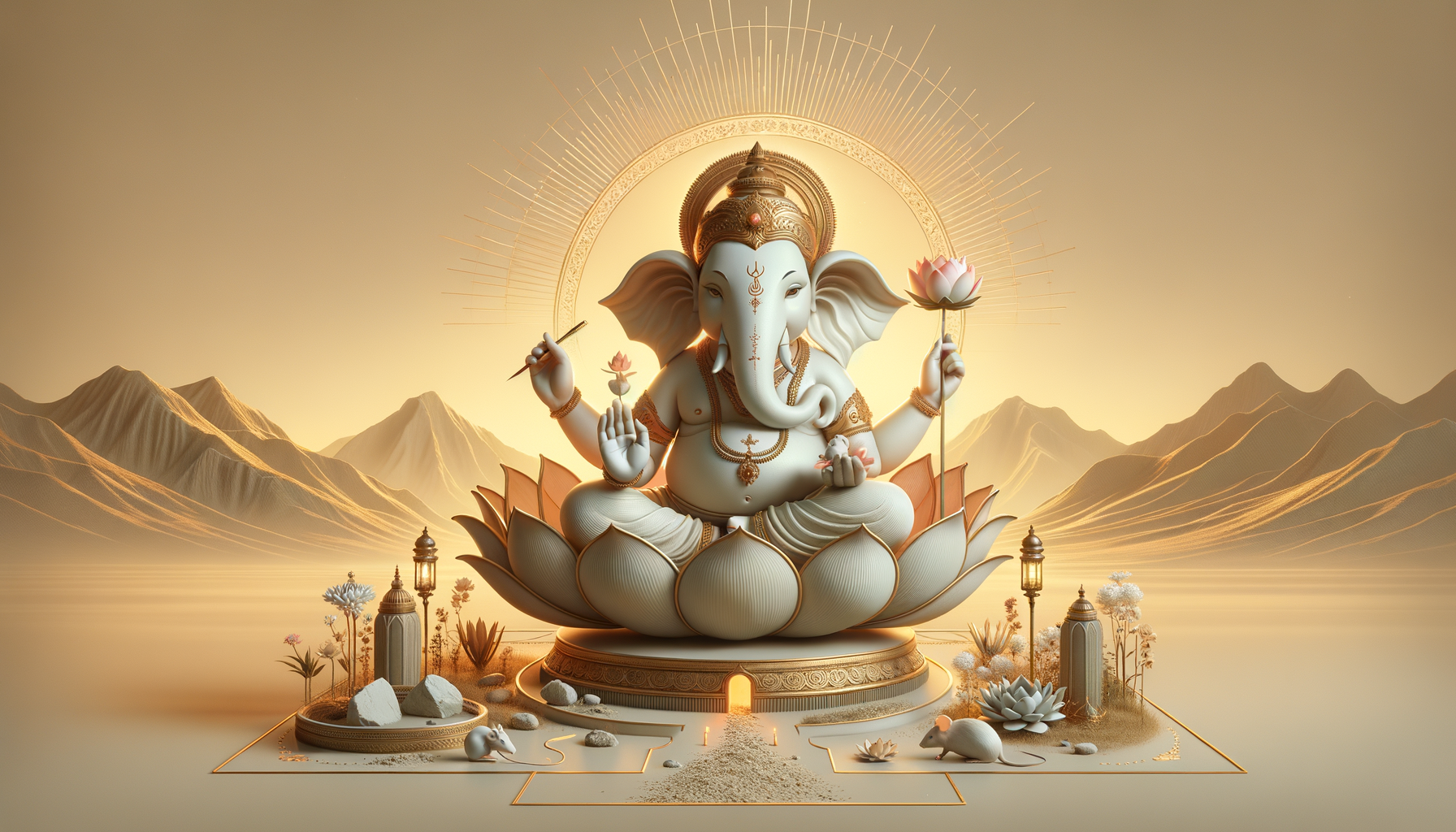
Ganesha’s birth and rebirth offers a timeless guide to human fallibility, emotional intelligence, and the ethics of second chances. The story highlights accountabilityrecognizing harm, accepting responsibility, and making meaningful amends. As a Hindu symbol, the elephant head teaches deep listening, measured speech, and adaptable strength. The narrative’s restorative vision resonates across Buddhism, Jainism, Sikhism, and…
-
Ethical Conduct that Inspires Trust: A Dharmic Guide to Confidence and Social Harmony

Ethical conduct, grounded in dharma, fosters trust, confidence, and social harmony across Hinduism, Buddhism, Jainism, and Sikhism. Practicing virtues like satya, ahimsa, compassion, and seva makes ethics practical and visible in everyday life. Consistent ethical action builds credibility, strengthens relationships, and enhances institutional legitimacy. Classical teachingsfrom the Bhagavad Gita and Upanishads to the yamas and…
-
Stop Overthinking, Start Living: Hindu Wisdom for a Life of Presence and Joy

Hindu wisdom highlights a simple paradox: the more life is overanalyzed, the less it is truly lived. Drawing from the Hindu way of life and allied dharmic traditions, the path emphasizes presence, ethical action (dharma), and mindful awareness over relentless explanation. Karma yoga reframes daily duties as opportunities for clarity by releasing attachment to outcomes.…
-
Mastering Purushaartha: A Transformative Guide to Dharma, Artha, Kaama & Moksha

Purushaartha offers a complete frameworkDharma, Artha, Kaama, and Mokshafor a life that is ethical, prosperous, joyful, and inwardly free. Rather than rejecting wealth or desire, it refines them through Dharma so they support higher clarity. Practical steps include right livelihood, generosity, mindful restraint, and steady yoga-meditation practice. The Bhagavad Gita and the Upanishads inform a…
-
Bhagavad Gita as a Living Guide: Chaitanya’s Moving Lesson on Devotion, Duty, and Unity
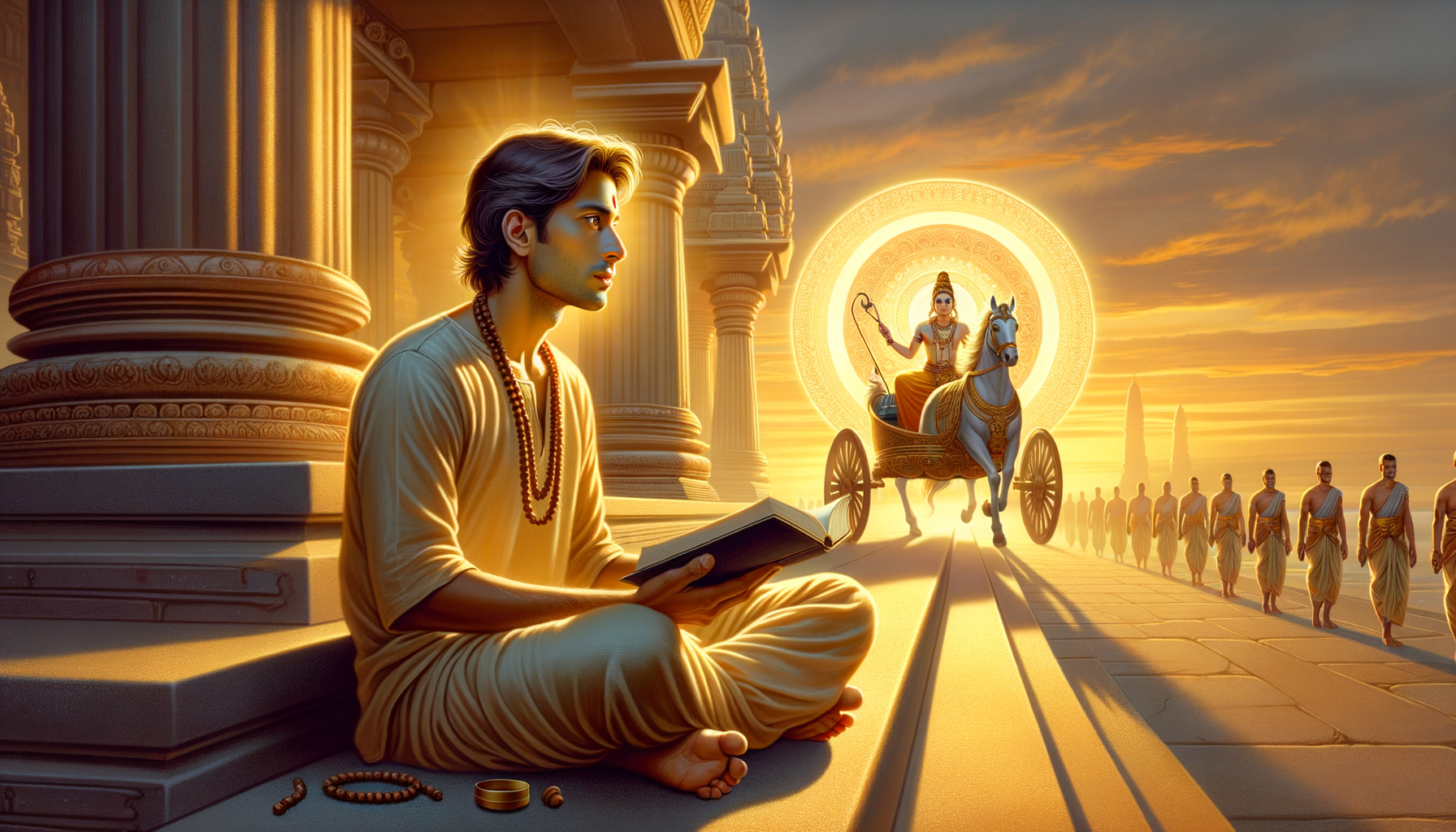
The Bhagavad Gita offers practical guidance for daily life through duty, selfless action, and devotion. A noted account from Chaitanya Mahaprabhu’s travels in South India highlights how a sincere heart can grasp the Gita’s essence beyond textual study. The image of Krishna guiding Arjuna’s chariot symbolizes trust, ethical action, and inner steadiness. These themes align…
-
ਚੁੱਪ ਦਾ ਸੰਦੇਸ਼: A Poetic Meditation on Truth, Courage, and Dharmic Unity in Silence

This reflection explores how silence, practiced with mindfulness, strengthens truth and courage across Hinduism, Buddhism, Jainism, and Sikhism. It presents mauna, Noble Silence, and simran as convergent disciplines that align speech with dharma and Ahimsa. Readers gain an academic yet accessible understanding of how Anekantavada invites many-sided truth while reducing harm. Practical micro-practicesbrief mauna, three-breath…
-
Ever-Watchful Deities in Veda Shastras: Karma, Vayu Bhagavan, and Dharmic Conduct

Vedic wisdom teaches that devas and devis attentively witness human actions, reinforcing the law of karma and encouraging alignment with dharma. This perspective frames accountability as compassionate guidance rather than fear-based surveillance. Lord Vayu Bhagavan, present in every breath, becomes a practical reminder to live with mindfulness, gratitude, and restraint. The theme resonates across Buddhism,…
-
Beyond Fashion: Recognize the True Guru and Surrender with Discernment for Inner Clarity

In dharmic traditions, a guru is not a trend but the principle of authentic guidance shaping a seeker’s life. Surrender means practicing the guru’s counsel with integrity, not passive or blind obedience. The Bhagavad Gita’s example of Arjuna and Sri Krishna illustrates how discerned acceptance refines agency and aligns action with dharma. Across Hinduism, Buddhism,…
-
Arjuna’s Path of Mastery: Harmonizing Effort and Grace for Transformative Learning
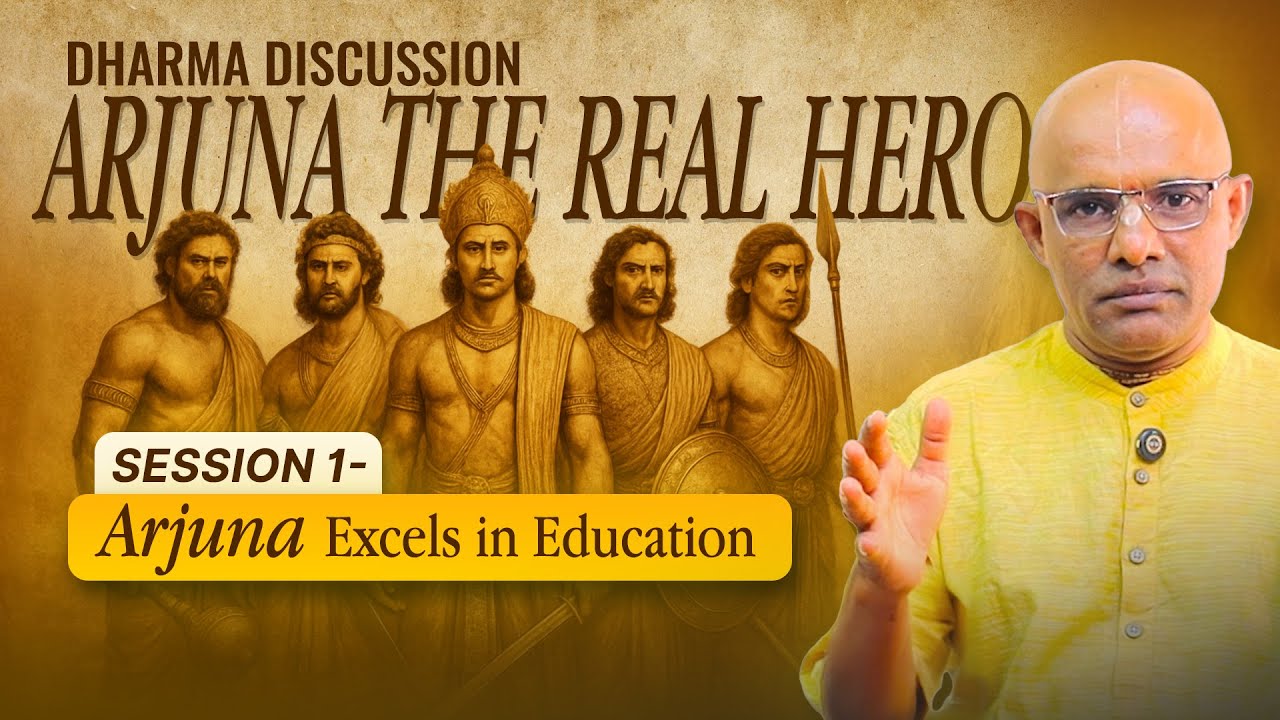
Arjuna exemplifies the union of disciplined effort and divine dependence, offering a powerful model of transformative learning. Drawing on the Mahabharata and the Bhagavad Gita, this discussion shows how mastery requires both rigorous practice and humility. Educationally, Arjuna’s formation reflects the guru–shishya tradition, integrating attentive study, reflection, and internalization. Practically, readers can translate these principles…
-
Prithu Chakravarthi’s Legacy: How a Dharma-Raja Gave Earth Her Sacred Name, Prithvi
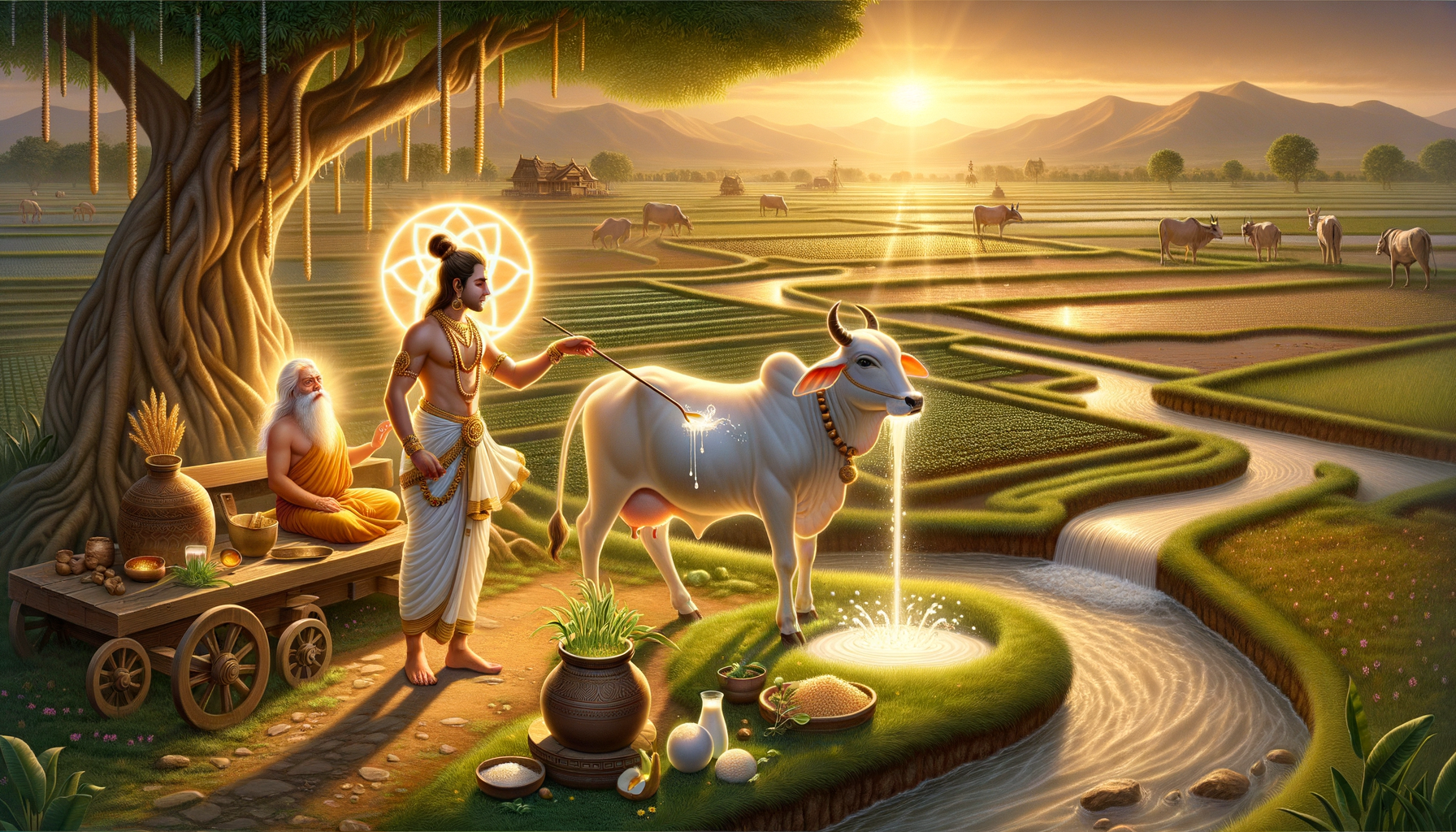
The name Prithvi for Earth is rooted in the Puranic account of Prithu Chakravarthi, a dharma-raja who restored balance between society and nature. Bhishma’s inquiry to Sage Pulastya introduces the genealogy from Swayambhuva Manu through Anga and Sunitha to Vena and Prithu. After reconciling with Earthwho had assumed a cow’s formPrithu renewed agriculture and prosperity,…
-
Prithu Chakravarthi: The Legendary Sovereign Who Made Earth ‘Prithvi’ and Renewed Dharma
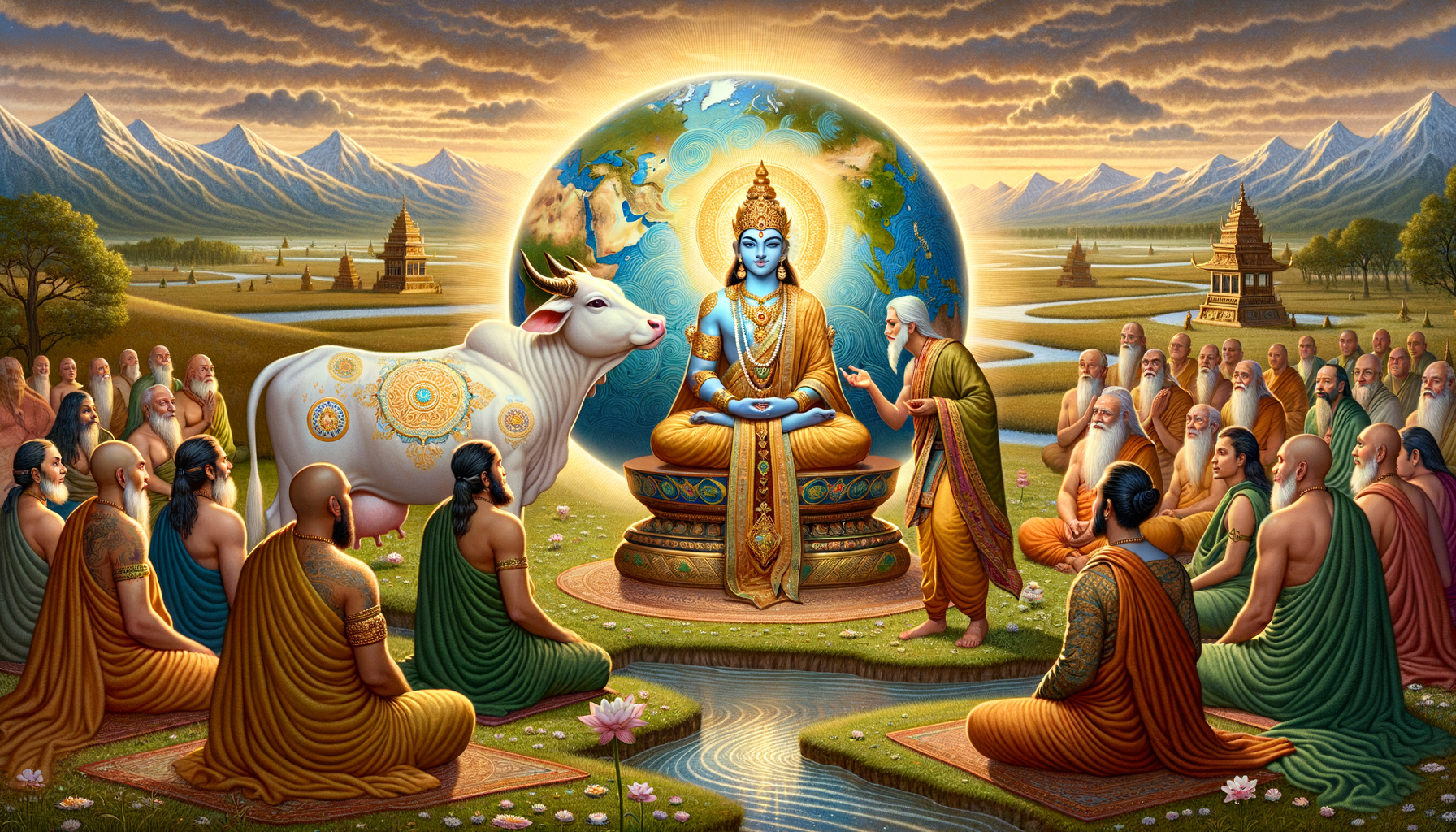
The Brahma Purana’s account of Prithu Chakravarthi explains why Earth is called Prithvi and presents a powerful model of ethical leadership. By restoring prosperity after the misrule of Vena, Prithu embodies raja-dharmaprotecting Mother Earth and ensuring just abundance. The narrative’s imagery of Earth as a cow, yielding to compassionate stewardship, offers enduring guidance for sustainable…
-
Keep Your Feet on the Ground: Timeless Dharmic Humility and Detachment for Modern Life

Groundedness, understood as humility and realism, aligns with dharmic ethics across Hinduism, Buddhism, Jainism, and Sikhism. Anchoring conduct in dharma and tempering outcomes with vairagya cultivates equanimity amid modern pressures. The Bhagavad Gita’s emphasis on samatvam mirrors contemporary insights on mindfulness and well-being. Practically, this approach strengthens leadership, relationships, and community trust. Everyday examples show…
-
Sita’s Ashokavana Ordeal: Unwavering Dharma, Karma, and Timeless Strength to Endure

Sita’s ordeal in Ashokavana exemplifies how dharma and karma inform spiritual resilience under extreme duress. Confined by Ravana and pressured to capitulate, she remained unwavering through ethical clarity, disciplined remembrance, and self-restraint. Her acceptance of karma’s ripening never became fatalism; instead, it sustained equanimity and moral agency. The Sundara Kanda encounter with Hanuman affirmed her…