
-
Utpanna Ekadashi 2025 Date, Meaning, and Fasting Guide: Embrace Renewal and Inner Strength
Utpanna Ekadashi 2025 falls on 15 November during Krishna Paksha in Margashirsha, and is observed by both Smarta and Vaishnava traditions. The vrata commemorates the symbolic victory of disciplined awareness, inspiring reflection, compassion, and self-restraint. Devotees typically fast, engage in japa or quiet study, and conclude the fast with parana on Dwadashi according to local…
-
Sita’s Compassion Tested: Dharma and the Ethics of Lakshmana’s Punishment of Surpanakha

The Aranya Kanda episode of Surpanakha’s attack and Lakshmana’s response invites a careful reading of dharma and compassion. Valmiki’s text does not quote Sita’s immediate reaction, so understanding her stance relies on her consistent character across the Ramayanarooted in karuṇā and kṣamā. Interpreted through proportionality and restraint, Lakshmana’s non-lethal action reflects kṣātra-dharma: protecting the innocent…
-
Dogs in Hinduism: Sacred Companions, Loyal Guardians, and Kalabhairava’s Vahana
Dogs hold a revered place in Hinduism as the vigilant vahana of Lord Kalabhairava, reflecting values of loyalty, protection, and compassionate guardianship. Their presence in iconography and living practice conveys the safeguarding of dharma through alertness and service. Community observances such as Kukur Tihar honor dogs with garlands and tika, deepening ethical awareness toward animals.…
-
Feeling Impure Despite Sadhana, Satsang, Seva? Practical, Dharmic Steps to Inner Purity

Many practitioners feel impure despite steady Sadhana, Satsang, and Seva, especially when encountering arrogance in spiritual spaces. This piece reframes purity as a gradual refinement of chittaless reactivity and more compassionrather than a performance outcome. It integrates insights from Hinduism, Buddhism, Jainism, and Sikhism to emphasize unity and shared principles. Actionable steps include breath awareness,…
-
Understanding ‘Sin’ in Hinduism: Karma, Dharma, and the Compassionate Nature of the Divine
This article reframes “sin” through a Hindu lens grounded in the Bhagavad Gita, clarifying that moral error arises from misalignment with dharma rather than divine anger. It explains pāpa and puṇya, the role of karma, and the compassionate nature of the Divine. Readers gain a structured, hopeful path to self-correction via prāyaścitta, ahimsa, and the…
-
Why Rama Chose Humanity: Profound Wisdom Behind Ravana’s Boon, Suffering, and Dharma

This article explains why Lord Rama, an avatar of Vishnu, chose to be human in response to Ravana’s boon. It shows how Ravana’s selective invulnerability created a lawful path for dharma to prevail without violating cosmic commitments. By accepting human limitations and suffering, Rama modeled maryadaethical excellence under constraint. The narrative highlights the power of…
-
Srimad Bhagavatam 10.90.18: Mortal Wounds, Spiritual Resilience, and Dharma’s Healing Power
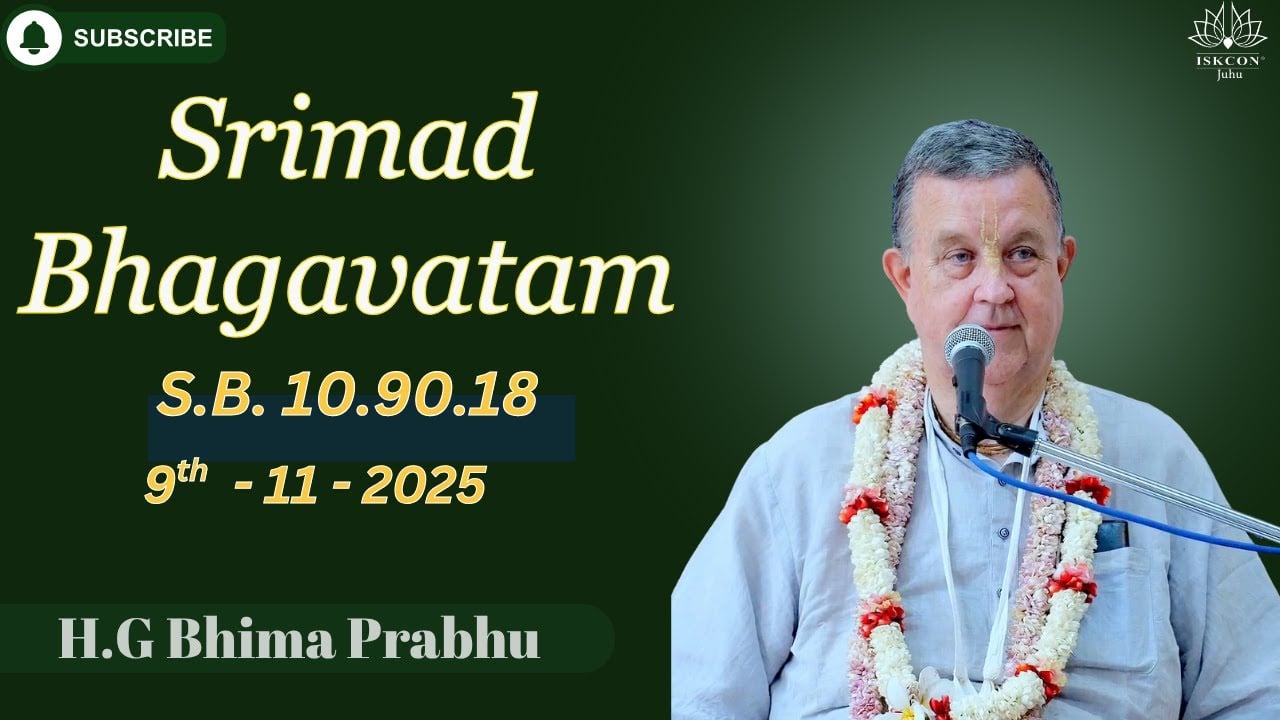
This reflection on Srimad Bhagavatam 10.90.18 clarifies the metaphor of a “mortal wound” and applies it to spiritual ethics and daily practice. It distinguishes minor setbacks from integrity-compromising harms that demand urgent repair. The analysis offers practical toolsatonement, meditation, seva, satsangto prevent moral injury from becoming entrenched. It highlights parallels across Hinduism, Buddhism, Jainism, and…
-
Parashara Gita Chapter One: Timeless Lessons on Dharma, Karma, and Courageous Virtue
The opening chapter of the Parāśara Gītā sets a clear foundation for ethical living rooted in dharma, karma, and virtue. It defines dharma as harmony with enduring values while remaining sensitive to context. Karma is framed as ethical causality, urging pure intention and compassionate action. Virtue is practicalsteady cultivation of sattva through truthfulness, restraint, and…
-
Lal Kitab Remedies for Moon in the 7th House: Nurture Love, Marriage Harmony, and Peace

Lalkitab remedies for Moon in the 7th house focus on restoring emotional balance, strengthening marital harmony, and honoring maternal blessings. Classical guidance emphasizes respect for the mother and compassionate speech to prevent relational decline. Practical steps include Somvar vrat with white offerings, Chandra mantra japa (Om Som Somaya Namah), and charity of milk, rice, and…
-
Bhagavad Gita Chapter 1: Duryodhana’s Restlessness, Dharma, and the Pursuit of Inner Peace

Bhagavad Gita Chapter 1 frames the Kurukshetra War as a field of dharma, revealing how inner states drive outer actions. Duryodhana’s poised yet anxious speech to Droṇa exposes a mind divided by adharma, offering a timeless psychological reading of leadership under pressure. The scene contrasts defensive agitation with Arjuna’s reflective sorrow, clarifying two paths that…
-
Vishnu Purana Stories: Timeless Tales of Devotion, Dharma, and Unity in Diversity
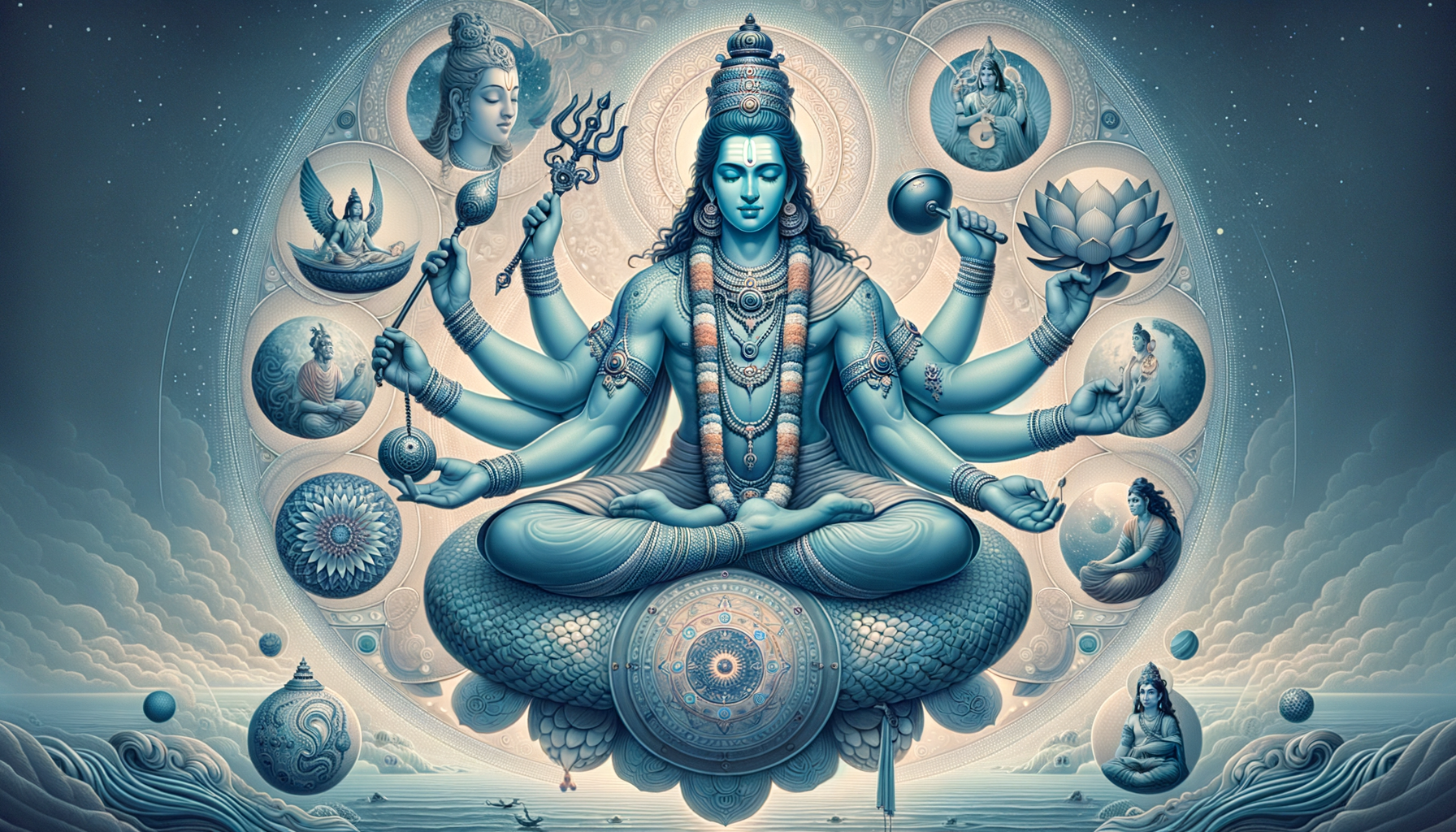
The Vishnu Puranaone of the Eighteen Mahapuranaspresents timeless stories of Lord Vishnu, his avatāras, and exemplary devotees such as Nārada, Prahlāda, Tumburu, and Dhruva. These narratives model steadfast devotion, courage, and disciplined practice while offering practical ethical guidance for daily life. Read within the broader Hindu ethos, the text honors multiple valid paths to the…
-
The Potter’s Gift and the Wasted Vessel: Hinduism’s Powerful Life Symbol and a Call to Purpose

The parable of the potter and the pot in Hinduism teaches that human life is a carefully crafted vessel meant to hold wisdom, compassion, and purposeful action. Read in the light of the Bhagavad Gita and the Upanishads, the vessel represents the body-mind where dharma is lived and moksha is pursued. The image resonates across…
-
Lalkitab Remedies for Mars in the 7th House: Compassionate Steps to Strengthen Marriage and Harmony

This guide presents Lalkitab remedies for Mars (Mangal/Kuja) in the 7th house with a unity-centered, non-fearful approach. It explains how to channel Mars’ energy into ethical conduct, calm communication, and compassionate service that strengthen marriage and partnerships. Practical steps include Tuesday vrata, mantra recitation (Om Kraam Kreem Kraum Sah Bhaumaya Namah), Hanuman puja, and Navagraha…
-
Dharma and Spiritual Elevation: Timeless Ethics for Unity and Inner Transformation
Dharma offers more than an approximate blend of righteousness, virtue, or moral law; it is a living framework that integrates ethical conduct with inner transformation. Grounded in Hinduism yet resonant across Buddhism, Jainism, and Sikhism, Dharma fosters unity in spiritual diversity. Practitioners report greater clarity, emotional balance, and purpose when actions align with truth, compassion,…
-
Why Choosing Spirituality Reflects True Wisdom: A Dharmic Path to Clarity, Peace, and Unity

Spirituality, within Hindu philosophy and related Dharmic traditions, is a deliberate, wise choice rooted in discernment and Dharma. It emphasizes distinguishing the temporary from the eternal, echoing the Bhagavad Gita and the Upanishads. Practically, it matures through ethics, Meditation, and Yoga philosophy, cultivating clarity, compassion, and resilience. Across Hinduism, Buddhism, Jainism, and Sikhism, diverse practices…
-
Dharma as Living Ethics: A Compassionate Path to Spiritual Elevation and Unity
Dharma is a Sanskrit concept that defies exact translation, often approximated as righteousness, virtue, or moral law. It is best understood as living ethics: principles applied in daily life that elevate both the individual and society. This applied wisdom aligns personal responsibility with the common good, balancing svadharma and Lokasangraha. Across Hinduism, Buddhism, Jainism, and…
-
Donating Bangles in Hinduism: Auspicious Benefits for Prosperity, Peace, and Harmony

Donating bangles in Hinduism is a sacred expression of daana that honors feminine energy, invites Goddess Lakshmi’s grace, and nurtures prosperity with inner peace. The practice reduces attachment through aparigraha, deepens devotion, and generates spiritual merit (punya). Devotees often report greater serenity and improved relationships following this mindful act. Socially, the donation supports girls and…
-
When Love Can’t Heal: Reclaiming Safety, Dignity, and Dharma After Emotional Abuse

This reflection explores how healing from emotional abuse begins when safety and dignity are prioritized over the belief that love alone can change harmful dynamics. It shows that love cannot substitute for another person’s willingness to do the work and that true transformation requires mutual participation, respect, and safety. Readers will learn how social and…
-
Surpanakha Unveiled: The Powerful Etymology, Symbolism, and Dharma Lessons in the Ramayana

Names in the Ramayana carry layered meanings that guide ethical understanding, and Surpanakha is a vivid example. This piece explains the Sanskrit etymology of Surpanakha (śūrpa + nakha) and shows how the name functions as narrative symbol and moral cue. It places the episode within the Valmiki tradition while acknowledging later retellings that frame the…
-
Right Thinking, Real Change: Hindu Dharma’s Timeless Tools to Transform Self and Society

Ancient Hindu wisdom teaches that the quality of thoughts shapes realityan insight echoed across the Bhagavad Gita, the Upanishads, and yogic psychology. This post outlines practical tools such as mindfulness, breath awareness, and values-aligned intention to cultivate clarity and compassion. It highlights how right thinking extends beyond personal wellness to strengthen social trust and community…