
-
Nigrahasthana in Hindu Philosophy: Transforming Disagreement with Logic, Humility, and Grace

Nigrahasthana“ground of defeat”is a cornerstone of Hindu philosophy’s debate ethics, signaling the point where confusion, contradiction, or irrelevance requires a respectful concession. Set within Nyaya’s tarka, it protects truth-seeking dialogue (vāda) from lapses that derail inquiry. The concept aligns with Jain Anekantavada and Buddhist logic, and resonates with Sikh traditions of honest, community-centered discourse. It…
-
Lord Buddha as Vishnu’s Avatar: Bridging Hinduism and Buddhism with Compassionate Dharma
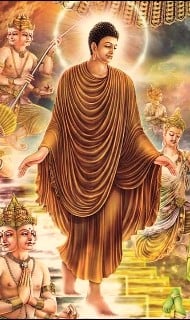
This reflection considers Lord Buddha through a Vaishnava lens as an avatar of Vishnu, clarifying how a historical de-emphasis on ritual can be read as a restoration of Vedic ethical essence. It highlights Lord Buddha’s global impact 2,500 years ago and how that influence aligns with ahimsa, compassion, and dharma. The discussion fosters unity among…
-
Why Humans Hurt Each Other: Dharmic Wisdom on Violence, Ahimsa, and Inner Healing

Human violence has evolved from survival struggles to conflicts over identity and ideology. Dharmic wisdomacross Hinduism, Buddhism, Jainism, and Sikhismoffers a rigorous, compassionate framework to reduce harm without denying responsibility. Concepts such as dharma-yuddha, ahimsa, and Anekantavada set ethical constraints, cultivate pluralism, and challenge absolutist thinking. Psychological insights into krodha, lobha, and moha pair with…
-
Timeless Vedic Discipline: Living Below Your Means for True Wealth and Inner Freedom

Living below one’s means is presented as a disciplined, dharmic path to true wealth, rooted in Vedic wisdom and reinforced across Buddhism, Jainism, and Sikhism. The post explains how artha flourishes under dharma, reframing wealth as stewardship rather than accumulation. It outlines practical stepsethical earning, mindful spending, consistent saving, and regular givingthat build both financial…
-
Mohini and the Mirage of Desire: Samudra Manthan’s Timeless Lesson on Maya and Dharma

The Mohini episode from the Samudra Manthan offers a precise exploration of desire, distraction, and discernment within the Bhagavata Purana (8.8–9). It reframes the so-called divine deception as a protective strategy aimed at preserving dharmic balance rather than advancing partiality. Read through a dharmic lens, the narrative converges with Buddhist, Jain, and Sikh teachings on…
-
Ancient Dharmic Wisdom on Saving: Build Resilience in Prosperity to Withstand Hard Times

The adage “When there is plenty, put some away for tough times” encapsulates ancient Hindu wisdom on foresight, moderation, and preparation. Anchored in Hindu philosophy and echoed across Buddhism, Jainism, and Sikhism, it advocates ethical stewardship that strengthens household and community resilience. Practical applications include building emergency funds, maintaining community stores, and embracing repair and…
-
Prevent the Ripple: Dharmic Wisdom on Mindful Action, Karma, Ahimsa, and Non‑Emergence

This essay explores a unifying Dharmic insight: what has not yet emerged is easiest to prevent. Drawing on Hindu philosophy and the Bhagavad Gita, it explains how mindful intention, disciplined attention, and skillful action avert harm at its source. The discussion highlights parallel teachings in Buddhism (Right Effort and Mindfulness), Jainism (ahimsa and pratikraman with…
-
Beyond Sattva, Rajas, Tamas: A Transformative Path to the Pure Self and Dharmic Unity

This essay explores how the three gunassattva, rajas, and tamasbind experience and how dharmic traditions point beyond them to a liberating awareness. It clarifies Hindu perspectives on Atman and moksha while drawing resonant parallels with nirvana in Buddhism, kevala jñāna in Jainism, and Naam-centered living in Sikhism. Readers gain a clear, practical map grounded in…
-
Reclaiming Joy: A Dharmic Guide to Defining Personal Happiness with Mindful Freedom

Happiness is not a one-size-fits-all formula; it flourishes when individuals claim the freedom to define joy from within. Drawing on dharmic traditionsHinduism, Buddhism, Jainism, and Sikhismthis piece shows how Mindfulness, non-attachment, seva, and Karma Yoga cultivate Self-awareness and Inner peace. It explains why chasing approval leads to hollowness and how values-based alignment sustains meaningful contentment.…
-
Embracing Samsara: The Unavoidable Cycle of Life and Transformation in Hindu Thought
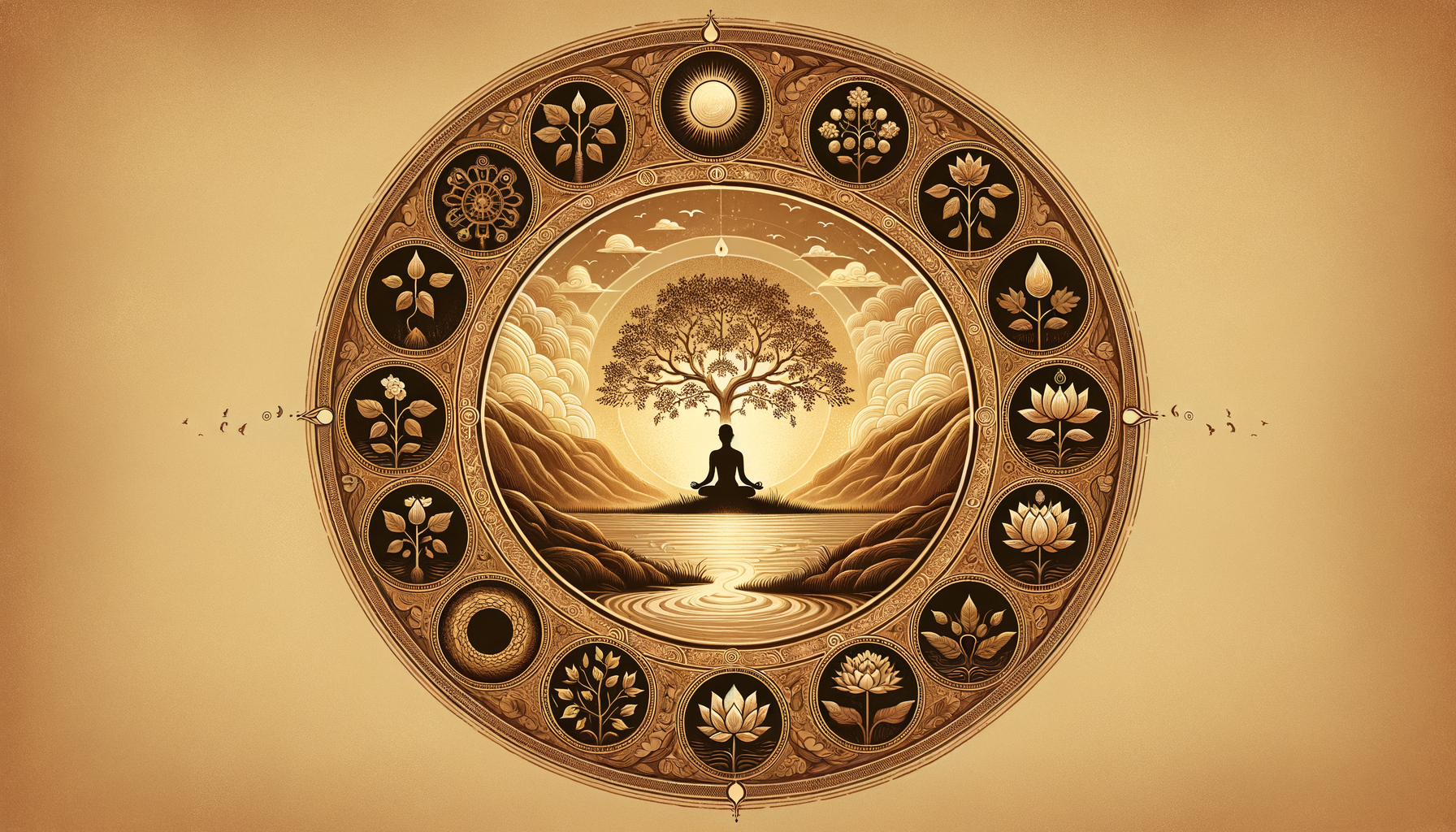
The insight that life moves through birth, growth, flowering, fruiting, decay, and transformation reflects Hinduism’s vision of Samsara as a meaningful cycle shaped by karma and oriented by dharma toward moksha. This piece explains how the metaphor of nature clarifies impermanence while cultivating equanimity and ethical responsibility. It highlights scriptural coherence found in the Upanishads…
-
Dharma as Cosmic Law: A Timeless Path of Harmony, Responsibility, and Dharmic Unity

Dharma is presented as the cosmic law that sustains life and nurtures harmony across individuals, societies, and species. It is dynamic rather than rigid, aligning personal duty with universal values and linking ethical action to spiritual aims such as Karma and Moksha. The dharmic traditionsHinduism, Buddhism, Jainism, and Sikhismconverge on compassion, responsibility, and pluralism, making…
-
No Life Is Lesser or Greater: A Transformative Dharmic Insight on Sacred Equality
This article explores the Hindu philosophical teaching that no life is inferior or superior, grounding sacred equality in Atman and the unity of all existence in Brahman. It clarifies how this insight becomes an ethical imperative through Ahimsa and Dharma, encouraging compassionate, responsible action. Readers gain a clear understanding of sama-darśana in the Bhagavad Gita…
-
Krishna–Arjuna’s Sacred Friendship: Choosing Companions Who Challenge and Elevate the Soul

The Krishna–Arjuna friendship in the Mahabharata showcases how authentic companionship challenges, clarifies, and elevates. It models truth with empathy, accountability without humiliation, and steadfast alignment with dharma. The same ideal appears across dharmic traditions: kalyāṇa-mitra in Buddhism, sādhu-saṅgha in Jainism, and sangat in Sikhism, alongside Hinduism’s satsang and Bhakti Tradition. Readers gain practical criteria for…
-
How Gen Z Ignites a Dharmic Cultural Renaissanceand Why Older Generations Should Cheer

A spirited debate on X has reframed Gen Z’s cultural choices as a dharmic renaissance rather than a turn to rigid orthodoxy. The emerging pattern shows young Indians reclaiming and modernising traditions across Hinduism, Buddhism, Jainism, and Sikhismthrough music, clothing, pilgrimage, and service. Earlier generations preserved culture defensively under Westernized narratives; Gen Z is now…
-
Master the Mind, Transform Reality: Dharmic Wisdom for Inner Freedom and Resilient Living

Dharmic wisdom teaches that mental mastery, not circumstances, determines freedom. The Bhagavad Gita, the Upanishads, the Dhammapada, Jain disciplines, and Sikh teachings converge on a shared insight: inner clarity transforms how reality is experienced. Practical methods such as breath awareness, mindfulness meditation, japa or simran, ethical restraint, and seva stabilize attention and soften reactivity. This…
-
From Disposable Bonds to Enduring Freedom: Dharmic Wisdom for Modern Relationships
Modern society’s disposable culture often extends to human bonds, eroding trust and meaning. Drawing on dharmic wisdom, this reflection explores how Hindu principlesdharma, viveka, vairagya, ahimsa, and aparigrahacan restore depth to relationships without endorsing indifference. It highlights convergences across Buddhism (anicca, karuṇā), Jainism (aparigraha, ahimsa), and Sikhism (seva, sarbat da bhala) to model unity in…
-
A Beginner’s Path to Inner Peace: Understanding Sikhi’s Wisdom for Everyday Harmony

This reflective guide introduces beginners to Sikhi as a practical path to inner peace and everyday harmony. It explains Ik Onkar and the pillars of Naam Simran, Kirat Karni, and Vand Chhakna, showing how they cultivate mindfulness, ethical living, and compassionate sharing. Readers learn how Sangat, Langar, and Seva build belonging and resilience, while Miri-Piri…
-
Why Desires Persist in Kali Yuga: A Dharmic Roadmap to Master Craving, Age, and Satiety
Desire often outlives satiety and age in Kali Yuga, a pattern recognized across Hinduism, Buddhism, Jainism, and Sikhism. Dharmic teachings trace this persistence to avidya, samskaras, and ego, rather than mere lack of fulfillment. The Bhagavad Gita, Upanishads, Buddhist suttas, Jain ethics, and Sikh Gurbani converge on a practical cure: ethics, contemplation, and service. This…
-
Rama–Sita and Shiva–Shakti: Sankhya’s Purusha–Prakriti and the Promise of Wholeness

Sankhya’s vision of Purusha (consciousness) and Prakriti (primordial nature) is illuminated by the sacred unions of Rama–Sita and Shiva–Shakti. These symbols present wholeness as a harmonious interplay rather than a clash of opposites. The essay connects Ardhanārīśvara, Maryāda-Puruṣottama, and Shakti’s resilience to psychological integration and ethical balance. Parallels from Buddhism (prajñā–upāya), Jainism (jīva–ajīva and the…
-
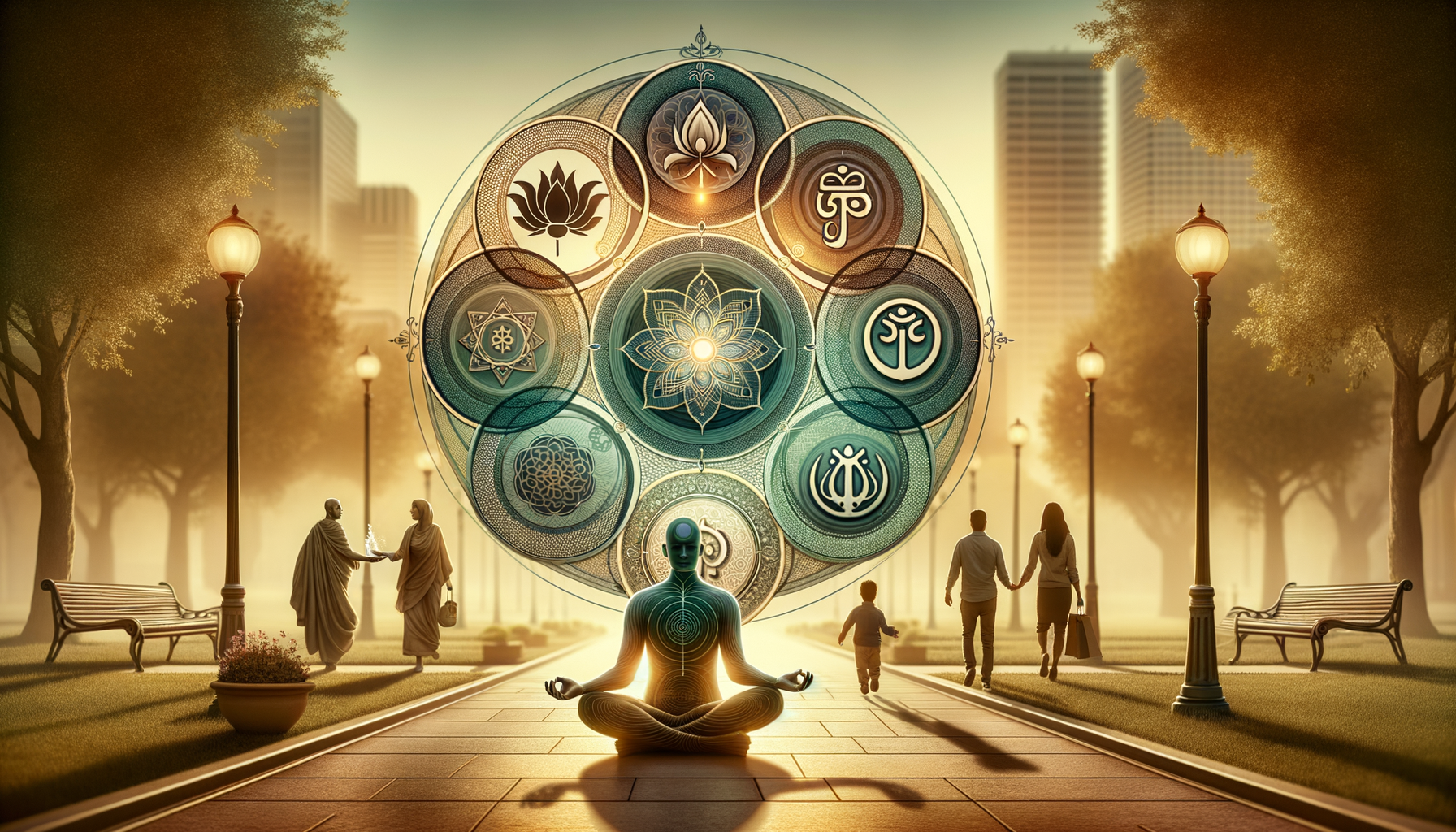
Living Liberation Now: Hindu Moksha (Jivanmukti) and Parallels in Buddhism, Jainism, Sikhism
Hindu thought presents moksha as jivanmuktiliberation achievable in this lifetimegrounded in the Upanishads and the Bhagavad Gita. This living freedom is described as a state beyond pleasure and pain, where equanimity and compassion guide daily action. Multiple pathwaysjnana, bhakti, karma, and raja yogaoffer complementary means to stabilize insight. The vision aligns with dharmic parallels: Buddhist…