
-
Moha and the Veil of Tamas: Understanding Delusion Across Dharmic Traditions

Moha, in Hindu philosophy, is a state of delusion tied to tamas, the guna of inertia and darkness, that obscures discernment and fosters ignorance or false knowledge. It narrows perception, encourages attachment to assumptions, and turns reactivity into a substitute for reflection. Within the framework of the gunas, rajas can intensify confusion, while sattva restores…
-
Awakening to a Living, Intelligent Universe: Dharma’s Cosmic Order vs Human Greed and Avidya

Hindu philosophy describes the universe as a living, intelligent reality governed by Rta or Dharma. This cosmic law sustains balance and harmony, shaping everything from galaxies to human thought. Parallel insights in Buddhism, Jainism, and Sikhismthrough Dhamma, Ahimsa, Aparigraha, and Hukamaffirm a shared moral order across dharmic traditions. When greed and Avidya prevail, ecological, social,…
-
Shiva–Parvati as Yin–Yang Archetypes: A Timeless Guide to Balance, Unity, and Grace
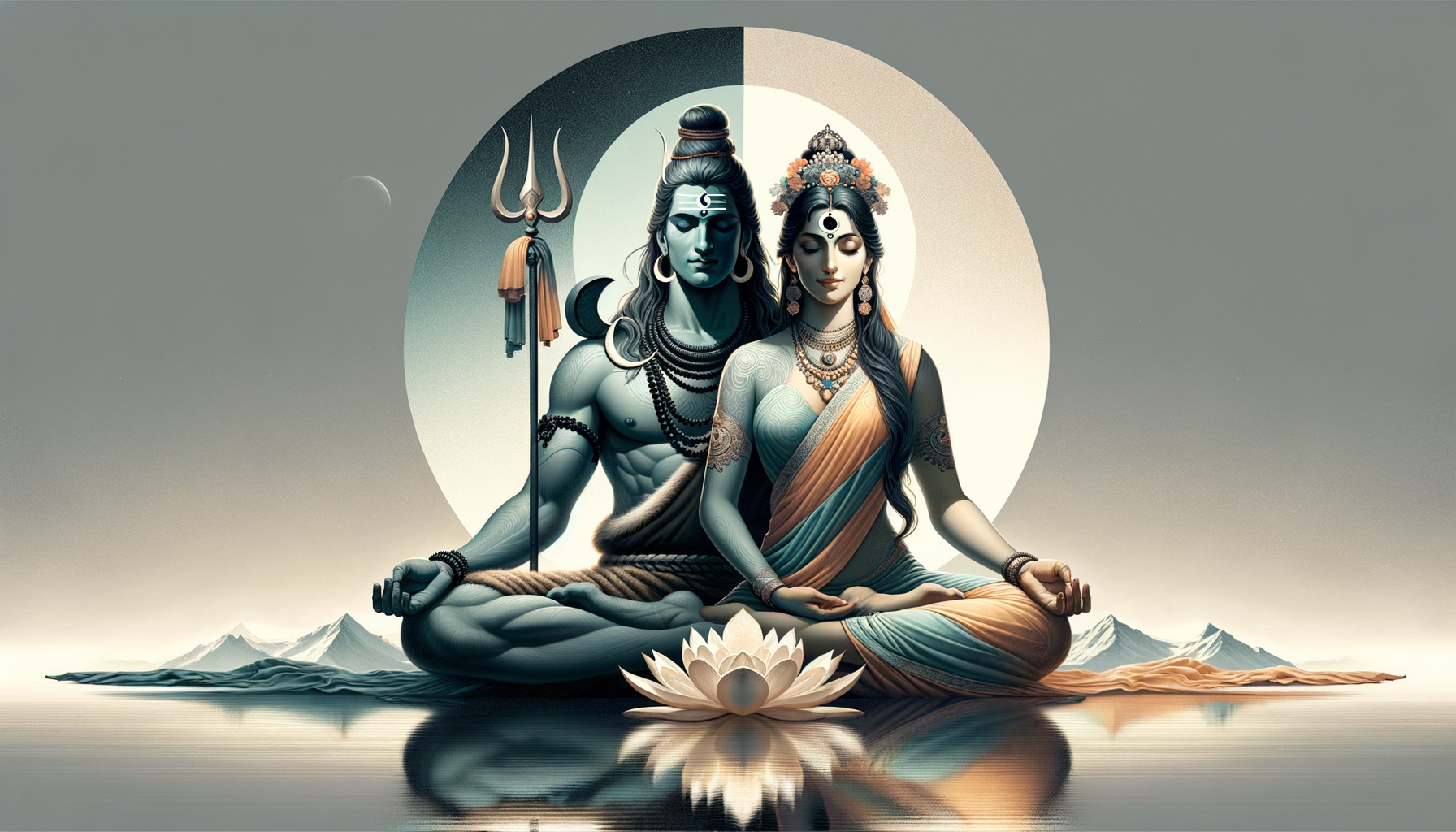
Shiva and Goddess Parvati embody a powerful archetype of complementary balance in Eastern philosophy, comparable to yin and yang. Their union models non-duality: awareness and energy co-arise to sustain harmony. The same insight appears across dharmic traditionsBuddhism’s Middle Way, Jainism’s Anekantavada, and Sikhism’s integration of temporal and spiritual lifeaffirming unity in spiritual diversity. Readers gain…
-
Ohio Honors Hindu Heritage Month: Nearly 20 City Proclamations and a State Proclamation

Ohio marked a standout October 2025 for Hindu Heritage Month, with nearly 20 city proclamations and a formal state proclamation from Governor Mike DeWine. The recognitions highlight the contributions of Hindu Americans across education, healthcare, engineering, business, and the arts. They also affirm core dharmic valuesdharma, compassion, inclusivity, and universal respectshared across Hinduism, Buddhism, Jainism,…
-
Speak Less, Hear More: Dharmic Wisdom on Silence, Empathy, and Transformative Communication

Modern life rewards loudness, yet dharmic wisdom teaches that silence and attentive listening create deeper connection, clearer thinking, and ethical speech. Hinduism’s shravana–manana–nididhyasana frames listening as a disciplined path to knowledge, complemented by the Gita’s guidance on truthful, beneficial, and gentle speech. Parallel insights in Buddhism, Jainism, and Sikhismnoble silence, anekantavada and samayik, and Suni-aiconverge…
-
Seven Daily Practices to Cultivate Wismad for Calm, Clarity, and Dharmic Unity
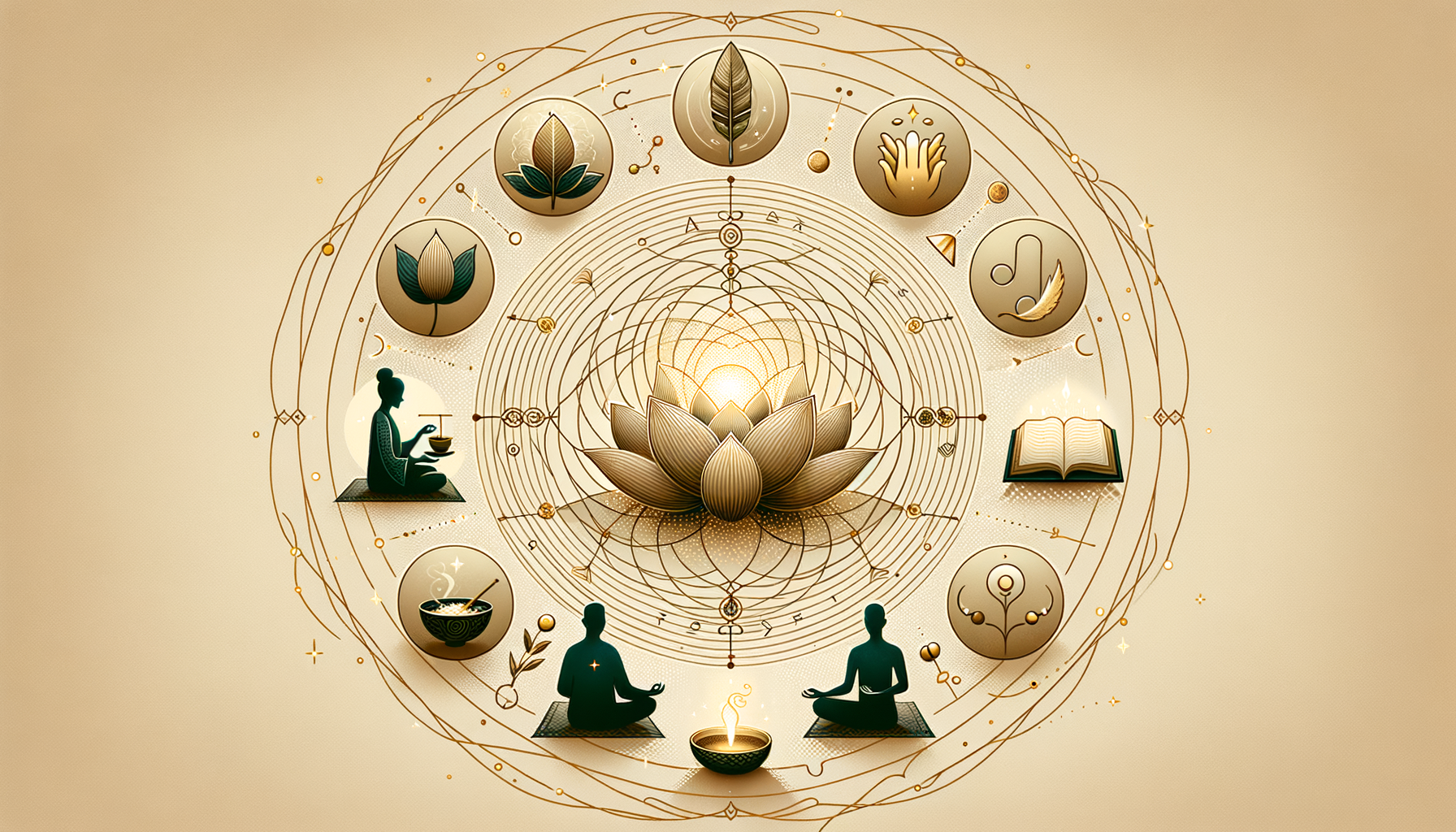
This guide presents seven daily practices to cultivate Wismadan awe-filled awareness recognized across Hinduism, Buddhism, Jainism, and Sikhism. It begins with simple breathwork to calm the nervous system and prepare the mind for ethical action. Short, contemplative study fosters humility and integrative understanding through Anekantavada. Compassion-in-action turns mindfulness into service, while mindful speech and listening…
-
योग साधना द्वारा जीवन विकास: Transform Daily Life with Practical Yoga, Calm, and Clarity

Yoga is often misunderstood as an ascetic pursuit, yet it serves as a practical method for everyday life development. Rooted in shared dharmic values, it unites Hindu, Buddhist, Jain, and Sikh perspectives through ethics, breath awareness, and meditation. A simple, consistent routinebrief asana, breathing techniques, and reflective practicebuilds emotional resilience and steady focus. Ethical principles…
-
Destiny vs. Free Will: How Karma and Choices Shape Our Future Across Dharmic Traditions

Is the future predetermined, or do choices genuinely shape outcomes? Drawing on Hinduism, Buddhism, Jainism, and Sikhism, this piece clarifies how karma names conditions from the past while puruṣārtha preserves present agency. The Bhagavad Gita’s Karma Yoga, Buddhism’s emphasis on intention, Jainism’s ethical discipline, and Sikhism’s balance of Hukam and effort converge on responsible freedom.…
-
When Harm Returns Home: Dharmic Wisdom on Ahimsa, Karma, and Inner Well-Being
The maxim “In injuring others you really injure yourself” expresses a shared dharmic truth: harm rebounds upon the doer through the natural interplay of karma and dharma. Across Hinduism, Buddhism, Jainism, and Sikhism, ahimsa, compassion, and seva sustain both inner calm and social trust. Practical experience confirms this lawhurtful conduct unsettles the mind, while ethical…
-
Beyond the Five Senses: Hinduism’s Profound Insight into Why Perception Misleads

Human perception is inherently limited, a point Hinduism has articulated for centuries and modern science increasingly affirms. The five indriyas capture only a fraction of reality, making errors of judgment likely without disciplined methods of knowing. Hindu epistemology balances pratyaksha (perception), anumana (inference), and shabda (authoritative testimony) to refine understanding. Concepts like Maya and Avidya…
-
Light and Shadow in the Heart: Dharmic Wisdom on Human Duality and Inner Harmony

Dharmic traditions view the human heart as a dynamic interplay of light and shadow, emphasizing growth through accountability rather than moral absolutism. Hindu scriptures describe the guṇas and the contrast of daivī and āsurī qualities, while the Upanishads situate clarity in the Self beyond mental fluctuation. Buddhism’s Middle Way, Jainism’s Anekantavada, and Sikh reflections on…
-
Paradox of Progress: Why Discontent and Violence Riseand Dharmic Ways to Peace

Scientific advancements have brought unprecedented capabilities, yet discontentment and violence continue to rise. This article interprets the paradox through a dharmic lens, highlighting avidyā, restless desire, and information overload as drivers of inner turmoil. It presents unifying insights from Hinduism, Buddhism, Jainism, and Sikhismdharma, ahiṁsā, karuṇā, and sewaas complementary solutions. Readers gain practical guidance in…
-
Naam, Daan, Ishnaan: A Transformative Threefold Path to Clarity, Compassion, and Calm

This reflection explores how Naam (attentive remembrance), Daan (ethical generosity), and Ishnaan (purification) form a practical threefold path across Hinduism, Buddhism, Jainism, and Sikhism. It shows how brief, consistent practicessuch as early-morning simran or japa, mindful ishnan, and everyday sevatranslate inner steadiness into social good. Readers learn accessible ways to integrate the triad into modern…
-
Dharma Beyond Black and White: Hindu Ethics Across Time, Circumstance, and Consequence

Hindu philosophy treats ethics as a disciplined, context-sensitive inquiry rather than a fixed rulebook. Grounded in dharma and guided by deśa–kāla–pātra, it balances intention, action, and consequence while honoring ahimsa, satya, svadharma, and lokasaṅgraha. Epic teachings from the Mahabharata and the Bhagavad Gita model how to act responsibly without attachment to outcomes. Parallels from Jain…
-
Beyond Attachment, Fear, and Anger: Dharmic Wisdom to Unblock Moral and Spiritual Growth

Hindu philosophy explains how attachment, fear, and anger undermine moral clarity and spiritual growth, and it offers precise remedies grounded in the Bhagavad Gita, the Upanishads, and classical yoga. Fearlessness, non-grasping, and disciplined attention are presented as practical virtues, not abstractions. Shared insights across Buddhism, Jainism, and Sikhism reinforce a unifying dharmic approach that transforms…
-
Seeds of Destiny: Conscious Choice and Liberation in Hindu Thought for Everyday Peace

This reflection presents a practical, unifying view of Hindu philosophy: the mind holds dormant seeds of every disposition, and conscious choice determines which ones grow. It explains samskara, vasana, and the gunas while showing how daily decisions shape karma and move life toward moksha. It connects the Bhagavad Gita’s self-mastery with actionable practicesbreath, japa, pratyahara,…
-
Rta and the Rhythm of Nature: A Dharmic Blueprint to Avert Humanity’s Collapse

Humanity stands at a civilizational crossroads: either realign with nature’s rhythm or accelerate ecological collapse. Hindu thought expresses this alignment as Rtathe cosmic order that sustains balancemanifested practically as Dharma. A dharmic ethic reframes sustainability as disciplined reciprocity with nature, not a slogan. Unity among Hinduism, Buddhism, Jainism, and Sikhism offers a coherent ecological blueprint…
-
Murugan Unveiled: Tamil Hero, Spiritual Harmony, and the Transformative Power of Thaipusam

This exploration presents Murugan as a timeless Tamil icon whose youthful vigor, compassion, and discernment inspire communities across the Dharmic world. It clarifies why reducing him to a mere “God of War” overlooks deeper theological meanings centered on wisdom and restoration. Readers discover how classical texts, especially the Tolkappiyam, ground his identity in the mountain…
-
Hinduism’s Fearless Quest for Truth: Rational Inquiry, Pluralism, and Dharmic Unity
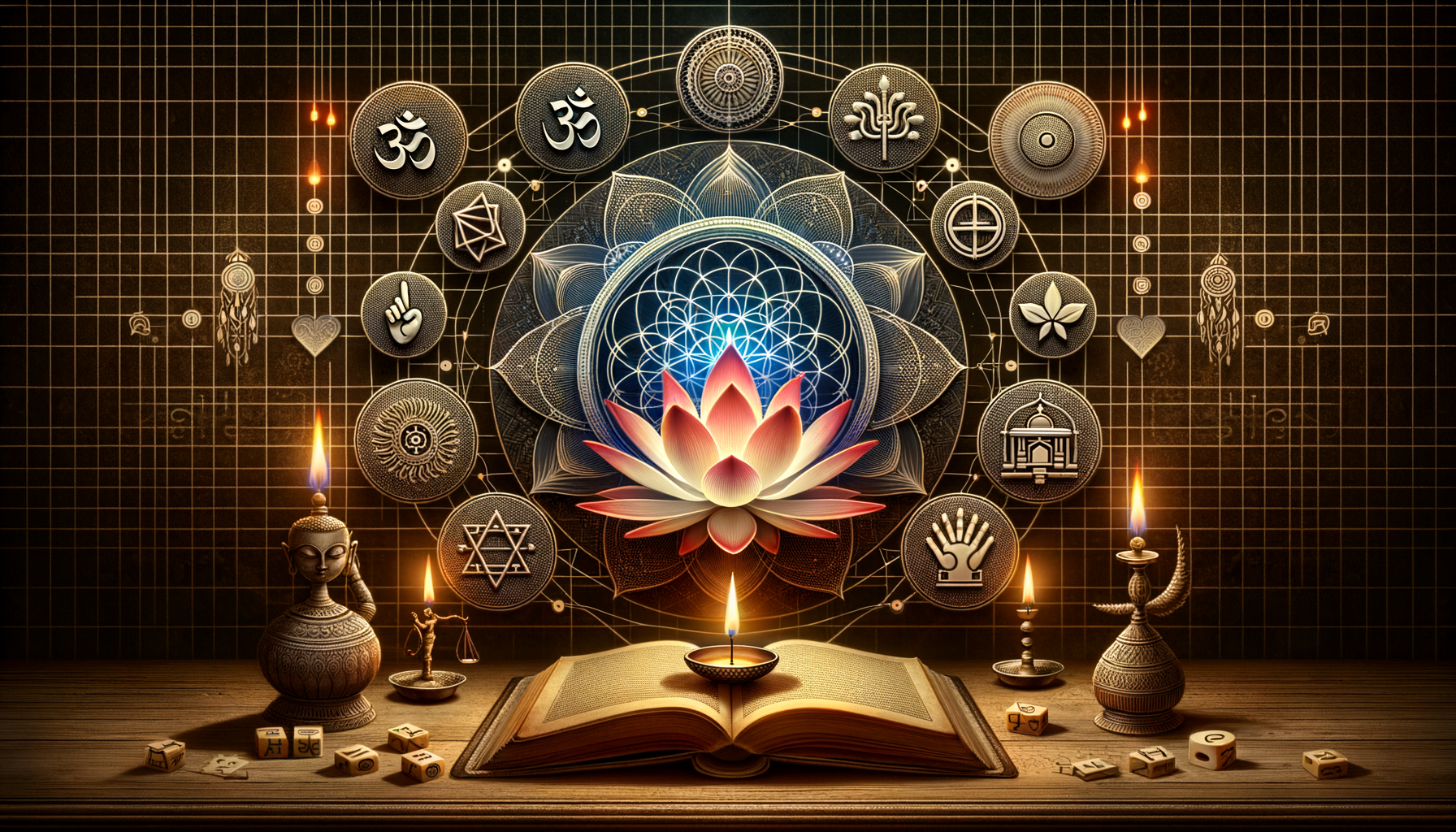
Hinduism champions a fearless quest for truth grounded in rational inquiry, from the Upanishads’ probing dialogues to the darshanas’ robust epistemology. Its knowledge systems assess claims through perception, inference, and reliable testimony, integrating rigorous method with experiential practice in yoga and meditation. The tradition’s shastrartha debates exemplify intellectual humility and accountability. In unity with Buddhism,…
-
Anyonyashraya Demystified: Avoid the Mutual Dependence Trap in Dharmic Reasoning
This article clarifies Anyonyashraya, the fallacy of mutual dependence, and distinguishes it from Anyonya Abhava (reciprocal negation) in Hindu philosophy. It explains how tarka (disciplined deliberation) exposes circular justification and safeguards sound reasoning. Everyday examples make the concept relatable and easier to spot in conversations and study. The discussion situates Anyonyashraya within Indian logic alongside…