
-
Holashtak 2026: Sacred 8‑Day Pause Before HoliExact Dates, Ritual Guidance, and Regional Traditions

Holashtak 2026 spans February 24 to March 3, marking an eight-day North Indian observance from Falgun Shukla Ashtami to Purnima during which auspicious functions are deferred. This academically grounded guide explains dates, tithi logic, and regional variations, and clarifies how Holika Dahan follows Purnima (after Bhadra) with color play anticipated the next day. It outlines…
-
Unmasking Myths: How Truly Enlightened Beings Live, Eat, and Speak Among Us

This essay dismantles the popular myth that enlightened beings must look or act extraordinary, showing instead how Dharmic traditions depict realization as profound normalcy. Drawing on Hindu philosophy, Buddhism, Jainism, and Sikhism, it clarifies how liberation expresses itself in everyday eating, speaking, working, and serving. It synthesizes concepts such as mokṣa, nirvāṇa, kaivalya, kevala-jñāna, and…
-
When Life Shatters the Script: Reframing Expectations, Grief, and Resilience with Dharmic Wisdom

Life scripts often feel reliable until an unpredictable event shatters the plan. This analysis follows a young widow’s experience to show how grief includes both the loss of a loved one and the collapse of anticipated futures. It explains why rigid expectations amplify suffering, drawing on cognitive science, bereavement research, and shared dharmic wisdom across…
-
Stop Chasing Happiness: Dharmic Science to Light the Inner Cave of Joy and Resilience

The dharmic saying “Seeking happiness outside is like waiting for sunshine inside a deep cave” captures a precise psychology of well-being common to Hinduism, Buddhism, Jainism, and Sikhism. Rather than promising joy through acquisition, these traditions direct attention to the hṛdaya-guhathe cave of the heartwhere clarity and resilience abide. Vedanta, the Yoga Sutra, Buddhist insight,…
-
Cultivating Contentment: Dharmic Pathways to Enduring Happiness and Inner Peace

This essay examines why contentment generates enduring happiness through a unified lens from Hinduism, Buddhism, Jainism, and Sikhism. It distinguishes short-lived pleasure (sukha) from abiding wellbeing (ananda) and situates santosha within Yoga philosophy and the Bhagavad Gita’s portrait of steady wisdom. It integrates Vedanta’s Pancha Kosha model, Buddhist mindfulness and equanimity, Jain ahimsa and aparigraha…
-
Beyond Possession: Timeless Dharmic Wisdom on Desire, Consumerism, and Inner Freedom

Consumer culture promises joy through acquisition, yet the thrill fades quickly. Dharmic traditions anticipated this pattern and offer rigorous, practical tools to transform desire into discernment. Drawing from the Bhagavad Gita, the Upanishads, the Yoga Sutra, Buddhist insight on craving, Jain vows of aparigraha, and Sikh practices of remembrance and sharing, this article explains why…
-
2,300 Miles of Mindfulness: The Transformative 108-Day Walk for Peace Across America
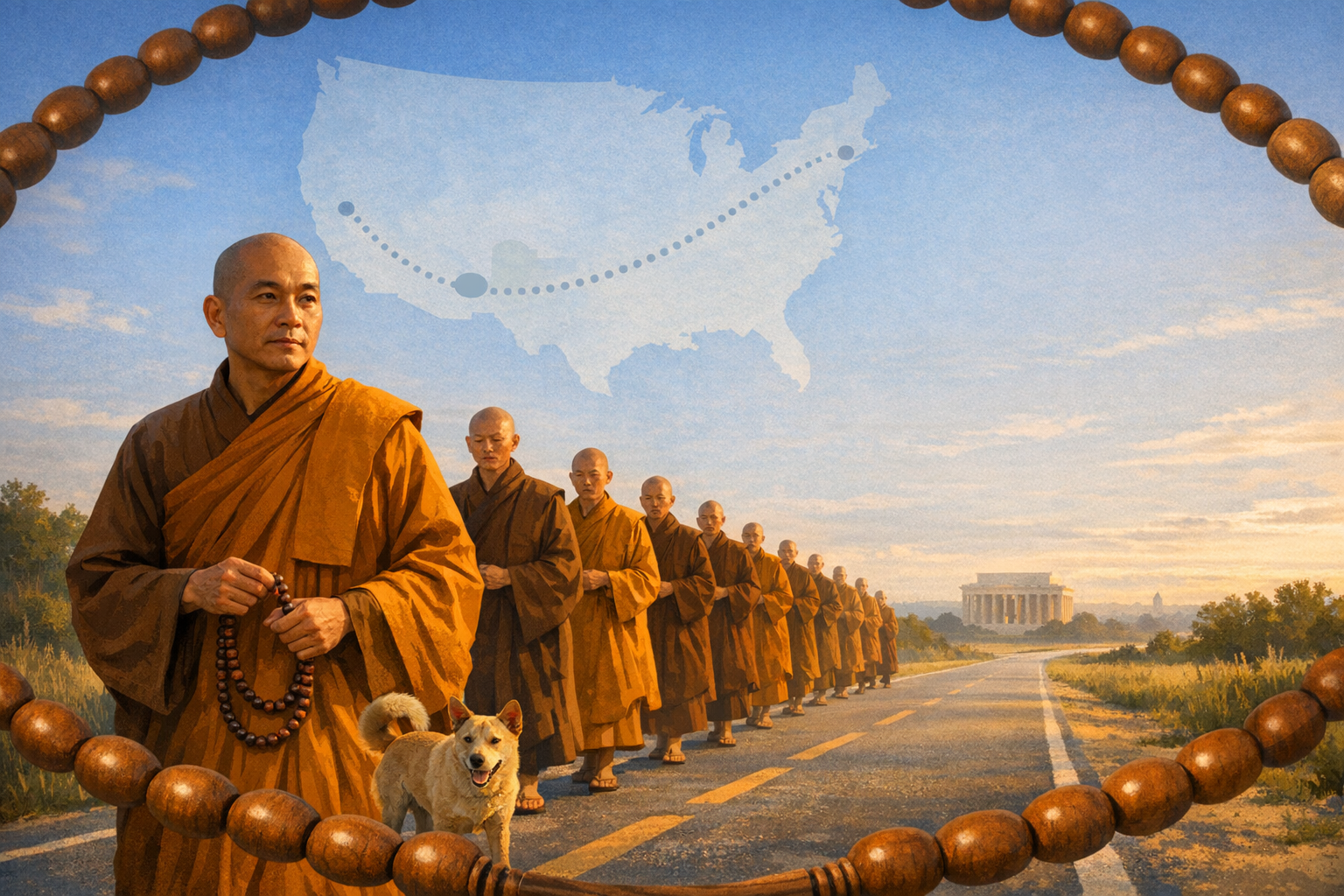
Nineteen Vietnamese Buddhist monks from Fort Worth completed a 108-day, 2,300-mile Walk for Peace to Washington, D.C., modeling compassion, nonviolence, and mindful presence across nine states. The journey’s 108-day design drew on a shared dharmic symbol of completeness, uniting Buddhist metta with Hindu ahimsa, Jain vows of non-harm, and Sikh seva. Public response centered on…
-
Timeless Dharmic Debate: From Vada to AnekantavadaA Fearless Path to Truth and Unity

Constructive, unbiased debate sits at the heart of Hindu philosophy as a disciplined path to knowledge and self-realization. Grounded in pramana theory and refined by Nyaya’s robust logic, classical shastrartha privileges clarity over conquest. The Upanishads, the Bhagavad-Gita’s samvada, and traditions across Buddhism, Jainism, and Sikhism model dialogue that is rigorous, ethical, and inclusive. Practices…
-
396th Birth Anniversary Tribute: Shivaji’s Compassion, Ecology, and Moral Courage for Dharmic Unity
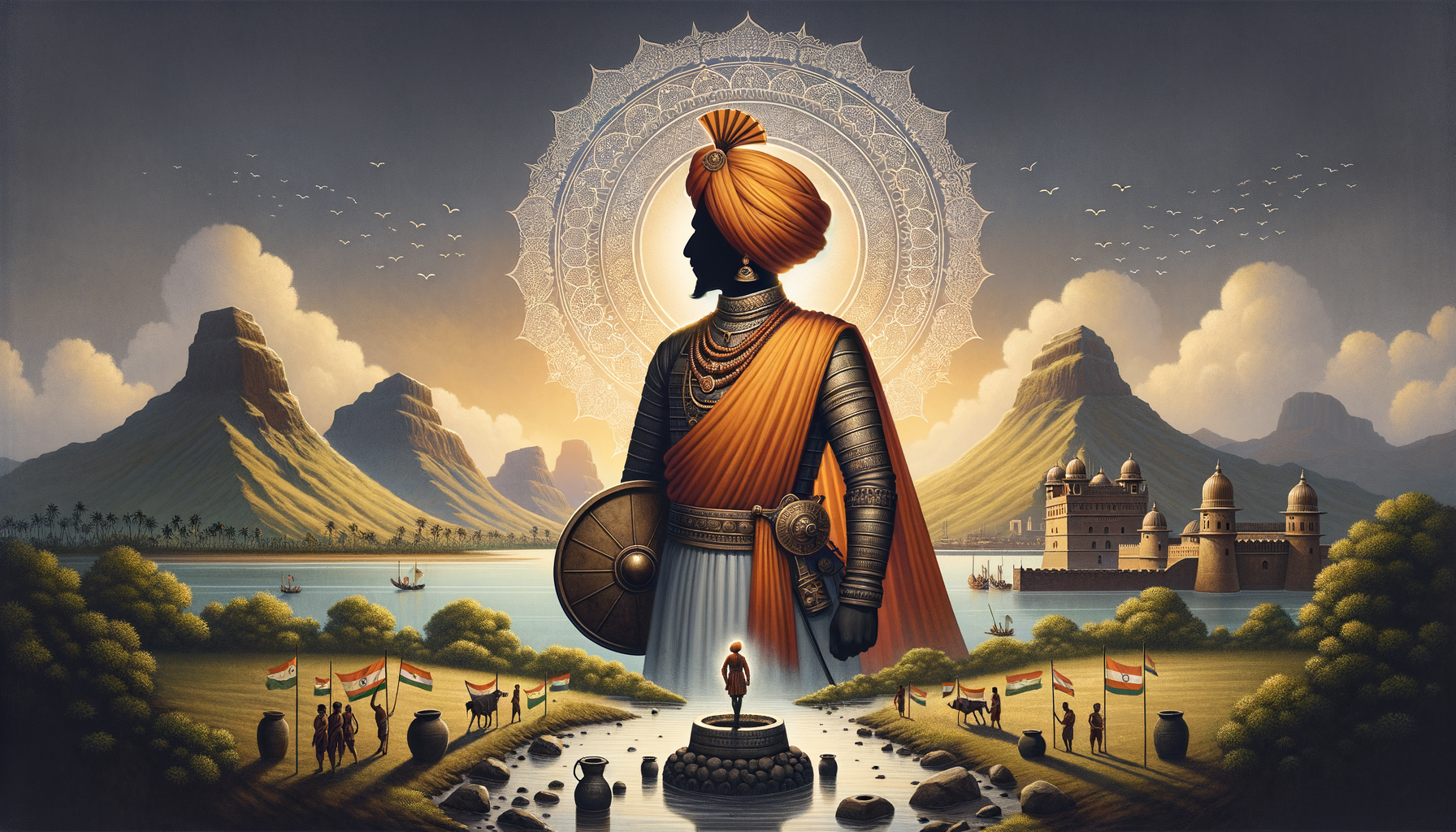
Commemorating the 396th birth anniversary of Chhatrapati Shivaji, this essay examines compassion, ecology, and moral courage as a coherent dharmic framework for governance and social harmony. It shows how ethical restraint toward non-combatants, plural endowments to sacred institutions, and climate-resilient fort design together model a humane and sustainable public ethic. Cross-dharmic resonances in ahimsa, karuṇā,…
-
Unbroken Sacred Bonds of Bharatavarsha: Living Sanatana Dharma and India’s Cultural Unity
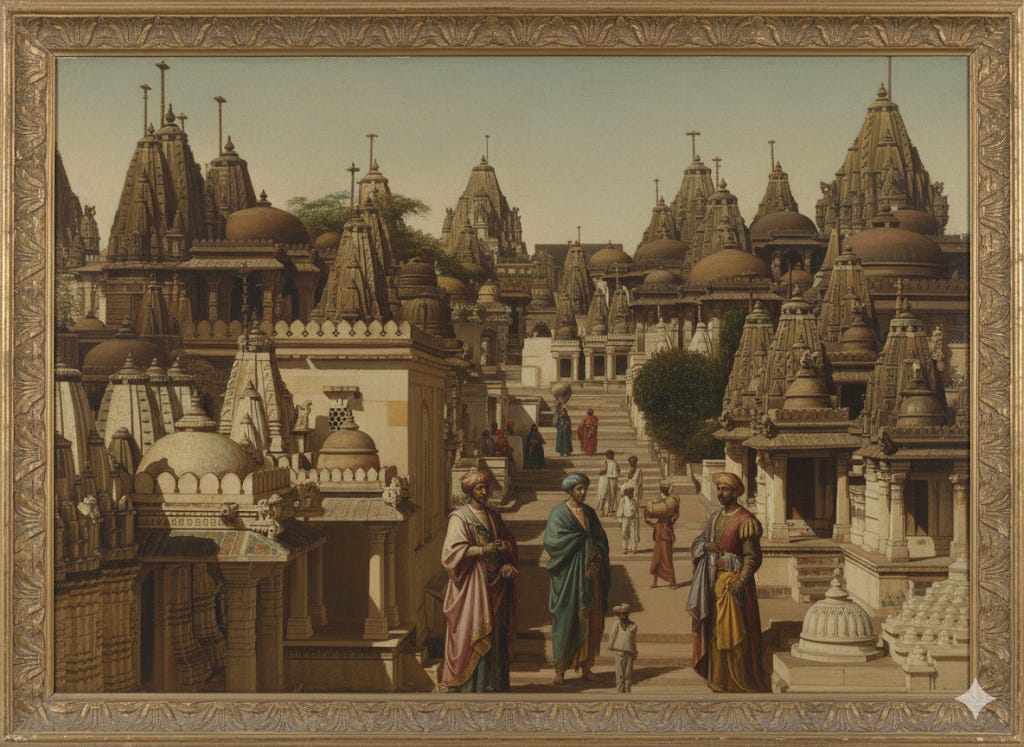
This essay examines how the cultural unity of Bharatavarsha endures through lived Sanatana Dharmawhere sacred geography, pilgrimage, arts, and scholarship weave Hindus, Buddhists, Jains, and Sikhs into a shared civilizational fabric. It highlights the continuing vitality of Adi Sankara’s mathas, Sanskrit-centered scholarly debate, and inclusive canons such as the Guru Granth Sahib. It traces interregional…
-
Sacred Sharing Before Eating: Remembering Dharmic Food Sanctity and Everyday Generosity

This reflective essay examines the Indian discipline of food sanctity, where households once set aside portions for a cow, ants or crows, a dog, and the Gurudvara before eating. It explores how these practices, rooted in the Hindu way of life and echoed across Sikh, Jain, and Buddhist traditions, framed eating as a moral act…
-
Karya Karana Bhava: Unveiling Causality’s Power Across Dharmic Wisdom Traditions
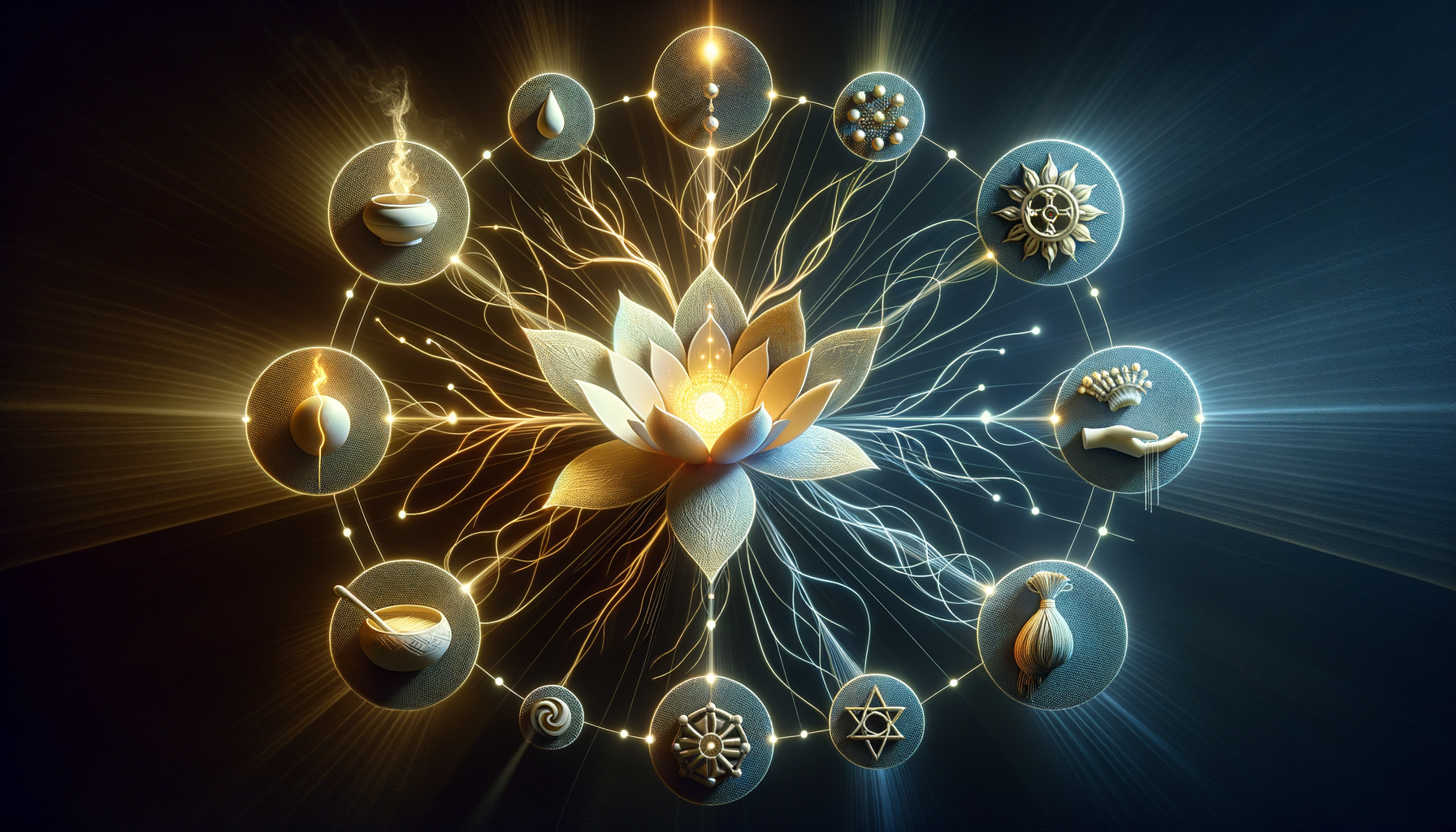
Karya Karana Bhavathe principle of cause and effectoffers a clear lens for understanding reality, ethics, and spiritual growth in Hinduism. Grounded in the Vedas and Upanishads and refined by Samkhya, Nyaya, and Vedanta, it clarifies how choices shape outcomes through karma and disciplined practice. Everyday examples show how patience, consistency, and seva produce meaningful effects,…
-
Be Brave, Live to Give: Global ISKCON 2025 Celebration Powering the Prabhupada Marathon
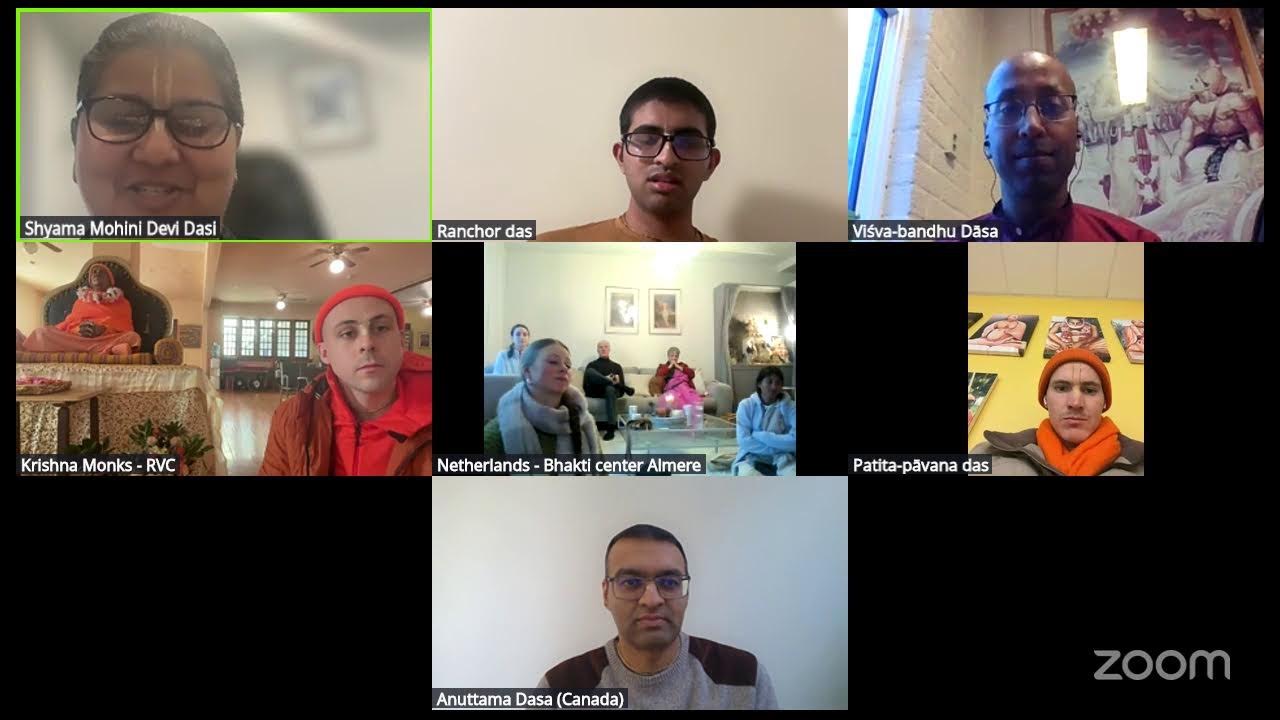
The Be Brave! Live to Give 2025 Celebration brought ISKCON leaders and devotees together online to share outcomes from the 2025–2026 “Live to Give” campaign centered on distributing Bhagavad Gita As It Is. Presentations combined metrics with field insights, including a notable report from Africa: 10 countries distributing 15,189 Bhagavad Gitas. The program emphasized disciplined…
-
A Path to Truthful Living: A Transformative Review on Satya, Dharma, and Dharmic Unity
A Path to Truthful Living offers a rigorous yet accessible guide to satya as a daily practice, linking truthful speech to ahimsa and disciplined self-mastery. Readers gain a comparative understanding of Hindu, Buddhist, Jain, and Sikh perspectives, with an emphasis on unity in spiritual diversity and religious pluralism. Practical methodsmindfulness, meditation, samayik, simran, and reflective…
-
Karya in Hindu Thought: How Actions Shape Destiny, Ethics, and Liberation

Karya, derived from the Sanskrit root “kr” (to act), encapsulates “that which is done” and unites Hindu philosophy, ethics, and daily practice. It connects intention with outcome across traditionsfrom Sāṅkhya’s satkāryavāda and Nyāya’s causal clarity to Mīmāṁsā’s duty and Vedanta’s purifying karma yoga. The Bhagavad Gita’s “kāryam karma” frames action as an obligation performed without…
-
Impermanence and Human Bonds: Hindu Wisdom on Loving, Letting Go, and Lasting Peace

Hinduism teachesmost explicitly in the Yoga Vasishtathat all human associations are impermanent, a truth that clarifies how to love without clinging. Recognizing anitya (impermanence) reframes loss, softens attachment, and supports ethical, compassionate action in relationships. This perspective aligns with the dharmic insights of Buddhism (anicca), Jainism (anitya), and Sikh wisdom on hukam and seva, highlighting…
-
Sacred Sunday in Mumbai: Powerful Temple Itinerary for Peace, Heritage, and Harmony

A Sunday pilgrimage in Mumbai can be both restorative and culturally rich, weaving together sacred stops across Hindu, Buddhist, Jain, and Sikh traditions. Starting at Siddhivinayak Temple sets a contemplative tone, while Mahalakshmi, Babulnath, Walkeshwar-Banganga, and Mumbadevi deepen engagement with the city’s spiritual heritage. The Jain temple near Malabar Hill highlights Ahimsa and architectural beauty,…
-
Before the Particle Accelerator: Soviet Science, atma, and a Profound Dharmic Convergence

A quiet moment before a Soviet-era particle accelerator crystallizes a core insight: the most decisive forces in life are often unseen. This reflection connects modern physics with dharmic inquiry into atma, showing how both rely on disciplined methods to infer what cannot be directly observed. Hindu philosophy and Vedanta, Buddhism’s process-oriented view, Jainism’s jiva and…
-
Jnana as Eternal Light: How Sacred Knowledge Unites Hindu, Buddhist, Jain, Sikh Paths

This essay presents jnana as the eternal light central to Hindu wisdom while connecting it with prajna in Buddhism, kevala-jnana in Jainism, and gyaan in Sikhism. It clarifies how knowledge in the Upanishads and Bhagavad Gita is transformative rather than merely intellectual, aligning atman with Brahman. Readers gain practical guidancesvadhyaya, dhyana, seva, satsangafor integrating insight…
-
Escape and Evasion: Riveting Lessons in Resilience, Dharma, and Inner Strength Under Fire

This analysis presents a survival narrative as a disciplined study in Resilience, dharma, and ethical clarity. It demonstrates how Mindfulness stabilizes decision-making under threat and how restraint aligned with Ahimsa reduces harm. Readers gain practical toolscalm-start breathing, multi-route planning, discreet coordination, and de-escalationthat improve outcomes without compromising integrity. The account highlights social trust and community…