
-
Losing Sight, Gaining Insight: A Filmmaker’s Path Through Blindness to Meaning

This reflective account presents a clear, practical path through vision loss by showing how accessibility tools, mindful pedagogy, and deliberate writing practices preserve creativity and purpose. Readers learn how macular degeneration reshapes daily life in a vision-centric, digital age and why accessible design is essential for inclusion. The narrative integrates dharmic perspectives from Buddhism, Hinduism,…
-
If Something Changes Your Life, Let It: Dharmic Wisdom to Cultivate Resilience and Grace

The reflection “If something changes your life, let it” expresses a core dharmic insight shared by Hinduism, Buddhism, Jainism, and Sikhism: change, met with discernment and non-attachment, catalyzes spiritual growth. Drawing from the Bhagavad Gita, Patanjali’s Yoga Sutra, anicca, Anekantavada, Hukam, and Chardi Kala, the post outlines a practical pathpause, breathe, discern, act ethically, reflectto…
-
Love Those Who Lift You, Forgive Those Who Hurt: Dharmic Wisdom for Resilient Living

This article explores the dharmic wisdom behind the maxim “Love the people who treat you right, forgive the ones who don’t.” It clarifies how loving support builds sattva, while forgiveness safeguards inner peace without excusing harm. The analysis balances compassion with justice, showing how Dharma requires both accountability and kṣamā. Cross-tradition parallels in Buddhism, Jainism,…
-
Padma’s Sacred Power: How the Divine Lotus Unites Hindu, Buddhist, Sikh, and Jain Paths
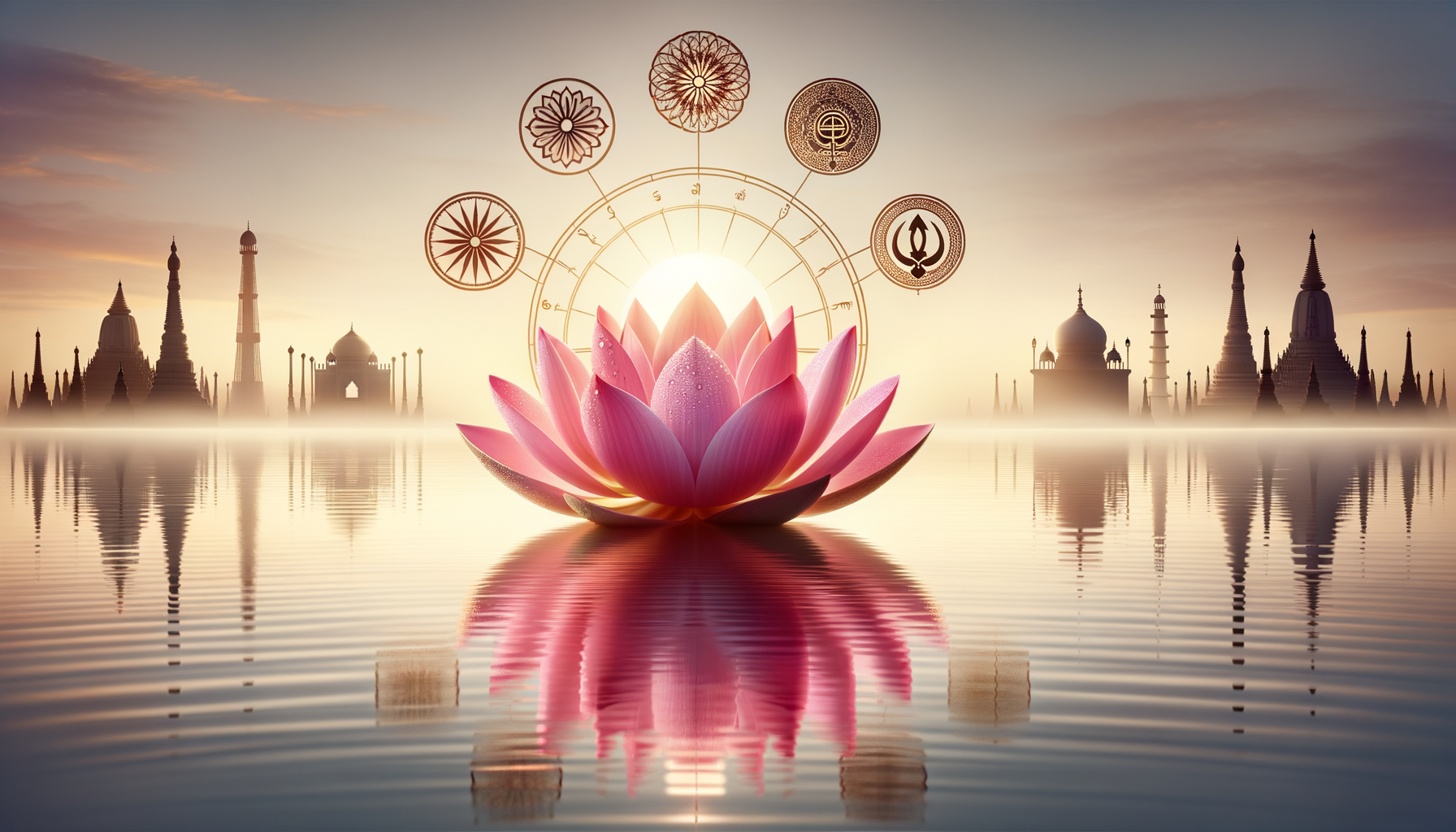
Padma, the divine lotus, is a shared sacred symbol across Hinduism, Buddhism, Sikhism, and Jainism that embodies purity, resilience, and spiritual awakening. In Hindu practice, it serves as the seat of Mata Lakshmi Devi and is offered in puja to Lord Vishnu and Ma Lakshmi, signifying prosperity and auspiciousness. Buddhist teachings present the lotus as…
-
Lagna and the 1st House Explained: A Transformative Guide to the Ascendant in Vedic Astrology

Lagna (Ascendant) is the Vedic astrology anchor of the 1st House, linking the soul’s entry into life with identity, vitality, and direction. Classical guidance, including Sarvartha Chintamani (II.5), affirms that a house gains strength when occupied by its own lordan insight crucial for interpreting Lagna. Assessing dignity, aspects, Shadbala, and vargas (notably Navamsa) clarifies health…
-
Arjuna’s Battlefield Anxiety: A Timeless Guide to Dharma, Mental Resilience, and Action

The Bhagavad Gita’s opening presents Arjuna in acute distresstrembling, disoriented, and morally tornoffering a precise portrait of battlefield anxiety. Rather than pathologizing, the text frames his vishada as the starting point for ethical clarity and inner steadiness. Krishna’s counsel models a pragmatic sequence: reframing, values-based duty, equanimity, breath regulation, and focused attention. These principles map…
-
Enlightenment Demystified: Clear Signs, One Essence, and a Unified Dharmic Path to Peace

Across Hinduism, Buddhism, Jainism, and Sikhism, realization is singular while pedagogical stages vary. Signs of enlightenment commonly include steady equanimity, spontaneous compassion, ethical ease, and a quieting of egoic narratives. Emptiness (śūnyatā) is one essence taught for different purposes, dissolving clinging and opening fearless presence. Traditions use diverse skillful meansethics, meditation, devotion, and insightto mature…
-
Breaking the Invisible Prison of Shyness: A Dharmic Path to Courage, Presence, and Freedom

Shyness can operate as an invisible prison built from hesitation and self-consciousness, yet its walls are made of thought, not stone. Drawing on Buddhist principles of dependent origination and non-attachment, and aligned with dharmic wisdom across Hinduism, Jainism, and Sikhism, this reflection reframes fear through Mindfulness and Compassion. A vivid eighth-grade memory of avoidance contrasts…
-
Right Thinking, Real Change: Hindu Dharma’s Timeless Tools to Transform Self and Society

Ancient Hindu wisdom teaches that the quality of thoughts shapes realityan insight echoed across the Bhagavad Gita, the Upanishads, and yogic psychology. This post outlines practical tools such as mindfulness, breath awareness, and values-aligned intention to cultivate clarity and compassion. It highlights how right thinking extends beyond personal wellness to strengthen social trust and community…
-
Rajasthan’s Anti-Conversion Law: Prior Permission, Ghar-Wapsi, and Religious Freedom

Rajasthan’s anti-conversion law requires prior Government permission for any change of religion, while exempting ‘ghar wapsi’a return to one’s original faith. The policy distinguishes new affiliation from reversion, aligning the latter with continuity of identity. For families, the process encourages clarity and documentation, while institutions may benefit from greater transparency. Reactions vary: some see safeguards,…
-
Why Materialism Fuels Endless Anxiety: Hindu Wisdom on Desire, Aparigraha, and Peace

Hindu wisdom explains why unchecked materialism intensifies anxiety by fueling attachment and craving. It reframes prosperity within dharma so possessions serve purpose rather than define identity. Aparigraha, shared across Hinduism, Buddhism, Jainism, and Sikhism through allied principles like santokh and dana, offers a practical antidote to compulsive desire. Readers gain a clear model for balancing…
-
Spiritually Rich, Politically Vulnerable: Why India Fell to British Ruleand Rose United

This analysis examines why a spiritually rich India became vulnerable to British Colonial Rule while preserving civilizational continuity. Drawing on Sri Sri Ravi Shankar’s cyclical metaphor of the seasons, it situates conquest within broader structural forcesEast India Company strategy, technological-military advantage, and administrative codification. It highlights how dharmic traditionsHinduism, Buddhism, Jainism, and Sikhismsustained social cohesion…
-
Unshakable Calm: Hindu Wisdom for Emotional Resilience and Inner Peace Under Pressure
Hindu philosophy teaches that true success rests on composure, especially in moments of emotional turmoil. The Bhagavad Gita urges steadiness amid joy and sorrow, aligning inner balance with ethical, effective action. The Upanishads guide attention to the witnessing self, recommending practices like prāṇāyāma, dhyāna, and svādhyāya to cultivate inner peace. Parallel insights in Buddhism (upekkhā),…
-
Essential Dharma of Food: Proven Paths to Transform Waste into Seva and Nourish Every Devotee

Lavish feasts and nearby hunger reveal a logistical, not theological, gap in food distribution. Drawing on annadanam, langar, dāna, ahimsa, and aparigraha, this piece outlines a unified dharmic ethic for equitable nourishment. It presents proven, low-friction strategiesdata-informed meal planning, staggered serving windows, mobile distribution, and interfaith Community kitchensthat reduce waste and expand access. Governance tools…
-
Master Free Expression with Satya: Essential Dharmic Wisdom to Walk Away Gracefully

This article presents a Dharmic framework for ethical expression grounded in Satya (truth) and Ahimsa (non-harm). Drawing from the Bhagavad Gita, Upanishads, Buddhist Right Speech, Jain Anekantavada, and Sikh emphasis on Sach, it outlines when to speak and when to step away. Readers learn a practical testkāla, deśa, pātrato judge timing, setting, and audience before…
-
Natural Calamities and Karma: Essential Guide to Time, Place, and Compassionate Action

Do natural calamities happen because people share the same karma, or because of the qualities of a place and time? This analysis explains how dharmic traditions view causality through multiple lenses: individual, family, community, and the karma of deśa–kāla. It clarifies that these perspectives complement scientific explanations of geophysical and climatic processes rather than replace…
-
Master the Wandering Mind: A Complete Guide to Detachment from the Fickle Material World

The material world attracts yet never fully satisfies, a pattern that keeps the mind wandering from one stimulus to the next. This article presents a complete, unifying guiderooted in Hindu Dharma, Buddhism, Jainism, and Sikhismto understand impermanence and develop detachment without withdrawal. Readers discover practical methods such as breath awareness, pratyahara, dhyana, Aparigraha, Naam Simran,…
-
Born Bad or Made Bad? Discover a Complete, Evidence‑Based Guide to Evil in Dharmic Thought

The everyday debateborn bad or made badfinds a nuanced resolution in Dharmic thought. Hindu philosophy integrates guṇas, karma, and saṁskāras with the formative power of culture and community. Buddhism explains harmful actions through dependent origination, making transformation possible via ethics, meditation, and wisdom. Jain Anekantavada reframes blame by recognizing many-sided causes while prioritizing ahimsa and…
-
The Complete Vrātya-stōma Guide: How Schopenhauer, Emerson, Elst, Frawley Embraced Sanatana Dharma
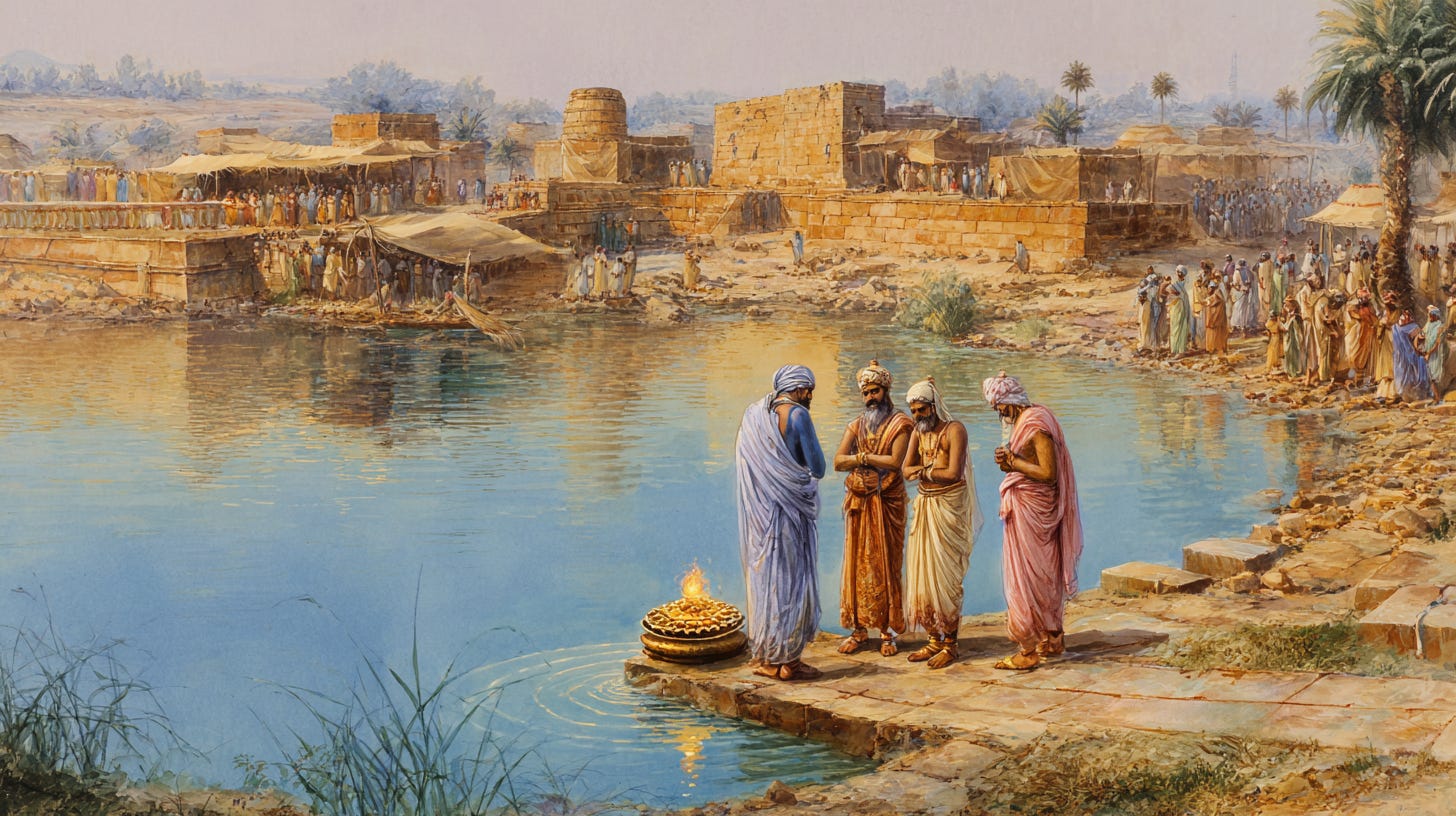
Vrātya-stōma, a Vedic rite of reintegration, serves as a compelling symbol of Sanatana Dharma’s inclusive ethos. This article traces how Western thinkersSchopenhauer, Emerson, Elst, and Frawleyengaged the Upanishads, the Bhagavad Gita, and Vedanta to enrich global philosophical discourse. Readers will discover how dharmic principles such as ahimsa, yoga, and meditation support unity across Hinduism, Buddhism,…
-
Discover the Essential Cosmic Timeline: Yugas, Kalpas, and the Sankalpa Mantra Today

A classic episode from Tripura Rahasya opens a window onto an Indic intuition: time unfolds at multiple scales beyond everyday perception. This article traces how that vision is kept alive through the Sankalpa Mantra, which timestamps ritual actions within Brahma’s day, the current Kalpa, Manvantara, and Kali Yuga. Readers gain a clear, structured overview of…