
-
On Narasimha Jayanti: Lord Nrsimhadeva’s Fierce Compassion, Iconography, and Dharma’s Triumph
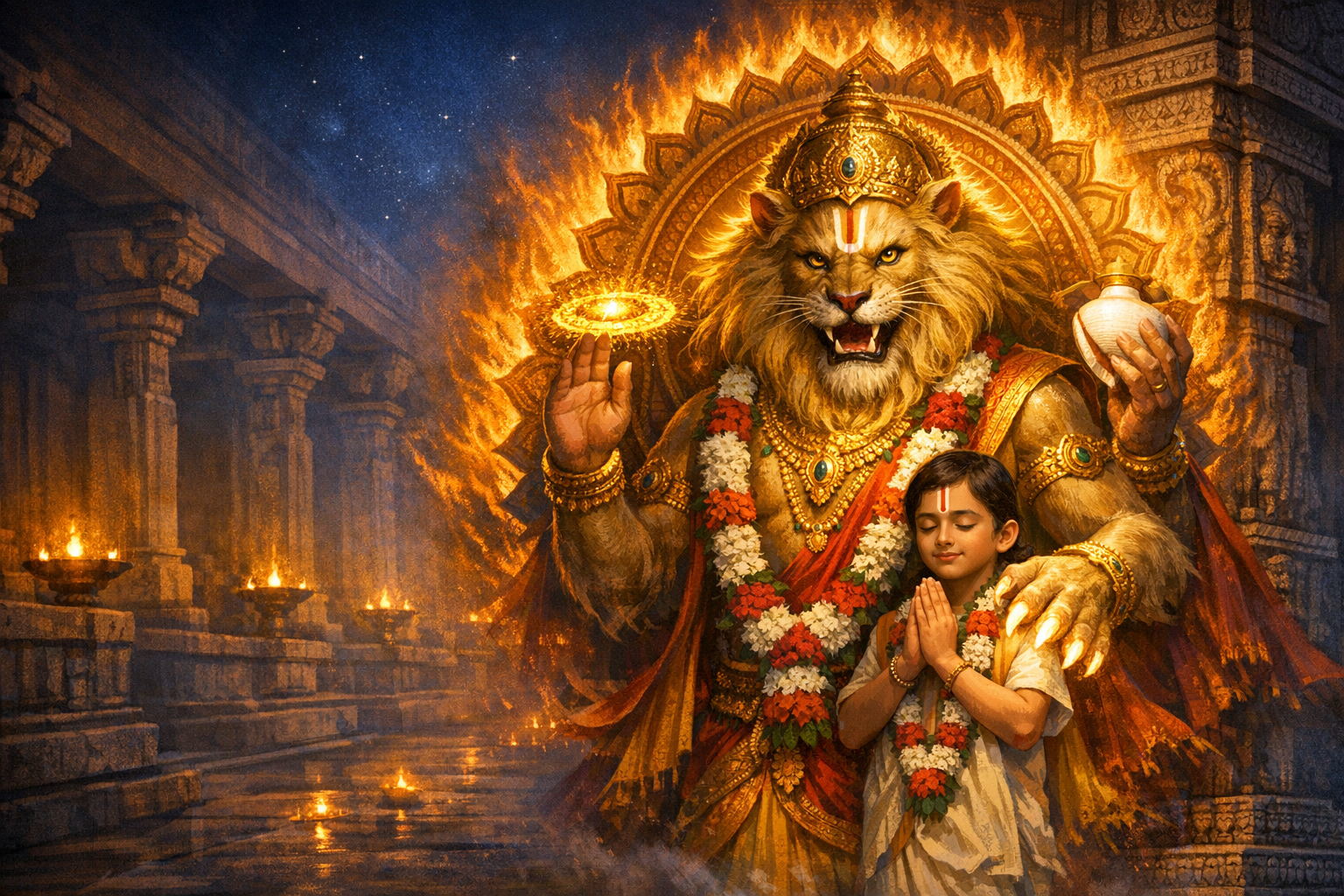
Narasimha Jayanti honors Lord Nrsimhadeva as fierce compassion in actionprotection deployed solely to restore Dharma. This article grounds the observance in the Bhagavata Purana (7.8.30–31), unpacks the lion–elephant imagery as a classical sign of moral restoration, and explains how the avatara’s liminal form answers absolutist violence without becoming absolutist. It surveys major iconographic forms (Ugra,…
-
Fierce Compassion on Narasimha Caturdashi: Dharma’s Triumph, Prahlada’s Faith, Rituals and Meaning
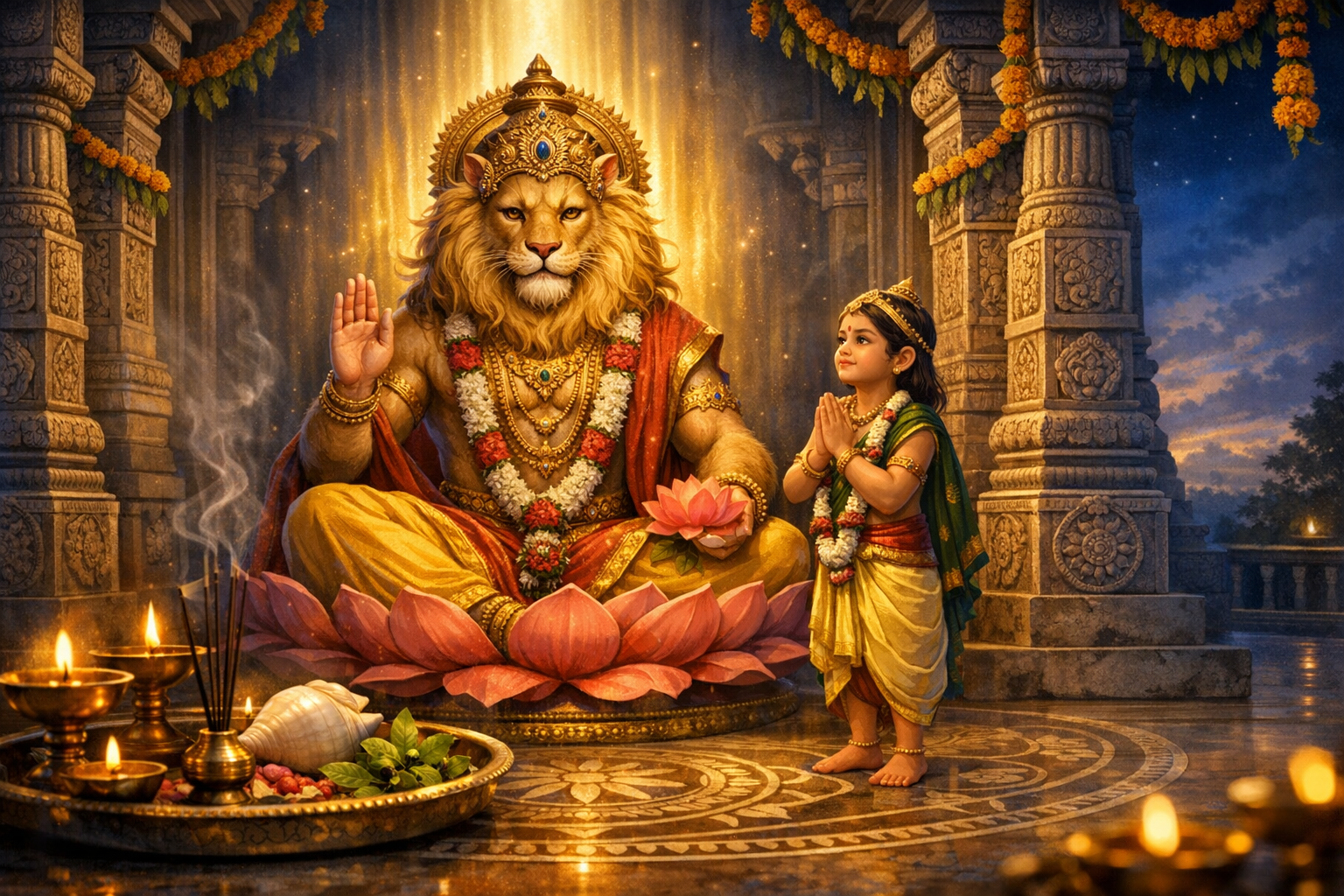
Narasimha Caturdashi (Narasimha Jayanti) commemorates the man-lion avatara of Vishnu who restores dharma while protecting steadfast devotees, as outlined in the Bhagavad-gita’s verses on divine intervention. The Prahlada narrative from the Bhagavata Purana illustrates unwavering bhakti in the face of authoritarian suppression, framed not as sectarian conflict but as a timeless lesson in ethical resilience.…
-
Narasimha Iconography Decoded: Forms, Symbols, and Sacred Meanings in Hindu Temple Art

This long-form guide decodes the iconography of NarasimhaHinduism’s half-lion, half-man avatar of Vishnuacross textual sources, temple sculpture, and living ritual. It details the major forms (Ugra/Kevala, Lakshmi-Narasimha, Yoga-Narasimha, Jvala/Krodha), their attributes and mudras, and how Shilpa Shastras and Agamas govern measurements and aesthetics. Readers learn to recognize narrative panels (pillar-theophany, twilight justice) and to interpret…
-
Pancharatra Demystified: Vishnu’s Chaturvyuha and the Four Divine Manifestations Explained
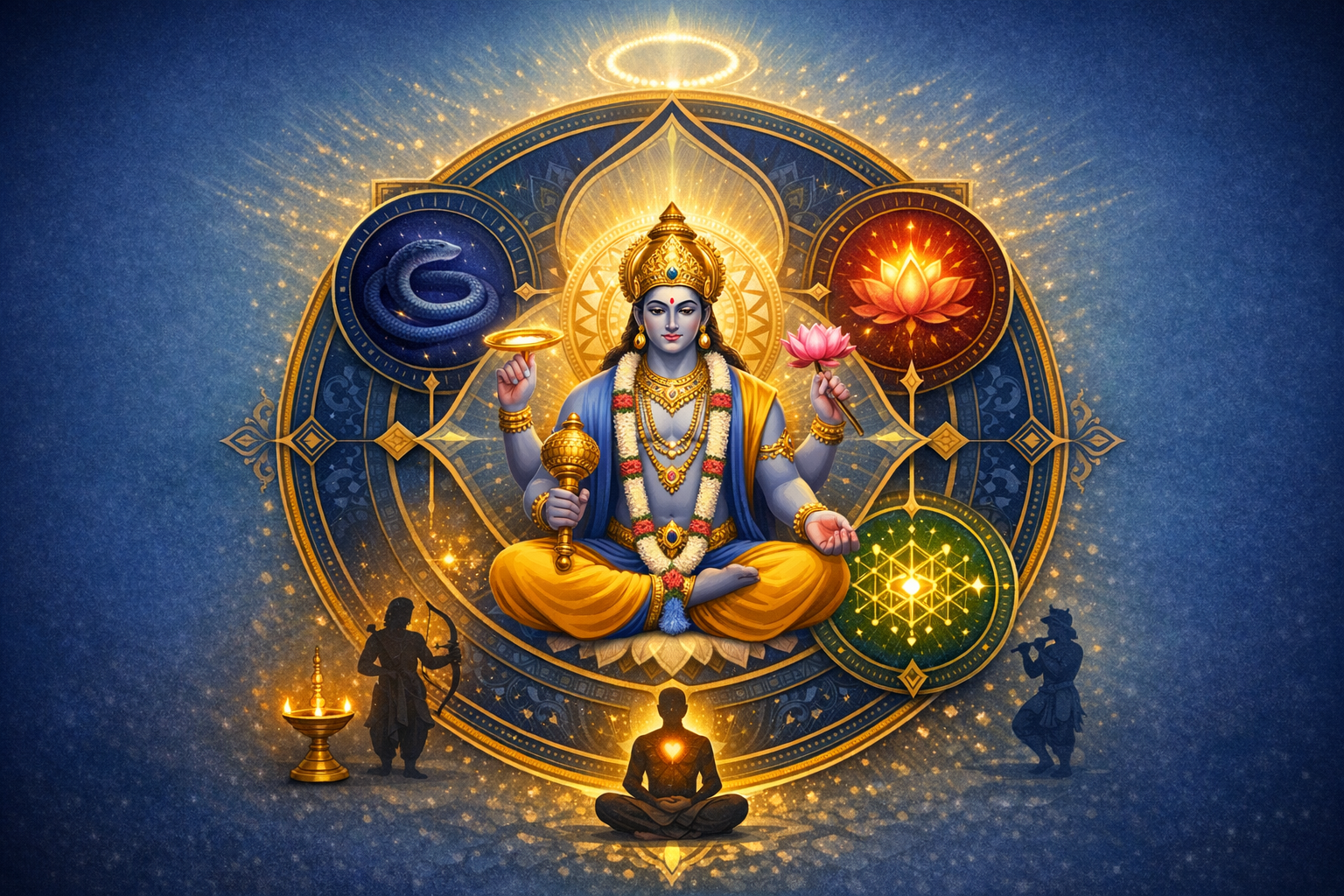
The Pancharatra–Bhagavata tradition presents a clear fourfold framework for how Vishnu–Narayana manifests: Para (transcendent Supreme), Vyuha (emanational expansions), Vibhava (incarnations), and Antaryāmin (indwelling presence). Within Vyuha, the famed ChaturvyuhaVāsudeva, Saṅkarṣaṇa, Pradyumna, and Aniruddhaorganizes divine functions, qualities, and cosmology with remarkable precision. This guide explains how the six perfections (jñāna, aiśvarya, śakti, bala, vīrya, tejas) are…
-
Maharshi Shukadeva (Shuka Muni): The Fearless Sage Who Voiced the Bhagavata Purana

Sage Śukaknown as Maharshi Shukadeva, Shuka Muni, and Shuka Brahmais celebrated as the realized narrator of the Bhagavata Purana and the son of Veda Vyasa. Classical sources, including the Mahabharata and Puranas, portray him as the archetypal paramahamsa who unites jñāna, bhakti, and vairāgya. His seven-day discourse (saptāha) to King Parikshit distills creation, avatāra theology,…
-
Narada Jayanti 2026: Date, Tithi, Puja Vidhi and Devarshi Narada’s Timeless Legacy

Narada Jayanti 2026, the birth anniversary of Devarshi Narada, falls on May 2 and is observed on Vaishakha bahula Pratipada/Jyeshta Krishna Paksha Pratipada. Grounded in the tithi system of Hindu astronomy, the date can vary by time zone, making a local Panchang essential. The day honors Narada’s multidimensional legacyas Brahma Manasa Putra, master of sacred…
-
Modern Love, Ancient Bhakti: How Krishna’s Wisdom Transforms Youthful Desire into Dharma

This article reframes the turbulence of modern romance through Krishna-centered bhakti, showing how desire (kāma) matures into expansive love (prema) when guided by dharma. Drawing on the Bhagavad Gita and Srimad Bhagavata Purana, it explains the cognitive arc of attachment and offers a practical sequenceśravaṇa, kīrtana, smaraṇa, and sevāto steady attention, study, and relationships. Yoga’s…
-
Krishna as the Highest Pleasure: Evidence-Based Insights and Dharmic Practices for Joy

The name Krishna is traditionally associated with paramānandathe highest pleasurelinking sacred sound to a complete philosophy of enduring happiness. Drawing on the Upaniṣads, the Bhagavad Gita, and the Bhagavata Purana, this analysis explains how fleeting, sense-based sukha differs from stable spiritual joy, and why cultivating a “higher taste” transforms desire rather than suppresses it. Navadha-bhakti,…
-
Mohini Ekadashi Vrat Katha: Purana Story, Ritual Rules, and Deep Spiritual Benefits
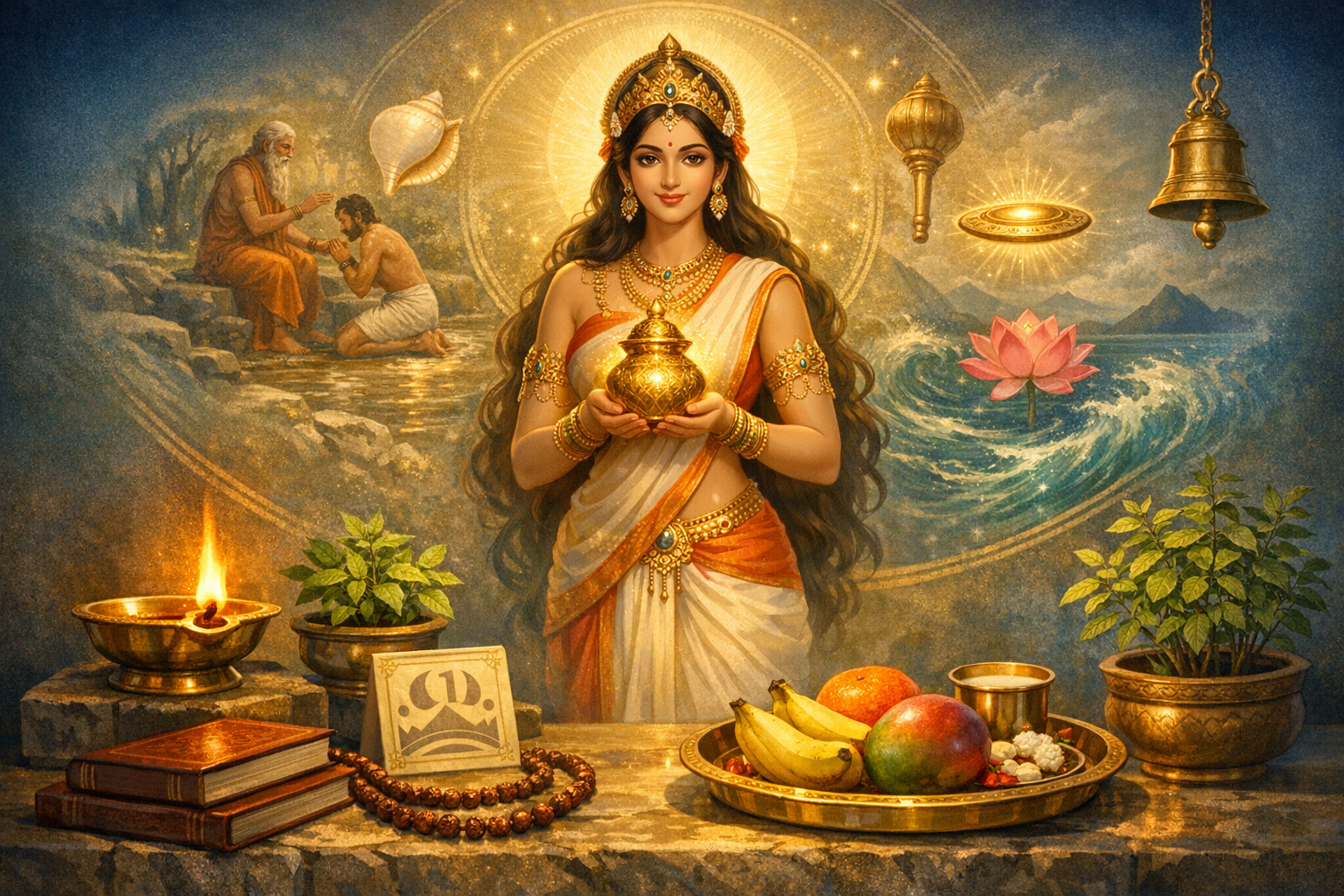
Mohini Ekadashi, observed on Vaishakh Shukla Ekadashi, unites practitioners through a precise lunar observance, disciplined fasting, and devotion to Vishnu. This comprehensive guide explains calendar determination, Smarta–Vaishnava nuances, and the Dwadashi parana window with Hari Vasara considerations. It presents the Purana-based Mohini Ekadashi Vrat KathaDhrishtabuddhi’s transformation through the sage Kaundinya’s instructionas the narrative key to…
-
Narasimha Chaturdashi (Narasimha Jayanti) 2026: Date, Puja Timings, Rituals, and Deep Significance
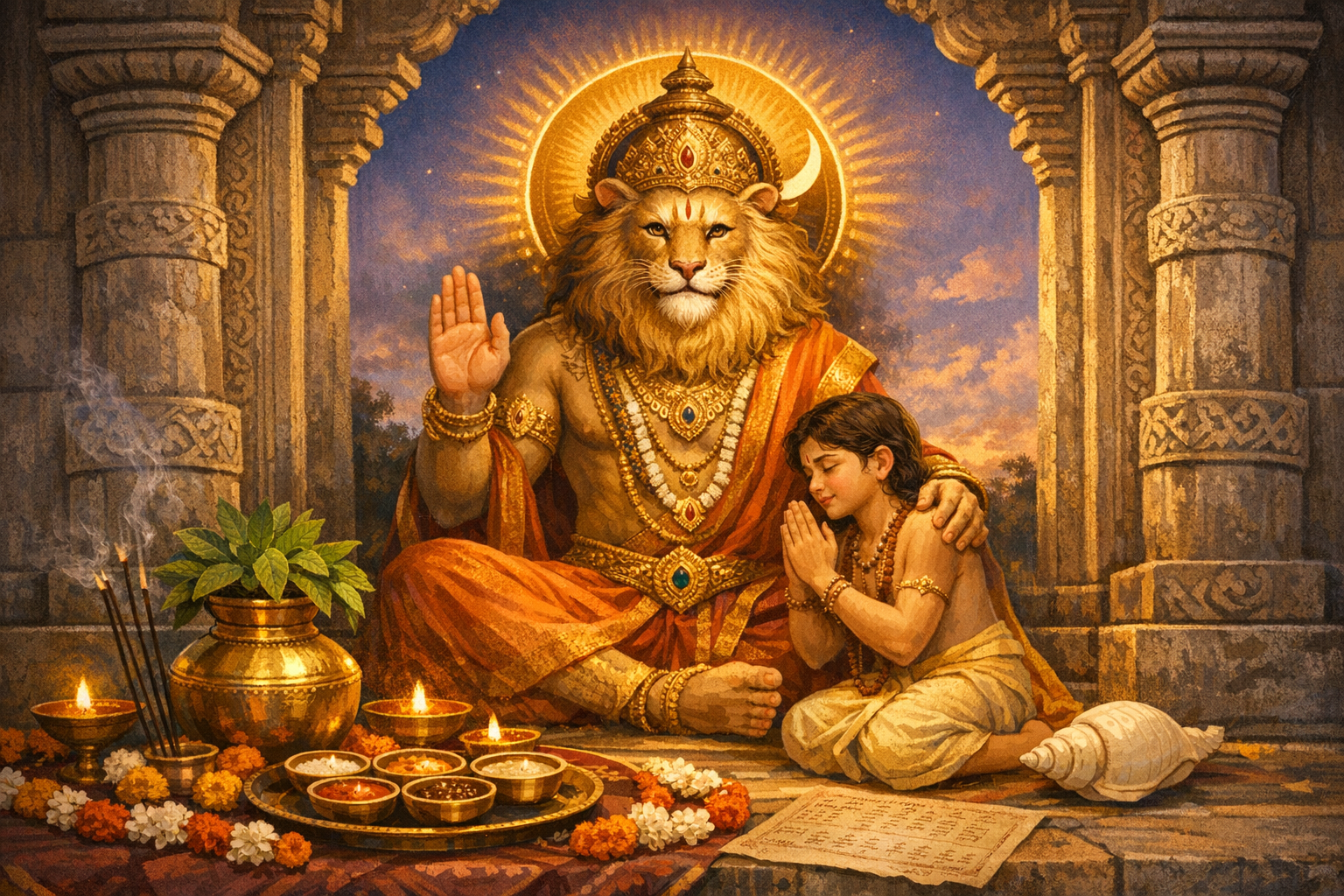
Narasimha Chaturdashi (Narasimha Jayanti) in 2026 falls on April 30, aligned with Vaishakha Shukla Chaturdashi in the Hindu calendar. This comprehensive guide clarifies how to choose the correct observance day using the Madhyahna window, why parāṇa is taken after sunrise the next morning, and how regional panchang differences affect timing. It details a practical home…
-
Vamana Jayanti 2026: Celebrate Humility and Dharma on Shukla DwadashiDate, Rituals, Meaning
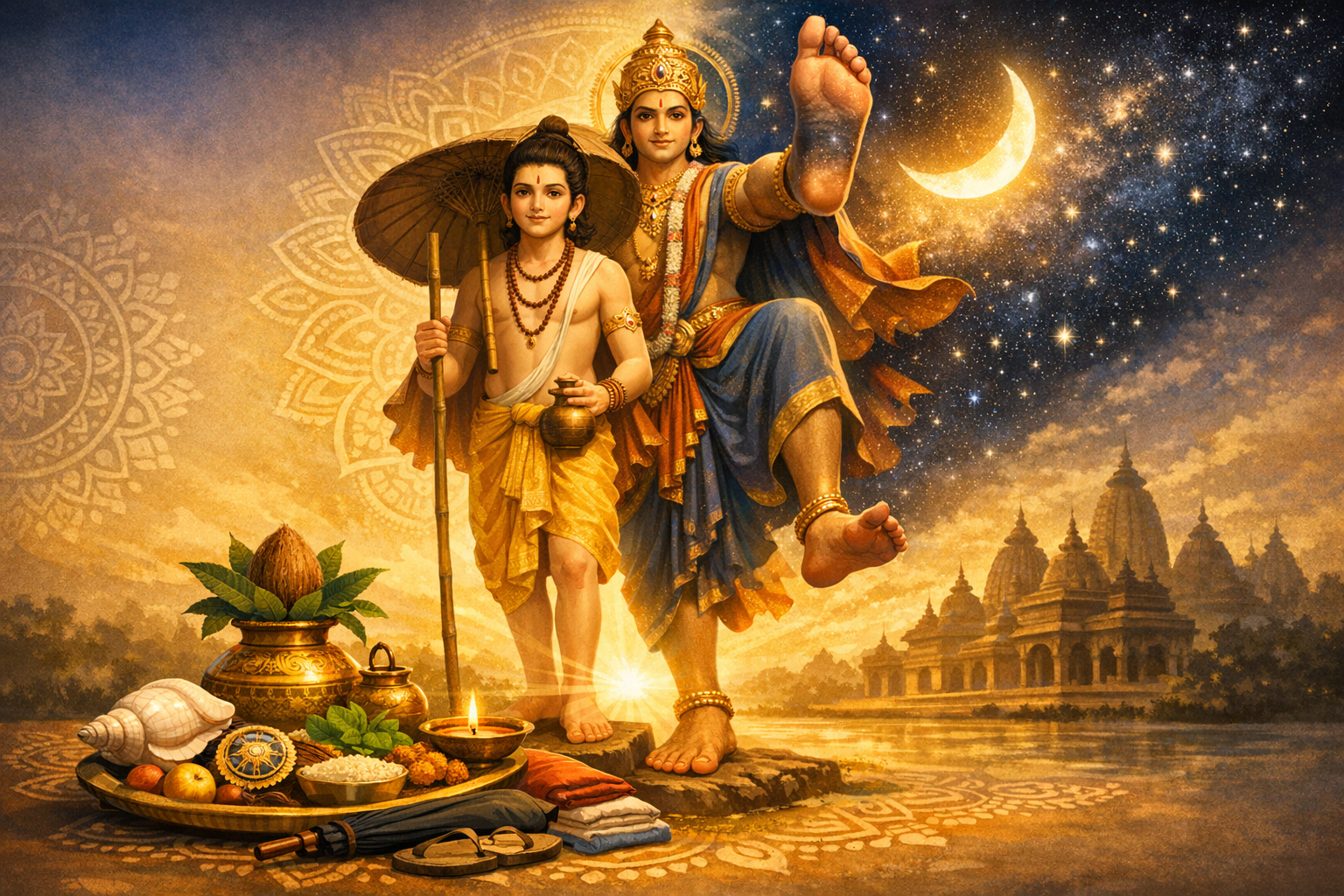
Vamana Jayanti 2026 falls on September 23 (Bhadrapada Shukla Dwadashi) and honors Lord Vamana, the fifth avatara of Lord Vishnu, celebrated through puja, stotra recitation, and charity. The observance follows the tithi-at-sunrise rule, so devotees should confirm local Panchang data for accuracy. The Vamana–Mahabali narrative highlights humility, truthfulness, rightful sovereignty, and generosity, values shared across…
-
Paramātmā’s Soul-Satisfying Beauty: Bhakti Dhyāna and the Science of Sense Purification
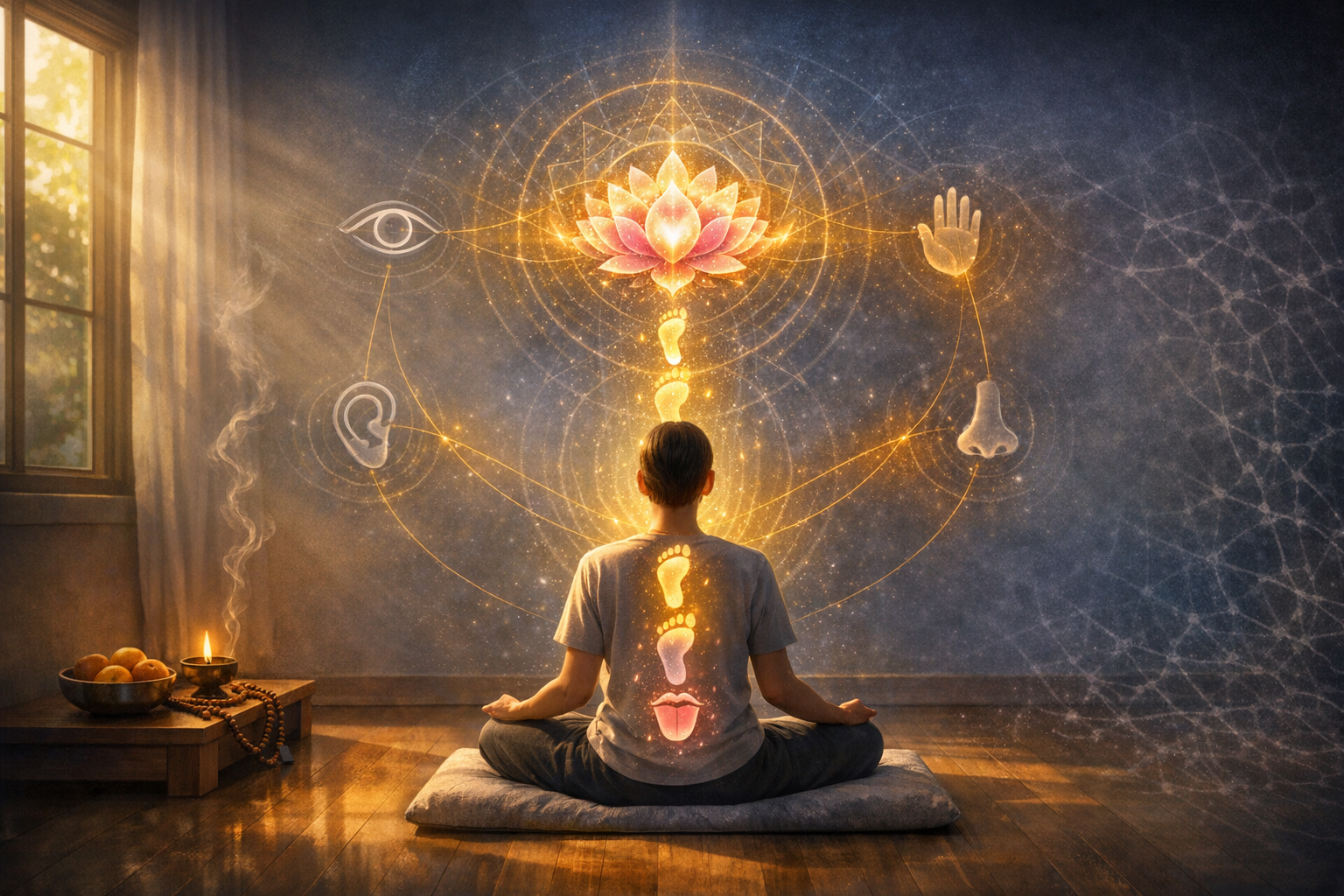
Śrīmad Bhāgavatam 3.28.16 frames bhakti-yoga meditation as an exacting discipline in which contemplation of the Paramātmā’s form reorders desire and purifies the senses. The account distinguishes sense restraint from sense purification, showing how devotion repurposes perception through darśana, kīrtana, japa, and prasāda. Drawing parallels with Buddhist samatha-vipassanā, Jain dharma/shukla dhyana, and Sikh Naam Simran, it…
-
Beyond the Bodily Concept: SB 10.4.20 on ātmā, family ties, and fearless devotion
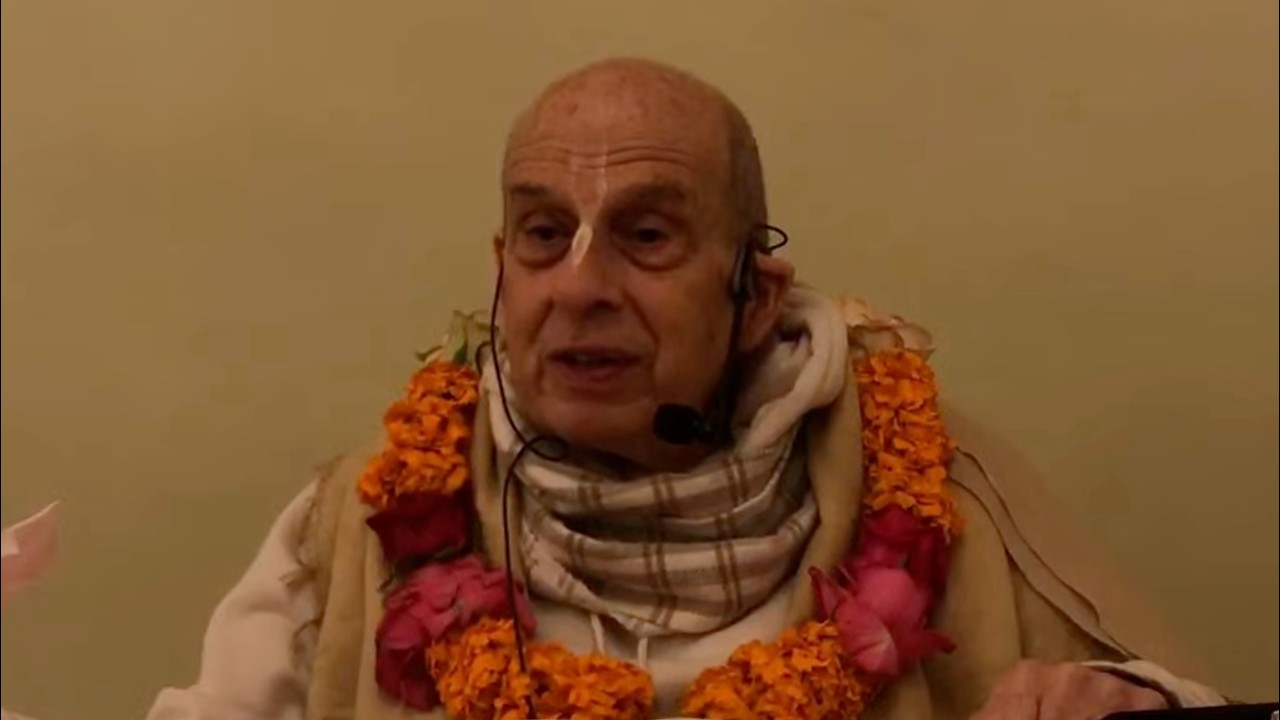
This analysis of Śrīmad-Bhāgavatam 10.4.20, as presented in a morning class by HG Bhurijana Prabhu, explains how mistaking the body for the ātmā intensifies attachment and vulnerability to the pains of union and separation within family, society, and nation. It offers a precise Vedic framework (tri-śarīra and pañca-kośa) to clarify identity and reduce suffering. Practical…
-
Why All Rivers of Bhakti Flow to Gokula: Insights on Brihad Bhagavatamrita 1.2.37–49

This study distills HH Niranjana Swami’s 2026 Lithuania exposition of Brihad Bhagavatamrita 1.2.37–49, showing how praise of Brahma, Indra, and other luminaries functions as a pedagogic ladder guiding readers toward the intimate devotion of Gokula and Goloka. It defines Gokula and Goloka with precision, contrasts aisvarya (majesty) and madhurya (sweetness), and explains why the text…
-
From One Morsel of Mercy to Love of God: SB 1.5.25, Prasadam, and the Science of Bhakti
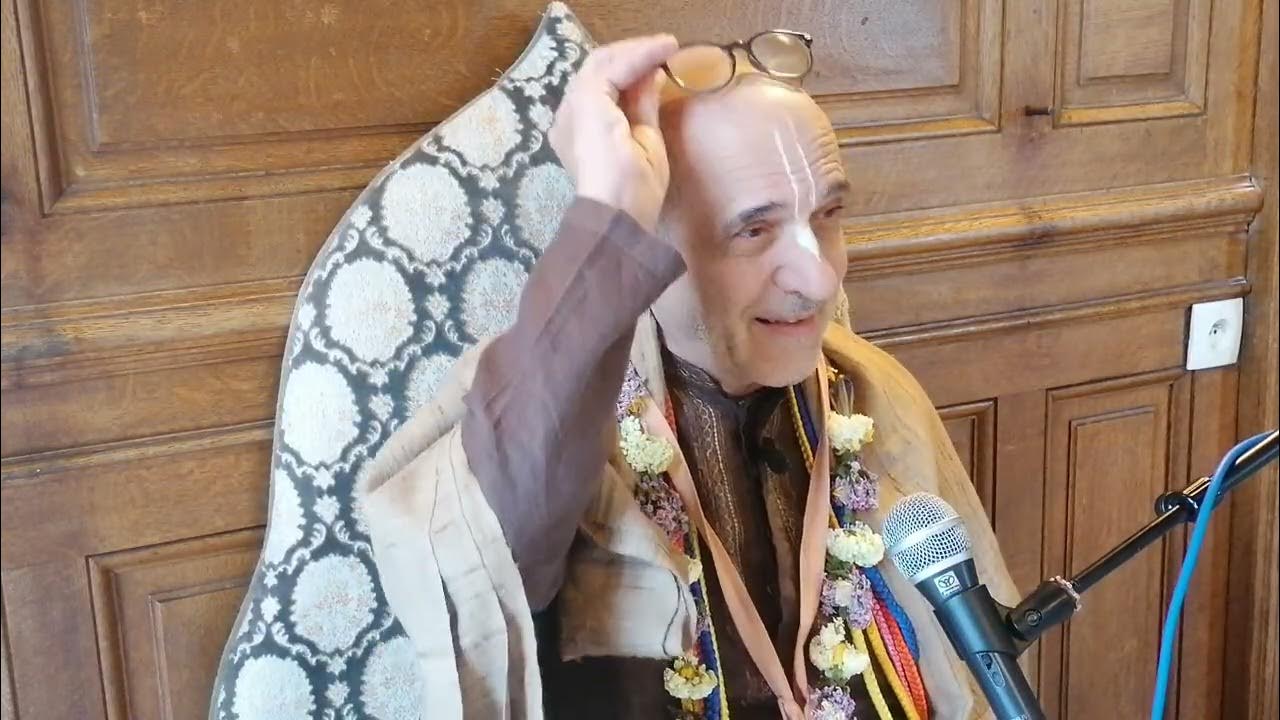
The discourse on SB 1.5.25 by HG Srutakirti Prabhu at ISKCON France presents a precise, practice-centered account of how honoring prasadam from pure devotees initiates purification and awakens spiritual attraction. Rooted in the Bhagavata Purana and the Bhakti Tradition, the talk maps a concrete actreceiving sanctified food with gratitudeto the classic stages of devotional growth…
-
Beyond Pralaya and Kalpa: How Hinduism Envisions the Universe Folding Back into Itself

Hindu cosmology describes an immense, cyclical universe in which worlds arise, endure, and dissolve through patterned phases of creation and reabsorption. This article clarifies key termspralaya and kalpadetails their fourfold typology, and lays out precise time scales from yugas to Brahmā’s lifetime. It integrates Purāṇic, Vedāntic, Vaiṣṇava, Śaiva, and Śākta views, and relates them to…
-
Jada Bharata vs. Kali Yuga: Unmasking Algorithmic Gurus and Reclaiming Timeless Dharma

Jada Bharata’s encounter with the modern attention economy offers a precise lens for navigating Kali Yuga’s spiritual noise. Grounded in the Bhagavata Purana, the sage’s teachings on vairagya, mauna, sakshi-bhava, and nishkama-karma map cleanly onto today’s influencer culture and consumer spirituality. Clear criteria from the Upanishads and the Gita help distinguish authentic guidance from spectacle…
-
Divine Touch and Sacred Grace: What Bhakti Teaches About Service, Liberation, and Unity

Divine touch in Hindu spiritualityanugraha or gracesignifies a transformative contact that sanctifies life and aligns it with dharma. Drawing on Upanishadic insight and Purāṇic narratives, this exploration analyzes how devotion, humility, and service dispose seekers to receive grace. Case studies of Sage Bhrigu, Markandeya, Periyalvar, Malayathvaja Pandiyan, and Akaasaraja show how sacred touch operates in…
-
Balarāma’s Poised Silence: Unpacking Śrīmad-Bhāgavatam 10.16 and Kṛṣṇa’s Saving Power
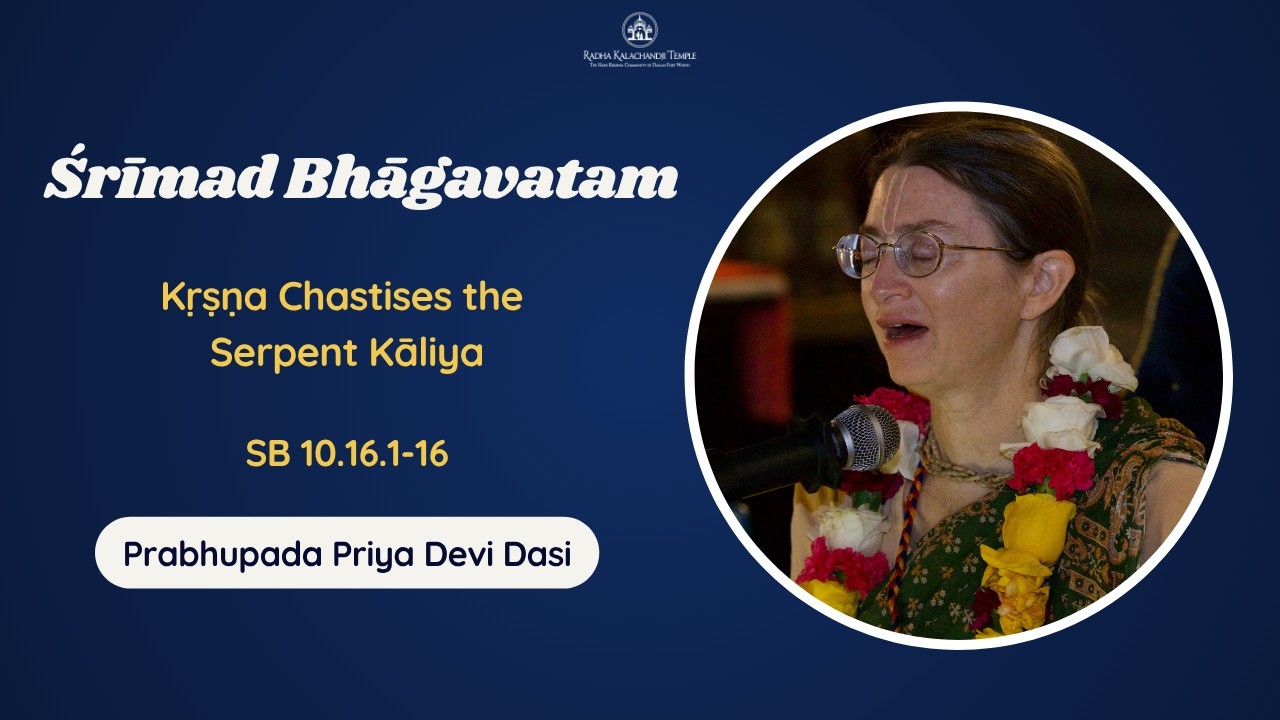
Śrīmad-Bhāgavatam 10.16.1–16 frames the Kāliya episode through Balarāma’s calm smile and eloquent silence, signaling realized trust in Kṛṣṇa’s saving power. The narrative contrasts the Vrajavāsīs’ anxiety with Balarāma’s stabilizing presence, revealing guru-tattva and the supportive role of Saṅkarṣaṇa. Read alongside Gauḍīya Vaiṣṇava commentaries, the passage shows how silence can be genuine instruction (māuna-upadeśa), cultivating communal…
-
SB 10.4.8 on Power and Protection: Kamsa’s Rage, Devi’s Deliverance, and Living Dharma Today

This long-form analysis of Srimad-Bhagavatam (SB) 10.4.8 explores Kaṁsa’s attempt to kill a newborn and Devi’s decisive deliverance as a powerful study in dharma versus adharma. It situates the verse within the Bhagavata Purana’s narrative, unpacks its ethical, theological, and symbolic layers, and highlights its convergence with Buddhist, Jain, and Sikh principles of compassion and…