
-
Debt of the Deep: Karma, Rta, and Dvaraka’s Fate from Treta to Dvapara Yugas

This essay reads the Ramayana and the Mahabharata together through the shared grammar of Karma and Rta, showing how avatars work within cosmic order rather than above it. It revisits Rama’s petition to Samudra Deva and the calm that enabled Rama Setu, then turns to Dvaraka’s submergence in the Mausala Parva and Bhagavata Purana as…
-
Muni Shukadeva Jayanti 2026: Sacred Date, Ritual Guide, and Timeless Bhagavata Wisdom
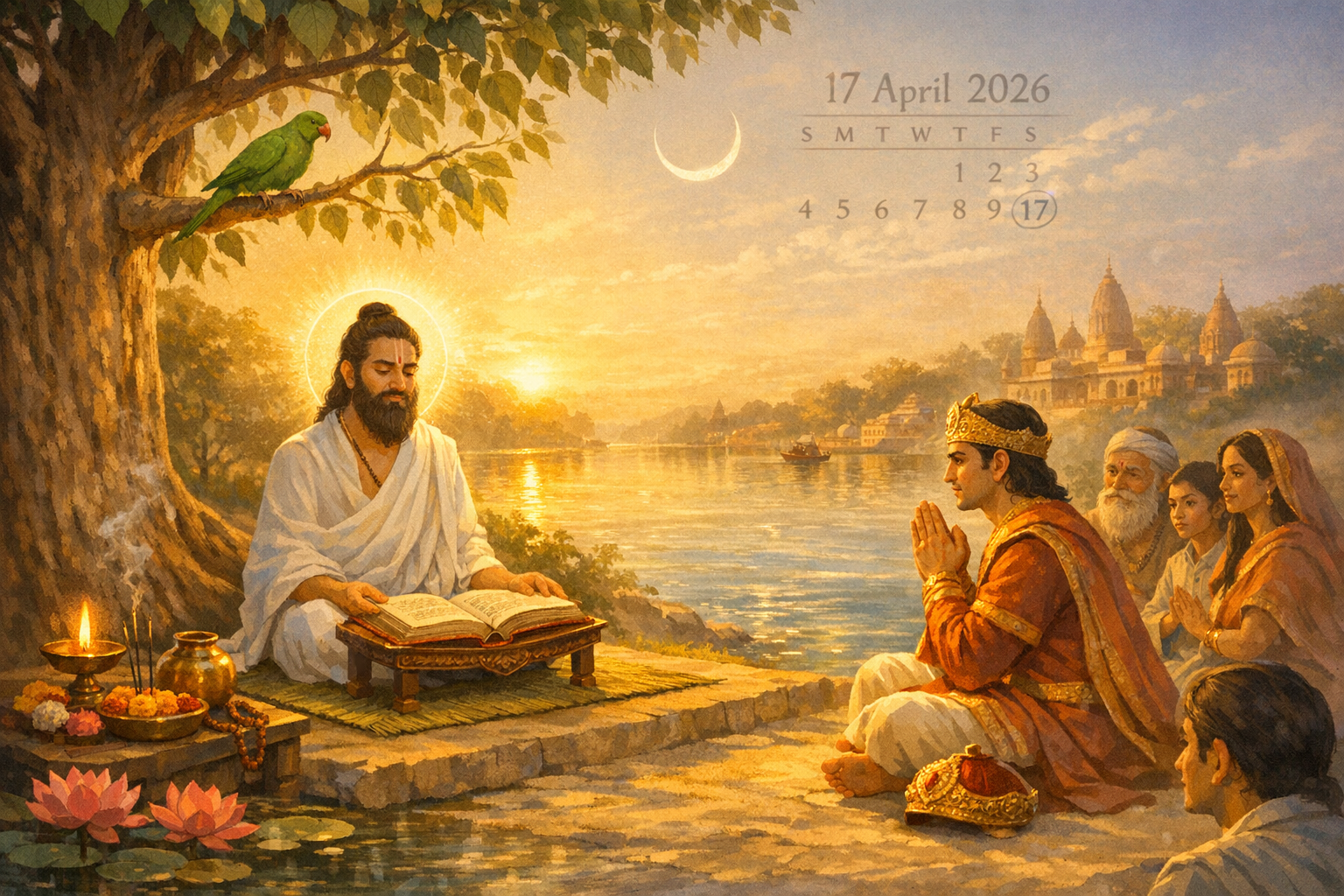
Muni Shukadeva Jayanti 2026, honoring the son of Sage Veda Vyasa and the primary narrator of the Bhagavata Purana, falls on Friday, 17 April. The observance aligns with Vaishakh Amavasya in the Purnimanta (North Indian) system and with Chaitra Amavasya in Amavasyant calendars, reflecting legitimate regional diversity in the Hindu calendar. The day invites devotees…
-
Nrusimha Navaratri 2026: Auspicious Dates, Puja Vidhi, Vrat Rules, and Protective Grace

Nrusimha Navaratri 2026 will be observed from April 22 to April 30 in Vaishakh Month, culminating in Narasimha Jayanti on Vaishakha Shukla Chaturdashi. The festival honors the protective and compassionate power of the Narasimha Avatara of Lord Vishnu across nine sacred nights. This guide explains accurate dates, tithi considerations, and why local panchang alignment matters.…
-
Muni Shukadeva Jayanti 2026: Date, Amavasya Tithi, Puja Vidhi, and Bhagavata Wisdom
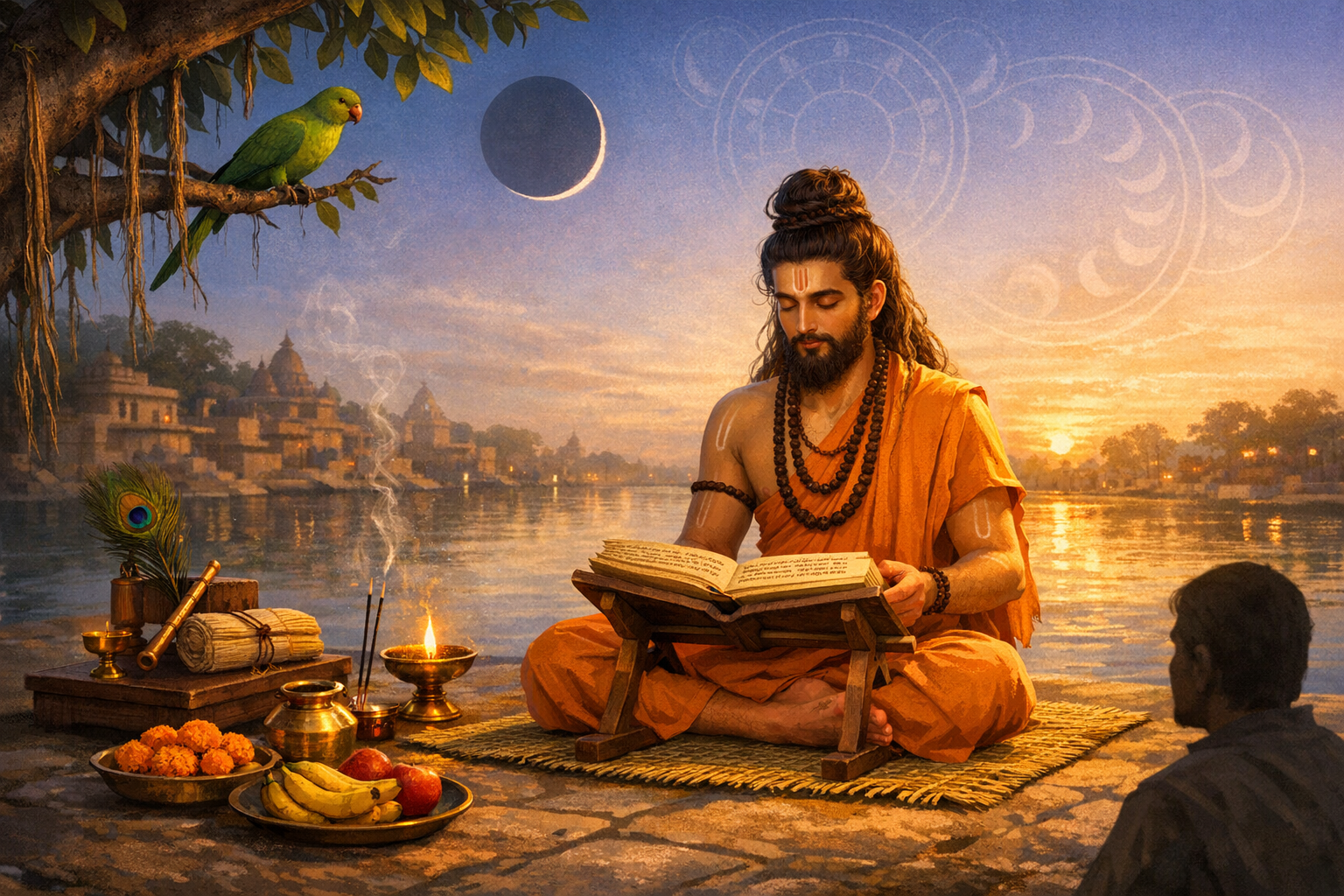
Muni Shukadeva Jayanti in 2026 is on Friday, 17 April, observed on Amavasya tithiVaishakh Amavasya in the North Indian Purnimant calendar and Chaitra Amavasya in Amavasyant regions. The day venerates Śukadeva Muni, son of Bhagavan Veda Vyasa, whose seven-day exposition of the Srimad Bhagavatham to King Parikshit shaped the Hindu katha tradition. Observances typically include…
-
Krishna’s Absolute Plan and Sharanagati: Profound, Practical Insights from SB 11.1.2
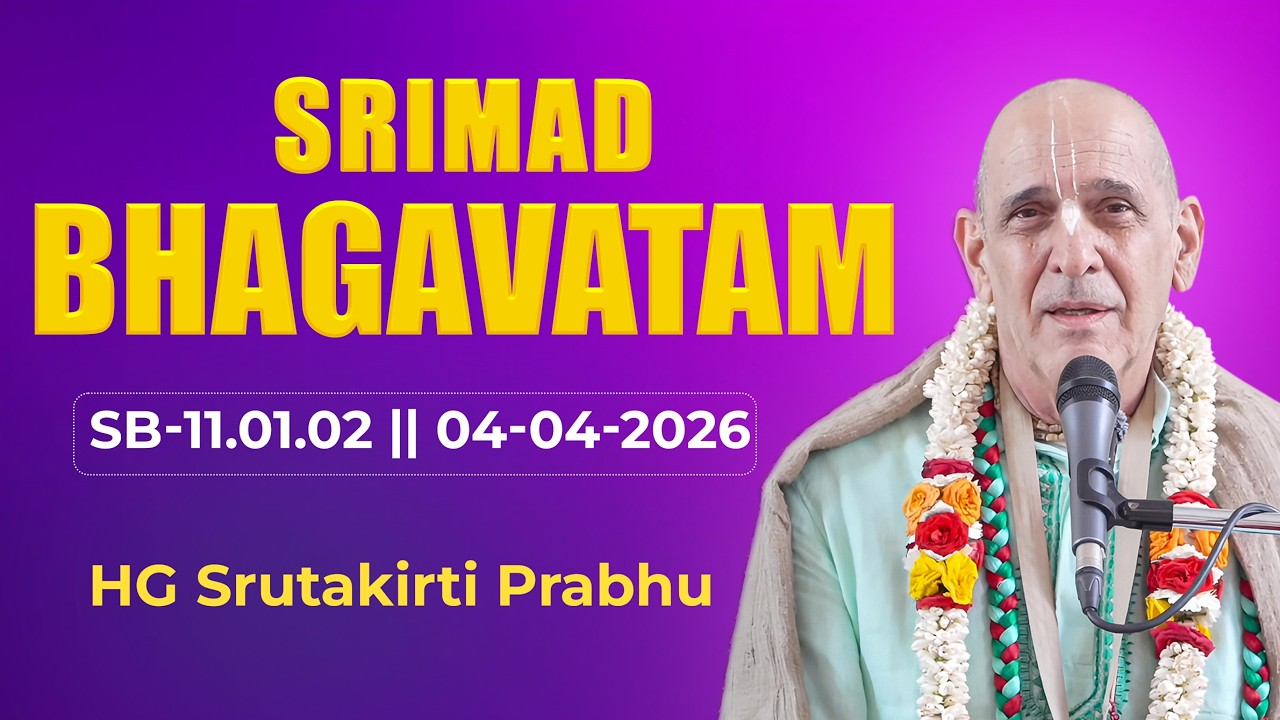
This analysis, inspired by HG Srutakirti Prabhu’s reflection on Srimad Bhagavatam 11.1.2, examines why surrender and service to Krishna under authentic guru-guidance constitute the operative core of spiritual life. It clarifies how the Bhagavata Purana reads even painful, large-scale disruptions as part of a benevolent divine order that educates and purifies. The piece explains sharanagati’s…
-
Akshaya Tritiya’s Eternal Blessings: Scriptural Events, Shared Dharma, and Timeless Charity

Akshaya Tritiya, observed on Vaishakha Shukla Tritiya, is celebrated across dharmic traditions as a day of inexhaustible merit and compassionate action. Hindu scriptures connect it with Parashurama Jayanti, the Akshaya Patra narrative in the Mahabharata, Annapurna’s alms to Shiva, and the traditional commencement of Vyasa’s dictation to Ganesha. Popular associations also include the spirit of…
-
Decoding Rasa and Tattva in Srimad Bhagavatam 11.3.8: Timeless Love, Ultimate Truth, and Kāla
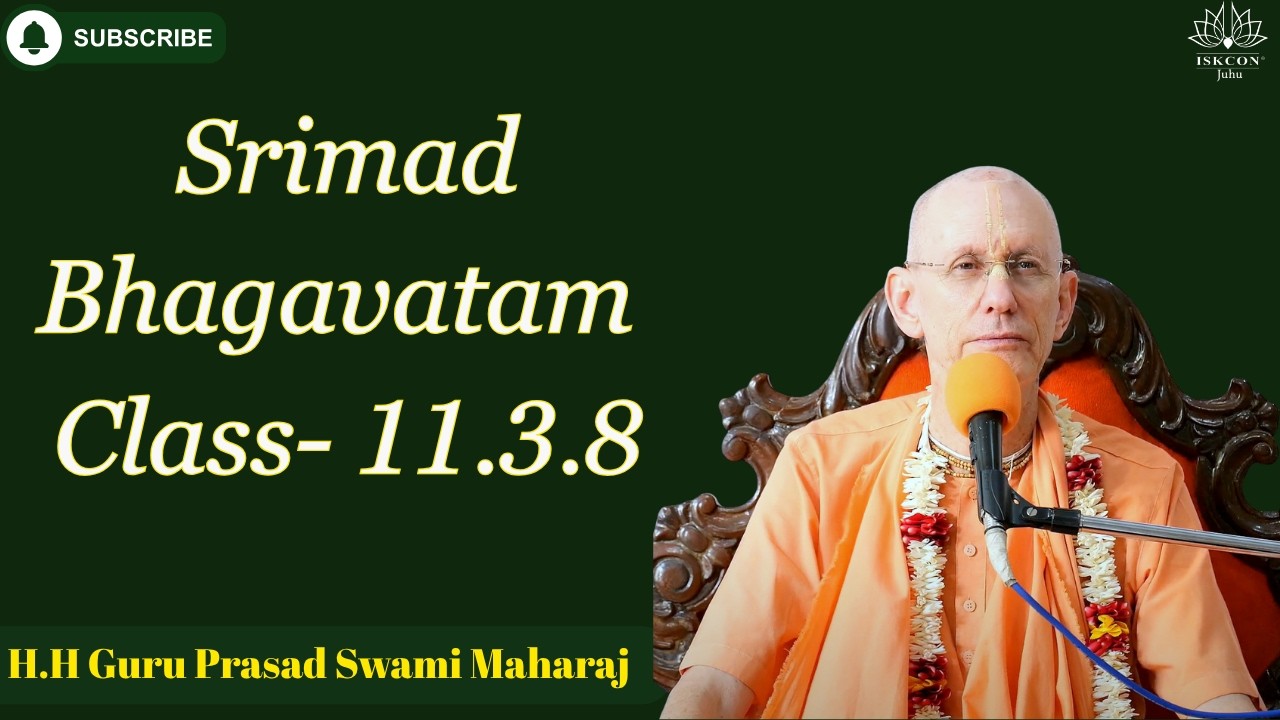
This essay distills H.H. Guru Prasad Swami’s class on Srimad Bhagavatam 11.3.8 into a rigorous yet accessible exploration of two “unlimiteds”: rasa, the ever-fresh devotional experience of Krishna, and tattva, the limitless architecture of philosophical truth. It clarifies how the Bhagavata Purana aligns accurate seeing (tattva-darśana) with transformative tasting (rasa-āsvāda), while kāla (time) governs the…
-
Curses and Redemption in Srimad Bhagavatam (SB 3.15.37): Jaya–Vijaya’s Return
SB 3.15.37 shows how the words of Hindu sageswhether blessings or cursescarry real moral force yet can be redirected by sincere repentance and divine compassion. The Jaya–Vijaya narrative demonstrates that modified, not erased, consequences can accelerate liberation. Case studies such as Narada’s reform of Nalakūvara and Maṇigrīva, Durvasa Muni’s reconciliation with King Ambarisha, and Vṛtrāsura’s…
-
Kali Yuga’s Hidden Crisis: How Daily Divine Remembrance Ends Confusion, Stress, and Suffering

Kali Yuga’s defining crisis is not doctrinal disagreement but the everyday amnesia that severs attention from the Divine and amplifies stress and confusion. Rooted in the Bhagavad Gita’s call to remember at all times and the Bhagavata Purana’s praise of nāma-kīrtana, this analysis details a practical, inclusive protocol for continuous remembrance. It integrates japa, kīrtana…
-
Sage Pippalada’s Covenant with Shani: A Purāṇic Vow Shielding Children from Saturn’s Trials

The Pippalada–Shani covenant, preserved in Purāṇic storytelling and Shani-mahātmya traditions, presents a striking synthesis of justice and compassion: at Sage Pippalada’s plea, Shani (Saturn) vows to spare very young children from his harsher influence. Grounded in the ethical lineage of Dadhīci and the pedagogical rigor of the Prashna Upanishad, this narrative reframes Saturn as a…
-
Who Is a True Guru? Shrimad Bhagavat’s 24 Transformative Lessons from the Avadhut

What is a true Guru according to the Shrimad Bhagavat? The Eleventh Canto’s dialogue between King Yadu and an Avadhut answers by expanding the Guru beyond a single figure to a universal function that dispels ignorance wherever it appears. Through 24 striking lessons from nature and human lifeEarth’s forbearance, the Ocean’s equanimity, Pingalā’s renunciation, the…
-
Andhatāmisra Unveiled: Inside Hinduism’s Blinding Hell of Deceit, Karma, and Justice

Andhatāmisra, the purāṇic “realm of blinding darkness,” illuminates Hinduism’s precise view of karmic retribution for deceit, cruelty, and willful ignorance. Drawing on sources such as the Garuḍa Purāṇa and the Bhāgavata Purāṇa, it explains how Naraka functions as a purgative, finite state aligned with Dharma and Adharma. The imagery of darkness serves as both cosmic…
-
Historic Tribute at Bhaktivedanta Manor: ISKCON@60 and Dharmic Unity (21 Mar 2026)
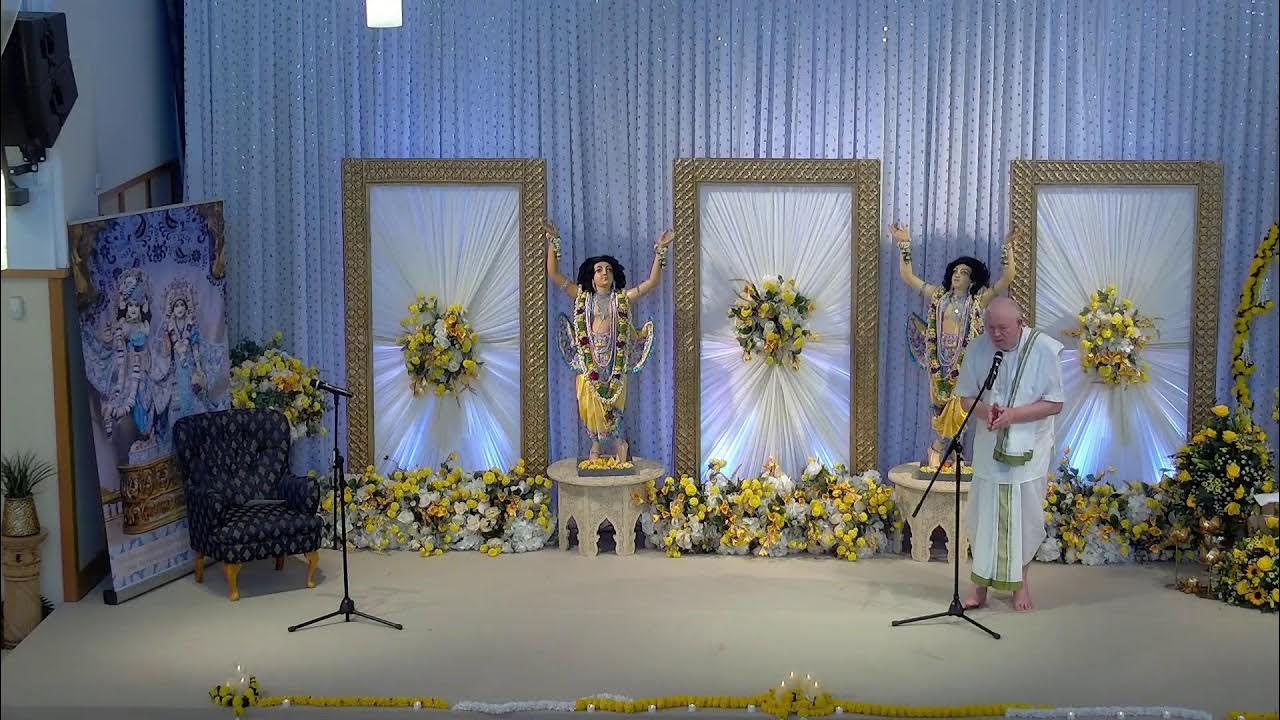
Bhaktivedanta Manor’s 21 March 2026 celebration united three milestones: the annual Srila Prabhupada festival, ISKCON’s 60th anniversary, and the fifth consecutive year of hosting this observance. With opening gratitude to organizers, including Mother Guru, the event highlighted how bhakti-yoga, scriptural learning, and seva reinforce community, culture, and ethical living. The program’s academic and devotional balance…
-
Krishna’s Masterclass on Letting Go: Powerful Non‑Attachment Strategies for a Changing Life

Bhagavan Sri Krishna’s teaching on non-attachment offers a precise, actionable way to navigate change without clinging to the past. Grounded in the Bhagavad Gita and enriched by the Mahabharata and the Bhagavata Purana, it reframes excellence as duty fulfilled with freedom from possessiveness. The article clarifies anāsakti, vairāgya, aparigraha, tyāga, and sannyāsa, and shows how…
-
Dvārakā’s Radiant Splendor (SB 10.90.18–20): Divine Opulence, Social Grace, and Harmony

Śrīmad-Bhāgavatam 10.90.18–20 evokes Dvārakā as a model dharmic city where divine presence, social grace, and ethical prosperity converge. The passage situates wealth as a theological outcome of virtue rather than a standalone aim, emphasizing refined leisure, communal safety, and aesthetic culture. Readers gain clarity on Vaishnava theology (aiśvarya versus mādhurya), classical aesthetics (rasa), and the…
-
Jara’s Arrow and Krishna’s Departure: Time, Dharma, and the Eternal Law of Transformation

The narrative of Jara’s arrow and Krishna’s departure, preserved in the Mahabharata and Bhagavata Purana, encodes a rigorous meditation on time, dharma, and karmic causality. By exploring the Sanskrit semantics of jarā (old age) and the story’s careful framing within prophetic and ethical horizons, the episode becomes a study of impermanence and intentional closure. It…
-
When and How to Read, Recite, Chant, and Hear Śrīmad-Bhāgavatam: A Practical Guide for Daily Sādhana

Śrīmad-Bhāgavatam offers a complete pathway of practice through reading, recitation, chanting, and attentive hearing that is practical for modern life. This guide explains when to engageBrahma-muhūrta, sandhyā times, Ekādaśī, and Kārtikaand how to prepare a sattvic environment for steady sādhana. It clarifies differences between svādhyāya, pārāyaṇa, kīrtana/japa, and śravaṇa, and shows how to combine them…
-
Bhagavatam 3.33.27–37 on Grihastha Dharma: Practical, Compassionate Guidance for Marriage
This study synthesizes Srimad Bhagavatam 3.33.27–37 with practical counsel from the Garuda Purana to present a compassionate, contemporary roadmap for marriage. It frames grihastha dharma as a path of sadhana where character, shared values, and daily practice convert routine duties into spiritual growth. Readers gain a clear, three-layer decision model for partner selectionvalues and dharma…
-
Dhruva’s Eternal Star: Powerful Symbolism, Dharmic Unity, and Practical Lessons for Today

This article decodes the symbolism of Dhruvaboth the legendary prince of the Bhagavata Purana and the civilizational North Star in Hindu symbolsas a precise guide to inner stability and ethical leadership. It situates the story in Vishnu Purana and Srimad-Bhagavatam (Skandha 4), explains its cosmological and psychological layers, and shows how tapas, mantra, and guru-guidance…
-
Why Halahala Emerged First: Profound Life Lessons and Dharma Insights from Samudra Manthan

Why did poison arise before nectar during Samudra Manthan? This analysis draws on the Bhagavata Purana and Vishnu Purana to explain the precise sequencehow halahala surfaces first, how Shiva’s Neelakantha containment averts catastrophe, and why treasures and amrita emerge only after purification. It connects the myth’s grammar to psychology, yoga, Ayurveda, leadership, and governance, showing…