
-
Srimad Bhagavatam 10.13.4–11: Kṛṣṇa as yajña-bhuk in a Dazzling Vraja-Līlā of Love and Wisdom
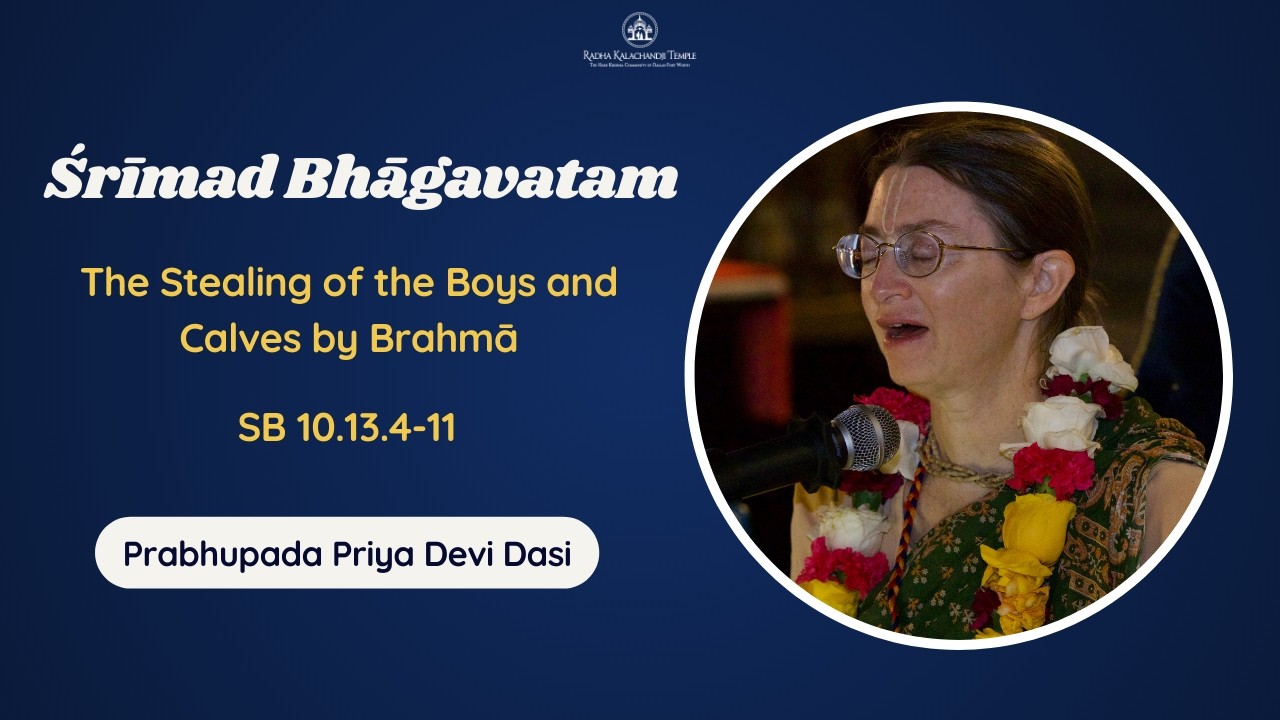
Srimad Bhagavatam 10.13.4–11 portrays Kṛṣṇa as yajña-bhukthe supreme enjoyer of offeringswhile sitting in the affectionate circle of Vraja’s cowherd boys, uniting transcendence with intimacy. The passage reframes ritual logic: the forest meal functions as a living yajña where bhāva (devotional intention) consecrates food into prasāda. Iconographic details (flute, horn bugle, and staff) are not ornaments…
-
From Curse to Cosmic Steward: Brahma’s Transformative Boons to Kubera, Lord of Wealth

This study traces Kubera’s ascent from a troubled birth to his installation by Lord Brahma as Dhanada and guardian of the North, showing how austerity and grace transform adversity into stewardship. It clarifies Kubera’s genealogy from Brahma through Pulastya and Vishravas, anchoring his status in a sacred lineage. The analysis synthesizes Puranic and epic motifsPushpaka…
-
Shaubhari Muni’s Fall and Redemption: A Bhagavatam Lesson on Pride, Grace, and Sense Control
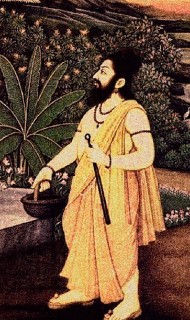
The Ninth Canto narrative of Shaubhari Muni in the Srimad Bhagavatam offers a rigorous lesson on the limits of yogic power without humility and divine grace. A single offense to Garuda precipitates the muni’s vulnerability to Maya, demonstrating how aparadha toward saintly beings clouds discernment and destabilizes sense control. The episode traces a full arcasceticism,…
-
Srimad Bhagavatham Explained: A Definitive Guide to the 12 Cantos of Bhagavata Purana

Srimad Bhagavatham (Bhagavata Purana) distills the heart of bhakti through twelve cantos and 18,000 verses within a compelling narrative of Parikshit’s seven-day dialogue with Shuka. This long-form guide clarifies the structure of the text and highlights major narratives such as Dhruva, Prahlada, Ajamila, and Gajendra, culminating in the Krishna-lila of Canto 10. It outlines core…