
-
Chosen People or People Who Choose? A Dharmic Analysis of Free Will, Karma, and Grace

This long-form, comparative analysis reframes the classic debate over predestination and free will by drawing on Hindu, Buddhist, Jain, and Sikh philosophies. It explains how dharmic traditions balance karma (conditioning causes), meaningful choice (puruṣārtha), disciplined practice (dharma, śīla, simran, seva), and grace (kṛpā/nādar) where affirmed. Rather than privileging an exclusive elect, these frameworks uphold universal…
-
Sat Sanga Deep Dive: Tradition, Inclusion, and Purushottama Masa in ISKCON’s Living Dharma
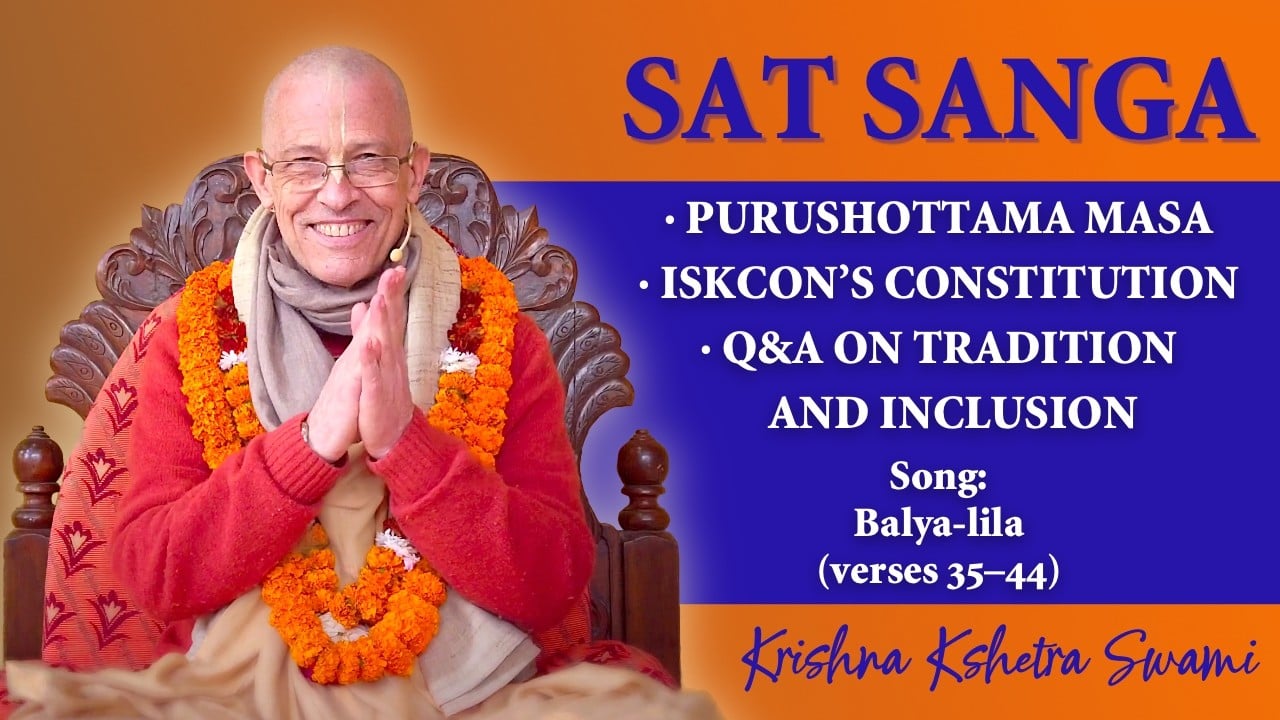
This Sat Sanga (16 May 2026) examines Purushottama Masa with calendrical accuracy, showing how Adhik Jyeshta Maas 2026 becomes a devotional opportunity rather than a mere intercalary fix. It clarifies how ISKCON’s emerging Constitution anchors mission fidelity, transparent governance, and culturally sensitive inclusion without compromising core siddhānta. The guidance on “Try to chant and be…
-
Conquering the Disease of Envy: SB 3.29’s Remedy for Respect, Ahimsa, and Dharmic Unity
This deep-dive, inspired by a Brambleton, VA discourse on May 21, 2026, examines why envy (īrṣyā, asūyā, mātsarya) is the principal obstacle to authentic respect and spiritual growth. Drawing on Srimad Bhagavatam 3.29, it maps how envy aligns with rajas and tamas and why non-envious devotion in sattva is essential. The analysis integrates parallel remedies…
-
Beyond the Chase: Hinduism’s Radical Blueprint for Lasting Happiness and Inner Freedom

This long-form analysis explains a core Hindu teaching: lasting happiness is revealed when the compulsive pursuit of happiness ends. It clarifies the difference between sukha (pleasure) and ananda (bliss), grounding the argument in the Upanishads, Bhagavad Gita, and Patanjali’s Yoga Sutra. Readers gain a rigorous framework for understanding moksha, along with a practical blueprint that…
-
Mahabharata Wisdom on the True Gift: Markandeya’s Guide to Nishkama Dāna and Seva
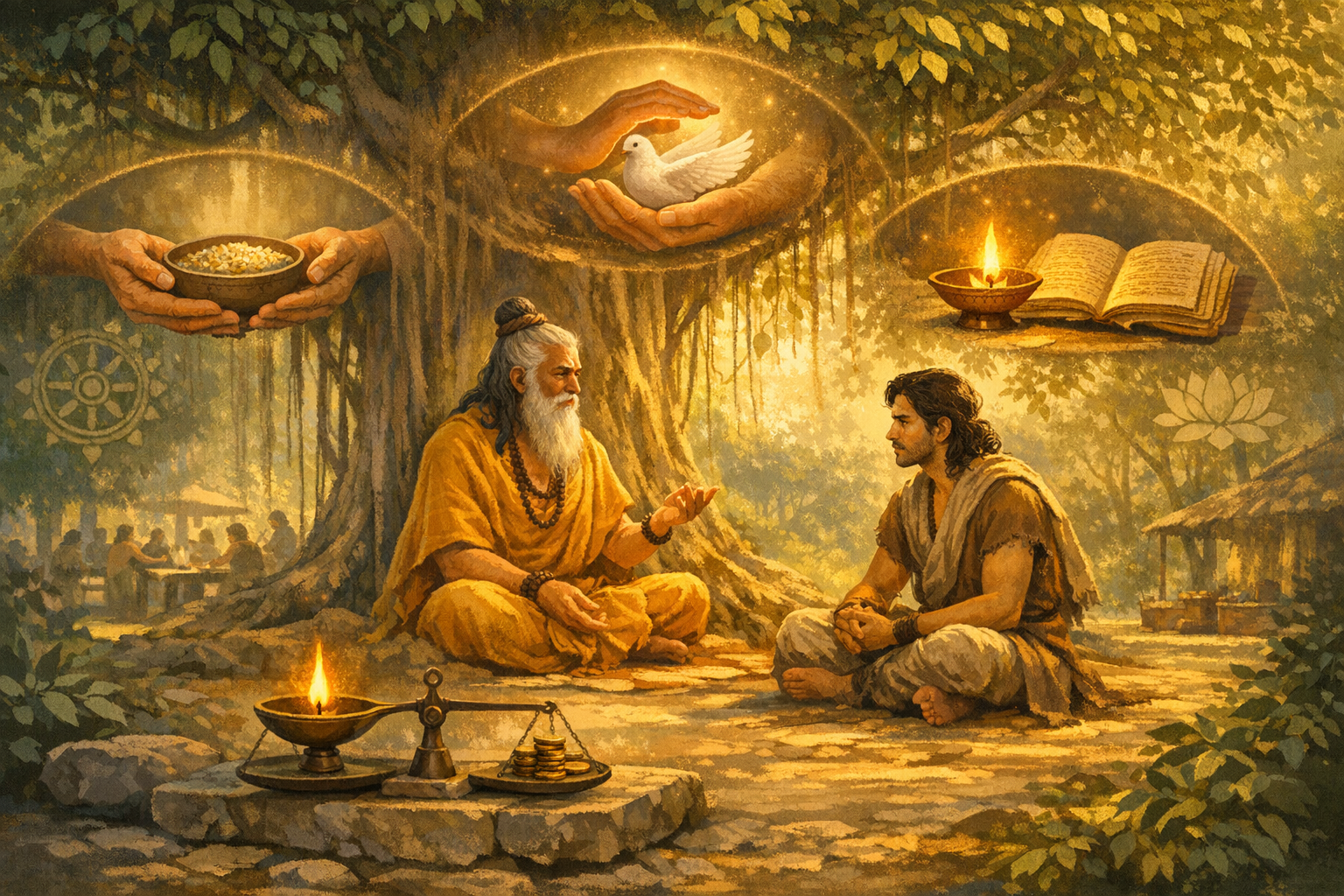
This long-form exploration distills Sage Markandeya’s Mahabharata teaching on the nature of the true gift (dāna) and explains why intention, not magnitude, confers ethical value. It maps dāna to the Bhagavad-Gita’s guṇa framework, clarifying the difference between sāttvika, rājasa, and tāmasa giving. Through the exemplar of King Śibi, it highlights abhayadāna (the gift of fearlessness)…
-
Easy vs Difficult in Krishna Consciousness: A Practical Guide to Compassion and Inner Discipline
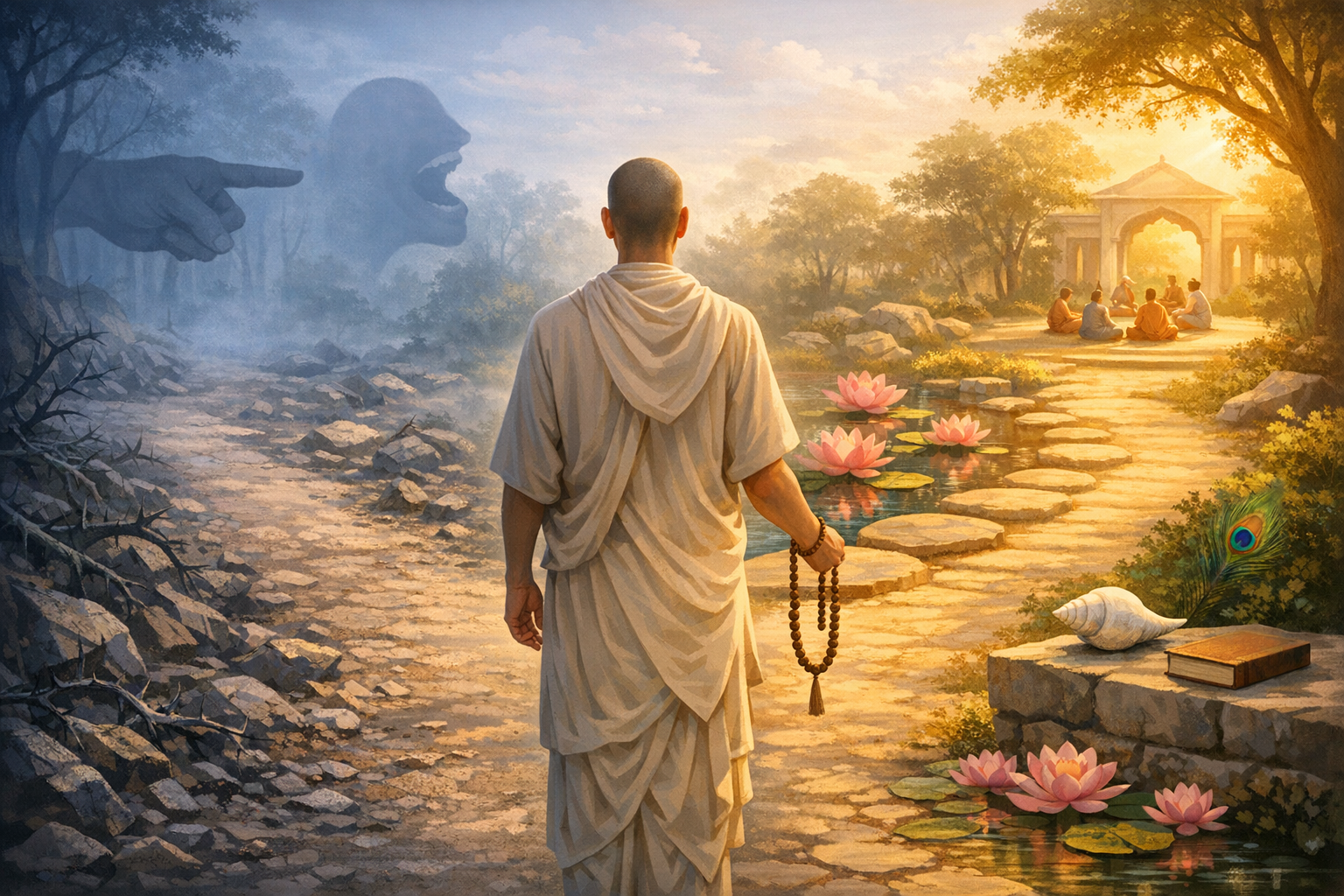
Krishna Consciousness reframes everyday choices as a movement from easy reactions to difficult but transformative disciplines. Drawing on the Bhagavad Gita, Gaudiya Vaishnava texts, and the sadhana-bhakti tradition, it explains why judging others, impulsive speech, and harming are effortless habits, while introspection, restraint, and healing require cultivated virtue. Upadeshamrita and the Gita’s tapas of speech…
-
Turning Obstacles into Opportunity: A Dharmic Guide to Action, Resilience, and Seva

A classic teaching story about a boulder in the roadway demonstrates a rigorous dharmic principle: obstacles are structured invitations to act responsibly for the common good. Read how Hinduism, Buddhism, Jainism, and Sikhism converge on the same ethic of service, non-harm, and Right Effort, turning adversity into measurable public benefit. The analysis connects Karma Yoga,…
-
Does God Really Exist? A Dharmic Deep Dive into Suffering, Karma, and Yuga Dharma

This long-form exploration reframes “Does God really exist?” through the dharmic lenses of Hinduism, Buddhism, Jainism, and Sikhism. It explains how Yuga Dharma situates the present age (Kali Yuga) and why accessible practiceslike nāma-japa, kīrtana, satsanga, and sevaare especially potent now. Drawing on pramāṇa theory, Nyāya arguments, and Vedānta’s non-dual and devotional streams, it outlines…
-
Sharpening the Inner Compass: Trusting Intuition on the Dharmic Path with Clarity and Courage

Trustworthy intuition in Hinduism is not impulse but disciplined, dharma-aligned insight that integrates perception, reason, and sacred testimony. This article clarifies how the inner compass relates to Atman, the Upanishads, and the Bhagavad Gita, while showing convergences with prajñā in Buddhism, anekāntavāda in Jainism, and hukam in Sikhism. Readers learn practical tests for discernmentahiṃsā, satya,…
-
Spirituality of Nature: Sacred Dharmic Wisdom, Science-Backed Healing, Inner Resilience

This long-form guide presents an academic yet accessible exploration of the spirituality of nature across Hinduism, Buddhism, Jainism, and Sikhism. It grounds ecological reverence in the Upanishads and the Bhagavad Gita, links practices like mindfulness and pranayama to measurable health benefits, and shows how Ahimsa and Aparigraha become daily Environmental stewardship. Readers gain a stepwise…
-
Does God Really Exist? Evidence, Yuga Dharma, and Dharmic Wisdom across Indic Traditions

This essay examines the perennial question ‘Does God really exist?’ through the lens of Yuga Dharma and the shared wisdom of Hindu, Buddhist, Jain, and Sikh traditions. It explains how Kali Yuga conditions intensify suffering yet elevate the effectiveness of simple, sincere practices such as devotion, meditation, simran, ahiṃsā, and seva. Drawing on classical Indian…
-
Special Knowledge and Bhakti Wisdom in Uithoorn, Netherlands: HH SB Keshava Swami’s Insights
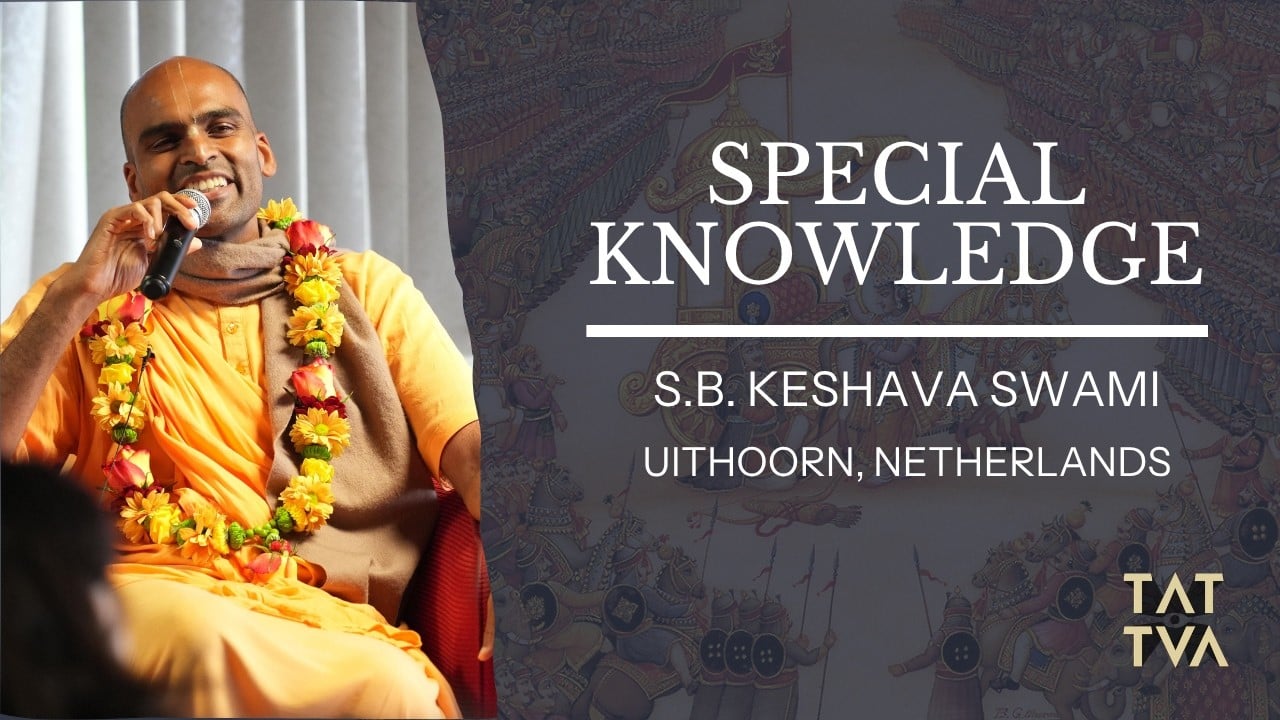
A thoughtful gathering in Uithoorn, the Netherlands (28.05.2025) honored HH SB Keshava Swami (Svayam Bhagavan Keshava Swami) and explored the theme of Special Knowledge through the lens of Gaudiya Vaishnavism. This analysis clarifies the distinction between jnana and vijnana, showing how knowledge matures when grounded in scripture, practice, and community. It outlines Indian epistemology’s core…
-
Liberate the Self: Hindu, Buddhist, Jain, and Sikh Insights on Embracing True Nature

This long-form essay explores how Hinduism, Buddhism, Jainism, and Sikhism converge on a single, practical insight: suffering intensifies when one strives to become someone other than one’s true nature. Drawing on the Upanishads, Bhagavad Gita, Yoga Sutra, Sāṅkhya analysis, Buddhist teachings on craving and anatta, Jain doctrines of aparigraha and anekāntavāda, and Sikh wisdom on…
-
From Envy to Compassion: Dharmic Ethics of Bhakti, Ahimsa, and Unity Across Traditions
Non-envy is presented as a defining criterion for authentic religion across Hinduism, Buddhism, Jainism, and Sikhism, aligning with A.C. Bhaktivedanta Swami Prabhupada’s emphasis within Krishna consciousness. The article clarifies envy versus jealousy and shows how dharmic ethics reject both as inner violence that fractures community. It integrates scriptural insightsBhagavad Gita, Śrīmad-Bhāgavatam, Dhammapada, Jain vows, and…
-
ISKCON and People of Faith: A Vedantic Blueprint for Compassionate, Unified Interfaith Relations

Hinduism encompasses many traditions rather than a single authority, and ISKCON positions itself within this diversity as a Vedantic, monotheistic Vaishnava movement committed to respectful interfaith relations. The statement outlines how devotional particularism can coexist with civic and ethical pluralism, grounded in Bhagavad Gita–inspired bhakti and the doctrine of acintya‑bhedābheda. By honoring the Ishta paradigm…
-
Curiosity as Sacred Practice: How Hinduism Champions Inquiry, Dialogue, and Self-Realization

This article presents a rigorous, accessible account of why Hinduism treats curiosity as a sacred discipline. It traces the spirit of inquiry from the Upanishadic dialogues and Bhagavad Gita to Nyaya logic, Mimamsa hermeneutics, Vedanta inquiry, and Yoga’s epistemology. It explains pramanavalid means of knowledgeand shows how disciplined questioning is bound to ethics, humility, and…
-
Cannes 2026: Aarti Khetarpal’s Vedic Couture and Bhagavad Gita Redefine Red-Carpet Diplomacy

At the 79th Cannes Film Festival in May 2026, Aarti Khetarpal reframed the red carpet as a platform for cultural diplomacy by carrying a miniature Shrimad Bhagavad Gita from Gita Press and a red Gomukhi chanting bag. Her Vrindavan-inspired golden-yellow lehenga by Sulakshana Monga featured hand-painted motifs of sacred trees, the Yamuna, and dancing gopis,…
-
Purusha, the All-Pervading Cosmic Being: Vedic origins, Yogic meaning, living significance

Purusha, the all-pervading Cosmic Being, bridges Vedic cosmology, Upanishadic self-knowledge, Yoga philosophy, and everyday spiritual practice. The article clarifies etymology and the ‘city of the body’ metaphor, then unpacks the Purusha Sukta as a symbolic vision of interdependence rather than rigid social prescription. It examines Advaita, Vishishtadvaita, and Dvaita perspectives, and presents Samkhya-Yoga’s precise account…
-
Adhika Masa (Purushottama) 2026: A Deep Guide to Calendar Science, Bhakti Sadhana, and Unity
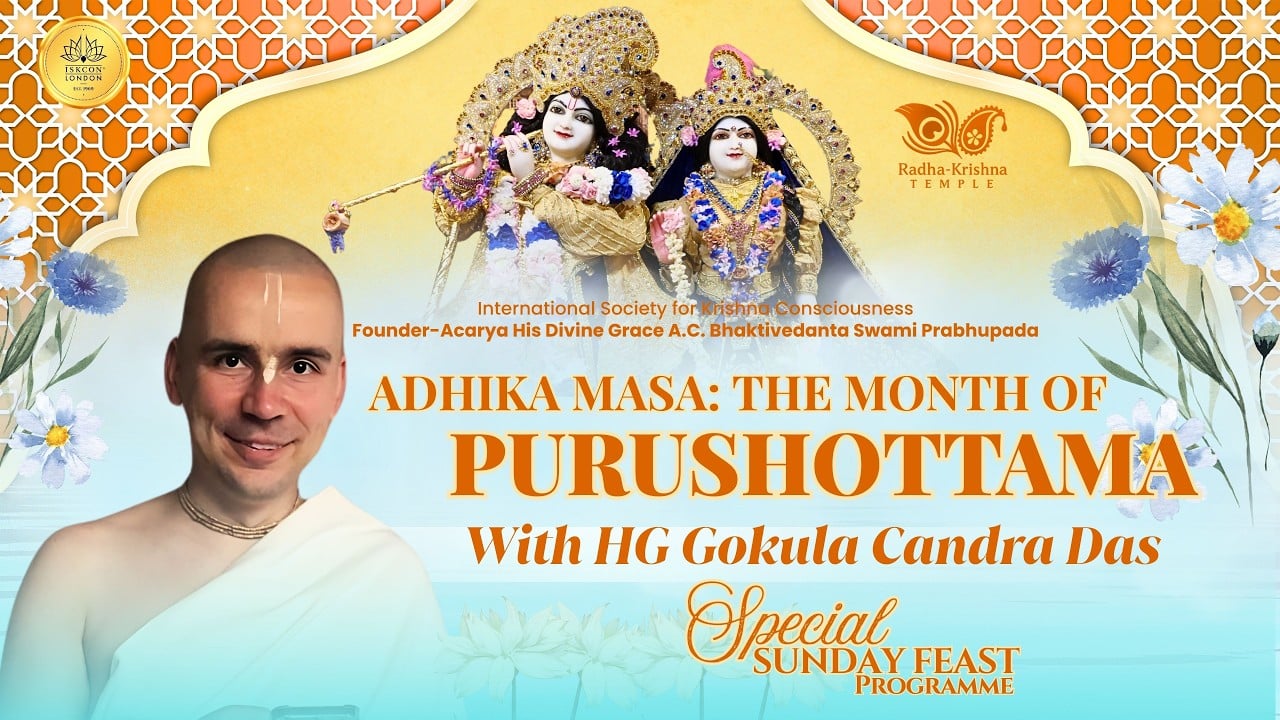
This long-form guide situates Adhika Masa (Purushottama Masa) within precise Hindu calendar science while presenting a practical, compassionate framework for intensified bhakti in 2026. It explains how the intercalary month is determined by the absence of a solar saṅkrānti within a lunar month and why many panchangs identify the 2026 occurrence as Adhik Jyeṣṭha. Drawing…
-
HG Daivi Shakti Mataji illuminates Srila Prabhupada Lilamrita: Rigorous Insights and Living Bhakti

This in-depth exploration of HG Daivi Shakti Mataji || Srila Prabhupada Lilamrita || 17-05-2026 presents Srila Prabhupada-lilamrta as both an authorized biography and a living guide to bhakti-yoga. It explains the work’s sources, method, and theological framing in Gaudiya Vaishnavism, while translating those insights into practical, measurable disciplines. Readers gain a clear view of how…