-
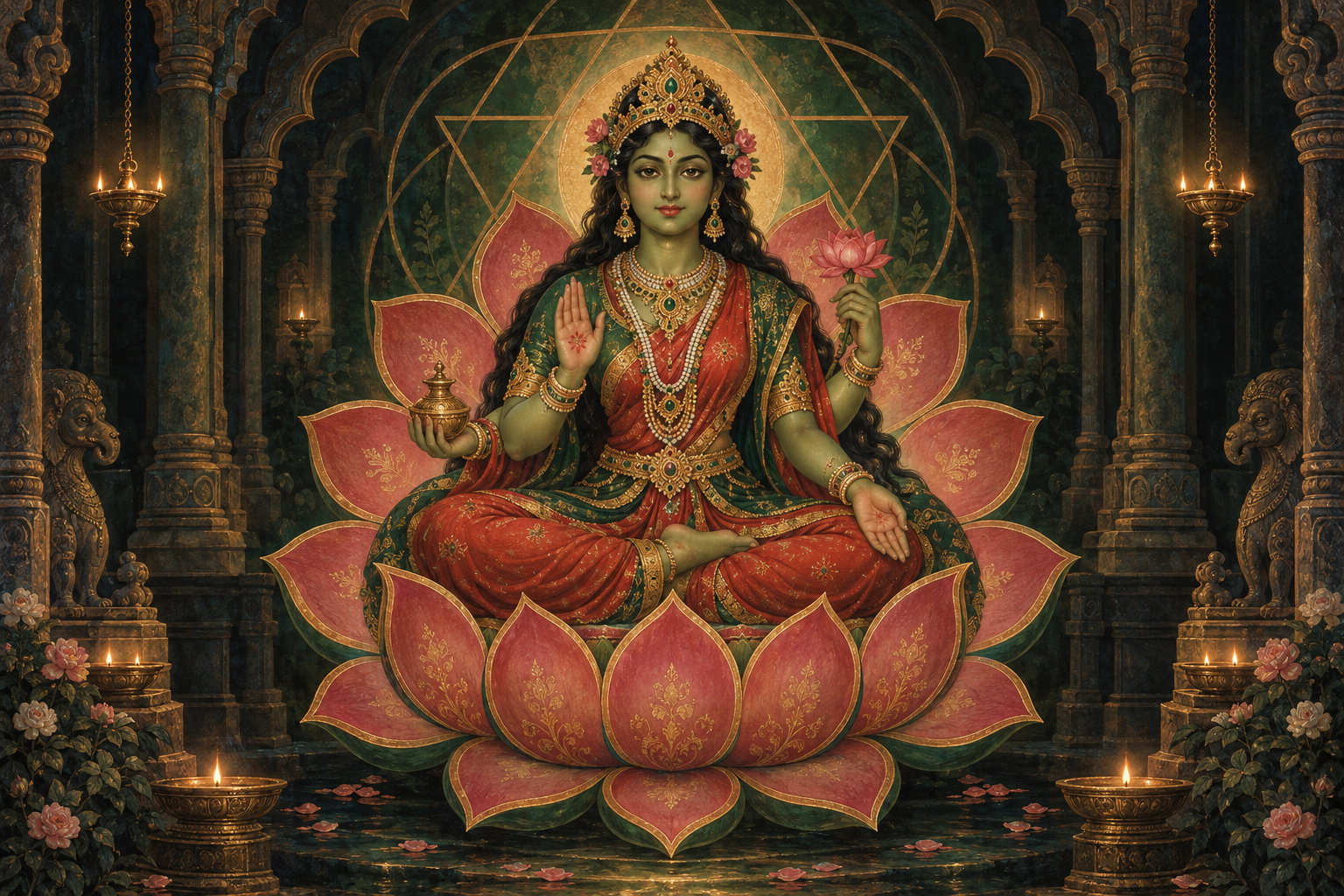
Colors of Hindu Mantras: Mapping Sacred Sound to Chakras, Deities, and Transformative Energy

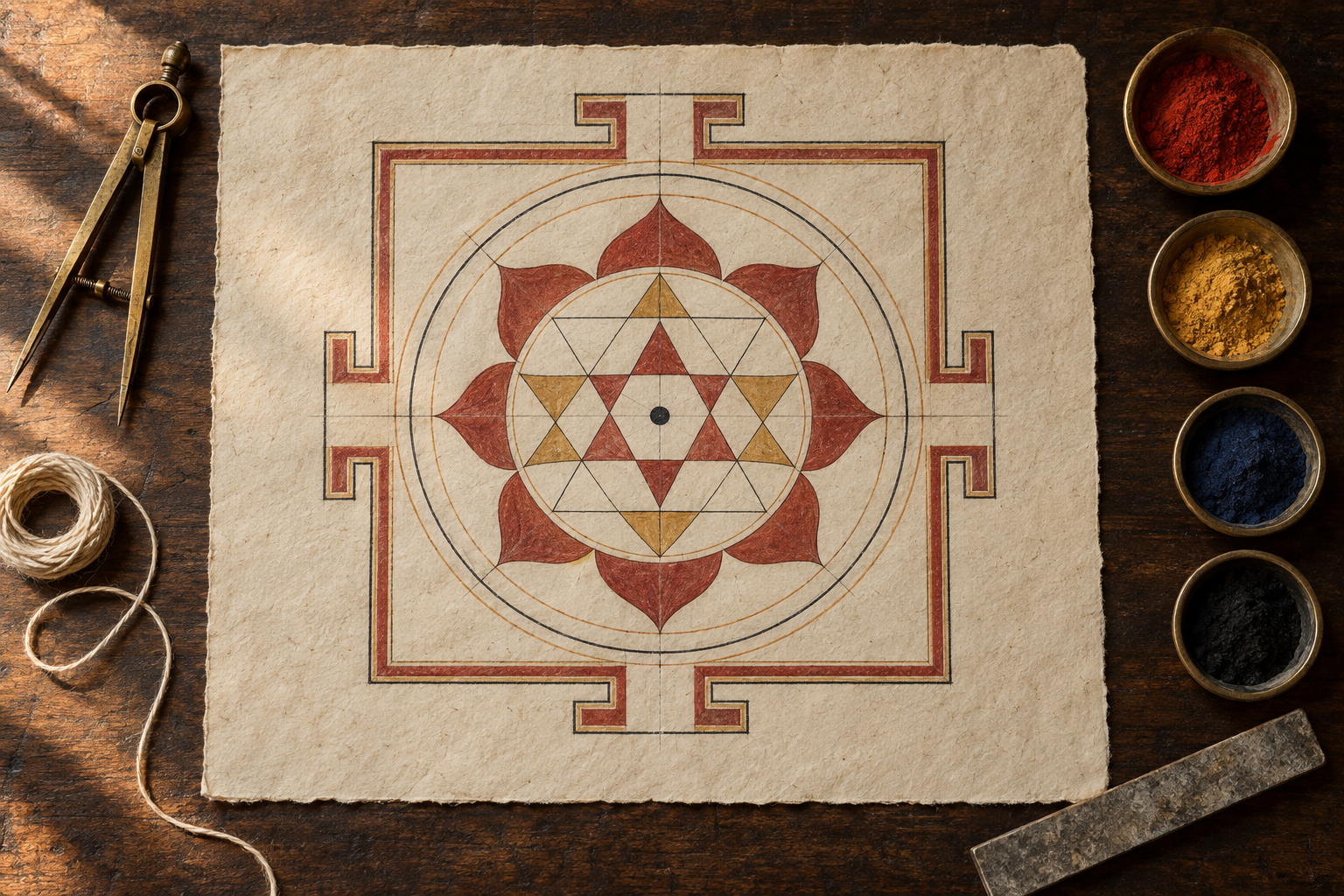
Hindu traditions present mantras as living vibrations that can also be contemplated as subtle color and light, a synthesis that steadies attention and enriches meditation. This long-form exploration explains how color associations arise from chakras, tattvas, iconography, and Jyotisha while acknowledging legitimate variations across lineages. It clarifies widely used mappings, such as lam with red…
-
Adhika Masa (Purushottama) 2026: A Deep Guide to Calendar Science, Bhakti Sadhana, and Unity

This long-form guide situates Adhika Masa (Purushottama Masa) within precise Hindu calendar science while presenting a practical, compassionate framework for intensified bhakti in 2026. It explains how the intercalary month is determined by the absence of a solar saṅkrānti within a lunar month and why many panchangs identify the 2026 occurrence as Adhik Jyeṣṭha. Drawing…
-
HG Daivi Shakti Mataji illuminates Srila Prabhupada Lilamrita: Rigorous Insights and Living Bhakti

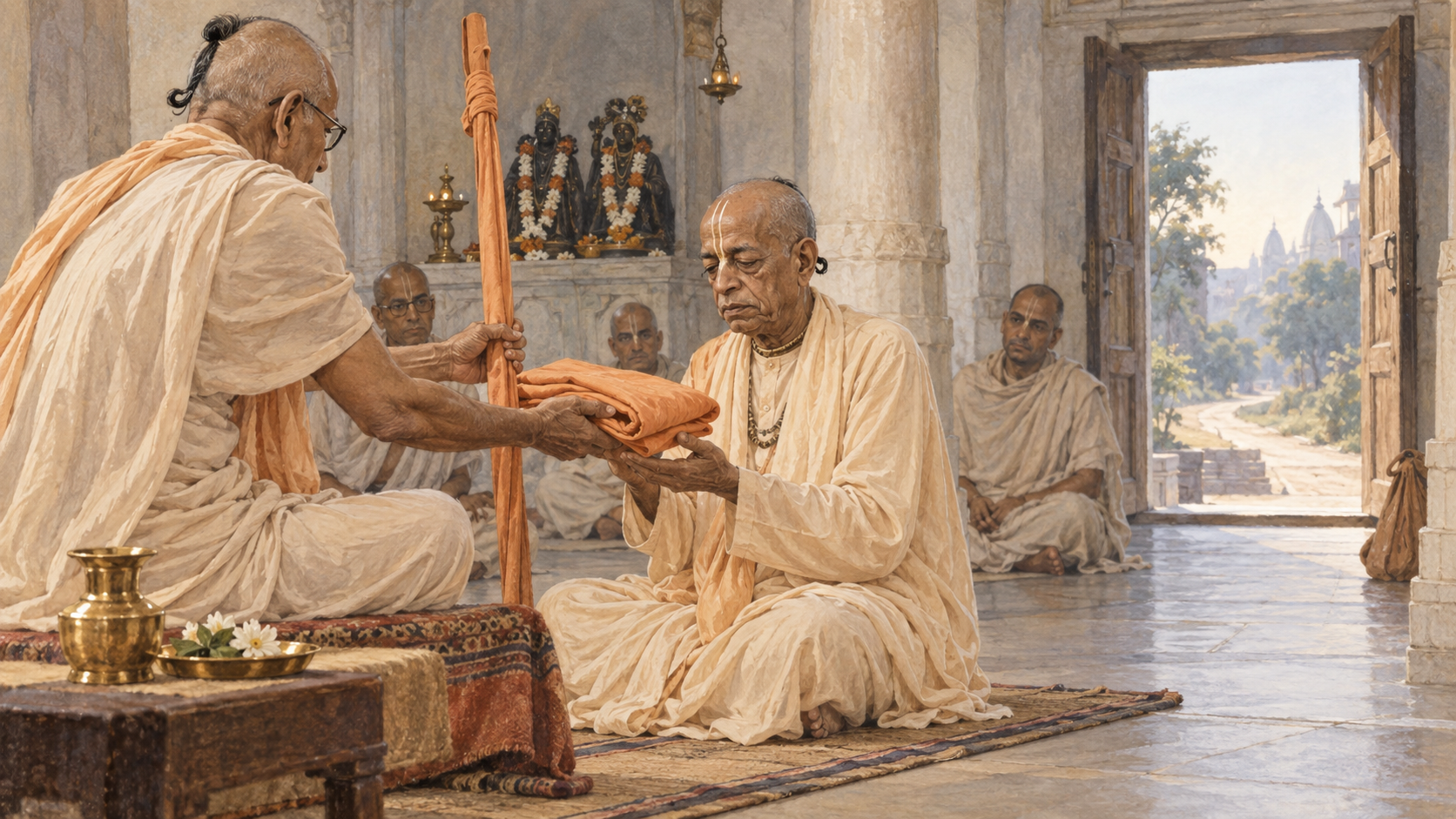
This in-depth exploration of HG Daivi Shakti Mataji || Srila Prabhupada Lilamrita || 17-05-2026 presents Srila Prabhupada-lilamrta as both an authorized biography and a living guide to bhakti-yoga. It explains the work’s sources, method, and theological framing in Gaudiya Vaishnavism, while translating those insights into practical, measurable disciplines. Readers gain a clear view of how…
-
Choose Mental Fuel, Not Noise: Dharmic Wisdom to Protect Self‑Respect and Clarity

This essay presents a rigorous, dharmic framework for curating a nourishing “mental diet” that protects clarity and self‑respect in an age of digital distraction. Drawing on the Upanishads, the Bhagavad Gita, and Yoga Sutra, it explains how sattva, abhyasa–vairagya, and pratyahara translate into concrete media habits. Buddhist thought contributes the four nutriments and wise attention;…
-
Anityam Asukham Lokam (Gita 9.33): A Powerful Guide to Inner Freedom in Change

Bhagavad Gita 9.33 encapsulates a clear diagnosis of worldly life—impermanent and unreliable—and couples it with a precise remedy: orient devotion, action, and insight toward the Ultimate. The phrase “Anityam Asukham Idam,” read with its fuller context, explains why outcomes alone cannot secure lasting peace. Rather than pessimism, the verse offers a liberating realism that frees…
-
‘Gems of Sikhism’ Review: Timeless Teachings, Khalsa Ethos, and Dharmic Unity Today

This academically grounded review of ‘Gems of Sikhism’ distills the core teachings of Sikhism—Ik Onkar, Naam, Seva, Kirat Karni, Vand Chakna, Sarbat da bhala, and the Khalsa ethos—into a coherent, accessible framework. It explains how Sikh practices like Langar and Seva institutionalize equality and compassion, while Miri–Piri and the Sant–Sipahi ideal provide a disciplined theory…
-
Yamuna Pushkarams 2026: Auspicious Dates, Sacred Rituals, and Jupiter in Karkataka Rashi

Yamuna Pushkarams (River Yamuna Pushkaraalu) will be celebrated from 2–13 June 2026, beginning when Guru (Brihaspati – Jupiter) enters Karkataka Rashi in Punarvasu Nakshatra (4th quarter). This cycle places Jupiter in exaltation, lending the festival exceptional spiritual resonance and encouraging pilgrimage, scriptural practice, and seva. Key tirthas include Yamunotri, Mathura–Vrindavan’s ghats, Prayagraj’s Triveni Sangam, and…
-
Religious Significance of the Yamuna River: Mythology, Pilgrimage, and Dharmic Ecology

This in-depth overview explains why the Yamuna River—reverentially known as Yamunaji and Kalindi—holds enduring religious significance in Hindu Dharma and stands as a unifying symbol across the dharmic traditions of Hinduism, Buddhism, Jainism, and Sikhism. Readers will discover the river’s Vedic and Puranic foundations, her identity as Yami (sister of Yama and daughter of Surya),…
-
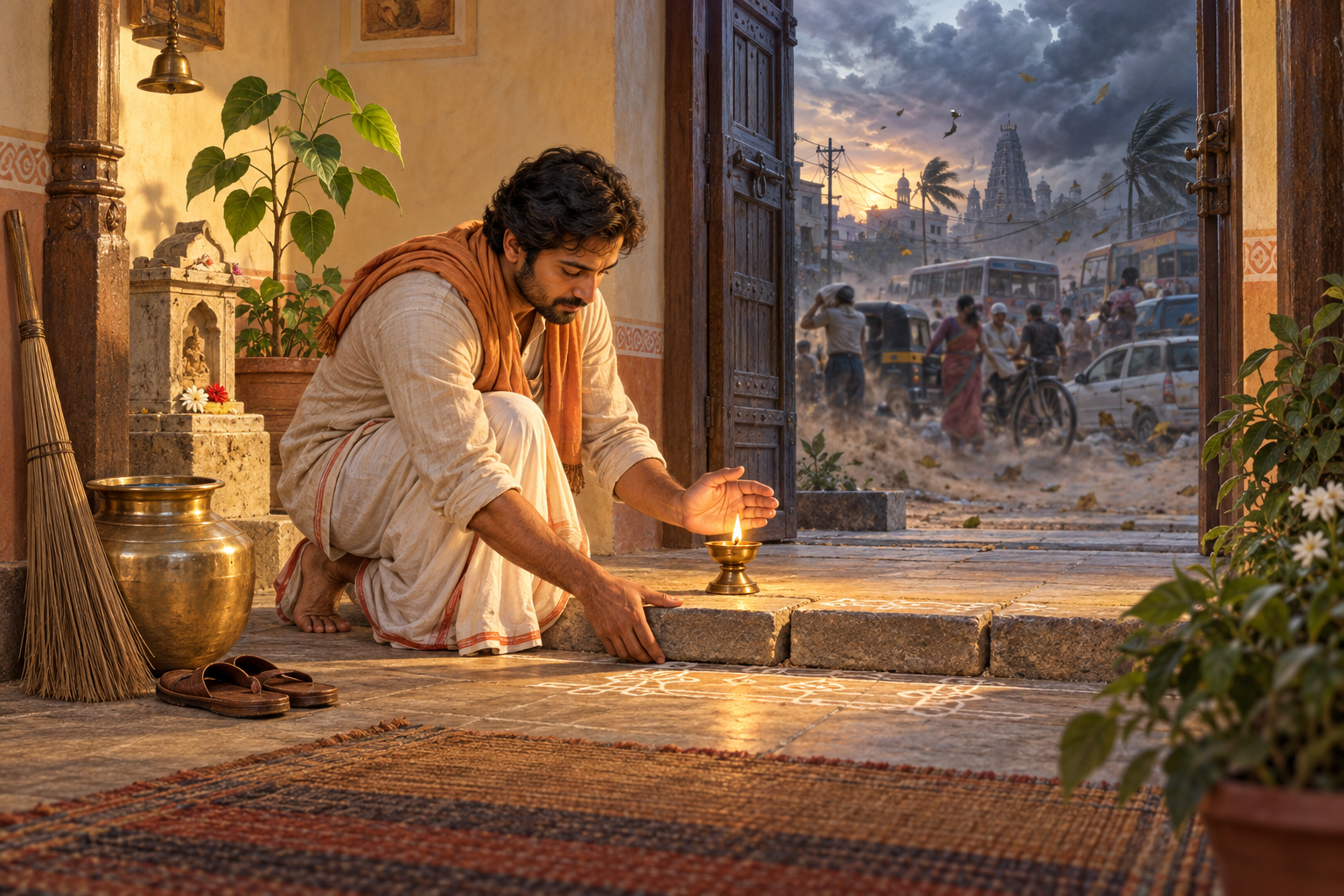
Pournami Deepa Puja Explained: Sacred Science and Spiritual Power of Full-Moon Lamps

Pournami Deepa Puja (Deepa Pooja on the Full Moon) brings together ritual precision, contemplative focus, and communal warmth through the shared act of lighting lamps. Rooted in Vedic invocations to Agni and elaborated in Puranic-Agamic practice, the rite uses a living flame to link outer worship with inner steadiness. Aligning with the Full Moon’s clarity,…
-
Kapi Dhvaja Unveiled: How Hanuman on Arjuna’s Banner Powered Dharma at Kurukshetra

Arjuna’s Kapi Dhvaja—the “ape-banner” of Hanuman—anchors the Bhagavad Gita’s battlefield in a powerful blend of scripture, strategy, and spirituality. The term kapidhvajaḥ in Gita 1.20 is not decorative; it signals divine sanction, morale-building semiotics, and an ethic of service above strength. Traditional lore explains Hanuman’s presence as a boon following Arjuna’s humility before Krishna, binding…
-
Narayaneeyam: A Soul-Stirring, Scholarly Guide to the Bhagavata Purana in 100 Dasakas

Nārāyaṇīyam (Narayaneeyam) condenses the Srimad Bhagavatham into 100 daśakas and just over a thousand ślokas, uniting poetry, philosophy, and devotion. Composed in 16th‑century Kerala by Melpathur Nārāyaṇa Bhaṭṭathiri at Guruvayur, it offers a structured path from cosmology and avatāras to Krishna’s intimate līlās and a culminating meditative vision. This guide clarifies its history, architecture, meters,…
-
Hanumath Kalyanam Explained: Why Hanuman Weds Suvarchala—Texts, Symbolism, Ritual Life

Hanumath Kalyanam asks a striking question: why would a nitya-brahmachari like Hanuman marry? This exploration traces the South Indian legend in which Suvarchala—born of Surya Bhagavan’s Varchas—weds Hanuman, while his vow of brahmacharya remains intact. It clarifies that the Valmiki Ramayana is silent on this motif, which emerges richly in regional sthala-puranas and temple kathas.…
-
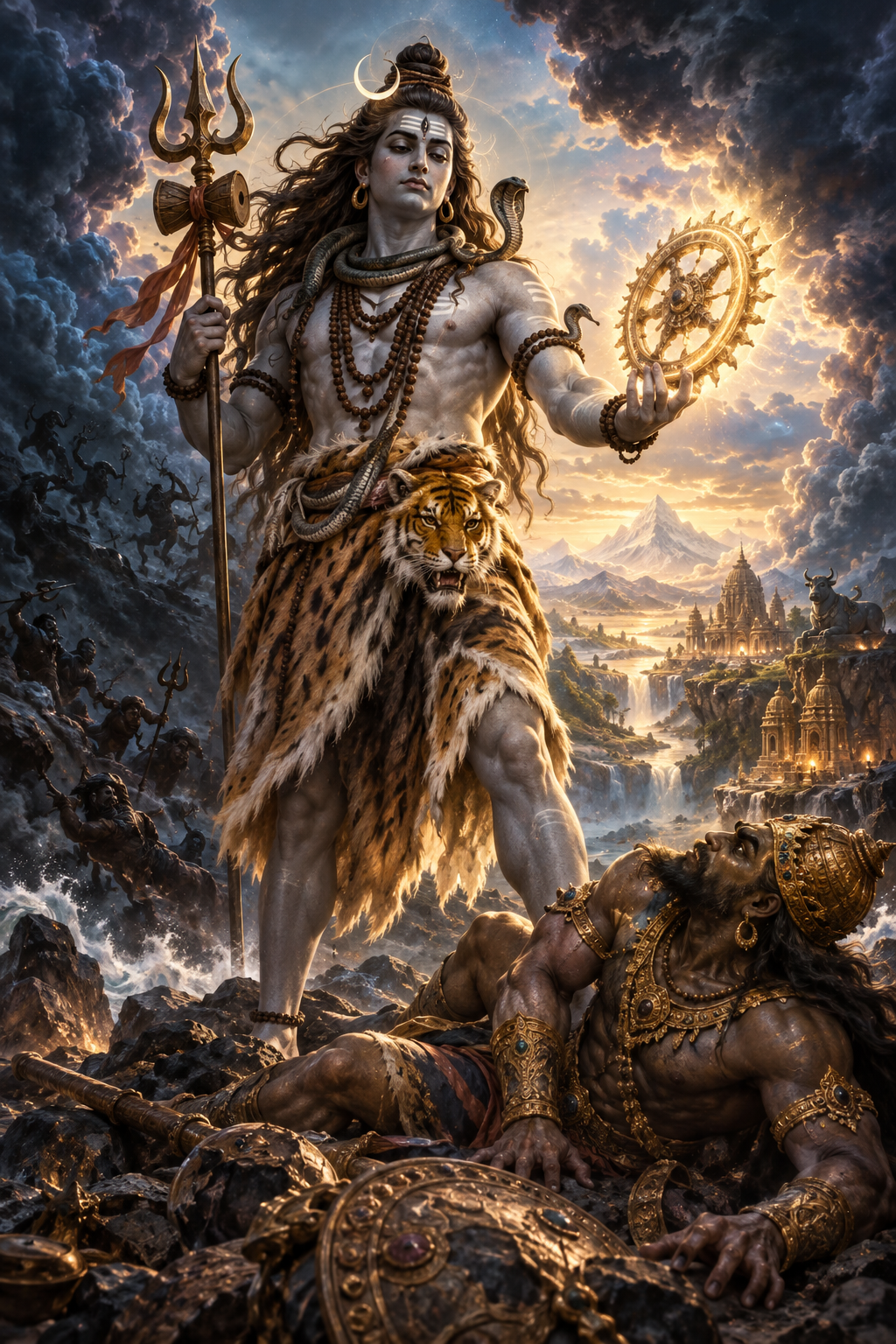
Rakshasa Linga Explained: How Fierce Tapas Wins Shiva’s Non‑Discriminating Grace

This in-depth exploration clarifies what a Rakshasa Linga is and why it matters: a Shivalinga worshipped or installed by a Rakshasa in Purana and sthala-mahatmya traditions. It explains how Skanda Purana and Shiva Purana preserve narratives—such as Gokarna’s Atma Linga and Baidyanath Jyotirlinga—that highlight Ravana’s fierce tapas and Shiva’s impartial grace. It situates these accounts…
-
Beyond Rivalry: Why a True Vaidika Honors Tantra and a True Tantrika Reveres the Vedas

Vedas and Tantra are not adversaries but complementary avenues to the same truth, a reality long recognized across authentic lineages. This article traces their historical interdependence through the Agamas, Pancharatra, temple praxis, and Vedantic metaphysics to clarify why both are indispensable. It explains how mantra, yantra, mudra, nyasa, and Kundalini sadhana can integrate seamlessly with…
-
Is Life Easy or Difficult? Dharmic wisdom unites dukkha and ananda with practical tools

The longstanding paradox—Buddhism’s dukkha versus the claim that life is joy—resolves when viewed through dharmic frameworks that distinguish conventional from ultimate truth. Buddhism names the instability of conditioned life, while Vedanta points to ananda as the intrinsic nature of consciousness; Jain Anekantavada and Sikh Chardi Kala further harmonize these insights. This synthesis is practical, not…
-
Adhika Maasa 2026 (Adhik Jyeshta): What to Avoid, What to Embrace, and Why It Matters

Adhika Maasa 2026 (Adhik Jyeshta) runs from 17 May to 15 June and is traditionally reserved for inward-focused sadhana rather than celebratory beginnings. Marriages (Shubha Vivaha), Mundan Sanskara, Griha Pravesh, business inaugurations, and other elective samskaras are best deferred. Nitya and naimittika duties continue, and practices such as vrata, japa, parayana, and daana are especially…
-
Guru–Shukra Moodami Decoded: Key Do’s & Don’ts for Yagna, Aksharabhyasam, Seemantham, and Business

Moodami (combustion) occurs when Guru (Jupiter) or Shukra (Venus) draws too close to Surya and becomes ‘asta,’ diminishing its auspicious agency in Muhurta. Drawing on Panchang practice and classical digests, this guide explains how Guru Moodami and Shukra Moodami affect Yagna, Aksharabhyasam, Seemantham, and the launch of new businesses. It clarifies what to defer, what…
-
Adhika Jyeshta Masam 2026: Definitive Telugu Panchangam Guide to Purushottam Maas

Adhika Jyeshta Masam 2026 in the Telugu Chandramana Panchangam runs from 17 May to 15 June during Parabhava Nama Samvatsaram. This guide explains the exact intercalation rule in the Hindu calendar—no Sankranti between two Amavasyas—and why 2026 qualifies as an Adhika Masam. It maps the month’s Shukla and Krishna Paksha flow, notes the special Ekadashi…
-
Tula Rashi Shani Sade Sati: Master the First 2.5 Years (Viraya Shani) with Clarity

When Shani enters Virgo, the first 2.5-year phase of Shani Sade Sati for Tula Rashi—called Viraya Shani—activates the 12th house of expenditure, solitude, and completion. This long-form guide explains the technical framework (12th, 2nd, 6th, 9th house dynamics, Saturn’s aspects, nakshatra nuances, Ashtakavarga, Shadbala, and dasha interplay) and translates it into clear, practical steps. Readers…