-
Katha Rudra Upanishad: A Timeless, Transformative Guide to Sannyasa and Brahma-Jnana

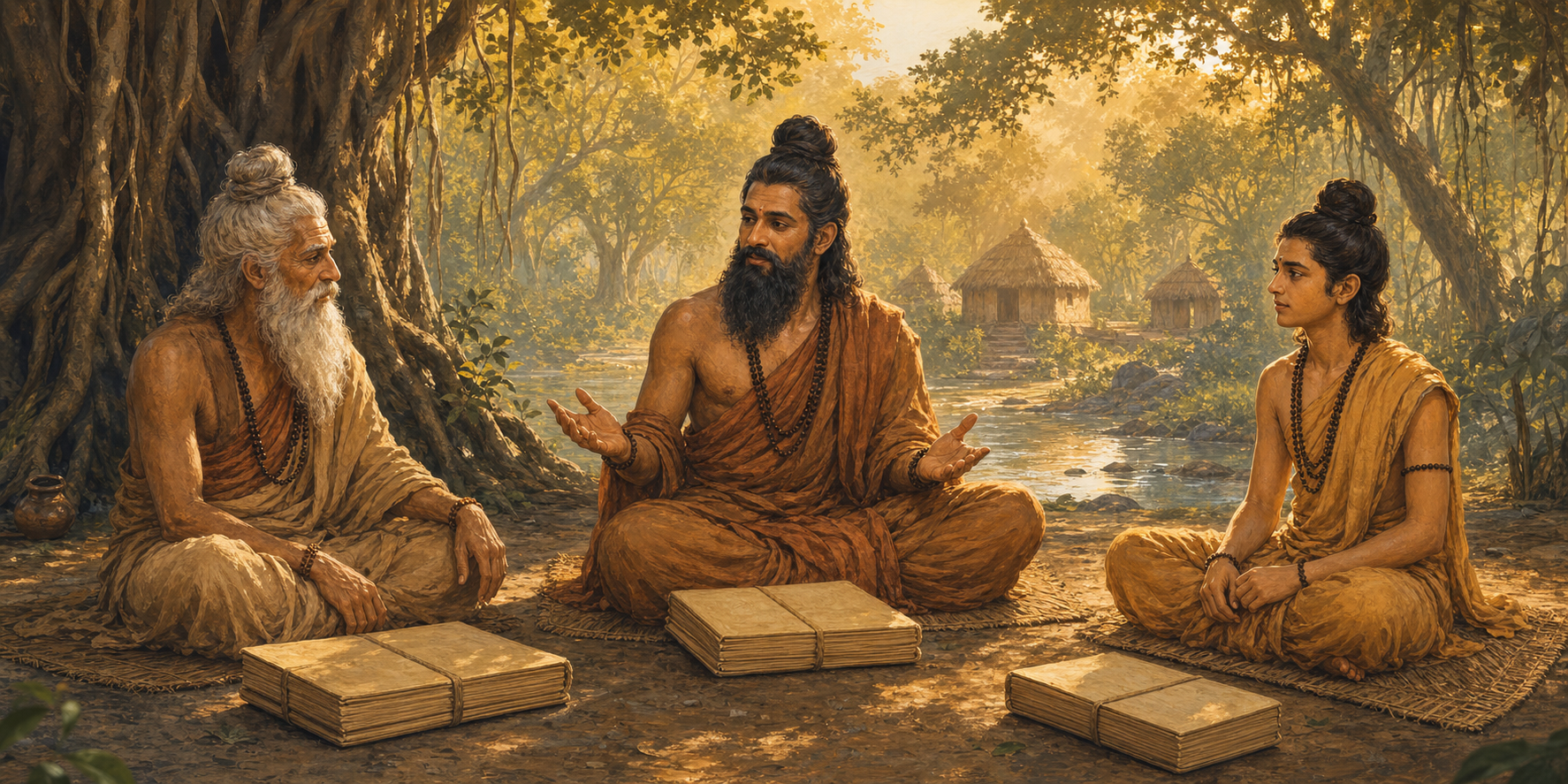
The Katha Rudra Upanishad, affiliated with the Krishna Yajurveda, presents 47 mantras that redefine sannyasa as inner renunciation oriented to Brahma-jnana. It privileges ethical foundations like ahiṁsā and aparigraha, uniting conduct and contemplation as prerequisites for non-dual insight. By emphasizing Om, mahāvākya meditation, silence, and self-inquiry, the text converts knowledge from concept to lived clarity.…
-
Sacred Solitude in Kali Yuga: Hindu Wisdom to Turn Loneliness into Inner Strength

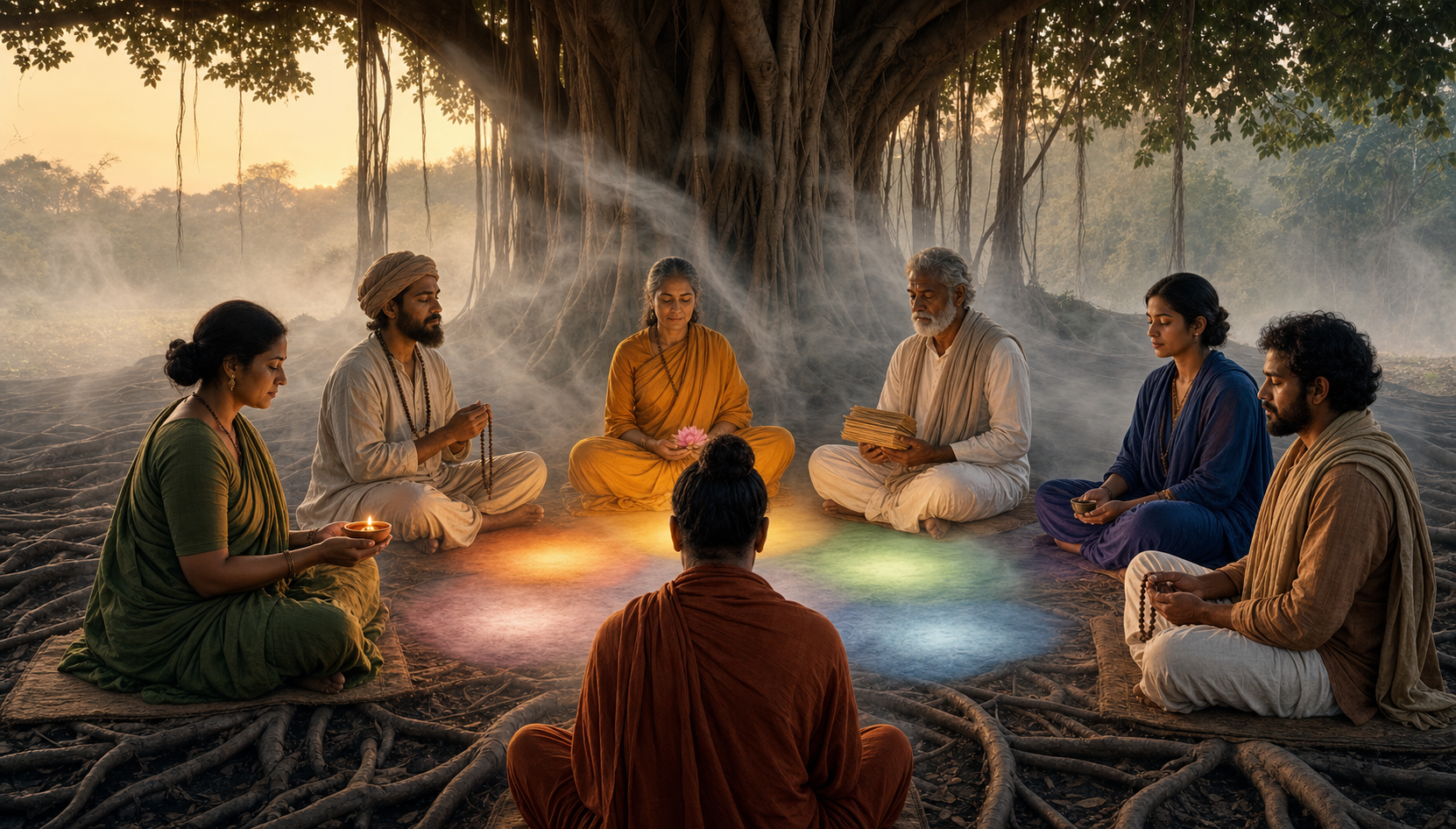
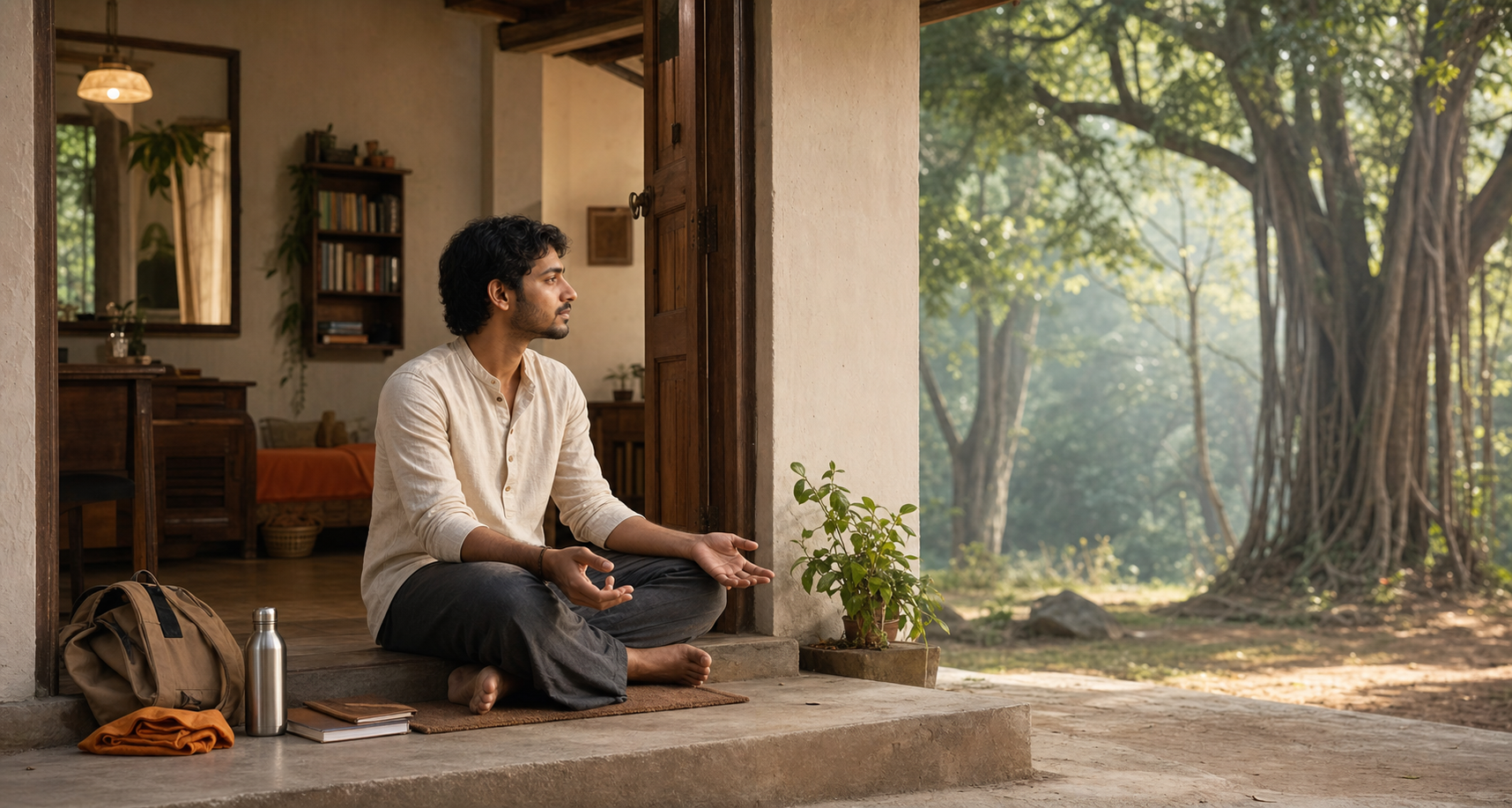
Kali Yuga’s turbulence often magnifies loneliness, yet Hindu wisdom reframes solitude as a disciplined practice for clarity and compassion. Drawing on the Bhagavad Gita, Yoga Sūtras, and Upanishadic thought, sacred solitude is shown to renew attention, emotional resilience, and ethical steadiness. Complementary insights from Buddhism, Jainism, and Sikhism highlight shared practices—mindfulness, kāyotsarga, and simran—that deepen…
-
Why Ganesha Wears Red: Auspicious Energy, Shakti, and Victory Over Darkness

The sacred red of Ganesha is not decoration but a precise visual theology that communicates Shakti, auspiciousness, and the courage to begin well. Rooted in Agamic and iconographic traditions, vermilion (sindoor), kumkum, and red flowers activate Ganesha’s obstacle-clearing grace at personal and communal thresholds. The color aligns with the Muladhara chakra, reinforcing stability and decisive…
-
Why a Left-Coiled Ganesha Belongs at Home: Auspicious Energy and Easeful Worship

Traditional iconography explains why many households prefer a left-coiled (Vamavarta) Ganesha: it conveys calm, lunar-aligned auspiciousness that suits daily worship. The form is associated with gentle obstacle-removal and easeful upasana, making it practical for families with changing routines. By contrast, right-coiled images often require stricter ritual observance better supported in temple settings or under guidance.…
-
Sri Radha’s Luminous Eyes: Heart-Purifying Insights on Kohl, Japa, and Vrindavan Bhakti

This installment in the ecstatic love series explores the devotional symbolism of Srimati Radharani’s eyes in Vrindavan bhakti. Opening with Vyasadas’s prayers to guru and Gauranga, it emphasizes purification of the heart through chanting (japa) and meditation (dhyana). The application of dark kohl (kajal) is interpreted as both an aesthetic intensifier and a metaphor for…
-
Stop Absorbing Others’ Emotions: Evidence-based steps and dharmic insights for calm

Strong emotions in others can feel overwhelming, but they do not have to dominate the day. This article outlines evidence-based strategies for emotional boundaries, self-compassion, and nervous system regulation so that another person’s mood does not become one’s own. It clarifies why empathy is limited during emotional activation and explains how noticing and naming internal…
-
Beyond Names and Forms: Embracing the Infinite Nature of God in Dharmic Wisdom

Hinduism teaches that the divine is infinite and cannot be confined to one form or name, as expressed in the Upanishadic dictum “Ekam Sat Vipra Bahudha Vadanti.” This perspective affirms religious pluralism through Ishta, allowing varied yet valid approaches to the sacred. Related dharmic traditions reinforce this vision: Jainism’s Anekantavada, Buddhism’s skillful means, and Sikhism’s…
-
Ganesha’s Sacred Sacrifice: How Parvati’s Creation and Shiva’s Gift Illuminate Transformation

This essay explores the sacred symbolism of Ganesha’s birth, showing how sacrifice, dissolution, and rebirth illuminate a practical path of transformation. Readers learn how the beheading symbolizes the release of ego and the elephant head signifies the arrival of discerning wisdom. The analysis decodes Ganesha’s features—ears, eyes, trunk, belly, and single tusk—as teachings in focus,…
-
Mahakala Murti Iconography: Unveiling Shiva’s Fierce Time and Cosmic Dissolution

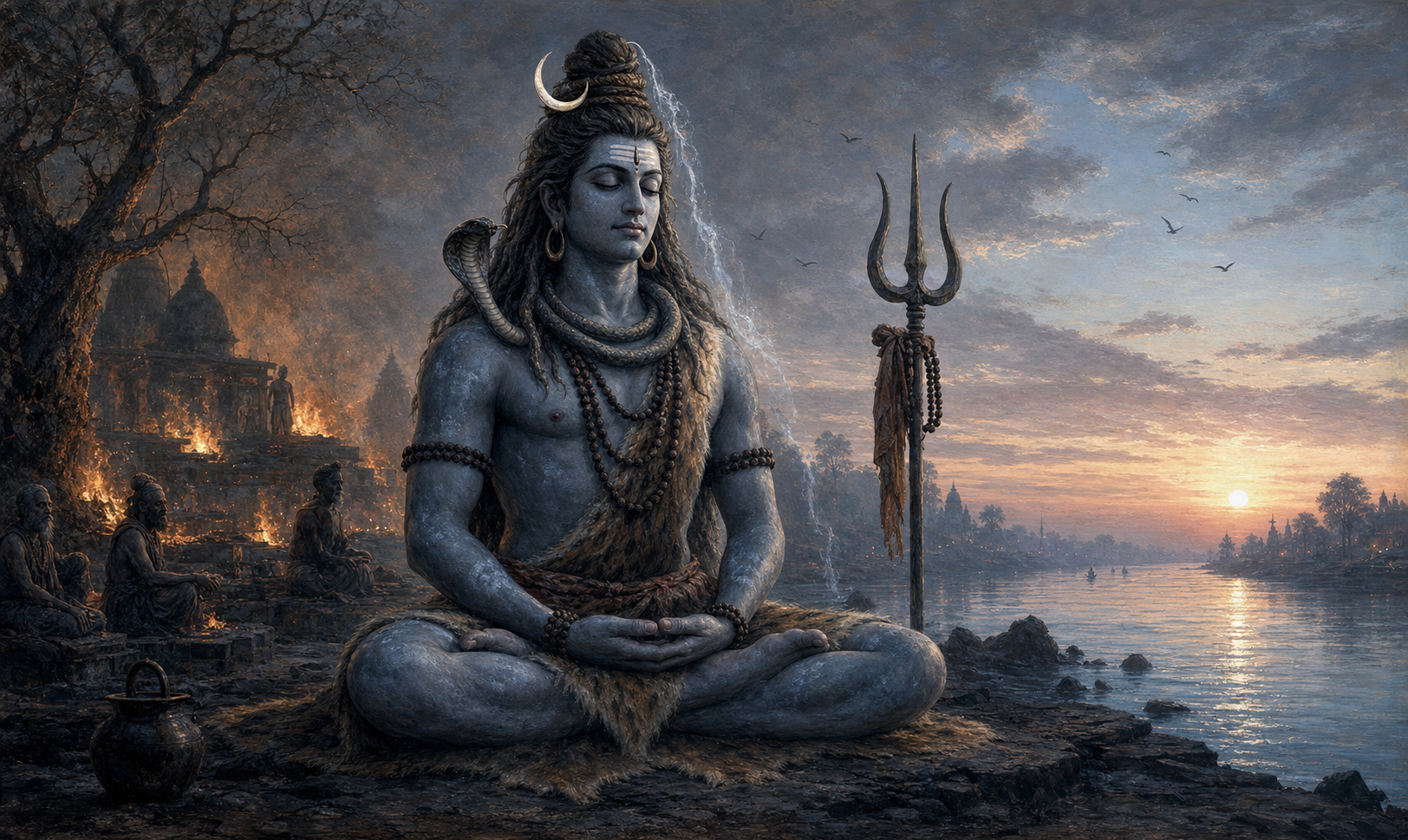
Mahakala’s murti reveals Shiva as the Great Time—fierce yet ultimately protective—through a precise language of symbols: trident, damaru, skull cup, cremation ground, and the halo of flames. Readers gain a clear, accessible guide to Mahakala’s iconography, a philosophical lens on impermanence and transcendence, and practical insight into ritual observances such as Maha Shivaratri. The article…
-
Beyond the Battle: Lord Muruga’s Compassion, Marriages, and Living Legacy after Surapadman

Many accounts of Lord Muruga end with the defeat of Surapadman, but the tradition continues with a profound vision of compassion and unity. The asura’s transformation into the peacock vahana and rooster emblem reframes victory as ethical conversion rather than annihilation. The dual marriages to Ma Valli and Ma Devasena embody harmony between earth-rooted devotion…
-
Sun–Saturn (Ravi Shani) Conjunction Across 12 Houses: Transformative Vedic Insights

This guide presents a clear, house-by-house exploration of the Sun–Saturn (Ravi Shani) conjunction in Vedic astrology. It preserves the classical note that, when together, these planets are read as aligned in purpose, and that Mercury’s addition can sharpen conflicts wherein the Sun’s effect predominates. Readers gain practical, academically grounded insights for all 12 bhavana (houses),…
-
Unsung Heroes of the Mahabharata: Bahlika Raja’s Legacy, Dharma, and Living Lessons

This exploration spotlights Bahlika Raja, a lesser-known yet consequential figure in the Mahabharata. It outlines his lineage, regional associations with Bahlika (Balkh/Bactria), and his role and fall in the Kurukshetra War. The discussion presents the revered belief that he is the next birth of Bhakta Prahalada, highlighting themes of devotion and continuity of merit. Readers…
-
Unbroken Sacred Bonds of Bharatavarsha: Living Sanatana Dharma and India’s Cultural Unity

This essay examines how the cultural unity of Bharatavarsha endures through lived Sanatana Dharma—where sacred geography, pilgrimage, arts, and scholarship weave Hindus, Buddhists, Jains, and Sikhs into a shared civilizational fabric. It highlights the continuing vitality of Adi Sankara’s mathas, Sanskrit-centered scholarly debate, and inclusive canons such as the Guru Granth Sahib. It traces interregional…
-
Satguru in Sri Guru Granth Sahib: Timeless Wisdom for Inner Freedom and Dharmic Unity

This article clarifies the meaning of Satguru in the Sri Guru Granth Sahib as the eternal, word-centered True Guru known as the Shabad Guru. It outlines how devotion to Naam, alignment with Hukam, and receptivity to Gur Prasad dissolve ego and cultivate ethical virtues. Readers gain practical steps—daily shabad study, simran, kirtan, seva, and participation…
-
From Many Forms to One Reality: Unifying Dharmic Paths to Universal Divinity

This reflection reframes “from many gods to one” as a unifying dharmic philosophy rather than a call for uniformity. It explains how Hindu Ishta, Buddhist Dharmakaya, Jain Anekantavada, and Sikh Ik Onkar converge on one universal reality through diverse practices. Readers gain a clear, academic framework for understanding religious pluralism and unity in spiritual diversity.…
-
Stop Waiting for Signs: Reclaim Spiritual Agency with Dharmic Wisdom and Courage

This reflection traces a shift from passive petitioning to active participation, showing how spiritual bypassing can masquerade as humility and how reclaiming agency restores integrity. It demonstrates the measurable difference between surrender and abdication, reframing prayer as partnership rather than pleading. By naming habits of waiting for signs, it illustrates how opportunities are often deferred…
-
Buddhi Yoga Explained: Master Inner Calm and Outer Action through Discernment and Equanimity

Buddhi Yoga refines the discriminative intellect (viveka) to harmonize inner awareness and outer action. Rooted in the Bhagavad Gita, it cultivates equanimity—“samatvam yoga ucyate”—and translates insight into capable, compassionate deeds—“yogaḥ karmasu kauśalam.” Through meditation, breathwork, pratyāhāra, and svādhyāya, practitioners build clarity, emotional resilience, and ethical grounding. Common experiences include responding to conflict with calm poise…
-
12 Incarnations of Ganesha: Sacred Avatars of Ganapati in the Mudgala and Ganesha Puranas

This overview situates the twelve incarnations of Ganesha within the Mudgala Purana and Ganesha Purana, emphasizing accurate, text-grounded understanding. It presents the Mahotkata Vinayaka narrative in the Satya Yuga, where Ganesha vanquishes Devantaka and Narantaka by scattering grains, and explains its ethical symbolism. It notes the fragmentary listing of Mayureshwara in the excerpt without speculating…
-
Devaki Mata: Krishna’s Brave Mother, Kamsa’s Terror, and the Enduring Power of Faith
Devaki Mata’s story, rooted in the Bhagavata Purana, presents a powerful portrait of maternal courage and unwavering faith. As the sister of Kamsa and wife of Vasudeva, she endures imprisonment in Mathura and the loss of her first six infants. Protected by divine grace, the seventh (Balarama) is transferred to Rohini, and the eighth, Krishna,…
-
Surabhi (Kamadhenu): Emblem of Abundance, Health, and Compassion Across Dharmic Traditions

Surabhi, also known as Kamadhenu and revered as Gomatha, is celebrated in Hinduism as the celestial cow symbolizing abundance, health, and dharma. While rarely worshipped as a standalone deity, her presence thrives in household reverence, ethical living, and community service. Puranic literature portrays her as a benevolent, wish-fulfilling source of auspiciousness linked to sages and…