-
Ardhaparyanka Unveiled: Powerful Symbolism of the Half-Seated Posture in Dharmic Art

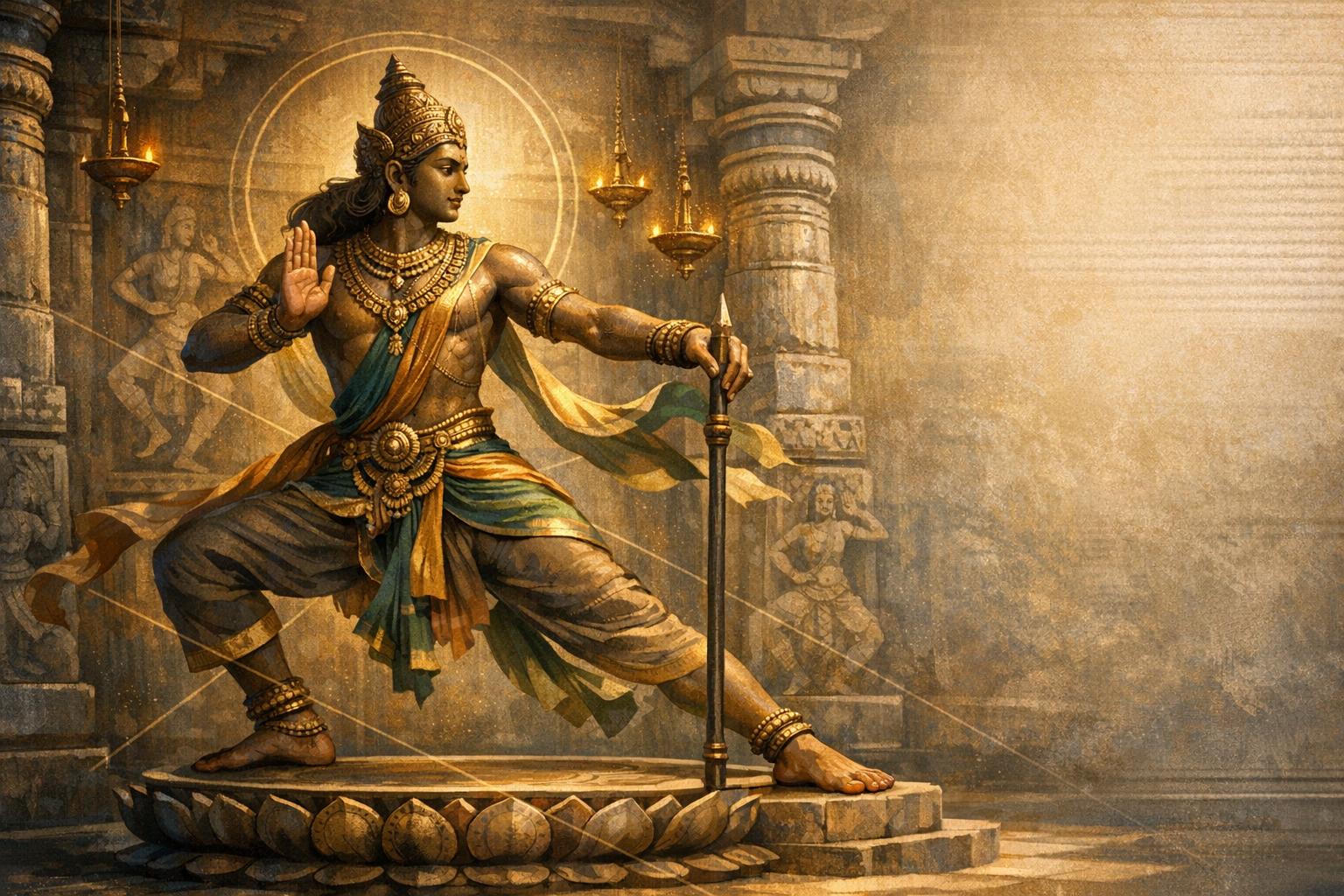
Ardhaparyanka, the “half-seated” posture in Hindu and Buddhist iconography, unites calm repose with poised readiness. It signals divine approachability without diminishing authority, harmonizing compassion with sovereignty. The posture’s balanced form resonates across dharmic traditions, supporting unity among Hinduism, Buddhism, Jainism, and Sikhism. In temples and galleries, viewers often experience a felt sense of stability and…
-
Bhakti and the Worship of Form: Why Murti-Puja Guides the Mind Toward the Infinite

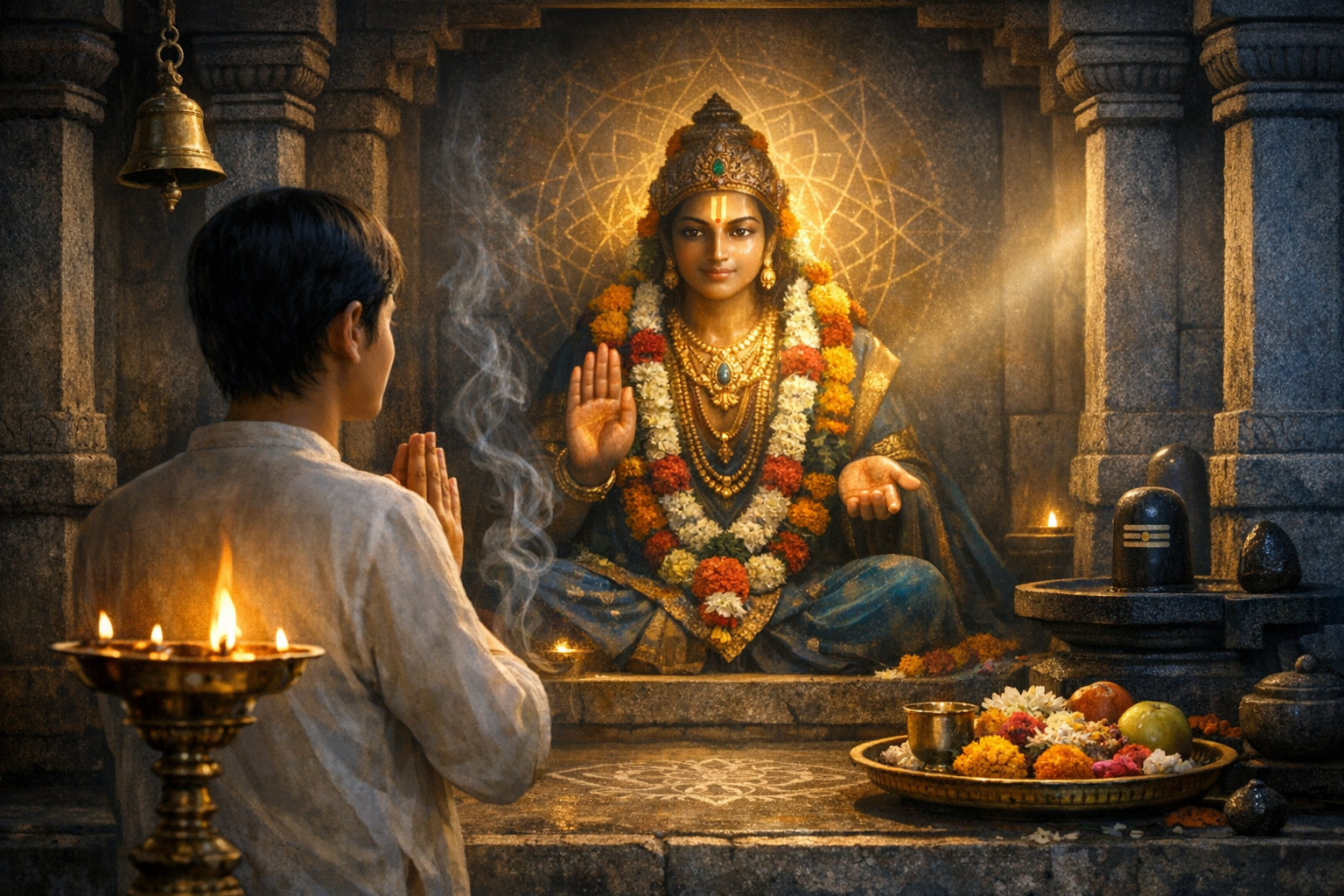
Bhakti embraces worship of form because the universe is seen as emerging from the Supreme Being, making contemplation of Bhagavan accessible. Since human cognition relies on imagery, murti-puja provides a practical bridge from form to the formless. As a symbolic focus, a murti does not limit the Infinite; it points beyond itself while cultivating one-pointedness…
-
ISKCON Food For Life Cebu: Compassionate Earthquake Relief and the Spirit of Bayanihan

A powerful account of earthquake relief in Bogo, Cebu shows how ISKCON Food For Life Cebu and ISKCON Food For Life Philippines mobilized with precision after Governor Pamela Baricuatro’s call to action. The response emphasized ethical food security, warm vegetarian meals, and clean water delivered through safe, efficient community kitchens. It exemplified Bayanihan while aligning…
-
Selfless Love Like the Gopīs: Ādi 4.170 and Bhagavad-gītā’s Call at ISKCON Vrindavan

Drawing on Śrī Caitanya-caritāmṛta Ādi 4.170 and the Bhagavad-gītā, this reflection from ISKCON Vrindavan presents a clear, practical path: shift from sense gratification to devoted, selfless service. It explains how duties and relationships become offerings when aligned with the will of the Supreme Lord, following the gopīs’ exemplar of unwavering love. The analysis shows that…
-
Master Life’s Demands with Inner Stillness: A Dharmic Guide to Watching the Mind

This reflection explores a precise Hindu teaching that unites everyday responsibility with continuous Self-awareness. It explains how mindfulness in action is affirmed across Hinduism, Buddhism, Jainism, and Sikhism, promoting unity among dharmic traditions. Readers gain practical steps—breath anchoring, periodic check-ins, and post-event reflection—to steady attention throughout the day. The approach enhances mental clarity, emotional balance,…
-
Right Thinking, Real Change: Hindu Dharma’s Timeless Tools to Transform Self and Society

Ancient Hindu wisdom teaches that the quality of thoughts shapes reality—an insight echoed across the Bhagavad Gita, the Upanishads, and yogic psychology. This post outlines practical tools such as mindfulness, breath awareness, and values-aligned intention to cultivate clarity and compassion. It highlights how right thinking extends beyond personal wellness to strengthen social trust and community…
-
Mercury in 9th House: Practical Lalkitab Remedies for Dharma, Father’s Well-Being, Integrity

This analysis explains Mercury (Budha) in the 9th house through the Lalkitab lens, focusing on dharma, learning, and ethical conduct. It clarifies why yellow and green are considered unfavourable and offers calm, mindful alternatives to balance Budha’s influence. Traditional cautions about the father’s prolonged challenges are reframed as an invitation to sustained seva and family…
-
Decoding Lord Ayyappa’s Iconic Sitting Posture: Yogic Symbolism, Discipline, and Grace

The sitting posture of Lord Ayyappa—often termed Yogapattasana—does more than depict meditation; it encodes restraint, discipline, and compassion through the stabilizing yogapatta. For Sabarimala pilgrims, it mirrors the vratham of vows and ethical living, transforming devotion into daily practice. The pose’s calm balance resonates across dharmic traditions, paralleling Buddhist mindfulness, Jain self-restraint, and Sikh remembrance…
-
Jwalini Mata and Lord Mangala: Unveiling the Fiery Consort of Mars and Tuesday’s Power

Jwalini Mata, revered as the consort of Lord Mangala (Mars), embodies fiery clarity that complements Mangala’s martial courage and ethical resolve. Rooted in Hindu cosmology of the Navagraha, this pairing guides disciplined energy and righteous action without aggression. Traditions often connect Mangala with Lord Muruga and Lord Veerabhadra, framing a protective yet refined power anchored…
-
Padma, Sovereign of the Nagas: Mahabharata Lessons for Inner Harmony and Unity

Padma, the king of serpents in the Mahabharata, emerges as a model of sovereign wisdom anchored in dharma. Cited in Sabha Parva 9 and Shanti Parva 363–371, his presence signals ethical leadership founded on reflection, restraint, and care for the vulnerable. Serpent symbolism frames Padma as a guardian of life’s sources and a custodian of…
-
Why Brahma Refuses Immortality Boons: Timeless Dharma, Cosmology, and the Path to Moksha

Why does Brahma never grant immortality? In Hindu cosmology, even the creator functions within time and cannot override the laws of dharma and karma. Puranic narratives, such as the story of Hiranyakashipu and Narasimha, illustrate that boons are conditional to preserve cosmic balance. This view shifts focus from bodily permanence to moksha, aligning with the…
-
Every Guy: A Stirring Devotional on Abstinence, Self-Mastery, and Dharmic Unity

Every Guy offers a thoughtful, devotional portrayal of abstinence as a compassionate form of self-mastery. By emphasizing restraint as a pathway to clarity and service, it aligns with shared values in Hinduism, Buddhism, Jainism, and Sikhism. The collaboration of Bhaktimarga Swami, Paul, and Nityananda Das yields a reflective pace that invites mindful attention. Viewers gain…
-
Rising Maha Mantra: Transcendental Sound, Urban Rush, and the Soul’s Subtle Listening

In the midst of New York’s rush hour, Sri Chaitanya Mahaprabhu’s Harinama Sankirtan Mission demonstrates how transcendental sound can calm and focus the mind. The rising Maha Mantra, guided by a kirtan leader shaped by Srila Prabhupada’s mercy, creates a vibrant yet contemplative atmosphere. Even when commuters do not look up, the inner ear—the Soul’s…
-
Rise to Spiritual Heroism: Cultivating Compassion and Dharmic Unity in a Material Age

Contemporary culture often prizes material success over meaning, leaving many feeling restless and disconnected. This article presents spiritual heroism as a steady, practical path back to dharma through daily meditation, truthful speech, mindful consumption, and seva. Drawing on shared virtues across Hinduism, Buddhism, Jainism, and Sikhism—ahimsa, karuna, seva, and satya—it reframes spirituality as an inner…
-
From Print to Masterpiece: The Bhaktivedanta Manor Pancha‑Tattva Painting’s Legacy

A small devotional print discovered while tending to Srila Prabhupada’s rooms inspired a major temple artwork at Bhaktivedanta Manor. The narrative traces how the Pancha‑Tattva—Lord Caitanya, Lord Nityananda, Sri Advaita, Sri Gadadhara, and Srivasa—moved from a humble image to a 4 by 5 foot oil painting. Set against the historic backdrop of the 1973 Rathayatra…
-
Harnessing Positive Thought: Dharmic Wisdom to Consciously Shape Life, Karma, and Destiny

Hindu philosophy teaches that consciously choosing positive thoughts is a disciplined way to shape life, karma, and destiny. This insight aligns with Yoga’s pratipaksha-bhavana, the Bhagavad Gita’s call to self-mastery, Buddhist mindfulness, Jain bhavana, and Sikh simran. Together, these traditions present a unifying dharmic framework for mental cultivation and ethical clarity. Practical steps—sankalpa, pranayama, japa,…
-
Bound or Beyond? Hinduism’s View of Belief, Free Will, and Compassionate Spiritual Unity

Do beliefs bind or set one free? Through Hindu philosophy and its Dharmic cousins—Buddhism, Jainism, and Sikhism—this piece explains how belief can guide without imprisoning. It shows how dharma and sadhana (practice) transform conviction into compassionate action. Readers gain a clear framework from the Upanishads and Bhagavad Gita on agency, karma, and svadharma. The article…
-
Joshmani Sect and Nirguna Devotion: Timeless Wisdom Uniting Hinduism’s Dharmic Family

The Joshmani sect in Hinduism centers on Nirguna devotion—realizing the formless Divine through contemplation, sincerity, and ethical living. Its approach complements Saguna bhakti, affirming Hinduism’s many valid paths rather than elevating one over another. Grounded in Vedanta and the Upanishads, it favors substance over ritual excess while respecting Vedic heritage. The tradition aligns with Ishta,…
-
Mystic Echoes Review: Luminous Sikh Stories Bridging Dharmic Wisdom and Daily Life

Mystic Echoes (Stories Rooted in Sikh Spiritual Realms) is reviewed as a contemplative collection that translates Sikh spirituality into lived, everyday ethics. The narratives highlight Naam, Seva, Sangat, and Hukam as accessible pathways to clarity, courage, and compassion. A calm, precise style makes complex ideas readable without diluting spiritual depth. The review underscores how these…
-
When the Guru Calls: Recognizing the Inner Voice and Answering with Courage and Clarity

The call of “Guru Ji’s voice” is explored as a unifying Guru Principle across Hinduism, Buddhism, Jainism, and Sikhism. It is framed academically as an alignment with dharma that promotes ahimsa, satya, and seva. Practical guidance shows how pranayama, dhyana, japa or simran, study of texts, and community (satsang or sangat) strengthen discernment. Three tests—clarity,…