
-
Gadadhara Vishnu: The Awe-Inspiring Power of Kaumodaki and the Protection of Dharma

Gadadhara Vishnu, “He who holds the mace,” highlights Vishnu’s protective strength through the sacred Kaumodaki. In Hindu symbolism, the mace represents moral discipline, the power to dispel ignorance, and the guardianship of Dharma. Temple darshan and classical iconography communicate reassurance: strength aligned with compassion. This theme resonates across dharmic traditionsHinduism, Buddhism, Jainism, and Sikhismemphasizing ethical…
-
Srimad-Bhagavatam: The Living Book-Form of Sri Krsna Revealing Ten Transcendent Themes

Srimad-Bhagavatam is honored in Vaisnava tradition as the “book form” of Lord Sri Krsna, unfolding twelve cantos that mirror His bodily limbs and present ten transcendental topics. Lord Sri Caitanya Mahaprabhu praised it as pramanam amalam“the spotless authority”while Srila Rupa Gosvami highlighted hearing the Bhagavatam as a most potent limb of bhakti-yoga. Its narrative and…
-
DHENUKASURA SAMHARA MOORTHY: Lord Balarama’s Triumph at Talavana and the Power of Dharma

This exploration of “DHENUKASURA SAMHARA MOORTHY” presents Lord Balarama’s triumph over Dhenuka as both a gripping narrative and a guide to dharmic ethics. Set in the Talavana forest near Gokula, the episode restores calm to the Yadava cowherds and showcases strength informed by restraint. Its symbolismovercoming inertia, fear, and confusionresonates across Hinduism, Buddhism, Jainism, and…
-
Mushikasura Samhara Moorthy: Ganesha’s Powerful Lesson on Conquering Inner Obstacles

Mushikasura Samhara Moorthy presents Lord Vinayaka as the subduer of Mooshikasura, illuminating a Puranic lesson on conquering inner obstacles. The legendpreserved in ritual, iconography, and temple cultureteaches the ethical transformation of unruly forces into instruments of dharma. Read in tandem with broader dharmic insights from Buddhism, Jainism, and Sikh tradition, the story models how mindfulness,…
-
Chakravana: The Western Sea’s Sacred MountainAn Awe-Inspiring Anchor of Hindu Epics

Chakravana, portrayed as a sacred mountain rising from the Western Sea, holds a distinctive place in Hindu scriptures and the imagination shaped by Indian Epics. This account situates Chakravana amid Vishnu’s protective triumphs and the Ramayana’s search for Sita, highlighting how sacred geography deepens narrative meaning. Readers gain an accessible, academic summary that clarifies the…
-
Rudra from Brahma’s Third Eye: Profound Symbolism and Cosmic Balance in the Devi Bhagavata Purana

This analysis explores the Devi Bhagavata Purana’s account of Rudra emerging from Brahma’s third eye, highlighting its profound symbolism for cosmic balance and inner transformation. It explains how the narrative frames creation, preservation, and transformation as a harmonious continuum within the Trimurti. Readers gain practical insights into the third eye as discernment, the pancha mahabhutas…
-
Kalabhairava Unveiled: Decoding Shiva’s Fierce Iconography of Time, Justice, and Protection
Kalabhairava, Shiva’s fierce manifestation, embodies time and its dissolution while upholding uncompromising truth and justice. This post decodes his iconographytrident, drum, sword, skull-bowl, and dog vahanashowing how each symbol guides ethical living and fearless clarity. Drawing on Agamas, Tantras, Shilpa traditions, and the Skanda Purana, it situates Kalabhairava as Kshetrapala, the guardian of sacred boundaries,…
-
Desire, Discipline, and Redemption: Vishwamitra’s Fall and Rise to Enlightened Self-Mastery
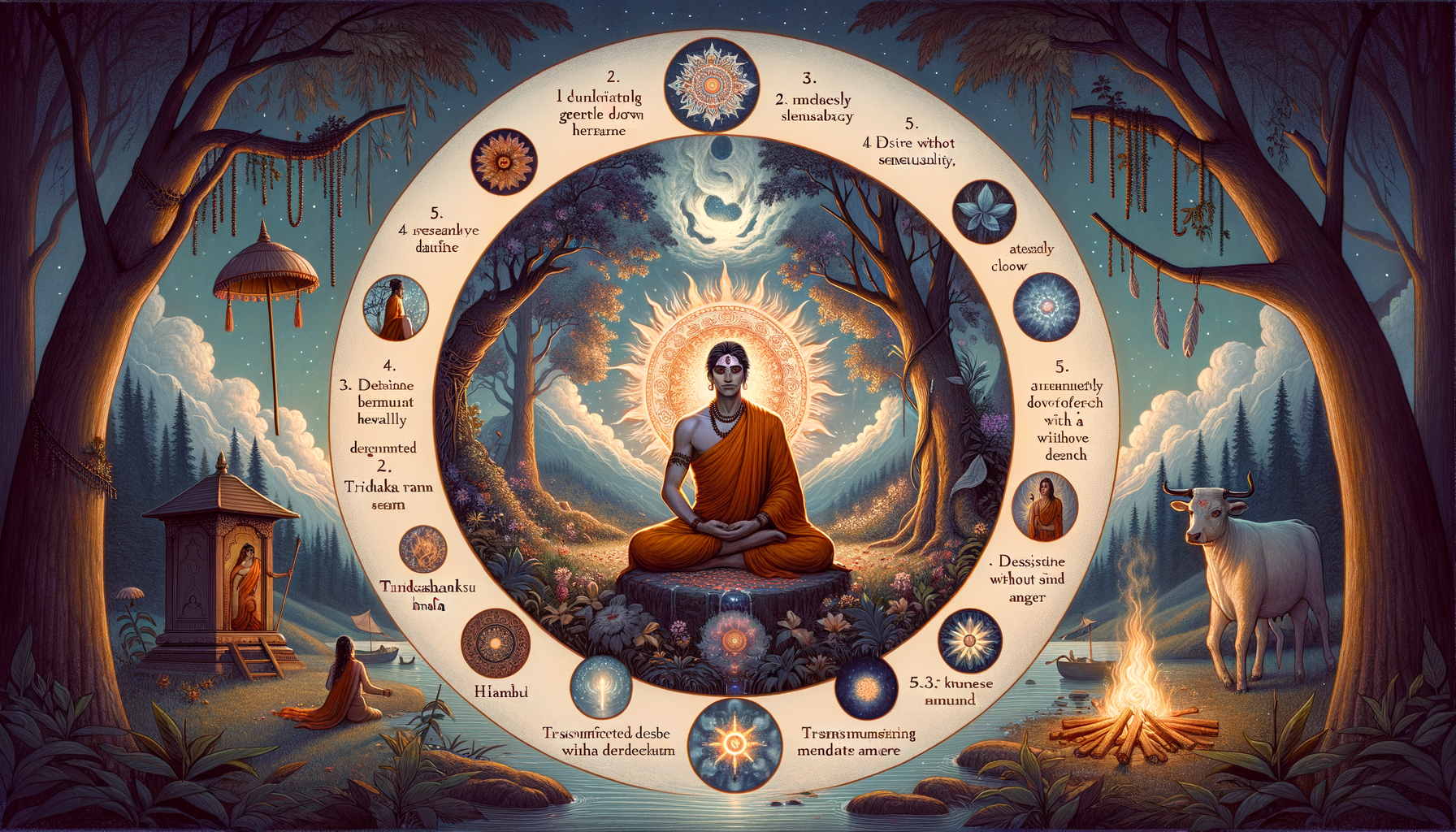
Sage Vishwamitra’s journey, preserved in the Ramayana and Puranas, reveals how desire, discipline, and humility shape authentic spiritual growth. The episodes of Menakā, Rambhā, and Trishanku illuminate why repression alone fails and how insight transforms both desire and anger. Read as a spiritual psychology, the narrative models tapas joined to compassion, equanimity, and surrender. The…
-
Thiruppavai PDF in Tamil, Telugu, Kannada, English: Authentic Text, Meaning, and Recitation Guide
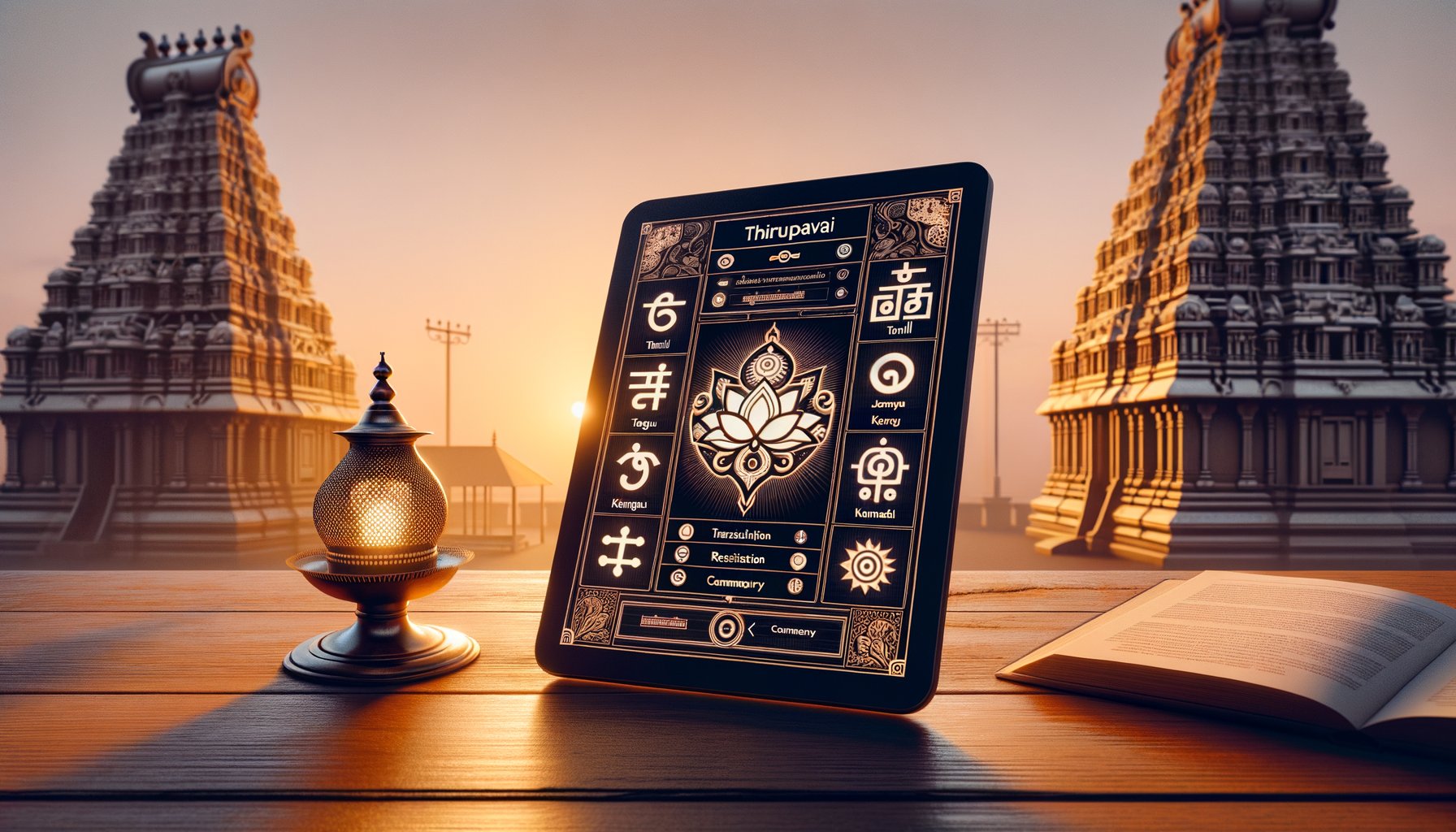
Andal Thiruppavai is a cornerstone of Vaishnava devotion, comprising 30 ‘Pashuram’ that praise the mahatmya of Lord Vishnu. Composed by Sri Andal, the only female Alwar among the twelve, it remains central to dawn recitation during Margazhi and Pavai Nombu. Readers can find Thiruppavai PDF download options in Tamil, Telugu, Kannada, and English, with editions…
-
Gagan Mai Thaal: Guru Nanak’s Cosmic Aarti and the Living Unity of Dharmic Traditions

“Gagan Mai Thaal” portrays the cosmos as a living Aarti, aligning Sikh devotion with a universal reverence for creation. The hymn’s imagerysky as platter, sun and moon as lampstranslates complex metaphysics into an accessible contemplative experience. It resonates with Vedic order, the Gita’s cosmic vision, Buddhist interdependence, and Jain ahiṃsā, affirming Religious Pluralism and Unity…
-
Poetic Karmic Justice: Vali Reborn as Jara and the Arrow That Ends Krishna’s Leela

This article explores a powerful link between the Ramayana and the Mahabharata through the motif of karmic justice connecting Vali, Jara, Rama, and Krishna. It clarifies how later devotional and regional traditions interpret Jara as Vali reborn while noting that the critical Mahabharata text simply names Jara as a hunter. Readers gain a nuanced understanding…
-
From Mind-Born Beings to Divine Touch: Linga Purana Insights on Hindu Creation

Hindu cosmology, especially as reflected in the Linga Purana, presents a spectrum of creation that begins with mental conception, extends through vision and touch, and culminates in physical procreation. This framework centers consciousness as a generative forceillustrated by Brahma’s manasa putra and by metaphors of darshana (vision) and sparsha (touch). Parallel classifications in Buddhism (opapātika)…
-
Timeless Dharmic Principles for an Ideal Husband: Lessons from Prahlada and Narada
This article distills dharmic principles that guide an ideal husband, drawing on Narada Muni’s counsel and the example of Prahlada Maharaja. It translates varnasrama-based insights into practical habitsethical speech, dependable livelihood, and self-masterythat strengthen family harmony. Readers gain actionable steps such as shared sadhana, weekly dialogues, and community seva to cultivate trust and resilience. The…
-
Timeless Guidance: The Guru–Shishya Tradition and the Quest for Everlasting Happiness

The quest for lasting happiness across dharmic traditions highlights the enduring value of authentic guidance. Srimad Bhagavatam recommends seeking a bona fide spiritual master through initiation, signaling a mature commitment to study, practice, and service. The Guru–Shishya Tradition finds parallel expressions in Buddhism, Jainism, and Sikhism, emphasizing integrity and accountability. ISKCON exemplifies modern continuity, with…
-
Beyond Illusion: Discover the Deathless Self in the Bhagavad Gita’s Transformative Wisdom

This article explores how the Bhagavad Gita addresses spiritual confusion through the insight that misapprehension arises from non-apprehension. It clarifies the distinction between the changing body-mind and the changeless atman, showing how this perspective reduces fear and grief. Drawing parallels with Buddhism, Jainism, and Sikhism, it highlights a Dharmic consensus on overcoming ignoranceavidya, avijja, mithyatva,…
-
Brihaspati’s Fall and Redemption: A Powerful Shiva Purana Lesson on Karma and Dharma

This post explores a profound Shiva Purana narrative in which Brihaspati, the deva-guru, briefly falls from grace due to overreach and regains it through humility and tapas. It highlights the law of karma in Hindu scriptures as restorative rather than merely punitive. The story illustrates how even the wisest must observe ethical boundaries and practice…
-
Beyond Time and Space: Bhusundi Ramayana and the Immortal Crow’s Countless Ramayanas

Bhusundi (Kākabhūśuṇḍi), the immortal crow sage, embodies the Hindu vision of cyclical time by witnessing Ramayana’s unfolding across infinite kalpas. The Bhusundi Ramayana asserts that there are countless Ramayanascontextual, complementary, and united by dharma’s essence. This plurality aligns with Jain anekāntavāda, Buddhist dependent origination, and Sikh remembrance of the Divine, underscoring unity across dharmic traditions.…
-
Vaishnavi’s Devipura: Varaha Purana’s Powerful Vision of a Sacred City of Women
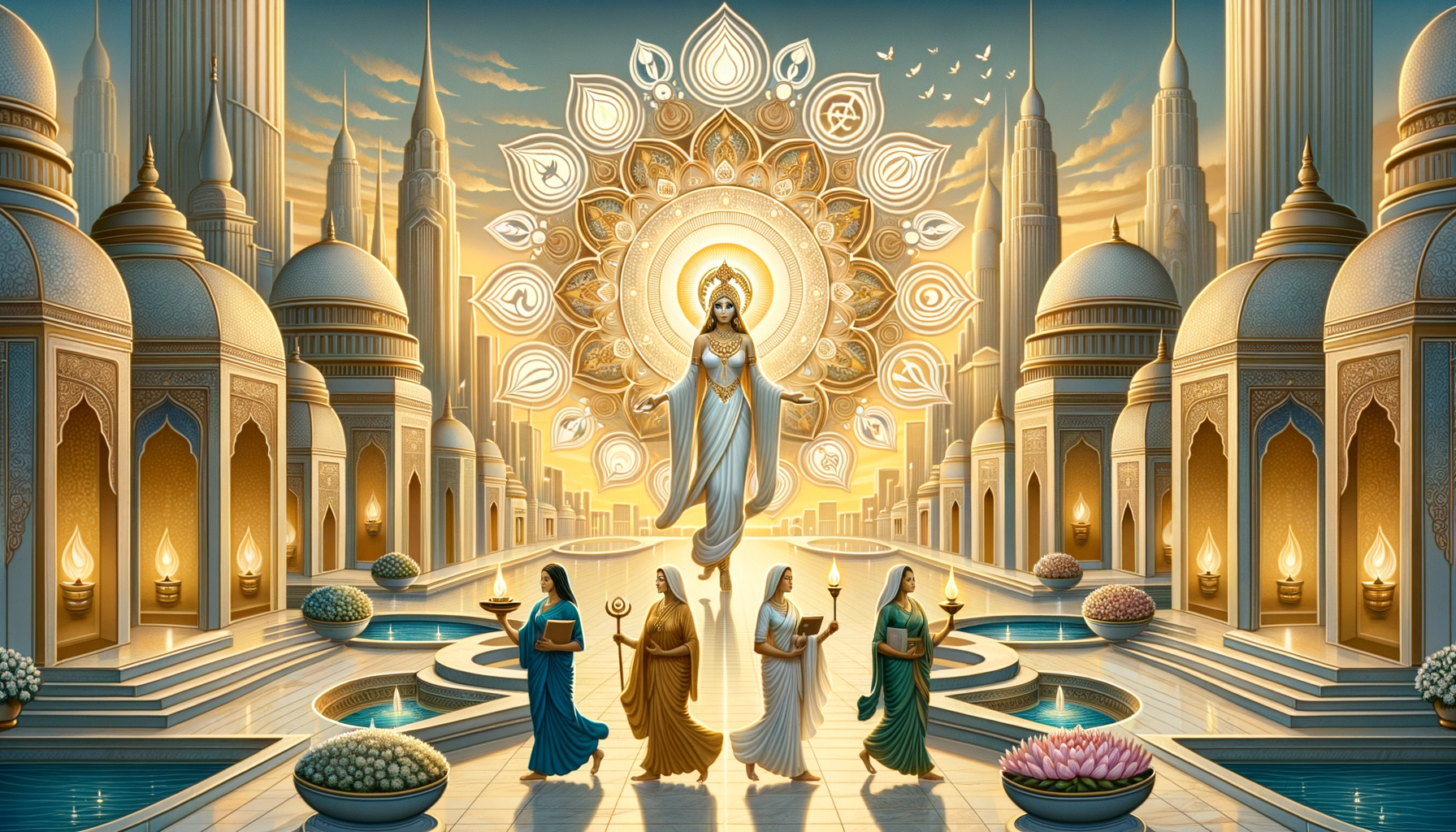
This academically grounded retelling of Varaha Purana, Chapter 92, explores Vaishnavi’s creation of Devipuraa sacred city of womenand the emergence of maidens who embody Dharma’s virtues. It clarifies the story’s symbolism, showing how the Divine Feminine (Devi Shakti) harmonizes tapas and ananda into social flourishing. Readers gain practical reflections for dhyāna, japa, and seva, linking…
-
Lord Śiva on the Wounds of Words: SB 4.3.19 and the Power of Compassionate Speech

SB 4.3.19 presents Lord Śiva’s profound teaching that unkind words from relatives wound more deeply than physical harm. The verse clarifies why familial speech carries lasting emotional effects and how mindful communication can prevent subtle violence. Set against Satī’s dilemma with Dakṣa, it illuminates the ethics of duty, dignity, and restraint. The insight resonates across…
-
Shiva Needs Shakti: Devi Upanishad’s Powerful Lesson on Consciousness and Energy

The Devi Upanishad teaches that Shiva (pure consciousness) and Shakti (dynamic energy) are inseparable, revealing that true power arises from their sacred union. This insight reframes metaphysical power as integrative, not hierarchical: awareness without energy remains inert, and energy without awareness lacks direction. Everyday experience reflects this balance, where clarity must meet purposeful action to…