Category: Philosophy

  • Ancient Roots of Renunciation: Vedas, Upanishads, and the Living Dharma of Monastic Life

    Ancient Roots of Renunciation: Vedas, Upanishads, and the Living Dharma of Monastic Life

    Monasticism in the Vedas and Upanishads is not a late add-on but an organic evolution from early Vedic archetypes like the muni and vratya into the refined sannyāsa ideal. The Upanishads interiorize ritual and elevate renunciation, while the Dharmasūtras and Sannyāsa Upanishads organize practice through codes, vows, and teacher-lineages. This history offers readers a clear,…

  • Resisting the Dream‑Big Mandate: The Liberating Dharma, Joy, and Science of Wanting Less

    Resisting the Dream‑Big Mandate: The Liberating Dharma, Joy, and Science of Wanting Less

    This essay interrogates the cultural pressure to “dream big” and shows, with research and Dharmic insight, why wanting less can enhance well-being. It traces how social comparison and positional goods narrow youthful aspirations into a single script centered on status and income. Drawing on hedonic adaptation and self-determination theory, it explains why material gains often…

  • Hinduism’s Universal Ideals: Defeating Stagnation and Igniting Flourishing with Dharma

    Hinduism’s Universal Ideals: Defeating Stagnation and Igniting Flourishing with Dharma

    This article argues that the absence of shared, universal ideals creates moral drift, weakens institutions, and precipitates social stagnation. Drawing on the Vedas, Upanishads, the Bhagavad Gita, Ramayana, Mahabharata, and Puranas, it distills Dharma, Ahimsa, Satya, Aparigraha, Seva, and Lokasangraha as civilizational anchors. It highlights resonances across Buddhism, Jainism, and Sikhism—Anekantavada, the Brahmaviharas, and sarbat…

  • Non-attachment, Not Apathy: A Dharma-Based Guide to Compassionate Action in Hinduism

    Non-attachment, Not Apathy: A Dharma-Based Guide to Compassionate Action in Hinduism

    Non-attachment in Hinduism is often mistaken for apathy, yet classical sources show it is the basis for lucid, compassionate action. The Bhagavad Gita’s niṣkāma karma, Patañjali’s abhyāsa–vairāgya, and the Īśā Upaniṣad’s ethos of enjoyment through renunciation all unite clarity with care. Distinguishing vairāgya and anāsakti from indifference reveals a sattvic, not tamasic, quality—a stance that…

  • Kali Yuga’s Vanishing Divide: Decoding How Asuras ‘Turn Human’ and What It Means for Dharma

    Kali Yuga’s Vanishing Divide: Decoding How Asuras ‘Turn Human’ and What It Means for Dharma

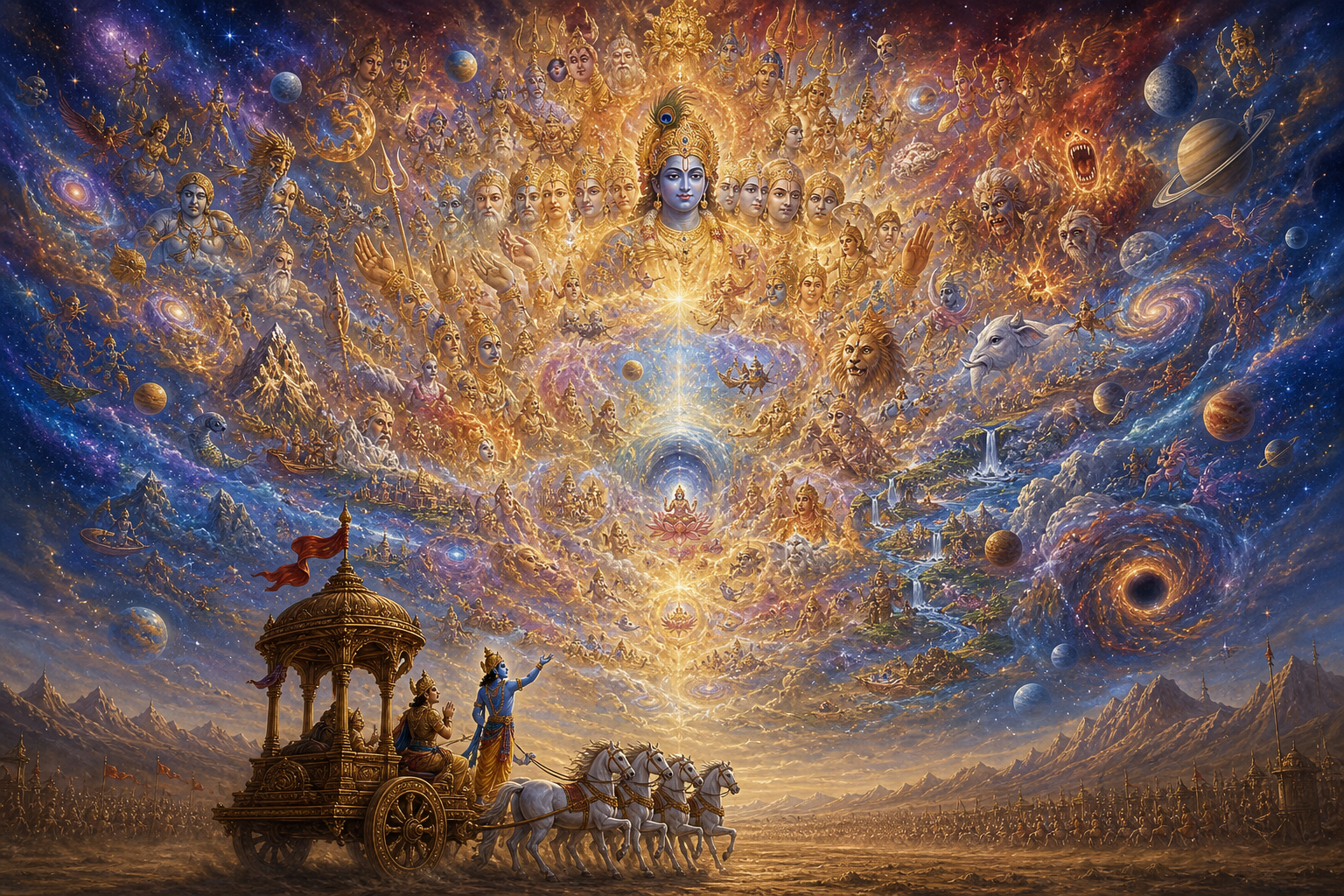
    This in-depth analysis decodes the Hindu claim that in Kali Yuga the line between asuras and humans fades, showing it as a moral-psychological map rather than a literal prophecy. Drawing on the Vishnu Purana, Bhagavata Purana, and the Bhagavad Gita, it explains how dharma degrades across the yugas and why the age demands simpler, heart-centered…

  • The Golden Card Parable: How Discernment and Humility Unlock Dharma’s Hidden Wealth

    The Golden Card Parable: How Discernment and Humility Unlock Dharma’s Hidden Wealth

    A classic Hindu teaching story illustrates how cynicism, credulity, and humble discernment shape destiny. Three men receive identical envelopes promising wealth; only the one who asks, verifies, and follows conditions unlocks its value. Interpreted through dharmic ethics and behavioral science, the parable exalts shraddha, viveka, and guided practice. Cross-tradition insights from Hinduism, Buddhism, Jainism, and…

  • Mudgala Upanishad and the Purushasukta: Decoding Cosmic Personhood, Unity, and Dharma

    Mudgala Upanishad and the Purushasukta: Decoding Cosmic Personhood, Unity, and Dharma

    The Mudgala Upanishad, preserved in several Rigvedic lists, offers a concise contemplative counterpart to the Purushasukta (Rig Veda 10.90). Read together, they articulate a powerful vision of the Cosmic Person (Purusha) that harmonizes ritual symbolism with precise Upanishadic metaphysics. The essay explains key motifs—immanence and transcendence, cosmic sacrifice, and microcosm–macrocosm mappings—while clarifying socially sensitive verses…

  • Deep Ecology through Vedic Wisdom: A Dharmic Blueprint for Compassionate Sustainability

    Deep Ecology through Vedic Wisdom: A Dharmic Blueprint for Compassionate Sustainability

    This essay presents a rigorous, dharmic framework for deep ecology rooted in Vedic culture and enriched by convergences across Hinduism, Buddhism, Jainism, and Sikhism. It explains how Krishna-centrism and principles like ahimsa, aparigraha, and seva generate practical Environmental stewardship. Readers gain a clear understanding of the Bhagavad Gita’s ethical architecture, the Guna model’s relevance to…

  • Unveiling the Fourteen Lokas: A Deep, Clarity-Driven Journey through Hindu Consciousness

    Unveiling the Fourteen Lokas: A Deep, Clarity-Driven Journey through Hindu Consciousness

    This long-form, research-driven exploration clarifies the fourteen lokas (seven Urdhva and seven Adho) in Hindu cosmology as both cosmic regions and states of consciousness. Drawing on Hindu scriptures and Vedic philosophy, it explains each loka’s pedagogical role, distinguishes Adho lokas from Naraka, and shows how the “cosmic ladder” aligns with yogic practice. The piece emphasizes…

  • Abolishing Ignorance: How Knowledge of Brahman Ends Suffering across Dharmic Paths

    Abolishing Ignorance: How Knowledge of Brahman Ends Suffering across Dharmic Paths

    This article explains, in clear Vedantic terms, why only knowledge of Brahman removes avidya—the root of suffering—and how this claim aligns with the Upanishadic distinction between para vidya and apara vidya. It outlines the practical pathway of shravana–manana–nididhyasana, showing how ethics, devotion, and meditation prepare the mind for liberating insight. It compares Advaita, Vishishtadvaita, and…

  • From Dogma to Dignity: A Human-Centered Blueprint for Dharmic Unity and Compassion

    From Dogma to Dignity: A Human-Centered Blueprint for Dharmic Unity and Compassion

    Religions increasingly overshadow the people they were meant to serve. This analysis proposes a Human-Centered Dharma Framework that realigns Hindu, Buddhist, Jain, and Sikh institutions with their ethical cores—Ahimsa, seva, Anekantavada, Ishta, and Vasudhaiva Kutumbakam. It outlines practical governance, service design, and transparency measures, including minimum service thresholds, Human Dignity Reports, and pluralist inclusion. The…

  • Ramayana’s Powerful Blueprint: Dharma vs. Disorder and the Quest for Just Leadership

    Ramayana’s Powerful Blueprint: Dharma vs. Disorder and the Quest for Just Leadership

    This essay examines how the Ramayana confronts humanity’s enduring paradox: the quest to draw order from chaos without promising utopia. It analyzes dharma as a multi-layered system—cosmic, social, and personal—and shows how Rama’s choices model rule-bound leadership (rajadharma) under real-world constraints. Readers gain a technically grounded framework for just decision-making: prioritize norms, exhaust diplomacy before…

  • Kurukshetra’s Hollow Victory: Mahabharata’s Stark Warning Against Meaningless War

    Kurukshetra’s Hollow Victory: Mahabharata’s Stark Warning Against Meaningless War

    The Mahabharata presents the Kurukshetra War as a hollow victory, using scale, lament, and post-war ethics to warn against meaningless conflict. Through Udyoga Parva’s failed diplomacy and Vidura-niti’s counsel, it sets out a just-war framework—just cause, last resort, right intention, and proportionality—then dramatizes the consequences when those rules are broken. Shanti and Anuśāsana Parvas outweigh…

  • Beyond Varna and Ashrama: The Ativarnashrami Ideal and a Fearless Path to Moksha

    Beyond Varna and Ashrama: The Ativarnashrami Ideal and a Fearless Path to Moksha

    This long-form exploration clarifies the Ativarnashrami ideal as the realized state beyond social and life-stage identifiers in Hindu philosophy. It situates the concept within varnashrama dharma, the purusharthas, and scriptural anchors from the Upanishads and the Bhagavad Gita. Readers gain a technical yet readable account of renunciant gradations, ethical implications, and the principle of loka-samgraha.…

  • Vedic Environmentalism: Dharmic Ethics for Sustainability, Ahimsa, and Planetary Care

    Vedic Environmentalism: Dharmic Ethics for Sustainability, Ahimsa, and Planetary Care

    This in-depth exploration of Vedic environmentalism presents a rigorous, dharmic framework for sustainability that unites Hinduism, Buddhism, Jainism, and Sikhism around shared ecological ethics. Drawing on the Īśā Upaniṣad, Bhūmi Sūkta, and the Bhagavad Gītā, it translates reverence into practical guidance on resource conservation, circular economy design, and Clean Energy transitions. It highlights sacred groves,…

  • Unlocking Liberation: The Muktikopanishad’s Timeless Guide to the 108 Upanishads and Moksha

    Unlocking Liberation: The Muktikopanishad’s Timeless Guide to the 108 Upanishads and Moksha

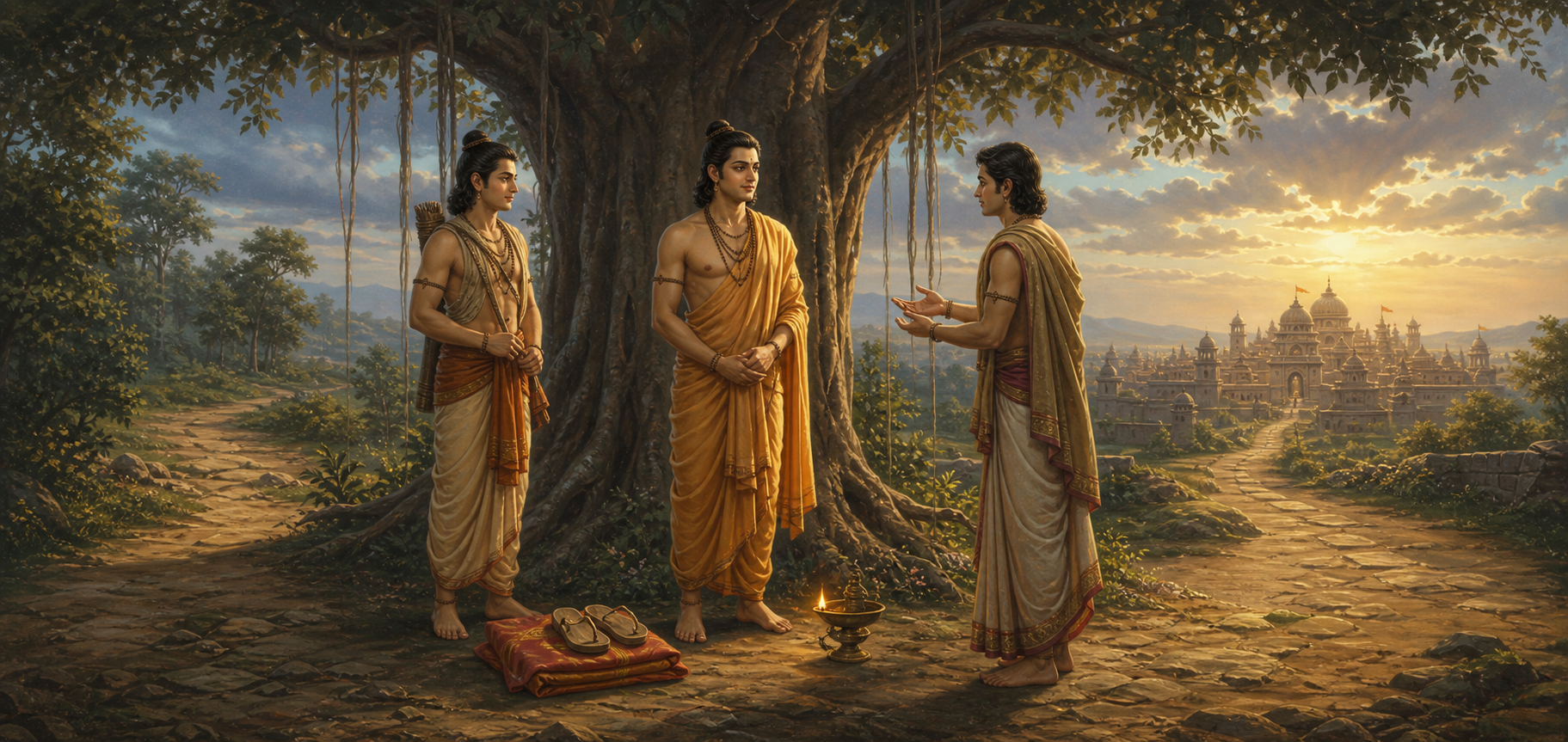
    The Muktikopanishad offers a clear, graded pathway to moksha by organizing the Upanishadic corpus—especially the 108 Upanishads—into an accessible curriculum. Set as a dialogue between Rāma and Hanumān, it blends Advaita Vedānta’s nondual insight with the practical disciplines of ethics, devotion, and meditation. The text’s prioritization of the Māṇḍūkya Upanishad (often with the Kārikā) gives…

  • When Self-Awareness Becomes Overthinking: Evidence-Backed Strategies to Calm and Heal

    When Self-Awareness Becomes Overthinking: Evidence-Backed Strategies to Calm and Heal

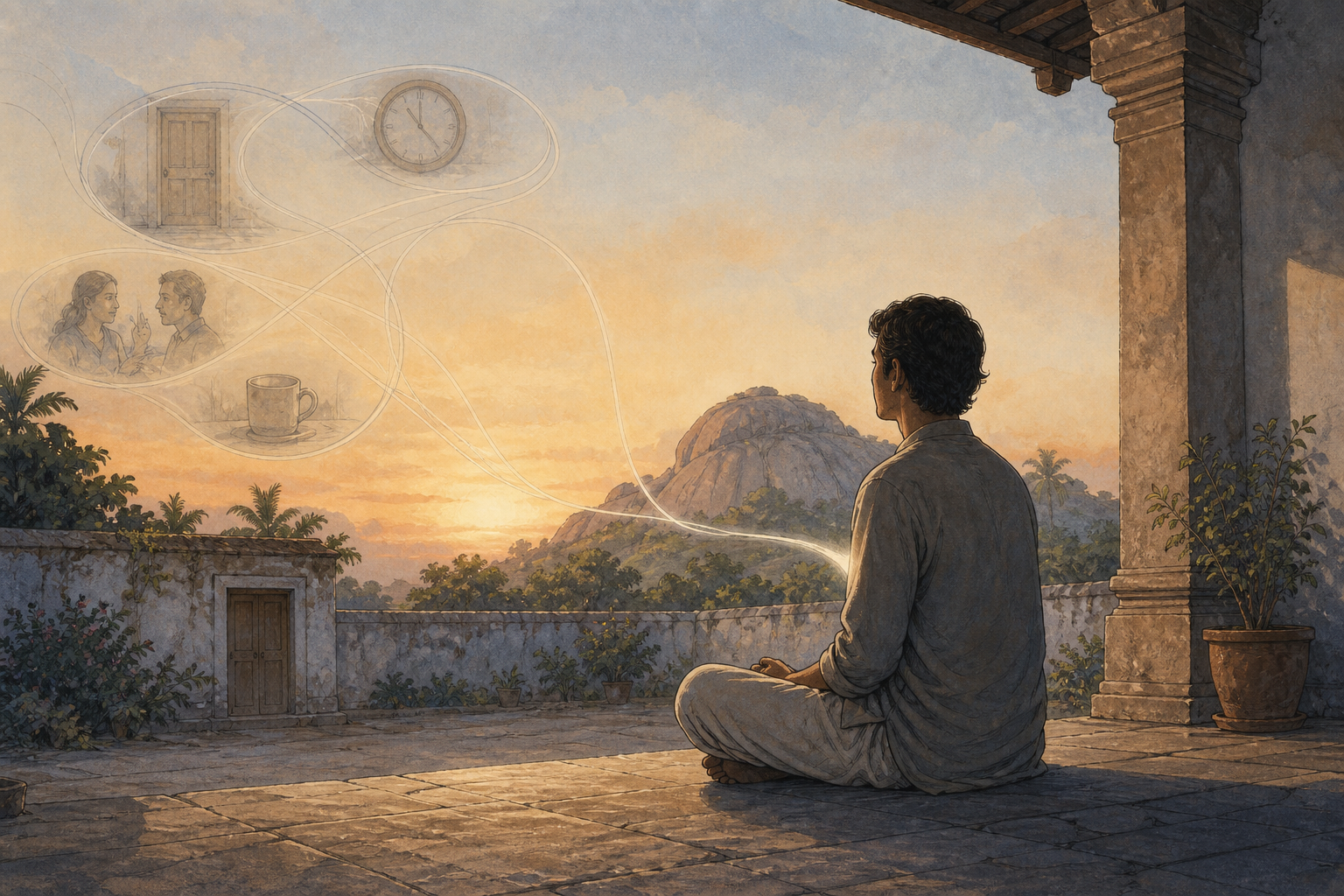
    Self-awareness helps growth, but when driven by fear it can become overthinking—anxious loops that feel like diligence yet erode clarity. This article explains, in clear academic terms, how constructive reflection differs from rumination and worry, why the nervous system often sustains analysis loops, and how regulation restores kind, accurate thinking. Drawing on mindfulness research, self-compassion…

  • Only Knowledge, No Struggle: Effortless Wisdom in Hindu, Buddhist, Jain, and Sikh Thought

    Only Knowledge, No Struggle: Effortless Wisdom in Hindu, Buddhist, Jain, and Sikh Thought

    This essay unpacks the aphorism “there is only knowledge, so they remain one with it and do not struggle” through a comparative study of Hindu, Buddhist, Jain, and Sikh philosophies. It clarifies how each tradition frames liberating knowledge—jnana, prajna, giān—and why non-struggle means non-contradiction with truth rather than passivity. Readers gain a concise overview of…

  • Beyond Perfection: Liberating Dharmic Wisdom on Impermanence, Dharma, and Divine Order

    Beyond Perfection: Liberating Dharmic Wisdom on Impermanence, Dharma, and Divine Order

    Perfection, as popularly pursued, continually recedes because all conditioned things are impermanent; dharmic traditions convert this problem into a path by aligning aspiration with dharma and the Divine Order. Drawing on the Bhagavad Gita, Upanishads, Yoga philosophy, and the broader insights of Buddhism, Jainism, and Sikhism, the essay reframes success as excellence grounded in clarity,…

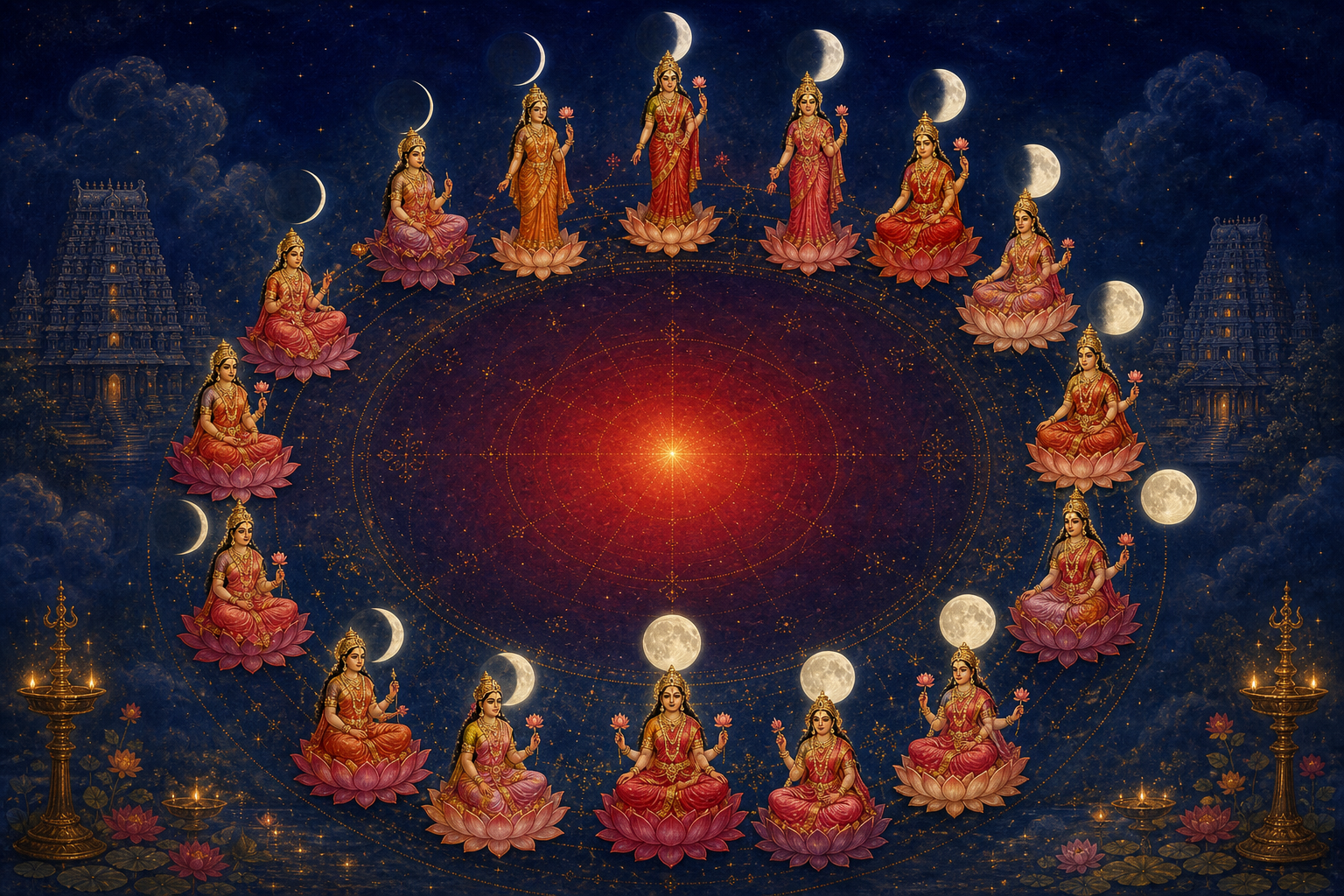
  • Astro-Numerology in Hinduism: A Definitive Guide to Ashtakavarga, Rashi, Nakshatras, and Time

    Astro-Numerology in Hinduism: A Definitive Guide to Ashtakavarga, Rashi, Nakshatras, and Time

    This article explains how Hindu astro numerology unites Jyotisha with number-based reasoning to make decisions aligned with cosmic time. It introduces ashtakavarga—Bhinnashtakavarga (BAV) and Sarvashtakavarga (SAV)—as a quantitative scaffold for evaluating planetary transits. Readers learn how to combine ashtakavarga with Vimshottari dasha, rāśi analysis, yogas, and the Panchang for clear, reproducible judgments. It clarifies indigenous…